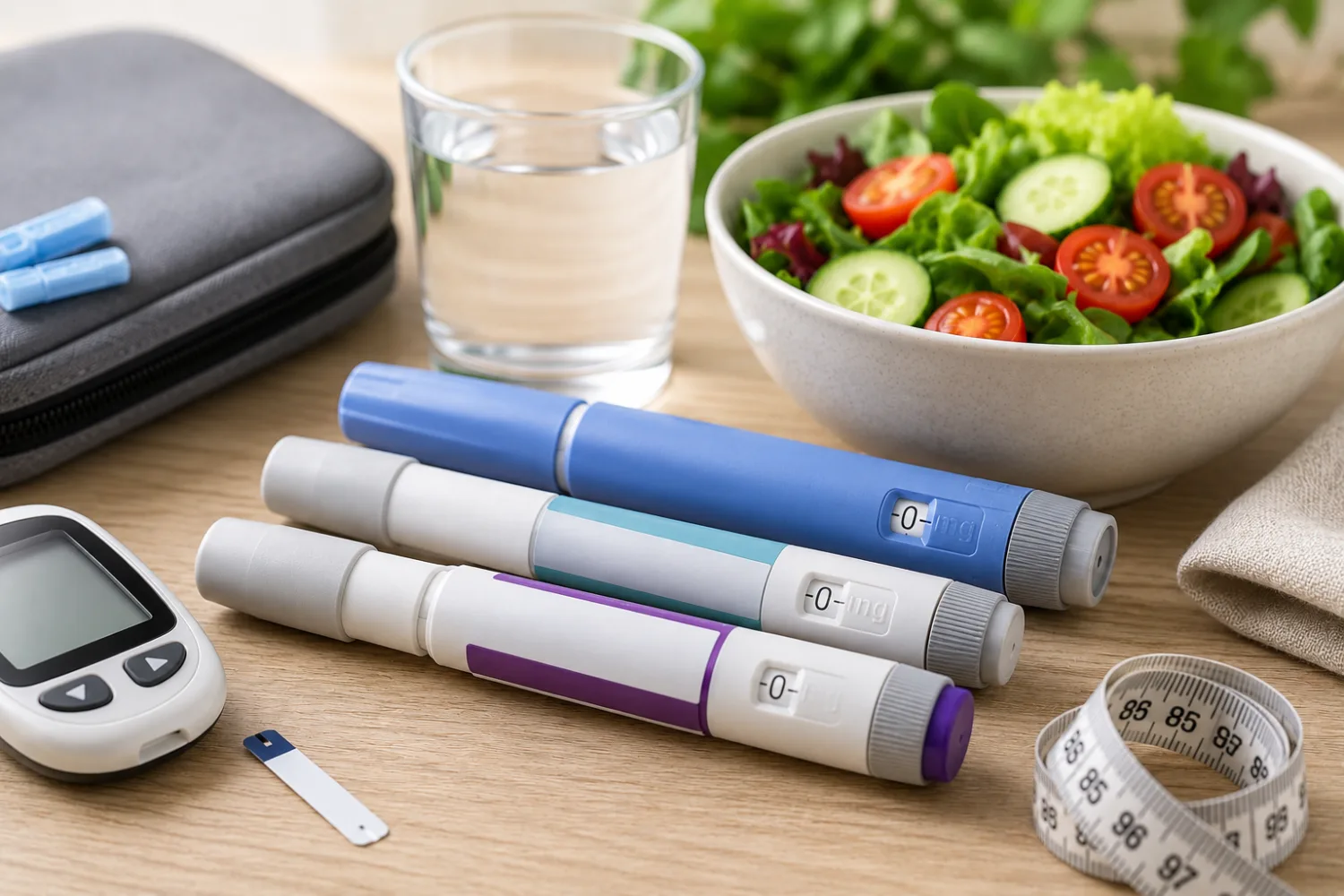
A private obesity specialist consultation in the UK commonly costs around £200 to £400 for an initial appointment. Follow-up consultations are often £120 to £250, while blood tests may add £100 to £400 or more.
If prescription weight-loss medication is appropriate, the total cost of a medically supervised programme can range from approximately £150 to £450 per month. The price depends on the medicine and dose, whether consultations are included and how much dietetic or behavioural support the service provides.
A more comprehensive multidisciplinary programme may cost £500 to £1,500 or more over several months. Private bariatric surgery is considerably more expensive, commonly costing approximately £8,000 to £15,000.
| Private service | Typical UK cost |
|---|---|
| Initial obesity specialist consultation | £200–£400 |
| Follow-up medical appointment | £120–£250 |
| Basic blood tests | £100–£250 |
| More extensive metabolic or hormonal testing | £200–£500+ |
| Weight-loss medication programme | £150–£450 per month |
| Initial private dietitian appointment | £80–£180 |
| Psychological or behavioural support | £60–£150 per session |
| Multidisciplinary programme | £500–£1,500+ |
| Private bariatric surgery | Approximately £8,000–£15,000+ |
These are broad self-pay estimates rather than fixed national tariffs. Some online services advertise a low monthly price but charge separately for medication, blood tests or follow-up care. Consultant-led hospital clinics generally cost more but may be better suited to people with complex health conditions.
Obesity is a long-term health condition, not a personal failure. A responsible specialist should assess your overall health, previous treatment, eating patterns, mental wellbeing and medication risks—not simply sell an injection.
What is a private obesity specialist?
An obesity specialist is a clinician with particular training or experience in assessing and treating overweight, obesity and related medical conditions. Depending on the service, this may be:
- a consultant physician specialising in obesity medicine;
- an endocrinologist;
- a diabetes and metabolism specialist;
- a bariatric physician;
- a GP with additional weight-management expertise;
- a bariatric surgeon when an operation is being considered.
A comprehensive service may also involve a registered dietitian, clinical psychologist, specialist nurse, exercise professional and pharmacist.
The word “specialist” is used quite loosely in private advertising. Check the clinician’s qualifications and registration rather than relying on the clinic’s description alone. Doctors should be registered with the General Medical Council, nurses with the Nursing and Midwifery Council, pharmacists with the General Pharmaceutical Council and dietitians with the Health and Care Professions Council.
A pharmacy prescriber may be able to assess and prescribe weight-loss medication safely for a straightforward case. However, a consultant-led service may be more appropriate if you have severe obesity, complex diabetes, previous bariatric surgery, significant digestive disease, an eating disorder or several interacting medical conditions.
How much does an initial obesity consultation cost?
An initial consultation commonly costs approximately £200 to £400. Short online appointments with a GP or prescribing clinician may be available for £50 to £150, while an extended assessment with a consultant obesity physician can cost £300 to £500 or more.
Published prices illustrate the difference between services. Bupa advertises an initial 30-minute weight-management consultation for £99, while one independent obesity and endocrine specialist publishes an initial weight-management consultation fee of £375. Another private provider lists a doctor-led assessment from £250.
These examples are useful for comparison but should not be treated as national prices. Confirm the current fee directly with the provider before booking.
A proper initial assessment may cover:
- your weight history and previous attempts to lose weight;
- height, weight, BMI and waist measurement;
- blood pressure and cardiovascular risk;
- current medicines and medical conditions;
- family history of diabetes and cardiovascular disease;
- eating patterns, appetite and episodes of binge eating;
- sleep, activity, alcohol and smoking;
- mental health and emotional eating;
- symptoms of sleep apnoea;
- possible hormonal or metabolic contributors;
- previous weight-loss medicines or surgery;
- pregnancy plans and contraception where relevant;
- your treatment preferences and realistic goals.
A brief form followed by an automatic prescription is not equivalent to a comprehensive specialist assessment.
What tests might you need?
Not everyone needs an extensive panel of tests. The clinician should choose investigations according to your medical history, symptoms and proposed treatment.
Common baseline tests may include:
- HbA1c or fasting glucose to assess diabetes risk;
- cholesterol and triglycerides;
- liver-function tests;
- kidney-function tests and electrolytes;
- full blood count;
- thyroid-stimulating hormone;
- blood pressure;
- selected vitamin and mineral levels;
- a pregnancy test where clinically relevant.
Additional investigations might be recommended if symptoms suggest polycystic ovary syndrome, fatty liver disease, sleep apnoea, an endocrine disorder or a complication of obesity.
| Possible investigation | Approximate private cost |
|---|---|
| Basic metabolic blood panel | £100–£250 |
| Expanded hormonal or nutritional panel | £200–£500+ |
| Private liver ultrasound | £200–£400+ |
| Sleep-apnoea assessment or home sleep study | £200–£600+ |
| ECG | £80–£180 |
Routine testing for every possible hormone is rarely necessary. Most obesity is not caused by an undiagnosed thyroid or adrenal condition, although targeted testing is important when the symptoms support it.
Ask whether tests can be requested through your NHS GP. The GP may agree when an investigation is clinically indicated, but is not obliged to arrange NHS tests solely to support treatment from a private provider.
How much does prescription weight-loss treatment cost?
A private medically supervised medication programme commonly costs approximately £150 to £450 per month. The amount can vary substantially as doses increase.
The monthly price may include:
- the medicine;
- a prescription and dispensing fee;
- delivery;
- regular clinical check-ins;
- dose adjustment;
- side-effect advice;
- weight and progress monitoring;
- basic dietary or lifestyle support.
Some consultant clinics charge separately for each element. For example, you might pay £300 for the initial consultation, £200 to £350 per month for medication, £150 for a follow-up appointment and £150 for blood tests.
Over six months, a patient could therefore spend:
| Example expense | Six-month cost |
|---|---|
| Initial specialist consultation | £300 |
| Medication averaging £250 per month | £1,500 |
| Two follow-up consultations | £300 |
| Baseline and repeat blood tests | £300 |
| Illustrative total | £2,400 |
This is only an example. A lower-cost pharmacy service may cost considerably less, while a consultant-led multidisciplinary programme may cost more.
Circle Health Group, for example, advertises a £499 weight-loss programme but states that medication and any necessary tests are charged separately. This is why the headline programme fee cannot be used to calculate the complete treatment cost.
Our guides to Mounjaro side effects and eating while using GLP-1 medication explain some of the practical considerations involved.
Which obesity treatments might a specialist recommend?
Treatment should be personalised. It may include lifestyle and behavioural support alone or alongside medication or bariatric surgery.
Nutrition and activity support
A clinician or dietitian can help establish a realistic energy deficit while preserving adequate protein, fibre, vitamins and minerals. Advice should take account of cultural preferences, household costs, disability, working hours and other health conditions.
Extreme restriction is not automatically more effective. A plan that produces rapid short-term weight loss but cannot be maintained may lead to repeated weight regain and nutritional problems.
Weight-loss medicines
Several prescription medicines can be used for weight management in the UK when eligibility requirements are met. Options may include weekly injections that influence appetite and fullness, as well as selected oral medicines.
The appropriate choice depends on factors including:
- BMI and weight-related health conditions;
- diabetes status and current diabetes treatment;
- previous response to weight-loss medicines;
- digestive symptoms;
- gallbladder or pancreatic history;
- other medicines;
- pregnancy or plans to become pregnant;
- side-effect risk;
- affordability over the likely treatment period.
Medication is not suitable for everyone. It should be supplied through a regulated UK service after an appropriate clinical assessment. The MHRA advises people to obtain GLP-1 medicines only from legitimate pharmacies and to avoid unregulated sellers, social-media suppliers and products that may be falsified.
Psychological treatment
Psychological support may be useful when weight is affected by binge eating, emotional eating, trauma, depression, anxiety, body-image distress or a difficult relationship with food.
This is not an attempt to blame weight on a lack of willpower. Behaviour, biology, environment, sleep, medicine and mental health can all interact.
Private psychological therapy typically costs around £60 to £150 per session. More specialist eating-disorder assessments may cost £200 to £400 or more. See our guide to private CBT costs for a wider breakdown.
Bariatric surgery
Surgery may be considered for some people with severe or complex obesity, particularly when non-surgical treatment has not produced sufficient improvement.
Private bariatric surgery commonly costs approximately £8,000 to £15,000, depending on the procedure, hospital and follow-up package. The assessment itself may involve separate fees for a surgeon, dietitian, anaesthetist and psychologist.
A responsible service should explain lifelong nutritional monitoring, vitamin supplementation and possible complications—not only the expected weight loss.
What do dietitian appointments and support programmes cost?
A registered dietitian specialising in weight management commonly charges around £80 to £180 for an initial consultation and £50 to £110 for a follow-up. Packages covering several months may cost approximately £250 to £700 or more.
London Medical, for example, publishes a price of £120 for an initial dietitian consultation and £90 for a follow-up. Prices outside London may be lower, although experience and appointment length matter as much as location.
A multidisciplinary package may combine:
- medical assessment;
- dietitian consultations;
- prescribing and medication reviews;
- psychological or behavioural support;
- exercise advice;
- group sessions;
- blood-test monitoring;
- digital tracking or messaging support.
Before paying for a package, ask how many appointments are included, who provides them and what happens if you stop medication because of side effects.
Our detailed guide to private dietitian costs for weight loss explains session fees and how to assess a package.
What should be included in the quoted price?
Ask for a written breakdown rather than relying on a single headline figure.
Important questions include:
- How long is the initial consultation?
- Will I see a doctor, nurse, pharmacist or dietitian?
- Is the medication included?
- Does the price rise when the dose increases?
- Are delivery and prescription fees included?
- How often will my health and side effects be reviewed?
- Are blood tests required, and what do they cost?
- Is dietetic or behavioural support included?
- Can I contact the service between appointments?
- What happens if the medicine is unavailable?
- What is the cancellation policy?
- Will my GP receive a treatment summary?
- What support is available when treatment ends?
A very cheap service may provide a safe and proportionate pathway for a straightforward patient. However, low pricing becomes poor value if monitoring is inadequate, essential costs are hidden or no one is available when side effects develop.
How can you choose a safe private clinic?
Check who regulates the provider and who is responsible for prescribing. Depending on the service, relevant organisations may include the Care Quality Commission in England, Healthcare Improvement Scotland, Healthcare Inspectorate Wales and the Regulation and Quality Improvement Authority in Northern Ireland.
Pharmacies and pharmacists should be registered with the General Pharmaceutical Council in Great Britain or the Pharmaceutical Society of Northern Ireland.
Signs of a responsible service include:
- verification of identity, BMI and relevant medical information;
- a clear explanation of benefits, limitations and side effects;
- screening for contraindications and medicine interactions;
- realistic expectations about weight loss;
- planned monitoring and dose review;
- access to clinical advice if problems develop;
- discussion of nutrition, movement and long-term maintenance;
- appropriate communication with your GP;
- clear pricing and cancellation terms.
Be cautious when a provider:
- guarantees a particular amount of weight loss;
- prescribes without adequately verifying your information;
- encourages you to hide treatment from your GP;
- sells unlicensed or unidentified injections;
- recommends changing the prescribed dose yourself;
- promotes “microdosing” without a proper clinical rationale;
- has no clear process for reporting side effects;
- pressures you to prepay for a long package immediately.
Can private health insurance cover obesity treatment?
Many standard private medical insurance policies exclude routine weight management because obesity is usually considered a chronic condition rather than an acute illness. Prescription weight-loss medication is also commonly excluded.
There are exceptions. Some insurers and workplace schemes provide access to weight-management programmes, coaching or discounted medication for members who meet particular criteria.
Even when consultations are covered, you may still need to pay for:
- the medication;
- dietitian appointments;
- maintenance treatment;
- an insurance excess;
- tests outside the authorised pathway.
Do not book on the assumption that your insurer will reimburse you. Ask for pre-authorisation and confirm whether the named clinician, clinic, tests and medicines are covered.
Can you receive obesity treatment through the NHS?
Yes. Your GP can assess weight-related health risks, discuss appropriate support and refer you to local weight-management services where available. NHS treatment is not limited to medication and may include nutrition, activity, behavioural support and specialist assessment.
Access varies by UK nation and local area. Waiting times and referral thresholds also differ.
NHS access to medicines such as semaglutide or tirzepatide is governed by national recommendations and local implementation arrangements. Meeting the medicine’s marketing-authorisation criteria does not automatically mean that it will be available immediately through your GP.
NICE guidance generally places anti-obesity medicines within a structured programme involving dietary, physical-activity and behavioural support. NHS England has also used phased implementation for tirzepatide because the potentially eligible population is very large.
If you begin medication privately, the NHS is not automatically required to continue the prescription. Ask about the long-term cost before starting and do not assume that prescribing can later be transferred to your GP.
The NHS provides an overview of obesity treatment and weight-management medicines. NICE’s overweight and obesity management guidance explains the recommended wider approach to assessment and treatment.
Is seeing a specialist worth the cost?
A private specialist may be particularly valuable when:
- your weight is affecting several aspects of your health;
- previous treatment has repeatedly failed;
- you take medicines that can affect weight;
- you have diabetes, fatty liver disease, sleep apnoea or cardiovascular risk;
- you have complex hormonal symptoms;
- you previously had bariatric surgery;
- side effects limit medication choices;
- you need coordinated dietetic and psychological care;
- surgery is being considered.
A lower-cost regulated pharmacy service may be sufficient for some people who have uncomplicated health histories and need straightforward prescribing and monitoring.
The most expensive service is not automatically the best. Value depends on clinical expertise, appointment time, continuity, transparent pricing and whether the programme addresses the factors relevant to you.
Frequently asked questions
How much is a private obesity specialist consultation?
An initial appointment commonly costs £200 to £400. Short GP-led or online consultations may cost less, while an extended assessment with a consultant can exceed £400.
How much does private medical weight loss cost each month?
A supervised programme involving prescription medication commonly costs around £150 to £450 per month. Ask whether the medicine, consultations, dose increases, delivery and support are included.
Are weight-loss injections included in the consultation fee?
Usually not. Many clinics charge separately for the consultation, prescription and medicine. Some online providers combine these costs into one monthly payment.
Does the medication become more expensive at higher doses?
It can. Some providers charge one price at every dose, while others increase the monthly fee during dose escalation. Request the complete price schedule before starting.
Will I need blood tests before treatment?
Not everyone requires the same tests, but baseline blood tests may be recommended to assess blood glucose, liver and kidney function, cholesterol or other health concerns. More extensive testing should be based on your history and symptoms.
Can a private obesity specialist prescribe Mounjaro or Wegovy?
An appropriately qualified prescriber may prescribe a licensed weight-management medicine when you meet the relevant clinical criteria and it is safe for you. A consultation does not guarantee that a particular medicine will be prescribed.
Can I get the prescription from my NHS GP after seeing a private specialist?
Not automatically. Your GP must follow NHS eligibility requirements and local prescribing arrangements. You should be prepared to fund continuing private treatment unless an NHS clinician confirms otherwise.
Is Ozempic prescribed for weight loss?
Ozempic is primarily licensed for treating type 2 diabetes. Semaglutide intended specifically for weight management is sold under a different brand. A clinic should explain which product is being prescribed and whether its use is licensed for your condition.
How long will I need weight-loss medication?
Obesity medicines may be used as longer-term treatment when they remain effective, safe and affordable. Appetite and weight can increase again after stopping. Discuss maintenance and exit planning before beginning treatment.
Is bariatric surgery cheaper than long-term injections?
Surgery has a much higher upfront price but medication costs accumulate over time. A simple cost comparison is not sufficient because the treatments have different eligibility criteria, risks, benefits and follow-up requirements.
Can an obesity specialist investigate PCOS or thyroid problems?
An endocrinologist or another suitably experienced physician can investigate symptoms suggesting an endocrine condition. However, most weight gain is not explained by an undiagnosed hormone disorder, so testing should be targeted.
What is the difference between an obesity specialist and a dietitian?
An obesity physician can diagnose medical conditions, assess medicine safety and prescribe treatment. A registered dietitian provides specialist nutrition assessment and dietary treatment. Many patients benefit from both roles working together.
Can I see a specialist if my BMI is below the obesity range?
You can request an assessment, but prescription treatment may not be appropriate. Eligibility also depends on weight-related conditions, medicine licensing and individual risk. A responsible clinician will not prescribe solely because someone wants to lose a small amount of weight.
Are online weight-loss clinics safe?
Some provide regulated, appropriate care. Check the pharmacy, prescriber and healthcare regulator; confirm how your identity and measurements will be verified; and make sure the service offers monitoring and access to clinical support.
When should I seek urgent medical help while taking weight-loss medication?
Seek urgent advice for severe or persistent abdominal pain, repeated vomiting, inability to keep fluids down, signs of a serious allergic reaction or symptoms of severe dehydration. Call 999 for breathing difficulty, facial or throat swelling, collapse or another life-threatening reaction.