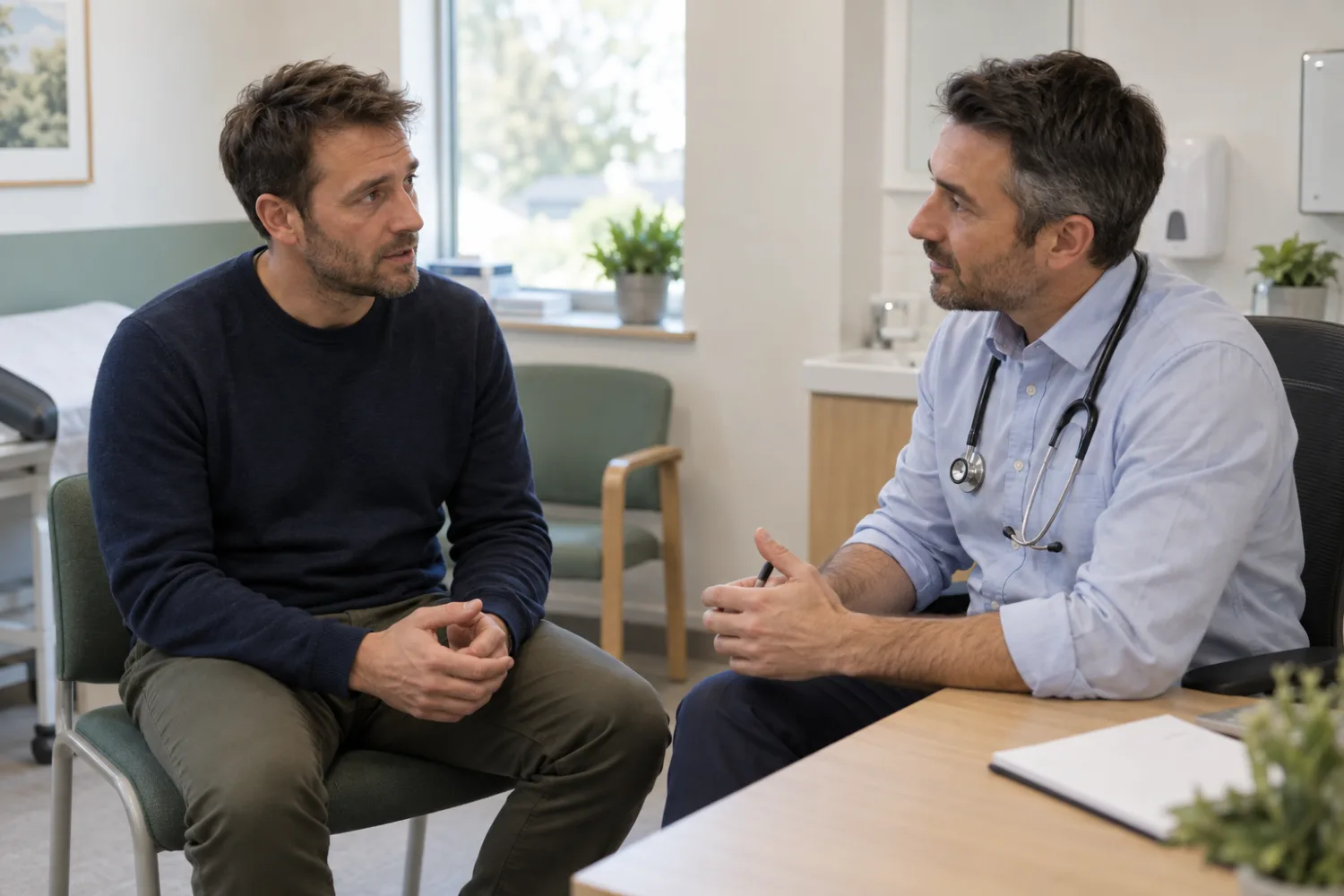
Private testosterone replacement therapy in the UK commonly costs around £80 to £150 per month once treatment begins. However, the complete first-year cost is often approximately £1,200 to £2,500 after consultations, diagnostic blood tests, medication and monitoring are included.
Prices vary substantially between providers. Some clinics offer an inclusive subscription covering medication, delivery and clinical reviews. Others charge separately for every consultation, prescription, blood test and supply of testosterone.
| Private TRT service | Typical UK cost |
|---|---|
| Initial testosterone screening test | £35–£90 |
| Comprehensive diagnostic blood test | £100–£250 |
| Initial doctor consultation | £80–£300 |
| Follow-up consultation | £70–£200 |
| Testosterone gel | Approximately £40–£100 per month |
| Short-acting testosterone injections | Approximately £60–£130 per month, including supplies and clinic fees where applicable |
| Long-acting testosterone injection | Approximately £120–£250 per injection, plus an administration fee |
| Inclusive TRT subscription | Approximately £80–£150 per month |
| Monitoring blood tests | £80–£250 each |
| Illustrative first-year total | Approximately £1,200–£2,500 |
These are broad self-pay estimates rather than fixed national tariffs. A low advertised monthly price may exclude essential investigations and follow-up appointments. Before joining a programme, ask for the complete first-year cost and an estimate of continuing annual fees.
Testosterone is a prescription medicine, not a general energy, anti-ageing or muscle-building supplement. Treatment should normally follow compatible symptoms, properly timed blood tests and a medical assessment of other possible causes.
What is testosterone replacement therapy?
Testosterone replacement therapy, commonly called TRT, replaces testosterone when the body is not producing an adequate amount. A confirmed deficiency is known as male hypogonadism.
Testosterone may be prescribed as:
- a gel applied to the skin each day;
- short-acting injections given at regular intervals;
- long-acting injections administered several times per year;
- less commonly, another formulation selected by a specialist.
The aim is to restore testosterone to an appropriate physiological range and improve symptoms caused by genuine deficiency. It is not intended to create unusually high hormone levels or reproduce the effects of anabolic steroid use.
Potential symptoms of testosterone deficiency include:
- reduced sexual desire;
- fewer spontaneous or morning erections;
- erectile difficulties;
- loss of body hair;
- reduced muscle mass and strength;
- low bone density;
- persistent tiredness;
- low mood or reduced motivation;
- difficulty concentrating;
- infertility.
Many of these symptoms are non-specific. Poor sleep, depression, stress, obesity, diabetes, thyroid disease, anaemia, sleep apnoea, medicine side effects and relationship difficulties can produce similar problems.
The NHS explains that a GP may arrange blood testing and refer someone to an endocrinologist when the symptoms and results suggest testosterone deficiency. If the diagnosis is confirmed, testosterone may be offered as an injection or gel. See the NHS guide to the so-called male menopause and testosterone deficiency.
How much does the initial private assessment cost?
A basic online TRT assessment may cost around £80 to £150. An extended consultation with an endocrinologist, urologist or specialist men’s-health doctor may cost approximately £180 to £300 or more.
The assessment should involve more than checking whether a single testosterone result falls below the laboratory reference range. The clinician should ask about:
- the nature and duration of your symptoms;
- sexual function and fertility plans;
- puberty, testicular injury or previous surgery;
- current and previous anabolic steroid use;
- prescription and non-prescription medicines;
- alcohol and recreational drug use;
- sleep and possible sleep apnoea;
- weight, nutrition and physical activity;
- diabetes and cardiovascular health;
- prostate and urinary symptoms;
- family history and relevant medical conditions.
A specialist may also examine the testes, assess body-hair distribution, measure blood pressure and BMI, and look for signs that help explain why testosterone is low.
Some online services include the consultation within their diagnostic package. Others charge separately, so a seemingly inexpensive blood test may be only the first stage of the process.
How much do private testosterone blood tests cost?
A simple finger-prick screening test may cost approximately £35 to £70. A venous testosterone test collected at a clinic, pharmacy or private hospital may cost around £50 to £100.
A more comprehensive diagnostic panel usually costs £100 to £250. The price depends on the number of biomarkers, where the sample is collected and whether a clinician’s interpretation is included.
Tests commonly considered before TRT include:
- total testosterone;
- sex hormone-binding globulin, known as SHBG;
- calculated free testosterone;
- luteinising hormone and follicle-stimulating hormone;
- prolactin;
- full blood count and haematocrit;
- liver-function tests;
- HbA1c or blood glucose;
- cholesterol and triglycerides;
- thyroid-function tests when indicated;
- prostate-specific antigen, or PSA, when appropriate.
Testing luteinising hormone and follicle-stimulating hormone can help distinguish a problem originating in the testes from one involving the pituitary gland or hypothalamus. An unusually high prolactin result may require further investigation.
Why is one low result not always enough?
Testosterone levels change throughout the day and can be temporarily reduced by poor sleep, acute illness, under-eating, heavy exercise and some medicines. Levels also need to be interpreted alongside symptoms and other blood results.
Diagnosis will usually require more than one appropriately timed result. A responsible clinic should not diagnose lifelong hormone deficiency from a single unexplained finger-prick reading.
Morning testing is particularly important for younger men because testosterone levels generally peak earlier in the day. Shift workers and people with disrupted sleep may require individual advice about timing.
How much do different forms of TRT cost?
The medication cost depends on the formulation, dose, prescribing arrangement and whether administration is included.
Testosterone gel
Testosterone gel may cost approximately £40 to £100 per month privately. It is applied to clean, dry skin each day and can provide relatively steady hormone exposure.
The advantages include avoiding injections and allowing the dose to be adjusted reasonably easily. Disadvantages include daily application, variable absorption, skin irritation and the risk of transferring testosterone to another person or animal through skin contact.
Hands should be washed after application, and the treated area should be covered once the gel has dried. Follow the product instructions carefully, particularly around contact with children, partners and pets.
Short-acting injections
A programme using short-acting injections may cost around £60 to £130 per month. This estimate may include the medicine, prescription, injection equipment, delivery and ongoing clinic support, but packages differ.
Some patients administer prescribed injections themselves after training. Others pay a clinic or healthcare professional for each administration. Ask whether needles, syringes, sharps disposal and teaching are included.
Some private clinics use formulations or injection schedules that differ from common NHS pathways. The prescriber should explain whether the medicine is licensed in the UK for the proposed use and whether any part of the regimen is off-label.
Long-acting injections
A long-acting testosterone injection may cost approximately £120 to £250 per dose, with a separate administration charge of around £20 to £80. It is normally given by a healthcare professional at intervals determined by the product instructions and clinical response.
The cost per injection appears higher, but fewer doses may be required during the year. The overall comparison should include administration, consultations and monitoring rather than medication alone.
What is included in a TRT subscription?
Private TRT subscriptions commonly cost £80 to £150 per month. A more expensive programme may still represent better value when it includes all clinically necessary care.
A subscription may include:
- testosterone medication;
- private prescriptions;
- dispensing and delivery;
- needles, syringes and other injection equipment;
- clinical messaging or telephone support;
- scheduled follow-up consultations;
- dose reviews;
- some monitoring blood tests.
However, blood tests and doctor reviews are frequently excluded. A clinic charging £90 per month could therefore cost considerably more once two £180 blood panels and several follow-up consultations are added.
Ask the provider for a written breakdown covering:
- the diagnostic stage;
- the medication at your likely dose;
- delivery and prescription fees;
- required monitoring tests;
- doctor consultations;
- injection supplies or administration;
- fees for changing treatment;
- charges if you cancel or pause the programme.
What could TRT cost during the first year?
The following example demonstrates why the monthly medication price does not reveal the full cost.
| Example first-year expense | Illustrative cost |
|---|---|
| Two diagnostic blood tests | £240 |
| Initial doctor consultation | £180 |
| Medication and support at £100 per month | £1,200 |
| Two monitoring blood tests | £300 |
| Two follow-up reviews | £200 |
| Illustrative first-year total | £2,120 |
This is an example, not a quotation. An inclusive online service may cost less, while consultant-led care with extensive investigations may cost more.
Continuing treatment may be cheaper after the diagnostic year, but TRT is often long term. At £100 per month, medication and clinic support alone would cost £6,000 over five years before additional tests or consultations.
What monitoring is needed during treatment?
Monitoring is an essential part of TRT, not an optional extra. Testosterone can affect red-blood-cell production, fertility, prostate-related measurements and other aspects of health.
Reviews may assess:
- whether symptoms have improved;
- testosterone concentration and timing relative to treatment;
- haemoglobin and haematocrit;
- blood pressure;
- weight and cardiovascular risk;
- PSA and prostate symptoms where appropriate;
- side effects such as acne, swelling or breast tenderness;
- sleep-apnoea symptoms;
- mood and sexual function;
- whether the dose remains suitable.
The precise schedule depends on the medicine, the patient and the clinician’s protocol. Testing is generally more frequent after treatment begins or the dose changes, followed by periodic long-term reviews once results are stable.
NICE’s British National Formulary advises monitoring haemoglobin and haematocrit before treatment and regularly afterwards. Read the BNF information on testosterone and monitoring.
A rising haematocrit means the blood contains a greater proportion of red cells. If it becomes too high, the clinician may need to reduce or pause treatment and investigate contributing factors. Simply arranging blood donation without reviewing the prescription does not address the underlying treatment issue.
Can TRT affect fertility?
Yes. External testosterone can suppress the hormones that stimulate sperm production. Sperm counts may fall substantially, and some men can become temporarily infertile while receiving treatment.
Tell the clinician before starting if you want children now or may want them in the future. This conversation should happen before the first prescription, not after fertility problems emerge.
A specialist may recommend:
- semen analysis;
- sperm storage;
- investigation of the underlying cause;
- delaying TRT;
- an alternative specialist-led treatment intended to preserve or stimulate natural function.
Some clinics offer additional medicines alongside testosterone and claim that they will maintain fertility or prevent testicular shrinkage. These medicines add to the monthly cost and may be prescribed off-label. They should not be treated as routine supplements or used without a clear clinical reason.
Stopping TRT may allow sperm production to recover, but the timing and degree of recovery cannot be guaranteed.
What are the potential risks and side effects?
Testosterone can be highly beneficial when a genuine deficiency is correctly diagnosed and monitored. It can also cause complications, particularly when the dose is excessive or follow-up is inadequate.
Possible adverse effects include:
- acne and oily skin;
- increased haematocrit;
- fluid retention;
- breast tenderness or enlargement;
- reduced sperm production;
- testicular shrinkage;
- worsening of untreated sleep apnoea;
- changes in mood or irritability;
- application-site reactions from gel;
- pain or infection at an injection site;
- suppression of natural testosterone production.
Prostate symptoms, cardiovascular health and other risks need to be considered individually. Having a raised PSA does not automatically mean someone has prostate cancer, but it may require assessment before treatment continues.
Seek urgent medical help for chest pain, severe breathlessness, coughing up blood, one-sided leg swelling, signs of stroke or a severe allergic reaction. Injection-site redness or swelling that is rapidly worsening or accompanied by fever also needs prompt assessment.
Can you obtain TRT through the NHS?
Yes. A GP can assess symptoms, arrange initial blood tests and refer to endocrinology or another specialist when appropriate. NHS testosterone treatment may be available when hypogonadism is confirmed and treatment is clinically indicated.
The NHS route does not involve paying private consultation or prescription charges beyond the normal arrangements applicable in your UK nation. However, referral thresholds, local pathways and waiting times vary.
NHS treatment is less likely to be offered solely for non-specific tiredness or age-related changes when testosterone results do not demonstrate a clinically meaningful deficiency.
If you start treatment privately, your NHS GP is not automatically required to take over prescribing or monitoring. Shared-care arrangements depend on the medicine, specialist recommendation, local policy and whether the GP considers the arrangement clinically appropriate.
Ask the private clinic what will happen if your GP declines shared care. You may need to fund the medicine, testing and consultations privately for as long as treatment continues.
How should you choose a private TRT clinic?
Check the identity and registration of the clinician who will diagnose and prescribe. UK doctors can be checked through the General Medical Council register, while pharmacies can be checked through the General Pharmaceutical Council or the Pharmaceutical Society of Northern Ireland.
Depending on how the service operates and where it is based, it may also require registration with the relevant healthcare regulator.
Signs of a responsible service include:
- properly timed confirmatory blood testing;
- assessment of symptoms and alternative diagnoses;
- clear investigation of why testosterone is low;
- discussion of fertility before prescribing;
- realistic claims about possible benefits;
- a written monitoring schedule;
- access to a qualified prescriber if problems develop;
- clear information about licensed and off-label treatment;
- transparent pricing;
- communication with your GP, with your consent.
Be cautious if a clinic:
- guarantees improved confidence, muscle growth or sexual performance;
- diagnoses deficiency from one low-cost screening test;
- treats normal ageing as proof that TRT is required;
- dismisses fertility concerns;
- encourages unusually high testosterone levels;
- sells several additional medicines automatically;
- allows customers to change the dose without medical approval;
- does not require ongoing blood tests;
- cannot identify the responsible prescriber or dispensing pharmacy;
- encourages the use of unregulated or “underground” testosterone.
TRT supplied outside a regulated medical pathway may be incorrectly dosed, contaminated or falsely labelled. Self-medicating also removes the clinical checks intended to identify serious causes of low testosterone and treatment complications.
Is private TRT worth the cost?
Private treatment may offer quicker assessment, longer consultations and a broader choice of formulations. It may be valuable when someone has persistent compatible symptoms, repeatedly low results and difficulty accessing an appropriate NHS pathway.
It is poor value when a service prescribes on weak evidence, hides the cost of monitoring or treats every midlife symptom as testosterone deficiency.
Before committing, consider:
- whether the diagnosis is supported by symptoms and repeat results;
- whether other causes have been investigated;
- the complete first-year price;
- the likely annual cost thereafter;
- whether you can afford long-term treatment;
- how fertility may be affected;
- what happens if treatment does not improve symptoms;
- whether the clinic will communicate with your GP;
- how treatment can be safely reduced or stopped.
The cheapest clinic is not necessarily the best value. Safe TRT depends more on accurate diagnosis, appropriate prescribing and reliable monitoring than on the price of testosterone itself.
Frequently asked questions
How much does private TRT cost per month in the UK?
Most private programmes cost approximately £80 to £150 per month. Check whether this includes medication, prescriptions, delivery, blood tests and doctor reviews.
How much does TRT cost during the first year?
A realistic first-year total is often around £1,200 to £2,500. Complex investigations or consultant-led care can increase the cost.
Are blood tests included in the monthly TRT price?
Sometimes. Some subscriptions include scheduled tests, while others cover only medication and basic support. Ask for a complete list of included and excluded services.
Can I buy testosterone without a consultation?
Testosterone is a prescription-only medicine in the UK. A regulated provider should complete an appropriate medical assessment before prescribing it.
Is a home testosterone test enough to start treatment?
Usually not. A home screening result may indicate that further assessment is appropriate, but diagnosis generally requires compatible symptoms, confirmatory testing and interpretation alongside other relevant results.
Is testosterone gel cheaper than injections?
Not necessarily. The answer depends on the product, dose, clinic fees and whether injections must be administered professionally. Compare the total annual cost rather than the medicine price alone.
Will private health insurance cover TRT?
Many policies exclude routine treatment of chronic hormone deficiency or private prescriptions. Some may cover an endocrinology consultation and diagnostic investigations when authorised in advance. Confirm the position with the insurer before booking.
Can my GP perform the monitoring blood tests?
A GP may arrange tests they consider clinically necessary, but they are not automatically required to provide NHS monitoring for privately initiated treatment. Establish the arrangement before starting.
Will the NHS take over my private prescription?
Not automatically. The GP must consider NHS criteria, local policy, the specialist’s recommendation and whether they are willing to accept prescribing responsibility.
Does TRT improve erectile dysfunction?
It may help when erectile difficulties are partly caused by confirmed testosterone deficiency. Many cases have other causes, including vascular disease, diabetes, medicine side effects, anxiety and relationship factors.
Does TRT cause infertility?
It can substantially suppress sperm production. Anyone who wants future children should discuss fertility assessment and alternatives before beginning treatment.
Is TRT a lifelong treatment?
It is often long term when the underlying cause of hypogonadism is permanent. Treatment should still be reviewed periodically, particularly if it does not improve symptoms or creates unacceptable side effects.
What happens if I stop TRT?
Symptoms may return, and natural testosterone production can remain suppressed for a period after stopping. Do not discontinue or alter the dose without discussing a safe plan with the prescriber.
Is this the same as gender-affirming testosterone treatment?
No. This guide focuses mainly on TRT for adult male hypogonadism. Testosterone used as gender-affirming hormone therapy involves a different assessment, treatment and monitoring pathway, although some medicines and tests may overlap.