By Andrei Peskau, Medical Director, BioCells Medical (Poland)
Neurodegenerative diseases remain among the most challenging conditions in modern medicine. Disorders such as amyotrophic lateral sclerosis (ALS), Parkinson’s disease, multiple sclerosis (MS), and Alzheimer’s disease are characterized by progressive neuronal damage, chronic inflammation, and gradual loss of neurological function. Despite significant advances in pharmacology and neurology, conventional therapies often focus primarily on symptom management rather than addressing the underlying biological mechanisms driving disease progression.
Over the past decade, regenerative medicine has emerged as a promising new direction in the treatment of these complex conditions. At BioCells Medical (https://www.biocellsmedical.com), we have focused on developing physician-guided regenerative protocols based on cellular therapy and exosome-based biologics designed to support neural repair, regulate immune responses, and improve functional outcomes for patients with neurodegenerative disorders.
The Scientific Rationale of Cellular Therapy
Cellular therapy uses biologically active cells to influence the body’s response to disease and support tissue regeneration. Rather than replacing damaged neurons directly, these cells interact with the immune and nervous systems to modify the biological environment in which the disease evolves. This process can reduce inflammation, promote neuroprotection, and stimulate endogenous repair mechanisms.
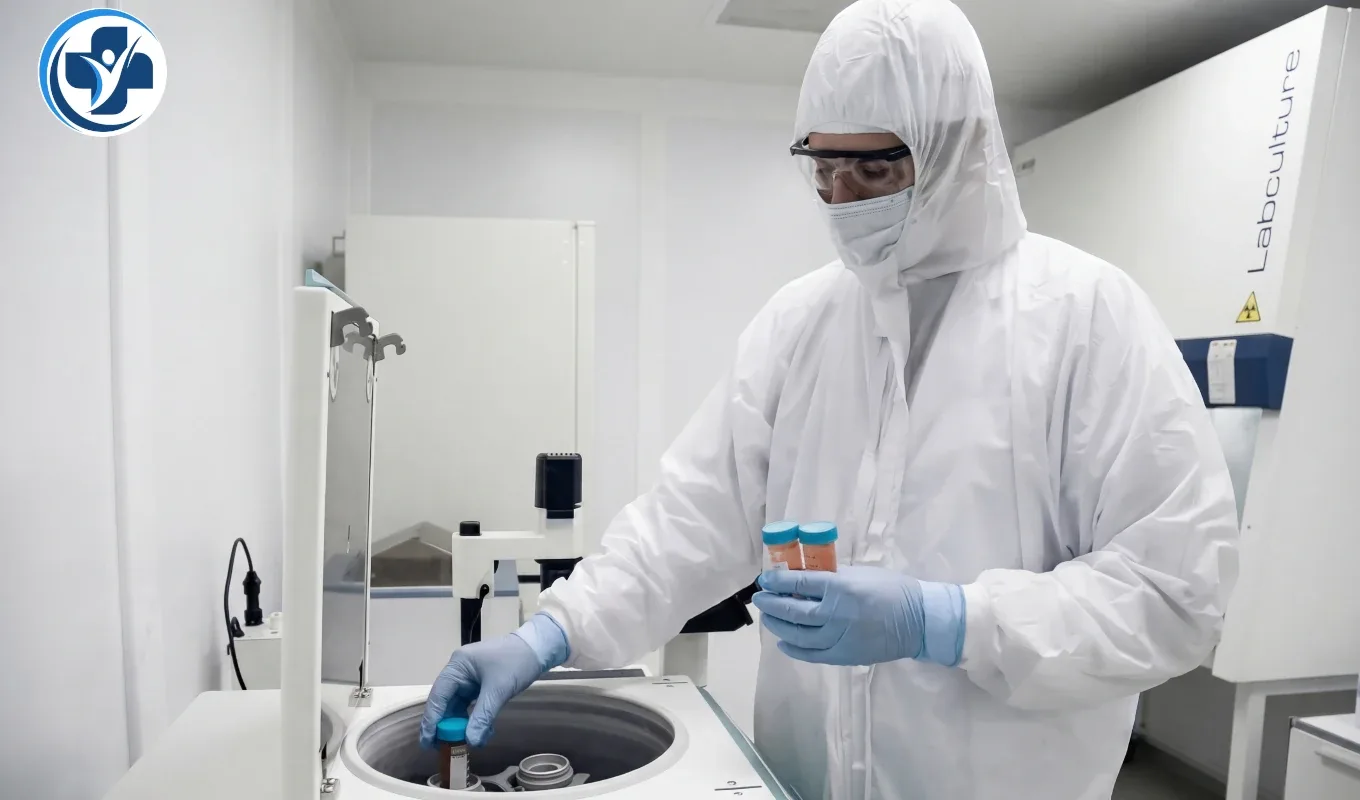
At BioCells Medical, therapies are developed and processed within a certified in-house laboratory that prepares advanced cellular products including mesenchymal stromal cells (MSCs), regulatory T cells (Tregs), and purified exosomes. This infrastructure allows full control over cell sourcing, expansion, characterization, and clinical preparation, ensuring consistency, safety, and traceability according to strict European laboratory standards.
Mesenchymal stromal cells are widely studied for their ability to release neuroprotective factors and modulate inflammatory processes. Once administered, these cells migrate toward damaged tissue and release signaling molecules that support neuronal survival and functional recovery. Such mechanisms are particularly relevant in diseases like ALS, Parkinson’s disease, and multiple sclerosis, where chronic neuroinflammation contributes significantly to progressive neurological decline.
Exosomes: Cell-Free Regenerative Signaling
In recent years, exosome-based therapies have gained increasing attention in regenerative medicine. Exosomes are nanoscale extracellular vesicles released by cells that carry proteins, micro-RNAs, and growth factors involved in cellular communication and tissue repair.
In neurological disorders, exosomes can influence several key pathological pathways. They help regulate oxidative stress, modulate inflammatory signaling, and support neuronal metabolism and intercellular communication within the central nervous system. These properties make exosomes particularly valuable as a cell-free therapeutic strategy capable of delivering regenerative signals directly to affected neural tissues.
At BioCells Medical, exosomes are isolated and purified from controlled MSC cultures and prepared as highly concentrated formulations before administration. Their molecular cargo is designed to counteract degenerative signaling pathways and support neuromuscular coordination, cognitive function, and neuronal resilience in patients with progressive neurological diseases.
Personalized Regenerative Protocols
One of the most important principles in regenerative medicine is personalization. Neurodegenerative diseases differ significantly between patients in terms of biological profile, disease stage, and rate of progression. For this reason, a “one-size-fits-all” approach rarely delivers optimal results.
At our clinic, each patient undergoes a comprehensive medical evaluation, including neurological assessment, biomarker analysis, and functional status evaluation. Based on this information, physicians design an individualized therapeutic protocol that may combine cellular therapy, exosome therapy, immune modulation, and neurorehabilitation. The goal is not only to stabilize disease progression but also to improve quality of life and preserve functional independence whenever possible.
Importantly, these therapies are minimally invasive. Treatments are typically administered through controlled infusions without surgical intervention or general anesthesia, allowing patients — including elderly individuals with complex neurological conditions — to undergo therapy with minimal recovery time.
Clinical Observations and Patient Outcomes
Over more than a decade of clinical practice, regenerative treatment programs at BioCells Medical have been applied to patients from over twenty countries suffering from conditions such as ALS, multiple sclerosis, Parkinson’s disease, and multisystem atrophy.
Clinically observed outcomes in many patients include improved mobility and motor control, stabilization or slower progression of neurological decline, enhanced energy levels, and better daily functioning. In some neurodegenerative conditions, patients have also reported improved speech, swallowing, or cognitive endurance following regenerative treatment programs.
While regenerative medicine does not yet offer a definitive cure for most neurodegenerative diseases, accumulating clinical experience suggests that carefully designed cellular protocols may significantly influence disease dynamics and patient quality of life.
Ongoing Research and Clinical Trials
Scientific validation remains essential for the continued development of regenerative therapies. For this reason, BioCells Medical actively participates in clinical research and maintains registered studies on ClinicalTrials.gov.( ClinicalTrials.gov ID: NCT07146087, ID: NCT07143656, ID: NCT07145502, ID: NCT07467733)
One ongoing observational registry study evaluates the outcomes of cellular and exosome-based therapies in patients with autoimmune or post-infectious neuroinflammatory syndromes, tracking neurological function, inflammatory biomarkers, and quality-of-life indicators following treatment.
Another early-phase clinical trial investigates the safety and potential efficacy of mesenchymal stem cell-derived exosome infusions in patients with progressive multiple sclerosis, aiming to determine whether repeated administration may reduce disability progression and neuroinflammation.
Such studies are essential for translating regenerative technologies into evidence-based clinical practice and improving therapeutic protocols for future patients.
The Future of Regenerative Neurology

The treatment of neurodegenerative diseases is entering a new era. Advances in cellular biology, immunology, and regenerative medicine are opening opportunities to intervene at the level of disease mechanisms rather than symptoms alone.
Cellular therapy and exosome-based biologics represent a rapidly evolving field with the potential to transform neurological care. As clinical research progresses and treatment protocols continue to refine, regenerative medicine may play an increasingly important role in slowing disease progression, improving neurological function, and restoring hope for patients living with currently incurable neurological conditions.
For physicians and researchers, the challenge ahead lies in combining rigorous clinical science with innovative therapeutic strategies. Only through continued research, collaboration, and responsible clinical application can the full potential of regenerative medicine be realized in the fight against neurodegenerative disease.