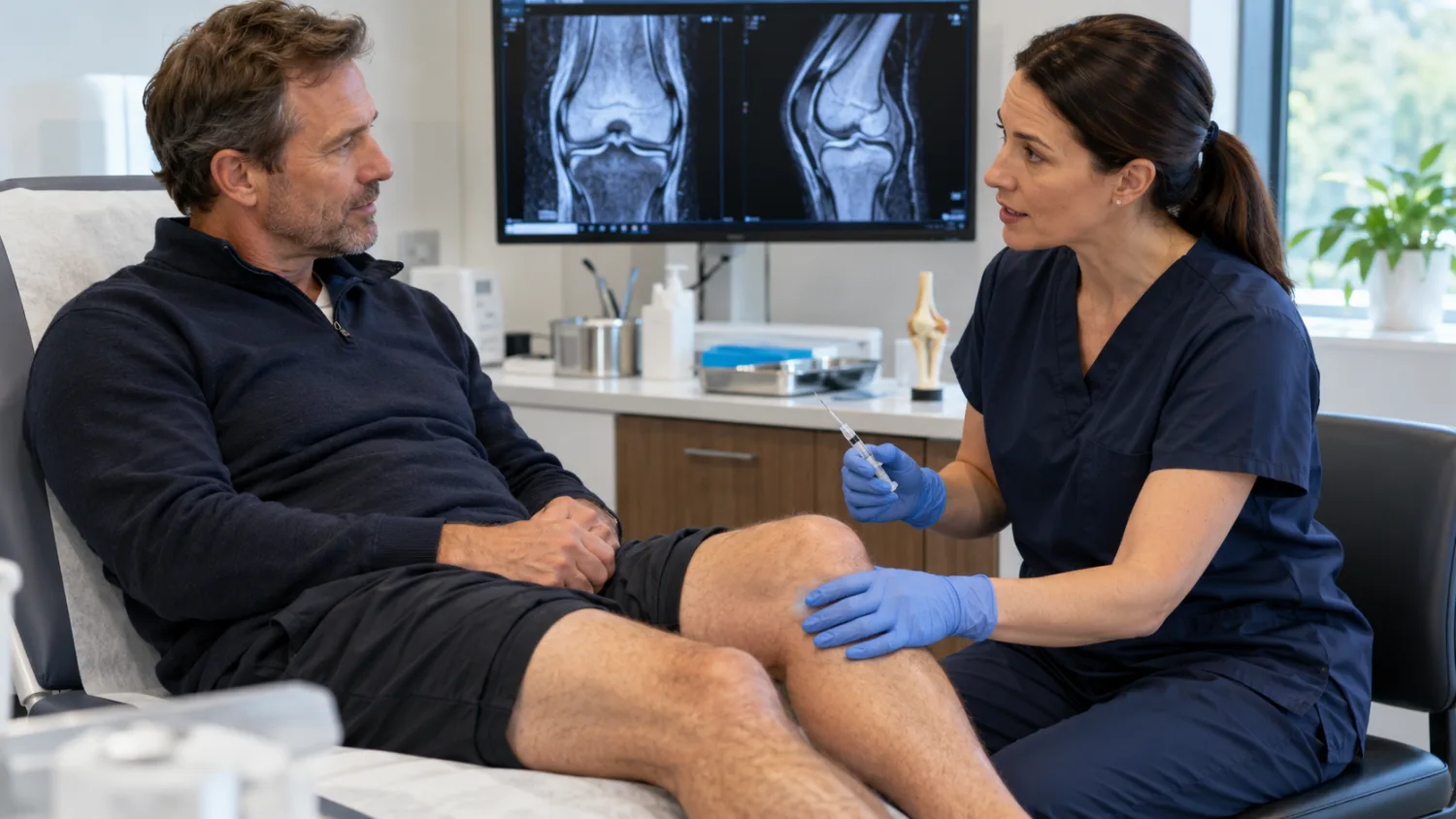
Regenerative medicine abroad can sound tempting. A clinic overseas may advertise stem cell therapy, exosome treatment, PRP, “anti-ageing” cell therapy, joint regeneration, neurological repair or chronic disease treatment at a lower price than UK private healthcare. Some websites show modern clinics, testimonials, luxury accommodation and quick booking packages. For someone living with pain, arthritis, a sports injury, hair loss, a wound that will not heal, or a serious long-term condition, the offer can feel hopeful.
But regenerative medicine is not like booking a simple holiday. Stem cell and exosome treatments can raise complex questions about evidence, product quality, regulation, safety, follow-up and aftercare. Some treatments offered abroad may be legitimate and properly regulated in that country. Others may be experimental, poorly evidenced, or marketed in ways that would raise serious questions in the UK.
This guide explains what UK patients should know before considering regenerative medicine abroad, including stem cell tourism, exosome claims, PRP treatment overseas, costs, regulation, red flags, aftercare, and questions to ask before paying.
If you are comparing options, you may also find our guides to what regenerative medicine is, how much regenerative medicine costs in the UK, stem cell therapy in the UK, exosome therapy in the UK, PRP therapy in the UK and regenerative medicine for wound healing and skin repair useful.
Why UK patients consider regenerative medicine abroad
People consider regenerative medicine abroad for many reasons. Some are practical. Others are emotional. Many patients have already tried standard treatment and feel disappointed, stuck or desperate for something new.
Common reasons include:
- Lower advertised prices: overseas clinics may appear cheaper than UK private clinics, especially for stem cell-related packages.
- Shorter waiting times: patients may want treatment quickly rather than waiting for NHS assessment or specialist referral.
- Treatments not easily available in the UK: some therapies may be restricted, experimental or not routinely offered in the UK.
- Hope for chronic conditions: patients with arthritis, neurological disease, autoimmune disease or chronic pain may look for options when standard care feels limited.
- Celebrity or social media influence: stem cell and regenerative treatments are often promoted by athletes, influencers or public figures.
- Package-style convenience: clinics may offer treatment, hotel, transport and interpreter support together.
These reasons are understandable. But the more serious or expensive the treatment, the more important it is to slow down and check the evidence, regulation and risks.
Regenerative medicine is a broad field. A simple PRP injection for a sports injury is very different from an overseas stem cell treatment for multiple sclerosis, spinal cord injury, Parkinson’s disease, autism, arthritis or “anti-ageing”. The level of risk and uncertainty can be completely different.
What is stem cell tourism?
Stem cell tourism usually means travelling to another country to receive a stem cell or cell-based treatment, often outside mainstream approved care in the patient’s home country. It may involve private clinics advertising treatment directly to patients online.
Stem cell tourism is often aimed at people with conditions that are difficult to treat, such as:
- osteoarthritis
- chronic back pain
- sports injuries
- multiple sclerosis
- Parkinson’s disease
- motor neurone disease
- spinal cord injury
- stroke recovery
- autism
- autoimmune disease
- anti-ageing or wellness concerns
Research reviews have described stem cell tourism as a growing form of medical tourism, often involving people with debilitating conditions seeking options that may not be appropriately regulated. The problem is not that all stem cell science is unsafe or unrealistic. Stem cell medicine is real and important. The problem is that some commercial clinics sell unproven treatments before enough evidence exists.
In the UK, established stem cell or bone marrow transplants are used in specialist care for certain blood cancers, blood disorders and some other serious conditions. This is not the same as paying privately abroad for a stem cell injection marketed for arthritis, neurological disease, chronic fatigue or anti-ageing.
Approved treatment, clinical trial or private experiment?
Before travelling, every patient should try to identify which category the treatment falls into.
Broadly, regenerative medicine abroad may be:
- An approved treatment: a treatment authorised for a specific condition in that country, delivered through a recognised medical pathway.
- A clinical trial: a formal research study with ethics approval, defined eligibility criteria, monitoring and follow-up.
- A hospital exemption or special access treatment: a controlled route in some healthcare systems for specific advanced therapies.
- A private intervention: treatment sold directly to paying patients, sometimes with limited evidence or unclear regulatory status.
- An unproven commercial treatment: a treatment marketed before strong evidence, proper authorisation or long-term safety data are available.
The clinic’s website may not make this distinction clear. Words such as “innovative”, “advanced”, “pioneering”, “registered”, “natural”, “minimally invasive” or “clinically supported” do not necessarily mean the treatment is approved for your condition.
Ask the clinic directly:
- Is this treatment approved by the national medicines regulator for my diagnosis?
- Is it part of a registered clinical trial?
- If it is a clinical trial, why am I being asked to pay?
- What ethics approval exists?
- What published human evidence supports this treatment for my condition?
- What patient registry or long-term follow-up is used?
- What happens if complications occur after I return to the UK?
If the clinic cannot answer clearly, treat that as a major warning sign.
How UK regulation differs from overseas treatment
In the UK, advanced cell, gene and tissue-engineered therapies may fall under advanced therapy medicinal product regulation. The MHRA explains that ATMPs include gene therapy medicinal products, somatic cell therapy medicinal products and tissue-engineered products. The MHRA is the UK competent authority for medicinal products, including ATMPs.
Other countries have their own regulatory systems. Some are strict and well-developed. Others may be less clear, less enforced or easier for clinics to work around. A treatment being available abroad does not automatically mean it is safer, more advanced or more effective than what is available in the UK.
Important differences may include:
- how stem cell or exosome products are classified
- whether the product is treated as a medicine, tissue product, cosmetic product or procedure
- what manufacturing standards are required
- whether clinical trial approval is needed
- whether clinics are inspected
- whether advertising claims are enforced
- how complications are reported
- what legal protection patients have
Do not rely only on the phrase “regulated in our country”. Ask which regulator, what licence, what approval number, what indication and what documentation. A reputable provider should be able to explain this in writing.
Common treatments advertised abroad
Regenerative medicine clinics abroad may advertise a wide range of treatments. Some are relatively familiar. Others are more experimental or poorly defined.
Common examples include:
- PRP therapy: platelet-rich plasma prepared from the patient’s own blood, often used for joints, tendons, hair or skin.
- Bone marrow concentrate: a cell-containing preparation taken from bone marrow and used in some orthopaedic settings.
- Adipose-derived cell procedures: cell-based treatments using fat tissue as a source.
- Umbilical cord-derived products: products marketed as containing stem cells, growth factors or cell-derived material.
- Exosome therapy: cell-derived particles marketed for signalling, repair, hair loss, skin, joints or chronic conditions.
- Growth factor injections: treatments described as delivering repair signals or growth factors.
- Anti-ageing cell therapy: broad wellness treatments with claims around vitality, immunity or rejuvenation.
The source matters. A product made from your own blood during an appointment is different from a donor-derived, cord-derived, manufactured or imported product. The processing method matters. The route also matters: topical skin use, joint injection, intravenous infusion and intrathecal injection near the spinal canal are not equivalent risks.
Be especially cautious about treatments that involve intravenous infusion, spinal injection, eye injection, donor-derived products, fetal or embryonic claims, cord-derived products or products where the source is not clearly documented.
How much does regenerative medicine abroad cost?
Costs vary widely depending on the country, clinic, treatment type and package. Some patients travel because the headline price looks lower than UK private care. However, the true cost may be higher once travel, accommodation, scans, follow-up, complications and time off work are included.
Possible costs include:
- initial online consultation
- medical records translation
- pre-treatment tests
- treatment package fee
- hospital or clinic facility fees
- anaesthetic or sedation costs
- accommodation
- flights
- transport between hotel and clinic
- companion travel
- travel insurance
- extended stay if complications occur
- UK follow-up or private aftercare
- lost income or time off work
For simple PRP, travelling abroad may make little financial sense once costs are added. For more expensive stem cell or exosome packages, overseas prices may appear much lower than UK private treatment, but patients must ask why. Is the clinic using the same standards? Is the product licensed? Is follow-up included? What happens if the treatment fails?
NHS-funded planned treatment abroad is a separate issue. NHS guidance explains that some patients may be able to access NHS-funded healthcare in the EU, Norway, Iceland, Liechtenstein or Switzerland if they meet eligibility criteria. The S2 route applies to public healthcare providers only and does not cover private treatment. This is very different from self-funded private regenerative medicine tourism.
For UK price context, read How Much Does Regenerative Medicine Cost in the UK?
Risks of travelling abroad for regenerative medicine
The risks of regenerative medicine abroad depend on the treatment and clinic, but some concerns are common across medical tourism.
Potential risks include:
- Unproven treatment: paying for a treatment that has not been shown to work for your condition.
- Infection: any injection, infusion, wound procedure or surgical step can introduce infection.
- Contamination or poor product quality: biological products require strict manufacturing, testing, storage and handling.
- Immune reaction: donor-derived or biological products may carry immune risks.
- Blood clots: travel and procedures can both increase risk in some patients.
- Delayed proper care: patients may delay evidence-based treatment while trying unproven options.
- Poor aftercare: follow-up may be difficult once you return home.
- Incomplete records: UK doctors may not know exactly what was done or injected.
- Legal difficulty: seeking compensation or accountability may be harder across borders.
- Financial loss: patients may spend thousands with little or no benefit.
TravelHealthPro notes that UK residents travelling abroad for medical and dental treatment need appropriate advice about associated risks. For regenerative medicine, those risks may be higher when the product is poorly described, injected, experimental, donor-derived or claimed to treat complex disease.
The risk is not only physical harm. The emotional cost can also be significant. Patients may invest hope, money and effort into treatment that does not help, especially when they are living with chronic pain or serious illness.
Red flags in overseas clinic marketing
Regenerative medicine tourism often uses emotional and persuasive marketing. Some clinics may be professional and transparent. Others may use vague science, testimonials and pressure tactics.
Red flags include:
- claims to treat many unrelated conditions with the same therapy
- guarantees of repair, regeneration or cure
- phrases such as “no risk”, “natural”, “miracle”, “breakthrough” or “works where doctors have failed”
- heavy reliance on testimonials rather than published evidence
- celebrity or athlete promotion without clinical detail
- no clear explanation of product source
- no named regulator or licence number
- no written protocol or consent document before travel
- pressure to pay a deposit quickly
- discounts for booking immediately
- claims that treatment is unavailable in the UK because doctors are “behind” or “blocking innovation”
- discouraging you from speaking to your GP or specialist
- no clear emergency plan
- no realistic aftercare plan in the UK
The International Society for Stem Cell Research encourages caution and warns against unproven and potentially harmful stem cell treatments that have not undergone proper testing or regulatory approval and are marketed by clinics.
If a clinic sells hope but avoids detail, slow down.
Questions to ask before booking treatment abroad
Before paying a deposit, ask the clinic detailed questions and request written answers. Keep copies of everything.
- What is my exact diagnosis?
- What exact treatment are you recommending?
- What cells, exosomes, PRP or biological product will be used?
- Where does the product come from?
- How is it collected, processed, tested and stored?
- Is it autologous, meaning from my own body, or donor-derived?
- Is the treatment approved by your national regulator for my condition?
- Can you provide the licence, approval or registration details?
- Is this a clinical trial? If yes, where is it registered?
- What published human evidence supports this exact treatment for my condition?
- How many patients with my diagnosis have you treated?
- What outcomes do you measure?
- What complications have occurred?
- What happens if I become unwell during travel?
- What aftercare is included after I return to the UK?
- Will you provide full medical records in English?
- What should my GP or UK specialist know before and after treatment?
- What is the full cost, including tests, follow-up and extra nights?
- What is the refund policy?
A clinic that is truly evidence-led should not object to these questions. If the answers are vague or evasive, do not proceed.
What to discuss with your UK doctor before travelling
It is wise to speak to your GP, NHS specialist, private consultant or physiotherapist before travelling for regenerative medicine. Some patients worry they will be judged, but a good clinician can help you think through risks and prepare safely.
Before travelling, discuss:
- whether your diagnosis is clear
- whether standard treatment options have been fully explored
- whether your condition makes travel risky
- whether you need vaccines or travel health advice
- whether you are at higher risk of blood clots
- whether your medicines need adjusting
- whether the proposed treatment could interact with your condition
- what records you should take
- what aftercare you may need when you return
Ask your overseas clinic for a treatment summary before travel, not just afterwards. Your UK clinician may be able to spot missing information or concerns.
For patients considering treatment abroad more generally, see our guides to treatment abroad for UK patients, whether treatment abroad is safe, how to check if an overseas clinic is legitimate and private healthcare UK vs treatment abroad cost comparison.
Aftercare, complications and returning to the UK
Aftercare is one of the biggest weaknesses of treatment abroad. Regenerative medicine may not end when the injection, infusion or procedure is finished. You may need monitoring, wound care, rehabilitation, blood tests, scans or management of side effects.
Before travelling, ask:
- How long should I stay in the country after treatment?
- What symptoms are normal afterwards?
- What symptoms are urgent?
- Who do I contact 24/7 if something goes wrong?
- Will I receive records in English?
- Will the clinic communicate with my UK doctor?
- Can complications be treated locally before I fly home?
- What follow-up is included after I return?
You should seek urgent medical help if you develop fever, worsening pain, redness, swelling, pus, shortness of breath, chest pain, severe headache, neurological symptoms, severe allergic reaction, new weakness, or any rapidly worsening symptom after treatment.
Do not assume travel insurance will cover complications from planned private medical treatment abroad. Many standard policies exclude treatment-related complications unless you have specific cover. Read the policy wording carefully and declare the planned treatment.
When regenerative medicine abroad may be especially risky
Extra caution is needed if the treatment is being offered for a serious, complex or progressive condition. These are the situations where patients may be most vulnerable to overpromising.
Be especially careful with overseas regenerative medicine for:
- multiple sclerosis
- Parkinson’s disease
- motor neurone disease
- spinal cord injury
- stroke recovery
- dementia
- autism
- autoimmune disease
- advanced arthritis
- chronic fatigue
- anti-ageing or longevity
- children’s conditions
For some conditions, legitimate clinical trials may exist. But a private clinic selling direct-to-consumer treatment is not the same as a properly run trial. If the treatment is experimental, it should be described honestly as experimental.
Parents should be particularly cautious about overseas treatments for children. A clinic offering hope for a child’s complex condition should be held to an even higher standard of evidence, consent, safety and safeguarding.
Regenerative medicine abroad FAQs
Is regenerative medicine abroad always unsafe?
No. Some overseas healthcare systems and clinics are high quality. The concern is that regenerative medicine is a complex field where some private clinics market unproven treatments directly to patients. Safety depends on the treatment, evidence, regulation, product quality, clinic standards and aftercare.
Is stem cell therapy abroad legal?
It depends on the country, product and claim. A treatment may be legal in one country but not approved for the same use in the UK. Legal availability does not automatically mean the treatment is proven or suitable for your condition.
Why are some stem cell treatments available abroad but not in the UK?
Reasons may include different regulation, different clinical practice, experimental access routes, weaker enforcement or commercial marketing. Availability abroad does not necessarily mean the treatment is more advanced or better supported by evidence.
Can I get NHS funding for regenerative medicine abroad?
NHS-funded planned treatment abroad has specific rules and eligibility criteria. The S2 route applies to public healthcare providers only and does not cover private treatment. Self-funded private regenerative medicine abroad is usually separate from NHS-funded routes.
Is PRP abroad worth it?
Usually, travelling abroad just for PRP may not make financial or practical sense once flights, accommodation and follow-up are included. PRP is available privately in the UK. The bigger concern is making sure the diagnosis and treatment plan are appropriate.
Is exosome therapy abroad safe?
Exosome therapy raises important questions about product source, regulation, route of use and evidence. Be cautious about injectable exosome treatments or broad claims for hair loss, skin, joints, neurological disease or anti-ageing without clear authorisation and evidence.
What is the biggest red flag?
The biggest red flag is a clinic promising regeneration, cure or major improvement for many unrelated conditions without clear evidence, regulatory approval and long-term follow-up data.
Should I tell my GP before travelling?
Yes. Your GP or specialist can help you assess risk, review your diagnosis, check whether standard options have been considered, and advise on travel health, medicines and aftercare.
What records should I get from the overseas clinic?
Ask for diagnosis, treatment protocol, product details, batch numbers if relevant, procedure notes, medicines used, complications, aftercare instructions and emergency contact details, ideally in English.
Can the NHS treat complications after private treatment abroad?
The NHS provides urgent and necessary care, but complications after private treatment abroad can be stressful and difficult to manage if records are incomplete. You may still need private follow-up depending on the situation and treatment type.
Should I trust patient testimonials?
Testimonials can be emotionally persuasive but are not proof. They may not show long-term outcomes, failed cases, complications or patients who did not improve. Look for published evidence, proper approval and transparent complication reporting.
What should I do if a clinic pressures me to book quickly?
Step back. Pressure selling is inappropriate for complex healthcare decisions. A reputable clinic should give you time to review evidence, speak to your doctor and understand the risks and costs.
For clinics and healthcare providers: if you offer evidence-led regenerative medicine, PRP, orthopaedic care, wound care, sports injury treatment or private specialist services in the UK, All Health and Care helps patients discover and compare healthcare providers. Contact us to discuss clinic listings, featured placement or inclusion in relevant patient guides.