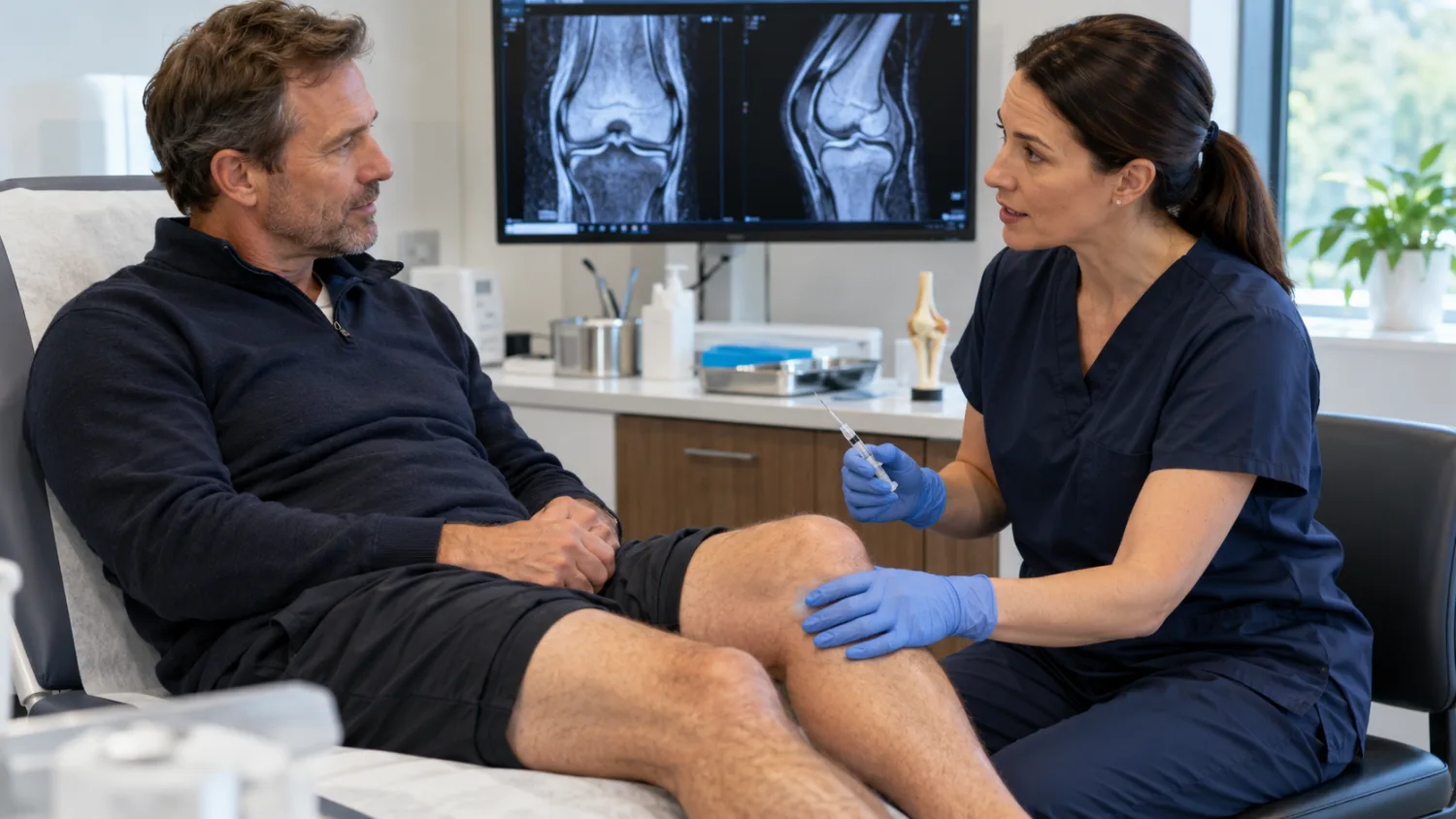
Regenerative medicine is one of those medical terms that sounds futuristic, but the basic idea is actually simple: instead of only managing symptoms, regenerative medicine aims to help the body repair, replace or regenerate damaged cells, tissues or functions.
That makes it different from many traditional treatments. Painkillers can reduce pain. Anti-inflammatory medicines can calm inflammation. Surgery can remove or replace damaged structures. Regenerative medicine tries to go a step further by supporting healing itself.
In the UK, this is an area of medicine and research that attracts a lot of interest, especially in orthopaedics, eye care, wound healing, autoimmune disease, neurological conditions and recovery after injury. But it is also one of the most misunderstood areas in healthcare. Some treatments are evidence-based and used in specialist settings. Others are still experimental. And some are marketed far more aggressively than the science justifies.
This beginner’s guide explains what regenerative medicine is, how it works, what treatments fall under the term, where the evidence is strongest, what is still uncertain, and what UK patients should know before considering any form of regenerative treatment.
What regenerative medicine means
Regenerative medicine is a broad field that focuses on repairing, replacing or regenerating human cells, tissues or biological function. In plain English, it is about helping the body restore what disease, injury, inflammation or ageing has damaged.
Rather than treating the consequence alone, regenerative medicine aims to influence the underlying healing environment. Depending on the treatment, that may mean:
- encouraging damaged tissue to repair itself
- replacing lost or injured cells
- reducing harmful inflammation that blocks healing
- stimulating cell signalling involved in repair
- rebuilding tissue structure or function
That is why the term covers several different approaches, not one single therapy.
Why regenerative medicine is getting attention
Regenerative medicine is attracting interest because many health problems do not heal well on their own.
The human body can repair some tissues brilliantly. Skin is a good example. Bone can also heal impressively. But other tissues are much less forgiving. Cartilage has a poor blood supply. Nerves recover slowly and often incompletely. Heart muscle, spinal tissue and some eye structures are especially difficult to restore once badly damaged.
On top of that, long-term conditions such as arthritis, tendon disease, autoimmune inflammation and degenerative disorders can create an environment where normal healing is disrupted. Even when the body wants to repair itself, the biology is no longer working in its favour.
That is the gap regenerative medicine tries to fill.
How it differs from conventional treatment
Conventional medicine is still essential. In many cases, it is life-saving and absolutely the right first option. Antibiotics treat infection. Insulin manages diabetes. Joint replacement can transform severe arthritis. Cataract surgery restores vision. Steroids can control dangerous inflammation.
Regenerative medicine is not a replacement for all of that.
Instead, it sits alongside conventional care and asks a slightly different question: can we improve how the body heals, not just how symptoms are managed?
For example:
- A standard treatment may reduce pain for a worn joint.
- A regenerative treatment may try to improve the biological environment inside that joint.
- A standard treatment may suppress inflammation.
- A regenerative treatment may try to rebalance the repair process at the same time.
That is the promise. The reality, though, depends heavily on the condition, the type of treatment and the quality of the evidence.
Main types of regenerative medicine
The phrase “regenerative medicine” is often used loosely online, so it helps to break it down. It can include cell therapies, tissue engineering, gene-based therapies, biological signalling approaches and blood-derived treatments.
Cell therapy
Cell therapy involves using living cells as a treatment. These cells may be taken from the patient, a donor, or grown and processed under tightly controlled laboratory conditions.
Depending on the treatment, the goal may be to:
- replace damaged cells
- support tissue repair
- modulate the immune response
- release signals that promote healing
Stem-cell-based treatments are the best-known example, but not all cell therapies are stem cell therapies, and not all stem cell therapies do the same thing.
Tissue engineering
Tissue engineering combines cells, biomaterials and biological signals to help rebuild tissue. This may involve scaffolds, laboratory-grown tissue, or engineered materials that help cells grow in the right way.
This is one of the most technically advanced parts of regenerative medicine and has potential applications in skin, cartilage, corneal tissue, bone and more.
Gene and advanced therapies
Some modern therapies work by changing, adding or directing genetic information in cells, or by combining cells with highly specialised manufacturing methods. In the UK, many of these fall under the regulatory category of advanced therapy medicinal products, often shortened to ATMPs.
These are not routine wellness treatments. They are highly regulated medical products that may include gene therapies, somatic cell therapies and tissue-engineered products.
Biological signalling approaches
Some treatments aim less to replace tissue and more to influence the body’s healing signals. This is where you may hear terms such as growth factors, cytokines, extracellular vesicles or exosomes.
These approaches are scientifically interesting because cells often heal tissue not only by becoming new tissue, but by sending signals that change the behaviour of surrounding cells.
However, this is also an area where marketing often runs ahead of evidence. In real clinical life, the quality of evidence varies enormously depending on the product, the condition, the route of delivery and the way the treatment has been prepared.
Blood-derived and orthobiologic treatments
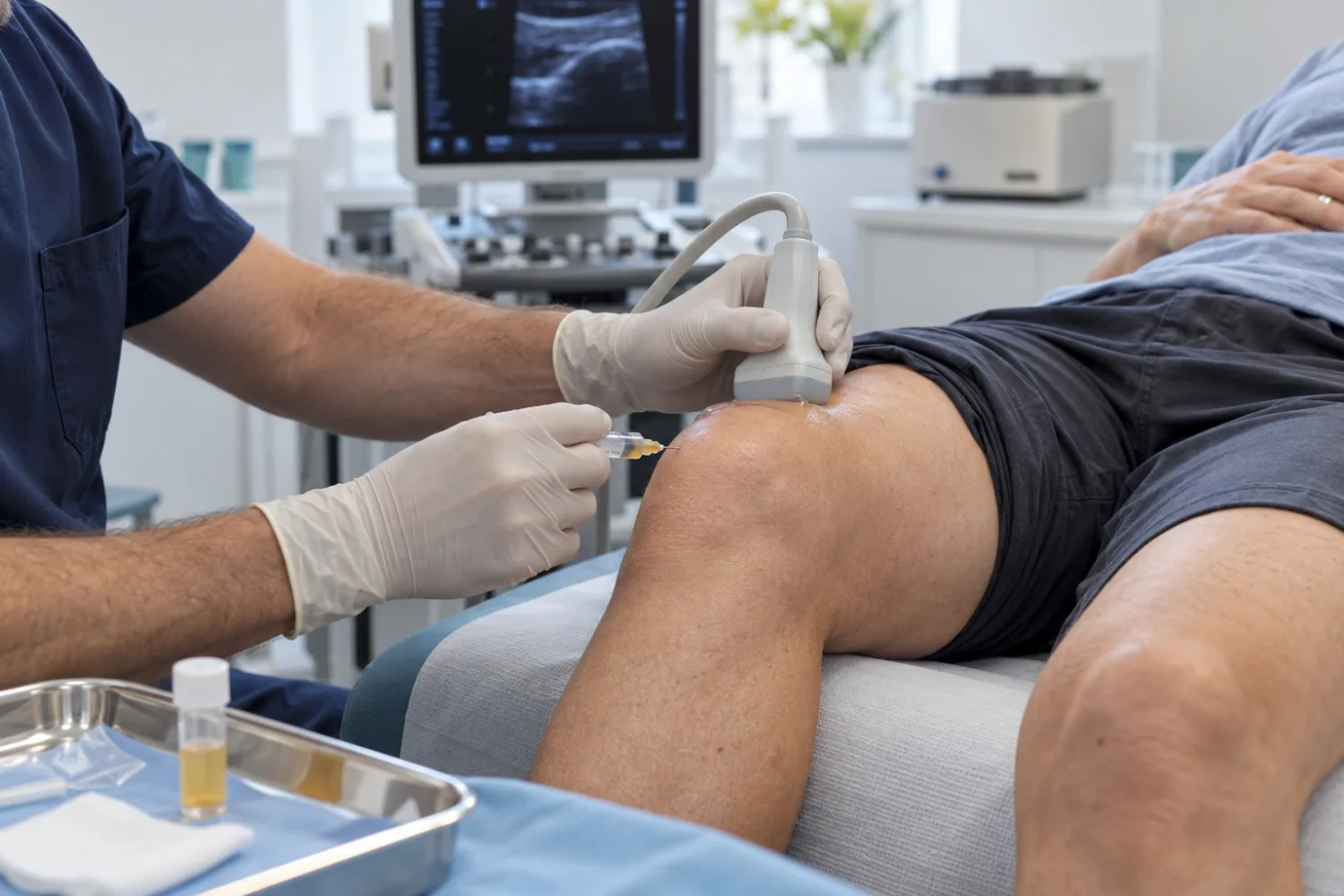
In private practice, you may also see platelet-rich plasma, often called PRP, or other blood-derived treatments discussed under the umbrella of regenerative medicine. These are usually used in sports medicine, tendon disorders or joint-related care.
Some clinicians use them selectively, but they are not a magic fix, and results depend a lot on the condition being treated and the protocol used.
Stem cells, exosomes and how these treatments work
Stem cells and exosomes are two of the most talked-about areas of regenerative medicine. They are also two areas where patients need to be especially careful, because marketing language can sound much more certain than the evidence really is.
Are stem cells the same as regenerative medicine?
No. Stem cells are just one part of regenerative medicine.
Stem cells are special because they can self-renew and, depending on the type, develop into other kinds of cells or influence healing through biological signalling. But regenerative medicine is much broader than stem cells alone.
It can also include:
- cell-free biological products
- engineered tissues
- gene-based therapies
- biomaterial scaffolds
- specialist transplant and repair techniques
That distinction matters, because many clinics use “stem cell” as a catch-all marketing term when what they are offering may be very different from regulated, evidence-based stem-cell medicine.
How regenerative medicine works
The exact mechanism depends on the treatment, but most regenerative approaches work through one or more of these pathways.
Replacing what has been lost
In some cases, the aim is to replace cells or tissue that are damaged or no longer functioning properly.
Creating a better healing environment
Chronic inflammation, poor blood supply, repeated mechanical stress and immune dysregulation can all block healing. Some regenerative approaches try to shift that environment so repair becomes more likely.
Sending repair signals
Cells communicate constantly. Some treatments work by delivering cells or biological material that release signals encouraging repair, reducing damaging inflammation, or improving tissue organisation.
Supporting the body’s own repair systems
Sometimes the most realistic goal is not “regrow a brand-new organ” but improve the body’s own capacity to recover function, reduce damage progression, and heal more effectively.
What about exosomes?
Exosomes are tiny vesicles released by cells that help cells communicate with each other. They can carry proteins, lipids and genetic material involved in signalling. Because many scientists believe an important part of cell therapy comes from signalling rather than cell replacement, exosomes have become a major research topic.
That said, exosomes are also one of the most overhyped terms in online healthcare marketing. The science is real, but that does not mean every exosome product being advertised to the public is clinically proven, standardised or appropriate for routine care.
If exosome therapy is being discussed for your condition, ask the same hard questions you would ask for any other advanced treatment: what is the product, what evidence exists, how is it regulated, and what outcomes are actually being measured?
Where regenerative medicine is used or studied
This is where it is important to separate genuine clinical medicine from hype.
Regenerative medicine is not one single treatment with one single level of evidence. It is a whole field. Some parts are established. Some are emerging. Some remain experimental.
Areas where regenerative approaches are used or seriously studied
Examples include:
- certain blood and immune-related conditions treated with stem cell transplantation or cellular therapies
- specialist eye treatments, including cultivated stem cell approaches for some severe corneal surface disorders
- skin and wound repair
- cartilage, tendon and musculoskeletal repair research
- autoimmune and inflammatory disease research
- neurological and spinal repair research
- heart tissue repair research
For example, NICE has published patient information on cultivated stem cell transplant for limbal stem cell deficiency, an eye condition where the surface of the eye can no longer maintain itself properly. That is a useful reminder that regenerative medicine is not just theory; there are real specialist clinical applications already in use. You can read NICE’s patient-facing overview here.
At the same time, many of the treatments people ask about most online, especially for joint pain, anti-ageing, neurological disease or general wellness, are not yet standard NHS care and may still sit in the territory of private treatment, specialist centres, clinical trials or early-stage research.
Conditions where people may hear about regenerative medicine
In public-facing healthcare content, regenerative medicine is often discussed in relation to:
- osteoarthritis and joint pain
- sports injuries
- tendon and ligament injuries
- back pain and disc-related problems
- corneal and eye surface disorders
- wounds and skin repair
- autoimmune or inflammatory conditions
- some neurological disorders
- recovery after injury or surgery
If you are looking specifically at joint or mobility problems, our Orthopaedics & Pain resources include practical guides on knee pain, arthritis, back pain and related conditions. If your interest is in vision-related regenerative care, the Eye Conditions section is also worth browsing.
What regenerative medicine can and cannot do
This is the part many articles skip, but it matters most. Regenerative medicine can be promising, but it should not be presented as a universal cure.
What it may do
In selected situations, regenerative medicine may:
- support healing in selected conditions
- reduce inflammation in some biological environments
- improve pain or function in certain patients
- delay progression in some settings
- help recovery when used alongside rehabilitation and standard care
What it usually does not do
Regenerative medicine usually does not:
- instantly regrow severely damaged tissue
- guarantee results
- reverse every chronic disease
- replace a diagnosis, imaging, rehabilitation or ongoing medical management
- work equally well for every patient
If a clinic suggests regenerative medicine is a universal answer for arthritis, autism, Parkinson’s disease, ageing, fatigue, dementia and sports injuries all at once, that is a sign to slow down and ask much harder questions.
Can regenerative medicine replace surgery?
Sometimes it may delay surgery, complement surgery or help recovery. In other cases, no.
For example, a patient with mild-to-moderate tendon damage or early joint degeneration may be exploring options very different from a patient with a severely collapsed joint who is already a clear candidate for replacement surgery.
It is usually more helpful to think of regenerative medicine as one part of a treatment pathway rather than an all-or-nothing alternative.
In musculoskeletal care, good outcomes often still depend on fundamentals such as:
- accurate diagnosis
- activity modification
- strength and rehabilitation
- weight management where relevant
- pain management
- imaging or specialist review when needed
Evidence, regulation and availability in the UK
One of the hardest things for patients is that two things can be true at the same time: regenerative medicine is a serious, promising and medically important field, but some treatments sold under that label are weakly evidenced, poorly standardised or overmarketed.
Why the evidence can be confusing
The evidence is often difficult to compare because studies may differ in:
- the exact product used
- how it was processed
- the dose
- the delivery method
- the disease stage of the patient
- whether there was a control group
- how outcomes were measured
- how long patients were followed up
That means one headline saying “stem cells work” or “PRP does not work” is almost always too simplistic.
The right question is not “does regenerative medicine work?” but “which treatment, for which condition, in which patients, under what protocol, with what evidence?”
Is regenerative medicine available on the NHS?
Some advanced therapies are available within the NHS in specific settings, and some regenerative approaches are used in specialist care or within research pathways. But most treatments that the public commonly means when it says “regenerative medicine” are not routine NHS offerings.
Many patients therefore encounter regenerative medicine through private clinics, self-pay specialist treatment, or treatment abroad.
If you are trying to understand how this fits into the wider UK healthcare system, you may also find these guides useful:
- NHS vs private healthcare in the UK
- How hospital referrals work in the UK
- Ultimate guide to treatment abroad for UK patients
How regenerative medicine is regulated in the UK
In the UK, some regenerative treatments fall under the framework for advanced therapy medicinal products. These are regulated medicines, not casual add-ons. The MHRA explains the UK regulatory framework for ATMPs here.
There are also other layers of oversight depending on the treatment and setting, including research governance, tissue regulation and health technology assessment. The Health Research Authority’s overview of regenerative medicine is a useful starting point, especially for understanding how the field is viewed from a UK research and governance perspective.
For patients, the key point is this: not every treatment marketed as regenerative medicine is a licensed, standard, evidence-based medical product in the UK.
That does not automatically mean it is unsafe or inappropriate. But it does mean you should ask clear questions about exactly what is being offered, what the evidence is, how it is regulated, and what follow-up arrangements exist if things do not go to plan.
Questions to ask before regenerative treatment
If you are looking into regenerative medicine, especially privately or abroad, ask detailed questions before paying a deposit or agreeing to treatment.
Questions about the treatment itself
- What exactly is the treatment? Ask for the proper medical name, not just a marketing phrase like “healing cells” or “advanced biologic therapy”.
- Is it licensed, experimental, or offered as part of a clinical trial? These are very different situations and should be explained clearly.
- What evidence exists for my condition specifically? Not “for inflammation in general” or “for anti-ageing”, but for your actual diagnosis.
- What are the realistic outcomes? You want honest discussion of best-case, average and disappointing results, not only testimonials.
- What are the risks? All medical treatment carries risk, including infection, immune reaction, treatment failure, worsening symptoms, and complications related to how or where the treatment is given.
Questions about the clinician and follow-up
- Who is the treating clinician? Check whether they are appropriately qualified and registered, and whether the treatment matches their specialty.
- What happens if it does not work? Will you still have access to standard care, surgery, rehabilitation or specialist referral?
- How is follow-up handled? A serious clinic should have a plan for review, monitoring, complications and communication with your usual healthcare team where appropriate.
- Are outcomes measured properly? Good practice means tracking pain, function, mobility, imaging, quality of life or disease markers in a structured way.
- If treatment is abroad, who manages complications once you are back in the UK? This is a huge issue and often overlooked.
If you are considering overseas care, our guide on how to check if an overseas clinic is legitimate is worth reading first.
What are the risks of regenerative medicine?
Because the term covers many very different therapies, risk varies widely. Potential risks may include:
- infection
- pain, swelling or bleeding at the treatment site
- immune or inflammatory reactions
- treatment failure or no meaningful improvement
- delayed access to proven care if expectations are unrealistic
- poor-quality products or weak follow-up in less regulated settings
Invasive or laboratory-processed treatments carry a different level of complexity from simple injections taken from your own blood on the same day. So it is a mistake to treat all “regenerative” options as equally low-risk.
What beginners should remember
Regenerative medicine is exciting because it changes the conversation. Instead of asking only how to suppress symptoms, it asks whether healing itself can be improved.
Does regenerative medicine work better for some conditions?
Yes. Very much so.
As a broad rule, regenerative medicine tends to make more biological sense where there is a clear local tissue problem, a defined repair target, and a plausible mechanism for healing support. It may be more difficult in complex whole-body diseases where damage is widespread, progressive or driven by multiple overlapping mechanisms.
That does not mean research should not continue in neurological, autoimmune or systemic disease. It absolutely should. But it does mean patients should be cautious about very bold promises in very complex illnesses.
Five key points to remember
If you remember only five things from this guide, make it these:
- Regenerative medicine is a real field of medicine, not just a buzzword.
- It includes many different treatments, not just stem cells.
- Some regenerative therapies are established or highly promising, but many remain early-stage, specialist or experimental.
- The quality of evidence varies hugely by condition and by treatment.
- In the UK, patients should be especially careful to check regulation, evidence, clinician expertise and follow-up plans before going ahead.
FAQ: regenerative medicine
Is regenerative medicine the same as stem cell therapy?
No. Stem cell therapy is one type of regenerative medicine, but the field also includes tissue engineering, gene-based therapies, biological signalling approaches and other advanced therapies.
Is regenerative medicine available in the UK?
Yes, but availability depends on the treatment. Some therapies exist in specialist NHS or research settings, while many options patients hear about are offered privately or abroad.
Is regenerative medicine proven?
Some parts are well established or increasingly evidence-based. Others are still experimental. It is never safe to assume that all treatments labelled “regenerative” are equally proven.
Does regenerative medicine cure arthritis?
No treatment should be presented as a guaranteed cure for arthritis. Some regenerative approaches may be explored for pain, inflammation or function in selected cases, but evidence and results vary.
What is PRP?
PRP stands for platelet-rich plasma. It is a blood-derived treatment where a sample of the patient’s blood is processed to concentrate platelets, then used in selected musculoskeletal or soft tissue settings. Evidence varies by condition and protocol.
What are exosomes?
Exosomes are tiny vesicles released by cells that help cells communicate. They are an important research area, but patients should be cautious about routine clinical claims unless the product, evidence and regulation are clearly explained.
Can regenerative medicine replace surgery?
Sometimes it may delay surgery or support recovery, but it cannot replace surgery in every situation. Severe joint damage, advanced structural disease or major mechanical problems may still need conventional treatment or surgery.
Are regenerative treatments abroad always risky?
Not always, but they require extra care. Regulation, follow-up, product standards and routes for dealing with complications may differ. That is why proper due diligence matters so much.
What should I ask before paying for treatment?
Ask what the treatment is, whether it is licensed or experimental, what evidence exists for your condition, who provides it, what risks apply, what follow-up is included, and what happens if it does not work.
Final takeaway
Regenerative medicine is exciting because it changes the conversation. Instead of asking only how to suppress symptoms, it asks whether healing itself can be improved.
That is a powerful idea, and in some areas it is already changing medicine. But the smartest way to approach it is with curiosity and caution. Look for clear diagnosis, transparent evidence, appropriate regulation and realistic expectations.
If you are researching options for yourself or a family member, start with reliable information, compare standard care with private and overseas routes carefully, and do not be rushed by persuasive marketing. The more complex the condition, the more important it is to treat regenerative medicine as a serious medical decision rather than a quick fix.
For more practical healthcare guides, you can browse the full All Health and Care resources library.