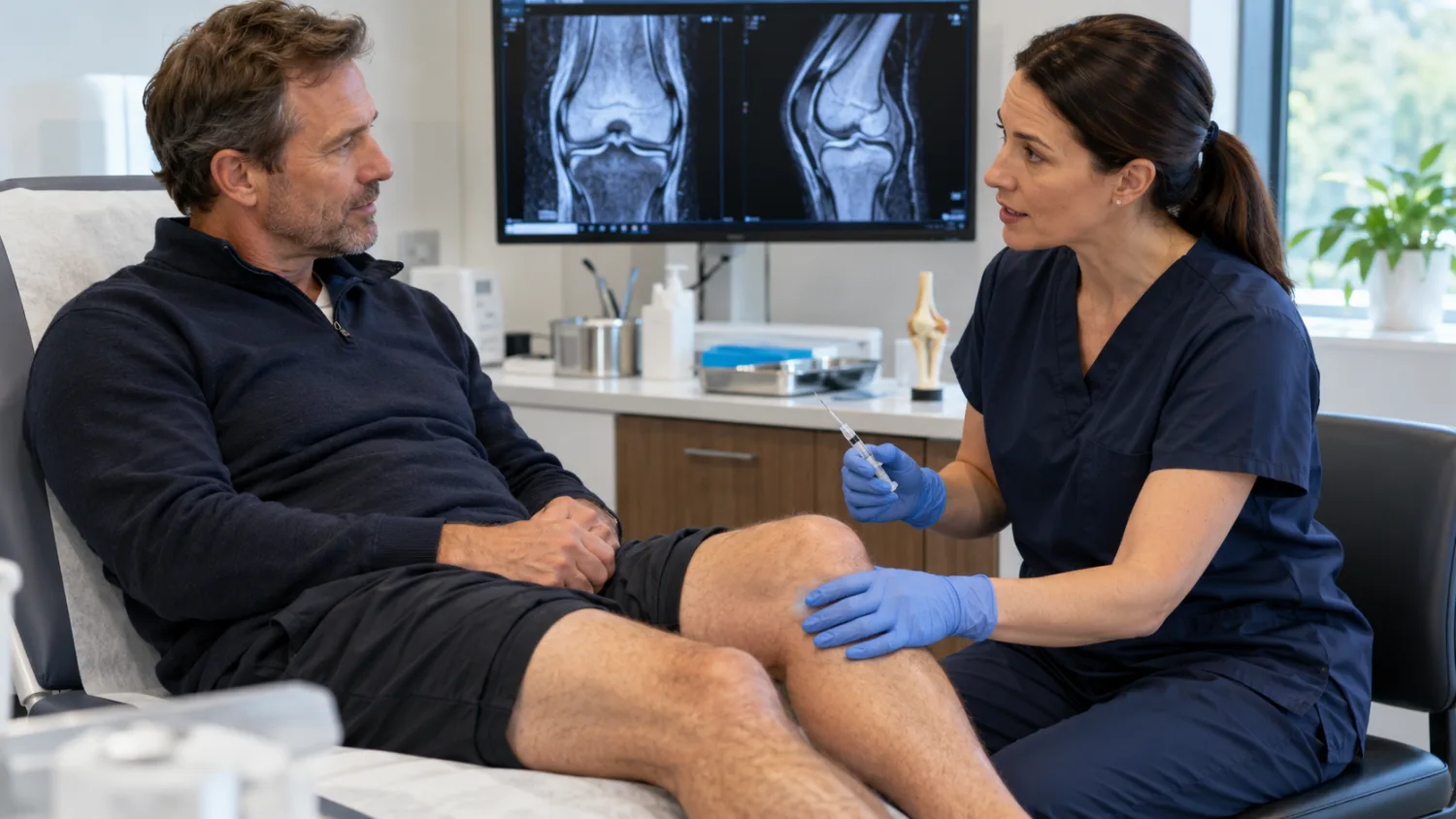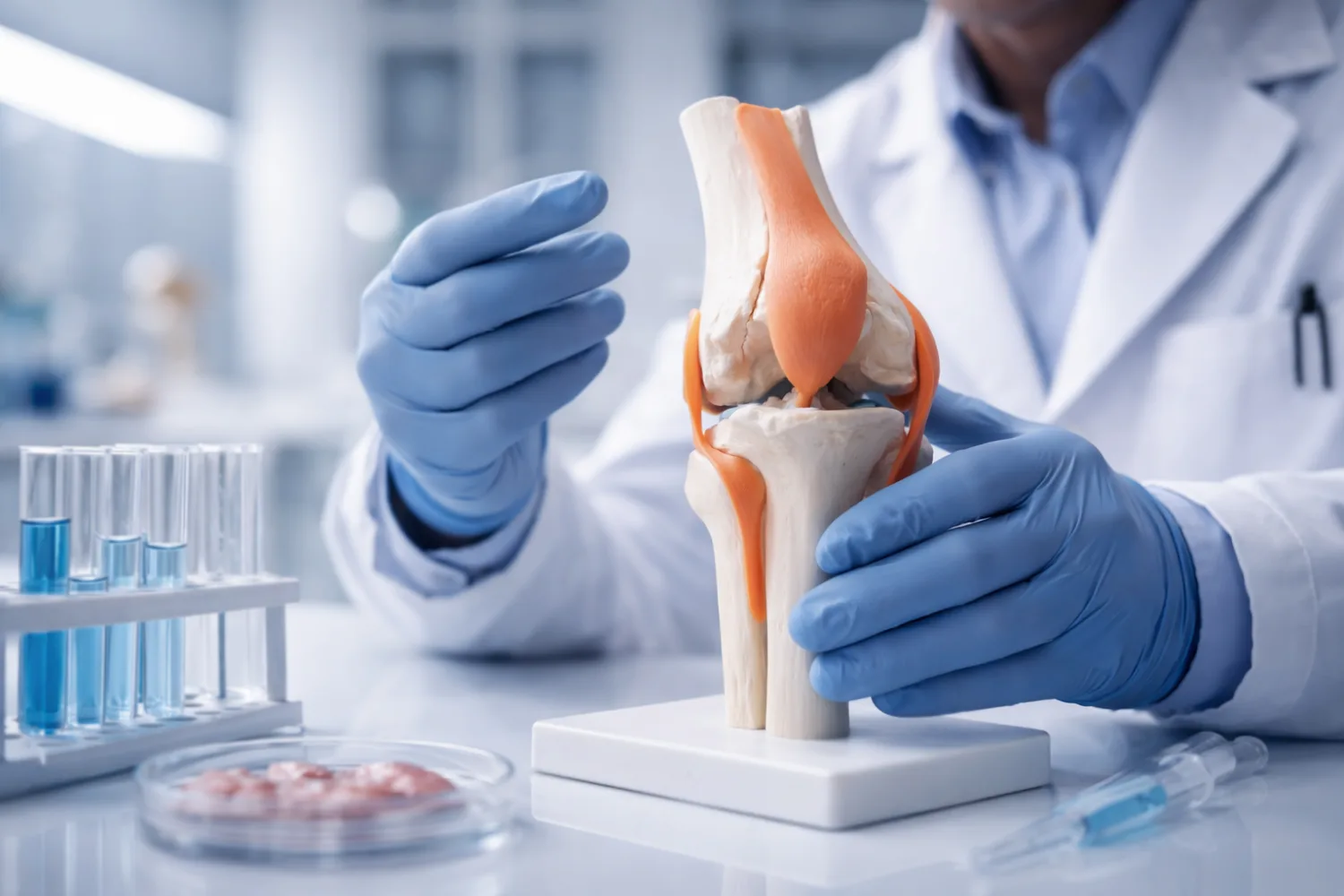
Regenerative medicine has become one of the most talked-about areas in orthopaedics. If you have knee pain, arthritis, tendon trouble, back pain, a sports injury, or a slow recovery after surgery, chances are you have seen it mentioned as a possible option.
The appeal is easy to understand. Traditional orthopaedic treatments often focus on reducing pain, controlling inflammation, improving movement, or replacing damaged structures when they are badly worn. Regenerative medicine aims to support the body’s own repair processes alongside that. In simple terms, it tries to improve healing rather than only manage symptoms.
That sounds promising, and in some cases it genuinely is. But it is also an area full of confusion. Different clinics use the same terms to describe very different treatments. Some approaches are sensible and supported by growing evidence. Others are still experimental. Some are marketed far too aggressively.
This guide explains what regenerative medicine means in orthopaedics, which conditions it is most commonly discussed for, what treatments fall under the umbrella, what the science says in broad terms, and what UK patients should think about before paying for treatment.
What regenerative medicine means in orthopaedics
In orthopaedics, regenerative medicine refers to treatments that aim to support the repair, recovery, or regeneration of musculoskeletal tissues such as cartilage, tendon, ligament, bone, muscle, and sometimes the biological environment inside a joint.
It is not one single treatment. It is a category of approaches that may include:
- platelet-rich plasma, often called PRP
- cell-based therapies
- bone marrow or tissue-derived biologic approaches
- advanced cell-processing techniques
- scaffold or tissue-engineering strategies
- other biologic injections designed to influence healing
The main idea is not simply to numb pain for a few weeks. It is to try to improve the biological conditions that allow tissue repair, reduce harmful inflammation, and support function over time.
Why it has become such a big topic
Regenerative medicine attracts attention because many orthopaedic problems are stubborn.
Some tissues do not heal especially well. Cartilage has a limited blood supply. Tendons often heal slowly. Ligaments can remain painful long after the initial injury. Degenerative joint problems can keep flaring even when scans look only moderately abnormal. Many people also want to avoid or delay surgery if there is a sensible alternative.
That has created huge interest in treatments that may help the body repair itself more effectively.
Regenerative medicine tends to be discussed most often for conditions such as:
- osteoarthritis
- sports injuries
- tendinopathy
- ligament injuries
- muscle injuries
- cartilage damage
- slow healing after injury
- certain post-surgical recovery situations
If you are exploring treatment options for common joint and spine problems, our Orthopaedics & Pain guides are a useful place to start, especially for everyday conditions such as knee pain, lower back pain, sciatica and arthritis.
How it differs from standard orthopaedic treatment
Standard orthopaedic care is still the foundation. For many people, the best treatment is still a combination of proper diagnosis, physiotherapy, activity changes, pain management, weight management where relevant, and surgery only when needed.
Regenerative medicine does not replace that.
Instead, it tries to work at the level of healing biology. So rather than only asking, “How do we reduce pain?”, it also asks, “Can we improve the tissue environment that is contributing to pain, weakness, stiffness, or slow recovery?”
That distinction matters.
Different treatments do different jobs
- A steroid injection may reduce inflammation and pain for a period of time.
- A regenerative treatment may aim to influence how the tendon or joint environment heals.
- A joint replacement removes and replaces a badly worn joint.
- A regenerative approach may be considered earlier in the pathway in the hope of improving symptoms or delaying surgery in selected patients.
These are not direct substitutes for each other. They do different jobs, and the right option depends on the diagnosis, severity, goals and overall health of the patient.
Orthopaedic conditions where it is discussed
Regenerative medicine is not equally relevant for every musculoskeletal problem. It is most often discussed where tissue healing is slow, symptoms are persistent, or standard non-surgical care has not been enough.
Osteoarthritis
Osteoarthritis is probably the biggest reason patients start reading about regenerative medicine.
People with knee, hip, shoulder or ankle arthritis often want to know whether a biologic treatment can reduce pain, improve movement, or help them avoid surgery. This is understandable, especially because standard non-surgical care can feel frustratingly slow.
It is worth remembering that core osteoarthritis management still matters enormously. Therapeutic exercise, strength work, activity adjustment and weight management where appropriate remain central parts of care. Any regenerative treatment is unlikely to work well if the basics are ignored.
In practice, regenerative options in osteoarthritis are most often discussed for people with:
- mild to moderate joint degeneration
- persistent symptoms despite physiotherapy and pain management
- a wish to stay active
- a desire to delay surgery where appropriate
What they are much less likely to do is rebuild a severely destroyed joint back to normal.
Tendinopathy
Chronic tendon problems are another major area of interest. This includes issues such as Achilles tendinopathy, patellar tendinopathy, tennis elbow, golfer’s elbow, gluteal tendinopathy and persistent rotator cuff-related pain.
Tendons are notoriously slow to heal. They can remain painful for months, and recovery usually depends on careful loading and rehabilitation, not just rest. That makes them an obvious target for regenerative approaches.
PRP is commonly discussed here because platelets carry growth factors involved in healing. Some NHS trusts describe PRP as a treatment used for selected tendon problems, particularly when first-line treatment has not worked. However, it is not a universal first-choice option and outcomes vary.
Ligament injuries
Partial ligament injuries, chronic instability and slow-recovering sprains are sometimes discussed in regenerative medicine clinics, particularly in active people and athletes. The thinking is that improving the healing environment may help recovery or support more durable function.
The evidence base is still mixed and highly condition-specific, so this is not an area for blanket promises.
Muscle injuries and sports recovery
Elite sport helped popularise regenerative medicine, but everyday patients hear about it too. Some biologic approaches are explored for muscle injuries or return-to-activity support, though the evidence is often less dramatic than media coverage suggests.
If you are recovering from a sports injury, it is usually more useful to think in terms of a full pathway rather than one miracle injection. Our guide to sports injuries, treatment and recovery in the UK covers the basics that still matter most.
Cartilage damage and joint surface problems
Cartilage damage is one of the most challenging areas in orthopaedics because cartilage does not regenerate easily. This is where more advanced regenerative strategies, including cell-based and tissue-engineered approaches, attract serious scientific interest.
Some specialist cartilage procedures are very different from the kind of “regenerative injections” marketed online. They may involve surgery, laboratory processing, or highly selected patients rather than quick outpatient treatment.
Slow recovery after orthopaedic surgery
Some people ask whether regenerative medicine can help after surgery, especially if recovery is slower than expected. In certain situations, biologic strategies may be discussed as part of recovery support.
However, they should never distract from checking whether there is a mechanical problem, infection, rehabilitation issue, or complication that needs standard medical attention first.
Main types of regenerative orthopaedic treatment
The phrase “regenerative medicine” can cover very different treatments. Patients should always ask exactly what is being offered, how it is prepared, what evidence supports it, and whether it is regulated, experimental or part of standard private care.
Platelet-rich plasma, or PRP
PRP is probably the most widely recognised orthopaedic biologic treatment.
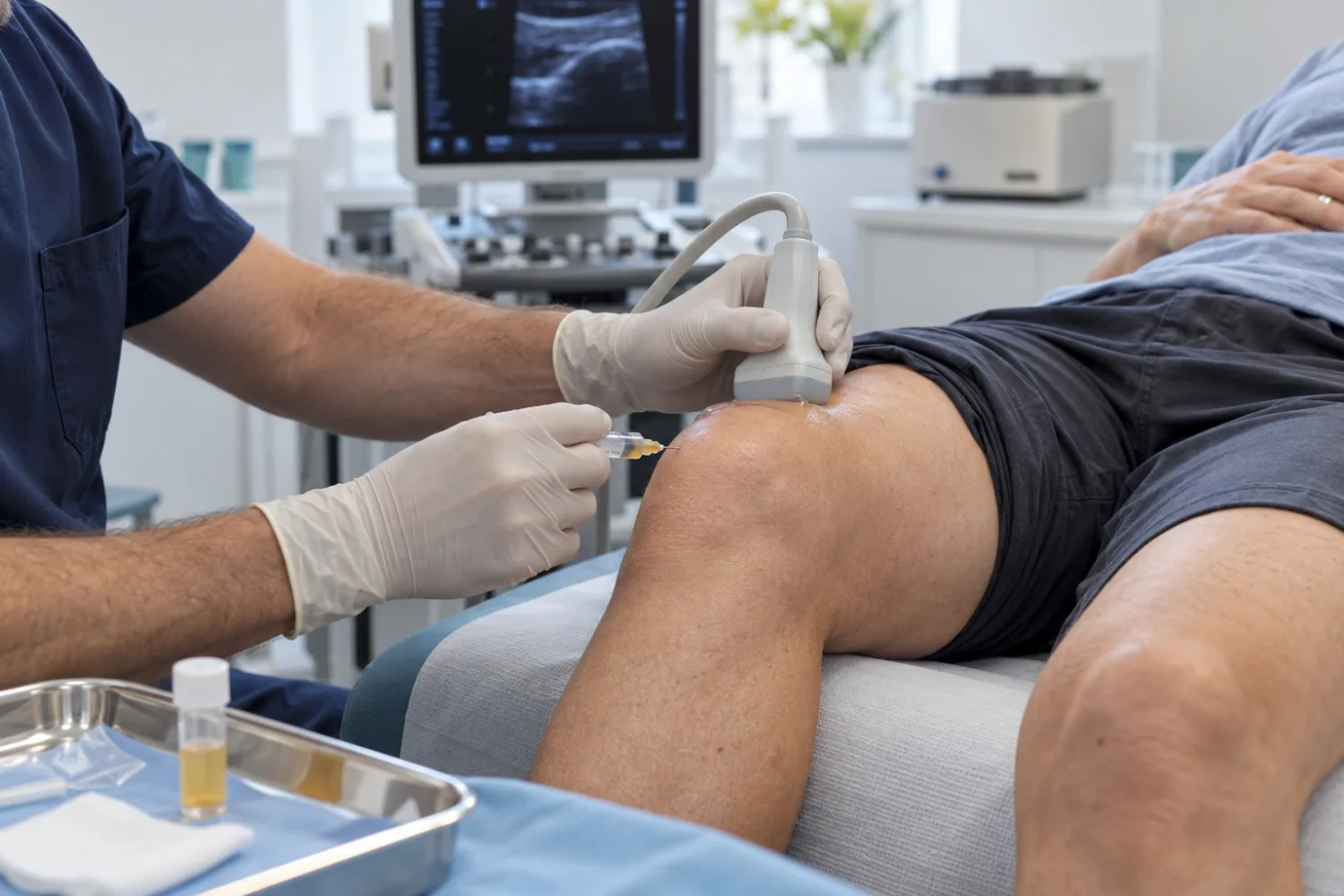
It involves taking a sample of the patient’s blood, processing it to concentrate platelets, and then injecting that platelet-rich preparation into the target area. Platelets contain growth factors and signalling molecules involved in healing.
PRP is often discussed for:
- chronic tendon problems
- some ligament injuries
- mild to moderate osteoarthritis
- selected soft tissue conditions
This is not a first-line treatment for most people. Even NHS patient information that discusses PRP usually presents it as a selected option rather than a standard starting point.
It also needs to be said clearly that “PRP” is not one identical product everywhere. Preparation methods differ, and that affects how easily results can be compared.
Cell-based therapies
Cell-based orthopaedic treatments are a broader and more complex category. They may involve cells obtained from the patient or processed through more advanced laboratory methods.
In theory, these approaches may help by:
- modulating inflammation
- sending repair signals
- supporting tissue healing
- improving the joint or soft-tissue environment
But they also move much closer to advanced therapy regulation, specialist manufacturing and much stronger scrutiny. In the UK, advanced therapy medicinal products are regulated by the MHRA, and any treatment in this space should be looked at carefully from a safety and governance perspective.
Bone marrow or tissue-derived biologics
Some clinics discuss bone marrow aspirate concentrate or tissue-derived biologic preparations for orthopaedic uses. These are often promoted for joint degeneration, tendon pathology or sports injury recovery.
This is an area where marketing language can become especially vague. Patients should ask exactly what is being offered, what processing is involved, what evidence exists for the condition in question, and whether the product falls under a more tightly regulated framework.
Scaffolds and tissue engineering
In more specialist settings, regenerative orthopaedics can include scaffolds, implants or engineered biological materials designed to help tissue regrow in a more organised way. This is particularly relevant in cartilage repair and some reconstructive procedures.
These treatments are generally not the same thing as a quick injection at a private clinic. They usually sit in the world of specialist surgery, advanced manufacturing and careful patient selection.
How regenerative medicine may work
There is no single mechanism, because different treatments work in different ways. However, the main ideas are fairly consistent.
It may help calm harmful inflammation
Some orthopaedic problems involve long-term inflammation or an unhealthy repair response. Regenerative approaches may aim to shift that environment.
It may improve cell signalling
Healing depends on chemical signals between cells. Some treatments are designed to influence these signals and encourage a more helpful repair response.
It may support tissue repair
In some situations, the goal is to support repair of tendon, ligament, cartilage or other soft tissue structures, especially where natural healing is poor.
It may improve pain and function without full regeneration
This is an important point. A treatment does not have to regrow perfect tissue to be useful. Sometimes the realistic aim is improved pain, better mobility, stronger function, and slower progression rather than complete restoration.
Evidence, limitations and realistic expectations
The truth is that evidence in regenerative orthopaedics is uneven. Some uses are more plausible and better studied than others. Some treatments have encouraging but mixed data. Some remain experimental. Some are heavily marketed despite weak standardisation or limited long-term evidence.
Where evidence is more promising
- There is meaningful interest in PRP for certain chronic tendon conditions and some joint problems, but results are not uniform.
- For osteoarthritis, exercise, strength work, weight management where relevant, and broader self-management remain the backbone of care.
- For many advanced cell-based therapies, the science is exciting, but access, regulation and evidence are more complex than internet advertising suggests.
That is why good clinics should speak carefully. A serious clinician will explain where regenerative treatment may fit into a pathway, not pretend it is a guaranteed fix.
What regenerative medicine cannot do
Regenerative medicine for orthopaedic conditions does not usually:
- instantly rebuild a badly worn joint
- reverse severe arthritis to a completely normal joint
- replace proper diagnosis
- make physiotherapy unnecessary
- guarantee you will avoid surgery
- work equally well for every patient
If a clinic presents orthopaedic regenerative treatment as a cure-all for arthritis, tendon tears, back pain, old injuries and anti-ageing at the same time, that is a red flag.
Steroid injections vs regenerative treatments
Steroid injections are widely used in UK practice to reduce inflammation and pain in joints or around soft tissues. NHS guidance commonly describes them as temporary relief measures that may help someone move better and engage with rehabilitation. That is useful, but it is not the same goal as regenerative medicine.
Regenerative approaches are often positioned as trying to support healing biology rather than mainly suppressing inflammation. Whether they do this effectively in your condition is the real question, and the answer depends on the treatment and the diagnosis.
In other words, this is not a simple “new is better than old” situation. Sometimes a steroid injection may still be appropriate. Sometimes physiotherapy alone is best. Sometimes surgery is the right answer. Sometimes a regenerative option may be reasonable in a selected patient.
Who may be a sensible candidate?
Suitability depends on the condition, but regenerative medicine is often discussed most reasonably in people who:
- have a clear diagnosis
- have not improved enough with first-line care
- are not yet ideal candidates for surgery, or want to delay it if safe to do so
- understand that improvement is possible but not guaranteed
- are willing to continue rehabilitation rather than expecting an injection to do everything
When it may be less suitable
It may be less suitable when:
- there is severe structural damage needing surgery
- the diagnosis is uncertain
- there is untreated infection or major instability
- expectations are unrealistic
- the clinic cannot explain clearly what is being offered
Why rehabilitation still matters
This may be the most important practical point in the whole article.
Even when regenerative medicine is used, orthopaedic outcomes still depend heavily on what happens around the treatment. That usually includes:
- accurate diagnosis
- good imaging where needed
- load management
- strength work
- mobility work
- graded return to activity
- weight management where relevant
- time and patience
For osteoarthritis in particular, exercise and weight management where appropriate remain central to care. Even in an era of biologics, the fundamentals still matter.
If you are weighing up non-surgical routes versus more invasive options, our guides on knee replacement surgery in the UK and hip replacement surgery can help put regenerative options into context.
Regulation, safety and patient questions
This is where patients need to slow down and read carefully. Regenerative medicine is a real area of healthcare and research, but it is also a field where marketing can move faster than evidence.
How regenerative orthopaedics is regulated in the UK
Some regenerative treatments, especially more advanced cell-based products, may fall under the UK framework for advanced therapy medicinal products. The MHRA is responsible for the regulatory pathway for these products in the UK.
That matters because not every treatment advertised online as “regenerative” is a standard licensed medical product. Some are offered under very different models. Some are part of research. Some are private procedures using autologous blood-derived products. Some may involve more advanced processing and require much closer scrutiny.
If a clinic uses complex language but avoids answering basic questions about licensing, evidence, product handling or governance, that is a problem.
Questions UK patients should ask before paying
Before agreeing to orthopaedic regenerative treatment, ask:
- What exactly is the treatment? Ask for the proper medical name, not just “healing injection” or “cell therapy”.
- What condition is it meant to treat? The answer should relate to your actual diagnosis, not joint pain in general.
- What evidence exists for this treatment in this condition? The answer should be specific and honest.
- Is it a standard private treatment, a specialist procedure, or part of research? These are not the same thing.
- Who is delivering it? In orthopaedics, experience matters. You want a suitably qualified clinician working within their specialty.
- What are the alternatives? A trustworthy clinic should explain what standard care options still exist.
- What are the risks and side effects? Even “natural” or autologous treatments are still medical procedures.
- What happens if it does not work? You need a fallback plan, not a shrug.
- What rehab is needed afterwards? If the answer is “none”, be cautious.
- How will results be measured? Good clinics should track pain, function, movement, activity tolerance, and sometimes imaging where relevant.
Potential risks
Risk depends on the treatment, but potential issues may include:
- pain, swelling or bruising after injection
- infection
- flare of symptoms
- no meaningful improvement
- delay to more appropriate treatment
- poor product quality or weak governance in less regulated settings
The biggest risk is sometimes not the injection itself but false hope. If treatment is oversold, people may spend large amounts of money, delay proven care, and become more disabled while waiting for a promised result that was never realistic.
Treatment abroad and whether it is worth considering
Some UK patients consider travelling abroad for regenerative orthopaedic treatment, especially when comparing private prices or looking for treatments not routinely offered here.
There is nothing automatically wrong with treatment abroad, but it raises extra questions around regulation, clinician credentials, aftercare and what happens if there is a complication once you return home.
If you are considering that route, read our guides on treatment abroad for UK patients, whether treatment abroad is safe and how to check if an overseas clinic is legitimate before committing.
When regenerative medicine may be worth discussing
Regenerative medicine may be worth discussing when:
- the diagnosis is clear
- the usual first-line measures have not done enough
- there is a plausible reason it may help
- the clinician is credible and transparent
- you understand the limits as well as the potential
It is much less worth considering when the entire pitch is based on hype, urgency, celebrity stories, or broad claims that one treatment can fix almost anything.
What beginners should remember
- Regenerative orthopaedics is real, but it is not one single treatment.
- PRP, cell-based therapies and tissue-engineering approaches are very different from each other.
- The best evidence and the most realistic use cases tend to be narrower than marketing suggests.
- Exercise, rehabilitation and weight management still matter hugely, especially in osteoarthritis and tendon care.
- In the UK, patients should ask careful questions about evidence, regulation, clinician expertise and follow-up.
FAQ: regenerative medicine for orthopaedic conditions
Can regenerative medicine cure arthritis?
No treatment should be sold as a guaranteed cure for arthritis. Some regenerative approaches may help selected patients with pain and function, but they do not turn severe joint degeneration back into a completely normal joint.
Is PRP the same as stem cell therapy?
No. PRP is a blood-derived treatment using concentrated platelets. Stem-cell-based or other cell-based therapies are a different category entirely.
Can regenerative treatment help avoid knee replacement?
Sometimes it may help delay surgery or improve symptoms in selected patients, especially earlier in the disease course. It does not remove the need for surgery in every case.
Is regenerative medicine available on the NHS?
Some advanced therapies and specialist procedures exist within UK healthcare and research settings, but many orthopaedic regenerative treatments discussed by the public are encountered through private care.
What is the best regenerative treatment for tendon pain?
There is no universal best choice. Tendon diagnosis, loading history, chronicity, imaging findings and rehab quality all matter. For many people, structured rehabilitation is still the key part of recovery whether or not an injection is used.
Is regenerative medicine safe?
Safety depends on the treatment, the clinic, the clinician, the product handling and the patient’s condition. Even blood-derived or autologous treatments can cause side effects such as pain, swelling, infection or symptom flare.
How quickly does regenerative treatment work?
Some people notice changes within weeks, while others take longer or do not improve meaningfully. Timelines depend on the condition, treatment type, severity and rehabilitation plan.
Do I still need physiotherapy after regenerative treatment?
Usually yes. Regenerative treatments are rarely a replacement for rehabilitation. Strength, mobility, load management and gradual return to activity are often central to success.
Should I choose regenerative treatment abroad?
Only after careful research. Check the clinic, clinician, regulation, evidence, aftercare and what happens if complications occur after you return to the UK.
Final takeaway
Regenerative medicine for orthopaedic conditions is promising because it tries to move the conversation beyond short-term symptom control and towards better healing. That is a worthwhile goal. But the field makes sense only when it is approached with realism.
The best way to think about it is not as a miracle shortcut but as a possible tool within a broader orthopaedic treatment plan. In some patients, for some conditions, that tool may be genuinely useful. In others, the basics of diagnosis, rehabilitation, weight management, injections, or surgery will matter much more.
If you are considering regenerative orthopaedic treatment, look for clear explanations, careful claims, and a clinician who talks as much about limitations as benefits. That is usually the best sign you are dealing with medicine rather than marketing.
For more patient-friendly guides, browse the full All Health and Care resources library.