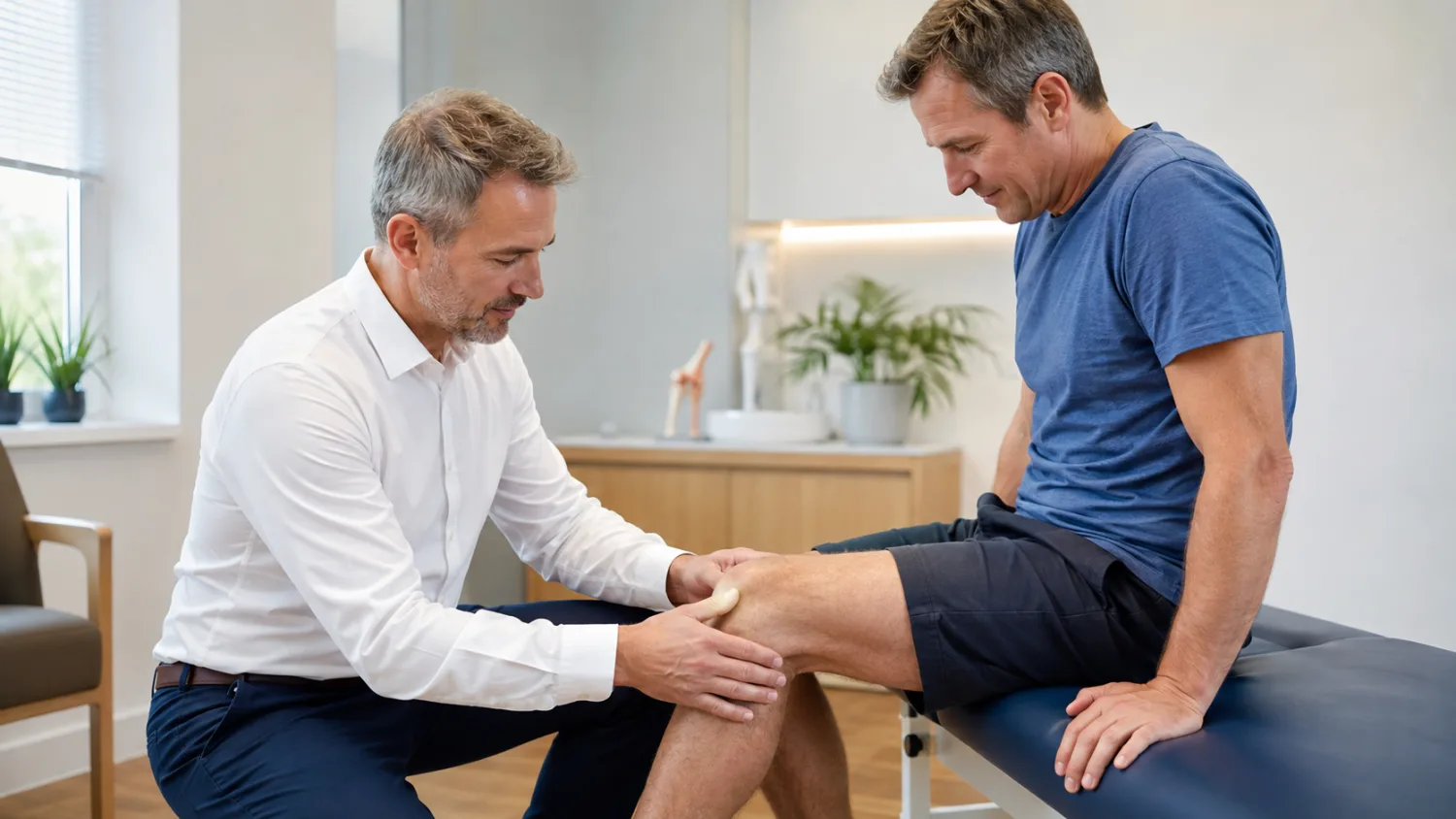
For many people living with severe knee arthritis or long-term joint damage, knee replacement surgery can be life-changing. It is one of the most effective procedures for reducing chronic pain, improving mobility and restoring independence when other treatments no longer help.
In the UK, knee replacement surgery is available through both the NHS and private healthcare providers. However, the experience can differ, including waiting times, choice of surgeon, hospital environment, physiotherapy support and overall cost.
This guide explains when knee replacement is considered, what the operation involves, how NHS and private pathways compare, what recovery is like, and how to decide which route may suit your situation.
What knee replacement surgery is
Knee replacement surgery, also called knee arthroplasty, is an operation to replace damaged parts of the knee joint with artificial components. These components are usually made from metal and durable plastic and are designed to recreate smoother joint movement.
The aim is to reduce pain, improve function and help people return to daily activities that have become difficult because of arthritis or joint damage.
Knee replacement does not make the knee exactly like a natural healthy knee, but for many people it provides major improvement in pain, walking ability and quality of life.
The NHS provides patient information on knee replacement surgery, including preparation, risks and recovery.
When knee replacement is considered
Knee replacement is usually considered when the joint has been severely damaged and symptoms continue despite non-surgical treatment.
The most common reason is osteoarthritis, where cartilage in the knee gradually wears away. Other causes include rheumatoid arthritis, previous injury, deformity, fracture or long-term joint damage.
People considering surgery often describe a gradual loss of function. Everyday activities may become difficult, such as:
- walking to the shops
- climbing stairs
- getting out of a chair
- standing for long periods
- sleeping comfortably
- driving
- working
- gardening or hobbies
- travelling or social activities
Before surgery is usually discussed, doctors and physiotherapists often try non-surgical options, such as physiotherapy, pain relief, weight management, supportive footwear, braces, activity changes and sometimes injections.
If you are still at the earlier stage of symptoms, read knee pain causes, diagnosis and treatment in the UK.
When to discuss surgery
It may be time to discuss knee replacement if knee pain is severely affecting daily life despite non-surgical treatment.
Signs include:
- pain that limits walking
- pain that affects sleep
- difficulty with stairs
- reduced independence
- needing regular pain medication
- loss of confidence leaving home
- reduced ability to work or care for others
- poor quality of life due to knee pain
Decision-making should include symptom severity, imaging results, general health, expectations and willingness to commit to rehabilitation.
Types of knee replacement
There are two main types of knee replacement: total knee replacement and partial knee replacement. Some people may also need revision surgery if a previous knee replacement develops problems years later.
Total knee replacement
Total knee replacement is the most common type. It involves replacing the damaged joint surfaces across the knee with artificial components.
It may be recommended when arthritis or damage affects more than one part of the knee joint.
Partial knee replacement
Partial knee replacement replaces only the damaged section of the knee. It may be suitable for some people whose arthritis is limited to one part of the joint.
Not everyone is suitable for partial knee replacement. The decision depends on the pattern of arthritis, knee stability, alignment, age, activity level and surgeon assessment.
Revision knee replacement
Revision surgery means replacing or repairing a previous knee replacement. It is usually more complex than first-time surgery and may be needed if an implant loosens, wears out, becomes infected or causes ongoing problems.
What happens during the operation
Knee replacement surgery is usually carried out under spinal anaesthetic, general anaesthetic or a combination of anaesthetic techniques. Your anaesthetist will discuss the safest option for you.
During the operation, the surgeon removes damaged joint surfaces and prepares the bone. Artificial components are then fitted to recreate the joint surface. A plastic spacer sits between the metal components to allow smoother movement.
The operation usually takes around one to two hours, although time can vary depending on complexity.
Most people stay in hospital for a short period after surgery. Some centres use enhanced recovery programmes, which aim to get people moving sooner and safely discharged earlier.
Expected outcomes
Knee replacement surgery has a strong track record. Most people experience significant pain relief and improved ability to walk and carry out daily activities.
Benefits may include:
- less knee pain
- better walking tolerance
- improved sleep
- greater independence
- less reliance on pain medication
- more confidence using stairs
- better quality of life
However, expectations need to be realistic. A replaced knee may feel different from a natural knee. Some people have numbness around the scar, kneeling may feel uncomfortable, and full movement may not return for everyone.
Risks and safety considerations
Knee replacement surgery is generally safe, but it is a major operation and complications can occur.
Possible risks include:
- infection
- blood clots
- bleeding
- stiffness
- nerve or blood vessel injury
- ongoing pain
- implant loosening over time
- dislocation or instability, although this is less common than in hip replacement
- need for revision surgery later
Careful pre-operative assessment, good surgical technique and post-operative rehabilitation reduce risks. You may be given advice on blood clot prevention, wound care, pain relief and exercises.
NHS knee replacement: what to expect
Knee replacement is commonly performed on the NHS. Treatment is based on clinical need rather than ability to pay, making it accessible to people who meet criteria.
Referral and assessment
The NHS pathway usually starts with a GP, physiotherapist or musculoskeletal service. You may have an X-ray, and sometimes further imaging, before referral to orthopaedics.
An orthopaedic specialist will assess symptoms, function, imaging results and general health. If surgery is appropriate, you will be placed on a waiting list.
If you are unsure how referrals work, see how hospital referrals work in the UK.
Waiting times
NHS waiting times vary by area, demand and hospital capacity. Some patients wait several months or longer for non-urgent surgery.
During the wait, symptoms may worsen. People may reduce walking, avoid stairs, rely more on pain medication or need more help from family.
If waiting times are a major concern, read NHS waiting times and when treatment abroad may be considered.
Hospital care and follow-up
NHS hospitals provide care from experienced orthopaedic and anaesthetic teams. Facilities may be busy, and private rooms are not always available, but clinical standards are regulated.
After discharge, follow-up appointments and physiotherapy are arranged through NHS services, although availability and timing vary by area.
Private knee replacement: what changes?
Private knee replacement offers an alternative pathway for people who want faster access, more choice or a different hospital experience.
Speed of treatment
One of the main reasons patients choose private care is reduced waiting time. Assessment and surgery may be arranged within weeks, depending on the provider and medical suitability.
For someone whose mobility is rapidly declining, earlier surgery may help reduce muscle weakness, loss of independence and the emotional impact of prolonged pain.
Choice of surgeon and hospital
Private patients can often choose their consultant surgeon, hospital location and appointment dates. This may be reassuring if you have a specific recommendation or want treatment near home or family support.
Private hospitals may offer private rooms, quieter surroundings and more flexible visiting arrangements.
Pre-operative and post-operative support
Private packages may include pre-operative assessment, hospital stay, surgeon follow-up and physiotherapy. However, packages vary, so it is important to check exactly what is included.
Ask whether the price includes:
- consultations
- X-rays or MRI scans
- anaesthetic fees
- hospital stay
- implant costs
- medication
- physiotherapy
- follow-up appointments
- treatment if complications occur
Information about joint replacement outcomes and standards is available from the National Joint Registry.
How much does private knee replacement cost?
Private knee replacement is usually priced per knee. Costs vary depending on hospital, surgeon, anaesthetist, implant type, length of stay, scans, physiotherapy and follow-up.
Because packages differ, a cheaper headline price is not always cheaper overall. Always ask for a written breakdown and clarify what happens if your stay is longer than expected or complications occur.
If you have private medical insurance, check whether the procedure, hospital, surgeon and aftercare are covered. Some policies have restrictions, excesses or approved provider lists.
NHS vs private knee replacement: key differences
The best route depends on your symptoms, finances, waiting time, health needs and personal preferences.
| Factor | NHS knee replacement | Private knee replacement |
|---|---|---|
| Cost | Free at the point of use if eligible | Self-funded or covered by insurance |
| Waiting time | Can be several months or longer depending on area | Often faster, sometimes within weeks |
| Surgeon choice | Usually limited | Often possible |
| Hospital choice | Depends on local pathways and availability | Often more flexible |
| Room type | Private room not guaranteed | Private room often available |
| Physiotherapy | Provided, but access and timing vary | May be included in package, depending on provider |
| Follow-up | Through NHS pathway | Through private provider, if included |
For a wider comparison of public and private care, see NHS vs private healthcare in the UK.
Is private knee replacement better than NHS surgery?
Not necessarily. Both NHS and private providers can offer high-quality surgery. The private route may provide faster access, more choice and a different hospital experience, while NHS care is free at the point of use for eligible patients.
The best route is the one that gives you safe surgery, realistic expectations, good rehabilitation and clear follow-up.
Recovery after knee replacement
Recovery takes time and commitment. Physiotherapy usually begins soon after surgery and focuses on movement, strength, walking and confidence.
Many people use walking aids for several weeks. Some return to many normal activities within three to six months, but full recovery, including strength and flexibility, can take up to a year.
Recovery depends on several factors, including:
- age
- general health
- fitness before surgery
- weight
- pain levels before surgery
- motivation with exercises
- home support
- whether there are complications
Physiotherapy and home exercises are essential. Surgery replaces the damaged joint surfaces, but rehabilitation helps the muscles and movement patterns recover.
When can you walk after surgery?
Most people are encouraged to stand and walk with support soon after surgery, often the same day or the next day, depending on their condition and hospital protocol.
At first, walking aids are usually needed. The focus is on safe movement, gradually increasing confidence and avoiding overdoing things too soon.
When can you drive or return to work?
Driving and work depend on your recovery, which knee was operated on, pain control, medication, mobility and your job type.
You should only drive when you can control the vehicle safely, perform an emergency stop, are no longer affected by strong pain medication, and your clinician confirms it is appropriate. You should also check your insurer’s requirements.
Desk-based work may be possible sooner than physical work. Jobs involving standing, lifting, driving, stairs or manual labour may require a longer recovery period.
Life after knee replacement
Successful surgery often allows people to return to activities that were previously limited by pain.
Many people can return to:
- walking longer distances
- shopping
- gardening
- travel
- golf
- cycling
- swimming
- low-impact exercise
High-impact activities, such as running, jumping and contact sports, are usually discouraged because they may increase wear on the artificial joint.
Modern implants can last many years. Some last 15 to 25 years or more, depending on age, activity level, weight, implant type and individual factors.
Questions to ask before surgery
Before agreeing to knee replacement, ask your surgeon or care team:
- Do I need a total or partial knee replacement?
- What are the alternatives?
- What happens if I delay surgery?
- What results should I realistically expect?
- How long will I be in hospital?
- What are the main risks for me personally?
- How long will recovery take?
- What physiotherapy will I need?
- When can I drive again?
- When can I return to work?
- How long is the implant expected to last?
- Who do I contact if problems occur after discharge?
Should you consider treatment abroad?
Some UK patients consider knee replacement abroad because of waiting times or private costs. This can be an option for some people, but it needs careful planning.
Knee replacement requires follow-up, physiotherapy, blood clot prevention, wound care and sometimes urgent review if complications occur. Travelling too soon after surgery can increase risk.
If you are considering overseas treatment, read the ultimate guide to treatment abroad for UK patients and why more UK patients are choosing healthcare abroad.
FAQ: knee replacement surgery in the UK
When is knee replacement surgery needed?
It is usually considered when severe arthritis or joint damage causes pain and disability despite non-surgical treatments such as physiotherapy, pain relief, weight management, braces or injections.
Is knee replacement available on the NHS?
Yes. Knee replacement is available on the NHS when clinical criteria are met and symptoms significantly affect daily life. Waiting times vary by area.
How long is the NHS wait for knee replacement?
Waiting times vary depending on region, hospital capacity and clinical priority. Some people wait several months or longer for non-urgent surgery.
How much does private knee replacement cost?
Costs vary widely by hospital, surgeon, implant, anaesthetic, length of stay and aftercare package. Always ask for a written breakdown of what is included and what may cost extra.
Is private knee replacement better than NHS surgery?
Not necessarily. Both NHS and private providers can offer high-quality surgery. Private care may offer faster access, more choice and different facilities, while NHS care is free at the point of use if eligible.
What is the difference between total and partial knee replacement?
Total knee replacement replaces the main joint surfaces across the knee. Partial knee replacement replaces only the damaged section and is suitable only for selected patients.
How long does knee replacement surgery take?
The operation often takes around one to two hours, though preparation, anaesthesia and recovery mean you will spend longer in hospital.
How long does recovery take?
Many people improve significantly within three to six months, but full recovery can take up to a year. Physiotherapy and home exercises are important.
When can I walk after knee replacement?
Most people are encouraged to stand and walk with support soon after surgery, often the same day or the next day, depending on their condition and hospital protocol.
When can I drive after knee replacement?
You should only drive when you can control the vehicle safely, perform an emergency stop, are no longer affected by strong pain medication, and your clinician confirms it is appropriate. Timing varies.
How long does an artificial knee last?
Modern knee replacements can last 15 to 25 years or more, but this depends on age, weight, activity level, implant type and individual factors.
What are the main risks of knee replacement?
Risks include infection, blood clots, stiffness, ongoing pain, bleeding, nerve or blood vessel injury, implant loosening and possible revision surgery later.
Can both knees be replaced at the same time?
Sometimes, but it is not suitable for everyone. Replacing both knees together can mean one hospital stay but a more demanding recovery and higher risk for some patients.
Can I have knee replacement abroad?
Some patients do, but it requires careful planning around surgeon checks, hospital standards, flying after surgery, physiotherapy, wound care, complications and UK follow-up.
Final takeaway
Knee replacement surgery is one of the most effective treatments for severe knee arthritis and long-term joint damage. For many people, it can reduce pain, restore mobility and improve independence.
In the UK, both the NHS and private sector offer knee replacement surgery. The main differences are usually waiting time, personal choice, hospital experience and cost, rather than the basic aim of the operation.
There is no universally right option. The best pathway depends on symptom severity, general health, finances, waiting times, lifestyle and personal preference. What matters most is clear information, realistic expectations and strong rehabilitation support throughout recovery.