Sports and physical activity bring major benefits for health, fitness and wellbeing. Whether you enjoy running, football, cycling, gym workouts, tennis, swimming or recreational sport, staying active can improve cardiovascular health, strengthen muscles and support mental wellbeing.
However, physical activity also carries a risk of injury. Sports injuries are common in the UK and can affect professional athletes, regular exercisers and people who only exercise occasionally.
From minor muscle strains to ligament tears, tendon problems and joint damage, injuries can interrupt training, affect daily life and sometimes require medical treatment.
The good news is that most sports injuries can be treated successfully, and many are preventable with the right training habits, recovery strategies and early assessment when symptoms do not settle.
What sports injuries are
Sports injuries happen when physical activity causes damage to muscles, ligaments, tendons, bones or joints.
They may happen suddenly during activity, such as after a fall, collision, twist or sprint. They may also develop gradually due to repeated stress on the body.
The NHS explains that sports injuries commonly affect muscles, bones, joints, ligaments and tendons during physical activity or exercise.
Sports injuries can affect anyone, regardless of age or fitness level. The type of injury often depends on the sport, training load, technique, equipment and previous injury history.
Common types of sports injuries
Sports injuries vary widely depending on the activity and body part involved. Some are sudden and obvious, while others build up slowly over weeks or months.
Muscle strains
Muscle strains happen when muscle fibres are overstretched or torn. They often occur during sprinting, sudden acceleration, heavy lifting, jumping or twisting.
Common locations include:
- hamstrings
- calves
- quadriceps
- groin muscles
- shoulders
- lower back
Symptoms may include pain, swelling, bruising, weakness, muscle spasm and difficulty moving the affected area.
Ligament sprains
Ligaments connect bones and help stabilise joints. A sprain happens when a ligament is stretched or torn.
Ankle sprains are among the most common sports injuries, especially in activities involving running, jumping or quick changes of direction.
Knee ligament injuries are also common in sports such as football, rugby, netball and skiing. A serious knee ligament injury may cause a popping sensation, swelling and a feeling that the knee is unstable.
Tendon injuries
Tendons attach muscles to bones. They can become irritated, inflamed or damaged due to repetitive loading, sudden overload or poor recovery.
Examples include:
- Achilles tendinopathy
- tennis elbow
- golfer’s elbow
- patellar tendinopathy
- rotator cuff tendinopathy
- runner’s knee
Tendon problems often develop gradually and may worsen if activity continues without adjustment.
Joint injuries
Joints such as the knees, shoulders, hips, ankles and wrists are frequently injured during sport.
High-impact activity, falls or sudden twisting movements can damage cartilage, ligaments, tendons or other joint structures.
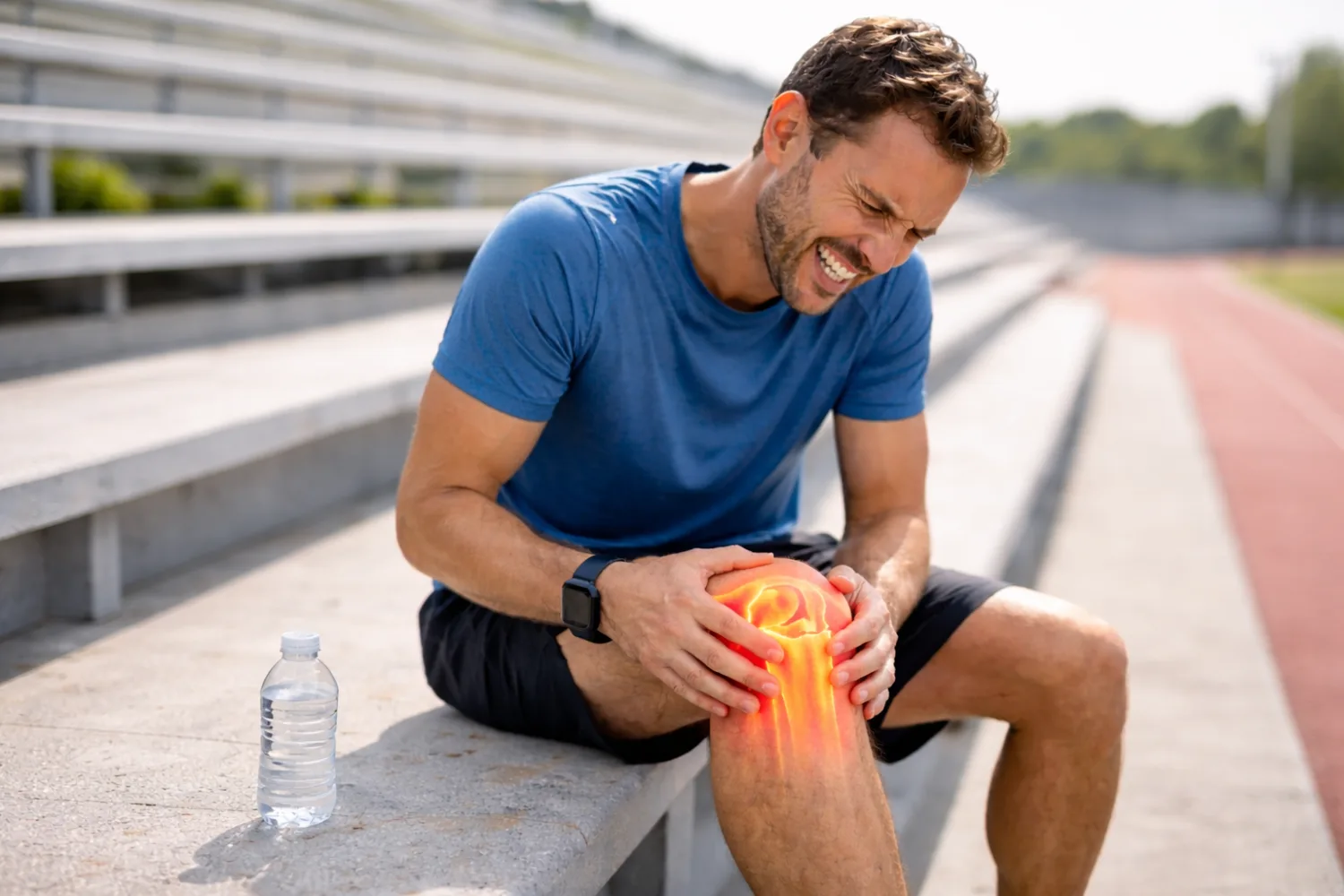
Knee injuries are particularly common. If you have persistent knee pain after physical activity, see knee pain causes, diagnosis and treatment in the UK.
Fractures and dislocations
Bone fractures can occur during high-impact sports, falls, collisions or accidents. Fractures may cause severe pain, swelling, bruising, deformity, inability to bear weight or inability to move the affected area.
A dislocation happens when the bones in a joint are forced out of position. Shoulders and fingers are common sites in sport.
Fractures and dislocations need prompt medical attention. A dislocation should not be forced back into place without medical help because ligaments, nerves and blood vessels may also be damaged.
Concussion
Concussion can happen after a blow to the head, face, neck or body that affects brain function. It can occur in contact sports, cycling, falls and collisions.
Symptoms may include headache, dizziness, confusion, nausea, blurred vision, memory problems, tiredness or feeling “not right”.
Anyone with suspected concussion should stop playing and be assessed before returning to sport.
Why sports injuries happen
Sports injuries usually happen because of a combination of physical, training and environmental factors. Sometimes there is one clear incident, but often several smaller issues build up over time.
Overtraining
Training too intensely or too frequently without enough recovery can overload muscles, tendons, bones and joints. Overtraining increases the risk of stress injuries, tendon problems and persistent pain.
Poor technique
Incorrect movement patterns or lifting technique can place unnecessary stress on joints and muscles.
For example, poor running mechanics or lifting weights incorrectly can contribute to back, hip, knee or shoulder problems.
Inadequate warm-up
Starting intense activity without warming up properly can reduce performance and increase injury risk. A good warm-up prepares muscles, joints, tendons and the nervous system for exercise.
Muscle imbalances
Weakness or stiffness in certain muscle groups can increase strain on joints. For example, weak hip or core muscles can contribute to knee or lower back problems.
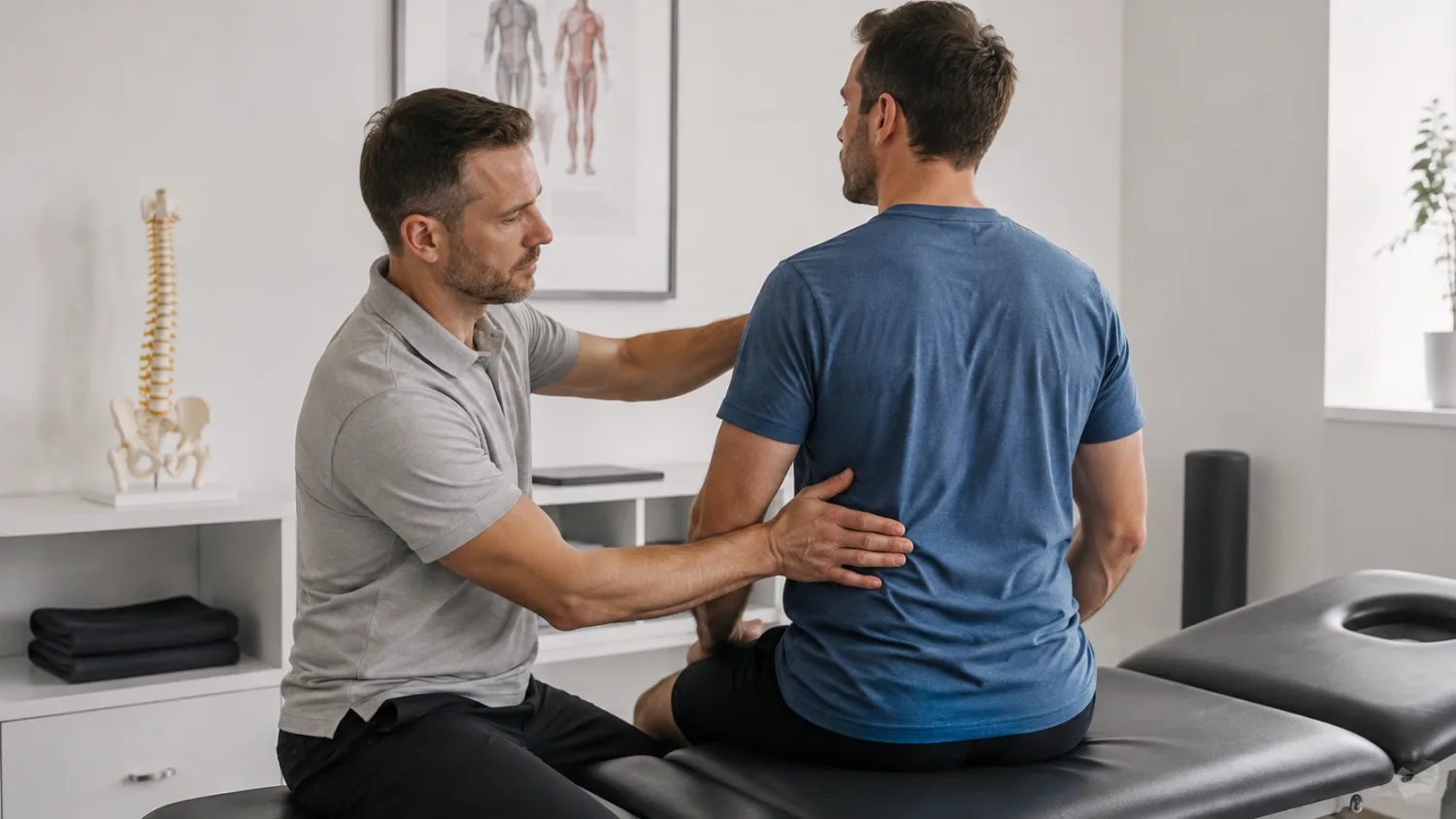
You can learn more in lower back pain: causes, treatment and recovery.
Sudden increases in activity
Increasing training intensity, distance, weight or frequency too quickly is a common cause of injury. Gradual progression gives the body time to adapt safely.
Poor equipment or footwear
Worn-out shoes, unsuitable footwear, poor bike setup or inappropriate protective equipment can increase injury risk.
Previous injuries
A previous injury can increase the risk of reinjury, especially if strength, balance, mobility and confidence were not fully restored before returning to sport.
Symptoms of sports injuries
Symptoms depend on the type and severity of the injury.
Common signs include:
- pain during movement or activity
- swelling
- bruising
- reduced range of motion
- weakness in the affected area
- difficulty bearing weight
- joint instability
- muscle spasm
- tenderness to touch
- popping, snapping or tearing sensation at the time of injury
If severe pain, deformity, major swelling, numbness or inability to move a limb occurs, urgent medical care is needed.
How sports injuries are diagnosed in the UK
Many minor sports injuries can be managed at home, but persistent, severe or recurring injuries should be assessed by a healthcare professional.
Depending on the injury, you may see:
- a pharmacist for mild pain or swelling advice
- a GP
- a physiotherapist
- a first contact practitioner
- an urgent treatment centre
- an orthopaedic specialist
- a sports medicine doctor
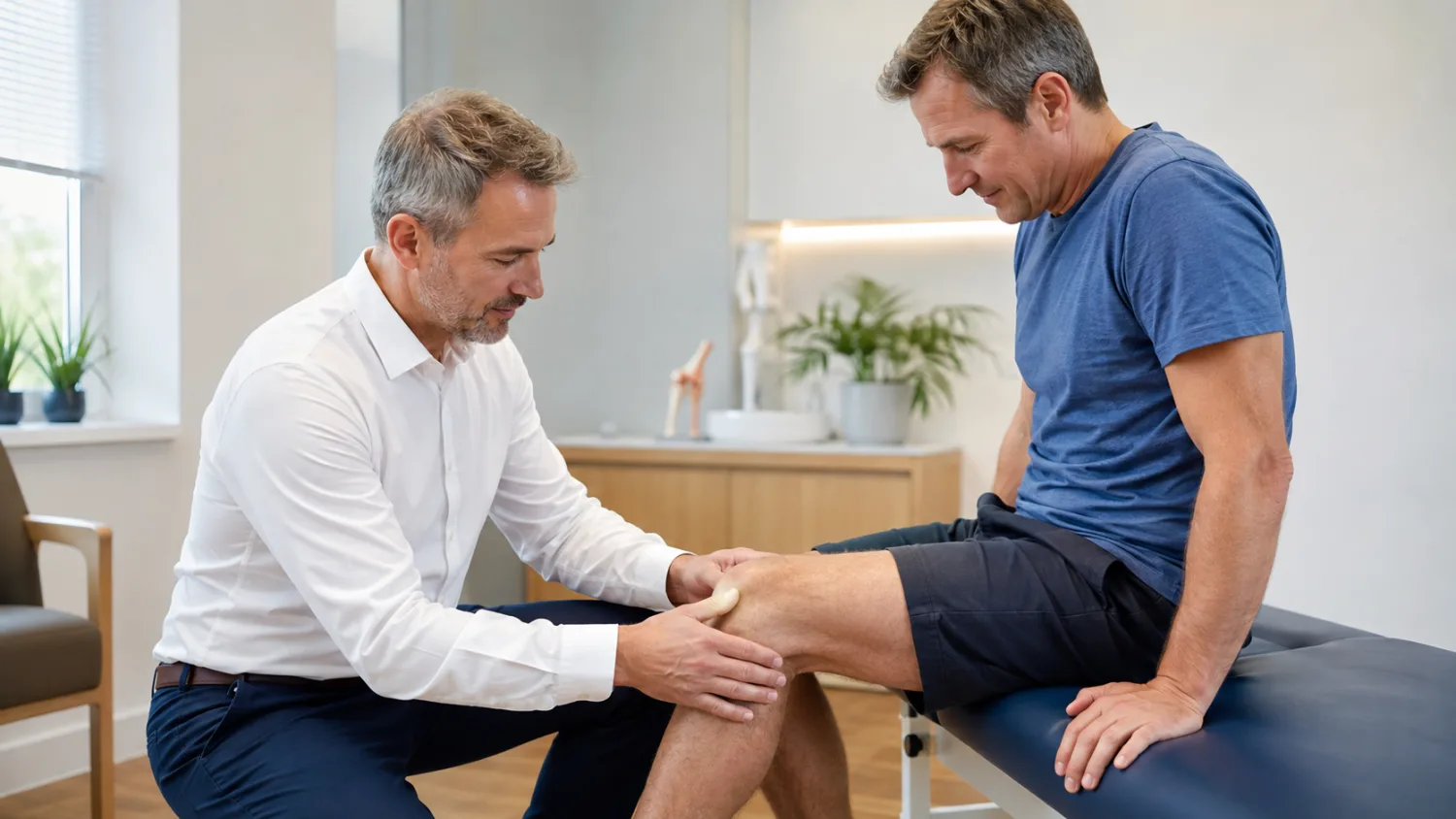
Assessment usually starts with questions about how the injury happened, what symptoms you have, what makes them worse, and whether you have injured the area before.
A physical examination may check:
- swelling and bruising
- tenderness
- range of movement
- strength
- joint stability
- walking pattern
- nerve and circulation signs where needed
Scans and imaging
Imaging tests such as X-rays, ultrasound or MRI scans may be used to diagnose fractures, ligament injuries, tendon damage or soft tissue injuries.
For more detail, see ultrasound vs CT vs MRI, what an MRI scan shows and how to understand scan results.
In some cases, referral to an orthopaedic specialist may be needed. Understanding how hospital referrals work in the UK can help patients navigate the system.
Treatment options for sports injuries
Treatment depends on the type, location and severity of the injury. Minor injuries may improve with self-care and gradual movement, while more serious injuries may need physiotherapy, imaging, injections or surgery.
Protection, rest, ice, compression and elevation
For many minor injuries, early management focuses on protecting the injured area and reducing pain and swelling.
- Protection: avoid movements or loads that make the injury worse.
- Rest: reduce painful activity, but avoid unnecessary complete inactivity.
- Ice: cold packs may help reduce pain and swelling in the first 24–48 hours.
- Compression: a bandage or support may help swelling, if safe and comfortable.
- Elevation: raising the injured area can help reduce swelling.
This approach is often most useful during the first couple of days after injury. After that, gradual movement and rehabilitation usually become more important.
Physiotherapy
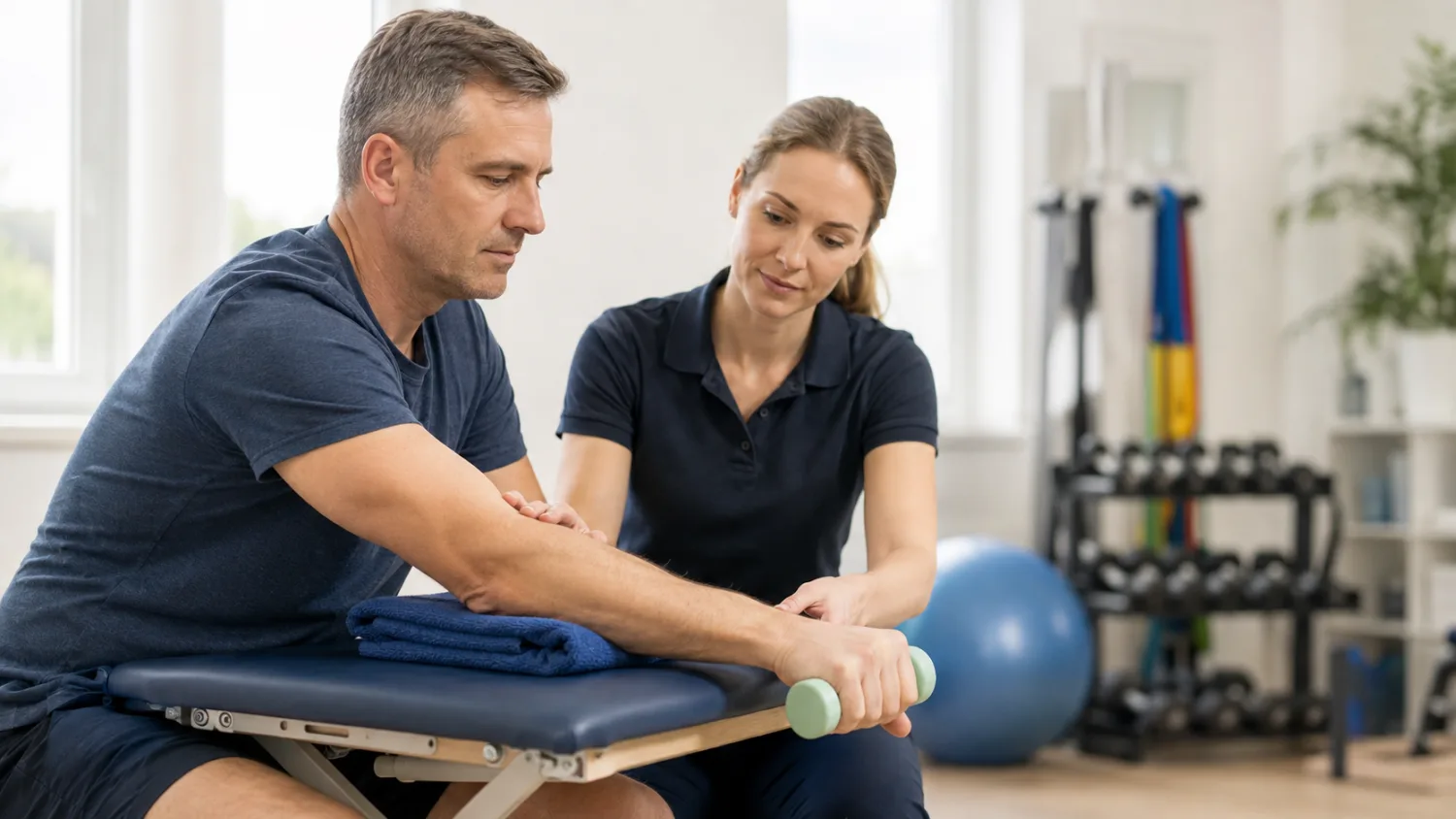
Physiotherapy plays a key role in recovery from many sports injuries. Rehabilitation aims to restore movement, strength, balance, coordination and confidence.
A physiotherapist can help with:
- early injury management
- mobility exercises
- strength training
- balance and control work
- sport-specific drills
- return-to-running plans
- return-to-play decisions
- reducing reinjury risk
Returning to sport safely is usually a staged process rather than a single decision based only on pain.
Pain relief medication
Pain relief can help during recovery, especially if pain limits sleep or normal movement.
Anti-inflammatory medicines may help some injuries, but they are not suitable for everyone, including some people with stomach ulcers, kidney disease, heart disease, asthma triggered by NSAIDs, high blood pressure or certain medications.
Ask a pharmacist, GP or clinician if you are unsure what is safe for you.
Injections
For some conditions, a clinician may consider injections to reduce inflammation or pain. These may be used for selected tendon, joint or soft tissue problems.
Injections are not suitable for every injury and should usually be combined with rehabilitation rather than used as a stand-alone fix.
Surgery
Severe injuries such as major ligament ruptures, cartilage tears, displaced fractures or recurrent dislocations may require surgery.
Surgery may also be considered if symptoms persist despite appropriate rehabilitation and imaging shows a problem that is likely to improve with an operation.
Severe knee injuries or long-term joint damage may sometimes lead to more advanced treatment discussions. For related information, see knee replacement surgery in the UK.
Recovery and rehabilitation
Recovery time varies depending on the injury, severity, age, general health and whether rehabilitation is followed properly.
As a rough guide:
- minor muscle strains may improve within a few weeks
- moderate sprains may take several weeks
- tendon problems may take months to settle
- fractures often take several weeks or longer
- major ligament injuries may take many months
Rehabilitation is essential to restore strength and reduce reinjury risk. Pain improving is only one part of recovery. The injured area also needs to regain mobility, strength, balance and sport-specific control.
Returning to sport too quickly can increase the risk of further injury.
When can you return to sport?
You should usually return to sport gradually rather than jumping straight back to full intensity.
Before returning, you should ideally be able to:
- move the injured area without significant pain
- walk or perform daily activities normally
- regain strength close to the uninjured side
- complete sport-specific movements safely
- run, jump, twist or lift as required for your sport
- feel confident using the injured area
- have no significant swelling after activity
For higher-risk sports or serious injuries, return-to-play decisions should be guided by a physiotherapist, doctor or specialist.
Preventing sports injuries
Many sports injuries can be reduced through good training habits.
Prevention strategies include:
- warming up before exercise
- cooling down after intense sessions
- building training gradually
- including strength training
- working on balance and control
- using appropriate footwear
- checking equipment fits properly
- learning good technique
- allowing recovery days
- getting enough sleep
- not ignoring persistent pain
Listening to your body matters. Pain that keeps returning, worsens during activity or changes how you move should not be ignored.
When to seek medical advice
Many sports injuries heal with rest, gradual movement and basic care, but medical advice should be sought if:
- pain is severe
- pain is persistent or worsening
- swelling does not improve
- you cannot bear weight
- movement becomes difficult
- the joint feels unstable
- there is obvious deformity
- you heard or felt a pop at the time of injury
- there is numbness or tingling
- symptoms keep returning when you train
- you suspect concussion
Seek urgent medical care for severe deformity, suspected fracture, dislocation, major head injury, chest pain during exercise, collapse, or severe pain after a fall or collision.
If you need help accessing an appointment, see how to get a GP appointment quickly in the UK.
NHS and private treatment options
In the UK, sports injury care may involve NHS services, private physiotherapy, private sports medicine clinics or private orthopaedic care.
NHS care
NHS care may be appropriate for urgent injuries, suspected fractures, severe pain, significant swelling, loss of function or injuries needing specialist assessment.
Depending on the injury, you may be seen by a GP, urgent treatment centre, physiotherapist, fracture clinic or orthopaedic team.
Private care
Some people choose private physiotherapy, private imaging or private sports injury clinics for faster access, more flexible appointments or sport-specific rehabilitation.
Private care can be helpful when returning to sport quickly matters, but costs vary and follow-up plans should be clear.
For a broader comparison, read NHS vs private healthcare in the UK.
FAQ: sports injuries in the UK
What are the most common sports injuries?
Common sports injuries include muscle strains, ligament sprains, tendon injuries, knee injuries, ankle sprains, shoulder injuries, fractures, dislocations and concussion.
How do I know if a sports injury is serious?
Severe pain, major swelling, deformity, inability to bear weight, numbness, instability, a popping sensation or symptoms after a head injury should be assessed promptly.
Should I use ice or heat after a sports injury?
Ice may help pain and swelling in the first 24–48 hours after an acute injury. Heat may help later for muscle tightness, but avoid heat over significant swelling or bruising early on.
How long should I rest after a sports injury?
Rest from painful activity is important at first, but complete rest for too long can slow recovery. Most injuries benefit from gradual movement and rehabilitation once safe.
Do I need an MRI for a sports injury?
Not always. MRI may be used if symptoms are severe, persistent, unclear or suggest ligament, tendon, cartilage or soft tissue damage that would change treatment.
Can physiotherapy help sports injuries?
Yes. Physiotherapy can restore movement, strength, balance and sport-specific control, and can help reduce the risk of reinjury.
When can I return to sport?
You should usually return when pain, swelling and movement have improved, strength is restored, and you can complete sport-specific movements safely. Serious injuries need professional guidance.
Can I train through pain?
Mild discomfort during rehabilitation may sometimes be acceptable, but sharp pain, worsening pain, swelling or altered movement are signs to stop and seek advice.
What is the best way to prevent sports injuries?
Warm up properly, progress training gradually, build strength, use suitable equipment, learn good technique, allow recovery time and avoid ignoring persistent pain.
Should I see a GP or physiotherapist first?
For many muscle, tendon and joint injuries, a physiotherapist can be a good first contact. See a GP, urgent treatment centre or A&E for severe pain, suspected fracture, dislocation, serious swelling, head injury or concerning symptoms.
Are sports injuries treated on the NHS?
Yes, NHS services treat sports injuries depending on severity and clinical need. Mild injuries may be self-managed or assessed in primary care, while severe injuries may need urgent care or specialist referral.
Why do my sports injuries keep coming back?
Recurring injuries may be linked to incomplete rehabilitation, training errors, poor technique, muscle weakness, poor recovery, unsuitable equipment or returning to sport too soon.
Final takeaway
Sports injuries are a common part of physical activity, but most can be treated successfully with the right care and rehabilitation.
Understanding how injuries happen, recognising when to seek help, and returning to sport gradually can reduce the risk of long-term problems and reinjury.
If an injury is affecting your ability to move, train or work, getting assessed by a healthcare professional is the best way to start a safe recovery plan.