Lower back pain is one of the most common health problems in the UK. Most adults experience it at some point in life, and many have more than one episode.
For some people, lower back pain appears suddenly after lifting something heavy or twisting awkwardly. For others, it develops gradually and becomes a persistent problem affecting work, sleep, movement and everyday activities.
The reassuring news is that most lower back pain is not caused by serious disease and often improves with the right combination of movement, treatment and lifestyle changes.
This guide explains the common causes of lower back pain, how it is diagnosed in the UK, which treatments are most helpful, when to seek urgent help and how to support long-term recovery.
What lower back pain means
Lower back pain refers to discomfort in the lumbar region, which is the lower part of the spine between the ribs and the pelvis. This area carries much of the body’s weight and plays a major role in movement, posture and stability.
The lower back includes:
- bones of the spine
- joints
- discs
- nerves
- ligaments
- muscles
- tendons
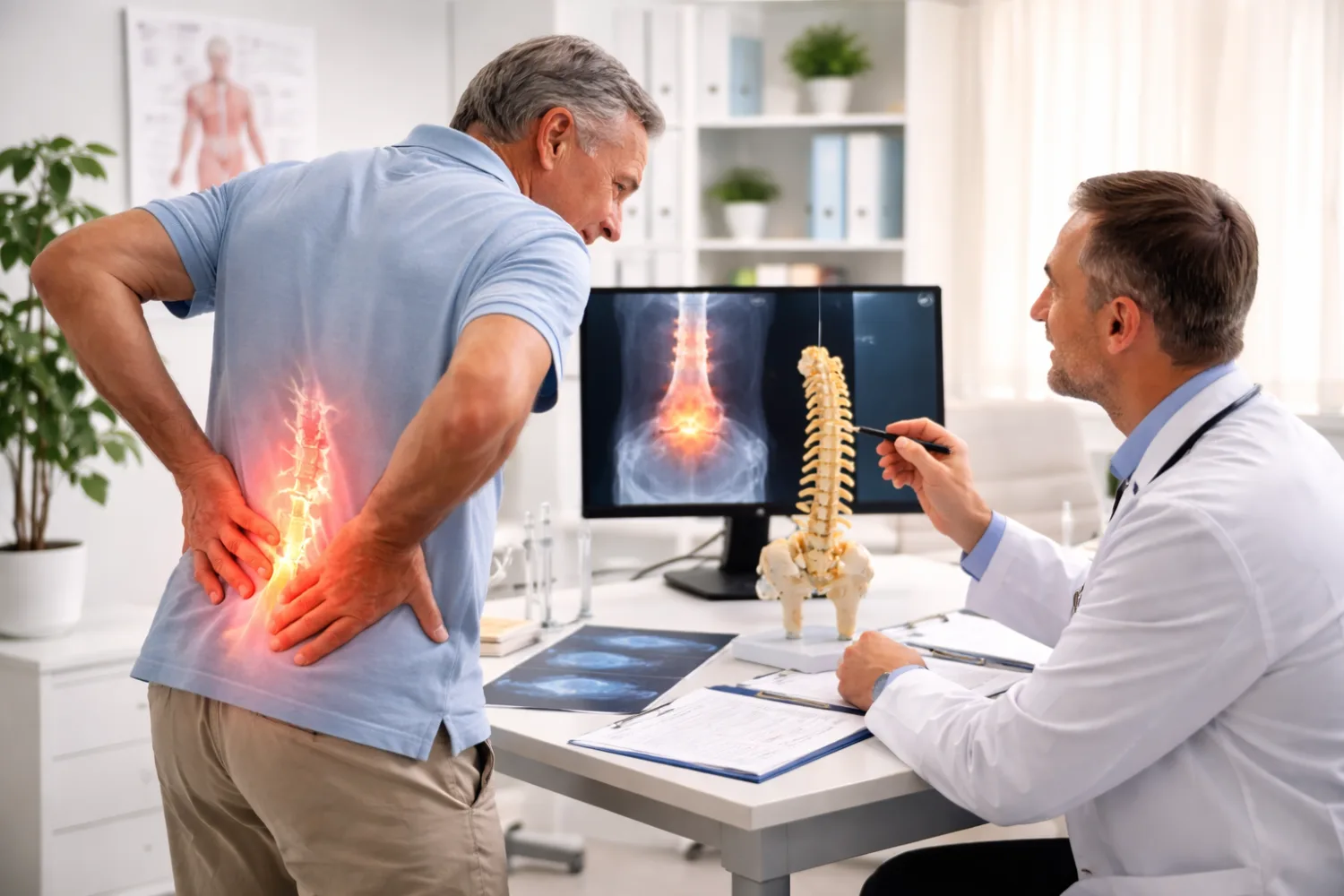
Pain can arise from one or several of these structures. In many cases, doctors cannot identify one exact cause. This is often called non-specific lower back pain, and it is the most common type.
Non-specific does not mean the pain is imaginary. It means there is no single serious structural cause found, and recovery usually depends on movement, reassurance, strengthening and time.
What lower back pain can feel like
Lower back pain varies from person to person. It may feel mild and annoying, or severe and disabling.
Symptoms may include:
- dull aching pain
- sharp pain
- muscle spasms
- stiffness after sitting or waking
- pain when bending or lifting
- pain spreading into the buttocks or thighs
- pain travelling down the leg
- difficulty standing upright
- reduced confidence moving normally
In many cases, symptoms gradually improve over days or weeks. Persistent or worsening pain should be assessed, especially if it affects work, sleep or daily function.
Common causes of lower back pain
Lower back pain rarely has one simple explanation. Several factors often combine to create symptoms.
Muscle or ligament strain
A common cause of sudden back pain is a strain or minor injury to the muscles or ligaments. This may happen after lifting, carrying, bending, twisting, gardening, sport or an unusual burst of activity.
Pain may appear immediately or build over several hours. It can cause stiffness, spasms and difficulty moving normally.
Poor movement patterns and inactivity
Long periods of sitting, especially with poor workstation setup, can place extra stress on the lower back. Over time, inactivity can reduce strength in the core, hips and back muscles.
This does not mean sitting causes damage every time, but low activity levels, reduced fitness and weak supporting muscles can make back pain more likely to persist or return.
Herniated or slipped disc
Between the spinal bones are discs that act as cushions. A herniated disc happens when part of a disc bulges or leaks out and irritates nearby nerves.
This is often called a slipped disc, although the disc does not actually slip out of place.
A disc problem may cause:
- lower back pain
- pain travelling into the buttock or leg
- tingling or numbness
- weakness in part of the leg
- worsening symptoms when coughing, bending or sitting
Pain travelling down the leg is often called sciatica.
Sciatica
Sciatica occurs when the sciatic nerve or one of its nerve roots becomes irritated or compressed. It can cause pain that travels from the lower back into the buttock, thigh, calf or foot.
Sciatica may feel like:
- shooting pain
- burning pain
- electric shock-like pain
- pins and needles
- numbness
- leg weakness
Although sciatica can be very painful, many cases improve without surgery.
Arthritis and age-related changes
As people age, discs and joints in the spine naturally change. Osteoarthritis can cause stiffness, inflammation and chronic lower back pain.
Age-related changes are common on scans, even in people without pain. This is why scan results need to be interpreted alongside symptoms and examination findings.
Spinal stenosis
Spinal stenosis means narrowing around the spinal canal or nerve passages. It can cause back pain, leg pain, numbness or heaviness when walking or standing.
Some people notice symptoms improve when leaning forward, sitting down or using a shopping trolley. This pattern should be assessed by a healthcare professional.
Stress, sleep and lifestyle factors
Back pain is not purely mechanical. Emotional wellbeing, sleep, stress, general health and previous pain experiences can influence how strongly pain is felt and how long it lasts.
Factors linked with persistent back pain include:
- poor sleep
- stress
- anxiety
- low mood
- smoking
- low physical activity
- being overweight
- fear of movement
Addressing these factors can be an important part of recovery, especially when pain keeps returning.
Hip, knee or posture-related strain
Problems in the hips, knees or feet can sometimes change the way someone walks and place extra strain on the lower back.
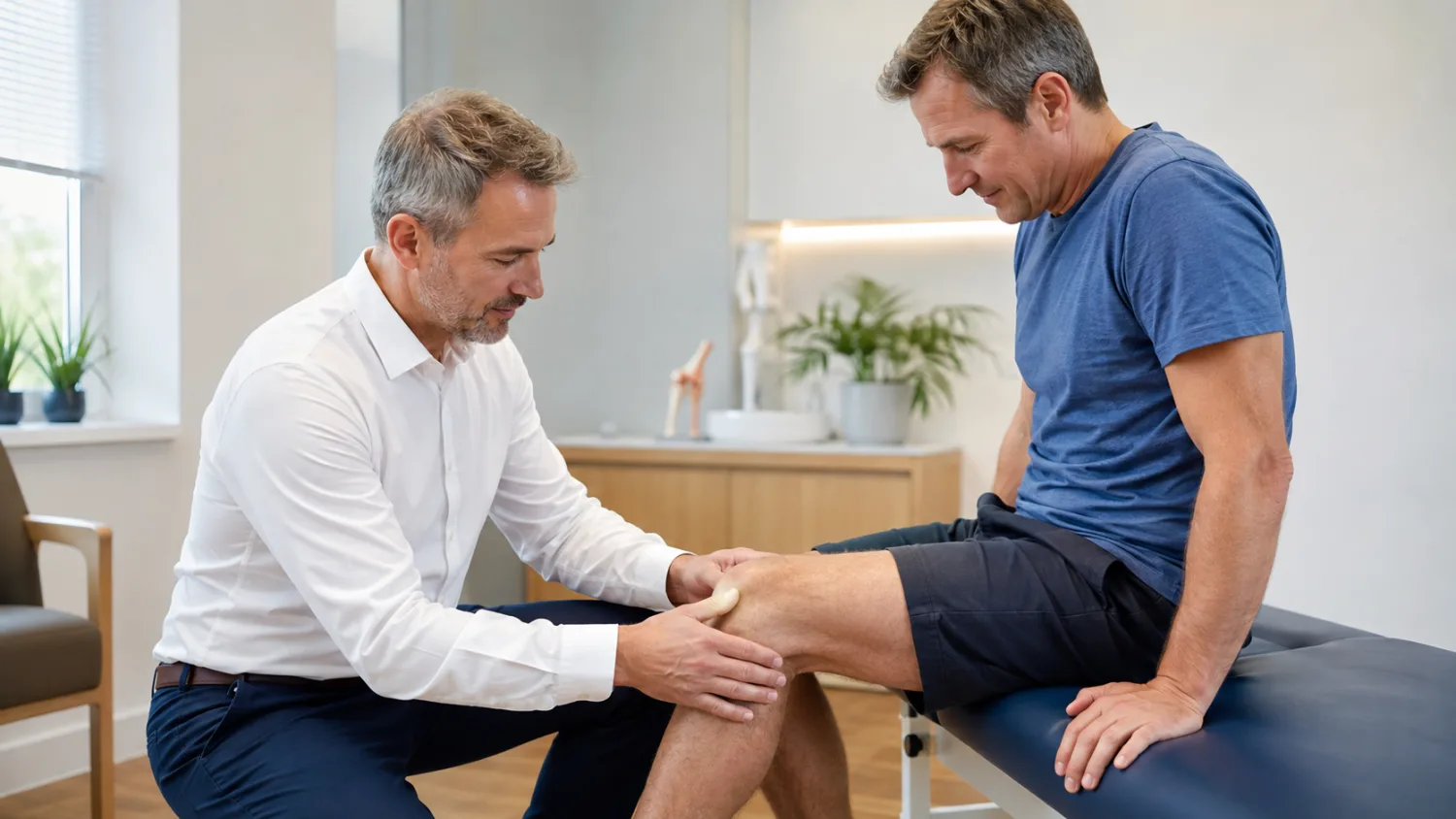
For example, chronic knee arthritis or hip pain may lead to limping, reduced mobility and back muscle overload. Related guides include knee pain causes and treatment, knee replacement surgery in the UK and hip replacement surgery in the UK.
When lower back pain needs urgent help
Most lower back pain is not serious, but some symptoms need urgent medical attention.
Seek urgent help through NHS 111, urgent care or A&E depending on severity if you have:
- new loss of bladder or bowel control
- numbness around the genitals, buttocks or inner thighs
- new difficulty passing urine
- severe or worsening weakness in one or both legs
- back pain after a major injury, fall or accident
- fever, feeling very unwell or unexplained weight loss
- history of cancer with new back pain
- severe pain that is constant and does not ease with rest
- back pain with significant immune suppression
- new back pain with osteoporosis or long-term steroid use
Loss of bladder or bowel control, numbness around the saddle area or severe leg weakness can be signs of cauda equina syndrome, a rare but serious emergency.
When to seek non-urgent professional help
Consider seeing a GP, physiotherapist or appropriate clinician if:
- pain is not improving after a few weeks
- pain keeps returning
- pain affects sleep, work or daily life
- pain travels below the knee
- there is numbness, tingling or weakness
- you are worried about the cause
- you need help returning to work or exercise
Seek urgent help if you have any red flag symptoms, especially bladder or bowel changes, saddle numbness, severe leg weakness or back pain after major trauma.
How lower back pain is diagnosed in the UK
Most people start with a GP, physiotherapist or first contact physiotherapist. In some areas, NHS physiotherapy can be accessed directly without seeing a GP first.
A clinician will usually ask about:
- where the pain is
- when it started
- whether there was an injury
- whether pain travels into the leg
- numbness, tingling or weakness
- what makes symptoms better or worse
- work, lifting, sport and daily activities
- sleep, stress and general health
- previous back problems
- red flag symptoms
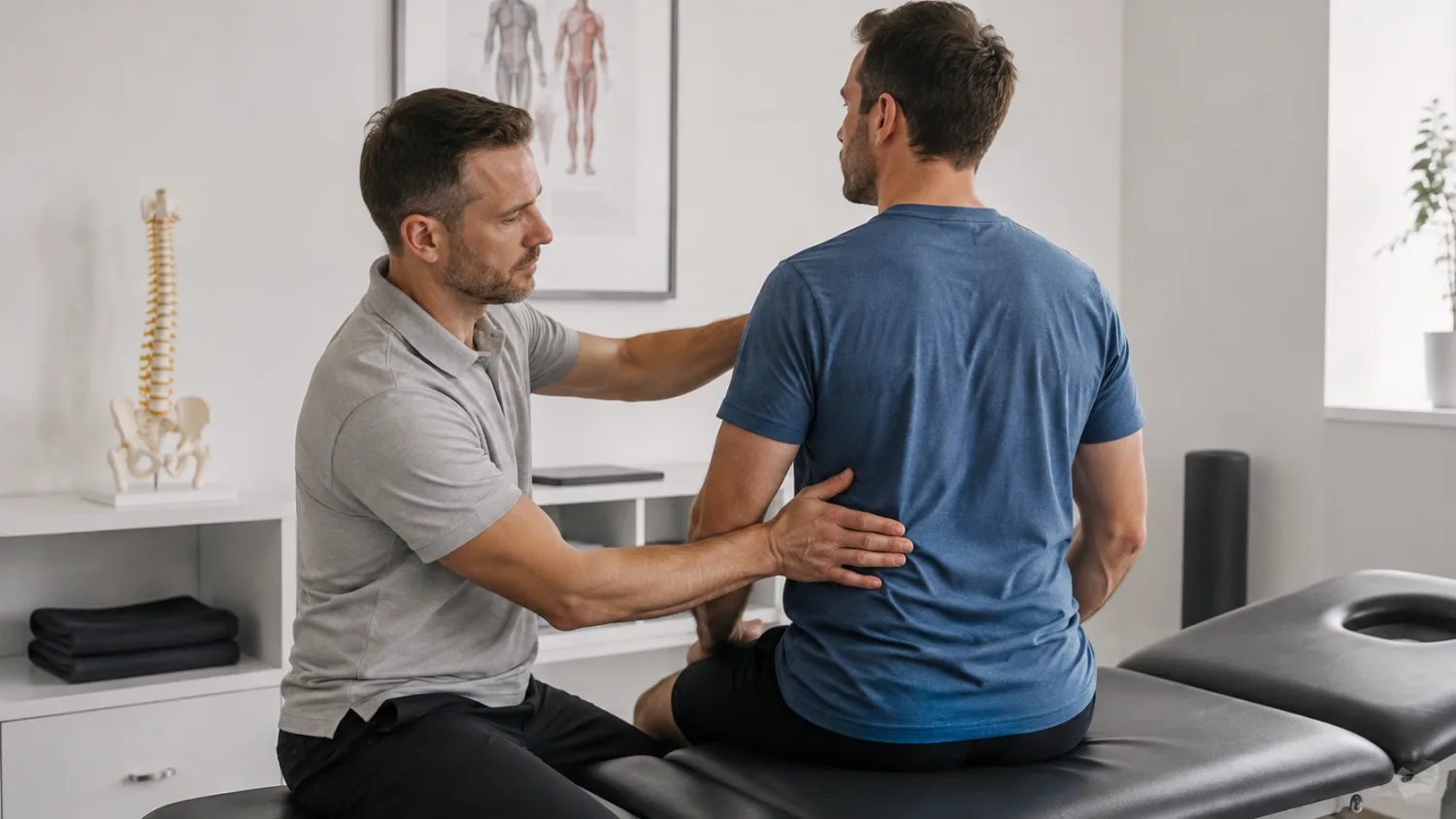
The examination may check posture, movement, walking, strength, reflexes and sensation.
If you are struggling to access care, read how to get a GP appointment quickly in the UK.
Do you need an X-ray or MRI scan?
Many people with lower back pain do not need imaging. Scans are usually reserved for situations where symptoms suggest a specific condition, serious cause or nerve compression that may change treatment.
This is because scans often show age-related changes that may not be the cause of pain. Finding a disc bulge or arthritis on a scan does not always mean it explains the symptoms.
Imaging may be considered if:
- there are red flag symptoms
- pain follows significant trauma
- severe sciatica persists
- there is progressive leg weakness
- surgery or specialist procedures are being considered
- the diagnosis is unclear after assessment
If a scan is recommended, see ultrasound vs CT vs MRI, what an MRI scan shows and how to understand scan results.
Treatment and recovery
Treatment depends on the cause, severity and how much pain affects daily life. For most people, the goal is to reduce pain, restore movement and prevent recurrence.
Keep moving
One of the most important messages is to stay gently active. In the past, bed rest was often recommended. Today, prolonged rest is known to delay recovery for many people.
Helpful activity may include:
- gentle walking
- light stretching
- changing position regularly
- short periods of normal daily activity
- gradually increasing movement as pain settles
This does not mean forcing through severe pain. It means avoiding unnecessary bed rest and keeping the back moving within tolerable limits.
Physiotherapy
Physiotherapy is one of the most useful treatments for persistent or recurring lower back pain. A physiotherapist can assess movement patterns and create a tailored exercise plan.
Physiotherapy may focus on:
- core strengthening
- hip and glute strength
- mobility exercises
- balance and control
- posture and movement confidence
- lifting technique
- return to work or sport
- flare-up management
The most effective programmes are usually active rather than passive. Exercises need to be repeated consistently over time.
Pain relief medication
Pain relief can help people stay active while recovering. Options may include anti-inflammatory medicines such as ibuprofen, topical gels or other medicines recommended by a clinician.
Anti-inflammatory tablets are not suitable for everyone, especially people with stomach ulcers, kidney disease, heart disease, high blood pressure, asthma triggered by NSAIDs, or those taking certain medications.
Medication is usually best used as short-term support rather than the only treatment. Ask a pharmacist, GP or clinician if you are unsure what is safe for you.
Heat and cold therapy
Heat and cold packs can help some people manage symptoms.
- Cold packs may help in the first few days after an injury or flare-up where swelling or sharp pain is present.
- Heat packs may help muscle tightness, stiffness and spasms.
Use packs safely and avoid applying ice or heat directly to skin.
Manual therapy
Some people benefit from manual therapy, such as mobilisation, manipulation or massage, delivered by trained professionals such as physiotherapists, osteopaths or chiropractors.
Manual therapy may provide short-term relief, especially when combined with exercise and advice. It is usually less effective as a stand-alone long-term solution.
Lifestyle changes
Long-term back health often depends on broader lifestyle habits.
Helpful changes include:
- regular walking
- strength training
- improving sleep
- managing stress
- stopping smoking
- weight management if needed
- reducing long periods of sitting
- building confidence with movement
Swimming, cycling, Pilates-style strengthening and supervised gym work can help some people, depending on symptoms and preference.
Surgery and specialist treatment
Most people with lower back pain do not need surgery. The majority improve with conservative treatment such as movement, physiotherapy, pain relief and time.
When surgery may be considered
Surgery may be considered only in selected cases, such as:
- severe disc herniation with persistent nerve compression
- spinal stenosis causing significant walking limitation
- progressive neurological weakness
- specific structural problems confirmed by imaging
- pain or nerve symptoms that persist despite months of appropriate treatment
Spinal surgery is usually considered only after specialist assessment and discussion of risks, benefits and alternatives.
For general information on NHS and private treatment pathways, see NHS vs private healthcare in the UK.
Preventing lower back pain from returning
Not all back pain can be prevented, but certain habits can reduce the risk of recurrence.
Useful prevention steps
- staying physically active
- building core, hip and leg strength
- taking movement breaks from sitting
- using good lifting technique
- keeping heavy loads close to the body
- improving workstation setup
- maintaining a healthy weight where possible
- managing stress and sleep
- returning gradually after flare-ups
When lifting, avoid twisting while bent forward. Bend the knees, keep the load close and ask for help with awkward or heavy objects.
Living well with recurring lower back pain
For many people, lower back pain comes and goes. Even after recovery, occasional flare-ups can happen.
A flare-up does not always mean new damage. Pain can increase temporarily because of fatigue, stress, poor sleep, too much activity, too little activity or unfamiliar movement.
Long-term management often means learning how to respond calmly and practically:
- keep moving gently
- avoid panic and prolonged bed rest
- use heat, cold or pain relief if suitable
- return gradually to normal activity
- restart strengthening exercises when able
- seek advice if symptoms are unusual, severe or not improving
Understanding pain and building confidence with movement can reduce fear and help people stay active.
FAQ: lower back pain
What is the most common cause of lower back pain?
The most common type is non-specific lower back pain, often linked to muscle strain, joint irritation, reduced movement, weakness, posture, stress or several factors together rather than one clear injury.
How long does lower back pain usually last?
Many episodes improve within a few days to a few weeks. Some pain can persist longer, especially when activity, sleep, stress, strength or work factors are involved.
Should I rest with lower back pain?
Short rest may help severe pain, but prolonged bed rest is usually not recommended. Gentle movement and gradual return to normal activity often support recovery.
When should I worry about lower back pain?
Seek urgent help for bladder or bowel changes, numbness around the genitals or inner thighs, severe leg weakness, major trauma, fever, unexplained weight loss or constant severe pain that does not ease.
Do I need an MRI scan for lower back pain?
Not usually. Many cases improve without imaging. MRI is generally reserved for red flags, severe or persistent nerve symptoms, progressive weakness or when specialist treatment is being considered.
Can lower back pain cause leg pain?
Yes. If nerves are irritated, pain can travel into the buttock, thigh, calf or foot. This is often called sciatica.
Is walking good for lower back pain?
Walking is often helpful because it keeps the spine moving, maintains fitness and reduces stiffness. Start gently and build up gradually.
Can stress make back pain worse?
Yes. Stress, poor sleep and anxiety can increase pain sensitivity and make recovery harder. Managing these factors can help long-term improvement.
What exercises help lower back pain?
Helpful exercises often include gentle mobility, core strengthening, hip and glute strengthening, walking and gradual return to normal movement. A physiotherapist can tailor exercises to your symptoms.
Can a slipped disc heal without surgery?
Many disc-related symptoms improve without surgery over time. Surgery is usually reserved for severe or persistent nerve compression, progressive weakness or specific specialist findings.
Is lower back pain a sign of cancer?
Most back pain is not cancer. However, new back pain with a history of cancer, unexplained weight loss, feeling very unwell or constant night pain should be assessed promptly.
Can hip or knee problems cause back pain?
Yes. Hip or knee pain can change walking patterns and increase strain on the lower back. Treating the underlying joint problem may sometimes reduce secondary back pain.
Final takeaway
Lower back pain can be frustrating and sometimes frightening, especially when it affects daily life. But most cases are not caused by serious disease and improve with the right approach.
Staying active, building strength, managing stress and sleep, and getting appropriate advice when symptoms persist are the foundations of recovery.
If lower back pain is severe, worsening, linked with red flag symptoms or not improving, speak with a GP, physiotherapist or appropriate healthcare professional. With the right guidance, most people can return to normal activities and reduce the risk of future flare-ups.