Exosome therapy is one of the newest and most heavily marketed areas of regenerative medicine. In the UK, you may see exosome treatments advertised for skin rejuvenation, hair loss, joint pain, sports injuries, inflammation, anti-ageing, wound healing and even neurological conditions.
The language can sound impressive: cell signalling, tissue repair, regeneration, stem cell-derived particles, growth factors and next-generation healing. But for patients, the most important question is not whether exosomes sound scientifically interesting. They do. The more important question is whether a specific exosome treatment being offered by a clinic is safe, legal, evidence-based and appropriate for your condition.
At the moment, exosome therapy sits in a complicated space. Exosomes are important in medical research, and they may become part of future treatments. But many commercial exosome treatments being advertised to the public are ahead of the evidence, especially when they are promoted for broad medical or cosmetic claims.
This UK guide explains what exosomes are, how exosome therapy is marketed, what the evidence currently says, how it differs from PRP and stem cell therapy, what UK patients should know about safety and regulation, and what questions to ask before paying for treatment.
If you are new to the topic, you may also want to read our guides to what regenerative medicine is, stem cells vs exosomes, stem cell therapy in the UK, PRP therapy in the UK and how much regenerative medicine costs in the UK.
What are exosomes?
Exosomes are tiny particles released by cells. They are part of a wider group called extracellular vesicles. Cells use them to communicate with other cells by carrying biological signals such as proteins, lipids and genetic material.
In simple terms, exosomes are like small biological message carriers. They do not work like tablets, vitamins or standard injections. They are involved in cell-to-cell signalling, which is one reason they have attracted attention in regenerative medicine research.
Exosomes may influence processes such as:
- inflammation
- immune signalling
- tissue repair
- wound healing
- blood vessel formation
- cell behaviour
- skin repair responses
This does not mean that every exosome product sold by a clinic can reliably regenerate tissue or treat disease. A biological mechanism is not the same as proven patient benefit. Many treatments sound plausible in theory but still need high-quality human studies before they can be considered established.
What is exosome therapy?
Exosome therapy usually refers to the use of exosome-containing products or exosome-like products in a clinical, aesthetic or regenerative medicine setting. The product may be applied to the skin, used after microneedling or laser treatment, injected, or marketed as part of a wider regenerative package.
In UK private clinics, exosome therapy may be promoted for:
- skin rejuvenation
- fine lines and wrinkles
- post-laser or post-microneedling recovery
- hair thinning or hair loss
- scarring
- joint pain
- sports injuries
- inflammation
- chronic pain
- anti-ageing or “cell renewal”
The problem is that the phrase “exosome therapy” can mean very different things depending on the clinic and product. Some products may be described as plant-derived, animal-derived, human-derived, synthetic, lab-produced, exosome-like or stem-cell-derived. Some may be used topically on the skin. Others may be advertised as injectable treatments. These are not the same from a safety, evidence or regulatory point of view.
Before considering treatment, patients should ask what exactly is being used, where it comes from, how it is made, whether it is licensed or authorised for the intended use, and whether the clinic is making cosmetic claims or medical treatment claims.
Why exosomes are attracting so much attention
Exosomes are exciting to researchers because they may offer a way to influence cell behaviour without transplanting whole cells. In theory, this could have advantages. A treatment based on cell signalling might one day be used to support repair, reduce harmful inflammation or deliver therapeutic signals in a controlled way.
Research is exploring possible exosome-related applications in areas such as:
- regenerative medicine
- skin repair and wound healing
- neurological disease research
- orthopaedic and cartilage research
- heart and vascular research
- drug delivery systems
- immune modulation
But this is where patients need to separate research promise from commercial treatment claims.
A research paper showing that exosomes influence cells in a laboratory does not prove that a private clinic treatment will help your knee arthritis, hair loss, wrinkles or neurological symptoms. A small pilot study does not prove long-term safety. A celebrity treatment trend does not prove medical value.
This is especially important because exosome therapy is often marketed in language that borrows credibility from stem cell science, regenerative medicine and advanced therapy research. Patients should not assume that a treatment is approved, proven or regulated simply because it uses scientific terminology.
Exosome therapy vs stem cell therapy vs PRP
Exosome therapy is often discussed alongside stem cell therapy and PRP, but these treatments are not the same.
PRP therapy uses platelet-rich plasma prepared from your own blood. Blood is taken from your arm, processed in a centrifuge, and the platelet-rich part is injected or used as part of treatment. PRP contains platelets and growth factors. It is commonly offered for knee osteoarthritis, tendon pain, sports injuries, hair loss and skin treatments.
Stem cell therapy involves cells or cell-based procedures. In established hospital medicine, stem cell or bone marrow transplants are used for specific serious conditions such as certain blood cancers and blood disorders. In private clinics, “stem cell therapy” may refer to bone marrow concentrate, adipose-derived cell procedures or other cell-based interventions.
Exosome therapy does not involve transplanting whole stem cells. Exosomes are cell-derived particles involved in signalling. They may come from different biological sources, and products can vary widely.
The practical differences matter:
- PRP is usually prepared from your own blood during the appointment.
- Stem cell-related procedures may involve harvesting and processing cells from bone marrow or fat.
- Exosome products may be manufactured, sourced or supplied in ways patients cannot easily verify without clear clinic documentation.
- Regulation and evidence differ between these categories.
- Costs can vary widely.
For more background, read Stem Cell Therapy in the UK: Approved Uses vs Private Claims and PRP Therapy in the UK.
What does the evidence say about exosome therapy?
The evidence for exosome therapy depends heavily on the condition, product, route of use and claim being made. It is not accurate to say “exosome therapy works” or “exosome therapy does not work” as a single blanket statement.
A more accurate patient-friendly summary is:
- Exosome science is biologically interesting and medically promising.
- Research is active in many areas of regenerative medicine.
- Commercial treatment claims are often ahead of the evidence.
- There is limited high-quality long-term evidence for many private clinic uses.
- Products vary, so evidence for one product or setting may not apply to another.
For skin and aesthetic use, some clinics claim exosome products may support skin quality, recovery after procedures, texture, brightness or collagen-related changes. These claims should be judged carefully. Cosmetic improvement claims still need evidence, and dramatic before-and-after images are not the same as robust clinical proof.
For hair loss, exosome therapy is sometimes marketed as a regenerative option for thinning hair. However, evidence remains limited compared with established hair-loss treatments such as minoxidil, finasteride for suitable male patients, and hair transplantation in selected cases. Patients should be cautious if exosome therapy is presented as a guaranteed hair-regrowth treatment.
For joint pain, arthritis, neurological disease or autoimmune conditions, patients should be even more cautious. These are medical conditions, not simple wellness problems. Claims that exosomes can regenerate cartilage, repair nerves, reverse disease or replace specialist treatment should be treated as red flags unless supported by strong clinical evidence and appropriate regulatory status.
If you are considering exosome therapy for a long-term condition, ask whether the treatment is part of a formal clinical trial, whether it is licensed or authorised for that indication, and what published human evidence supports the exact claim.
Is exosome therapy legal in the UK?
This is one of the most important questions, and the answer is not as simple as “yes” or “no”. It depends on the product, source, route of use, claims being made and regulatory classification.
In the UK, products involving cells, tissues or cell-derived materials may raise questions for regulators such as the Medicines and Healthcare products Regulatory Agency, the Human Tissue Authority, and the Care Quality Commission. Some products may fall under medicines regulation, especially if they are intended to treat or prevent disease, modify biological function, or meet the definition of an advanced therapy medicinal product.
The MHRA explains that advanced therapy medicinal products include gene therapy medicinal products, somatic cell therapy medicinal products and tissue-engineered products. ATMPs are regulated as medicines, and products placed on the UK market require the correct authorisation pathway.
For patients, the practical point is this: a clinic should be able to explain the legal and regulatory status of the exosome product it uses. If it cannot, or if it brushes off the question, be careful.
Key questions include:
- Is the product human-derived, animal-derived, plant-derived, synthetic or exosome-like?
- Is it being injected or used topically?
- Is it being used for a cosmetic claim or a medical treatment claim?
- Is it licensed or authorised for the intended use?
- What safety testing has been done?
- Who manufactures it?
- What documentation can the clinic provide?
- Does the clinic need CQC registration for the activity it is carrying out?
Patients should be particularly cautious about injectable exosome treatments and human-derived exosome products used in private aesthetic or regenerative settings. In recent years, UK patient-safety groups and media reports have raised concerns about beauty clinics offering human-cell-derived exosome treatments, especially where the product source, legality and safety evidence are unclear.
Exosome therapy for skin, hair loss and aesthetics
Most UK patients currently encounter exosome therapy through aesthetics and hair-related treatments. Clinics may advertise exosome facials, exosome microneedling, exosome scalp treatment, post-laser recovery serums or “regenerative” skin treatments.
Some treatments are marketed as topical applications after microneedling or laser treatment. Others may imply deeper biological effects. The route matters because applying a product on the skin is different from injecting it. A product used on intact skin is not the same as a product placed into punctured skin, used after microneedling, or injected into tissue.
Common claims include:
- brighter skin
- improved texture
- reduced redness
- support for post-treatment healing
- reduced fine lines
- improved scalp health
- hair thickening
Some of these claims may sound cosmetic rather than medical, but they should still be supported by appropriate evidence. Patients should ask whether the clinic can show evidence for the exact product and treatment protocol, not just general research about exosomes.
Be cautious if a clinic claims that exosome treatment can permanently reverse ageing, regrow hair for everyone, replace hair transplant surgery, cure alopecia, or repair skin at a cellular level without clear evidence.
If you are exploring hair-related treatments, you may also find our guide to hair loss causes and treatments useful.
Exosome therapy for joints, injuries and chronic conditions
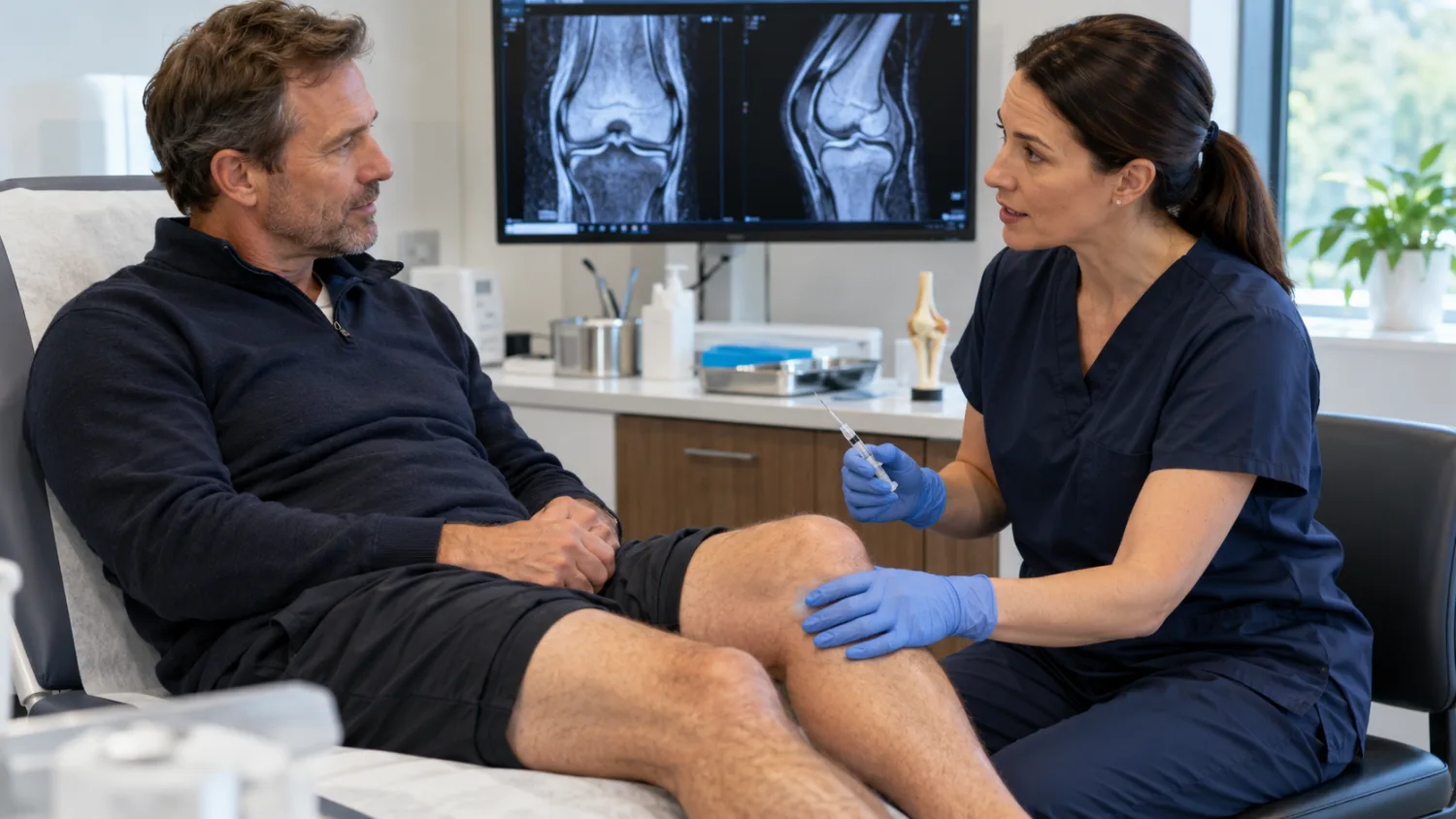
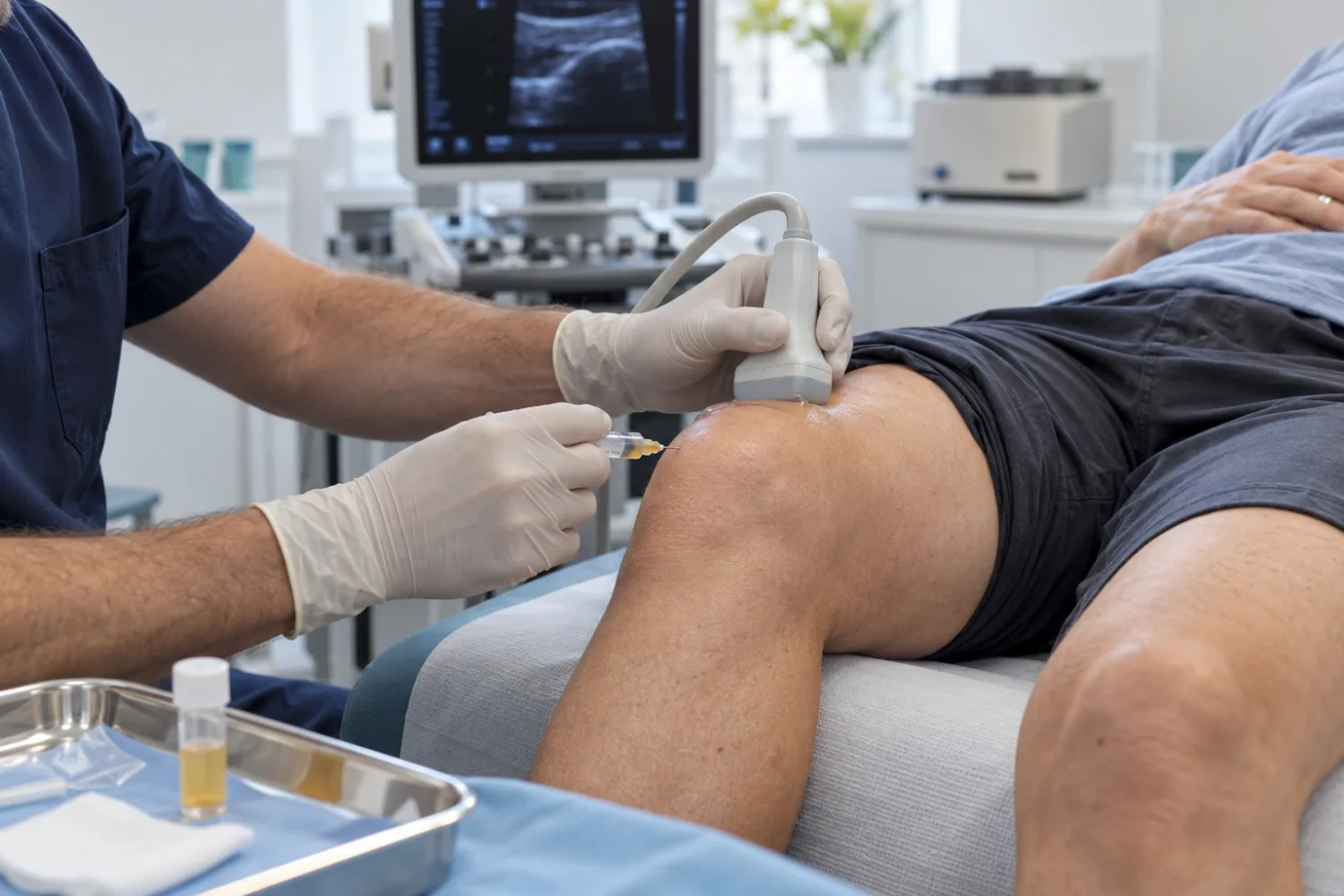
Exosome therapy is also sometimes marketed for joint pain, arthritis, tendon injuries, sports injuries and chronic inflammation. This is where patients should be particularly careful, because these claims move from cosmetic improvement into medical treatment territory.
For example, a clinic may suggest exosomes for:
- knee osteoarthritis
- cartilage damage
- tendon pain
- ligament injury
- back pain
- sports injuries
- neurological symptoms
- autoimmune disease
These conditions need proper diagnosis and evidence-led management. If you have joint pain, the first step should usually be understanding the cause. Knee pain may come from osteoarthritis, meniscus damage, inflammatory arthritis, referred hip pain, tendon problems or another condition. Back pain may involve discs, nerves, muscles, joints or red-flag causes.
Exosome therapy should not be offered as a shortcut around diagnosis. A responsible clinic should discuss standard treatment options, including physiotherapy, imaging, medication, lifestyle changes, injections with better-established evidence, or surgical assessment where appropriate.
For related reading, see our guides to regenerative medicine for orthopaedic conditions, knee pain, arthritis, sports injuries and lower back pain.
How much does exosome therapy cost in the UK?
Exosome therapy prices vary widely in the UK because treatments differ so much. Cosmetic or hair-related exosome treatments may be priced per session, while regenerative medicine packages may be bundled with other treatments such as microneedling, PRP, laser, scalp therapy or skin procedures.
As a broad guide, UK private clinics may advertise exosome-style treatments from around £500 to £1,500+ per session. A course of treatments may cost £1,500 to £3,000+, depending on the clinic, product, treatment area and number of sessions.
Medical or regenerative claims may be priced differently, especially if the treatment is combined with other procedures or specialist consultations. However, a higher price does not automatically mean better evidence, better safety or better regulation.
Before paying, ask what the fee includes:
- consultation
- diagnosis or skin/scalp assessment
- the exosome product
- the procedure itself
- microneedling, laser, PRP or other combined treatment
- follow-up appointment
- aftercare products
- management of side effects
- refund or cancellation terms for packages
For a broader view of regenerative medicine pricing, read How Much Does Regenerative Medicine Cost in the UK?
Risks and side effects to consider
Because exosome products vary, risks also vary. A topical product used after a skin procedure has different risks from an injected product. A plant-derived cosmetic product is different from a human-derived biological product. A product used for a cosmetic claim is different from a product claimed to treat disease.
Possible concerns include:
- skin irritation
- redness or swelling
- infection after microneedling or injection
- allergic reaction
- unknown long-term effects
- contamination risk if sourcing or handling is poor
- unreliable product quality
- misleading claims leading patients to delay proper treatment
- wasted money on poorly evidenced treatment
The phrase “cell-derived” should not be treated as automatically safe. Biological products need careful manufacturing, testing, storage, handling and regulation. If the clinic cannot clearly explain the product source and safety checks, that should concern you.
You should also be careful if you are pregnant, breastfeeding, immunosuppressed, undergoing cancer treatment, have an active infection, have a history of severe allergies, or have a serious medical condition. In those situations, speak to an appropriate medical professional before considering treatment.
How to choose a clinic and what to ask
Choosing an exosome therapy provider should not be based on social media, celebrity trends, discounts or before-and-after photos. The safest clinics are usually the ones that are precise and cautious rather than dramatic.
Before booking, ask:
- What exact product are you using?
- Who manufactures it?
- Is it human-derived, animal-derived, plant-derived, synthetic or exosome-like?
- Is it licensed or authorised for this use in the UK?
- Is it being injected, applied topically, or used after microneedling or laser?
- What evidence supports this exact use?
- Are the claims cosmetic or medical?
- What are the risks and side effects?
- Who performs the treatment and what qualifications do they hold?
- Does the clinic need CQC registration for the service it provides?
- What happens if I have a reaction or complication?
- What alternatives should I consider?
Be especially cautious if the clinic:
- uses vague phrases such as “stem cell power” without explaining the product
- claims the treatment is risk-free
- promises regeneration, cure or permanent results
- uses pressure discounts or limited-time offers
- discourages you from discussing the treatment with your GP or specialist
- cannot provide product documentation
- cannot explain regulation
- offers the same treatment for many unrelated conditions
If you are comparing UK private healthcare providers more generally, you may also find NHS vs private healthcare in the UK and how to check if an overseas clinic is legitimate useful.
Exosome therapy FAQs
Is exosome therapy approved in the UK?
It depends on the product, route of use and claim being made. Patients should not assume that a clinic treatment is approved simply because it is advertised. Ask whether the exact product is licensed or authorised for the intended use in the UK and what regulation applies.
Are exosome injections legal in the UK?
Injectable exosome treatments raise significant regulatory and safety questions, especially if the product is human-derived or being used for medical or aesthetic claims. Patients should ask the clinic to explain the legal status, product source and authorisation clearly before considering treatment.
Is exosome therapy the same as stem cell therapy?
No. Stem cell therapy involves cells or cell-based procedures. Exosomes are tiny cell-derived particles involved in cell signalling. They are related to cell biology but are not the same as transplanting stem cells.
Is exosome therapy the same as PRP?
No. PRP is made from your own blood during the appointment and contains platelet-rich plasma. Exosome products may be manufactured or sourced from different biological or synthetic origins. The evidence, regulation and safety questions are different.
Can exosome therapy regrow hair?
Some clinics market exosome therapy for hair thinning, but patients should be cautious about guaranteed hair-regrowth claims. Evidence is still developing, and established options such as minoxidil, finasteride for suitable patients, and hair transplantation may have clearer evidence depending on the type of hair loss.
Can exosome therapy reverse skin ageing?
No treatment can permanently reverse ageing. Some clinics claim exosome products may improve skin texture, recovery or appearance, but these claims should be supported by evidence for the exact product and procedure. Be careful with exaggerated “cell renewal” or “anti-ageing miracle” language.
Can exosome therapy help arthritis?
Research into exosomes and joint repair is ongoing, but private claims for arthritis should be treated carefully. Patients should not assume exosome therapy can regrow cartilage, reverse osteoarthritis or replace standard medical care.
Is exosome therapy safe?
Safety depends on the product, source, manufacturing standards, route of use, clinic standards and patient health. Topical cosmetic use, microneedling use and injections carry different risks. Ask for clear product and safety information before treatment.
How much does exosome therapy cost in the UK?
Private exosome-style treatments may cost around £500 to £1,500+ per session, with treatment courses costing more. Prices vary by clinic, product, treatment area and whether exosomes are combined with microneedling, laser, PRP or other procedures.
Should I choose exosomes or PRP?
That depends on your goal, diagnosis, evidence and safety considerations. PRP has a clearer role in some musculoskeletal and aesthetic settings, although evidence still varies by condition. Exosome therapy is newer and often less clearly established. A reputable clinician should explain both honestly.
What is the biggest red flag with exosome clinics?
The biggest red flag is a clinic that cannot clearly explain what the product is, where it comes from, whether it is authorised for the intended use, and what evidence supports the claim. Vague “regeneration” language is not enough.
Should I ask my GP before exosome therapy?
Yes, especially if you have a medical condition, are taking regular medicines, are immunosuppressed, are pregnant or breastfeeding, or are considering exosomes for pain, arthritis, neurological symptoms or autoimmune disease. Private cosmetic treatments can still carry medical risks.
For clinics and healthcare providers: if you offer evidence-led regenerative medicine, skin health, hair restoration, orthopaedic care or private specialist services in the UK, All Health and Care helps patients discover and compare healthcare providers. Contact us to discuss clinic listings, featured placement or inclusion in relevant patient guides.