Hair loss is a common concern affecting millions of people in the UK. While it is often associated with ageing, hair thinning and hair loss can occur at almost any stage of life and can affect both men and women. For many people, the condition is gradual and manageable, but for others it can significantly impact confidence, self-image, and overall wellbeing.
The good news is that many types of hair loss are treatable. Advances in dermatology and hair restoration mean there are now more treatment options available than ever before. Depending on the cause, treatment may involve medication, lifestyle changes, scalp treatments, or specialised procedures offered by dermatology clinics and hair restoration specialists.
This guide explains the most common causes of hair loss in the UK, how doctors diagnose the condition, what treatments are available through the NHS and private clinics, and when it is worth seeking specialist advice.
If you are exploring related skin and aesthetic conditions, you may also find our guides on acne treatment in the UK and rosacea treatment helpful.
What Is Hair Loss?
Hair loss occurs when hair falls out faster than it grows back or when the hair follicles become damaged and stop producing new hair. It is normal to lose around 50 to 100 hairs per day as part of the natural hair growth cycle. However, noticeable thinning, widening partings, receding hairlines, or patchy hair loss may indicate an underlying issue.
According to the NHS hair loss overview, the most common type of hair loss is androgenetic alopecia, also known as male-pattern or female-pattern baldness.
Hair loss can affect the scalp, eyebrows, eyelashes, and other areas of the body depending on the cause.
Common Types of Hair Loss
Male Pattern Baldness
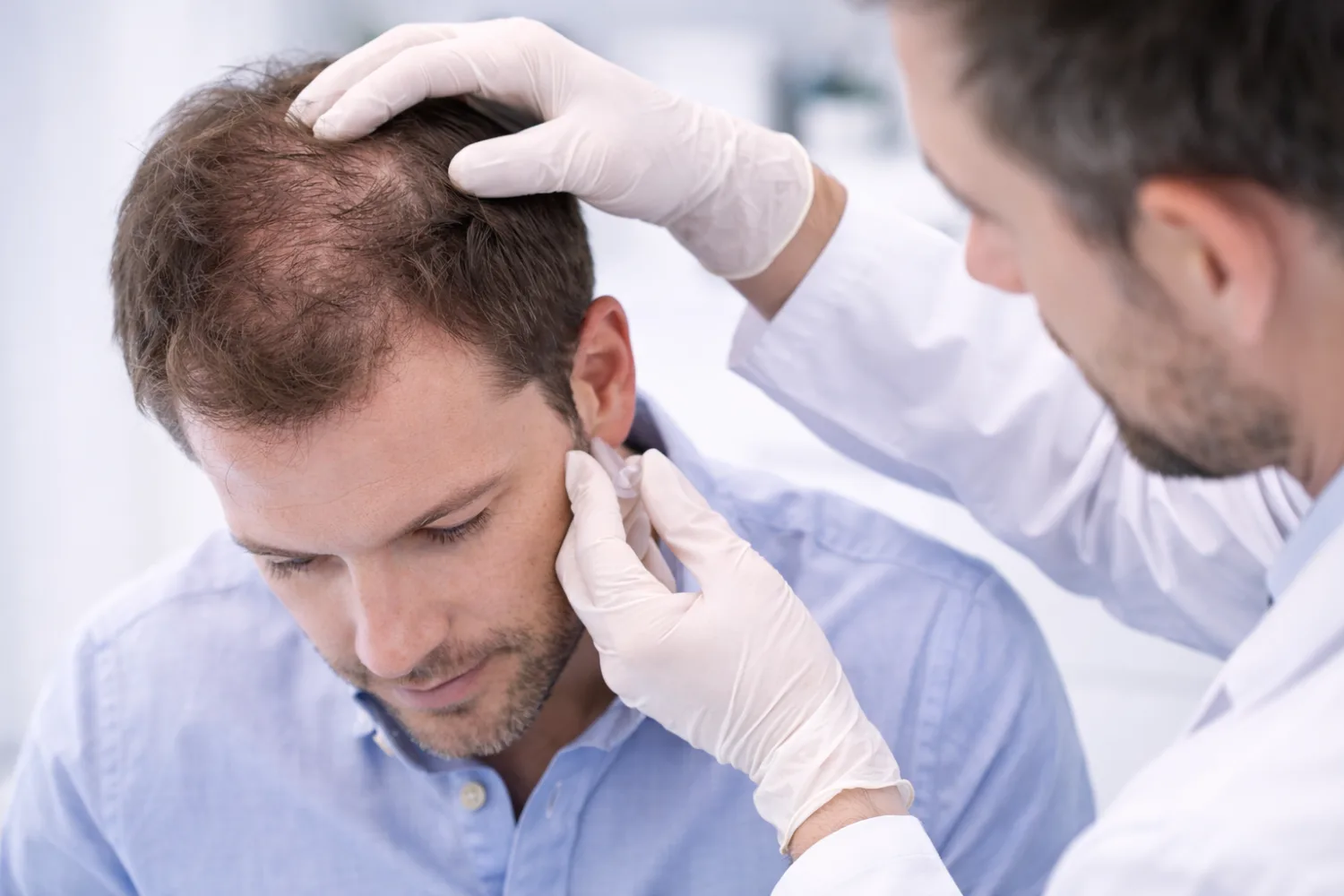
Male pattern baldness is the most common cause of hair loss in men. It usually begins with a receding hairline and thinning at the crown of the head. Over time, these areas may merge, leaving a ring of hair around the sides and back of the scalp.
This condition is largely genetic and influenced by hormones, particularly dihydrotestosterone (DHT).
Female Pattern Hair Loss
Women often experience a different pattern of hair loss. Instead of a receding hairline, the hair typically becomes thinner across the top of the scalp, leading to a widening parting. The hairline itself usually remains intact.
This type of hair loss may become more noticeable after menopause due to hormonal changes.
Alopecia Areata
Alopecia areata is an autoimmune condition where the immune system mistakenly attacks hair follicles. This can lead to sudden patchy hair loss on the scalp or other areas of the body.
The NHS alopecia overview explains that the condition can occur at any age and sometimes resolves on its own.
Telogen Effluvium
This type of hair loss occurs when a large number of hair follicles enter the resting phase of the hair cycle at the same time. It often happens after stress, illness, surgery, childbirth, or significant weight loss.
Hair shedding usually becomes noticeable several months after the triggering event.
Common Causes of Hair Loss
Hair loss can occur for many different reasons. Some causes are temporary, while others are long-term or genetic.
Common causes include:
- genetic hair loss (androgenetic alopecia)
- hormonal changes
- stress or illness
- nutritional deficiencies
- autoimmune conditions
- certain medications
- tight hairstyles or hair treatments
- scalp conditions
In some cases, hair loss may be linked to broader health issues. If hair loss appears suddenly or is accompanied by other symptoms, medical assessment is recommended.
How Hair Loss Is Diagnosed
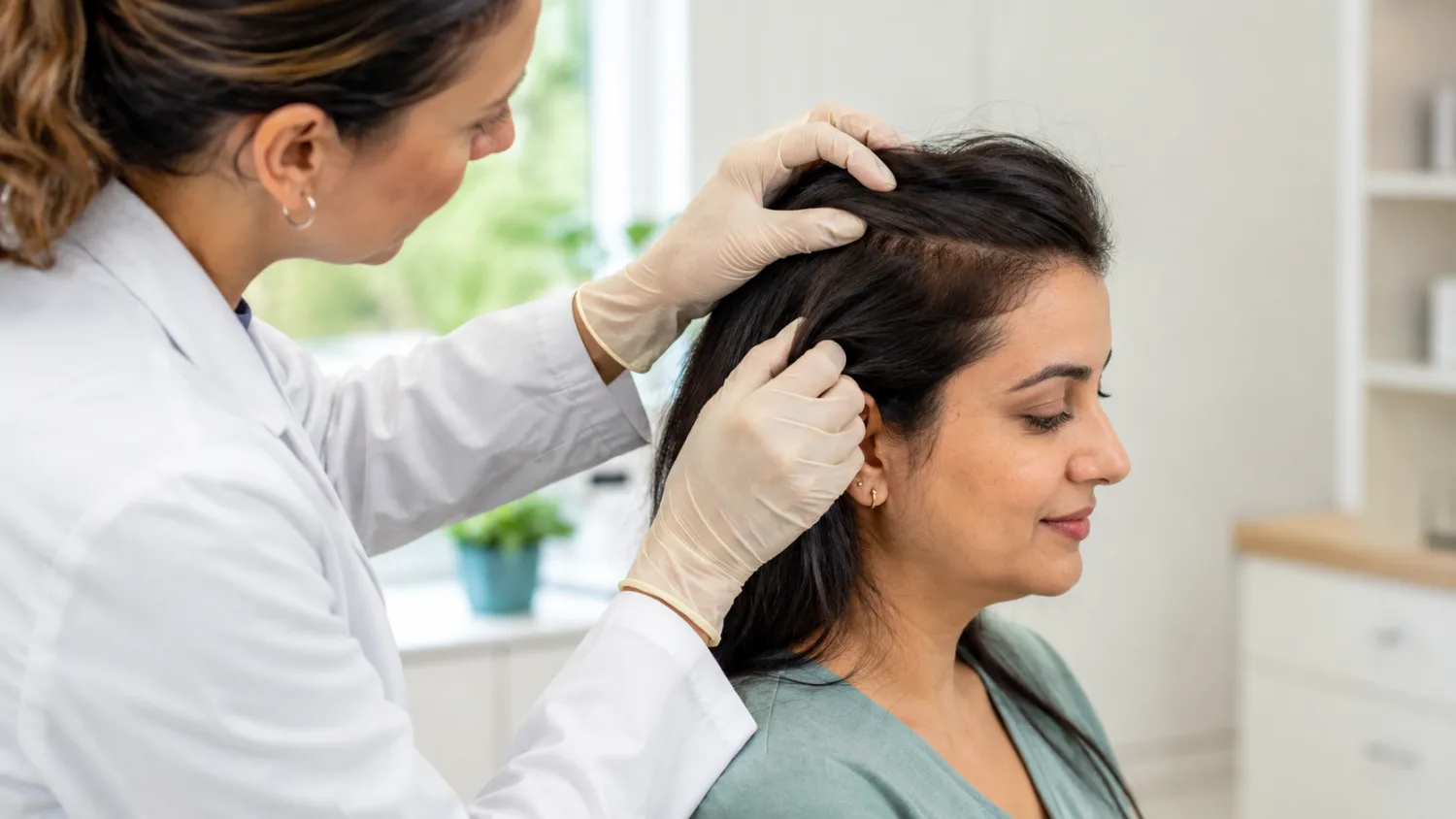
Doctors usually diagnose hair loss through a clinical examination of the scalp and hair pattern. They may ask about medical history, recent illnesses, stress, medications, and family history of hair loss.
In some cases, blood tests may be recommended to check for underlying conditions such as thyroid problems, iron deficiency, or hormonal imbalances.
If you are unsure whether to see a pharmacist or a doctor first, our guide on when to see a pharmacist instead of a GP may help you decide.
Hair Loss Treatments Available in the UK
Treatment options depend on the cause of hair loss. Some treatments aim to slow further hair loss, while others aim to stimulate new hair growth.
Minoxidil
Minoxidil is a topical medication available over the counter in pharmacies. It is commonly used to treat male and female pattern hair loss and works by improving blood flow to hair follicles.
It must be used consistently to maintain results.
Finasteride
Finasteride is a prescription medication that reduces levels of DHT, the hormone linked to male pattern baldness. It is usually prescribed for men and can slow hair loss and promote regrowth in some cases.
Corticosteroid Treatments
For alopecia areata, dermatologists may recommend corticosteroid injections or topical treatments to suppress immune activity and encourage hair regrowth.
Hair Transplant Surgery
Hair transplant procedures involve moving hair follicles from areas of thicker hair to areas experiencing thinning or baldness. These procedures are usually performed in specialist clinics.
Hair transplants can provide permanent results but are typically considered when medical treatments are not sufficient.
NHS Hair Loss Treatment
In most cases, the NHS focuses on diagnosing underlying medical causes of hair loss rather than providing cosmetic treatments.
Medical treatments may be offered if hair loss is caused by conditions such as alopecia areata or hormonal disorders. However, treatments for genetic pattern baldness are usually not provided on the NHS.
If your GP suspects a medical cause, they may refer you to a dermatologist. You can learn more about this process in our guide on how hospital referrals work in the UK.
Private Hair Loss Clinics
Many people choose private clinics for hair loss treatment because they offer faster access to specialist assessments and a wider range of treatments.
Private clinics may provide:
- advanced scalp analysis
- prescription treatments
- PRP (platelet-rich plasma) therapy
- hair transplant surgery
- combination treatment plans
If you are comparing treatment options, our guide on NHS vs private healthcare in the UK explains the differences in access and waiting times.
Can Hair Loss Be Prevented?
Not all hair loss can be prevented, particularly genetic hair loss. However, certain lifestyle measures can help maintain healthy hair growth.
These include:
- maintaining a balanced diet
- managing stress
- avoiding harsh hair treatments
- limiting tight hairstyles
- treating underlying scalp conditions early
Protecting overall health can also support healthy hair growth.
When to Seek Medical Advice
You should consider seeking medical advice if:
- hair loss occurs suddenly
- hair falls out in patches
- hair loss is accompanied by itching or pain
- you notice significant thinning within a short period
- hair loss affects eyebrows or body hair
If accessing primary care is difficult, our guide on how to get a GP appointment quickly in the UK may help.
Final Thoughts
Hair loss is a common condition that affects both men and women, and it can have a significant impact on confidence and wellbeing. While some types of hair loss are genetic, others may be caused by treatable medical conditions or lifestyle factors.
The key to managing hair loss is identifying the underlying cause and exploring appropriate treatment options. With the range of treatments now available in the UK, many people are able to slow hair loss, restore hair growth, or improve the appearance of thinning hair.
If you are experiencing noticeable hair loss or sudden changes in your hair pattern, seeking professional advice can help determine the best course of action.