In the UK, many people still assume their GP should be the first port of call for almost every health problem. But thousands of everyday issues do not need a GP appointment at all.
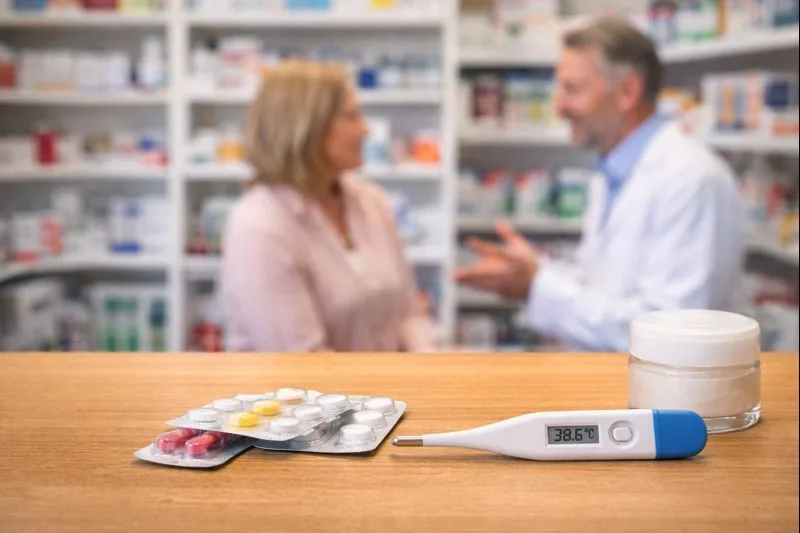
Pharmacists are trained to assess and advise on a wide range of minor ailments. In some cases, they can recommend over-the-counter treatments, supply medicines through pharmacy services, carry out basic checks, or signpost you to a GP, NHS 111 or urgent care if symptoms are more serious.
Understanding when to see a pharmacist instead of a GP can save time, reduce stress and help GP appointments remain available for people who need medical assessment. This guide explains what pharmacists can help with, how pharmacy consultations work, real examples, and when a GP, NHS 111, A&E or 999 is the right place.
Why pharmacists are often the best first step
Pharmacists are highly trained healthcare professionals. Most modern community pharmacies offer private consultation rooms and provide NHS and private clinical services. Many are open evenings or weekends, making them easier to access than GP surgeries for everyday problems.
A common misconception is that pharmacies are only for collecting prescriptions. In reality, pharmacists regularly advise on:
- coughs, colds and sore throats
- hay fever and allergies
- mild skin rashes and eczema
- insect bites and stings
- indigestion, reflux and bloating
- head lice
- mouth ulcers
- minor pain and fever
- mild thrush
- emergency contraception
- period pain
- minor eye or ear symptoms
They also know when something that looks minor needs medical escalation. A good pharmacist will not try to handle symptoms that need a GP, urgent treatment centre, NHS 111, A&E or 999.
If you need a local pharmacy, you can search our UK pharmacy directory.
Why using pharmacists matters for the NHS
Many GP appointments are taken up by conditions that pharmacists can handle faster. With pressure on GP practices and rising demand, using pharmacies for minor ailments helps preserve GP time for complex conditions, chronic disease management, frailty, safeguarding, medication reviews and serious symptoms.
It also helps patients. Once you understand which problems are safe to take to a pharmacist, navigating healthcare becomes less intimidating.
Pharmacy-first care does not mean avoiding doctors. It means using the right professional at the right time.
What counts as a minor ailment?
A minor ailment is usually a health problem that is uncomfortable, irritating or mildly painful, but not dangerous or life-threatening. It may improve on its own, or with short-term self-care and pharmacy treatment.
Examples include:
- common cold symptoms
- mild sore throat
- hay fever
- mild eczema flare-ups
- head lice
- mouth ulcers
- mild indigestion
- mild thrush
- minor insect bites
- mild constipation or diarrhoea
These are the kinds of problems people often take to a GP out of habit, even though pharmacy advice may be faster and more appropriate.
The NHS also provides a useful A to Z of health conditions for checking common symptoms and self-care advice.
Minor does not mean unimportant
A minor ailment can still feel miserable. A sore throat can stop you sleeping. Hay fever can affect work and driving. Thrush can feel embarrassing and uncomfortable. Indigestion can make people worry about something more serious.
The point is not that these symptoms do not matter. It is that a pharmacist can often assess them quickly, recommend suitable treatment, and explain what should happen next if symptoms do not improve.
When a minor ailment stops being minor
A problem is less likely to be suitable for pharmacy-only advice if it is severe, persistent, worsening, recurrent, linked with red flag symptoms, or affecting a baby, pregnant person, frail older adult or someone with significant long-term health conditions.
In those situations, a pharmacist may still be a useful first contact, but they may advise GP review, NHS 111, urgent treatment or emergency care.
How a pharmacy consultation works
A pharmacy consultation is usually straightforward. You can often walk in without an appointment, although some services may need booking.
The pharmacist may ask:
- what symptoms you have
- how long they have been present
- whether symptoms are getting better or worse
- your age and relevant medical history
- whether you are pregnant or breastfeeding
- what medicines you already take
- whether you have allergies
- whether you have tried anything already
- whether there are any red flag symptoms
They may then recommend self-care, an over-the-counter medicine, a pharmacy service, or medical escalation. Many pharmacies have private consultation rooms, so you can ask for a confidential conversation if the issue is sensitive.
What the pharmacist is checking
The pharmacist is not only deciding which product to recommend. They are also checking whether the symptoms fit a common minor ailment, whether treatment is safe for you, and whether there are signs that you need a different service.
For example, the same sore throat may be handled differently in a healthy adult, a very young child, someone who is immunosuppressed, or someone with breathing difficulty and a high fever.
What you should tell the pharmacist
It helps to be honest about symptoms, pregnancy, allergies, existing conditions and medicines you take. This includes prescription medicines, over-the-counter products, herbal products and supplements.
This matters because some common medicines are not suitable for everyone. For example, some decongestants may not be appropriate for people with certain heart or blood pressure problems, and anti-inflammatory painkillers may not suit some people with stomach, kidney or asthma-related risks.
Real examples: when a pharmacist can help
Many everyday symptoms are well suited to pharmacy advice as a first step. The examples below show how this can work in real life.
Hay fever symptoms
Laura, 29, gets itchy, watery eyes and a blocked nose every spring. In previous years, she booked GP appointments for prescriptions. This time, she asks a pharmacist.
The pharmacist explains the difference between non-drowsy antihistamines, steroid nasal sprays and antihistamine eye drops. They also explain that nasal sprays may take a few days to work properly, while antihistamines may work faster.
For most straightforward hay fever, pharmacy advice is faster than a GP appointment. The pharmacist would suggest GP review if symptoms are severe, year-round, one-sided, unusual or not improving with appropriate treatment.
Indigestion after a heavy meal
David, 41, wakes with acid reflux after a large meal. He has a burning sensation after eating but no severe pain, vomiting blood, weight loss or trouble swallowing.
A pharmacist can advise on antacids, alginates, short-term acid-reducing medicines and lifestyle triggers. If symptoms are persistent, severe, recurrent or linked with red flags, the pharmacist will suggest GP assessment.
Head lice in a child
Sophie’s 7-year-old son comes home scratching his head after school. She does not need a GP appointment to confirm ordinary head lice.
A pharmacist can explain how to check the hair, which treatments are suitable, how to use them properly, when to repeat treatment and how to reduce reinfection.
Mild vaginal thrush
Aisha, 23, develops mild thrush symptoms after antibiotics. She feels embarrassed about calling the GP.
A pharmacy consultation can be discreet and practical. The pharmacist can advise on antifungal treatments and when not to self-treat. For example, first episodes, pregnancy, recurrent symptoms, pelvic pain, bleeding, unusual discharge or possible STI risk may need GP or sexual health clinic advice.
A sore throat or cold that feels annoying but not dangerous
Someone with a mild sore throat, blocked nose, cough and no worrying symptoms may not need a GP appointment. A pharmacist can advise on pain relief, fluids, rest, throat sprays, lozenges and what to expect over the next few days.
The pharmacist will also explain when to seek further help, such as if symptoms are severe, prolonged, associated with breathing problems, or if the person is very unwell.
Common symptoms pharmacists can advise on
Pharmacists can help with many common symptoms, especially where the problem is mild, recent and not linked with red flags.
Pain, fever and viral illnesses
Coughs, colds, mild sore throats, headaches, mild fevers, sinus pressure and viral symptoms are among the most common reasons people seek GP appointments.
Pharmacists can advise on:
- paracetamol and ibuprofen use
- safe dosing for adults and children
- when not to use certain medicines
- cold and flu remedies
- hydration and rest
- how long symptoms usually last
- when symptoms suggest something more serious
For viral infections, antibiotics do not help. Pharmacists can explain this clearly and help manage symptoms while advising when to seek medical review.
If symptoms include severe headache, confusion, neck stiffness, rash that does not fade under pressure, difficulty breathing, chest pain, persistent high fever or severe dehydration, you should seek urgent medical advice rather than treating it as a minor ailment.
For related symptom guidance, see our guides to cough in adults, headache red flags and fever in adults.
Skin, rashes and dermatitis
Mild eczema, contact dermatitis and insect bites are common pharmacy issues. A pharmacist may ask when the rash started, whether it itches, whether it is spreading, whether you have used new products, and whether you feel unwell.
They may suggest:
- emollients and moisturisers
- mild steroid creams where appropriate
- antihistamines for itch
- avoiding triggers
- insect bite creams
- when to seek GP review
Pharmacists will escalate if symptoms suggest something more serious, such as cellulitis, shingles, meningitis, a severe allergic reaction or a rapidly spreading rash.
Seek urgent help if a rash is associated with breathing difficulty, swelling of the lips or tongue, confusion, severe pain, fever, a non-blanching rash, or a child who is very unwell.
Indigestion, reflux and bloating
Indigestion is a good example of a condition often better suited to pharmacy advice in the early stages. Many cases relate to meals, alcohol, stress, pregnancy, certain medicines or reflux.
A pharmacist can advise on:
- antacids
- alginates
- short-term acid-reducing medicines
- meal timing
- alcohol, caffeine and spicy food triggers
- when to speak to a GP
Red flags include difficulty swallowing, vomiting blood, black stools, unexplained weight loss, persistent vomiting, severe abdominal pain, chest pain or symptoms that do not improve. These should not be managed as simple indigestion.
If abdominal symptoms are significant, see our guide to abdominal pain by location and when to get help.
Allergies and hay fever
Hay fever is one of the clearest examples where a pharmacist can often help faster than a GP.
Pharmacists can advise on:
- non-drowsy antihistamines
- sedating antihistamines where appropriate
- steroid nasal sprays
- antihistamine eye drops
- saline nasal rinses
- pollen avoidance strategies
- which treatments take hours versus days to work
The NHS has more information on hay fever symptoms and treatment.
Urgent help is needed for signs of a severe allergic reaction, such as breathing difficulty, swelling of the face or throat, dizziness, collapse or widespread rapidly worsening symptoms.
Women’s and men’s health
Pharmacies can offer discreet advice on common issues such as thrush, mild cystitis symptoms, period pain, erectile dysfunction and contraception.
Depending on the service and the person’s health history, pharmacies may be able to supply certain treatments after structured safety checks. They may also signpost to a GP or sexual health clinic when symptoms are recurrent, severe, unusual or risky.
Examples where GP or clinic advice may be needed include:
- recurrent thrush
- first episode of genital symptoms
- pelvic pain
- unusual bleeding
- pregnancy
- possible STI exposure
- urinary symptoms in men
- blood in urine
- erectile dysfunction with chest pain, heart disease symptoms or major cardiovascular risk
Sexual health and emergency contraception
Pharmacies are an important access point for sexual health advice. Emergency contraception is widely available through pharmacies and does not usually require a GP appointment.
A pharmacist will ask questions about timing, medicines, health conditions and suitability. The consultation should be private and confidential.
Pharmacists can also advise on STI testing routes, sexual health clinics, condoms, contraception options and when urgent advice is needed.
If you have symptoms such as pelvic pain, testicular pain, genital ulcers, unusual discharge, fever, pain during sex or possible STI exposure, a sexual health clinic or GP may be more appropriate than self-treatment.
Children’s minor ailments
Parents often ask pharmacists about fevers, colds, teething pain, mild eczema, constipation, diarrhoea, nappy rash, chickenpox symptoms and tummy bugs.
Pharmacists can help with:
- safe dosing of children’s paracetamol or ibuprofen
- oral rehydration solutions
- teething gels or alternatives
- nappy rash creams
- eczema moisturisers
- head lice treatment
- when a child needs medical review
Seek urgent medical help if a child is very drowsy, floppy, struggling to breathe, dehydrated, has a non-blanching rash, has a seizure, has a persistent high fever, is under 3 months with a fever, or you are seriously worried.
When to see a GP instead of a pharmacist
Pharmacists will refer you to a GP when symptoms do not fit the minor ailment category or need further assessment.
Common reasons include:
- symptoms lasting longer than expected
- symptoms that keep coming back
- severe or worsening pain
- high or persistent fever
- unexplained weight loss
- blood in vomit, stool, urine or phlegm
- difficulty swallowing
- persistent vomiting
- shortness of breath
- new symptoms in pregnancy
- symptoms in very young babies
- failed over-the-counter treatment
- concern about medication interactions
One advantage of starting with a pharmacist is that you get same-day triage. If you do need a GP, you may be able to explain more clearly what has already been tried and why further assessment is needed.
If getting a GP appointment is difficult, our guide to how to get a GP appointment quickly in the UK may help.
When symptoms are persistent or recurring
A pharmacist can help with a first or occasional episode of many minor symptoms. But if the same problem keeps returning, lasts longer than expected or only improves briefly before coming back, a GP review is sensible.
Examples include repeated indigestion, recurrent thrush, ongoing cough, repeated urinary symptoms, frequent headaches, persistent rash or repeated use of pain relief without understanding the cause.
When symptoms are linked with long-term conditions
People with long-term conditions may need extra caution. Symptoms that seem minor in one person may need medical review in someone with diabetes, kidney disease, heart disease, immune suppression, severe asthma, cancer treatment, frailty or complex medication.
A pharmacist can still advise, but they may recommend GP review sooner than they would for a healthy adult with the same symptom.
When NHS 111, A&E or 999 is appropriate
Some symptoms are not pharmacy or routine GP issues. They need urgent or emergency care.
When to call 999 or go to A&E
Call 999 or go to A&E for symptoms such as:
- chest pain or symptoms of a heart attack
- signs of stroke, such as face drooping, arm weakness or speech problems
- severe breathing difficulty
- seizure
- severe allergic reaction
- major injury
- severe burns
- heavy bleeding
- severe dehydration
- confusion or sudden severe drowsiness
- suspected sepsis
- severe mental health crisis with immediate danger
When NHS 111 may be the better option
If you are unsure but it is urgent and not immediately life-threatening, NHS 111 can help direct you to the right service.
This can be useful when symptoms feel too concerning for routine pharmacy advice but not clearly serious enough for 999. NHS 111 may direct you to a GP out-of-hours service, urgent treatment centre, pharmacy, emergency department or self-care depending on your symptoms.
FAQ: minor ailments and pharmacists
Can a pharmacist diagnose minor illnesses?
Pharmacists can assess symptoms, advise on likely minor conditions, recommend treatment and identify red flags. They do not replace GPs for complex, persistent or serious symptoms.
Do I need an appointment to speak to a pharmacist?
Often no. Many pharmacies offer walk-in advice. Some specific services may require booking, especially private services or structured NHS consultations.
Can pharmacists prescribe antibiotics?
In some services and situations, pharmacists may be able to supply certain medicines after clinical checks. Antibiotics are not appropriate for most viral illnesses, and pharmacists will refer you if medical assessment is needed.
Can a pharmacist help with a sore throat?
Yes. A pharmacist can advise on pain relief, self-care and when symptoms suggest you need GP or urgent assessment. Most sore throats are viral and improve without antibiotics.
Can a pharmacist help with hay fever?
Yes. Pharmacists can advise on antihistamines, nasal sprays, eye drops and how to use them properly. They can also suggest escalation if symptoms are severe or unusual.
Can a pharmacist help with a rash?
Yes, for many mild rashes, eczema flare-ups, bites or contact dermatitis. Seek urgent help for a rapidly spreading rash, severe pain, fever, breathing difficulty, swelling or a rash that does not fade under pressure.
Can I ask a pharmacist about private or embarrassing symptoms?
Yes. Pharmacists are used to sensitive questions and many pharmacies have private consultation rooms. You can ask to speak confidentially.
Can pharmacists help children?
Yes, pharmacists can advise on many common childhood symptoms and safe medicine dosing. Babies, very unwell children, breathing problems, dehydration, seizures or non-blanching rashes need urgent medical help.
When should I see a GP instead of a pharmacist?
See a GP if symptoms are persistent, recurrent, severe, unexplained, worsening, linked with red flags, or not improving with pharmacy treatment.
When should I call 999 instead of using a pharmacy?
Call 999 for emergencies such as chest pain, stroke symptoms, severe breathing difficulty, major injury, seizure, severe allergic reaction, heavy bleeding or immediate danger.
Is pharmacy advice confidential?
Yes. Pharmacists follow confidentiality rules. For sensitive issues, ask to use the consultation room.
How do I find a pharmacy near me?
You can use the NHS pharmacy finder or search a local directory. Our UK pharmacy directory can help you start looking by location.
Final takeaway
For many minor ailments, a pharmacist is often the fastest and most appropriate first step. They can advise on common symptoms, recommend safe treatments, explain what to expect and tell you when a GP or urgent care is needed.
Use pharmacies for everyday problems such as hay fever, mild indigestion, minor rashes, head lice, mild thrush, coughs, colds and simple aches. Use your GP for persistent, recurring, unexplained or worsening symptoms. Use NHS 111, A&E or 999 when symptoms are urgent or dangerous.