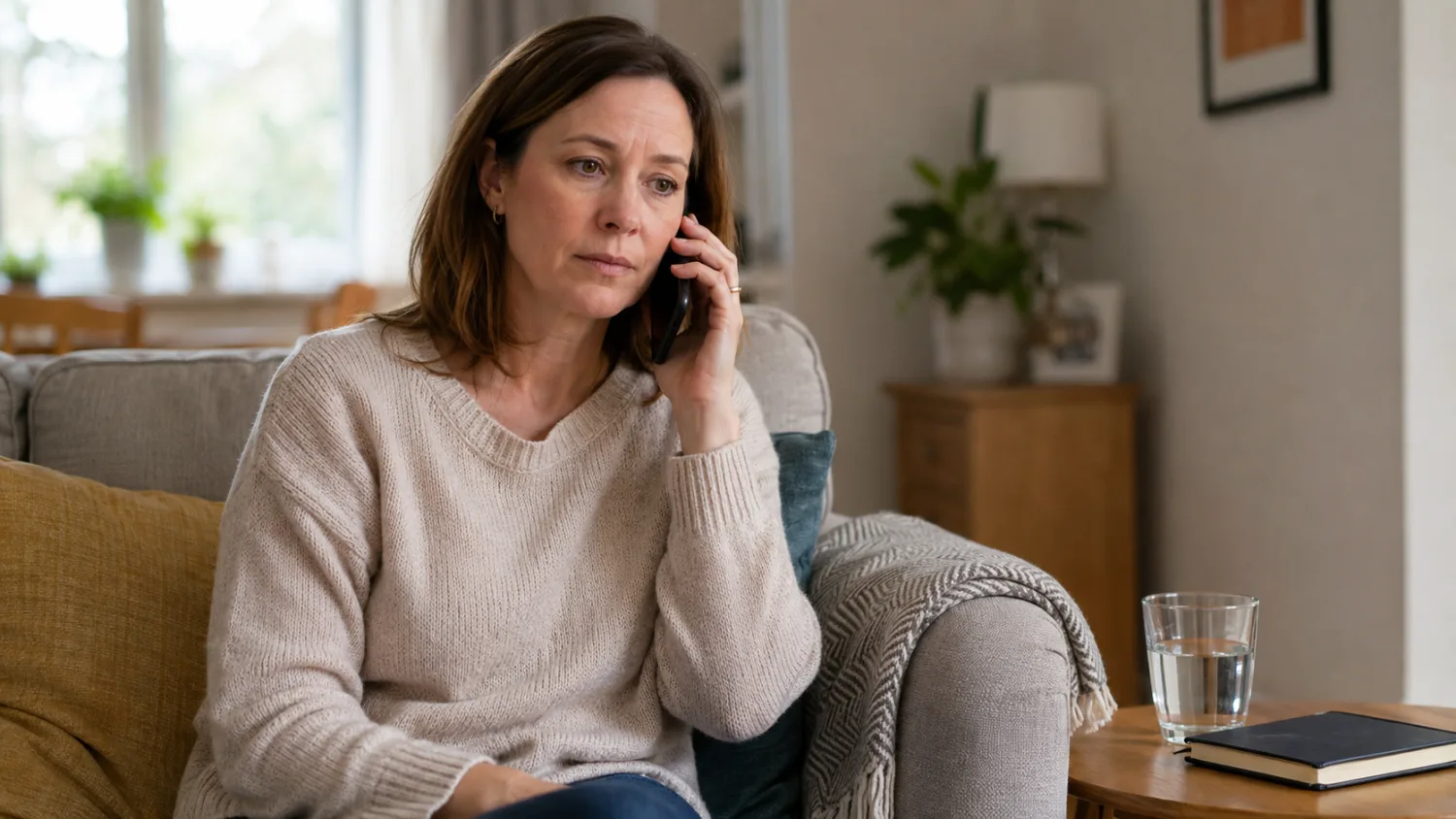
For many people in the UK, getting a GP appointment can be difficult. Long waits, limited availability and complex booking systems can leave patients feeling stuck, especially when they need advice quickly or want reassurance about symptoms.
Private GP services offer an alternative. They can provide faster access, longer consultations, more flexible appointment times and, in some cases, better continuity with the same doctor.
But private care also raises important questions. How much does it cost? What is included? Can private GPs refer to NHS services? Will using private care affect your NHS rights? And how do you choose a trustworthy provider?
This guide explains private GP services in the UK, including typical costs, appointment options, when private care makes sense, when NHS care is better, and what to check before booking.
What private GP services are
Private GP services are medical consultations that you pay for directly, or sometimes access through private health insurance or an employer health plan.
They are usually provided by UK-qualified doctors, many of whom also have NHS experience. Appointments may take place:
- in a private clinic
- in a private hospital outpatient department
- in a dedicated GP centre
- online by video
- by phone
- occasionally at home, where home visits are offered
Using a private GP does not replace your NHS GP registration. Most people who use private GP services remain registered with their NHS practice and use private care occasionally when they need faster access or more time.
If you are not currently registered with an NHS GP, see how GP registration works in the UK.
Why people choose private GP care
The biggest reason people choose private GP services is speed. Appointments are often available the same day or within 24 to 48 hours, depending on the provider and location.
People may use a private GP when they:
- cannot get an NHS appointment quickly enough
- need a longer consultation
- want reassurance about a new symptom
- need travel health advice or vaccinations
- need a medical certificate, letter or report
- want to discuss a sensitive issue privately
- need help outside standard surgery hours
- want a private prescription
- want advice before deciding whether to pursue NHS or private referral
Private GP care can be useful when timing matters but the situation is not an emergency. If symptoms are severe or life-threatening, NHS emergency routes are still the right option.
If your main issue is getting NHS care faster, read how to get a GP appointment quickly in the UK.
Private GP costs in the UK
Private GP costs vary by provider, location, appointment length and whether the consultation is online, in person or at home.
Typical appointment costs
As a broad UK guide:
- Online or phone GP consultation: often around £40–£100.
- Standard in-person private GP appointment: often around £50–£150.
- Longer consultation: may cost more, especially for complex issues.
- Home visit: often significantly more expensive and may cost several hundred pounds depending on provider and location.
The consultation fee may not include everything. Extra charges may apply for:
- blood tests
- urine tests
- ECGs
- imaging requests
- vaccinations
- private prescriptions
- medical letters or certificates
- specialist referral letters
- follow-up appointments
Private prescriptions must usually be paid for in full at the pharmacy. The cost depends on the medicine, dispensing pharmacy and whether the provider charges a prescription fee.
For a wider comparison of public and private healthcare costs, see NHS vs private healthcare in the UK.
Private prescriptions and tests
Private prescriptions are different from NHS prescriptions. If a private GP prescribes medication, you usually pay the full private cost of the medicine at the pharmacy.
Private tests may also cost extra. These can include:
- blood tests
- urine tests
- swabs
- ECGs
- X-rays
- ultrasound, CT or MRI referrals
Before agreeing to tests, ask:
- how much each test costs
- how results will be shared
- who explains the results
- whether a follow-up appointment is included
- whether results can be sent to your NHS GP
If imaging is recommended, our guides to ultrasound vs CT vs MRI, what an MRI scan shows and what a CT scan shows may help you understand the options.
What happens during a private GP appointment
A private GP consultation is similar to an NHS GP appointment, but often longer. Many private appointments last 15 to 30 minutes, and some providers offer extended appointments for complex concerns.
The GP may:
- ask about your symptoms and medical history
- review medications
- carry out an examination if in person
- provide advice and reassurance
- prescribe medication if appropriate
- arrange blood tests or other investigations
- refer you to a specialist
- write a medical letter or report
- recommend NHS, private or urgent care depending on findings
Many patients value the extra time to explain symptoms properly, especially where several issues are connected or where anxiety about symptoms is part of the problem.
Online vs in-person private GP appointments
Online private GP appointments have become common. They can be convenient, fast and suitable for many straightforward issues.
Online or phone consultations may work well for:
- medication advice
- minor infections where examination is not essential
- test result discussions
- some mental health concerns
- fit notes or medical letters, where appropriate
- follow-up advice
- travel health questions
- some skin concerns if photos can be reviewed
In-person appointments may be better for:
- abdominal pain
- chest symptoms
- breathing concerns
- new lumps or swelling
- joint or injury assessment
- ear, throat or chest examination
- neurological symptoms
- persistent unexplained symptoms
- children or frail older adults where examination is important
Many providers use a hybrid model. You may start online and be asked to attend in person if the GP feels examination is needed.
Can private GPs refer to NHS services?
A private GP can write to your NHS GP or refer you to NHS services where appropriate, but the process is not always as direct as people expect.
In practice, a private GP may:
- refer you to a private specialist
- write a letter for your NHS GP asking them to consider NHS referral
- recommend urgent NHS assessment if symptoms need it
- advise you to use NHS 111, urgent treatment centres or A&E if appropriate
If you are referred into the NHS, normal NHS waiting lists and clinical prioritisation still apply. Paying privately for a GP appointment does not usually let you jump the NHS queue.
Some people use private GP appointments to understand options, get a clearer plan and decide whether to continue privately or return to NHS care.
If referrals are your main concern, see how hospital referrals work in the UK.
Will private care affect your NHS rights?
No. Using a private GP does not remove your entitlement to NHS care. You can remain registered with your NHS GP and still access NHS services.
Many people use private care occasionally while relying on the NHS for most healthcare needs. However, it is important to keep records joined up where possible.
Ask the private provider whether they can send a consultation summary to your NHS GP. This helps maintain continuity, especially if medication, test results or referrals are involved.
How to choose a private GP provider
Not all private GP services are equal. Before booking, check quality, regulation, costs and how follow-up works.
What to check before booking
Look for:
- Regulation: in England, providers should be registered with the Care Quality Commission where required.
- Qualified doctors: check that doctors are GMC-registered.
- Clear pricing: consultation fees, test fees, prescription fees and letters should be transparent.
- Follow-up process: ask how results, referrals and safety-netting are handled.
- Medical records: ask whether a summary can be sent to your NHS GP.
- Location: choose a clinic that is practical to reach if examination or tests are needed.
- Appointment length: complex problems may need longer than a short consultation.
- Reviews and reputation: look for consistent patient feedback and professional presentation.
You can check provider registration and inspection information on the Care Quality Commission website for England. Scotland, Wales and Northern Ireland have their own healthcare regulators.
If you are comparing NHS GP practices more generally, you can explore highly rated GP practices.
Questions to ask before booking
Before booking a private GP appointment, ask:
- How much is the consultation?
- How long is the appointment?
- Is it with a GMC-registered doctor?
- Is the provider regulated where required?
- Are prescriptions included or charged separately?
- How much do blood tests, scans or letters cost?
- Can consultation notes be sent to my NHS GP?
- What happens if I need urgent care?
- Can the GP refer to NHS or private specialists?
- Are follow-up appointments included?
When private GP care makes sense
Private GP care may be useful when you need faster planned access, more flexibility or more time than a standard appointment may allow.
It may be useful when:
- you need advice quickly but it is not an emergency
- you want a longer appointment
- you need an appointment outside normal surgery hours
- you want travel health advice or vaccinations
- you need a private prescription
- you need a medical certificate or report
- you want help understanding NHS vs private referral options
- you need reassurance and a clear plan
For example, a business traveller needing travel vaccinations and a medical letter before departure may find a private clinic more flexible than waiting for routine NHS availability.
When NHS care may be preferable
Private GP services are not designed to replace NHS emergency care or long-term NHS management.
NHS care may be preferable when:
- symptoms are urgent or life-threatening
- you need A&E, ambulance or emergency assessment
- you need long-term management of complex chronic disease
- you need coordinated NHS hospital care
- you cannot afford ongoing private tests or follow-up
- you need services that are better integrated through your NHS record
- you need care from community NHS teams
For minor illnesses, a pharmacist may be faster and cheaper than both NHS and private GP routes. See when to see a pharmacist instead of a GP.
When to use urgent or emergency care instead
Do not book a private GP appointment for symptoms that may be an emergency.
Call 999 or go to A&E for symptoms such as:
- chest pain or suspected heart attack
- stroke symptoms, such as face drooping, arm weakness or speech problems
- severe breathing difficulty
- heavy bleeding
- loss of consciousness
- seizure
- major injury
- severe allergic reaction
- signs of sepsis
- serious self-harm or immediate danger
If you are unsure and it is urgent but not immediately life-threatening, use NHS 111 online or call 111.
FAQ: private GP services in the UK
How much does a private GP appointment cost?
A standard private GP appointment often costs around £50–£150. Online appointments may be cheaper, while longer consultations, home visits, tests, letters and prescriptions can cost extra.
Can a private GP prescribe medication?
Yes, if clinically appropriate. Private prescriptions are usually paid for in full at the pharmacy and are not charged at the NHS prescription rate.
Can a private GP refer me to the NHS?
A private GP can write to your NHS GP or recommend NHS referral, but NHS waiting lists and prioritisation still apply. They can also refer you privately if you choose.
Will using a private GP affect my NHS care?
No. You remain entitled to NHS care. It is sensible to ask for a consultation summary to be shared with your NHS GP so records stay up to date.
Are private GPs better than NHS GPs?
Not necessarily. Private care usually offers faster access and longer appointments. NHS care is better integrated for long-term, urgent and complex care. Many doctors work across both sectors.
Can I use a private GP for children?
Many private GP services see children, but check age limits and whether paediatric experience is available. Emergencies or very unwell children need urgent NHS care.
Can a private GP arrange blood tests?
Yes, many can arrange blood tests, but these are usually charged separately. Ask who explains results and whether follow-up is included.
Can a private GP give sick notes or medical letters?
Many private GPs can provide medical letters, certificates or fitness-to-work documentation where clinically appropriate. Fees may apply.
Can private GPs access my NHS records?
Usually not automatically. You may need to provide relevant history, medication lists or previous results. Ask whether they can send notes back to your NHS GP.
Is an online private GP appointment safe?
It can be safe for suitable problems, but not everything can be assessed remotely. Symptoms needing examination, urgent assessment or physical tests may need in-person or NHS urgent care.
Should I use a private GP instead of NHS 111?
If symptoms are urgent and you are unsure what service you need, NHS 111 is often a better starting point. Private GPs are useful for non-emergency problems where faster planned access is wanted.
How do I check if a private GP provider is trustworthy?
Check regulation, doctor registration, transparent pricing, reviews, follow-up arrangements and whether consultation summaries can be shared with your NHS GP.
Final takeaway
Private GP services can provide speed, convenience and longer consultations when NHS access is difficult or when you want more flexibility. They can be especially useful for non-emergency symptoms, travel health, medical letters, private prescriptions and getting a clearer plan quickly.
They are not a replacement for NHS emergency care or long-term coordinated NHS management. The best approach for many people is to use private GP care selectively while keeping a strong relationship with their NHS GP practice.
Private GP care is not about choosing one system over another. It is about understanding your options and using the right route for the situation.