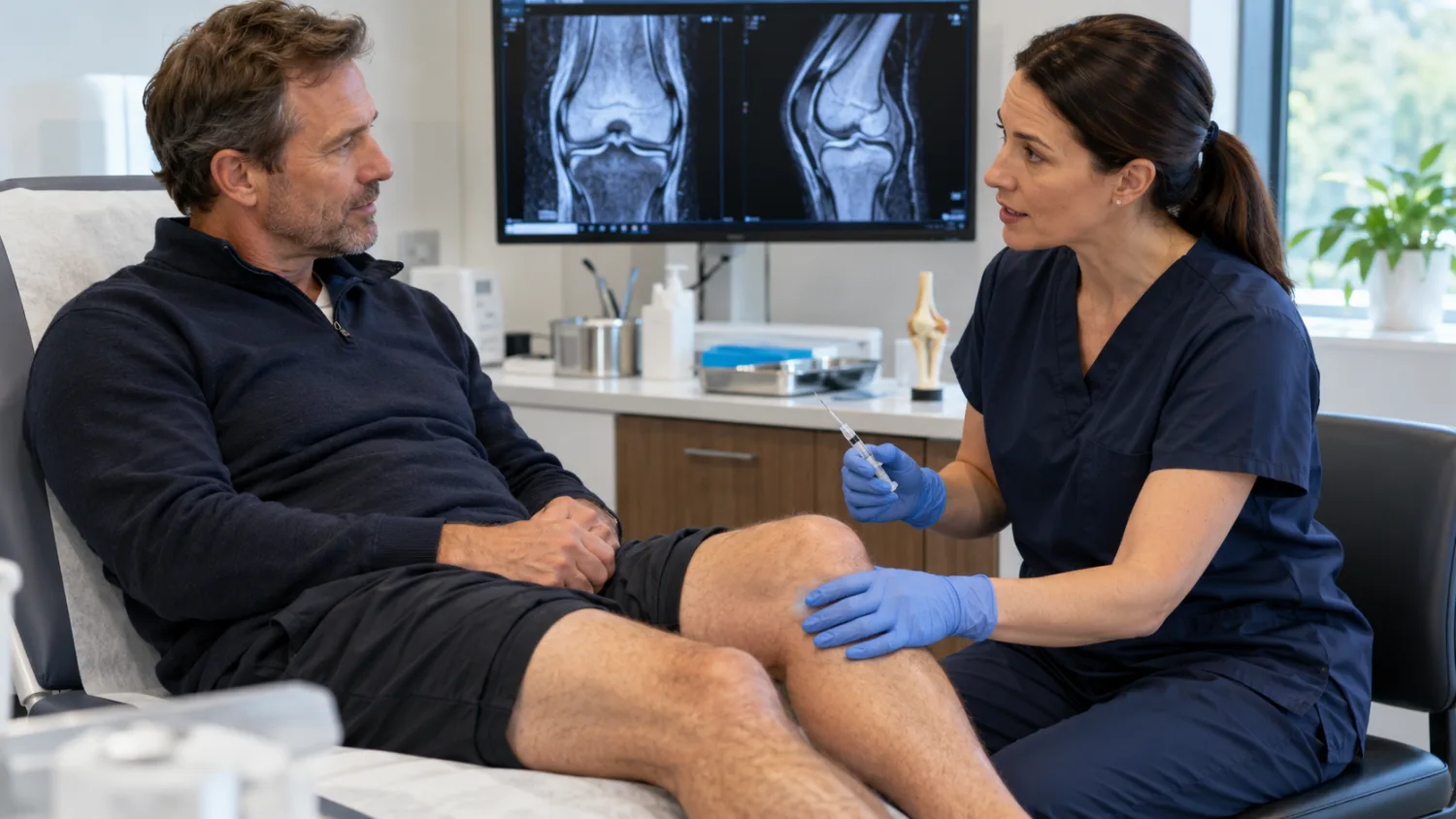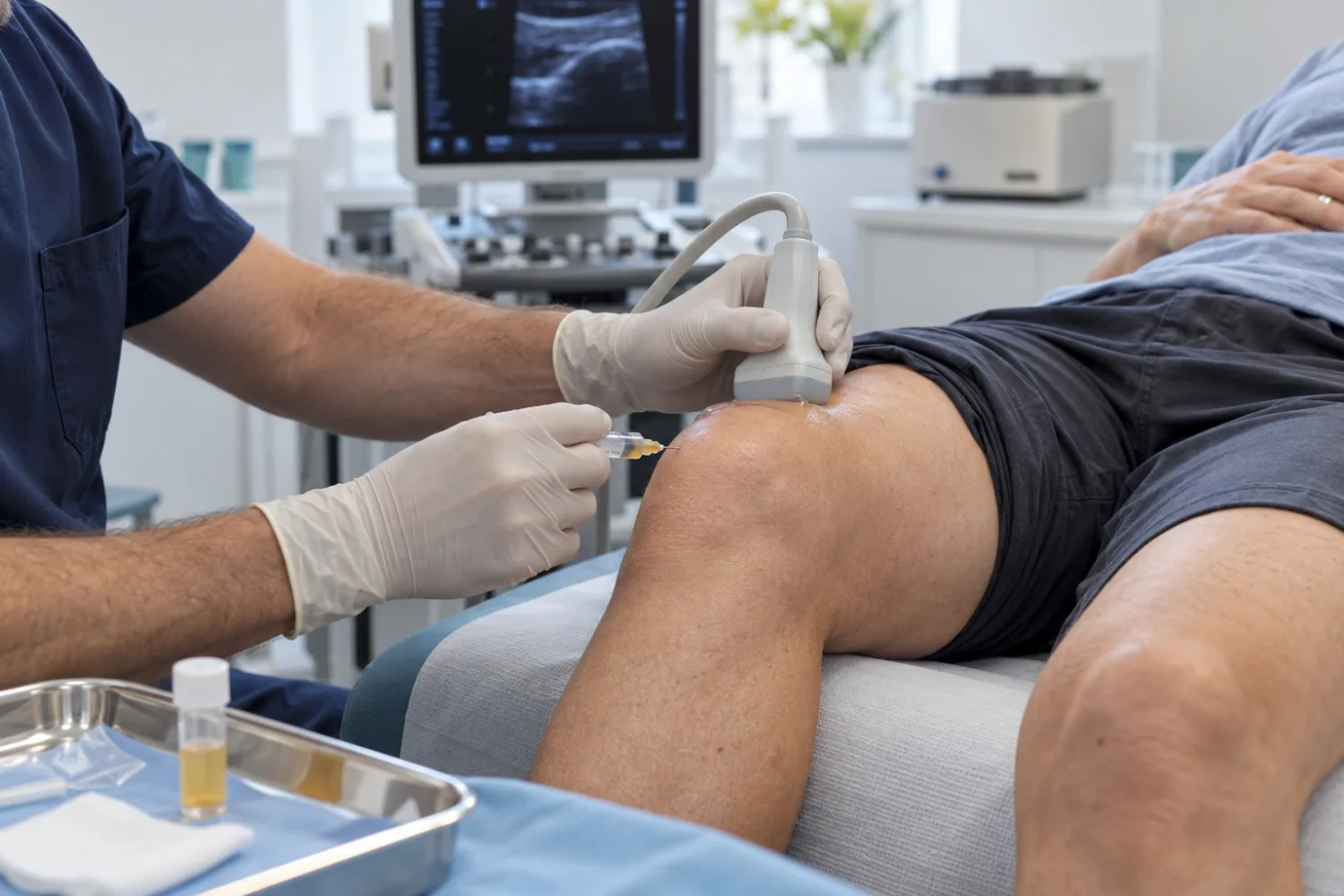
Regenerative medicine is one of the fastest-growing areas of private healthcare, but it is also one of the hardest to price clearly. One clinic may advertise a simple PRP injection for a few hundred pounds, while another may offer a multi-session “regenerative package” costing several thousand pounds. Stem cell-related procedures can cost far more, especially where theatre fees, specialist imaging, processing systems or complex regulation are involved.
For patients, the difficulty is not only the price. It is understanding what you are actually paying for, whether the treatment is appropriate for your diagnosis, how strong the evidence is, what is included in the fee, and whether the clinic is making realistic claims.
This UK guide explains the typical private cost of regenerative medicine, including PRP therapy, stem cell-related procedures, exosome-style treatments, growth factor treatments and orthobiologic injections. It also explains why prices vary, what may be covered by the NHS or private insurance, what hidden costs to check, and how to avoid paying for treatments that are poorly explained or over-promised.
If you are new to the subject, start with our guide to what regenerative medicine is. You may also find our guides to stem cells vs exosomes, regenerative medicine for orthopaedic conditions and PRP therapy in the UK useful.
What counts as regenerative medicine?
The phrase regenerative medicine is used in different ways. In its strictest sense, it refers to treatments that aim to repair, replace, regenerate or support damaged tissues, cells or biological function. In everyday private healthcare marketing, however, the term is often used more broadly for treatments that may influence healing, inflammation, tissue repair or symptoms.
In UK private healthcare, regenerative medicine may include:
- PRP therapy - platelet-rich plasma prepared from your own blood and injected into a joint, tendon, scalp or skin area.
- Stem cell-related treatments - procedures using bone marrow-derived cells, fat-derived cells, or other cell-based approaches.
- Orthobiologic injections - biological or biologically inspired injections used in musculoskeletal care, such as PRP, bone marrow concentrate or adipose-derived products.
- Exosome-style treatments - treatments marketed around cell-derived signalling particles, usually seen in aesthetics, hair restoration and some regenerative medicine advertising.
- Growth factor treatments - treatments described as using growth factors, platelet factors or tissue repair signals.
- Tissue engineering and advanced therapies - highly regulated medical products used in specialist medicine, clinical trials or approved treatment pathways.
These are not all the same. PRP is very different from a licensed advanced therapy medicinal product. A hair clinic advertising exosome-style skin treatment is not the same as a hospital using an approved cell therapy for a serious disease. This is why price comparisons can be misleading unless the clinic clearly explains the exact treatment, preparation method, evidence base and regulatory status.
The UK’s Medicines and Healthcare products Regulatory Agency explains that advanced therapy medicinal products, often called ATMPs, include certain gene therapies, somatic cell therapies and tissue-engineered products. These are subject to specific regulation and, where placed on the UK market, require appropriate authorisation.
Typical regenerative medicine costs in the UK
There is no single UK price for regenerative medicine. Costs depend on the treatment type, diagnosis, clinician, clinic location, equipment, whether imaging is used, whether a hospital setting is needed, and whether the treatment is a simple outpatient injection or a more complex cell-processing procedure.
As a broad private healthcare guide, patients may see prices in the following ranges:
| Treatment type | Typical private UK price range | Important notes |
|---|---|---|
| Initial consultation | £150-£400+ | May be with a sports doctor, orthopaedic consultant, aesthetic doctor, private GP or specialist clinician. |
| PRP injection | £400-£1,200 per session | Often used for knee osteoarthritis, tendon problems, sports injuries, hair loss or skin treatments. A course may cost more. |
| Course of PRP injections | £1,200-£3,000+ | Some clinics offer two or three sessions. Check whether review appointments and imaging are included. |
| Hyaluronic acid or other joint injections | £300-£900+ | Not always classed as regenerative medicine, but often compared with PRP for knee arthritis and joint pain. |
| Bone marrow concentrate or adipose-derived cell procedures | £4,000-£10,000+ | More complex procedures may include theatre, anaesthetic, harvesting, processing and specialist fees. |
| Exosome-style skin or hair treatments | £500-£1,500+ per session | Often marketed in aesthetics or hair restoration. Medical claims should be treated cautiously. |
| Licensed or hospital-based advanced therapies | Highly variable | May be NHS-funded, research-based, commissioned through specialist pathways, or priced very differently from private clinic injections. |
These figures are approximate and can change. London and major private hospital settings often cost more than smaller regional clinics. Consultant-led care, ultrasound guidance, MRI review, hospital facilities and follow-up appointments may increase the total price but can also add clinical value if they improve diagnosis and safety.
The key question is not simply “How much is the injection?” A better question is: What is included, why is this treatment suitable for my diagnosis, and what outcome is realistic?
How much does PRP therapy cost?
PRP is usually the most affordable and commonly offered regenerative-style treatment in UK private practice. It is frequently advertised for knee osteoarthritis, tendon pain, sports injuries, hair loss and skin rejuvenation.
Private PRP costs commonly fall between £400 and £1,200 per injection, depending on the clinic and what is included. Some regional clinics advertise PRP around £450-£600 per injection, while some London or consultant-led clinics may charge £800-£1,200 or more per procedure. Published private clinic examples include PRP prices from around £450-£600 per injection in some orthobiologics clinics, £860 for a single plasma injection at one London orthopaedic provider, and over £1,000 for single PRP injections in some Harley Street-style settings.
A course of PRP may cost more. Some clinics offer three-injection packages, which may be priced around £1,500-£3,000+. A course may be recommended for certain joint or tendon problems, but it should not be sold automatically before your diagnosis and treatment options have been properly explained.
PRP costs may include:
- blood draw
- centrifuge processing
- platelet preparation kit
- the injection procedure
- ultrasound guidance, if used
- clinic or hospital facility fee
- clinician fee
- aftercare advice
- follow-up review
Sometimes these are bundled together. Sometimes they are charged separately. Always ask.
PRP is not a guaranteed cartilage-regrowing or tendon-repairing treatment. NICE has UK guidance on platelet-rich plasma injections for knee osteoarthritis, and patients should read clinic claims carefully. A responsible clinic should explain where the evidence is promising, where it is uncertain, and when other treatments may be more suitable.
For a detailed patient guide, read PRP Therapy in the UK: The Complete Guide.
How much do stem cell-related treatments cost?
Stem cell-related treatment is usually more expensive than PRP because it may involve harvesting cells from bone marrow or fat, processing them, using specialist equipment, and sometimes performing the procedure in a theatre or hospital setting.
In UK private musculoskeletal clinics, some bone marrow concentrate or adipose-derived procedures may be advertised from around £4,000 to £10,000+. Some complex procedures may cost more, especially if they include surgeon fees, anaesthetic fees, hospital fees, imaging, theatre time and follow-up.
However, patients should be very careful with the phrase “stem cell therapy”. It is sometimes used loosely in marketing. One clinic may be describing bone marrow concentrate for a knee problem. Another may be describing fat-derived cell processing. Another may be using the phrase in a way that sounds more advanced than the actual procedure. In some cases, “stem cell” marketing may go beyond what is proven or properly authorised.
Before paying for a stem cell-related treatment, ask:
- What cells are being used?
- Where are they taken from?
- How are they processed?
- Is this a licensed product, a minimally manipulated autologous procedure, a clinical trial, or a privately offered intervention?
- What evidence supports this treatment for my exact condition?
- What regulation applies?
- Are there cheaper, better-established options I should try first?
For blood cancers and some serious blood or immune conditions, stem cell or bone marrow transplantation is an established medical treatment within specialist pathways. That is very different from paying privately for an injection advertised for arthritis, chronic pain, fatigue, anti-ageing or neurological conditions.
If you are comparing these treatments, read our guide to stem cells vs exosomes and our article on cellular and exosome-based therapies in neurodegenerative diseases.
How much do exosome and growth factor treatments cost?
Exosome-style and growth factor treatments are often marketed in private aesthetics, hair restoration, skin rejuvenation and regenerative medicine. Prices can vary significantly depending on the product, treatment area and number of sessions.
For cosmetic or hair-related exosome-style treatments in London and other major UK cities, patients may see prices from around £500 to £1,500+ per session. A course of three sessions may cost £1,400-£3,000+. Some clinics combine exosome-style products with microneedling, laser treatment, PRP or scalp treatments, which can increase the total cost.
However, this area needs careful interpretation. Exosomes are complex biological particles involved in cell signalling. In research, they are being studied for many possible medical uses. But the fact that exosomes are biologically interesting does not mean every private product or cosmetic treatment has strong clinical evidence for medical claims.
Patients should be cautious if a clinic claims that exosome treatment can:
- cure arthritis
- reverse ageing
- regrow hair permanently
- repair nerves
- treat autoimmune disease
- replace licensed medical treatment
- guarantee regeneration
Ask whether the product is licensed or authorised for the claimed use, what it contains, where it comes from, whether it is human-derived or synthetic/lab-produced, what safety testing has been done, and what evidence supports the specific claim being made.
The Advertising Standards Authority expects health and treatment claims in advertising to be supported by evidence. If a clinic relies mainly on dramatic before-and-after images, influencer claims or testimonials rather than proper clinical explanation, treat that as a warning sign.
Why prices vary so much
Regenerative medicine prices vary because clinics are not always offering the same thing, even when the name sounds similar. “PRP injection” at one clinic may not be identical to “PRP injection” at another. “Stem cell therapy” may mean very different procedures depending on the provider.
Important cost factors include:
- Diagnosis: treating a simple tendon problem is different from assessing complex joint disease or chronic pain.
- Clinician type: consultant-led treatment may cost more than treatment by another qualified practitioner.
- Clinic location: central London and private hospital settings often have higher fees.
- Imaging: ultrasound, X-ray or MRI review may add cost but can improve diagnosis and injection accuracy.
- Guidance: ultrasound-guided injections may cost more than landmark-guided injections.
- Preparation system: PRP kits and cell-processing systems vary in cost and complexity.
- Number of sessions: some treatments are sold as single sessions, others as courses.
- Facility fees: hospital, theatre or procedure-room fees can increase the total price.
- Anaesthetic or sedation: some cell-harvesting procedures may involve anaesthetic fees.
- Follow-up: review appointments and rehabilitation plans may or may not be included.
- Regulatory burden: advanced therapies, cell processing and human tissue handling may involve additional governance and compliance costs.
It is normal for specialist healthcare to cost more when it includes proper assessment, safe facilities, experienced clinicians and follow-up. But a high price does not automatically prove that a treatment works. Expensive does not always mean evidence-based.
Patients should compare value, not only price. A £500 injection without diagnosis may be poor value. A £900 injection that includes expert assessment, imaging guidance, clear aftercare and honest discussion may be better value if the treatment is appropriate. Equally, no injection is good value if the underlying diagnosis is wrong or the expected benefit is unrealistic.
Is regenerative medicine available on the NHS?
Some forms of regenerative medicine are available through the NHS, but not usually in the way private clinics advertise them.
Established treatments such as stem cell or bone marrow transplants may be used in specialist NHS pathways for certain blood cancers, blood disorders or immune-related conditions. Some advanced therapies may be available through specialist commissioning, clinical trials or approved treatment routes. These are very different from private clinic injections for joint pain, hair loss or wellness.
PRP and other orthobiologic injections are not usually available as routine NHS treatments for most musculoskeletal problems. Access may vary depending on local policy, specialist services and clinical indication. Many patients who want PRP for knee arthritis, tendon pain or sports injury access it privately.
Private medical insurance may or may not cover regenerative medicine. Many insurers view PRP, stem cell-related injections, exosome treatments or orthobiologics as experimental, unproven or outside standard policy cover. Some policies may cover the consultation or imaging but not the injection itself. Others may exclude the full treatment.
Before booking, ask your insurer:
- Is the consultation covered?
- Are scans or imaging covered?
- Is the injection covered?
- Is PRP considered experimental under my policy?
- Do I need pre-authorisation?
- Will follow-up or physiotherapy be covered?
For broader context, see our guide to NHS vs private healthcare in the UK, private medical insurance and what private health insurance covers.
What should be included in the price?
When a clinic quotes a price, ask for a written breakdown. This helps you avoid surprises and makes it easier to compare clinics fairly.
A good regenerative medicine quote should explain whether the fee includes:
- initial consultation
- medical history review
- physical examination
- diagnostic imaging review
- new X-ray, ultrasound or MRI if needed
- blood tests if required
- the treatment product or preparation kit
- the procedure itself
- ultrasound guidance
- facility or theatre fee
- anaesthetic fee, if relevant
- aftercare advice
- physiotherapy or rehabilitation plan
- follow-up appointment
- management of complications
Some clinics advertise a headline injection price that does not include consultation, imaging or follow-up. Others provide an all-inclusive fee. Neither approach is automatically wrong, but it should be transparent.
Also ask what happens if the clinician decides you are not suitable for treatment after the consultation. Will you only pay for the consultation? Will any deposit be refunded? Are package fees refundable if you do not proceed with all sessions?
Is the cheapest regenerative medicine clinic a good idea?
Not necessarily. Regenerative medicine is not like buying a standard product where the cheapest version is always comparable. The quality of assessment, diagnosis, consent, technique and aftercare can matter as much as the injection itself.
A low price may be attractive, but be careful if:
- there is no proper consultation
- you are not examined
- the clinic does not explain your diagnosis
- the treatment is offered after only an online form
- there is no discussion of alternatives
- you are told the treatment has no risks
- you are pressured into paying for a package
- the clinic guarantees regeneration or cure
- you do not know who will perform the procedure
- the clinic cannot explain regulation, product source or safety checks
A responsible clinic should be willing to say that regenerative medicine is not suitable for you if your condition needs another approach. For example, severe knee arthritis may need discussion of joint replacement rather than repeated injections. A complete tendon rupture may need urgent surgical assessment. Pain caused by inflammatory disease, infection, fracture or referred nerve pain may need a completely different pathway.
If you are looking at joint pain, you may find our guides to knee pain, lower back pain, sciatica and frozen shoulder useful before considering private injections.
Regenerative medicine abroad: cheaper, but is it worth it?
Some patients consider travelling abroad for regenerative medicine because the advertised prices may be lower, especially for stem cell-related procedures or exosome-style treatments. Medical tourism websites may list stem cell or exosome treatment packages in countries where prices appear cheaper than in the UK.
However, cheaper treatment abroad can bring extra risks and costs. These may include:
- different regulation and inspection standards
- unclear product source or processing methods
- limited follow-up after returning to the UK
- difficulty managing complications
- travel costs, hotel costs and time off work
- language barriers
- unclear consent documents
- pressure to buy large treatment packages
- poor continuity with your UK GP or specialist
Travelling abroad may be reasonable for some types of healthcare when the clinic is properly accredited, transparent and experienced. But regenerative medicine needs particular caution because some treatments are experimental, evidence may be limited, and marketing may target people with chronic pain, neurological disease, autoimmune disease or conditions with few easy answers.
Before travelling, read our guides to treatment abroad for UK patients, whether treatment abroad is safe and how to check if an overseas clinic is legitimate.
Red flags before paying for treatment
Regenerative medicine can be a legitimate and promising field, but it is also vulnerable to exaggerated marketing. Patients should be especially cautious when a treatment is expensive, privately funded and aimed at people in pain or distress.
Red flags include:
- Guaranteed results: no responsible clinic should guarantee cartilage regrowth, nerve repair or cure.
- Very broad claims: one treatment claimed to help arthritis, autism, dementia, autoimmune disease, chronic fatigue, anti-ageing and sports injuries should raise concern.
- No clear diagnosis: treatment should be based on your condition, not just your ability to pay.
- No discussion of alternatives: physiotherapy, medication, surgery, lifestyle changes or standard care should be explained where relevant.
- Pressure selling: limited-time discounts and “book today” pressure are not appropriate for serious healthcare decisions.
- Unclear product source: you should know what is being injected or applied, where it comes from and what safety checks apply.
- No regulation explanation: the clinic should explain whether CQC registration, MHRA rules, HTA rules or professional regulation apply.
- No aftercare: especially for joint and tendon problems, aftercare and rehabilitation are often essential.
- Testimonials as proof: patient stories are not the same as good clinical evidence.
- No written consent: you should receive clear information about benefits, risks, uncertainty and costs.
In England, providers carrying out regulated activities may need to register with the Care Quality Commission unless an exemption applies. You can read the CQC’s scope of registration guidance. For advanced therapy medicinal products, the MHRA provides guidance on ATMP regulation and licensing in the UK.
For advertising claims, the Advertising Standards Authority regulates UK advertising, including claims made on websites and social media. Medical and health claims should be supported by appropriate evidence.
Regenerative medicine cost FAQs
How much does PRP cost in the UK?
Private PRP therapy commonly costs around £400-£1,200 per session in the UK. Some regional clinics may be closer to £450-£600, while consultant-led or London clinics may charge more. A course of PRP injections may cost £1,200-£3,000+.
How much does stem cell therapy cost in the UK?
Private stem cell-related or cell-based musculoskeletal procedures may cost several thousand pounds. Some bone marrow concentrate or fat-derived procedures may be advertised around £4,000-£10,000+, depending on the clinic, facility, processing method and whether theatre or anaesthetic fees are involved.
How much do exosome treatments cost?
Exosome-style skin or hair treatments are often advertised from around £500-£1,500+ per session, with courses costing more. Patients should be cautious about medical claims and ask what the product is, where it comes from, whether it is licensed for the claimed use, and what evidence supports it.
Is regenerative medicine available on the NHS?
Some advanced and cell-based treatments are available through specialist NHS pathways for specific serious conditions. However, private clinic treatments such as PRP for joint pain, exosome-style skin treatments or many orthobiologic injections are not usually available as routine NHS care.
Does private health insurance cover PRP or stem cell treatment?
Often not. Many private insurers treat PRP, stem cell-related injections and exosome-style treatments as experimental or outside standard cover. Some may cover consultation or imaging but not the injection. Always check with your insurer before booking.
Why do clinics charge such different prices?
Prices vary because treatments differ in clinician expertise, clinic location, imaging, preparation systems, number of sessions, facility fees, anaesthetic requirements, follow-up and regulatory complexity. Similar-sounding treatments may not be clinically identical.
Is a more expensive clinic always better?
No. A higher price may reflect consultant time, imaging guidance and safer facilities, but it does not prove the treatment will work. The best value comes from correct diagnosis, realistic advice, transparent pricing, safe technique and proper follow-up.
Is cheap PRP safe?
Cheap PRP is not automatically unsafe, but you should check what is included. A low price without proper assessment, sterile technique, imaging where needed, aftercare or qualified clinical oversight may be poor value and potentially risky.
Can regenerative medicine avoid surgery?
Sometimes it may help symptoms or delay the need for surgery in selected cases, but it should not be sold as a guaranteed surgery alternative. Severe arthritis, complete tendon rupture, significant deformity or unstable injuries may still need surgical assessment.
Can regenerative medicine regrow cartilage?
Patients should be cautious about cartilage-regrowth claims. Some treatments may reduce pain or improve function in selected people, but reliable cartilage regrowth in advanced arthritis is not something patients should assume from private regenerative injections.
Should I pay upfront for a package?
Be careful. It may be reasonable to offer a course of treatment after assessment, but patients should understand refund terms, why multiple sessions are needed, what happens if the first session does not help, and whether the recommendation is evidence-based.
What is the most important question to ask before paying?
Ask: “What exact diagnosis are you treating, what evidence supports this treatment for my condition, and what result is realistic?” If the clinic cannot answer clearly, think carefully before paying.
Are regenerative medicine treatments abroad cheaper?
Sometimes advertised prices abroad are lower, but travel, accommodation, follow-up, complication management and regulation differences can change the true cost. Patients should carefully check clinic credentials, product source, consent documents and aftercare before travelling.
When should I avoid regenerative medicine?
Avoid or delay treatment if you do not have a clear diagnosis, have red-flag symptoms, are being promised a cure, are pressured to pay quickly, or have not been told about risks and alternatives. Seek medical advice if symptoms are severe, worsening or unexplained.