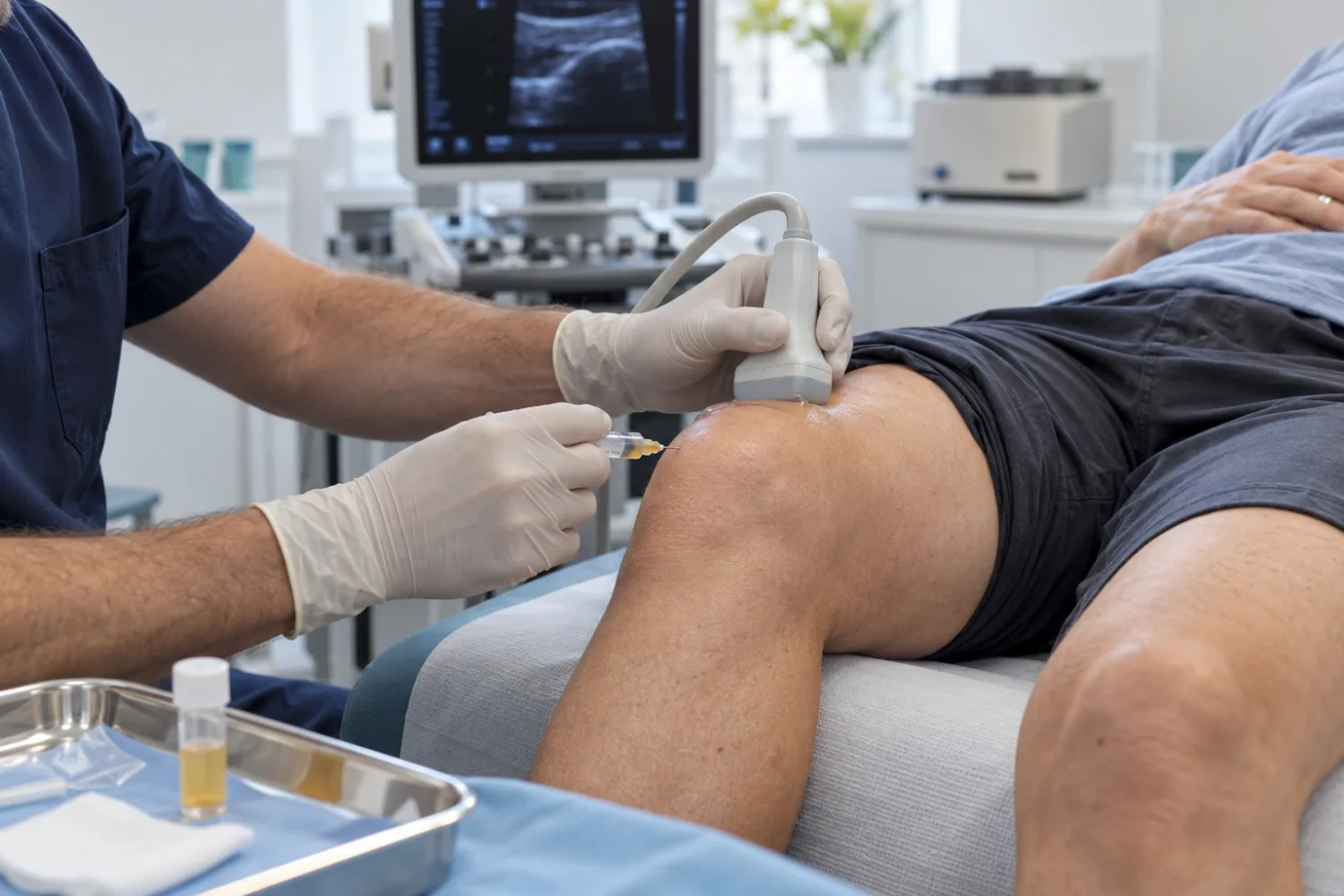
Gene therapy and advanced therapy medicinal products, often called ATMPs, are among the most important developments in modern medicine. They sit at the cutting edge of regenerative medicine, personalised medicine and rare disease treatment. Some are already changing care for selected cancers, inherited conditions and serious diseases. Others are still being studied in clinical trials.
For patients, the language can be confusing. You may see phrases such as gene therapy, cell therapy, CAR-T, tissue engineering, stem cell therapy, genomic medicine, personalised medicine and regenerative medicine. Some of these are established treatments for specific conditions. Some are experimental. Some are highly regulated medicines. Others may be private clinic claims that sound more advanced than they really are.
This guide explains what gene therapy and ATMPs are, how they are regulated in the UK, which types of treatment are already used, how patients may access them, what risks and costs to understand, and how to tell the difference between legitimate advanced medicine and overpromising private claims.
You may also find our related guides useful: what is regenerative medicine?, stem cell therapy in the UK, stem cells vs exosomes, exosome therapy in the UK, regenerative medicine for eye conditions and regenerative medicine abroad.
What are gene therapy and ATMPs?
Gene therapy is a treatment approach that aims to treat disease by changing, replacing, adding or silencing genetic instructions in a person’s cells. Genes act like biological instructions. If a gene is faulty, missing or behaving abnormally, it can contribute to disease. Gene therapy tries to address the problem at or near that genetic level.
ATMP stands for advanced therapy medicinal product. In the UK, ATMPs are a special category of medicines. The Medicines and Healthcare products Regulatory Agency, or MHRA, explains that ATMPs include:
- gene therapy medicinal products
- somatic cell therapy medicinal products
- tissue-engineered products
- some combination products that include a medical device as part of the therapy
In simple terms, ATMPs are advanced medicines based on genes, cells or engineered tissues. They are not ordinary tablets or injections. They may involve modifying cells, replacing genetic instructions, repairing tissue or using living biological material in a carefully controlled way.
Examples can include:
- CAR-T cell therapy for certain blood cancers
- gene therapy for specific inherited conditions
- cell therapies for selected diseases
- tissue-engineered products for certain types of tissue repair
- specialist regenerative treatments used in hospitals or clinical trials
ATMPs are not the same as wellness injections, unproven stem cell packages or cosmetic regenerative treatments. They are regulated medicines and usually involve specialist assessment, strict eligibility criteria, manufacturing controls and long-term follow-up.
How gene therapy works in simple terms
Gene therapy is based on the idea that some diseases are caused, driven or influenced by changes in genetic instructions. If doctors can correct, replace or influence those instructions, they may be able to treat the disease in a more targeted way.
Gene therapy may work by:
- Adding a working gene when a person has a faulty or missing gene.
- Switching off a harmful gene that is producing a damaging effect.
- Editing or correcting genetic instructions in selected cells.
- Modifying immune cells so they can recognise and attack cancer cells.
- Helping cells produce a missing protein needed for normal function.
Some gene therapies are given directly into the body. Others involve removing cells from the patient, modifying them in a laboratory, and giving them back. CAR-T therapy is an example of this second approach: a patient’s immune cells are collected, modified so they can better recognise cancer cells, then returned to the patient.
This is very different from taking a standard medicine every day. Some advanced therapies may be designed as one-off or short-course treatments, although patients may still need intensive monitoring and long-term follow-up.
Gene therapy is powerful because it can target disease mechanisms very precisely. But that also means it must be carefully controlled. Changing cell behaviour or genetic instructions can have serious risks if the treatment is not properly designed, manufactured, tested and monitored.
What conditions can gene therapy and ATMPs treat?
Gene therapies and ATMPs are not general treatments for all diseases. They are usually developed for specific conditions where the biological target is understood and where standard treatment may be limited, difficult or insufficient.
Areas where gene therapy or ATMPs may be used or researched include:
- Blood cancers: including some leukaemias, lymphomas and myeloma-related treatment pathways.
- Inherited conditions: where a specific gene change causes disease.
- Rare diseases: especially when a single genetic change plays a major role.
- Inherited eye disease: some gene therapies are designed for very specific retinal conditions.
- Immune disorders: where cell or gene-based treatments may help restore immune function.
- Severe tissue injury or tissue loss: in selected specialist regenerative medicine settings.
- Neurological conditions: mostly in research or highly specific approved contexts.
- Haematology and transplant medicine: including advanced cell-based treatments.
However, patients should be careful not to overgeneralise. A gene therapy approved for one rare inherited eye condition does not mean gene therapy can treat all eye conditions. A CAR-T therapy for one type of blood cancer does not mean the same treatment works for all cancers. A cell therapy in a hospital setting does not mean a private “cell regeneration” injection is equivalent.
The most important question is always: is this exact therapy approved, recommended or being studied for my exact diagnosis?
How ATMPs are regulated in the UK
ATMPs are regulated carefully because they are complex medicines. The MHRA is the UK regulator responsible for medicinal products, including ATMPs. According to MHRA guidance, ATMPs placed on the UK market must have a marketing authorisation, and the MHRA assesses the quality, safety and efficacy of each ATMP that needs one.
This matters for patients because advanced therapies are not simply judged by whether they sound promising. They must go through development, manufacturing controls, clinical trial approval, safety monitoring and regulatory assessment.
UK regulatory oversight may involve several bodies depending on the treatment:
- MHRA: regulates medicines, including ATMPs, clinical trials and marketing authorisations.
- HTA: may be relevant where human tissues and cells are donated, procured, tested, stored or used.
- HRA: supports health research governance and ethics processes.
- CQC: regulates health and care providers in England where regulated activities are carried out.
- NICE: evaluates whether some medicines and treatments should be recommended for NHS use.
- NHS England: commissions and supports access to some specialist advanced therapies.
The MHRA also operates an Innovation Office, which acts as a regulatory advice route for regenerative medicine and other innovative products. This is important because some products can be difficult to classify.
For patients, the practical point is this: if a clinic or company claims to offer a gene therapy, cell therapy or advanced regenerative treatment, it should be able to explain the regulatory status clearly. Vague phrases such as “approved technology”, “lab certified”, “clinically tested” or “used by doctors worldwide” are not enough.
You can read the MHRA’s official guidance here: Advanced therapy medicinal products: regulation and licensing in the UK.
Approved treatment, hospital exemption or clinical trial?
One of the most confusing parts of advanced medicine is understanding the route by which a patient receives treatment. The same phrase, such as “cell therapy”, can mean very different things depending on the setting.
A treatment may be:
- Licensed and approved: the therapy has marketing authorisation for a specific use.
- Recommended for NHS use: NICE or another route has assessed it for NHS availability in defined circumstances.
- Available through specialist commissioning: NHS England or another body may fund it for eligible patients.
- Used under hospital exemption: some unlicensed ATMPs may be prepared non-routinely and used in hospital for a specific patient under strict conditions.
- Used in a clinical trial: the treatment is being tested in a formal research study.
- Privately marketed: the treatment is being sold directly to patients, which may or may not be well-supported by evidence.
These categories are not interchangeable. A clinical trial is not the same as an approved treatment. A hospital exemption is not the same as a commercial clinic package. A licensed therapy for one condition does not prove benefit for another.
If you are told you may be eligible for an advanced therapy, ask which route applies. This affects evidence, safety monitoring, cost, follow-up and your rights as a patient.
Gene therapy, genetic testing and personalised medicine
Gene therapy is closely linked to genetic and genomic testing. Before some advanced therapies can be considered, doctors may need to understand the genetic cause of a condition, the cancer subtype, or whether a patient has a specific mutation.
NHS information explains that genetic testing, sometimes called genomic testing, can find gene changes that cause health problems. It is mainly used to diagnose rare and inherited conditions and some cancers. Genetic testing can also guide doctors in choosing medicines or treatments and help decide whether someone may be able to join a clinical trial.
Genetic testing may be relevant if:
- a doctor suspects a rare inherited condition
- a child has symptoms suggesting a genetic disorder
- there is a family history of an inherited disease
- a cancer treatment decision depends on tumour genetics
- a clinical trial requires a specific genetic result
- a gene therapy is only suitable for people with a particular mutation
Genetic testing is not just a technical step. It can affect family members, future children, insurance questions, emotional wellbeing and long-term medical decisions. NHS patients may be offered genetic counselling to help understand the meaning of results.
You can read NHS guidance here: Genetic and genomic testing.
How patients may access gene therapy and ATMPs in the UK
Access to gene therapy and ATMPs in the UK is usually through specialist NHS services, private specialist referral, or clinical trials. These are not treatments that patients normally book directly in the same way as a private health check or cosmetic procedure.
Possible access routes include:
- NHS specialist referral: your GP or hospital consultant refers you to a specialist service.
- Genomic testing pathway: testing identifies whether you have a genetic change linked to a treatment or trial.
- Cancer specialist pathway: a haematology or oncology team considers advanced treatment such as CAR-T where appropriate.
- Rare disease service: specialist centres assess eligibility for advanced or targeted therapies.
- Clinical trial: you may be assessed for a research study if you meet criteria.
- Private specialist consultation: a private consultant may advise on diagnosis, testing or referral, but access to licensed ATMPs still depends on strict rules.
Patients should be cautious about any provider offering direct-to-consumer gene therapy or advanced cell therapy without a clear diagnosis, proper eligibility assessment, regulatory documentation and specialist oversight.
If you are considering treatment abroad, be especially careful. Some overseas clinics use the language of gene therapy, stem cells, exosomes or regenerative medicine without the same regulatory standards that would apply in the UK. Read Regenerative Medicine Abroad: Risks, Costs and Stem Cell Tourism before making a decision.
Costs, NHS funding and private access
Gene therapies and ATMPs can be extremely expensive to develop, manufacture and deliver. Some require specialist facilities, individualised manufacturing, hospital admission, intensive monitoring and long-term follow-up. This is why prices can be far higher than ordinary medicines or private clinic treatments.
For patients, the key question is not only the list price. It is whether the treatment is:
- licensed for the condition
- recommended for NHS use
- funded through a specialist NHS pathway
- available only in a clinical trial
- available privately
- not approved for the claimed use
Some advanced therapies are funded by the NHS for eligible patients under defined criteria. Others may be available only through clinical trials or specialist access schemes. Some may be licensed but not routinely funded for every patient group. Private access can be complex because the medicine, hospital delivery, monitoring and management of complications may all be costly.
If a private clinic advertises a relatively cheap “gene therapy”, “cell therapy” or “advanced regenerative medicine” package, be cautious. True licensed ATMPs are highly regulated and complex. A cheap package may not be the same thing as a licensed advanced therapy.
For wider pricing context, see How Much Does Regenerative Medicine Cost in the UK?.
Risks and side effects of advanced therapies
Gene therapies and ATMPs can offer major benefits for selected patients, but they can also carry serious risks. The risks depend on the treatment type, condition, delivery method and patient’s health.
Possible risks may include:
- immune reactions
- inflammation
- infection risk
- side effects from conditioning treatment such as chemotherapy
- unexpected effects on cell behaviour
- off-target effects in some gene-editing approaches
- organ toxicity
- neurological side effects in some immune cell therapies
- cancer-related risks in some theoretical or specific contexts
- long-term uncertainty
This is why advanced therapies usually involve careful eligibility checks, specialist consent, hospital monitoring and long-term follow-up. Patients may be followed for years after some gene or cell therapies to monitor durability and safety.
A responsible clinician should explain not only the possible benefit but also the known risks, unknown risks, alternative treatments and what happens if the therapy does not work.
Red flags in private or overseas claims
Because gene therapy and ATMPs sound advanced, some private providers may use similar language to sell treatments that are not actually licensed advanced therapies. Patients should be alert to vague or exaggerated claims.
Red flags include:
- claims that one treatment can help many unrelated conditions
- phrases such as “gene repair”, “cell reset” or “DNA rejuvenation” without clear explanation
- promises of cure, reversal or regeneration
- no named licensed medicine or product
- no regulator, licence number or clinical trial registration
- treatment offered without genetic testing or specialist diagnosis where these would normally be needed
- pressure to pay quickly
- heavy use of testimonials rather than published evidence
- claims that UK doctors are hiding or blocking the treatment
- discouraging you from speaking to your NHS specialist
- unclear follow-up arrangements
Be especially cautious with clinics offering gene therapy, stem cell therapy or exosome treatments abroad for conditions such as autism, Parkinson’s disease, dementia, multiple sclerosis, spinal cord injury, anti-ageing, chronic fatigue, advanced arthritis or general wellness.
Legitimate advanced medicine is usually precise. It names the treatment, the condition, the eligibility criteria, the evidence, the regulator and the monitoring plan.
Questions to ask before considering gene therapy or an ATMP
If you or a family member is told about gene therapy, cell therapy or an ATMP, ask clear questions before making decisions.
- What is my exact diagnosis?
- What is the name of the therapy?
- Is it a gene therapy, cell therapy, tissue-engineered product or another type of treatment?
- Is it licensed in the UK?
- Is it approved for my exact condition?
- Is it recommended or funded by the NHS for patients like me?
- Do I need genetic or genomic testing first?
- Is this treatment part of a clinical trial?
- If it is a trial, where is it registered?
- What evidence supports it?
- What benefits are realistic?
- What are the known risks?
- What risks are still uncertain?
- What are my alternatives?
- How long will I be followed up?
- What happens if the treatment does not work?
- What costs are involved?
- Will my GP and specialist receive full records?
Good clinicians expect these questions. If a provider becomes defensive, vague or sales-focused, slow down.
Gene therapy and ATMP FAQs
What does ATMP mean?
ATMP stands for advanced therapy medicinal product. In the UK, this includes gene therapy medicinal products, somatic cell therapy medicinal products and tissue-engineered products. Some combination products are also classed as ATMPs.
Is gene therapy available in the UK?
Yes, gene therapy and other advanced therapies are available in the UK for some specific conditions, usually through specialist NHS services, approved treatment pathways or clinical trials. They are not general treatments for all diseases.
Is gene therapy the same as stem cell therapy?
No. Gene therapy aims to change, replace, add or silence genetic instructions. Stem cell therapy involves cells or cell-based procedures. Some advanced treatments may involve both genetic modification and cells, such as CAR-T therapy.
Is CAR-T an ATMP?
Yes, CAR-T therapy is generally considered an advanced cell therapy. It involves collecting a patient’s immune cells, modifying them so they can better target cancer cells, and giving them back to the patient.
Are ATMPs approved by the MHRA?
ATMPs that are placed on the UK market need the appropriate marketing authorisation. The MHRA is responsible for assessing the quality, safety and efficacy of ATMPs that require marketing authorisation.
Can I pay privately for gene therapy?
Private access may be possible in some circumstances, but true gene therapies and ATMPs are complex, highly regulated and usually delivered through specialist centres. Be cautious about any clinic advertising direct-to-consumer “gene therapy” without clear licensing, diagnosis and specialist oversight.
Can gene therapy cure genetic disease?
Some gene therapies can produce major benefits for specific genetic diseases, but this does not mean all genetic diseases can be cured. The effect depends on the condition, the gene involved, the treatment and the stage of disease.
Do I need genetic testing before gene therapy?
Often, yes. Many gene therapies are only suitable for people with a specific genetic change or disease subtype. NHS genetic and genomic testing can help diagnose rare conditions, guide treatment decisions and assess clinical trial eligibility.
Are gene therapies risky?
They can be. Risks vary by treatment but may include immune reactions, inflammation, infection, effects from conditioning treatment, off-target effects and long-term uncertainty. This is why specialist monitoring and follow-up are essential.
What is the difference between an approved treatment and a clinical trial?
An approved treatment has regulatory authorisation for a specific use. A clinical trial is research designed to test safety, dose, effectiveness or longer-term outcomes. A trial may be promising, but it is not the same as an established treatment.
What is hospital exemption?
Hospital exemption is a route that may allow some unlicensed ATMPs to be prepared non-routinely and used in a hospital for a specific patient under strict conditions. It is not the same as a commercial treatment package.
Should I travel abroad for gene therapy or an ATMP?
Be very cautious. Some overseas clinics market advanced-sounding treatments without the evidence or regulation patients expect. Speak to a UK specialist first and check the treatment name, regulator, licence, trial registration, evidence, product source and follow-up plan.
What is the biggest red flag?
The biggest red flag is vague advanced-sounding language without specifics. A legitimate provider should clearly name the treatment, condition, regulator, evidence, risks and follow-up process.
For clinics, consultants and healthcare providers: if you offer evidence-led genomic medicine, specialist diagnostics, regenerative medicine, ophthalmology, haematology, oncology, rare disease care or advanced therapy assessment in the UK, All Health and Care helps patients discover and compare healthcare providers. Contact us to discuss clinic listings, featured placement or inclusion in relevant patient guides.