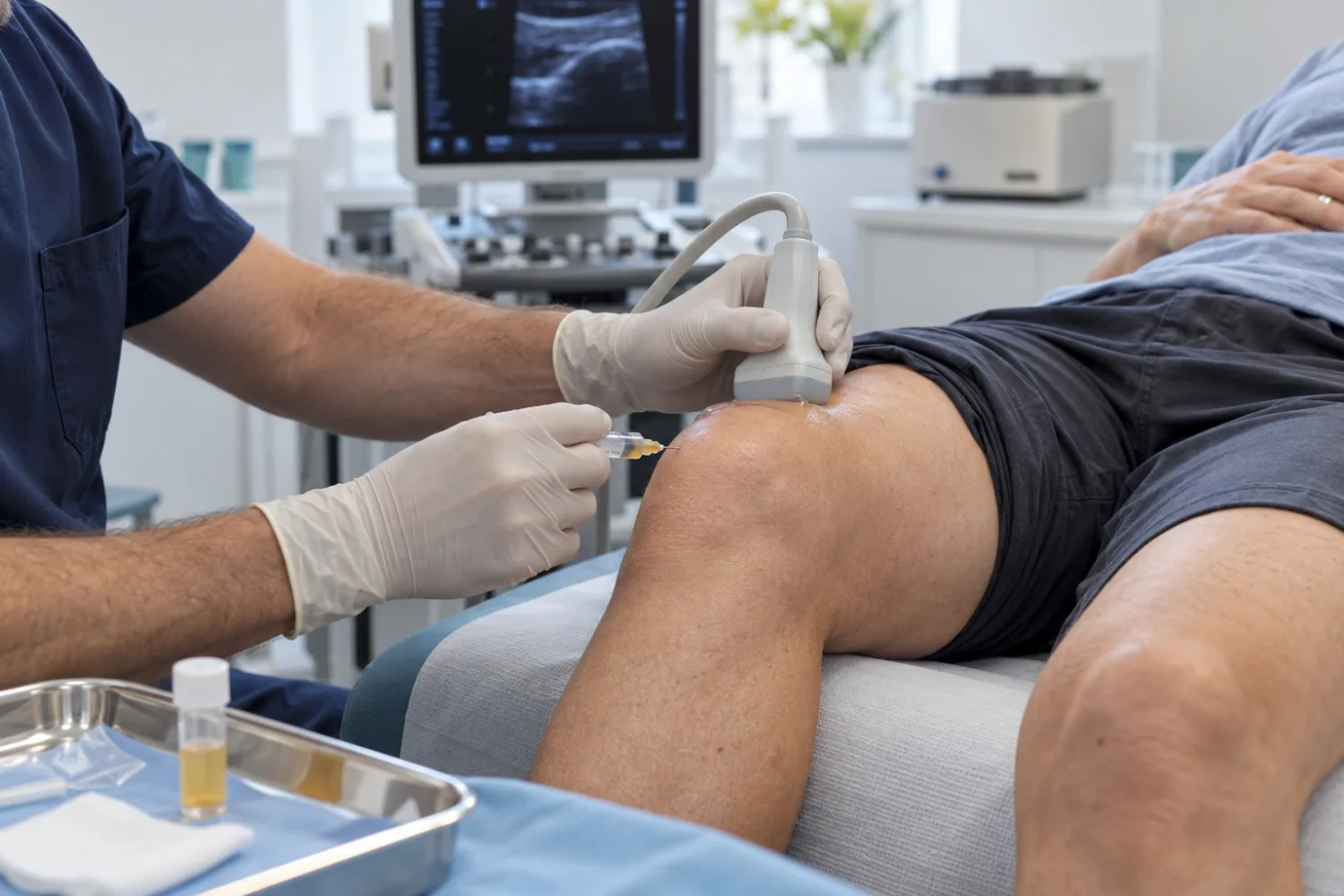
Stem cell therapy is one of the most talked-about areas of regenerative medicine in the UK. It is also one of the most misunderstood. Some people hear “stem cell therapy” and think of cutting-edge hospital treatment for blood cancers. Others see private clinic adverts promising help for arthritis, back pain, sports injuries, anti-ageing, neurological disease or autoimmune conditions. These are not all the same thing.
That is why patients need a clear distinction between approved and established uses of stem cell treatment in the UK and the much broader range of claims sometimes seen in private healthcare marketing.
In simple terms, stem cell treatment is a real and important part of modern medicine. But that does not mean every private “stem cell therapy” offer is proven, regulated in the same way, or appropriate for your condition.
This guide explains what stem cell therapy is, where it is genuinely established in UK care, how private claims should be judged, what regulation means, what questions to ask before paying, and how to spot red flags.
If you are new to the wider topic, it may help to read our guides to what regenerative medicine is, stem cells vs exosomes, how much regenerative medicine costs in the UK and PRP therapy in the UK.
What is stem cell therapy?
Stem cells are special cells that can develop into other types of cells in the body. Different kinds of stem cells are used in different areas of medicine and research. In everyday patient language, “stem cell therapy” usually means a treatment that aims to replace, repair, support or influence damaged tissue using stem cells or stem-cell-related procedures.
However, the term is often used too loosely. In UK medicine, there is a big difference between:
- established stem cell transplants used in specialist care, especially for blood cancers and blood disorders
- advanced therapy medicinal products (ATMPs) regulated as medicines
- private procedures marketed for joint pain, sports injuries, anti-ageing or other conditions
- experimental or research treatments being studied in clinical trials
So when a clinic says it offers stem cell therapy, the first question should be: what exact treatment are they actually talking about?
Where stem cell therapy is genuinely established in the UK
The best-known and most established stem cell treatments in the UK are stem cell or bone marrow transplants, also called haematopoietic stem cell transplants. These are used in specialist hospital care, mainly for conditions affecting blood cells and the immune system.
According to the NHS, a stem cell or bone marrow transplant may be used for some cancers, blood conditions or autoimmune disorders. Examples include acute lymphoblastic leukaemia, acute myeloid leukaemia, non-Hodgkin lymphoma, Hodgkin lymphoma, multiple myeloma, sickle cell disease and thalassaemia.
These are serious medical treatments. They are not wellness procedures or quick outpatient injections. They involve specialist teams, major medical assessment, careful matching in some cases, possible chemotherapy or other conditioning treatment, and close follow-up because complications can be significant.
In other words, when people hear about stem cell treatment saving lives, this is often the type of therapy being referred to.
There are also other specialist areas of regenerative medicine in which cell-based or tissue-based approaches may be used or studied, but these are usually tightly regulated, specialist-led and often linked to hospitals, research centres or commissioned pathways rather than casual private clinic advertising.
What “approved” means in UK stem cell medicine
Patients often assume that if a clinic offers a treatment, it must automatically be approved. That is not always true.
In the UK, some advanced cell-based products fall under the category of advanced therapy medicinal products, or ATMPs. The MHRA says ATMPs include:
- gene therapy medicinal products
- somatic cell therapy medicinal products
- tissue-engineered products
If a product is an ATMP, it is regulated as a medicine. That means the regulatory picture is very different from a simple private injection procedure. The MHRA is the competent authority in the UK for medicinal products, including ATMPs, and these products require the appropriate regulatory route before they can be sold or supplied.
For patients, the important point is this: “approved” should not be treated as a vague marketing word. It should refer to a specific treatment, used for a specific purpose, under the right legal and clinical framework.
A responsible clinic should be able to explain clearly whether the treatment is:
- an established NHS treatment
- a licensed medicinal product
- a hospital-based specialist procedure
- a privately offered intervention
- part of a clinical trial or research study
What private clinics usually mean by “stem cell therapy”
In the UK private sector, “stem cell therapy” often refers to procedures for musculoskeletal pain, sports injuries or other chronic conditions. These may involve material taken from the patient’s own body, often from bone marrow or adipose tissue, and processed before being injected into a joint, tendon or painful area.
Examples of conditions sometimes marketed by private clinics include:
- knee osteoarthritis
- hip arthritis
- back pain
- shoulder pain
- tendon injuries
- sports injuries
- chronic pain
- neurological conditions
- autoimmune disorders
But patients should be careful here. A clinic may use the phrase “stem cell therapy” in a way that sounds more proven or more advanced than the real evidence supports. Some procedures marketed as stem cell treatments may be better described as cell-based orthobiologic procedures or bone marrow concentrate procedures rather than a licensed stem cell medicine.
That does not automatically mean the treatment is fake. It does mean the details matter, and the evidence may be much more limited than the headline wording suggests.
Approved uses vs private claims: the key difference
The easiest way to understand the issue is to compare specialist established care with private commercial claims.
Approved or established uses in the UK tend to have these features:
- used for specific conditions with recognised clinical pathways
- delivered by specialist hospital teams or within regulated treatment systems
- supported by a clearer evidence base for that exact use
- subject to strong governance, consent and follow-up
- explained in precise medical terms rather than vague promises
Private claims may look very different. They may:
- cover a long list of unrelated conditions
- use phrases like “natural healing”, “regeneration” or “advanced stem cells” without clear definition
- rely heavily on testimonials and before-and-after stories
- say the treatment may help where evidence is still limited or mixed
- blur the difference between research, theory and established treatment
The real issue is not whether private care is automatically bad. The issue is whether the clinic is being specific, honest and evidence-led about what is known, what is uncertain, and what the treatment is actually expected to do.
Stem cell therapy for arthritis and orthopaedic problems
One of the most common private marketing areas for stem cell therapy in the UK is orthopaedics. Patients with knee arthritis, hip pain, tendon injuries or chronic joint pain may see stem cell treatments presented as an alternative to steroid injections, PRP or even surgery.
This is an area where patients should be especially careful. Severe arthritis, major joint deformity or advanced structural damage may not be realistically improved by a private injection, no matter how impressive the marketing sounds.
Some clinics may offer stem-cell-related procedures for:
- knee osteoarthritis
- hip osteoarthritis
- shoulder pain
- tendon injuries
- sports injuries
- back pain
However, these treatments should not be described as guaranteed cartilage-regrowing cures. Patients should expect a proper diagnosis, realistic discussion of likely benefit, explanation of alternative treatments and full cost transparency.
If you are considering private treatment for musculoskeletal symptoms, you may also find our guides to regenerative medicine for orthopaedic conditions, knee pain, arthritis and knee replacement surgery in the UK useful.
Stem cell therapy for neurological or autoimmune conditions
Another area where strong caution is needed is the marketing of stem cell therapy for neurological or autoimmune conditions. Patients living with multiple sclerosis, Parkinson’s disease, motor neurone disease, lupus or other long-term illnesses may understandably search for new options when standard treatments feel limited or frustrating.
Research in regenerative medicine is active and important. But research is not the same as proof that a private clinic treatment is established, effective or appropriate.
When a clinic suggests stem cell therapy for neurological or autoimmune disease, ask:
- Is this part of a formal clinical trial?
- What evidence exists for this exact condition?
- What outcome is realistic?
- Is the treatment intended to relieve symptoms, influence inflammation, or actually change disease progression?
- What are the risks?
- How does this fit with standard specialist care?
Patients should be especially cautious about clinics offering broad cure-style language for complex diseases. For more background, read our guide to cellular and exosome-based therapies in neurodegenerative diseases.
How stem cell therapy is regulated in the UK
UK regulation in this area can sound technical, but the patient takeaway is simple: not all stem cell treatments sit under the same regulatory framework.
The MHRA oversees medicinal products in the UK, including advanced therapy medicinal products. The Human Tissue Authority may also be relevant where human tissues and cells are involved. In England, the Care Quality Commission regulates providers carrying out certain regulated activities, such as treatment of disease, disorder or injury, unless an exemption applies.
That means patients should not stop at asking “Is this clinic legal?” A better set of questions is:
- What exactly is the treatment?
- What regulator is relevant here?
- Is this a licensed product, a specialist procedure or a privately offered intervention?
- Does the provider need CQC registration for the services it offers?
- What governance and safety standards apply?
A good clinic should be able to answer these questions calmly and clearly. If the answer is vague, dismissive or purely promotional, that is a warning sign.
How much does private stem cell therapy cost?
Private stem cell-related treatment is usually much more expensive than PRP. Costs vary depending on the procedure, clinic, specialist, facility and whether harvesting, processing, imaging or theatre time are involved.
As a broad patient guide, private stem-cell-related or bone-marrow-concentrate procedures in the UK may cost several thousand pounds, and sometimes much more. It is common to see prices in the range of £4,000 to £10,000+ for more complex procedures.
Before paying, ask for a written explanation of what is included:
- consultation fee
- imaging or scan review
- harvesting procedure
- processing fee
- injection or procedure fee
- hospital or theatre fee
- anaesthetic costs
- follow-up appointments
- rehabilitation plan
Price alone is not a sign of quality. Expensive treatment is not automatically well-supported by evidence. If you want a broader overview, read How Much Does Regenerative Medicine Cost in the UK?
Red flags in private stem cell marketing
Because stem cell therapy sounds advanced and hopeful, it is easy for marketing to get ahead of the evidence. Patients should be careful with any clinic that uses emotional pressure or very broad promises.
Red flags include:
- claims that one treatment can help many unrelated diseases
- guarantees of repair, regeneration or cure
- no proper diagnosis before treatment is offered
- pressure to pay quickly or buy a package
- claims that the treatment has no real risk because it uses your own cells
- vague wording about what is actually injected or how it is processed
- little or no discussion of evidence quality
- reliance mainly on testimonials, celebrity stories or dramatic before-and-after claims
- discouraging patients from discussing treatment with their GP or NHS specialist
- promising to replace standard treatment for serious illness
A responsible clinic should be willing to explain uncertainty. In real medicine, not every patient improves, not every condition is suitable, and not every promising idea is a proven treatment.
Questions to ask before paying for stem cell therapy
If you are considering private stem cell therapy in the UK, ask direct questions before you commit.
- What exact diagnosis are you treating?
- What type of cells or cell-based material are being used?
- Where do they come from?
- How are they processed?
- Is this a licensed or approved treatment for my condition?
- Is this part of a clinical trial or routine private care?
- What evidence supports this exact treatment for my condition?
- What results are realistic?
- What are the risks and complications?
- What alternatives should I consider first?
- Who performs the procedure and what are their qualifications?
- Does the clinic have the relevant regulatory oversight?
- What is the full cost, including follow-up?
- What happens if the treatment does not help?
If the clinic cannot give clear answers, do not feel pressured to proceed. It is sensible to discuss the treatment with your GP or specialist before making a decision, especially for serious or long-term conditions.
Stem cell therapy FAQs
Is stem cell therapy legal in the UK?
Some stem cell treatments are well-established and fully legitimate in the UK, especially stem cell or bone marrow transplants in specialist care. But not every private clinic treatment marketed as stem cell therapy is the same thing. Patients need to check the exact treatment, evidence and regulatory framework.
What stem cell treatments are approved in the UK?
The clearest established use is haematopoietic stem cell transplantation for certain cancers, blood disorders and some other serious conditions. Some advanced cell-based medicines may also be regulated as ATMPs. “Approved” should always be linked to a specific treatment and condition, not used as a vague sales term.
Is stem cell therapy available on the NHS?
Yes, certain stem cell or bone marrow transplants are available through specialist NHS care for specific conditions. This is very different from private injections or commercial regenerative treatments marketed for pain, ageing or chronic illness.
Can private stem cell therapy cure arthritis?
Patients should be cautious about cure-style claims. Some private clinics market stem cell-related procedures for arthritis, but these should not be seen as guaranteed cures or proven cartilage-regrowing treatments. Diagnosis, severity and expectations matter a great deal.
Is stem cell therapy the same as PRP?
No. PRP uses platelet-rich plasma prepared from your own blood. Stem cell therapy involves different biological material and a different evidence and regulatory picture. PRP is usually simpler and less expensive, but it is not the same treatment.
Is stem cell therapy the same as exosome therapy?
No. Exosomes are tiny particles involved in cell signalling, while stem cell therapy involves cells or cell-based procedures. The two are often mentioned together in regenerative medicine, but they are not the same.
How much does stem cell therapy cost privately?
Private stem-cell-related treatment in the UK often costs several thousand pounds. More complex procedures may fall in the range of £4,000 to £10,000 or more, depending on the clinic, facility, harvesting method and follow-up.
Is stem cell therapy safe?
Safety depends on the treatment type, the condition being treated, how the procedure is carried out, the clinic’s standards and the patient’s overall health. Serious hospital-based stem cell treatments carry important risks but are performed within specialist systems. Private treatments also carry risks and should never be treated as risk-free just because they use the patient’s own cells.
Can I get stem cell therapy for neurological disease?
Research is ongoing, but patients should be cautious about private clinics making broad promises for neurological disease. Ask whether the treatment is part of a formal clinical trial, what evidence exists and what outcomes are realistic.
Can I get stem cell therapy for autoimmune conditions?
Some specialist uses of stem cell transplantation exist in medicine, but patients should be very careful about private claims for autoimmune disease. These are complex conditions, and not every treatment being marketed privately is established or appropriate.
How do I know if a clinic is trustworthy?
Look for clear diagnosis, realistic explanations, full cost transparency, proper consent, discussion of alternatives and willingness to explain regulation and evidence. Be cautious if the clinic promises too much or seems vague about what treatment it is actually providing.
What is the biggest red flag?
The biggest red flag is a clinic that talks more about hope than clarity. If you are being promised regeneration, cure or life-changing improvement without specific evidence for your condition, slow down and ask more questions.
For clinics and healthcare providers: if you offer evidence-led regenerative medicine, orthopaedic care, private specialist services or patient assessment in the UK, All Health and Care helps patients discover and compare healthcare providers. Contact us to discuss clinic listings, featured placement or inclusion in relevant patient guides.