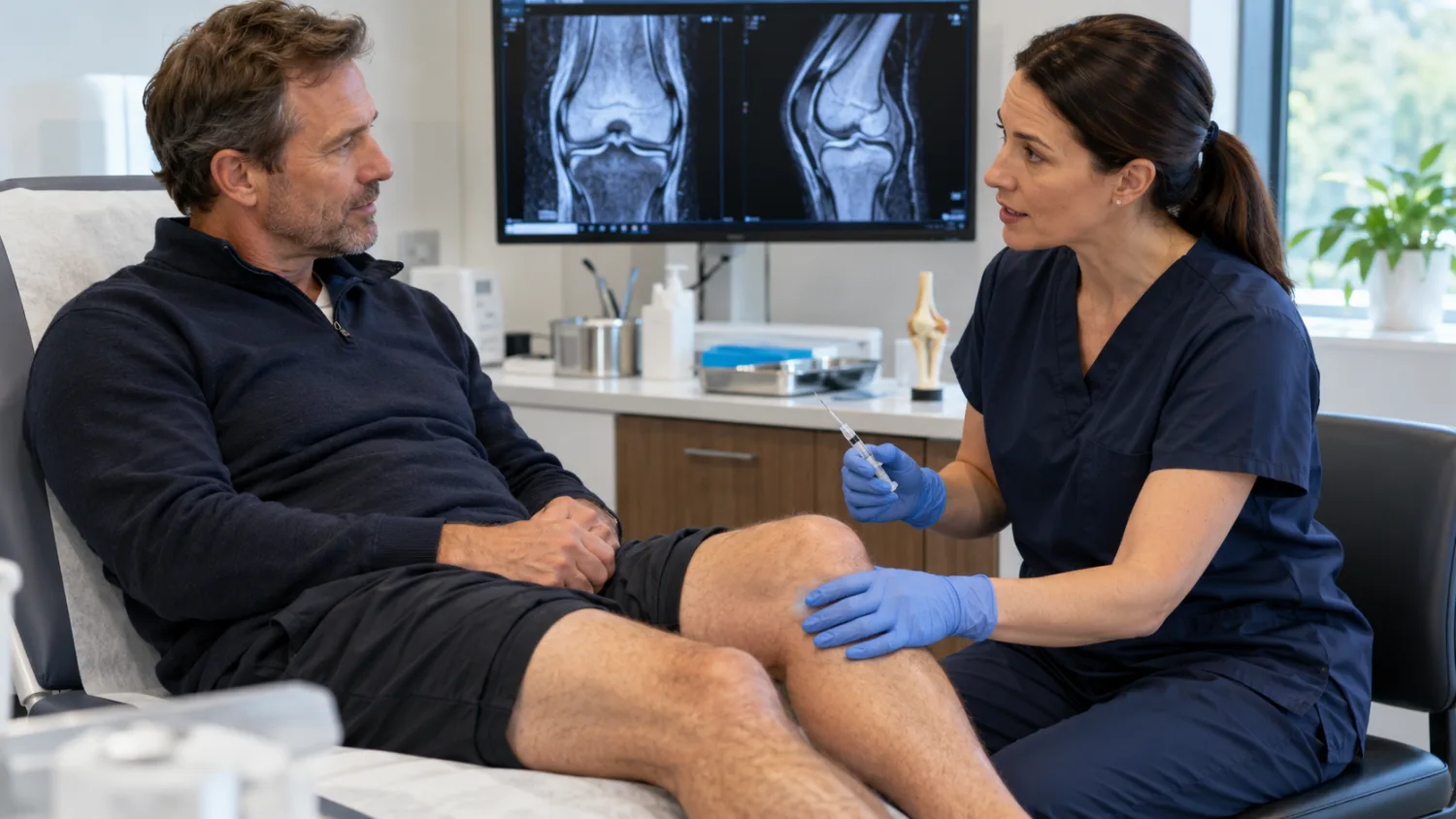
Platelet-rich plasma therapy, usually called PRP therapy, is one of the most commonly advertised regenerative treatments in the UK. You may see it offered for knee arthritis, tendon injuries, sports injuries, hair loss, skin rejuvenation, shoulder pain, tennis elbow, plantar fasciitis and other painful or slow-healing conditions.
The idea sounds simple: a clinician takes a small sample of your own blood, processes it to concentrate the platelets, then injects the platelet-rich part back into the area being treated. Platelets are involved in clotting and tissue repair, and they release growth factors that can influence healing and inflammation.
But PRP is also a treatment surrounded by confusion. Some clinics present it as a natural healing boost. Others describe it as regenerative medicine. Some marketing makes it sound almost like stem cell therapy, which it is not. The evidence is also mixed: PRP may be helpful in some musculoskeletal conditions, but it is not a guaranteed repair treatment, and it is not suitable for every person or every injury.
This UK guide explains what PRP therapy is, how it works, where the evidence is strongest or weakest, what treatment usually involves, how much PRP may cost privately, what safety questions to ask, and how to judge clinic claims before paying for treatment.
If you are new to the wider topic, you may also want to read our beginner’s guide to what regenerative medicine is and our comparison of stem cells vs exosomes.
What is PRP therapy?
PRP stands for platelet-rich plasma. Plasma is the liquid part of your blood. Platelets are tiny blood components best known for helping blood clot after an injury. They also contain signalling proteins, including growth factors, that are involved in tissue repair and inflammation control.
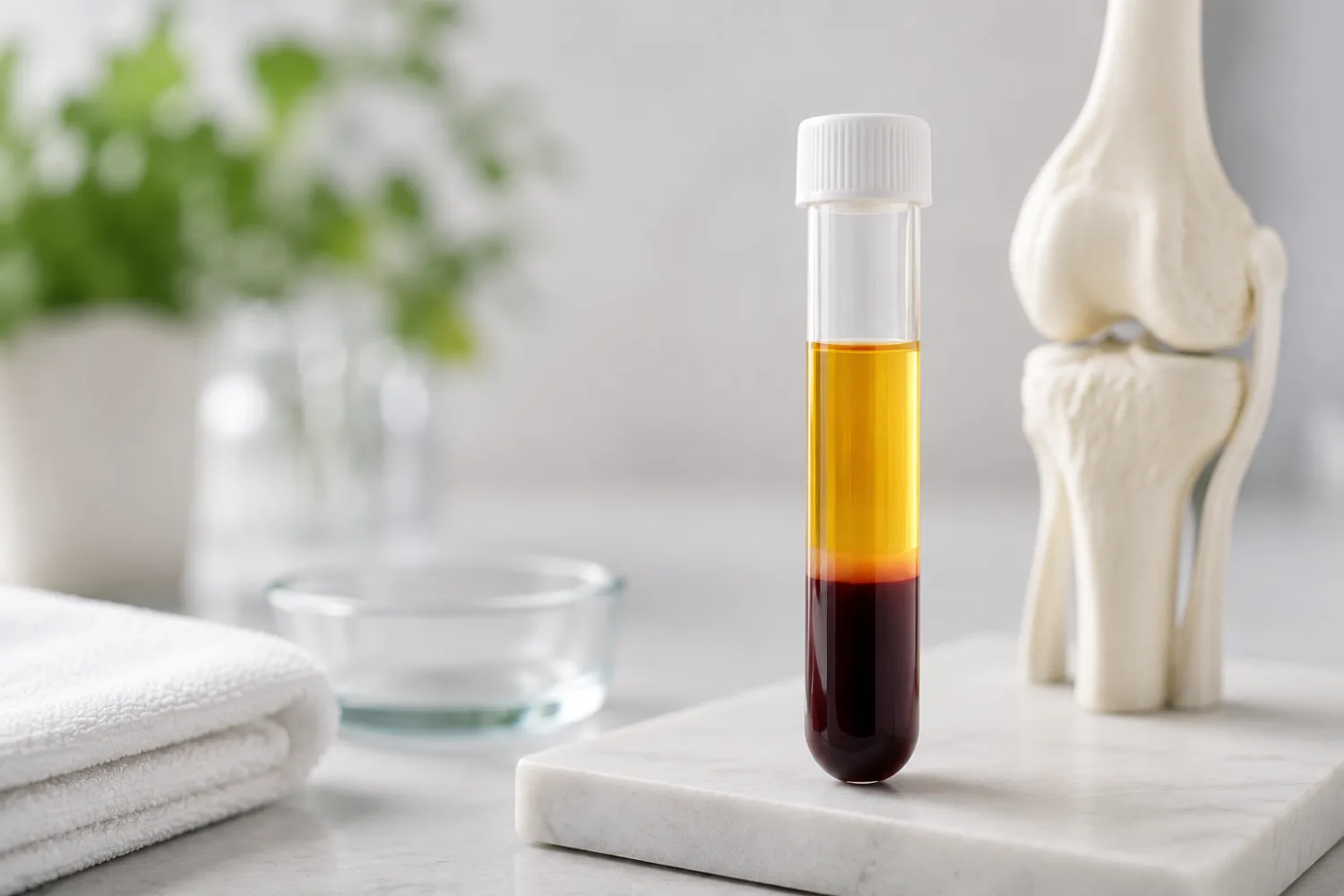
In PRP therapy, a clinician usually takes blood from a vein in your arm, places it in a centrifuge machine, spins it to separate the blood into layers, and collects the platelet-rich part. This is then injected into the area being treated, such as a painful tendon, joint, scalp or skin area.
PRP is often described as an autologous treatment, which means it uses material taken from your own body. This is one reason some people see it as a more “natural” treatment than steroid injections or surgery. However, “natural” does not automatically mean risk-free, proven, suitable or effective.
It is also important to understand what PRP is not:
- PRP is not stem cell therapy. It does not involve growing new stem cells or replacing damaged tissue with new cells.
- PRP is not exosome therapy. Exosomes are tiny cell-derived particles, while PRP is a blood-derived preparation containing platelets and plasma.
- PRP is not a cure for arthritis, tendon rupture or chronic pain. It may help symptoms in selected cases, but it does not reliably reverse structural disease.
- PRP is not a substitute for diagnosis. Pain should be properly assessed before treatment is offered.
In the UK, PRP is most often discussed in private healthcare, sports medicine, orthopaedics, aesthetic medicine and hair restoration. In NHS settings, PRP may be used in selected services, but access is limited and depends on local policies, clinical indication and specialist referral pathways.
How PRP is thought to work
PRP is based on the idea that platelets can release growth factors and signalling molecules that may support healing. These substances may influence inflammation, blood vessel formation, collagen production and tissue repair. When PRP is injected into a damaged tendon, joint or other tissue, the aim is to create a concentrated local healing signal.
The Royal National Orthopaedic Hospital explains PRP for tendon problems as a process where blood is taken from the patient, spun in a centrifuge to separate platelets, and the platelet-rich plasma is injected into the affected tendon. The aim is to supply growth factors that may start the healing process and reduce pain and swelling. You can read the RNOH patient information here: RNOH guide to platelet-rich plasma blood injection.
However, the biology is more complex than the simple phrase “healing injection” suggests. Different PRP systems produce different preparations. Some contain more white blood cells, some contain fewer. Some are more concentrated than others. Some clinics inject a single dose, while others offer a course of injections. Some use ultrasound guidance; others do not. This makes research difficult to compare and is one reason the evidence can appear inconsistent.
For patients, the key point is this: PRP is a biological treatment with a plausible healing mechanism, but that does not mean it works equally well for every condition. A good clinic should be clear about the uncertainty, not just the theory.
What conditions is PRP used for in the UK?
PRP is used across several areas of private healthcare in the UK. The most common patient searches are related to joint pain, tendon injuries, sports injuries, hair loss and skin treatments.
In musculoskeletal medicine, PRP may be offered for:
- knee osteoarthritis
- early joint wear and tear
- tennis elbow or golfer’s elbow
- Achilles tendinopathy
- patellar tendinopathy
- plantar fasciitis
- rotator cuff-related shoulder pain
- hip tendon pain
- some ligament or soft tissue injuries
- sports-related overuse injuries
For wider background, see our guides to regenerative medicine for orthopaedic conditions, sports injuries, knee pain and arthritis.
PRP is also marketed for aesthetic and hair-related uses, including:
- male and female pattern hair loss
- skin rejuvenation
- scarring
- under-eye or facial treatments
This guide focuses mainly on PRP as a medical and musculoskeletal treatment, because that is where many patients are comparing PRP with physiotherapy, steroid injections, hyaluronic acid injections, surgery or private sports medicine care. Cosmetic PRP is a separate area with its own standards, risks and marketing issues.
What does the evidence say about PRP?
The evidence for PRP is best described as promising in selected situations, mixed overall, and not strong enough to justify exaggerated claims.
This matters because PRP marketing often sounds more certain than the research. Some patients are told PRP “regenerates cartilage”, “repairs tendons”, “avoids surgery” or “reverses arthritis”. These claims may go beyond what the evidence can support.
For knee osteoarthritis, NICE has published guidance on platelet-rich plasma injections for knee osteoarthritis. NICE describes the procedure as taking plasma from a small amount of the person’s own blood and injecting it into the knee. NICE guidance is useful because it gives patients a UK-specific evidence and governance reference point.
For tendon conditions, the picture is not simple. The British Orthopaedic Association has discussed orthobiologics in tendinopathy and notes that clinical study results have been varied. One major problem is that studies differ in patient selection, PRP preparation, injection technique and outcome measures. You can read the BOA publication here: BOA orthobiologics and tendinopathy commentary.
In plain English, the evidence suggests:
- PRP may help some patients with certain tendon problems, especially when combined with a proper rehabilitation programme.
- PRP may provide symptom improvement for some people with knee osteoarthritis, but it should not be sold as a cartilage-regrowing cure.
- Results vary between conditions. Evidence for tennis elbow is not the same as evidence for Achilles tendinopathy or rotator cuff pain.
- Technique matters. Ultrasound guidance, diagnosis, injection location and rehabilitation may affect outcomes.
- Patient selection matters. PRP is less likely to be helpful if the underlying problem is severe arthritis, a complete tendon rupture, uncontrolled inflammation, infection or pain from another source.
PRP is not usually a first step. For most painful joint and tendon problems, assessment, activity modification, physiotherapy, strengthening, weight management where relevant, pain relief, and sometimes imaging are considered before injections. In some cases, surgery may be more appropriate than repeated injections.
PRP for knee arthritis, tendons and sports injuries
The most common medical reason people search for PRP in the UK is pain in a joint or tendon. These problems can be frustrating because they often last for months, limit activity and do not always improve quickly with rest.
For knee osteoarthritis, PRP is usually offered to people with mild to moderate arthritis who want to reduce pain and improve function. It is less likely to help advanced bone-on-bone arthritis, major deformity or severe mobility limitation. Patients considering PRP for knee pain should first understand their diagnosis: is the pain coming from osteoarthritis, meniscus damage, inflammatory arthritis, referred hip pain, or another cause?
If you are comparing PRP with other options, our guides to knee replacement surgery in the UK and arthritis symptoms and treatment may help put PRP into context.
For tendon problems, PRP is usually considered after a period of persistent symptoms. Tendons heal slowly because they have a different blood supply and tissue structure compared with muscle. Chronic tendinopathy is not simply “inflammation”; it often involves changes in tendon structure, load tolerance and pain sensitivity. This is why rehabilitation is so important.
PRP may be discussed for tennis elbow, golfer’s elbow, patellar tendinopathy, gluteal tendinopathy, plantar fasciitis or other soft tissue problems. But it should not be presented as a shortcut that replaces strengthening, load management and physiotherapy. The best outcomes are usually sought by combining treatment with a clear rehab plan.
For sports injuries, PRP may appeal to athletes and active people who want to return to training faster. This is understandable, but speed should not be the only goal. A rushed return after injection may increase the risk of recurrence, especially if the original training load, strength deficit or movement problem has not been addressed.
PRP may have a place in selected sports medicine cases, but it should sit within a proper plan: diagnosis, imaging if needed, treatment options, rehabilitation milestones, return-to-sport testing and follow-up.
PRP compared with steroid injections, hyaluronic acid and stem cell treatments
Patients are often confused because PRP is offered alongside other injections. The right comparison depends on the condition being treated.
Steroid injections are anti-inflammatory injections. They may reduce pain and inflammation quickly, especially in certain joints or inflamed soft tissues. However, they are not designed to regenerate tissue, and repeated steroid injections may not be suitable in all situations. For some tendon problems, steroid injections may provide short-term relief but are not always the best long-term option.
Hyaluronic acid injections are sometimes offered for knee osteoarthritis. They aim to improve joint lubrication and symptoms. Like PRP, they are commonly used privately, and their value depends on patient selection, severity of arthritis and expectations.
PRP injections aim to use the patient’s own platelet-derived growth factors to influence healing and pain. PRP is generally not a quick numbing injection. Some people feel more sore for a few days after treatment before symptoms gradually improve over weeks or months.
Stem cell treatments are different from PRP. Stem cell procedures may involve bone marrow-derived or fat-derived cells and are more complex from a regulatory and biological point of view. Patients should be especially cautious about broad claims that stem cells can cure arthritis, neurological disease, autoimmune disease or chronic pain. For background, read our guide to stem cells vs exosomes.
The main practical difference is this: PRP is generally a lower-complexity autologous blood-derived injection, while stem cell and exosome treatments raise wider questions about processing, regulation, evidence, product quality and claims.
What happens during a PRP appointment?
A good PRP pathway should start before the injection. The clinic should first assess whether PRP is appropriate for your symptoms, diagnosis and treatment goals.
A typical PRP process may include:
- Consultation: your symptoms, medical history, previous treatments, medications and goals are reviewed.
- Examination: the clinician checks the painful area, movement, strength and signs of other conditions.
- Imaging if needed: ultrasound, X-ray or MRI may be used to confirm the diagnosis or guide treatment.
- Blood sample: a small amount of blood is taken from your arm.
- Centrifuge processing: the blood is spun to separate the platelet-rich plasma.
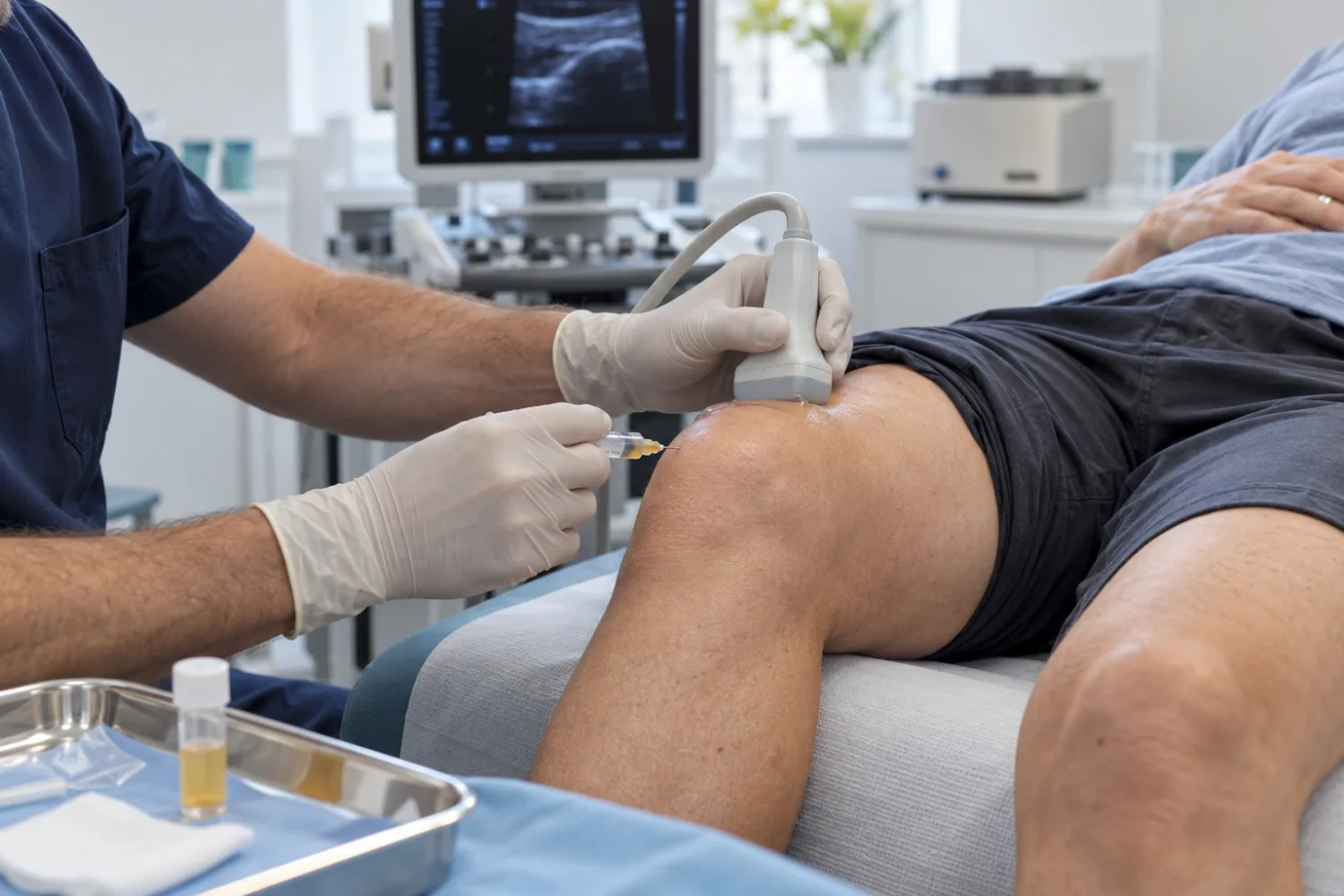
- Injection: PRP is injected into the target area, often using ultrasound guidance for tendons or certain joints.
- Aftercare: you are given advice about rest, pain relief, activity, physiotherapy and follow-up.
The procedure itself may take around 30 to 60 minutes, depending on the clinic, the area treated and whether imaging guidance is used. The injection can be uncomfortable. Some people feel pressure, aching or a flare-up of pain afterwards.
Many clinics advise avoiding anti-inflammatory medicines such as ibuprofen or naproxen before and after PRP, because these medicines may interfere with the inflammatory healing response that PRP is trying to influence. However, you should not stop prescribed medicines, especially blood thinners, without medical advice.
After PRP for a tendon or joint, you may be told to avoid strenuous activity for a short period, then restart movement and physiotherapy gradually. Your own aftercare plan should come from the clinician treating you.
How long does PRP take to work?
PRP is not usually an instant pain-relief treatment. Some people are sore for several days after the injection. Improvement, if it happens, is usually gradual.
For tendon or joint problems, patients may notice changes over several weeks, with some clinics reviewing progress at 6 to 12 weeks. In some cases, a course of injections may be recommended, but there is no single universal PRP schedule that applies to every condition.
Results depend on several factors:
- the condition being treated
- how long symptoms have been present
- severity of tissue damage or arthritis
- whether the diagnosis is correct
- the type of PRP preparation used
- whether ultrasound guidance is used where appropriate
- the quality of rehabilitation after treatment
- general health, smoking status, diabetes control and activity levels
It is sensible to ask the clinic what outcome they are aiming for. Is the goal pain reduction, improved function, return to sport, delaying surgery, improving tendon tolerance, or something else? Vague promises such as “regeneration” are less useful than measurable goals such as walking further, climbing stairs more comfortably, returning to running gradually, or reducing pain during specific activities.
How much does PRP therapy cost in the UK?
PRP is usually paid for privately in the UK. Prices vary widely by clinic, location, clinician seniority, body area, whether imaging guidance is used, and whether the fee includes consultation, scans, follow-up and physiotherapy advice.
As a broad private healthcare guide, UK PRP treatment may cost anywhere from a few hundred pounds per session to over £1,000 for more complex or bundled packages. Some clinics charge separately for the initial consultation, ultrasound scan, injection, follow-up and rehabilitation plan. Others sell a course of two or three injections.
Before comparing prices, check what is actually included:
- Is the initial consultation included?
- Is ultrasound or imaging guidance included?
- Is the PRP preparation system clearly explained?
- Is one injection included or a course of injections?
- Are follow-up appointments included?
- Will you receive a written rehabilitation plan?
- Who performs the procedure?
- What happens if symptoms do not improve?
The cheapest PRP option is not always the best value. A lower-cost injection without a proper diagnosis, imaging where needed, or rehabilitation plan may be poor value if it does not address the real cause of pain.
For wider private healthcare cost context, see our guide to private GP services and costs, NHS vs private healthcare and private health check costs in the UK.
Is PRP safe?
Because PRP uses your own blood, the risk of allergic reaction to the injected material is generally considered low. However, PRP is still an injection procedure, and injections carry risks.
Possible risks and side effects include:
- pain during or after the injection
- temporary swelling or stiffness
- bruising or bleeding
- infection
- nerve or tissue irritation
- flare-up of symptoms
- no improvement
- delayed return to activity if aftercare is poor
Risk depends partly on the treatment area. Injecting around a tendon is different from injecting into a joint, scalp or face. The clinician’s training, sterile technique, equipment, diagnosis and aftercare all matter.
You should tell the clinic if you:
- take blood thinners such as warfarin, apixaban, rivaroxaban, clopidogrel or aspirin
- take regular anti-inflammatory medicines
- have a bleeding disorder
- have active infection or feel unwell
- have cancer or are under investigation for cancer
- have poorly controlled diabetes
- are pregnant or breastfeeding
- have immune system problems
- have allergies to local anaesthetic or dressings
In England, some private clinics and independent healthcare providers may need to be registered with the Care Quality Commission depending on the regulated activities they provide. The CQC explains that providers must register for regulated activities unless an exception applies. You can read more in the CQC scope of registration guidance.
Patients should not assume that every clinic advertising PRP is regulated in the same way. Ask who regulates or oversees the service, who performs the procedure, what professional registration they hold, and what emergency procedures are in place.
Who may not be suitable for PRP?
PRP is not suitable for everyone. A responsible clinic should be willing to say no, delay treatment, or refer you for further assessment if PRP is unlikely to help.
PRP may be unsuitable or need extra caution if:
- you do not have a clear diagnosis
- you have severe arthritis where joint replacement is more appropriate
- you have a complete tendon rupture that needs surgical assessment
- you have infection in or near the treatment area
- you are taking anticoagulant medicines and have not had medical advice
- you have a blood disorder or very low platelet count
- you have active cancer or complex immune problems
- you expect guaranteed tissue regrowth or cure
- you cannot follow the rehabilitation plan afterwards
PRP should also be approached carefully if the clinic has not examined you, has not reviewed imaging where needed, or offers treatment based only on a short online form. A painful knee, shoulder, elbow or foot may have several possible causes. Treating the wrong problem wastes money and may delay more appropriate care.
If you have red-flag symptoms such as severe unexplained pain, fever, sudden swelling, loss of power, new numbness, unexplained weight loss, night pain that is worsening, or symptoms after major trauma, seek medical advice rather than booking PRP as a first step.
How to choose a PRP clinic in the UK
Choosing a PRP clinic should not be based only on price, celebrity endorsements, before-and-after photos or bold claims. The best clinics tend to be careful, specific and realistic. They explain where PRP may help, where evidence is limited, and what alternatives exist.
Before booking, look for:
- Relevant clinical expertise. For joint and tendon problems, this may include a sports medicine doctor, orthopaedic consultant, musculoskeletal radiologist, physiotherapist with appropriate injection training, or another properly qualified clinician.
- Proper diagnosis. The clinic should assess your symptoms and consider whether imaging is needed.
- Clear explanation of evidence. They should not claim PRP works for almost everything.
- Transparent pricing. You should know what is included and what costs extra.
- Informed consent. Risks, alternatives and uncertainty should be explained before payment and treatment.
- Sterile procedure standards. PRP is an injection, not a casual wellness treatment.
- Rehabilitation planning. For tendon and sports injuries, the injection should be part of a wider recovery plan.
- Follow-up. You should know when progress will be reviewed and what happens if treatment does not work.
Be cautious if a clinic says PRP will definitely regrow cartilage, cure arthritis, repair any tendon, avoid surgery in all cases, or work without diagnosis or rehabilitation. Be especially cautious if the clinic pressures you into paying for a large package on the same day as your first enquiry.
If you are comparing private services generally, our guides to NHS vs private healthcare in the UK and how to check if an overseas clinic is legitimate may also be useful.
Questions to ask before paying for PRP
Before booking PRP therapy, ask direct questions. A reputable clinic should answer them clearly.
- What exact diagnosis are you treating?
- Why do you think PRP is suitable for my case?
- What evidence supports PRP for this condition?
- What are the alternatives, including physiotherapy, medication, steroid injection, hyaluronic acid injection or surgery?
- What result is realistic for someone with my condition?
- How many injections are recommended and why?
- What type of PRP system do you use?
- Will the injection be ultrasound-guided?
- Who performs the procedure and what are their qualifications?
- Is the clinic CQC-registered if required for the services it provides?
- What are the risks and side effects?
- What medicines should I avoid before and after treatment?
- What should I do if pain gets worse afterwards?
- What rehabilitation plan will I follow?
- What happens if PRP does not help?
A good answer is specific to your condition. “It stimulates healing” is not enough. You want to know why PRP is being recommended for your actual diagnosis, not just why PRP sounds attractive in theory.
For clinics and healthcare providers: if you offer evidence-led PRP, sports injury care, orthopaedic treatments or regenerative medicine services in the UK, All Health and Care helps patients discover and compare private healthcare providers. Contact us to discuss clinic listings, featured placement or inclusion in relevant patient guides.
PRP therapy FAQs
Is PRP therapy available on the NHS?
PRP is not widely available as a routine NHS treatment. Some NHS specialist services may use PRP in selected circumstances, but access depends on the condition, local policy, referral pathway and clinical judgement. Many UK patients access PRP privately.
Is PRP the same as stem cell therapy?
No. PRP uses platelet-rich plasma prepared from your own blood. Stem cell therapy involves cells with different biological properties and raises different evidence, processing and regulatory questions. PRP should not be advertised as stem cell treatment.
Can PRP regrow cartilage?
PRP should not be viewed as a guaranteed cartilage-regrowing treatment. Some people with knee osteoarthritis may experience symptom improvement, but PRP does not reliably reverse advanced arthritis or rebuild a severely worn joint.
How painful is a PRP injection?
Discomfort varies by body area and technique. You may feel a needle prick, pressure, aching or soreness. Some people have a temporary flare-up for a few days after treatment. Local anaesthetic may be used, depending on the procedure and clinician preference.
How many PRP injections will I need?
There is no universal answer. Some clinics offer one injection; others recommend a course of two or three. The number should depend on your diagnosis, evidence for that condition, severity, response to treatment and clinical plan. Be cautious if a package is sold before proper assessment.
How long does PRP last?
If PRP helps, benefits may last months or longer, but this varies. Results depend on the condition, severity, rehabilitation, lifestyle factors and whether the underlying cause is still present. PRP is not a permanent cure for arthritis or recurring tendon overload.
Can I drive after PRP?
You should ask your treating clinic. If local anaesthetic is used, or if the injection affects your leg, foot, shoulder or ability to control a vehicle safely, you may be advised not to drive afterwards. Arrange transport if the clinic recommends it.
Can I take ibuprofen after PRP?
Many clinics advise avoiding non-steroidal anti-inflammatory drugs such as ibuprofen or naproxen before and after PRP, because they may interfere with the intended healing response. However, do not stop prescribed medicines without medical advice. Paracetamol may be allowed, but follow your clinician’s instructions.
Is PRP safe for knee osteoarthritis?
PRP is generally considered low risk when performed properly using sterile technique and appropriate patient selection, but it is still an injection and can cause pain, swelling, bleeding, infection or no improvement. Safety also depends on diagnosis, clinician skill and aftercare.
Does PRP work for tennis elbow?
Some studies suggest PRP may help selected cases of tennis elbow, but evidence is not completely consistent. It should usually be considered alongside activity modification, strengthening and rehabilitation rather than as a standalone cure.
Does PRP work for Achilles tendon problems?
Evidence for Achilles tendinopathy is mixed, and PRP has not consistently shown clear benefit in all reviews. A careful diagnosis and rehabilitation programme are especially important for Achilles problems.
Is PRP worth the money?
PRP may be worth considering if you have a suitable diagnosis, realistic expectations, a properly qualified clinician, transparent pricing and a rehabilitation plan. It is less likely to be good value if you are paying for a vague “regeneration” promise without clear diagnosis or follow-up.
What is the biggest red flag with PRP clinics?
The biggest red flag is guaranteed language: “regrows cartilage”, “repairs any tendon”, “avoids surgery”, “no risks” or “works for everyone”. A trustworthy clinic should explain uncertainty, alternatives and reasons PRP may not be suitable.
Should I try physiotherapy before PRP?
For many tendon, joint and sports injury problems, physiotherapy and load management are important first-line treatments. PRP may be considered later in selected cases, but it should not replace a proper rehabilitation plan.
When should I seek urgent medical advice instead of booking PRP?
Seek urgent advice if you have severe sudden pain, major injury, fever, a hot swollen joint, spreading redness, new weakness, numbness, loss of bladder or bowel control, chest pain, shortness of breath, or unexplained symptoms that are getting worse. PRP is not an emergency treatment.