Private health checks in the UK can cost anything from under £100 for a simple blood test package to more than £1,000 for a detailed health assessment with a doctor, ECG, lifestyle review and advanced screening add-ons. The price depends on what is included, where the check is done, whether you see a doctor, and whether the package includes scans, cancer screening, hormone testing or follow-up support.
For some people, a private health check is a useful way to get a clearer picture of their health, especially if they want faster access, a wider set of tests, or a structured review of risk factors such as blood pressure, cholesterol, diabetes risk, liver function, kidney function, weight, fitness and family history. For others, a private package can be expensive and may include tests that are not necessary, difficult to interpret, or likely to create anxiety without changing what they should do next.
This guide explains how much private health checks cost in the UK, what is usually included at different price levels, how they compare with the free NHS Health Check, what to watch out for, and how to decide whether a private health assessment is worth paying for.
Quick answer: A basic private health check in the UK may cost around £100–£300. A mid-range clinic assessment often costs around £300–£600. More detailed packages with doctor time, ECG, extended blood tests and advanced screening can cost £600–£1,200 or more. Some add-ons, such as CT scans, mammograms, advanced heart checks or colon screening, can significantly increase the total cost.
What is a private health check?
A private health check is a planned assessment designed to look at your current health, risk factors and early warning signs of common conditions. It is sometimes called a private health assessment, health MOT, executive health check, full body health check, wellness screen or preventative health check.
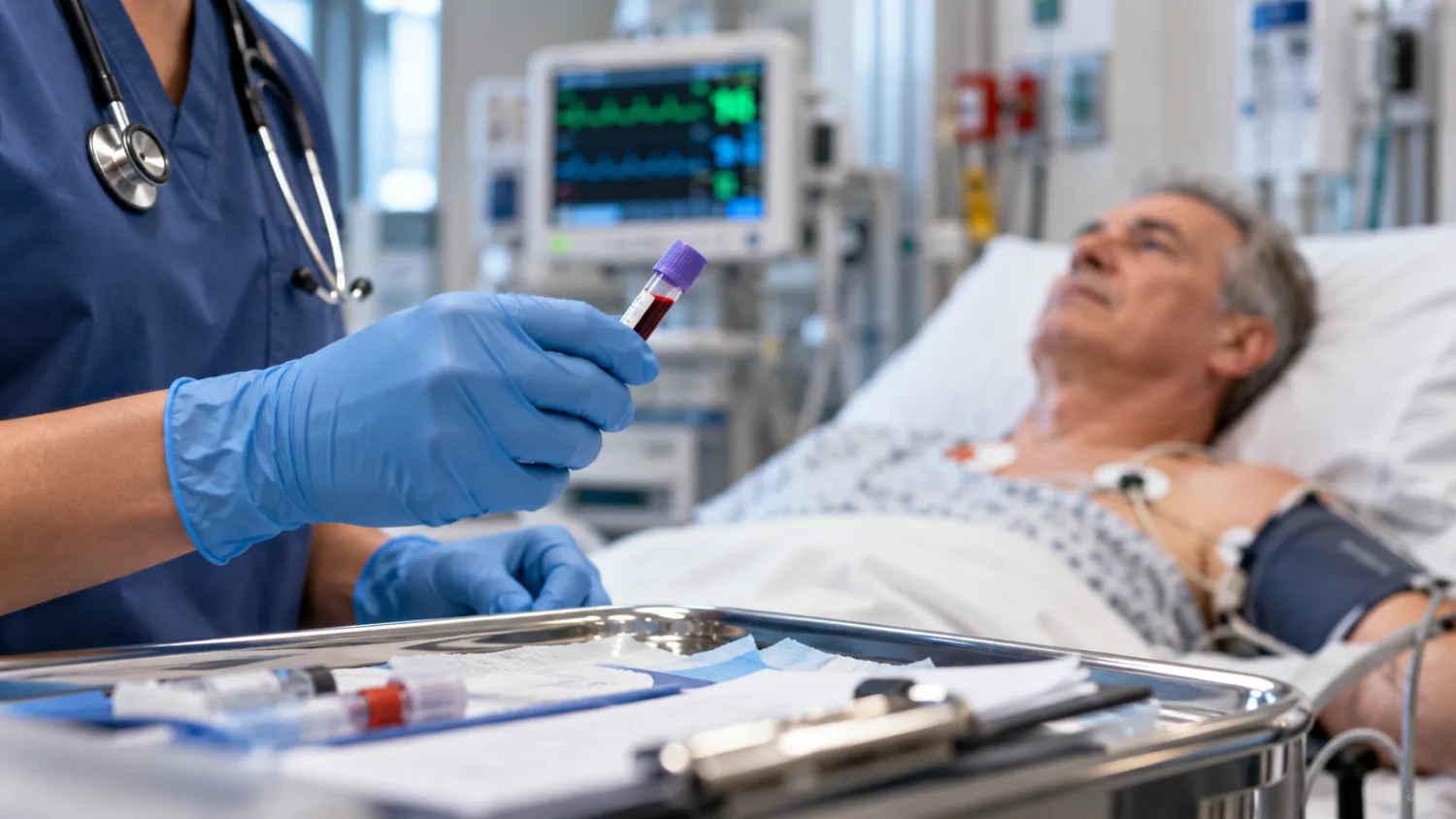
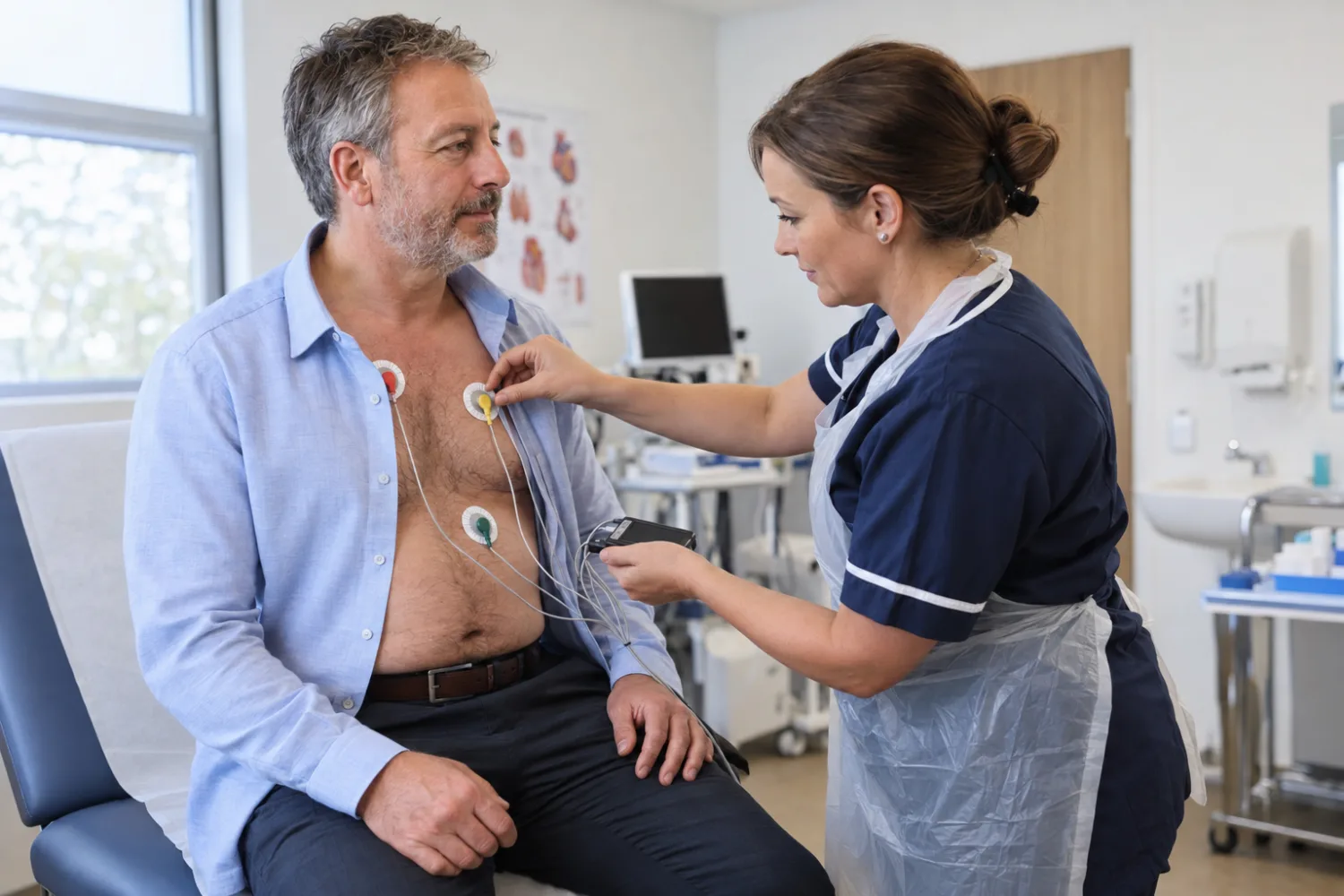
Packages vary widely. Some are mainly blood test panels with a short report. Others include a face-to-face appointment, physical measurements, lifestyle review, ECG, urine test, doctor consultation, fitness assessment and personalised recommendations.
A private health check may look at areas such as:
- blood pressure
- heart and cardiovascular risk
- cholesterol levels
- blood sugar and diabetes risk
- kidney function
- liver function
- thyroid function
- full blood count
- iron, ferritin, B12, folate or vitamin D
- body mass index and waist measurement
- body composition
- urine results
- ECG or heart rhythm
- lung function
- lifestyle factors such as smoking, alcohol, stress, sleep and exercise
More expensive packages may also include hormone testing, cancer marker blood tests, mammograms, CT scans, ultrasound scans, colon checks, advanced heart checks or genetic testing. These extras are not automatically better for everyone, so it is important to understand what the test is for and what would happen if the result is abnormal.
How much does a private health check cost in the UK?
There is no single price for a private health check because providers structure packages differently. One provider’s “essential” package may be similar to another provider’s “advanced” package, while some packages include doctor time and others only provide a digital report.
As a broad UK guide:
- Simple blood test or basic health screen: around £50–£200
- Basic clinic health check: around £150–£300
- Mid-range health assessment: around £300–£600
- Comprehensive health assessment: around £600–£1,000
- Advanced or executive health check: around £1,000–£1,500+
- Specialist add-ons: from around £100 to over £1,000 depending on the test
For example, some UK providers publish assessment prices in the hundreds of pounds for shorter assessments and over £1,000 for more comprehensive assessments. Nuffield Health lists packages including Lifestyle, Female, 360 and 360+ health assessments at different prices, with the published comparison showing prices from £399 to £1,129. Bupa lists advanced assessments such as Be.Ahead at £1,199 and Mature Health at £1,009, with optional add-ons available. Prices can change, so always check the provider’s current page before booking.
Why do private health check prices vary so much?
Price differences usually come down to what is included. A cheap package may be a basic blood test panel with no face-to-face doctor appointment. A more expensive package may include a longer appointment, clinical examination, ECG, multiple blood tests, urine testing, lifestyle coaching, a written report and follow-up support.
The price may be affected by:
- the number of blood markers included
- whether samples are taken at home or in a clinic
- whether a GP or doctor reviews the results
- whether you get a face-to-face consultation
- whether an ECG is included
- whether scans are included
- whether cancer screening tests are included
- whether hormone tests are included
- whether the provider includes follow-up calls
- clinic location
- brand reputation and facilities
- how quickly results are returned
The most important question is not “How many tests are included?” but “Are these the right tests for me, and will someone help me understand what the results mean?”
Private health check vs NHS Health Check
The free NHS Health Check is available in England for eligible adults aged 40 to 74 who do not already have certain pre-existing conditions. It is designed to assess risk of heart disease, stroke, diabetes and kidney disease. It is usually offered every 5 years through a GP surgery, local council service or sometimes a pharmacy.
An NHS Health Check usually includes:
- height and weight measurement
- waist measurement
- blood pressure test
- cholesterol test
- possibly a blood sugar test
- questions about smoking, alcohol, activity and family history
- a cardiovascular risk score
- advice on reducing future risk
A private health check may be broader, faster or more detailed, but it is not automatically better. The NHS Health Check is evidence-based and targeted at major preventable conditions. A private assessment may add useful tests, but it may also include markers that are less relevant to your personal risk.
If you are aged 40 to 74 and eligible, it is sensible to check whether you can access your free NHS Health Check. You can still choose a private assessment if you want more detail, faster access or a broader review.
You may also find our guide to NHS vs Private Healthcare in the UK useful if you are deciding when private care makes sense.
What does a basic private health check usually include?
A basic private health check is usually focused on common risk factors and simple measurements. It may be suitable if you want a general baseline but do not need a long consultation or advanced tests.
A basic package may include:
- blood pressure
- height, weight and BMI
- cholesterol test
- blood sugar or HbA1c
- liver function tests
- kidney function tests
- full blood count
- lifestyle questionnaire
- brief written report
Some basic checks are done as blood test kits, while others are done in a clinic. The cheapest options may not include a doctor appointment. If you already have symptoms, abnormal previous results or a complex medical history, a basic package may not be enough.
For related background, see our guides to Full Blood Count Results Explained, Cholesterol Blood Test Results Explained, HbA1c and Blood Sugar Results Explained, Liver Function Test Results Explained and Kidney Blood Test Results Explained.
What does a mid-range private health assessment include?
A mid-range private health assessment usually costs more because it includes a wider set of tests and often some clinician time. It may be aimed at people over 40, people with family history risk, people with lifestyle concerns, or people who want a more structured review than a simple blood test panel.
A mid-range package may include:
- extended blood tests
- blood pressure and cardiovascular risk assessment
- cholesterol breakdown
- HbA1c or diabetes risk
- kidney, liver and thyroid function
- full blood count
- iron, ferritin, B12 or vitamin D
- urine test
- ECG
- body composition
- lung function or spirometry in some packages
- lifestyle review
- doctor or health adviser consultation
This level may be a reasonable balance for many people who want more than a basic screen but do not need advanced scans or expensive add-ons.
If your check includes an ECG or lung function test, see ECG Results Explained and Spirometry Results Explained.
What does a comprehensive or executive health check include?
Comprehensive or executive health checks are usually the most expensive. They may last 2 to 4 hours and include more time with a doctor or health adviser. They may be marketed to busy professionals, people over 45 or 50, people with family history risk, or those who want a detailed prevention-focused review.
A comprehensive package may include:
- longer doctor consultation
- physical examination
- extended blood testing
- urine testing
- ECG
- fitness or body composition testing
- cardiovascular risk review
- mental wellbeing questionnaire
- nutrition and lifestyle advice
- risk scoring
- written report
- follow-up call or ongoing support
Some providers offer add-ons such as mammogram, colon check, coronary check, advanced imaging, genetic testing or cancer marker panels. These can make the total cost much higher. Before adding tests, ask what the test can and cannot detect, whether it is recommended for your age and risk, and what the next step would be if it is abnormal.
Are private “full body health checks” worth it?
The phrase “full body health check” sounds reassuring, but it can be misleading. No single package can check everything. A health check can reduce uncertainty in some areas, but it cannot guarantee that you do not have cancer, heart disease or another condition.
A private health check may be worth considering if:
- you want a baseline overview of your health
- you have not had basic measurements checked for years
- you have a family history of heart disease, diabetes or high cholesterol
- you want faster access than waiting for routine appointments
- you want a structured lifestyle and risk review
- you have had abnormal private blood test results and need interpretation
- you are prepared to follow up abnormal results properly
It may be less useful if:
- you already have symptoms that need a targeted medical assessment
- you are choosing tests mainly because of anxiety
- the package includes many markers you do not understand
- there is no doctor or clinician review
- you would not follow up abnormal results
- you are expecting it to rule out every serious disease
If you already have symptoms such as chest pain, unexplained weight loss, shortness of breath, blood in stool, fainting, persistent abdominal pain or new neurological symptoms, do not rely on a routine health check. Those symptoms need targeted medical advice.
Useful related guides include Chest Pain: When to Worry, Shortness of Breath: Common Causes and When to Call 999, Unexplained Weight Loss and Blood in Stool.
Private blood test package vs private health assessment
A private blood test package is not the same as a full health assessment. Blood tests can be useful, but they are only one part of the picture.
A blood test package may give you numbers for cholesterol, liver function, kidney function, blood count, thyroid function, vitamins or hormones. But without your history, symptoms, medicines, family history, blood pressure, examination and context, results can be easy to misread.
A proper health assessment may be more useful if it includes:
- a clinician asking why you want the check
- discussion of symptoms and family history
- blood pressure and physical measurements
- relevant tests rather than random panels
- clear explanation of results
- advice on next steps
- referral route if something is concerning
If you are mainly interested in test results, see How to Understand Blood Test Results and What to Do After Abnormal Private Blood Test Results.
What private health check tests are most useful?
The most useful tests are usually the ones that are linked to common, important and actionable health risks. In other words, the result should tell you something meaningful and lead to a sensible next step.
Often useful checks include:
- Blood pressure: high blood pressure often has no symptoms but raises risk of stroke, heart disease and kidney disease.
- Cholesterol: helps estimate cardiovascular risk and whether lifestyle changes or medication may be needed.
- HbA1c: helps detect diabetes or prediabetes risk.
- Kidney function: especially useful if you have high blood pressure, diabetes, kidney risk or take certain medicines.
- Liver function: can be useful with alcohol risk, obesity, medicines or liver concerns.
- Full blood count: may show anaemia, infection patterns or platelet abnormalities.
- Thyroid function: useful if you have fatigue, weight change, palpitations, cold intolerance or menstrual changes.
- Iron, ferritin, B12 and folate: useful with fatigue, anaemia, vegan diet, heavy periods or neurological symptoms.
For cardiovascular prevention, blood pressure, cholesterol, blood sugar, smoking, weight, family history and age often matter more than obscure markers. See Cardiovascular Risk: The Complete Guide to Heart Attack and Stroke Prevention, High Blood Pressure: Symptoms, Causes and Treatment and Home Blood Pressure Monitoring.
Tests to think carefully about before paying for
Some private tests can be helpful in the right person but confusing or low-value in the wrong context. More testing is not always better.
Be cautious with:
- Large “everything” blood panels: these can produce mildly abnormal results that may not mean disease.
- Cancer marker blood tests: many are not suitable as general screening tests for healthy people.
- Hormone panels: useful in some situations, but timing, symptoms and interpretation matter.
- Vitamin panels: helpful for some risks, but not everyone needs repeated checks.
- Genetic risk tests: can be interesting, but may not change immediate care for many people.
- Whole-body scans: can find incidental findings that lead to further tests, anxiety and cost.
Before paying for any add-on, ask: “What question does this test answer?” and “What would we do differently if the result is abnormal?”
Private health check add-ons: common examples
Add-ons can make a private health assessment more targeted, but they can also push the price much higher.
Common add-ons include:
- mammogram
- prostate blood test or PSA
- bowel or colon screening
- coronary heart check
- CT scan
- MRI scan
- ultrasound scan
- bone density scan
- advanced hormone testing
- genetic testing
- fitness testing
- skin check
Some add-ons are more appropriate for certain ages, symptoms or family histories. For example, a PSA test may be discussed differently for a 35-year-old with no symptoms than for a man over 50 with urinary symptoms or family history. See PSA Blood Test Results Explained.
If imaging is suggested, you may find Ultrasound vs CT vs MRI, MRI Scan: What It Shows, CT Scan: What It Shows and Abdominal Ultrasound: What It Shows useful.
Can private health checks detect cancer?
Some private health checks include cancer-related questions, blood tests, imaging or screening add-ons. However, it is important to be realistic. A private health check cannot rule out all cancers, and many cancer marker blood tests are not reliable as general screening tools in people without symptoms.
Some cancer screening tests are evidence-based for certain age groups and risk groups, such as NHS bowel screening, breast screening and cervical screening. Private screening may be useful in selected situations, but it should be chosen carefully.
Ask the provider:
- Is this test recommended for someone my age and risk?
- What false positives can happen?
- What false negatives can happen?
- What happens if the result is abnormal?
- Will I need NHS or private follow-up?
- Is this better than using the NHS screening programme?
If you have symptoms such as unexplained weight loss, blood in stool, a new breast lump, persistent difficulty swallowing, coughing blood, new testicular lump, postmenopausal bleeding or a mole changing shape, do not rely on a private health check. Seek targeted medical advice.
What happens after abnormal private health check results?
This is one of the most important parts of the process. A health check is only useful if abnormal results are explained clearly and followed up safely.
After abnormal results, possible next steps may include:
- repeat testing to confirm the result
- lifestyle changes
- home blood pressure monitoring
- GP appointment
- private GP review
- referral to a specialist
- medication discussion
- imaging or further tests
- urgent referral if symptoms or results are concerning
If a private provider tells you to “speak to your GP”, ask for a clear written report explaining the result, why it matters, and how urgent follow-up is. This makes it easier for an NHS or private clinician to act appropriately.
Read more in What to Do After Abnormal Private Blood Test Results.
Will the NHS follow up private health check results?
The NHS may review private test results if they are clinically relevant, but private testing does not automatically create an NHS referral pathway. Your GP may need to assess whether the result needs repeating, whether it fits your symptoms, and whether NHS referral criteria are met.
To make follow-up easier, ask the private provider for:
- a full written report
- units and reference ranges
- date and time of sample
- whether you were fasting
- lab accreditation details if available
- clear explanation of abnormal results
- recommended next steps
- urgency level
If symptoms are urgent, do not wait for routine GP review. Use NHS 111, urgent care or 999 depending on severity.
Private GP review after a health check
Some people choose a private GP appointment after a health check, especially if they want faster interpretation, a second opinion, or help deciding what to do next. This can be useful if the health check provider gives results but little explanation.
A private GP may help with:
- explaining abnormal blood results
- checking symptoms and risk factors
- repeating tests if needed
- prescribing medication if appropriate
- arranging scans or referrals
- writing to your NHS GP
- helping you avoid unnecessary further tests
For more detail, see Private GP Services in the UK: Costs and What to Expect.
How often should you have a private health check?
There is no single rule. Some providers recommend annual checks, but not everyone needs a full private assessment every year.
You might consider a private health check:
- once as a baseline if you have not had basic checks for years
- every few years if you are generally well and low risk
- more often if you have risk factors and a clinician recommends monitoring
- after major lifestyle changes, such as weight loss or stopping smoking
- if you have a strong family history and want a structured review
However, if you have a diagnosed condition such as high blood pressure, diabetes, kidney disease, thyroid disease or heart disease, you may need condition-specific monitoring rather than repeated general health checks.
Best age to get a private health check
Many people start thinking about health checks in their 40s or 50s because cardiovascular risk, diabetes risk and some cancer risks increase with age. That is also why the NHS Health Check in England focuses on adults aged 40 to 74 who do not already have certain conditions.
However, younger adults may still benefit from targeted checks if they have:
- strong family history of early heart disease
- high blood pressure
- obesity
- symptoms such as fatigue or weight change
- heavy periods or possible anaemia
- thyroid symptoms
- high alcohol intake
- diabetes risk
- concerns about fertility or hormones
The key is to choose tests based on risk and symptoms, not just age.
Private health check for men: what to consider
Men often look for private health checks because they have not seen a GP for years, want a prostate check, or are worried about heart disease. A useful men’s health check should usually include blood pressure, cholesterol, diabetes risk, weight, alcohol, smoking, family history and symptoms.
Depending on age and risk, it may also include discussion of:
- PSA testing
- testosterone symptoms
- erectile dysfunction as a cardiovascular risk clue
- mental health
- sleep apnoea
- liver risk from alcohol or weight
Useful related guides include Men’s Health: Symptoms, Common Conditions and Treatment, Testosterone Blood Test Results Explained, Erectile Dysfunction: Causes, Tests and Treatment and Prostate Cancer Symptoms.
Private health check for women: what to consider
Women may look for private health checks because of fatigue, heavy periods, menopause symptoms, weight change, thyroid concerns, hormone questions or family history. A useful check should not ignore basic but important areas such as blood pressure, cholesterol, HbA1c, full blood count, ferritin, thyroid function and lifestyle risk.
Depending on age and symptoms, it may also include discussion of:
- heavy periods and anaemia
- menopause and HRT
- PCOS symptoms
- thyroid symptoms
- vitamin D, B12 and folate
- cervical screening status
- breast screening or breast symptoms
- bone health risk
Useful related guides include Women’s Health: Symptoms, Common Conditions and Treatment, Heavy Periods: Causes, Tests and Treatment, Menopause Symptoms, HRT and Treatment, PCOS: Symptoms, Diagnosis and Treatment and Iron, Ferritin and Anaemia Blood Test Results Explained.
Health check costs by type
Here is a practical way to think about cost levels. Prices vary, so use this as a guide rather than a quote.
| Type of check | Typical UK cost | What it may include | Best for |
|---|---|---|---|
| Basic blood test package | £50–£200 | Blood markers such as cholesterol, liver, kidney, full blood count or thyroid | People wanting specific numbers checked |
| Basic health screen | £150–£300 | Blood pressure, BMI, cholesterol, blood sugar, simple lifestyle review | General baseline check |
| Mid-range health assessment | £300–£600 | Extended blood tests, ECG, urine test, body composition, clinician review | People over 40 or with family history/risk factors |
| Comprehensive assessment | £600–£1,000 | Longer appointment, doctor time, cardiovascular review, lifestyle advice, detailed report | People wanting a broader structured review |
| Executive or advanced assessment | £1,000+ | Detailed review, extended testing, follow-up support, optional advanced add-ons | People with higher budget or specific prevention goals |
| Specialist add-ons | £100–£1,000+ | Scans, mammogram, colon check, coronary check, genetic testing or advanced panels | Only when appropriate for age, symptoms or risk |
How to choose a private health check
The best private health check is not necessarily the most expensive one. It is the one that answers the right questions for your age, symptoms, family history and risk factors.
Before booking, ask yourself:
- Am I trying to investigate symptoms or just get a general baseline?
- Have I checked whether I am eligible for a free NHS Health Check?
- Do I need a doctor consultation or just blood results?
- Will I understand the results without support?
- Does the package include blood pressure and cardiovascular risk?
- Does it include tests relevant to my concerns?
- Are any cancer markers or hormone tests really appropriate?
- What happens if something is abnormal?
- Is follow-up included or extra?
- Will I receive a full written report?
Questions to ask the provider before paying
Before booking a private health check, ask the provider clear questions. This helps you avoid surprises and unnecessary costs.
- Exactly what tests are included?
- Is a doctor consultation included?
- Who reviews the results?
- Are abnormal results explained by a clinician?
- Is follow-up included in the price?
- Are scans or add-ons included or extra?
- Are blood samples taken in clinic or at home?
- Are there any fasting requirements?
- How quickly will results be available?
- Will I receive a written report?
- What happens if urgent action is needed?
- Can results be shared with my NHS GP?
Private health check red flags: when not to book a routine package
A routine private health check is not the right option for urgent or concerning symptoms. If you have red flag symptoms, you need targeted medical advice, not a general screening package.
Seek medical advice promptly if you have:
- chest pain
- shortness of breath
- fainting or blackouts
- new weakness, facial droop or speech problems
- blood in stool
- coughing up blood
- unexplained weight loss
- persistent fever
- severe abdominal pain
- new lump or swelling
- postmenopausal bleeding
- severe headache or neurological symptoms
- sudden vision changes
For urgent symptoms, use NHS 111, your GP, urgent care or 999 depending on severity.
Are private health checks covered by private health insurance?
Some private health insurance policies include health assessments, discounts or wellness checks, but many standard policies do not automatically cover routine screening. Insurance is usually designed to diagnose and treat new medical conditions, not always to pay for general preventive testing.
Check your policy carefully. Look for:
- whether health checks are included
- whether you need pre-authorisation
- whether only certain providers are covered
- whether there is a discount rather than full cover
- whether add-ons are excluded
- whether abnormal results affect future claims
For more background, see What Does Private Health Insurance Actually Cover? and How to Choose Private Health Insurance in the UK.
Can employers pay for private health checks?
Some employers offer private health checks as an employee benefit, especially for senior staff, high-stress roles or workplace wellbeing programmes. These may be provided through private hospitals, occupational health companies or insurers.
If your employer offers a health check, ask:
- what tests are included
- whether results are confidential
- what information, if any, is shared with the employer
- whether follow-up is included
- whether you can share results with your GP
Your detailed medical results should usually remain confidential, but it is still worth checking how the scheme handles privacy and reports.
Is a cheap private health check a bad idea?
Not necessarily. A cheaper health check may be perfectly reasonable if it includes the specific tests you need and gives clear results. For example, a simple cholesterol, HbA1c or full blood count check may be useful in the right context.
The problem is when a cheap package gives you abnormal results without enough explanation, or when it gives a false sense of reassurance. A low-cost blood test cannot replace a medical assessment if you have symptoms.
Cheap can be good value if:
- you know exactly what you are testing
- the provider uses a reputable laboratory
- results include units and reference ranges
- there is clinical support for abnormal results
- you know how to follow up
Cheap can be poor value if:
- the package includes lots of unnecessary markers
- there is no clinician review
- you are using it instead of seeking help for symptoms
- the report is confusing
- follow-up costs are unclear
Is an expensive private health check better?
Sometimes, but not always. A more expensive package may provide more time, more tests, better explanation and a clearer plan. That can be valuable. But if it includes tests that are not relevant to you, it may simply be more expensive rather than more useful.
An expensive check may be worth considering if:
- you want a detailed cardiovascular and lifestyle review
- you have several risk factors
- you value doctor time and explanation
- you want a structured report and follow-up
- you understand what add-ons can and cannot show
It may not be worth it if your main concern could be answered by a GP appointment, blood pressure check, NHS screening programme or targeted blood test.
How to get better value from a private health check
To get better value, be clear about your goal before choosing a package.
Good reasons to book include:
- checking cardiovascular risk
- getting a baseline before lifestyle changes
- following up family history concerns
- understanding fatigue, weight change or health risk with clinician input
- reviewing blood pressure, cholesterol and diabetes risk
Less useful reasons include:
- trying to remove all health anxiety
- testing everything “just in case”
- choosing the biggest package because it sounds safest
- using screening instead of getting symptoms assessed
The best value often comes from a focused package plus a clear follow-up plan.
Frequently asked questions about private health check costs in the UK
How much does a private health check cost in the UK?
A simple private blood test or basic health screen may cost around £50–£300. A mid-range clinic assessment often costs around £300–£600. Comprehensive or executive health checks can cost £600–£1,200 or more, especially if they include doctor time, ECG, extended blood tests, scans or specialist add-ons.
What is included in a private health check?
It depends on the package. Common checks include blood pressure, BMI, cholesterol, blood sugar, full blood count, liver function, kidney function, thyroid function, urine test, ECG and lifestyle review. More expensive packages may include doctor consultation, body composition, lung function, scans or specialist screening.
Is a private health check better than an NHS Health Check?
Not automatically. The NHS Health Check is free for eligible adults aged 40 to 74 and focuses on major preventable risks such as heart disease, stroke, diabetes and kidney disease. A private health check may be broader or faster, but it can also include tests that are not necessary for everyone.
Can I get a free NHS Health Check?
In England, you should usually be invited for a free NHS Health Check every 5 years if you are aged 40 to 74 and do not already have certain conditions such as heart disease, diabetes, chronic kidney disease, high blood pressure, atrial fibrillation or stroke. If you think you are eligible but have not been invited, contact your GP practice or local council.
Are private health checks worth it?
They can be worth it if they answer a clear health question, include relevant tests, provide clinician explanation, and lead to useful next steps. They may be poor value if they include unnecessary tests, lack proper follow-up, or are used instead of seeking medical advice for symptoms.
Do private health checks detect cancer?
Some packages include cancer-related tests or screening add-ons, but no private health check can rule out all cancers. Many cancer marker blood tests are not suitable as general screening tests for healthy people. Symptoms such as unexplained weight loss, blood in stool, coughing blood, new lumps or postmenopausal bleeding need targeted medical advice.
What is the difference between a private blood test and a health assessment?
A private blood test gives laboratory results. A health assessment usually combines blood tests with blood pressure, measurements, lifestyle review, symptom discussion, clinician interpretation and advice. Blood tests are more useful when interpreted in context.
Will my GP accept private health check results?
Your GP may review private results if they are clinically relevant, but they may need to repeat tests or assess you before making decisions. Ask the private provider for a clear written report with units, reference ranges and recommended next steps.
Should I have a private health check every year?
Some people choose annual checks, but not everyone needs them. The right frequency depends on your age, risks, existing conditions, symptoms and previous results. People with diagnosed conditions often need targeted monitoring rather than repeated general health packages.
What is the best private health check for over-40s?
For many people over 40, the most useful checks are blood pressure, cholesterol, HbA1c or diabetes risk, kidney function, liver function, full blood count, weight, waist measurement, smoking status, alcohol use, family history and cardiovascular risk. More advanced tests should be chosen based on symptoms, risk and clinical advice.
Are cancer marker blood tests worth paying for?
They can be useful in specific clinical situations, but many are not recommended as general screening tests for healthy people. They can produce false reassurance or false alarms. Ask what the marker is for, how accurate it is, and what would happen if it is abnormal.
Can private health checks find heart disease?
They can identify risk factors such as high blood pressure, high cholesterol, diabetes risk, obesity and smoking. Some include ECG or heart checks. However, a routine check cannot rule out all heart disease. Chest pain, breathlessness, fainting or palpitations need proper medical assessment.
What should I do if my private health check is abnormal?
Ask the provider to explain the result, whether it is urgent, and what the next step should be. You may need repeat testing, lifestyle changes, a GP appointment, private GP review, specialist referral or urgent care depending on the result and symptoms.
Can I use a private health check instead of seeing a GP?
Not if you have symptoms. A health check is mainly for screening and risk review. Symptoms such as chest pain, blood in stool, unexplained weight loss, fainting, persistent fever, severe pain or shortness of breath need targeted medical advice.
Do private health checks include scans?
Some expensive packages or add-ons include scans such as ultrasound, CT, MRI, mammogram or coronary checks. Scans can be useful in the right situation but may also find incidental results that need further investigation. Ask whether the scan is appropriate for your symptoms and risk.
Final thoughts
Private health check costs in the UK vary widely. A simple blood test package may cost under £200, a mid-range clinic assessment may cost several hundred pounds, and a comprehensive or executive health check can cost £1,000 or more. The most expensive option is not always the best option.
A good private health check should be relevant to your age, symptoms, family history and risk factors. It should include clear explanation, a written report and sensible follow-up. The most useful checks are often simple but powerful: blood pressure, cholesterol, blood sugar, kidney function, liver function, full blood count, weight, lifestyle and cardiovascular risk.
Before paying, check whether you are eligible for a free NHS Health Check, compare what is actually included, ask who reviews the results, and make sure you understand what happens if something is abnormal. If you already have symptoms, do not use a routine private health check as a shortcut. Seek targeted medical advice instead.
For official guidance, see the NHS guide to NHS Health Check. For private provider price examples, check current published prices from providers such as Nuffield Health, Bupa and Bluecrest Wellness.
This article is for general information only and should not replace medical advice. Prices and package contents can change, so always check directly with the provider before booking. If you have symptoms or abnormal results, speak to a GP, private GP, NHS 111 or an appropriate healthcare professional.