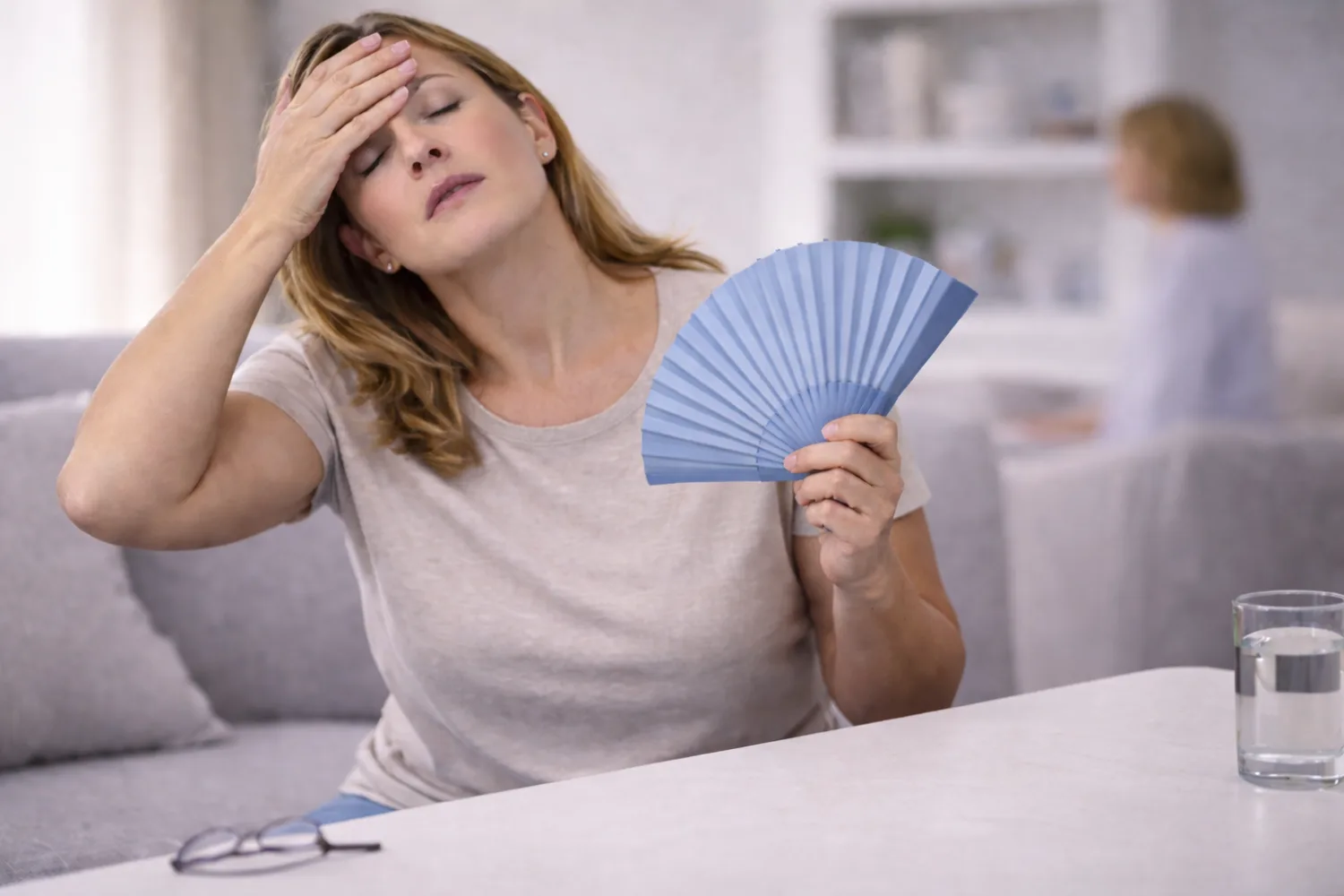
Menopause is a natural stage of life, but that simple sentence often hides how disruptive it can feel in practice. For some women, it begins quietly with less predictable periods, poorer sleep and the sense that something is shifting. For others, it arrives more obviously with hot flushes, night sweats, mood changes, brain fog, vaginal dryness or a sudden drop in resilience that is hard to explain. Some women feel physically uncomfortable, others feel emotionally unlike themselves, and many feel both.
One of the hardest things about menopause is that the symptoms are often dismissed, minimised or broken into separate pieces. Someone may seek help for anxiety, poor sleep, low mood, bladder symptoms, joint aches or reduced confidence without realising that the menopause transition may be connecting all of them. Others know exactly what is happening but still struggle to get practical, balanced advice about treatment, especially hormone replacement therapy, or HRT.
This guide explains what menopause is, what symptoms are common, how menopause is diagnosed in the UK, what HRT can and cannot do, what other treatments may help, and when symptoms need proper medical review rather than being written off as “just age”. It is designed to be clear, calm and useful for women in the UK who want proper information without medical jargon.
If you want the wider context first, see our guide to Women’s Health: Symptoms, Common Conditions, Tests and Treatment Options in the UK. If period changes are still a major issue for you, our articles on Heavy Periods: Causes, Tests and Treatment Options in the UK, Endometriosis: Symptoms, Diagnosis and Treatment in the UK and PCOS: Symptoms, Diagnosis and Treatment in the UK may also help depending on your symptoms.
What is menopause?
Menopause happens when periods stop because the ovaries are producing much lower levels of hormones, especially oestrogen. In everyday terms, it marks the end of the reproductive years, but the transition does not usually happen all at once. Most women first go through perimenopause, when hormone levels begin to fluctuate and symptoms may start even though periods have not stopped completely.
That distinction matters. Many women think they cannot be perimenopausal because they are still having periods, but irregular or changing periods are often part of the process rather than evidence against it. Some women still bleed monthly while having obvious menopausal symptoms such as hot flushes, sleep disturbance or vaginal dryness.
At what age does menopause usually happen?
In the UK, menopause most often happens between the ages of 45 and 55, though symptoms of perimenopause can begin earlier. Some women go through menopause earlier than expected, and a smaller number experience it well before 45. Surgical removal of the ovaries or some medical treatments can also bring on menopause more suddenly. A woman does not need to be in her mid-50s for menopause to be relevant.
What are the most common menopause symptoms?
People often think first of hot flushes, but menopause symptoms are much broader than that. Common symptoms include:
- Hot flushes
- Night sweats
- Sleep problems
- Brain fog or poor concentration
- Low mood, anxiety or irritability
- Vaginal dryness or discomfort
- Pain during sex
- Reduced libido
- Joint aches
- Palpitations
- Headaches
- Changes in periods, including heavier, lighter, closer together or more widely spaced bleeding
- Urinary symptoms, such as urgency, frequency or repeated urine infections
Not every woman gets all of these. Some mainly notice sleep disruption and anxiety. Others are troubled most by flushes and sweats. Some feel their main problem is not heat but the knock-on effect of poor sleep, vaginal symptoms or reduced confidence. Menopause can affect how a person feels physically, mentally and sexually, which is why it often deserves a more joined-up approach than a quick prescription or a vague suggestion to “ride it out”.
What does menopause feel like in real life?
For many women, the first sign is not dramatic. It may be waking at 3am more often, feeling unusually flat or snappy, forgetting words mid-sentence, or noticing that PMS-like symptoms seem to be happening more often than before. Others feel as if they no longer recover from stress in the same way. A woman who has always coped well at work may suddenly feel scattered and less confident. Someone who has never had sleep problems may find that one bad night turns into weeks of broken sleep.
One reason menopause can be emotionally difficult is that the changes do not always look important from the outside. A woman may still be functioning, going to work, caring for family and carrying on, but doing all of that while feeling much less like herself. That gap between outside appearance and inside experience is very common.
How do periods change during perimenopause?
Periods often become less predictable before they stop altogether. They may come closer together, become further apart, last longer, become lighter, or become much heavier for a time. Some women bleed irregularly and are unsure whether the change is hormonal or whether something else is going on.
This is one of the reasons perimenopause can be confusing. A woman may have hot flushes and still have periods. Another may have no flushes at all, but noticeable changes in mood, bleeding pattern and sleep. Period changes can be part of the menopause transition, but they should not be used as an excuse to ignore bleeding that is clearly abnormal, very heavy or happening after menopause.
How is menopause diagnosed in the UK?
Diagnosis is often based mainly on symptoms and age rather than on blood tests alone. In women over 45 with typical symptoms, a GP will often diagnose perimenopause or menopause from the history. That usually includes discussion of period changes, hot flushes, sleep, mood, vaginal symptoms, sexual symptoms and the overall pattern over time.
Blood tests are not always necessary, and many women are surprised by that. Hormone levels can fluctuate a lot during perimenopause, so a single blood test may not give the simple answer people expect. Tests may still be used in some situations, especially if menopause is happening unusually early or there is uncertainty about the cause of symptoms.
When should you see a GP?
You should arrange an appointment if menopause symptoms are affecting daily life, sleep, relationships, mood, work or sexual wellbeing. It is also worth seeking help if your periods have changed significantly and you are unsure whether the pattern is normal for perimenopause, or if you are having symptoms that feel new, persistent or hard to explain.
You do not need to wait until symptoms become unbearable. Menopause care is not only for women in crisis. It is also for those who want to feel well, think clearly, sleep better and understand their options before symptoms become harder to manage.
What symptoms should not just be blamed on menopause?
Menopause can explain a lot, but it should not become a catch-all label for every new symptom. Some symptoms need proper assessment rather than reassurance alone. These include:
- Bleeding after menopause
- Very heavy or prolonged bleeding
- Bleeding after sex
- New pelvic pain or significant bloating
- A new breast lump or concerning breast change
- Unexpected weight loss
Bleeding after menopause in particular should always be checked. Menopause does change bleeding patterns, but once periods have stopped for a full year, any new bleeding deserves medical review.
What is HRT?
HRT stands for hormone replacement therapy. It is used to replace hormones, mainly oestrogen, that fall during perimenopause and menopause. For many women, it is the most effective treatment for symptoms such as hot flushes, night sweats, sleep disruption linked to flushes, mood changes related to menopause and vaginal dryness.
If you still have a womb, HRT usually includes both oestrogen and progestogen, because taking oestrogen on its own can overstimulate the womb lining. If you have had a hysterectomy, some women may be able to take oestrogen-only HRT instead. The exact type depends on your medical history, bleeding pattern, age and whether you are perimenopausal or postmenopausal.
What forms of HRT are available?
HRT is not one single medicine. It can be given in different forms, including:
- tablets
- skin patches
- gel or spray
- a hormonal coil as the progestogen part in some cases
- vaginal oestrogen for local vaginal and urinary symptoms
This matters because women sometimes assume HRT is only a daily tablet, or that if one version did not suit them then HRT as a whole is not for them. In reality, there are several ways to take it, and changing the form can make a big difference to side effects, convenience and overall fit.
What symptoms can HRT help with?
HRT can help with many menopause symptoms, especially:
- hot flushes
- night sweats
- sleep problems related to menopause
- brain fog
- low mood and anxiety linked to menopause
- joint pains in some women
- vaginal dryness and discomfort
Some symptoms improve within weeks, while others can take longer. Hot flushes and night sweats often begin to settle relatively quickly. Vaginal and mood-related symptoms may take longer and sometimes need more than one type of treatment.
What are the benefits of HRT beyond symptom relief?
HRT is usually discussed because of symptom control, but it can also help protect bone health by reducing the loss of bone strength that happens after oestrogen levels fall. That matters because menopause increases the long-term risk of osteoporosis. For some women, especially those with troublesome symptoms or earlier menopause, this wider health benefit is part of the reason HRT is considered.
What are the risks and side effects of HRT?
This is often the part women are most anxious about, and understandably so. HRT is not risk-free, but the balance of benefit and risk depends heavily on age, symptoms, medical history, the type of HRT used and when it is started. The discussion should be individual rather than driven by fear or headlines.
Common side effects when starting HRT can include breast tenderness, headaches, nausea, mild unexpected bleeding or spotting, and mood changes. These often improve after the body adjusts or after the treatment is changed. Some women need a few adjustments before they find the right option.
As for longer-term risks, these are discussed with a clinician in the context of your own health history. Good menopause care should not dismiss risk, but it should also not present HRT as something automatically dangerous. A balanced conversation is usually much more helpful than online alarm or oversimplified reassurance.
What if you do not want HRT, or cannot take it?
Not every woman wants HRT, and not every woman can take it. Some have medical reasons to avoid it. Others prefer to try non-hormonal options first. That is a reasonable choice. Menopause treatment should be collaborative, not one-size-fits-all.
Other options may include:
- lifestyle measures such as reducing smoking, improving sleep habits and keeping physically active
- CBT for menopause-related low mood, anxiety or coping difficulties
- non-hormonal medicines in selected cases, especially for flushes
- vaginal moisturisers or lubricants for dryness and discomfort
- vaginal oestrogen for local symptoms if suitable
Some women also explore supplements, but it is important not to assume that “natural” means effective or safe. Menopause supplements are heavily marketed, and the evidence behind them is often less robust than women are led to believe.
Vaginal dryness, bladder symptoms and sex: the symptoms many women do not mention
These symptoms are very common and often left out of the conversation. Vaginal dryness can cause soreness, irritation and pain during sex. Reduced oestrogen can also affect the urinary tract, leading to urgency, frequency, discomfort or repeated urine infections. Some women notice loss of confidence or start avoiding intimacy because sex has become uncomfortable.
This is an area where local treatment can help a lot. Vaginal moisturisers and lubricants may be useful, and local vaginal oestrogen can be very effective for some women. Many suffer in silence much longer than necessary because they assume these symptoms are either shameful or untreatable. They are neither.
Does menopause affect mood and mental health?
Yes, it can. Menopause can be associated with anxiety, irritability, low mood, poor concentration and reduced emotional resilience. That does not mean every change in mental health at midlife is automatically hormonal, but hormones can absolutely play a part.
Sometimes women are offered treatment for anxiety or depression without anyone asking about periods, flushes, sleep or vaginal symptoms. Sometimes antidepressants are appropriate, but sometimes the fuller picture points much more clearly toward perimenopause. Good care should look at both possibilities rather than assuming one explanation from the start.
What about early menopause or premature ovarian insufficiency?
Some women go through menopause earlier than expected. When menopause happens before age 40, it is often called premature ovarian insufficiency. This is particularly important to diagnose properly because it can affect long-term bone and heart health as well as fertility and symptoms. If menopause-type symptoms are happening unusually early, that deserves medical review rather than being brushed aside.
What to avoid
There are a few common mistakes that make menopause harder than it needs to be:
- assuming you have to wait until periods stop completely before asking for help
- accepting poor sleep, anxiety or vaginal pain as something you simply have to put up with
- letting fear of HRT headlines replace a proper individual discussion
- buying multiple expensive supplements without understanding what is actually evidence-based
- ignoring bleeding after menopause
- not mentioning bladder symptoms, pain during sex or loss of confidence because they feel too personal
Another thing to avoid is minimising the impact. Menopause symptoms do not need to be dramatic to be worth treating. Feeling 30% worse for months at a time can affect life as much as one very dramatic symptom.
How to prepare for a menopause appointment
Before your appointment, it can help to note:
- your age and whether periods are still happening
- how your periods have changed
- whether you get hot flushes or night sweats
- sleep problems
- mood or anxiety changes
- vaginal dryness, pain during sex or bladder symptoms
- what you have already tried
- whether you are interested in HRT, unsure about it, or prefer alternatives
That makes it much easier to have a useful conversation rather than spending the appointment trying to remember everything on the spot.
NHS or private care?
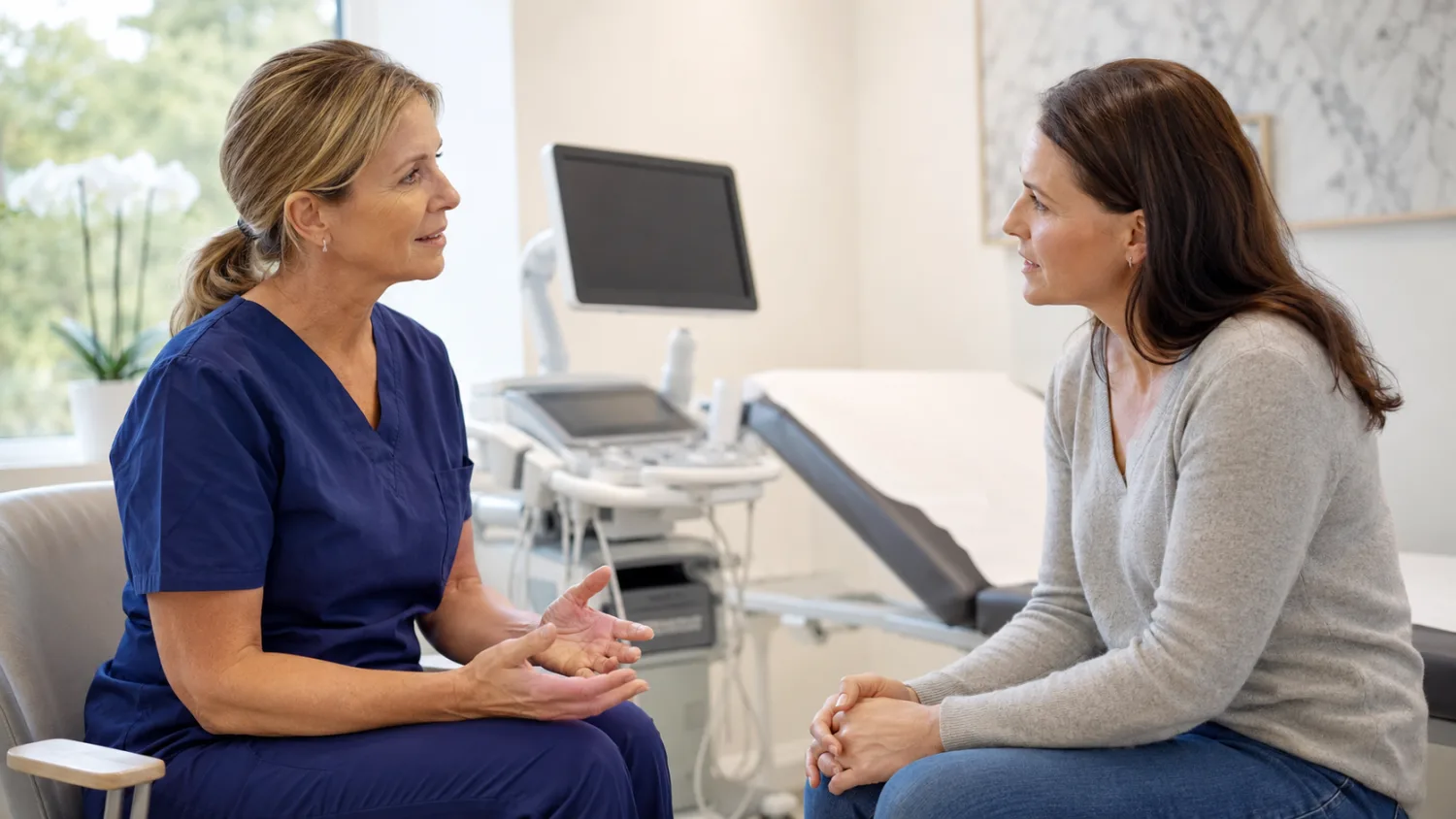
Many women start with their GP, practice nurse or pharmacist, and that is often enough to begin the process. Some women are also referred to a menopause specialist, and others choose private care if they want more time, quicker access or a second opinion. In practice, women often move between NHS and private care depending on symptoms, waiting times and preference.
What matters most is not which doorway you use, but whether the care is balanced, practical and tailored to you.
Key takeaway
Menopause is not just about hot flushes. It can affect sleep, mood, memory, sex, bladder health, periods, joints and overall quality of life. In the UK, diagnosis is often based on symptoms rather than blood tests alone, especially after 45. HRT is the main prescribed treatment for many women and can be very effective, but it is not the only option. Vaginal treatments, CBT, lifestyle measures and other non-hormonal approaches can also help depending on the symptom pattern and your medical history.
If you feel unlike yourself, your sleep is suffering, your periods are changing, or your confidence and comfort have shifted in ways that do not feel normal, it is worth asking directly whether menopause or perimenopause could be part of the picture. That question often opens the door to much better support.