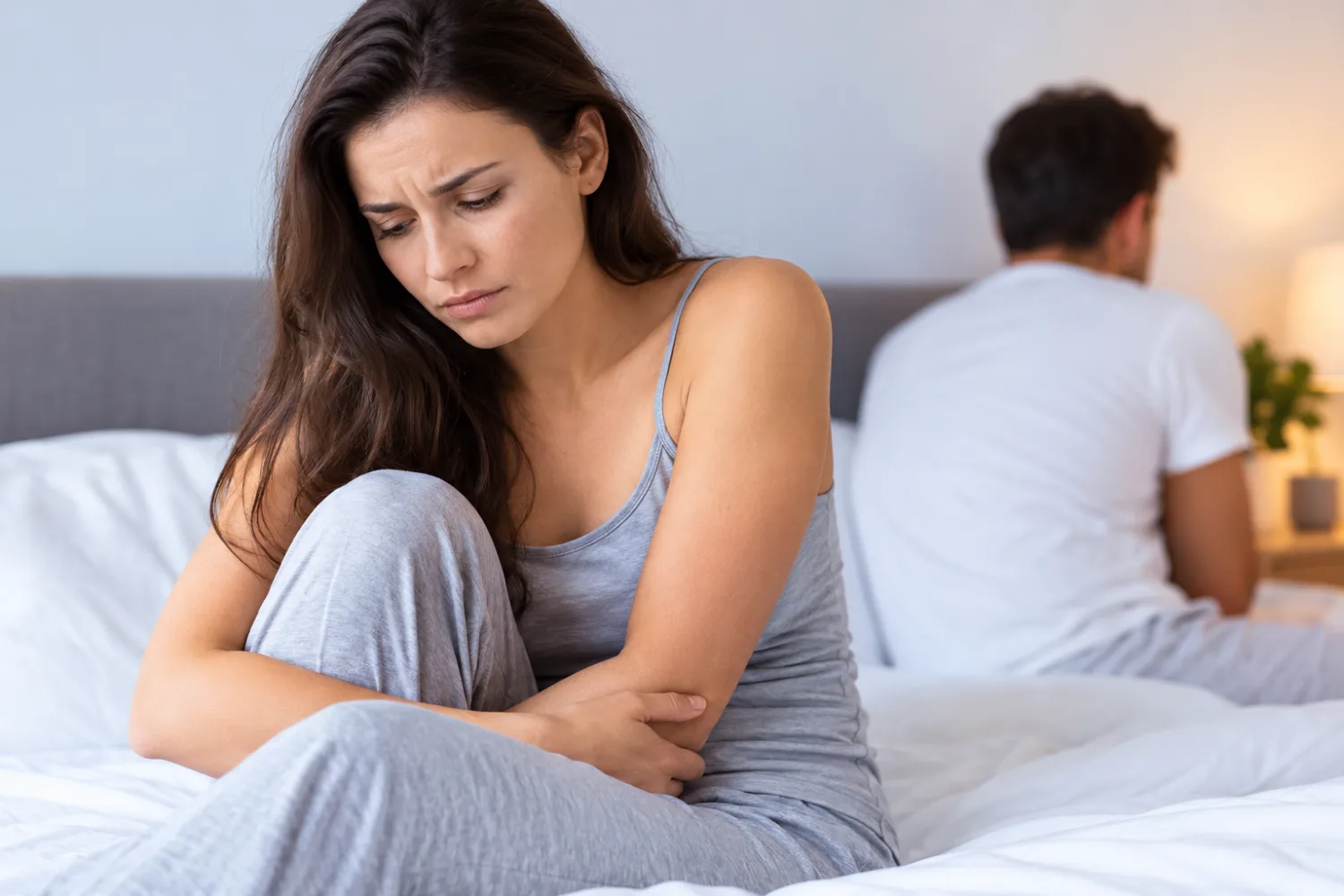
Endometriosis is one of those conditions that many people have heard of, but far fewer really understand until it starts affecting their own life. It is often described as a condition where tissue similar to the lining of the womb grows outside the womb, but that clinical definition does not fully capture what it can feel like day to day. For some, it means periods that are far more painful than anyone around them seems to think is normal. For others, it means pain during sex, bowel pain around a period, extreme fatigue, difficulty getting pregnant, or a constant sense that something in the pelvis is not right.
What makes endometriosis especially difficult is that it can hide in plain sight. A person may look well, continue working, and carry on with daily life while quietly structuring everything around pain, bleeding, exhaustion, access to toilets, and fear of the next flare-up. Many people are told for years that they simply have “bad periods” or that stress is making things worse. Sometimes that delays diagnosis and treatment for far too long.
This guide explains what endometriosis is, what symptoms it can cause, how it is diagnosed in the UK, what treatment options are available through the NHS or private care, and what to do if you think it may be affecting you. It is written to be practical, clear and honest. Endometriosis can be hard, but there are ways to investigate it, manage it and, in some cases, treat it more effectively than many people realise.
If you want a broader overview first, you may also find it helpful to read our guide to Women’s Health: Symptoms, Common Conditions, Tests and Treatment Options in the UK. For help navigating care more generally, see how hospital referrals work in the UK and private GP services in the UK.
What is endometriosis?
Endometriosis is a long-term condition in which tissue similar to the lining of the womb is found outside the womb, most often in the pelvis. It can affect areas such as the ovaries, the lining of the pelvis, the bowel, the bladder, and tissues behind the womb. In some people it remains relatively limited. In others it becomes deeper, more widespread, or associated with ovarian cysts called endometriomas.
This tissue still responds to hormonal changes during the menstrual cycle. That is one reason symptoms often flare before or during periods. But endometriosis is not just “period pain”. It is a whole-body quality-of-life condition for many people, because ongoing pain, poor sleep, fatigue, anxiety about symptoms, reduced ability to exercise, pain with intimacy, and fertility concerns can all build up over time.
One important thing to understand is that the amount of visible endometriosis does not always match the amount of pain someone feels. A person with relatively small areas of disease may have severe symptoms, while another with more extensive disease may have fewer symptoms. That mismatch is one reason it should never be dismissed simply because somebody “doesn’t look that bad” or because an early scan is normal.
What does endometriosis feel like in real life?
People describe endometriosis in very different ways. Some say it feels like intense, gripping period pain that painkillers barely touch. Others describe deep pelvic aching, sharp stabbing pain, bowel pain, lower back pain, or a heavy dragging sensation. Some feel well for part of the month and then dramatically worse around their period. Others have pain at many points in the cycle.
A person with endometriosis may be the one who always carries extra pain relief, cancels plans around their period, avoids certain clothes because of bloating, sits out exercise because of pelvic discomfort, or dreads sex because they are worried it will hurt. They may have spent years assuming this is just how their body works.
That lived experience matters. Endometriosis is not only about what appears on a scan or during surgery. It is also about how symptoms affect work, relationships, energy, mood and the ability to function normally.
Common symptoms of endometriosis
The most common symptoms include:
- Painful periods that are severe, worsening, or not helped much by usual pain relief
- Pelvic pain before, during or between periods
- Pain during or after sex
- Pain when opening the bowels, especially around a period
- Pain when passing urine, sometimes worse around a period
- Heavy periods or bleeding changes
- Bloating, often described as “endo belly”
- Fatigue and low energy
- Difficulty becoming pregnant
- Lower back pain linked to the cycle
Not everyone gets all of these symptoms. Some people mainly have painful periods. Others mainly notice bowel symptoms, pain during sex, or fertility problems. Some people have very little bleeding change but significant pain. Others have symptoms for years before the connection becomes obvious.
What symptoms are often mistaken for something else?
One reason endometriosis can take time to diagnose is that it overlaps with several other common conditions. It may be mistaken for:
- IBS or “just a sensitive stomach”
- normal period pain
- recurrent urine infections
- stress-related pain
- pelvic inflammatory disease
- ovarian cyst pain
- muscular back pain
For example, someone may notice worsening pain when opening their bowels during a period and assume they have a digestive problem. Another person may have deep pain during sex and think it is just tension or dryness. Another may have such bad period pain since their teens that they simply assume everyone is exaggerating how “normal” periods feel. These are very common paths to delay.
What causes endometriosis?
The exact cause is still not fully understood. There is no simple explanation that applies to everyone. Researchers believe several factors may play a role, including genetics, hormones, immune factors, and the way endometrial-like tissue behaves in the body.
What matters most for patients is not finding a single neat cause, but recognising that endometriosis is a real medical condition. It is not caused by being anxious, not caused by being weak, and not caused by failing to cope properly with periods.
Who can get endometriosis?
Endometriosis is most often diagnosed during the reproductive years, but symptoms may begin much earlier. Many people first notice problems in their teens or twenties. Others are only diagnosed later, especially if symptoms have been repeatedly normalised.
You may be more likely to suspect endometriosis if you have:
- period pain that is severe or getting worse
- a family history of endometriosis
- pain during sex
- cyclical bowel or bladder symptoms
- fertility difficulties
- ongoing pelvic pain with no clear explanation
When should you see a GP?
You should arrange an appointment if period pain is affecting work, school, sleep, relationships or daily life, if you have repeated pelvic pain, if sex is painful, if bowel or bladder pain clearly worsens around your period, or if you have been trying for pregnancy without success and also have suggestive symptoms.
People often wait too long because they think they need to be completely incapacitated before seeking help. You do not. If symptoms are persistent, disruptive or getting worse, that is enough reason to be assessed.
It especially helps to seek advice if you have already tried over-the-counter pain relief and it is not doing enough, or if you keep being told everything is normal but your own experience says otherwise.
When is it urgent?
Endometriosis itself is usually not an emergency, but some symptoms should not be ignored. You should seek urgent medical help if you have:
- sudden severe pelvic or abdominal pain that feels different from your usual pain
- pain with collapse, fainting or vomiting
- severe pain with a positive pregnancy test
- very heavy bleeding with dizziness or breathlessness
- fever and pelvic pain suggesting infection
Urgent symptoms may not mean endometriosis is the cause. That is exactly why prompt assessment matters.
How is endometriosis diagnosed in the UK?
Diagnosis usually starts with a careful history. The pattern of symptoms matters a lot. A GP or specialist may ask:
- when the pain happens in relation to your cycle
- how severe it is and what it stops you doing
- whether sex is painful
- whether bowel movements or urination become painful during periods
- whether you have heavy bleeding
- whether fertility is currently a priority
- what treatment you have already tried
Examination may be offered, especially if symptoms suggest deeper disease or another pelvic cause. That might include an abdominal or pelvic examination, although not everyone will need the same assessment at the first appointment.
Ultrasound scans
Pelvic ultrasound is commonly used in the UK when endometriosis is suspected. It can help identify ovarian endometriomas and may pick up signs of deep endometriosis in some cases. It can also help rule out other causes of symptoms, such as fibroids or certain ovarian cysts.
However, a normal ultrasound does not rule out endometriosis. This is one of the most important things patients should know. Many people have been falsely reassured by a normal scan when their symptoms still strongly suggest the condition.
Blood tests
Blood tests may be used to look for anaemia, inflammation, pregnancy, thyroid problems or other issues, depending on the symptoms. But there is no simple blood test that can confirm endometriosis.
Laparoscopy
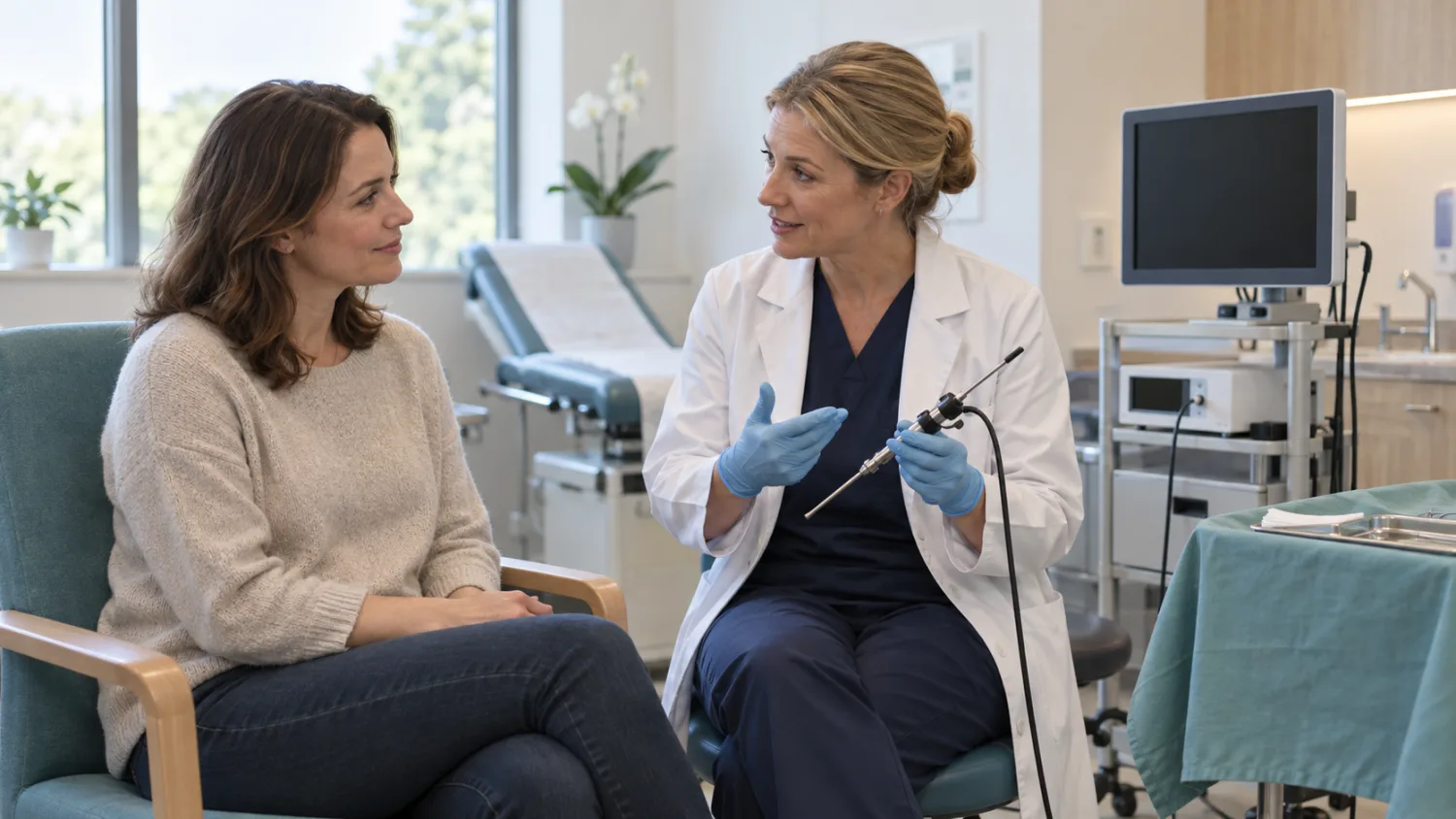
Laparoscopy is key in the diagnosis pathway. It is a surgical procedure carried out through small cuts in the abdomen, using a camera to look inside the pelvis. In some situations it may confirm endometriosis directly and may also allow treatment at the same time.
Not everyone with suspected endometriosis goes straight to surgery. In real UK practice, diagnosis and treatment often involve a combination of clinical suspicion, imaging, symptom pattern, trial of treatment, and referral decisions. But laparoscopy remains important, especially when symptoms are significant, fertility is a concern, or the diagnosis remains uncertain.
Why diagnosis can take time
There are several reasons endometriosis is not always diagnosed quickly. Symptoms overlap with other common conditions. Pain can be underestimated. Some people adapt so gradually that they do not realise how abnormal their symptoms have become. Initial tests may not show anything definite. And NHS gynaecology pathways, like many specialist services, can involve waiting.
Another problem is language. If someone says “my periods are painful”, that may sound ordinary unless they explain what that means in practice. “I vomit from pain”, “I miss work every month”, “I cannot sit through meetings”, or “sex hurts for hours afterwards” gives a much clearer picture.
What treatment options are available?
There is currently no guaranteed cure for endometriosis, but there are treatments that can reduce symptoms and improve quality of life. The right treatment depends on how severe symptoms are, where the disease is suspected or found, whether pregnancy is a priority, how you feel about hormones, and how much the condition is affecting daily life.
1. Pain relief
Many people start with pain relief such as ibuprofen, naproxen or paracetamol, depending on what is suitable for them medically. Anti-inflammatory medicines often help more than waiting until the pain is severe. Some people do best when they start treatment early in the pain cycle rather than after symptoms peak.
The problem is that simple pain relief may not be enough. If you are taking large amounts every month and still unable to function properly, that is a sign you need a fuller review rather than simply stronger repeat prescriptions.
2. Hormonal treatment
Hormonal treatment is commonly used to reduce endometriosis symptoms by suppressing the menstrual cycle or making periods lighter and less painful. Options may include:
- the combined contraceptive pill
- the progesterone-only pill
- a hormonal coil
- other hormone-based treatments prescribed by a specialist
For some people this brings major relief. For others it only partly helps, causes side effects they do not want to live with, or is not suitable because pregnancy is a current goal. Hormonal treatment can be very useful, but it is not the answer for everyone.
3. Surgery
Surgery may be offered if symptoms are not controlled, if there are ovarian endometriomas, if deeper disease is suspected, or if fertility is a major issue and surgery is considered part of the treatment plan. Surgical management may involve removing or destroying visible areas of endometriosis, draining or removing endometriomas, or dealing with disease affecting nearby structures.
For some patients, surgery can significantly improve pain and quality of life. For others, symptoms may improve only partly or may return over time. This is why surgical decisions need careful discussion rather than being treated as a guaranteed reset button.
If disease affects the bowel, bladder or ureters, management can become more complex and may require specialist multidisciplinary care.
4. Fertility-focused management
If you are trying to become pregnant, the treatment discussion changes slightly. Hormonal treatments used to suppress symptoms are not helpful for someone actively trying to conceive. In those cases, the focus may shift toward specialist assessment, possible surgery in selected situations, and fertility planning depending on age, ovarian reserve, symptom severity and how long you have been trying.
5. Supportive care
People often underestimate how much supportive care matters. Fatigue management, pelvic floor physiotherapy in selected cases, psychological support, workplace adjustments, pain management advice and better sleep strategies can all make a real difference. These do not replace treatment for the condition itself, but they can make life with endometriosis more manageable.
What problems can happen if it is left untreated?
Not every case rapidly worsens, but untreated endometriosis can continue to affect quality of life in very real ways. Pain may become more entrenched. Relationships may be affected by pain during sex or exhaustion. Work performance may suffer. Repeated heavy periods may contribute to iron deficiency. Some people also face fertility challenges.
One of the biggest hidden harms is not just the disease itself, but the habit of living around it. People stop travelling on certain days, decline social plans, avoid intimacy, miss exercise, and structure careers around symptoms. Over time that can shrink life more than they realise.
What to avoid
There are a few common mistakes that can delay diagnosis or make the situation harder:
- assuming severe period pain is normal because it has “always been like that”
- relying only on painkillers for years without proper assessment
- accepting a normal ultrasound as proof that endometriosis is impossible
- not mentioning pain during sex, bowel pain or bladder pain because it feels embarrassing
- waiting until you are completely overwhelmed before asking for referral
- assuming fertility concerns should wait if other symptoms are already present
Another thing to avoid is comparing yourself too closely with other people’s stories online. Endometriosis is highly individual. Some people have very dramatic bleeding changes; others do not. Some have obvious scan findings; others do not. Similar symptoms do not always mean identical disease.
How to talk to a GP if you suspect endometriosis
Specific descriptions are often more helpful than general ones. Instead of saying “my periods are bad”, try explaining what actually happens:
- “I miss work because the pain is so bad.”
- “The pain starts before my period and lasts for days.”
- “Sex is painful and I ache afterwards.”
- “Opening my bowels during my period is very painful.”
- “Painkillers barely touch it now.”
- “I’ve been trying to get pregnant and I’m worried this may be related.”
It can also help to keep a symptom diary for two or three cycles. Note when pain starts, how severe it is, where it is, what bleeding is like, and whether bowel or bladder symptoms flare with it. That often helps show the cyclical pattern more clearly.
NHS or private care?
Many people start with an NHS GP and then continue through NHS referral pathways. Others choose a private GP or private gynaecologist, especially if they want earlier review, imaging or specialist consultation. In reality, some people do both: initial NHS assessment, then private advice, or private diagnosis followed by NHS treatment planning.
What matters most is not where you start, but that symptoms are taken seriously and investigated properly. If a first conversation does not feel like enough, it is reasonable to go back, ask for review, or seek a second opinion.
Can endometriosis be cured?
Endometriosis is usually described as a long-term condition rather than something with a simple permanent cure. Some people do very well with treatment and have long stretches of much better symptom control. Others continue to need changes in treatment over time. Surgery can help some people considerably, but symptoms can sometimes persist or return.
This can sound discouraging, but it is also realistic. The goal is not just a label, but meaningful improvement in pain, function, wellbeing and future planning.
Key takeaway
Endometriosis is more than bad period pain. It can cause painful periods, pelvic pain, pain during sex, bowel or bladder pain linked to the cycle, fatigue, bloating and fertility problems. Diagnosis in the UK usually starts with symptom history, examination where appropriate, and pelvic ultrasound, but a normal scan does not rule it out. Treatment may include pain relief, hormonal therapy, surgery, fertility-focused care and longer-term supportive management.
If your periods are severe, your pelvic pain is affecting daily life, or you have symptoms that keep being brushed off but do not feel normal to you, it is worth asking the question directly: could this be endometriosis?