Cardiovascular risk is the chance that you could develop a problem affecting your heart or blood vessels, such as a heart attack, stroke, transient ischaemic attack, angina or peripheral arterial disease, over the coming years.
That risk is not fixed. In many people, it can be lowered significantly by making the right changes early: controlling blood pressure, improving cholesterol, stopping smoking, becoming more active, losing excess weight, improving diabetes control, and taking medication when it is genuinely needed.
This guide explains what cardiovascular risk really means, how it is assessed in the UK, what increases it, what you can do about it, which tests matter, what treatments are commonly used, and when symptoms need urgent medical attention.
It is designed for people who want practical, clear, evidence-based advice rather than scare stories or miracle claims.
What cardiovascular risk means
Cardiovascular disease, often shortened to CVD, is an umbrella term for conditions that affect the heart and circulation.
It includes:
- coronary heart disease and heart attacks
- stroke and TIA
- peripheral arterial disease
- some forms of heart failure linked to long-term vascular disease
When clinicians talk about cardiovascular risk, they usually mean your likelihood of having a heart attack or stroke over the next 10 years.
In the UK, that risk is often estimated using tools such as QRISK as part of a wider assessment. This does not predict the future with perfect accuracy, but it helps guide decisions about lifestyle changes, monitoring and medication.
Why cardiovascular risk matters
Many people with raised cardiovascular risk feel completely well.
High blood pressure often causes no symptoms. High cholesterol usually causes no symptoms. Early artery disease can develop silently for years before the first obvious event is a heart attack or stroke.
That is why prevention matters.
Cardiovascular disease is one of the most important causes of serious illness and death in the UK, but a large proportion of risk is linked to things that can be identified and improved.
The earlier those factors are addressed, the better the chance of avoiding major problems later.
The biggest cardiovascular risk factors
Some risk factors can be changed, and some cannot. The most important thing is to focus on the ones you can do something about.
Risk factors you cannot change
- age
- sex
- family history of early heart disease or stroke
- some inherited cholesterol disorders, such as familial hypercholesterolaemia
- certain ethnic backgrounds associated with higher risk of diabetes or vascular disease
Risk factors you can change
- high blood pressure
- high non-HDL cholesterol or LDL cholesterol
- smoking
- type 2 diabetes and prediabetes
- being overweight, especially carrying weight around the waist
- low physical activity
- poor diet
- excess alcohol
- poor sleep and untreated sleep apnoea
- chronic stress, especially when it drives unhealthy habits
- certain inflammatory and kidney conditions
What causes cardiovascular disease?
The main process behind many heart attacks and strokes is atherosclerosis. This is the gradual build-up of fatty deposits, inflammatory material and scar tissue inside artery walls.
Over time, arteries can become narrowed, stiffened or unstable. A plaque can also rupture, which may trigger a blood clot.
If that clot blocks blood flow to the heart, it can cause a heart attack. If it blocks blood flow to part of the brain, it can cause a stroke.
This process is accelerated by a combination of factors, especially:
- high blood pressure damaging artery walls
- unhealthy cholesterol levels contributing to plaque build-up
- smoking causing inflammation and vessel damage
- diabetes affecting blood vessels and metabolism
- excess body fat, particularly abdominal fat
How cardiovascular risk is assessed in the UK
Risk assessment is not based on a single number.
A clinician will usually look at the whole picture, including your age, sex, blood pressure, cholesterol, smoking status, weight, diabetes status, kidney function, ethnicity, family history and other relevant factors.
For many adults without existing cardiovascular disease, UK primary care uses formal risk calculators to estimate 10-year risk. This is often combined with a conversation about lifestyle, blood tests and whether medication might help.
You can read more about the UK approach in the NICE guideline on cardiovascular risk assessment and lipid modification.
The NHS Health Check
In England, the NHS Health Check is aimed at many adults aged 40 to 74 who do not already have certain pre-existing cardiovascular conditions.
It is designed to spot early signs of risk and start prevention earlier.
A typical check may include:
- blood pressure measurement
- height and weight
- waist measurement in some settings
- smoking and alcohol questions
- blood tests for cholesterol and sometimes blood sugar
- an estimate of future cardiovascular risk
If your results suggest increased risk, the next step is usually not panic. It is a focused plan.
What “high risk” actually means
People often hear that they have raised cardiovascular risk and assume that a heart attack is around the corner. That is not usually what it means.
It means your mix of risk factors is high enough that action now could lower your chance of a major event over time.
For example:
- a 42-year-old non-smoker with mildly raised cholesterol but otherwise good health may not have a very high short-term risk, but still benefits from lifestyle changes
- a 58-year-old smoker with high blood pressure, type 2 diabetes and high cholesterol may have a much more significant 10-year risk and may need both lifestyle changes and medication
- a younger person with a very strong family history of early heart disease may need a more careful assessment even if routine numbers do not look dramatic
Real-life examples of cardiovascular risk
“I feel fine, so I assumed my blood pressure was fine”
David is 51, works long hours, rarely exercises and feels well apart from occasional headaches. At a pharmacy check, his blood pressure is repeatedly high. Later testing confirms hypertension. He also has raised non-HDL cholesterol.
The problem: he assumed symptoms would warn him. They often do not.
The solution: accurate blood pressure confirmation, home monitoring, diet changes, weight loss, more activity, and medication if needed.
“My cholesterol is high, but I’m slim”
Sarah is 46, not overweight, eats reasonably well, but has a strong family history of early heart disease. Her cholesterol is clearly raised, and further review suggests inherited risk may be part of the picture.
The problem: people often assume slim automatically means low risk.
The solution: understand family history, assess full lipid profile, consider inherited disorders, and not rely on appearance alone.
“I thought my stroke was impossible because I’m not old”
Amir is 39 and had ignored episodes of racing heartbeat. He later develops a TIA. Investigation identifies atrial fibrillation, a rhythm problem that can increase stroke risk.
The problem: cardiovascular risk is not only about age, and not all risk comes from blocked arteries alone.
The solution: assess palpitations properly and take rhythm symptoms seriously, especially if accompanied by dizziness, breathlessness or fainting.
The key risk factors explained
High blood pressure
High blood pressure is one of the most important modifiable cardiovascular risk factors. It increases the strain on artery walls and the heart.
Over time, it raises the risk of heart attack, stroke, heart failure, kidney disease and other complications.
One difficulty is that it often causes no obvious symptoms. That is why checking it matters.
NICE guidance emphasises accurate diagnosis and often recommends home or ambulatory blood pressure monitoring to confirm hypertension, rather than relying on one clinic reading alone. You can read more in the NICE hypertension guideline.
For a deeper look at diagnosis, home readings and treatment, see our guide to high blood pressure.
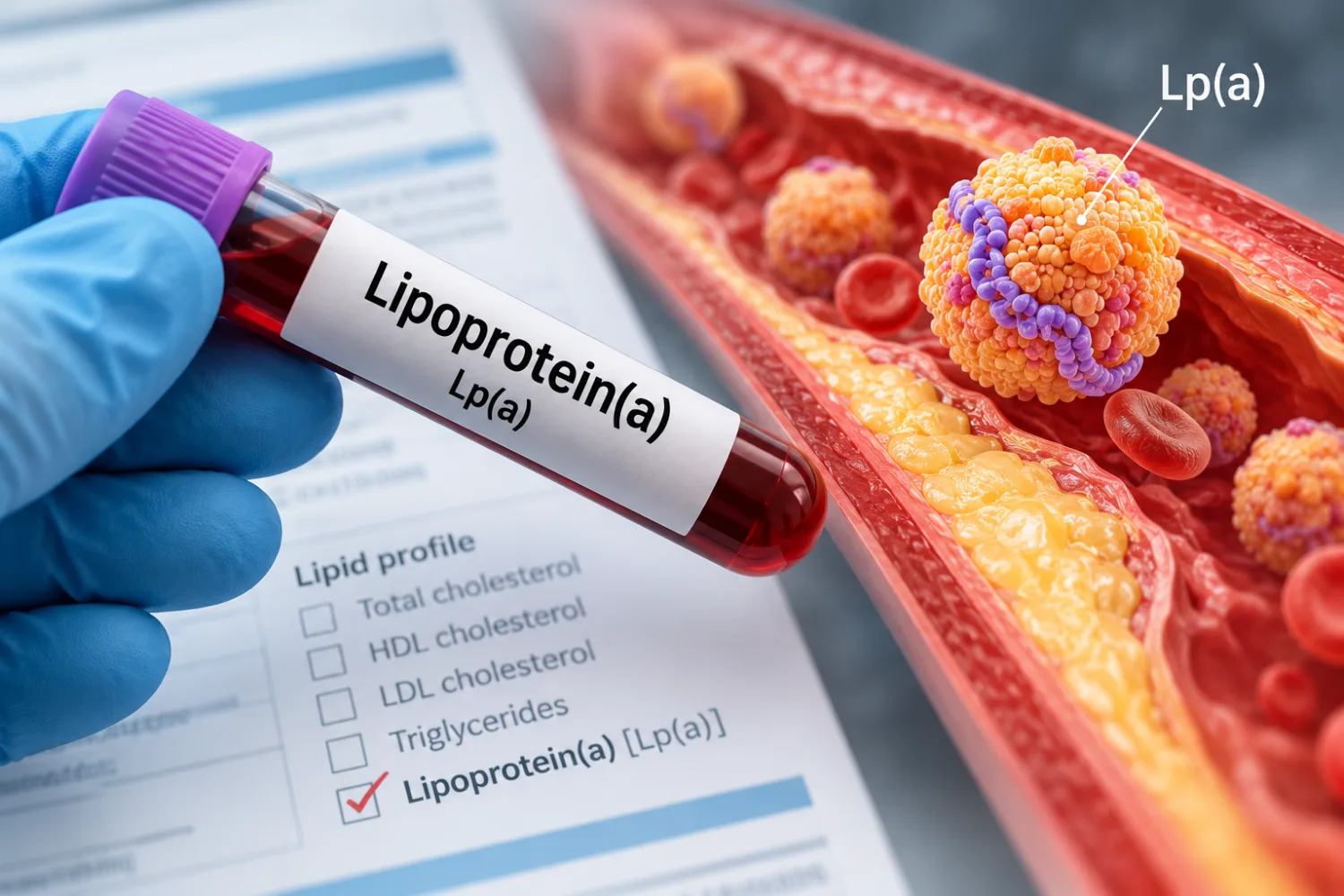
Cholesterol and blood fats
Cholesterol is not “bad” in itself. Your body needs it. The problem is when levels and patterns increase artery plaque formation.
Clinicians may look at:
- total cholesterol
- HDL cholesterol
- non-HDL cholesterol
- LDL cholesterol
- triglycerides
In prevention, the wider pattern matters more than any single headline number. Raised non-HDL or LDL, especially alongside smoking, diabetes or high blood pressure, can significantly increase long-term risk.
For a practical breakdown, see our complete guide to high cholesterol.
Smoking
Smoking damages blood vessels, raises clot risk, worsens inflammation and makes existing artery disease more dangerous.
It is one of the clearest examples of a risk factor where stopping can produce meaningful health gains.
There is no cardiovascular benefit to cutting down but continuing to smoke long term. Reducing is often a step, but quitting is the target.
Diabetes and prediabetes
Raised blood glucose can damage blood vessels and often travels with other risk factors such as excess weight, raised triglycerides, high blood pressure and fatty liver disease.
Someone with type 2 diabetes may have cardiovascular risk even before symptoms become obvious. Good diabetes care is not only about sugar control. It is also about heart and vessel protection.
Weight, waist size and inactivity
Excess weight increases risk, but where fat is carried matters too.
Abdominal fat is more strongly linked with insulin resistance, high triglycerides, raised blood pressure and cardiovascular disease than weight alone.
Even modest weight loss can improve blood pressure, blood sugar and cholesterol markers.
A sedentary lifestyle increases risk even in people who do not think of themselves as unhealthy. Regular movement improves blood pressure, insulin sensitivity, weight control, sleep and mood.
You do not need to become an athlete. Consistency matters more than perfection.
Diet, alcohol, sleep and stress
The most useful dietary advice is usually boring, which is a good sign. Heart health is improved by patterns that are realistic and sustainable, not by extremes.
In general, risk is lower with diets built mostly around vegetables, fruit, beans, pulses, whole grains, nuts, seeds, fish and unsaturated fats, while reducing ultra-processed foods, excessive salt, trans fats and high intakes of saturated fat.
Alcohol can contribute to raised blood pressure, weight gain, poor sleep, heart rhythm problems and excess calorie intake. Many people underestimate how much they drink because “a glass or two most evenings” adds up.
Sleep is often neglected in cardiovascular prevention. Poor sleep can worsen blood pressure, appetite regulation, insulin resistance and daytime energy for exercise. Untreated sleep apnoea is also linked to cardiovascular risk.
Stress does not directly cause every heart problem, but chronic stress can drive poor eating, inactivity, smoking, excess drinking and poor sleep. That still matters.
Symptoms that may suggest cardiovascular problems
Raised cardiovascular risk itself usually causes no symptoms. But some symptoms may suggest you already have a developing problem that needs assessment.
Common warning symptoms include:
- chest pain, pressure, heaviness or tightness
- breathlessness on exertion that is new or worsening
- pain spreading to the arm, jaw, back or neck
- palpitations, especially with dizziness or fainting
- sudden weakness, facial droop or speech difficulty
- calf pain when walking that improves with rest
- sudden visual loss or neurological symptoms
For stroke and TIA warning signs, the British Heart Foundation’s stroke information is a useful patient resource.
When to call 999
Do not treat the following as a routine risk issue. They can be emergencies:
- suspected heart attack symptoms, especially persistent chest pressure or pain
- suspected stroke or TIA symptoms, such as facial droop, arm weakness or speech problems
- collapse, fainting, severe breathlessness or new confusion
- severe chest pain with sweating, nausea or pain spreading to the jaw or arm
If you think someone may be having a heart attack or stroke, call 999 immediately.
Tests used to assess cardiovascular risk
The right tests depend on your age, symptoms, history and initial results.
Not everyone needs advanced scans. In many cases, the most important information still comes from the basics: blood pressure, cholesterol, blood sugar, smoking status, waist size and symptoms.
Blood pressure testing
- clinic blood pressure checks
- home blood pressure monitoring
- 24-hour ambulatory blood pressure monitoring
Blood tests
- cholesterol profile
- HbA1c or fasting glucose for diabetes risk
- kidney function
- sometimes thyroid tests or liver tests, depending on context
Other assessments that may be used
- weight, BMI and waist measurement
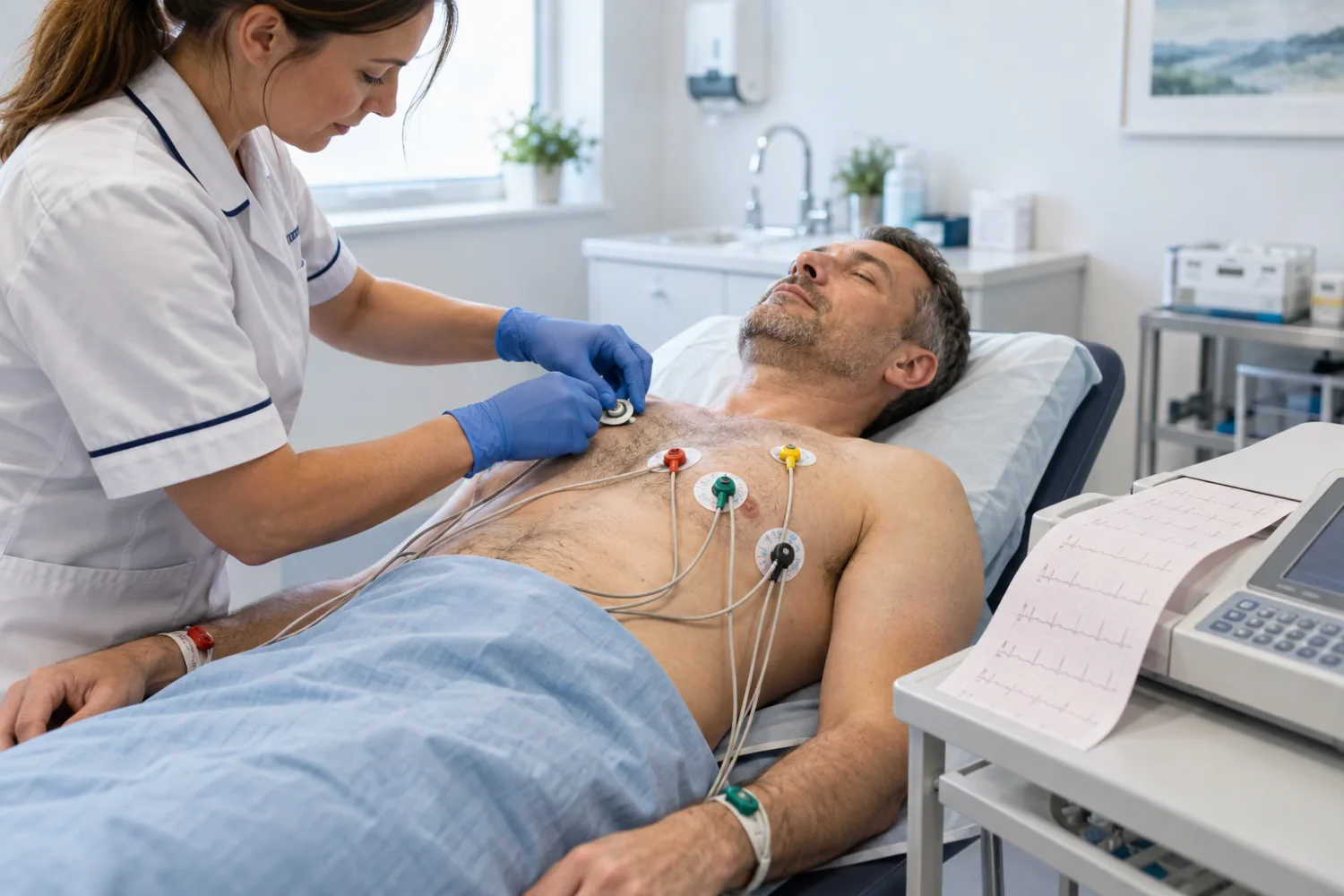
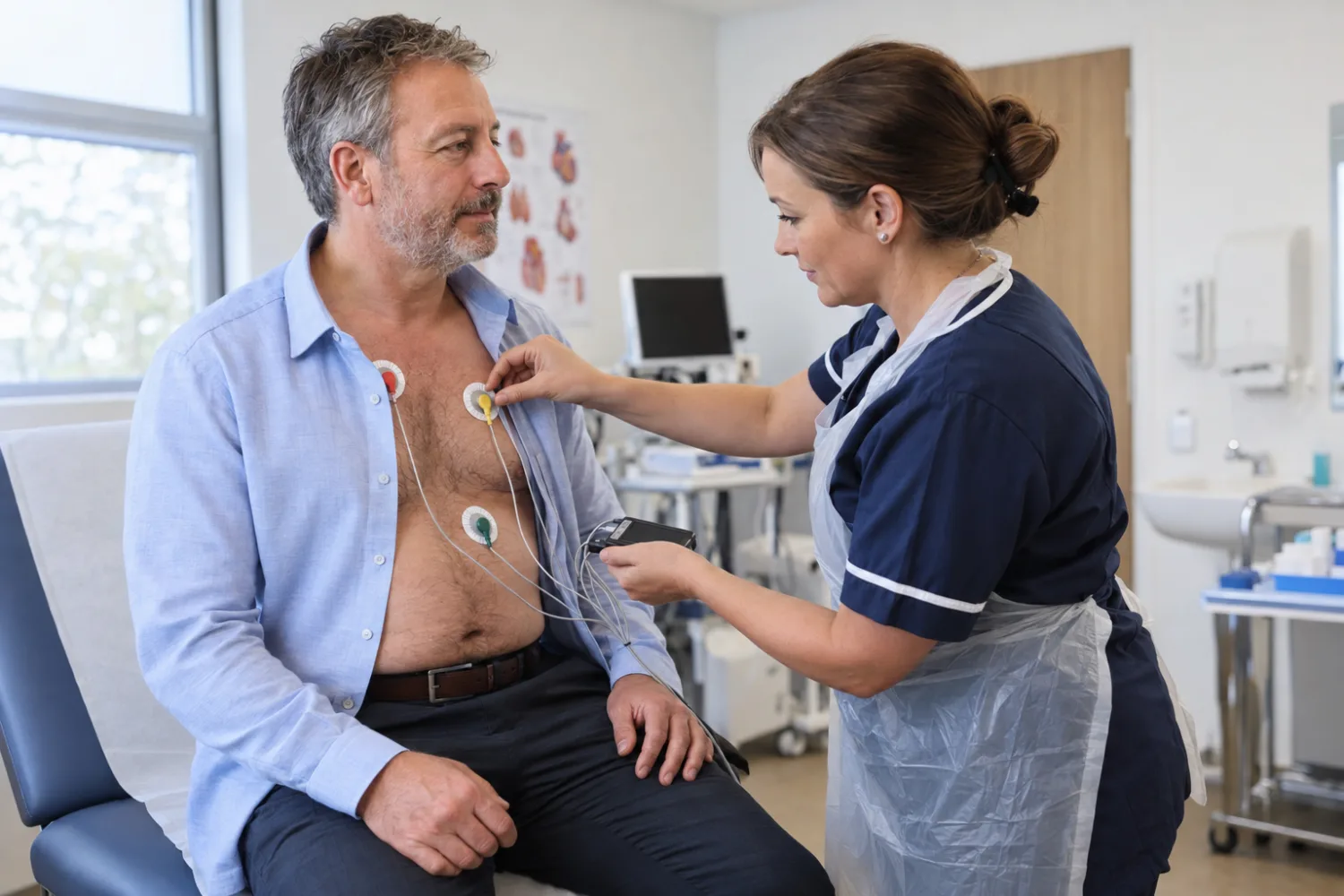
- ECG if rhythm issues are suspected
- echocardiogram in selected cases
- Holter or event monitor for intermittent palpitations
- carotid or vascular imaging in specific situations
- coronary calcium scoring in selected private or specialist pathways
How to reduce cardiovascular risk
Cardiovascular prevention works best when action starts before symptoms become serious.
The useful steps are usually not dramatic or glamorous. They are the basics, done consistently.
Stop smoking
If you smoke, this is one of the most powerful steps you can take. Do not wait for a “better moment”. Get support, nicotine replacement, medication or behavioural help if needed.
Know your blood pressure, cholesterol and blood sugar
If you do not know your blood pressure, check it. A pharmacy, GP surgery or home monitor can help.
One reading is not the whole story, but it is better than guessing.
Cholesterol and blood sugar checks are especially important if you are over 40, have a family history, are overweight, smoke, or have had high readings in the past.
Move more every week
Walking counts. Cycling counts. Gardening counts.
Structured exercise is excellent, but ordinary movement is still protective compared with sitting most of the day.
Improve your diet without trying to become perfect overnight
Practical improvements include:
- more vegetables and fibre
- less takeaway food
- less salty processed food
- fewer sugary drinks
- more home-cooked meals
- smaller portions of foods high in saturated fat
Lose weight if needed, but focus on sustainable change
Crash diets rarely produce lasting cardiovascular benefit. A slower reduction that you can maintain is usually far more useful.
Sleep properly
If you snore heavily, stop breathing in sleep, wake unrefreshed or have daytime sleepiness, consider whether sleep apnoea could be part of the problem.
Take prescribed medication properly
A common mistake is starting tablets, stopping them after a few weeks, then assuming they did not work or that you feel fine now.
Prevention treatment often works silently.
Medication used to reduce cardiovascular risk
Medication is not a failure. For some people it is unnecessary. For others it is clearly helpful.
Blood pressure medication
Blood pressure medication is used when blood pressure is persistently above target, particularly when overall cardiovascular risk is raised or organ damage is possible.
Statins and other lipid-lowering treatment
These are used to reduce cholesterol-related cardiovascular risk.
In UK practice, statins are commonly discussed when 10-year cardiovascular risk is high enough, or when there is existing disease, diabetes, inherited lipid disorders or other important risk features.
Many people worry about statins because of things they have read online. Like all medicines, they can cause side effects in some people, but they are also one of the most studied preventive treatments in medicine.
The right question is not “Are statins good or bad?” but “In this person, do the likely benefits outweigh the downsides?”
Blood thinners in selected cases
Blood thinners may be used when stroke risk is linked to conditions such as atrial fibrillation. They are not routine for everyone with raised cardiovascular risk.
Diabetes and weight-management medication
In some people, medicines used for diabetes or weight management can also improve broader cardiovascular risk by helping blood sugar control, weight and metabolic health.
What to avoid and when to get help
What to avoid
- Ignoring high blood pressure because you feel normal. Many people with very high readings feel fine until damage has already been done.
- Assuming one normal reading means everything is fine forever. Risk changes over time.
- Relying on supplements instead of proven treatment. Supplements rarely replace lifestyle change or medication where medication is needed.
- Thinking being slim means being low risk. Cholesterol, smoking, blood pressure and family history can still matter a lot.
- Stopping prescribed medicines without review. Especially statins, blood pressure tablets or anticoagulants.
- Following extreme diets from social media. If a plan sounds dramatic, detox-like, or miracle-based, be cautious.
- Assuming chest pain is “just stress”. Stress can cause symptoms, but heart causes must not be missed.
When to speak to a GP or clinician
Book a routine appointment if:
- your blood pressure has been high on more than one occasion
- you have high cholesterol results
- you have a strong family history of early heart disease or stroke
- you have diabetes, prediabetes or are at high risk
- you are overweight and worried about long-term heart health
- you are getting exertional chest discomfort or breathlessness
- you are having palpitations, especially if recurrent
If access is an issue, our guides on how to get a GP appointment quickly in the UK and when to see a pharmacist instead of a GP may help with next steps.
NHS vs private assessment
Most cardiovascular risk assessment starts well in the NHS, especially through general practice, the NHS Health Check programme, blood tests and blood pressure monitoring.
Private care may be useful if you want:
- quicker appointments
- more time for preventive review
- specific cardiac testing
- faster access to ambulatory monitoring or specialist consultation
Private testing is only useful if it answers a sensible clinical question. More tests are not always better. A good assessment should be targeted, not just expensive.
A practical step-by-step plan
- Check your blood pressure.
- Get your cholesterol and blood sugar checked if appropriate.
- Review your family history honestly.
- Stop smoking if you smoke.
- Walk or exercise most days of the week.
- Reduce ultra-processed food, excess salt and sugary drinks.
- Lose excess weight gradually if needed.
- Ask whether formal cardiovascular risk assessment is appropriate for you.
- Take prescribed treatment consistently.
- Act urgently on possible heart attack or stroke symptoms.
FAQ: cardiovascular risk
Can you reverse cardiovascular risk?
You can often lower it substantially, and sometimes dramatically, but not with a single trick. The aim is risk reduction over time, not a magical reset.
Can I have high cholesterol if I eat well?
Yes. Genetics can play a major role, especially in inherited lipid disorders.
Can fit people still have heart disease?
Yes. Fitness helps, but it does not cancel out all genetic and medical risk factors.
Do women get different heart attack symptoms?
Symptoms can vary from person to person. Women may be more likely to have symptoms that are misread or dismissed, but classic chest pressure still matters greatly in both men and women.
Is stress the main cause of heart attacks?
Usually no. Stress can worsen risk indirectly and may trigger symptoms, but major cardiovascular disease is usually driven by a combination of artery disease, clotting and metabolic risk factors.
Should I buy every heart-health supplement I see online?
No. Be sceptical. The basics still do most of the heavy lifting: stop smoking, improve diet, move more, control blood pressure, manage cholesterol, treat diabetes and take the right medication when needed.
Can cardiovascular risk be high even if I feel well?
Yes. High blood pressure, high cholesterol and early artery disease can be silent for years. Feeling well does not always mean risk is low.
What are the most important things to check?
For most people, the key starting points are blood pressure, cholesterol, blood sugar, smoking status, weight or waist size, family history and any symptoms such as chest pain, breathlessness or palpitations.
Key takeaways
- Cardiovascular risk is your chance of future heart or circulation problems, especially heart attack and stroke.
- You can feel well and still have significant risk.
- High blood pressure, cholesterol, smoking, diabetes, excess weight and inactivity are the main modifiable factors.
- UK assessment usually combines overall risk review with blood pressure, blood tests and formal risk tools where appropriate.
- Prevention works best when action starts before symptoms become serious.
- Lifestyle matters enormously, but medication can also be important and worthwhile.
- Chest pain, stroke symptoms, collapse or severe breathlessness need urgent help, not routine monitoring.
Cardiovascular prevention is not about becoming perfect. It is about lowering risk step by step, using sensible evidence-based choices that protect your future health.