Wound healing is one of the most important areas of medicine. A small cut usually heals without much help, but some wounds are much more difficult. Burns, pressure ulcers, diabetic foot ulcers, leg ulcers, surgical wounds, infected wounds and slow-healing skin injuries can cause pain, infection risk, reduced mobility, hospital admissions and serious complications.
This is where regenerative medicine is often discussed. Treatments and technologies that aim to support tissue repair, improve healing signals, protect the wound environment or stimulate new skin formation may sound very promising. Some are already part of modern wound care. Others are still experimental, specialist-only or marketed ahead of the evidence.
For patients and families, the key question is not simply “Can regenerative medicine heal wounds?” A better question is: what type of wound is it, why is it not healing, what standard care is needed first, and which advanced treatments are actually supported by evidence?
This UK guide explains how wound healing works, why some wounds become chronic, where regenerative medicine may fit, what treatments are used or being researched, what UK patients should know about diabetic foot ulcers, pressure ulcers, burns and skin repair, and what questions to ask before paying for private treatment.
If you are new to the wider topic, you may also find our guides to what regenerative medicine is, PRP therapy in the UK, stem cell therapy in the UK, exosome therapy in the UK and regenerative medicine for sports and soft tissue injuries useful.
How normal wound healing works
Wound healing is not just “skin closing over”. It is a complex biological process involving blood clotting, inflammation, immune cells, new tissue formation, blood vessel growth and remodelling of the skin or underlying tissue.
In simple terms, healing usually happens in overlapping stages:
- Stopping bleeding: blood clots form to seal the wound and protect the area.
- Inflammation: immune cells help clear bacteria, damaged tissue and debris.
- New tissue formation: cells begin building new tissue, collagen and small blood vessels.
- Skin closure: skin cells move across the wound surface.
- Remodelling: the new tissue strengthens and changes over weeks or months.
A clean, small wound in a healthy person may move through these stages smoothly. A deeper wound, infected wound, burn, ulcer or wound in someone with diabetes, poor circulation or reduced mobility may not.
Regenerative medicine is interested in these healing signals. Treatments may aim to improve cell communication, growth factor activity, blood vessel formation, tissue scaffolding or the wound environment. But the basics still matter: infection control, pressure relief, blood flow, nutrition, good dressings and treating the underlying cause.
Why some wounds do not heal properly
A wound may become slow-healing or chronic when the body cannot move through the normal healing stages effectively. Sometimes the wound itself is the problem. Often, the real issue is what is happening around the wound.
Common reasons wounds heal slowly include:
- Diabetes: high blood sugar, nerve damage and reduced circulation can make foot wounds more dangerous and harder to notice.
- Poor circulation: reduced blood flow means less oxygen and fewer healing nutrients reach the tissue.
- Pressure: constant pressure over bony areas can damage skin and deeper tissue, causing pressure ulcers.
- Infection: bacteria can delay healing and may spread if not treated.
- Swelling: leg swelling can make skin fragile and slow healing.
- Smoking: smoking reduces oxygen delivery and can impair tissue repair.
- Poor nutrition: protein, calories, vitamins and minerals are needed for healing.
- Age and frailty: older or frail patients may have thinner skin and slower repair.
- Medicines: steroids, chemotherapy and some immune-suppressing medicines can affect healing.
- Repeated trauma: shoes rubbing, scratching, falls or poor wound protection can reopen the skin.
This is why good wound care starts with assessment. A dressing alone will not fix a diabetic foot ulcer if pressure, blood sugar, footwear or circulation are not addressed. A private regenerative treatment will not solve a pressure ulcer if the person is still lying on the affected area for long periods.
For patients with diabetes, NICE guidance on diabetic foot problems focuses on prevention and management, including risk assessment and prompt care when foot problems arise.
What types of wounds may need specialist care?
Some wounds need more than simple home care. Wounds that are large, deep, infected, painful, slow to heal or linked to diabetes, poor circulation or pressure damage should be assessed by a healthcare professional.
Types of wounds that may need specialist care include:
- Diabetic foot ulcers: open wounds on the foot in people with diabetes, often linked to nerve damage, pressure and poor circulation.
- Pressure ulcers: skin and tissue damage caused by prolonged pressure, common in people with reduced mobility or frailty.
- Venous leg ulcers: chronic lower-leg wounds linked to poor vein function and swelling.
- Arterial ulcers: wounds caused by poor blood supply, often painful and slow to heal.
- Burns and scalds: skin damage from heat, chemicals, electricity, radiation or friction.
- Surgical wounds: wounds after operations, especially if they reopen, become infected or heal slowly.
- Traumatic wounds: wounds caused by accidents, cuts, falls or tissue damage.
- Infected wounds: wounds with redness, heat, swelling, pus, worsening pain or fever.
NHS guidance on pressure ulcers explains that treatment depends on severity and may include changing position, specialist mattresses and cushions, dressings, creams, antibiotics if infected and wound cleaning. For burns and scalds, NHS guidance advises cooling the burn under cool running water for at least 15 minutes as part of first aid.
If a wound is getting worse, smells unpleasant, leaks pus, becomes increasingly painful, is surrounded by spreading redness, or is associated with fever or feeling unwell, seek medical advice urgently.
Where regenerative medicine fits into wound healing
Regenerative medicine in wound healing is not just about injections. It can include dressings, skin substitutes, growth factors, cell-based products, tissue-engineered materials, biological scaffolds and other advanced therapies designed to support tissue repair.
Some of these approaches are already used in specialist wound care. Others are still being studied. Some are available privately but not necessarily proven for every wound type.
Regenerative and advanced wound-care approaches may aim to:
- create a better wound-healing environment
- support moisture balance
- reduce harmful inflammation
- encourage new tissue formation
- support blood vessel growth
- provide a scaffold for cells to grow across
- deliver growth factors or signalling molecules
- reduce wound size over time
- improve healing in wounds that have stalled
However, regenerative medicine should not be viewed as a magic layer placed over a wound. The underlying cause still matters. For example, a venous leg ulcer usually needs compression therapy if suitable. A diabetic foot ulcer often needs offloading pressure and diabetic foot specialist input. A pressure ulcer needs pressure relief. An infected wound needs infection management.
The best wound care combines modern treatment with fundamentals: diagnosis, cleaning, debridement where appropriate, pressure relief, infection control, blood-flow assessment, nutrition, pain control and follow-up.
Advanced dressings, skin substitutes and tissue repair technologies
Many people think regenerative medicine means stem cells or exosomes, but in wound care the most practical advances are often less dramatic. Modern dressings and tissue repair technologies can be very important.
Advanced wound-care options may include:
- Moisture-balancing dressings: dressings that keep the wound moist enough to heal but not so wet that surrounding skin breaks down.
- Antimicrobial dressings: dressings containing ingredients such as silver or iodine, used in selected cases where infection risk or bacterial burden is a concern.
- Hydrocolloid, foam, alginate or hydrogel dressings: chosen depending on wound depth, fluid level and wound-bed condition.
- Negative pressure wound therapy: a vacuum-assisted system used for selected wounds to remove fluid and support healing.
- Skin grafts: healthy skin moved from one area of the body to cover a wound.
- Skin substitutes and biological matrices: materials designed to act as a temporary or supportive layer for tissue repair.
- Growth factor-based products: treatments intended to influence healing signals in selected circumstances.
- Tissue-engineered products: more advanced products that may be regulated as medicines or advanced therapies depending on their composition and use.
NICE has published information on advanced wound dressings and antimicrobial dressings for chronic wounds, including diabetic foot ulcers, pressure ulcers, venous leg ulcers and infected wounds.
The right dressing or technology depends on the wound. A wound that is dry may need a different approach from a wound that produces a lot of fluid. A wound with dead tissue may need debridement. An infected wound may need antimicrobial treatment or antibiotics. A wound caused by poor circulation may need vascular assessment before advanced treatment can work.
PRP, stem cells and exosomes for wound healing
PRP, stem cell therapy and exosome therapy are often discussed in relation to wound healing and skin repair, but they should not be grouped together as if they are equal or interchangeable.
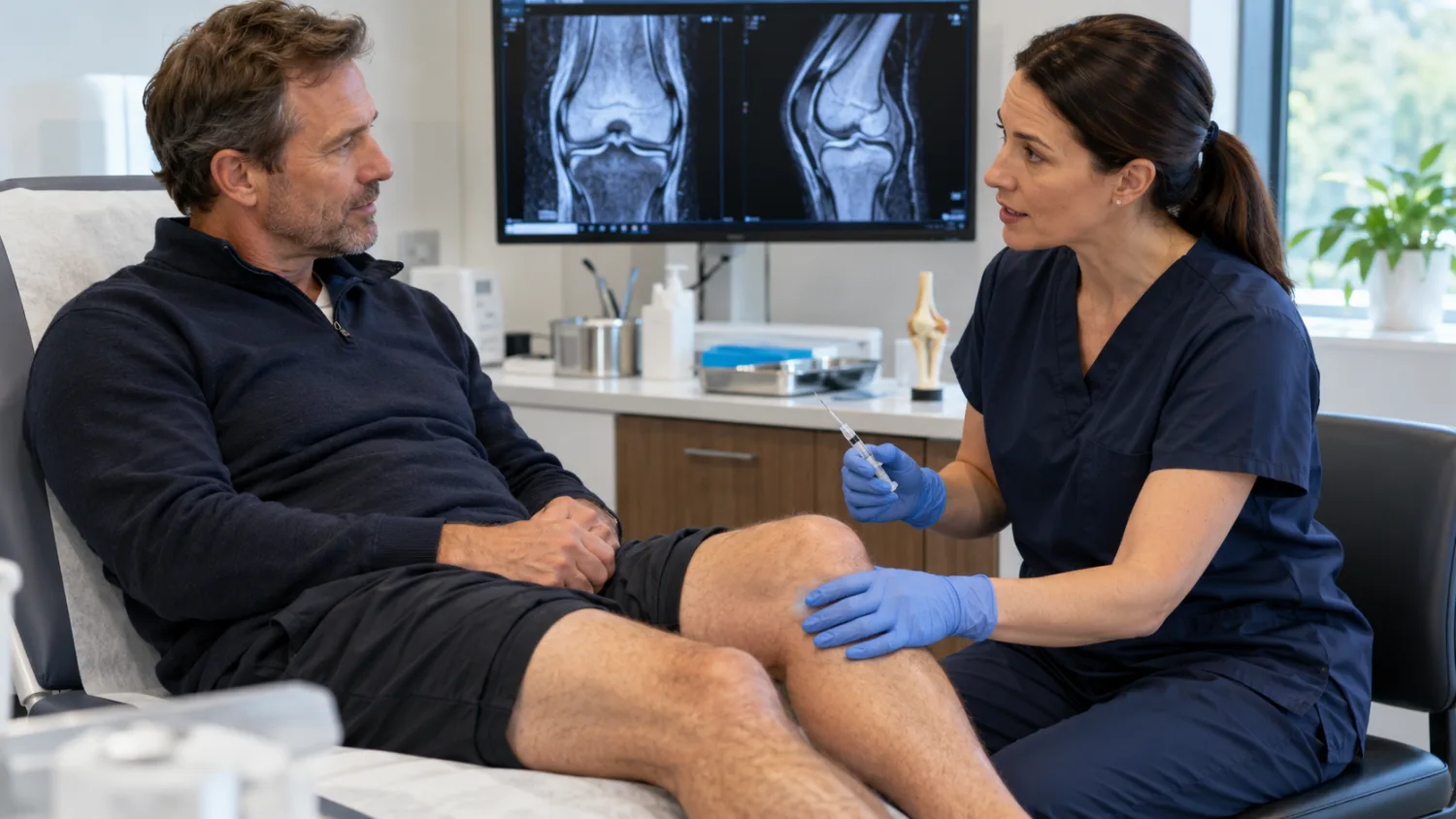
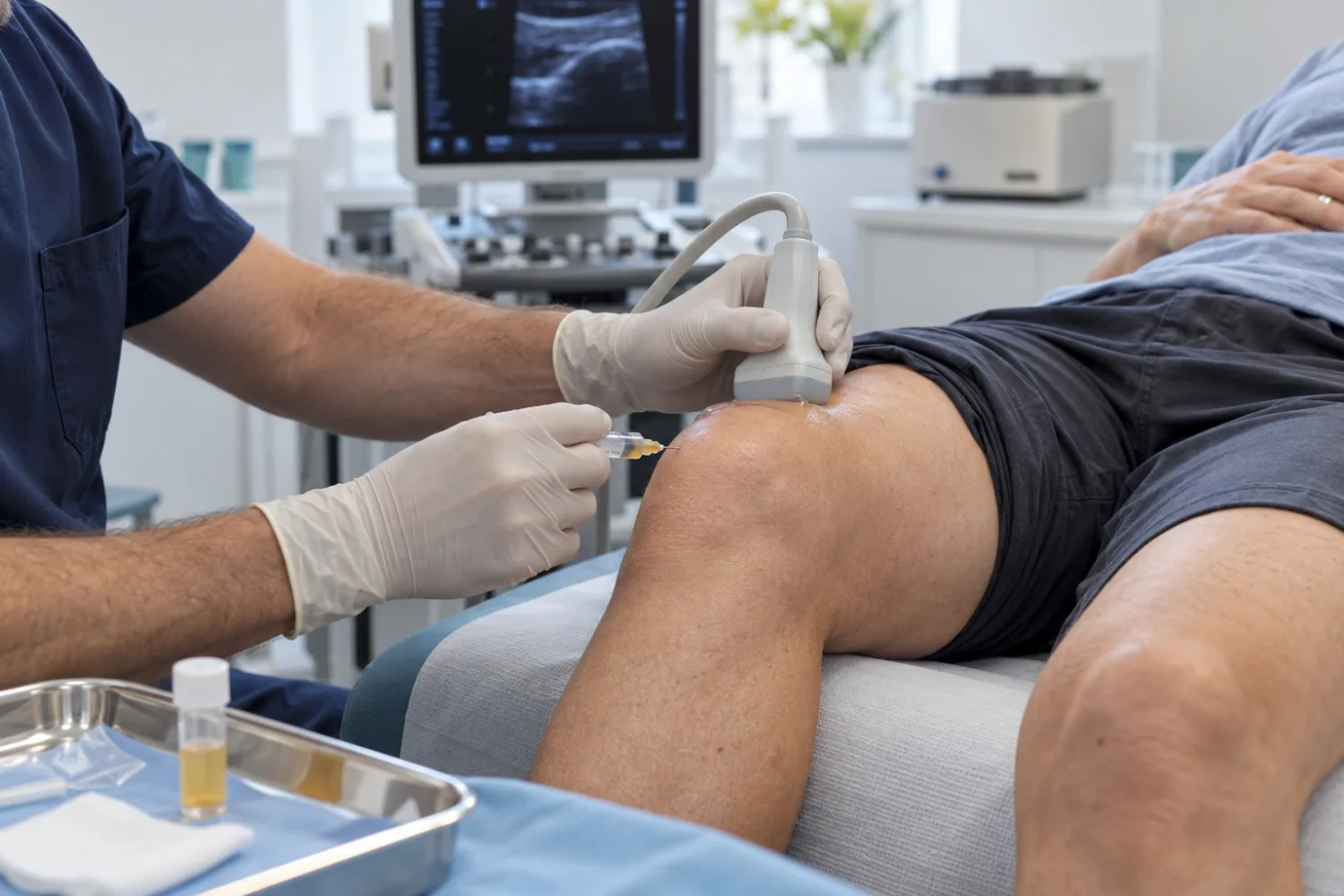
PRP therapy uses platelet-rich plasma prepared from the patient’s own blood. Platelets contain growth factors and signalling molecules involved in repair. PRP is better known in sports medicine and aesthetics, but platelet-based treatments have also been explored in wound healing. Evidence varies by wound type and treatment protocol.
Stem cell-related treatments are being studied in wound repair because stem cells and cell-based products may influence tissue regeneration, inflammation and blood vessel formation. However, private claims can be much broader than the evidence. Established stem cell medicine in the UK, such as stem cell or bone marrow transplantation for certain blood cancers and blood disorders, is very different from private clinic claims about wound healing, skin repair or anti-ageing.
Exosome therapy is an active research area because exosomes are involved in cell signalling. Some clinics market exosome products for skin rejuvenation, scar improvement and post-procedure healing. However, patients should be careful. The evidence, product quality, source, route of use and regulatory status matter. Exosome claims are often ahead of what patients can safely assume.
Before paying for PRP, stem cells, exosomes or any regenerative treatment for a wound or scar, ask:
- What exact product or preparation is being used?
- Is this treatment licensed or authorised for this use?
- What evidence supports it for this wound type?
- Is it being used as part of standard wound care or as a private add-on?
- What happens if the wound is infected or has poor blood supply?
- What are the risks?
- What standard treatments should be done first?
For more detail, see our guides to PRP therapy, stem cell therapy in the UK and exosome therapy in the UK.
Diabetic foot ulcers, pressure ulcers and burns
Three areas where wound healing is especially important are diabetic foot ulcers, pressure ulcers and burns. These conditions can be serious, and patients should be cautious about relying on private regenerative treatments without proper medical assessment.
Diabetic foot ulcers can develop when nerve damage reduces sensation, circulation is poor, footwear causes pressure, or small injuries are not noticed early. People with diabetes should take foot wounds seriously, even if they are not painful. A painless wound can still be dangerous.
Diabetic foot care may involve:
- urgent foot assessment
- checking blood flow
- infection assessment
- removing pressure from the wound
- special footwear or casts
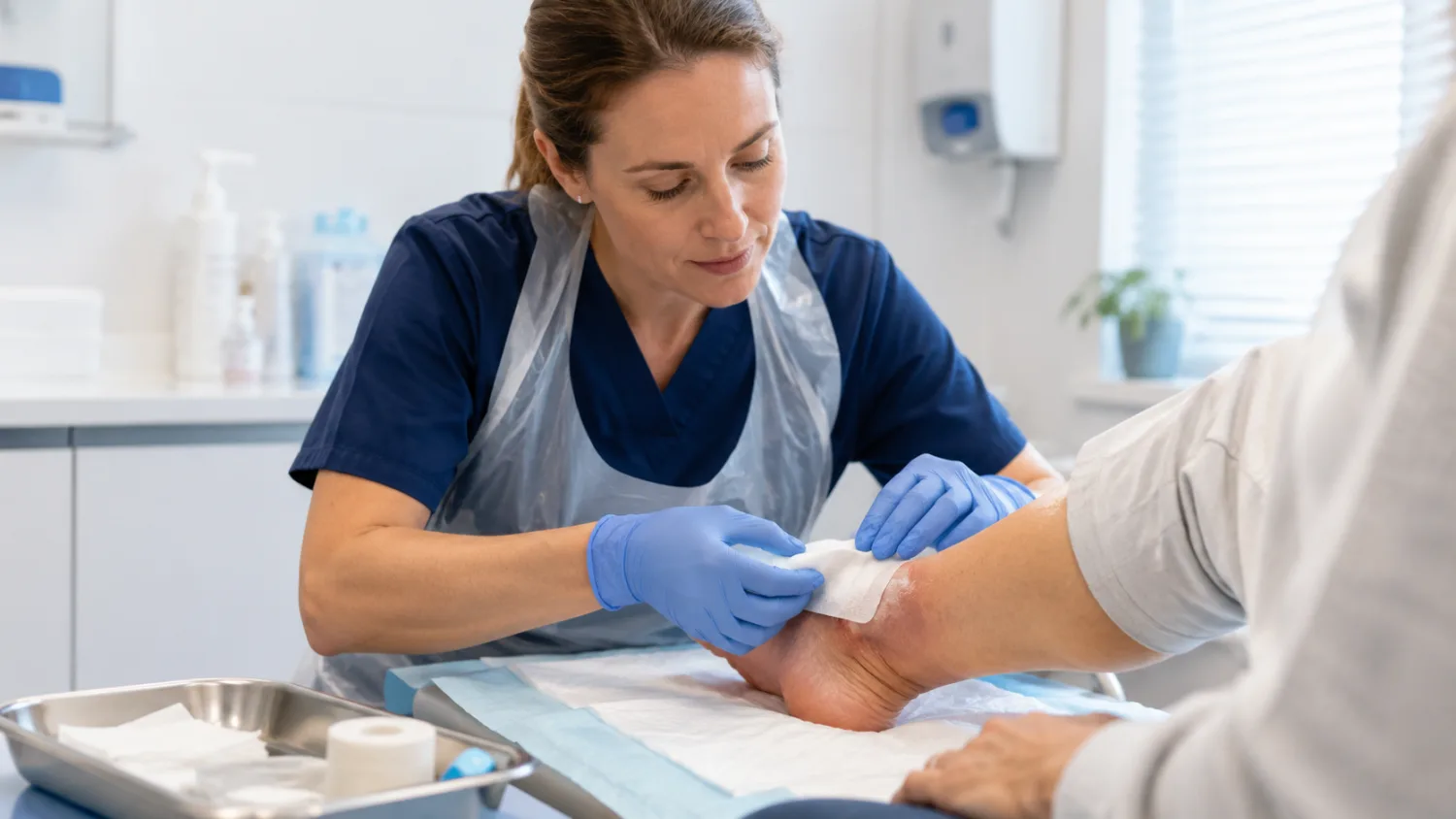
- wound cleaning and dressing
- blood sugar optimisation
- antibiotics if infected
- vascular or podiatry specialist input
Pressure ulcers are common in people who are less mobile, frail, bedbound, wheelchair users or living in care homes. They often develop over bony areas such as the sacrum, hips, heels and ankles. Prevention and early action are crucial.
Pressure ulcer care may involve:
- regular repositioning
- pressure-relieving mattresses or cushions
- skin checks
- moisture and continence care
- nutrition support
- wound dressings
- infection management
- community nursing or tissue viability nurse input
Burns and scalds need the right first aid and, in some cases, urgent medical care. The NHS advises cooling a burn or scald under cool running water for at least 15 minutes. More serious burns may need hospital assessment, specialist dressings, surgery, grafting or scar care.
Regenerative medicine may have a role in specialist burn and wound repair research, but patients should not delay urgent care for burns, infected wounds, diabetic foot wounds or pressure ulcers while looking for private regenerative options.
Skin repair, scars and aesthetic wound healing
Not all wound-healing concerns are about chronic ulcers or serious medical wounds. Many people search for skin repair after acne, surgery, injury, burns, cosmetic procedures or scars. In aesthetic medicine, regenerative-style treatments are often marketed for skin quality, collagen, healing and scar improvement.
Common skin-repair treatments may include:
- microneedling
- laser resurfacing
- chemical peels
- PRP facial treatments
- exosome-style topical products
- scar revision
- steroid injections for raised scars
- silicone gels or sheets
- medical-grade skincare
Some treatments can improve the appearance of scars or skin texture, but expectations need to be realistic. A scar may fade and flatten, but it may not disappear completely. Deeper acne scarring, burn scars or surgical scars often need a tailored plan rather than one treatment.
Be cautious with claims such as “removes scars permanently”, “regenerates new skin”, “repairs at cellular level” or “reverses ageing”. These phrases may sound scientific but are often too vague.
If you have changing moles, non-healing skin lesions, bleeding skin growths, unexplained ulcers or a wound that keeps reopening, do not treat it as a cosmetic issue. Seek medical assessment. You may find our guides to skin cancer checks in the UK, mole removal in the UK and acne treatment in the UK useful.
When to seek medical help for a wound
Many small cuts and scrapes can be managed at home, but some wounds should be assessed quickly. This is especially true if you have diabetes, poor circulation, a weakened immune system, reduced mobility or a wound that is not healing.
Seek medical advice urgently if:
- the wound is deep, large or gaping
- bleeding will not stop
- there is spreading redness, warmth or swelling
- there is pus, a bad smell or increasing discharge
- pain is getting worse
- you have a fever or feel unwell
- you have diabetes and a foot wound
- the wound is on the face, hand, foot, genitals or over a joint
- you may need a tetanus update
- you can see fat, tendon, muscle or bone
- the wound was caused by a bite
- a burn is large, deep, chemical, electrical or affects a child, face, hands, feet or genitals
- a wound has not improved after a reasonable time
For chronic wounds, the goal is not just to cover the wound. The cause needs to be identified. A leg ulcer may need vascular or compression assessment. A foot ulcer in diabetes needs specialist diabetic foot care. A pressure ulcer needs pressure relief and skin protection. An infected wound needs prompt treatment.
Regenerative treatments should not delay standard care. If a wound is infected, worsening or linked to diabetes or poor circulation, get medical advice first.
How to choose a wound-care or regenerative medicine clinic
Choosing a clinic for wound healing, skin repair or regenerative medicine should be based on clinical quality, not marketing language. A good provider should assess the wound, explain the cause, discuss standard treatment, and only recommend advanced options when they are appropriate.
Before booking private wound or skin repair treatment, ask:
- What type of wound or scar do I have?
- Why is it not healing properly?
- Do I need blood-flow assessment, diabetes review or infection testing?
- Is this treatment suitable for my wound type?
- What evidence supports it?
- Is the product licensed or authorised for this use?
- Does the clinic need CQC registration for this service?
- Who will perform the treatment?
- What are the risks?
- What are the alternatives?
- What is the full cost?
- What aftercare and follow-up are included?
- What happens if the wound gets worse?
Be cautious if a clinic:
- offers treatment without properly examining the wound
- claims one product can heal almost any wound
- guarantees regeneration or scar removal
- does not ask about diabetes, circulation, medicines or infection
- cannot explain the product source or regulation
- uses pressure selling or discounted packages
- discourages you from speaking to your GP, nurse or specialist
In the UK, advanced therapies and human tissue-related treatments may involve regulatory oversight from bodies such as the MHRA, HTA and CQC depending on the treatment and setting. A trustworthy clinic should be able to explain this clearly.
For clinics and healthcare providers: if you offer evidence-led wound care, tissue viability services, diabetic foot care, dermatology, skin repair, burns aftercare, scar treatment or regenerative medicine services in the UK, All Health and Care helps patients discover and compare healthcare providers. Contact us to discuss clinic listings, featured placement or inclusion in relevant patient guides.
Wound healing and skin repair FAQs
Can regenerative medicine help wounds heal faster?
Some advanced wound-care technologies and regenerative approaches may support healing in selected wounds, but they are not a magic cure. The cause of the wound, infection control, pressure relief, blood flow, diabetes care, nutrition and correct dressings usually matter first.
What is the most important factor in wound healing?
It depends on the wound. For some wounds, infection control is most important. For diabetic foot ulcers, pressure relief and foot specialist care may be essential. For venous leg ulcers, compression may be key if suitable. For pressure ulcers, pressure relief is critical.
Can PRP help wound healing?
PRP contains platelet-derived growth factors and has been explored in wound healing, skin repair and scar treatment. Evidence varies by wound type and treatment protocol. It should not replace standard wound assessment and care.
Can stem cells heal chronic wounds?
Stem cell and cell-based treatments are being researched for wound healing, but patients should be cautious about private claims. Ask whether the treatment is licensed or part of a clinical trial, and what evidence supports it for your exact wound type.
Can exosome therapy repair skin?
Exosome therapy is marketed for skin repair and post-procedure healing, but evidence and regulation vary. Patients should ask what product is being used, where it comes from, whether it is authorised for the intended use and what evidence supports the claim.
What wounds should not be treated privately without medical assessment?
Diabetic foot wounds, infected wounds, deep wounds, burns, pressure ulcers, wounds with poor circulation, bites, wounds with exposed tendon or bone, and wounds that are worsening should be medically assessed before considering private regenerative treatment.
How do I know if a wound is infected?
Possible signs include spreading redness, warmth, swelling, increasing pain, pus, bad smell, fever or feeling unwell. Infection can become serious, especially in people with diabetes, poor circulation or a weakened immune system.
Why do diabetic foot ulcers need urgent care?
Diabetes can reduce sensation and impair circulation, so foot wounds may be painless but serious. Untreated diabetic foot ulcers can become infected and may lead to severe complications. Prompt diabetic foot assessment is important.
Can pressure ulcers be prevented?
Many pressure ulcers can be reduced or prevented with regular repositioning, pressure-relieving equipment, skin checks, good hygiene, nutrition, hydration and early action when skin changes appear.
Can scars be removed completely?
Most scars cannot be removed completely, but some treatments may improve texture, colour, thickness or appearance. Results depend on scar type, age, location, skin type and treatment choice.
How much does regenerative wound treatment cost privately?
Costs vary widely. Simple consultations may cost a few hundred pounds, while advanced dressings, PRP, laser, scar treatments, exosome-style products or cell-based procedures may cost hundreds to several thousand pounds depending on the clinic and treatment plan.
What is the biggest red flag with wound-healing clinics?
The biggest red flag is a clinic that promises healing or regeneration without properly assessing the wound cause, infection risk, circulation, diabetes status, pressure factors and standard treatment options.