
Choosing a stethoscope can feel strangely high-stakes. It is one of the first pieces of clinical equipment many medical students buy, and for private clinicians it becomes part of everyday practice, patient experience, and professional identity.
The good news is that you do not need the most expensive model on the market to make a sensible choice. The best stethoscope is the one that matches your clinical setting, your level of training, and the types of patients you examine most often.
For most UK medical students, a reliable mid-range dual-head stethoscope is the best starting point. For private GPs, advanced nurse practitioners, physiotherapists, paramedics, occupational health clinicians, and doctors working in private practice, it may be worth spending more for better acoustics, comfort, durability, and a more professional feel.
Below, we explain what matters when buying a stethoscope, which features are worth paying for, and which models are most suitable for UK medical students and private clinicians.
What makes a good stethoscope?
A stethoscope is simple in design, but small differences can make a big difference in day-to-day use. The key areas to consider are acoustic quality, chestpiece design, comfort, durability, patient group, and value for money.
Acoustic performance
The main job of a stethoscope is to transmit body sounds clearly. This includes heart sounds, breath sounds, bowel sounds, bruits, murmurs, and blood pressure Korotkoff sounds.
Better stethoscopes usually provide clearer sound transmission, better noise isolation, and more useful performance in busy clinical environments. This matters if you are working in GP surgeries, hospital wards, care homes, urgent treatment centres, private clinics, or noisy community settings.
For students, the challenge is slightly different. Early in training, you are still learning what normal and abnormal sounds actually sound like. A poor-quality stethoscope can make learning harder because it may be unclear whether you cannot hear a sign because it is absent, because your technique needs work, or because the stethoscope is limiting you.
Dual-sided chestpiece
Most general clinical stethoscopes have a dual-sided chestpiece. One side is usually designed for adults, while the smaller side may be used for paediatric patients or smaller anatomical areas.
For UK medical students, this is ideal because you may rotate through adult medicine, surgery, paediatrics, emergency medicine, GP, and obstetrics. A flexible, general-purpose stethoscope is usually more useful than a highly specialised one.
Tunable diaphragm
Some modern stethoscopes use a tunable diaphragm. This allows you to hear different sound frequencies by changing how firmly you press the chestpiece against the patient.
In practical terms, lighter pressure helps with lower-frequency sounds, while firmer pressure helps with higher-frequency sounds. This can be useful when learning cardiac and respiratory examination, although technique still matters just as much as equipment.
Comfort and fit
Comfort matters more than many people expect. You may wear your stethoscope around your neck, carry it in a bag, or use it repeatedly throughout the day. Look for soft-sealing ear tips, adjustable headset tension, and tubing that is not excessively stiff.
A stethoscope that fits poorly can leak sound and make auscultation less effective. Before assuming your stethoscope is not good enough, check that the earpieces point slightly forward into your ear canals and that the ear tips form a good seal.
Weight
A heavier stethoscope can feel more premium and may provide better acoustic performance, especially in cardiology-style models. However, it can also become irritating if worn around the neck all day.
Students and clinicians who carry their stethoscope between placements, clinics, care homes, and home visits may prefer a lighter model. Titanium models, such as the MDF MD One Epoch Titanium, are designed to reduce weight while maintaining clinical performance.
Durability and warranty
A good stethoscope should last years if looked after properly. Tubing, ear tips, diaphragms, and non-chill rims can wear over time, so it is worth checking whether replacement parts are easy to source in the UK.
For students and clinicians, this is one reason to choose a recognised brand with reliable spare parts, clear warranty terms, and good availability from UK suppliers.
Best stethoscopes for UK medical students
1. 3M Littmann Classic III — best overall for most medical students
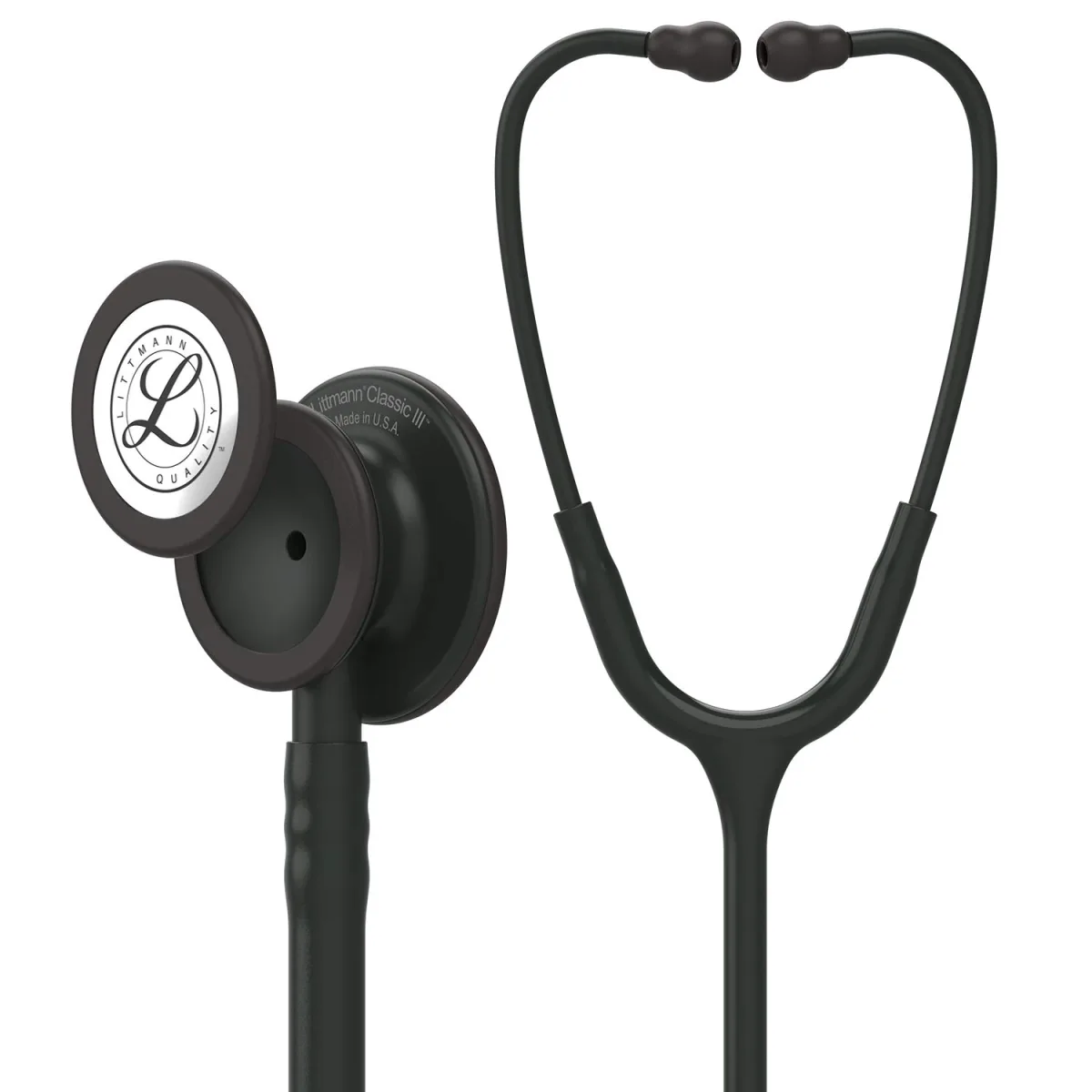
Best for: UK medical students, junior doctors, nurses, physician associates, paramedics, and general clinical use
Typical category: Mid-range
Get 3M Littmann Classic III stethoscope here
The Littmann Classic III is probably the safest recommendation for most UK medical students. It offers a strong balance of acoustic quality, durability, comfort, and price. It is suitable for general clinical examination and can be used across most placements.
It is not the cheapest stethoscope available, but it is often the best value because it should remain useful beyond medical school. Many students buy cheaper stethoscopes initially and later upgrade; starting with a Classic III can avoid buying twice.
The Classic III is also widely recognised, which matters in teaching environments. Tutors and clinicians are familiar with it, replacement parts are easy to find, and it performs well enough for routine cardiovascular, respiratory, abdominal, and blood pressure assessment.
Pros
- Excellent all-round choice
- Suitable for students and qualified clinicians
- Good acoustic sensitivity for the price
- Dual-sided chestpiece
- Available in many colours and finishes
- Professional appearance
Cons
- More expensive than basic student models
- Not as acoustically powerful as cardiology-grade models
- Popular model, so name engraving or labelling is sensible
Verdict: The best default choice for most UK medical students.
2. MDF MD One — best alternative to Littmann
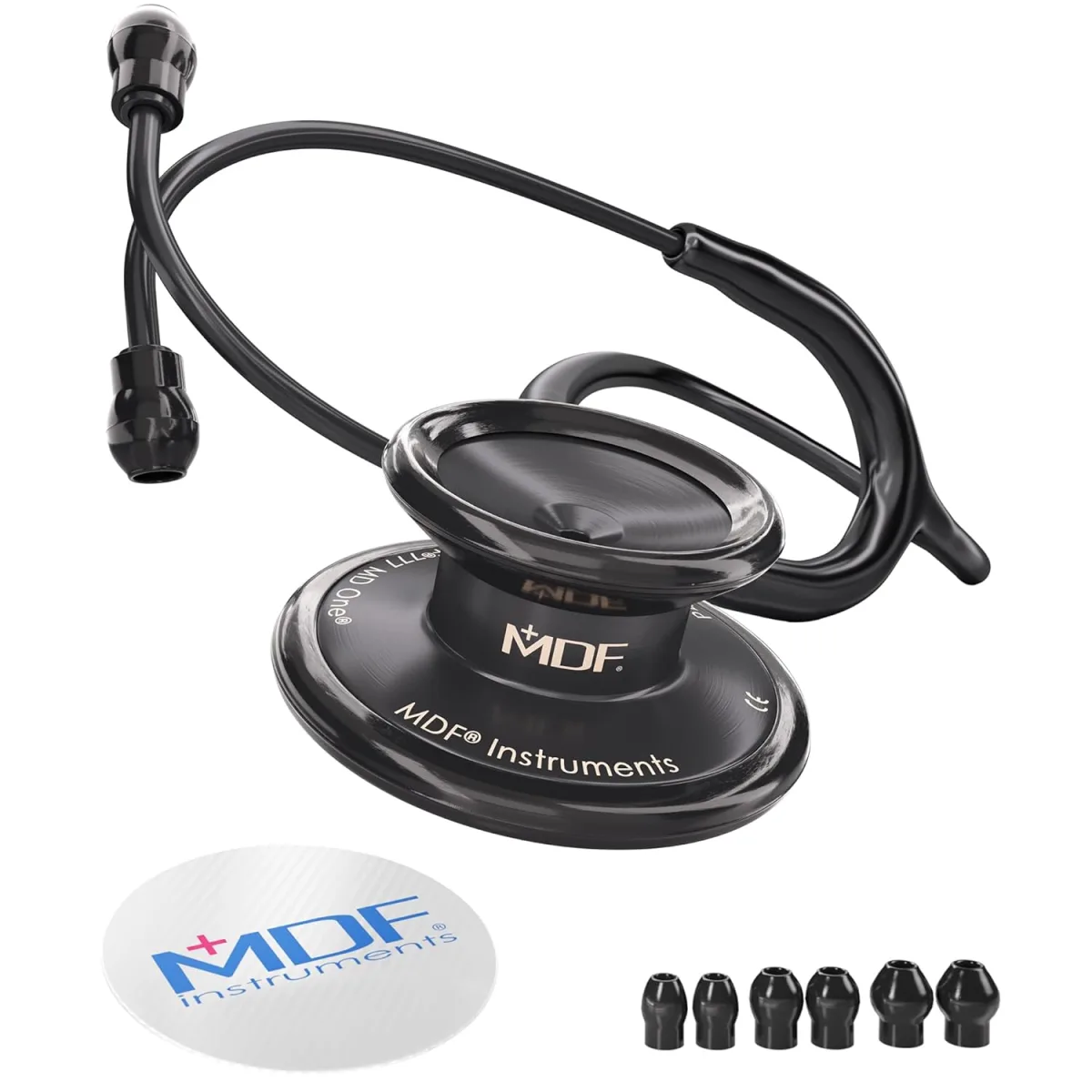
Best for: Students who want strong performance without choosing Littmann
Typical category: Mid-range
The MDF MD One is a strong alternative for students who want a durable, professional-looking stethoscope but do not necessarily want the same model as everyone else.
The MD One range is often praised for build quality, design choice, and warranty support. It is suitable for general clinical use and can be a sensible option for medical students, nursing students, paramedic students, and allied health professionals.
Pros
- Good Littmann alternative
- Professional design
- Wide choice of colours and finishes
- Strong warranty and parts support
- Suitable for general clinical examination
Cons
- Littmann is more commonly seen in UK hospitals
- Acoustic preference can be subjective
- Check UK availability and delivery before recommending
Verdict: A good choice for students who want a reliable non-Littmann stethoscope.
3. 3M Littmann Lightweight II S.E. — best budget Littmann option
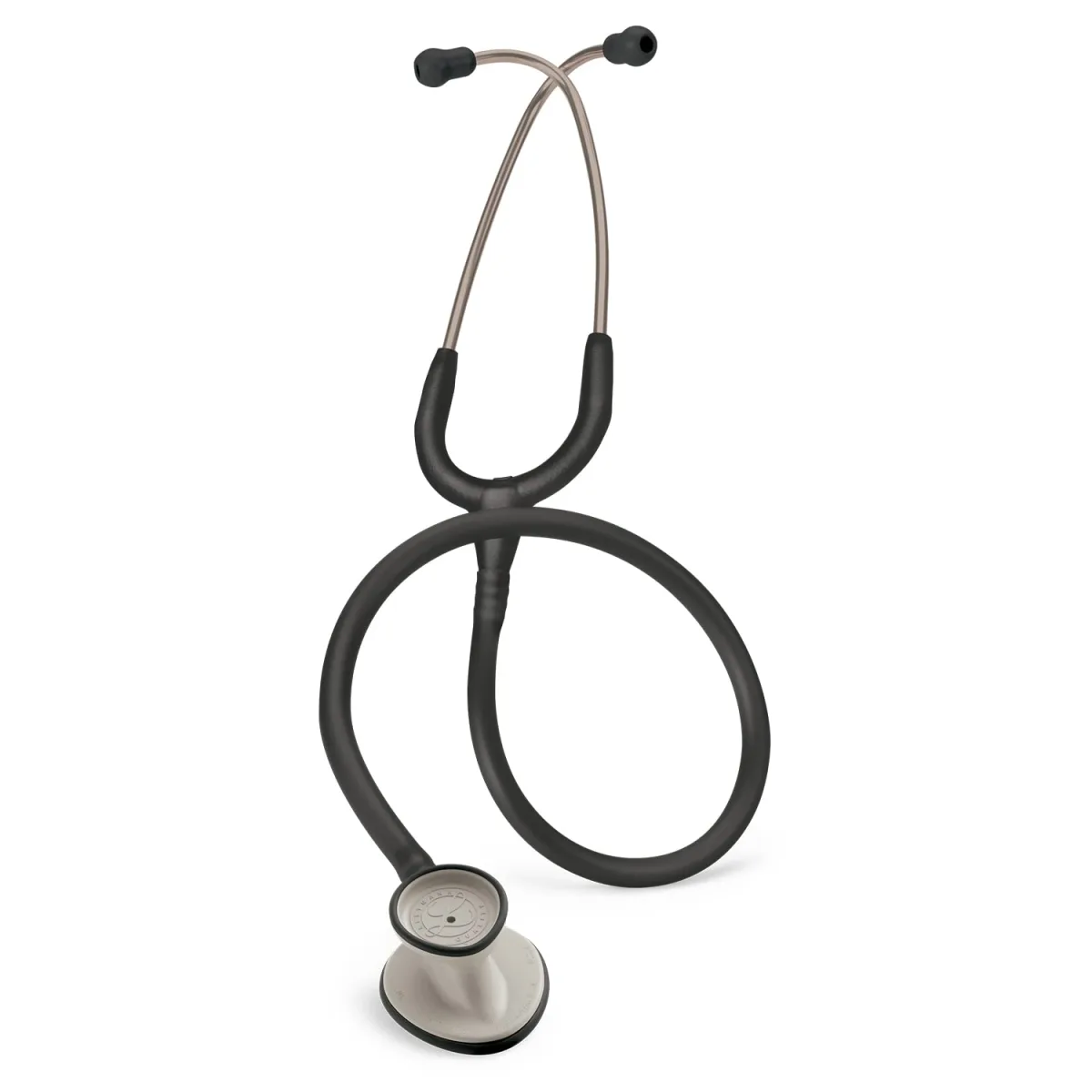
Best for: Students on a tighter budget, basic observations, blood pressure checks
Typical category: Budget to lower mid-range
The Littmann Lightweight II S.E. is a more affordable Littmann model. It is lighter and cheaper than the Classic III, making it appealing for early students or those who mainly need a stethoscope for basic clinical skills.
However, it is less versatile and less premium than the Classic III. For a student expecting to use their stethoscope throughout medical school and into foundation training, the Classic III is usually the better long-term investment. But for basic clinical use, especially if budget is the main constraint, the Lightweight II S.E. can still be a reasonable option.
Pros
- More affordable than the Classic III
- Lightweight
- Suitable for basic clinical skills
- Recognised Littmann brand
Cons
- Less versatile than the Classic III
- Not ideal for more advanced auscultation
- May be outgrown as clinical skills develop
Verdict: A reasonable budget option, but most medical students should consider stretching to the Classic III if possible.
4. ADC Adscope 603 — best budget-friendly alternative

Best for: Students wanting a lower-cost clinical stethoscope
Typical category: Budget to mid-range
ADC’s Adscope range is worth considering for students who want a more affordable alternative to Littmann.
The ADC Adscope 603 is commonly positioned as a clinician-style stethoscope and may suit students who want decent performance without paying Littmann prices. It is unlikely to have the same brand recognition as Littmann in UK hospitals, but it can still be a practical option.
Pros
- Often more affordable than Littmann
- Suitable for student use
- Good option for basic to general clinical examination
- Available in multiple finishes
Cons
- Less recognised than Littmann in UK clinical settings
- Availability can vary
- Resale value and parts availability may be less convenient
Verdict: A good value option if the price is significantly lower than a Classic III.
Best stethoscopes for private clinicians
Private clinicians often need something slightly different from medical students. In private practice, your stethoscope is not only a tool but also part of the patient experience. It should be reliable, easy to clean, professional-looking, and comfortable during repeated use.
1. 3M Littmann Cardiology IV — best premium choice for private clinicians
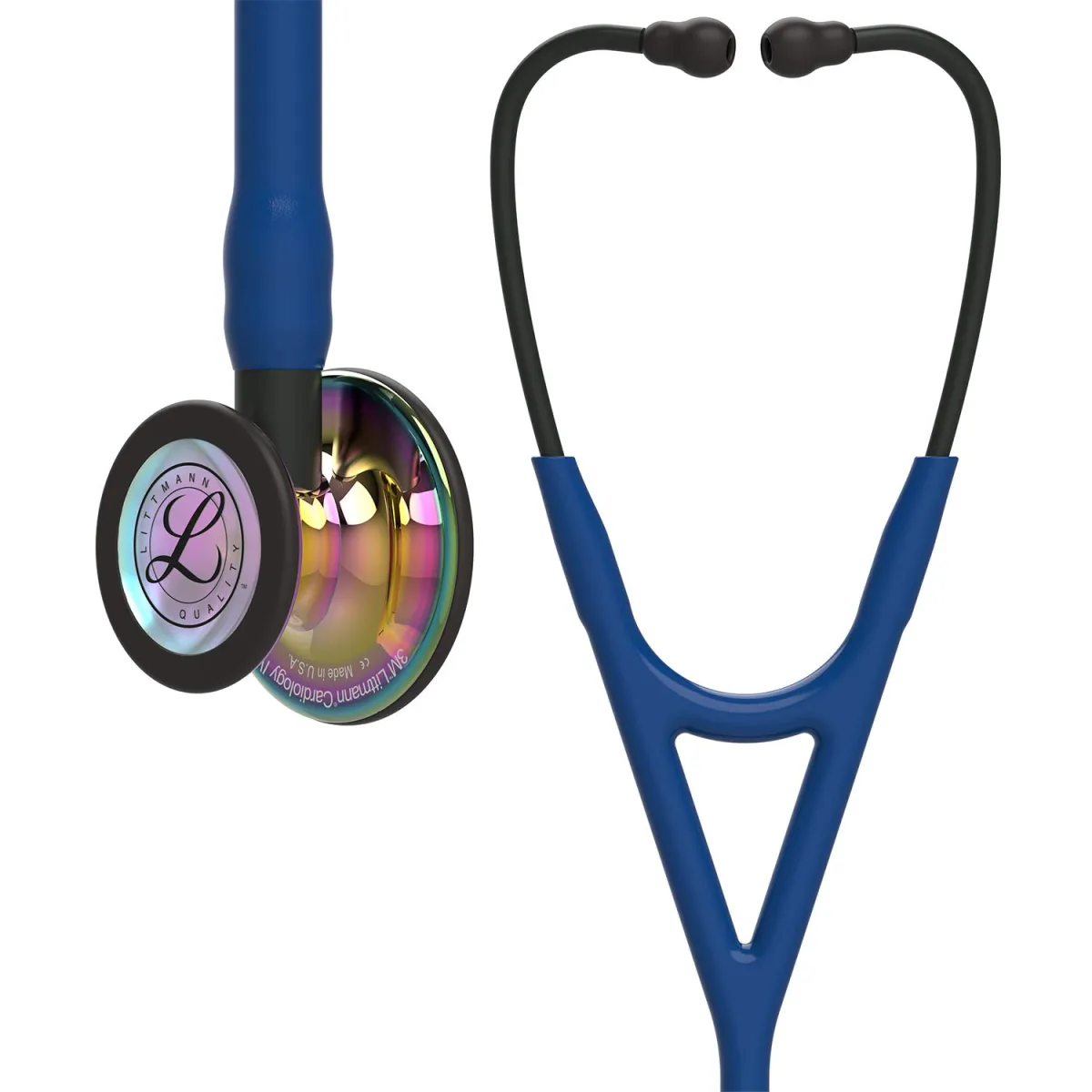
Best for: Private GPs, cardiology-facing clinicians, urgent care, advanced clinical assessment
Typical category: Premium
The Littmann Cardiology IV is a premium stethoscope designed for clinicians who want stronger acoustic performance than a standard general-purpose model.
This is especially useful for clinicians who regularly assess heart sounds, murmurs, subtle respiratory findings, frail older adults, or patients in noisy environments. It is more expensive than the Classic III, but private clinicians may find the upgrade worthwhile.
The Cardiology IV is also commonly positioned as useful in more challenging environments such as emergency departments, ICUs, cardiac units, and step-down settings.
Pros
- Excellent acoustic performance
- Professional premium feel
- Suitable for adult and paediatric patients
- Strong option for cardiac and respiratory assessment
- Good for busy or noisy clinical environments
Cons
- Expensive
- Heavier than some general models
- More than most medical students need
Verdict: The best premium stethoscope for private clinicians who want excellent all-round performance.
2. 3M Littmann Classic III — best value for private general practice
Best for: Private GPs, occupational health, aesthetics clinics, community clinicians, general assessment
Typical category: Mid-range
Get 3M Littmann Classic III stethoscope here
Not every private clinician needs a cardiology-grade stethoscope. For many private GPs, occupational health doctors, independent prescribers, physiotherapists, and advanced practitioners, the Littmann Classic III is more than enough.
It is professional, reliable, and suitable for routine cardiovascular, respiratory, abdominal, and blood pressure assessment. It also looks credible in a private clinical setting without the cost of a Cardiology IV.
Pros
- Excellent balance of price and performance
- Suitable for most private clinical work
- Recognised professional brand
- Easy to source accessories and replacement parts
- Lighter and cheaper than Cardiology IV
Cons
- Not as powerful as a cardiology model
- Less impressive for subtle murmurs or very noisy settings
Verdict: The best value choice for most private clinicians.
3. MDF MD One Epoch Titanium — best lightweight premium alternative
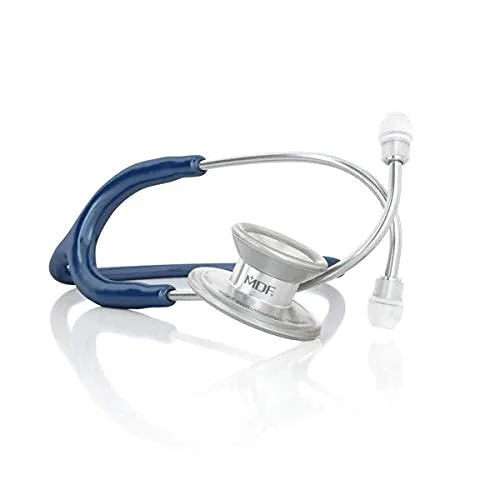
Best for: Private clinicians wanting a lightweight, stylish, non-Littmann option
Typical category: Premium alternative
The MDF MD One Epoch Titanium is a strong option for clinicians who want a lighter premium stethoscope. Titanium construction helps reduce weight, which may appeal to clinicians who carry their stethoscope throughout the day or dislike heavier cardiology models.
This may be especially attractive to private clinicians who want something distinctive, modern, and comfortable without defaulting to Littmann.
Pros
- Lightweight titanium design
- Premium appearance
- Good for clinicians who dislike heavy stethoscopes
- Strong warranty and parts support
- Distinctive alternative to Littmann
Cons
- Usually expensive
- Less familiar than Littmann to many UK clinicians
- Not necessarily the best choice for cardiology-heavy work
Verdict: A stylish, lightweight premium option for private clinicians.
4. ADC Adscope 600 or 603 — best value private practice alternative

Best for: Clinicians wanting good value without paying premium Littmann prices
Typical category: Mid-range
ADC models can be a sensible option for private clinicians who want a capable stethoscope at a more accessible price. The Adscope 603 is more student/general-clinician focused, while the Adscope 600 is often positioned closer to a cardiology-style model.
For private clinicians, the decision comes down to how often auscultation is central to your work. If you regularly assess chest pain, breathlessness, murmurs, older adults, or complex patients, it may be worth paying more for a Littmann Cardiology IV. If your use is more routine, ADC may offer good value.
Pros
- Often good value
- Suitable for general clinical work
- Alternative to higher-priced brands
- Multiple models and colours available
Cons
- Less brand recognition than Littmann
- Check UK stock and replacement part availability
- May not feel as premium in private practice
Verdict: Worth considering if value for money is the priority.
Best stethoscope by user type
Best for first-year medical students
Choose the 3M Littmann Classic III if your budget allows. It will serve you well through clinical skills sessions, OSCE practice, hospital placements, GP placements, and early postgraduate practice.
Budget pick: Littmann Lightweight II S.E. or ADC Adscope 603.
Best for final-year medical students
Choose the Littmann Classic III. At this stage, you need something reliable for ward work, finals, assistantships, and foundation training.
Upgrade pick: Littmann Cardiology IV if you have a strong interest in acute medicine, cardiology, respiratory medicine, emergency medicine, or anaesthetics.
Best for foundation doctors
Choose the Littmann Classic III for most jobs. Consider the Cardiology IV if you are entering acute, cardiac, respiratory, or emergency-heavy rotations and want better acoustic performance.
Best for private GPs
Choose the Littmann Classic III for general private practice. Choose the Cardiology IV if you regularly perform detailed cardiovascular and respiratory examinations.
Best for private physiotherapists
For physiotherapists who use auscultation, especially in respiratory, community, elderly care, or post-operative rehabilitation, the Littmann Classic III is a sensible choice. The Cardiology IV may be worth considering for more advanced respiratory assessment.
Best for aesthetics clinicians
For aesthetics clinics, the stethoscope may be used less frequently, but it should still look professional and perform reliably when needed. The Littmann Classic III is usually the best balance of quality and appearance.
Best for paediatric use
A dual-sided stethoscope such as the Littmann Classic III can work for general mixed adult and paediatric use. Clinicians who regularly assess children may prefer a dedicated paediatric stethoscope, but most students do not need one initially.
Should medical students buy a cheap stethoscope?
A very cheap stethoscope can be tempting, especially before you know how often you will use it. However, there is a risk that poor acoustics will make clinical learning harder. If you cannot hear breath sounds clearly, struggle with blood pressure readings, or miss subtle heart sounds, you may lose confidence unnecessarily.
That does not mean every student needs a premium cardiology model. In fact, most do not. The sensible middle ground is to buy a good mid-range stethoscope that will last several years.
For most UK medical students, that means the Littmann Classic III or a strong alternative such as the MDF MD One or ADC Adscope 603.
Is the Littmann Cardiology IV worth it for medical students?
For most medical students, the Littmann Cardiology IV is a luxury rather than a necessity. It is an excellent stethoscope, but it is more expensive and heavier than the Classic III.
It may be worth buying if:
- You have a strong interest in cardiology, respiratory medicine, emergency medicine, anaesthetics, or acute care
- You want a stethoscope that will last well into postgraduate training
- You already know you value better acoustic performance
- You can afford it without compromising other essentials
It may not be worth it if:
- You are in early pre-clinical years
- You mainly need a stethoscope for basic skills teaching
- You are likely to lose it on placement
- You are buying mainly because other people have one
For most students, the Classic III remains the better value choice.
What colour stethoscope should you choose?
Colour is mostly personal preference, but there are a few practical points.
Black, navy, burgundy, grey, and dark green look professional and tend to age well. Bright colours are easier to identify and less likely to be mistaken for someone else’s. Light tubing can look stylish but may show marks more easily.
If you are buying a popular model, consider engraving your name or using a stethoscope ID tag. Stethoscopes are commonly misplaced, borrowed, or accidentally picked up in hospitals.
For private clinicians, a more understated colour often looks more professional in a clinic setting. Black, champagne, smoke, navy, burgundy, and all-black finishes are popular choices.
How to look after your stethoscope
A good stethoscope should last years, but only if you treat it properly.
Clean the chestpiece and ear tips regularly according to the manufacturer’s guidance and local infection control policy. Avoid leaving the tubing in direct sunlight, in a hot car, or folded tightly in a bag for long periods. Do not immerse the stethoscope in liquid unless the manufacturer specifically says this is safe.
It is also worth keeping spare ear tips and a replacement diaphragm available, especially if you use your stethoscope daily in private practice.
Final recommendations
Best overall for UK medical students
3M Littmann Classic III
This is the safest and most sensible choice for most students. It offers strong acoustic performance, good durability, a versatile chestpiece, and enough quality to last into postgraduate training.
Best budget choice
ADC Adscope 603
A good option for students who want something cheaper than a Littmann while still buying a proper clinical stethoscope.
Best premium student choice
3M Littmann Cardiology IV
Excellent, but more than most students need. Worth considering for those interested in acute medicine, cardiology, respiratory medicine, or emergency care.
Best for private clinicians
3M Littmann Cardiology IV
A premium, professional option with strong acoustic performance, especially useful for clinicians who regularly perform detailed cardiovascular and respiratory examinations.
Best value for private practice
3M Littmann Classic III
More than adequate for most private general practice, occupational health, community, aesthetics, and routine clinical settings.
Buying checklist
Before buying, ask yourself:
- Will I use this mainly as a student or as a qualified clinician?
- Do I need adult, paediatric, or mixed-use capability?
- Is acoustic quality more important than weight?
- Do I want a budget, mid-range, or premium model?
- Are replacement parts easy to find in the UK?
- Is the seller reputable?
- Can I add engraving or a name tag?
- Does the colour look professional and practical?
- Is the warranty clear?
- Would I still be happy with this model in three years?
Conclusion
For most UK medical students, the 3M Littmann Classic III is the best stethoscope to buy. It is reliable, versatile, professional, and suitable for learning clinical examination properly. Students on a tighter budget can consider the ADC Adscope 603 or a more affordable Littmann model, while those wanting a premium long-term option may choose the Littmann Cardiology IV.
For private clinicians, the decision depends on how central auscultation is to your work. The Littmann Classic III is enough for most routine private practice, while the Littmann Cardiology IV is the better choice for clinicians who want stronger acoustic performance and a more premium feel.
A stethoscope is not just a purchase for medical school or clinic work. It is a daily clinical tool. Buy one that helps you hear clearly, examine confidently, and look professional while doing it.