Breast augmentation is one of the most commonly performed cosmetic procedures worldwide. Each year, many people choose breast enlargement surgery to improve body proportions, restore volume after pregnancy or weight loss, or address long-standing concerns about breast size or symmetry.
In recent years, more UK patients have explored having breast augmentation abroad. Lower prices, shorter waiting times and specialist cosmetic surgery clinics in parts of Europe have all contributed to the growth of international cosmetic surgery.
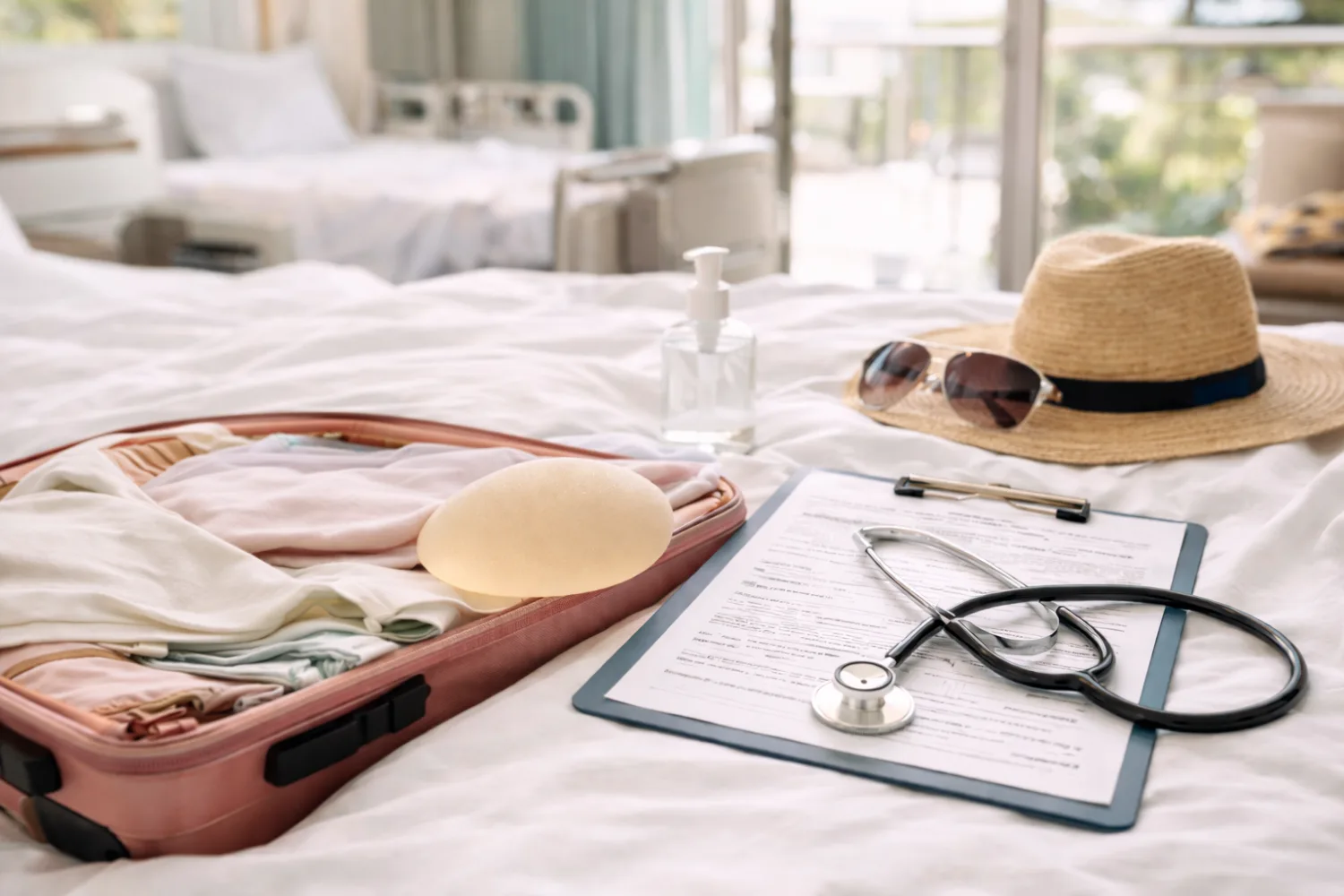
However, travelling overseas for surgery involves more than booking a procedure and arranging flights. Understanding the costs, safety checks, recovery requirements, insurance and aftercare is essential before making any decision.
This guide explains breast augmentation abroad, including typical costs, what the surgery involves, key risks, how to check a clinic, and how to plan recovery safely.
Why UK patients consider breast augmentation abroad
For many people, the first reason they explore surgery abroad is cost. Private cosmetic procedures in the UK can be expensive, especially when hospital fees, anaesthesia, consultations and follow-up appointments are included.
Breast augmentation in the UK commonly costs around £5,500 to £8,000, depending on the clinic, implant type, hospital and surgeon experience. In some overseas clinics, prices may start closer to £3,000 to £4,000, even when hospital care and several consultations are included.
For some patients, the difference is large enough to justify travelling abroad. A procedure that might cost £7,000 in a UK private hospital could potentially cost several thousand pounds less overseas, even after flights and accommodation.
Another factor is timing. Cosmetic surgery is rarely available through the NHS unless there is a clear medical need. Private clinics in the UK may also have waiting periods for consultations and surgery dates, whereas some international clinics specialise in cosmetic procedures and may arrange treatment relatively quickly.
The wider trend is explained in why more UK patients are choosing healthcare abroad.
Why cost should not be the only reason
Lower prices can make surgery abroad attractive, but the cheapest option is not always the best value. Breast augmentation is still surgery, and the result depends on surgeon skill, implant choice, hospital standards, anaesthetic safety, communication and aftercare.
A safe decision should compare the full treatment journey, not just the headline procedure price.
What breast augmentation involves
Breast augmentation usually involves placing silicone or saline implants to increase breast size or improve shape. The procedure usually takes around one to two hours and is performed under general anaesthesia.
Implants may be positioned:
- behind the breast tissue
- partly behind the chest muscle
- fully beneath the chest muscle
The best position depends on your anatomy, breast tissue, body shape, implant choice, lifestyle and the surgeon’s recommendation.
Most patients stay in the clinic for several hours or overnight before being discharged. Recovery then continues over several weeks.
Although breast augmentation is widely performed and generally safe when carried out by qualified surgeons, it remains a significant surgical procedure and needs careful preparation.
A realistic cost example
Consider a typical scenario.
A patient in their early thirties may have considered breast augmentation for several years after pregnancy and weight changes. After researching UK private clinics, they might receive quotes ranging from £6,500 to £8,000.
While exploring alternatives, they find overseas clinics offering breast enlargement surgery for around £3,500 to £4,000. These packages may include:
- surgeon and hospital fees
- implants
- anaesthesia
- overnight stay
- post-operative checks
Even after travel and accommodation, the total cost may still be significantly lower.
For some patients, this makes overseas treatment appealing. But price should never be the only factor influencing a medical decision.
What costs should you include?
The headline price is not always the full cost. Before comparing clinics, ask for a written itemised quote.
Costs to consider include:
- surgeon fees
- hospital or clinic fees
- anaesthesia
- implant cost
- pre-operative tests
- post-operative checks
- surgical bra or compression garment
- medication
- flights
- hotel or recovery accommodation
- travel for a companion
- time off work
- insurance or complication cover
- possible return visits
- revision surgery if results are not satisfactory or complications occur
For a wider financial overview, see private healthcare UK vs treatment abroad cost comparison and paying for surgery abroad.
Ask what is excluded
Some packages appear cheaper because they exclude important items. Before paying a deposit, ask whether the quote includes implants, anaesthesia, blood tests, surgical garments, medication, overnight stay, follow-up checks and treatment for complications.
Also ask whether you would need to pay extra for a different implant type, additional nights in hospital, revision surgery or in-person follow-up.
Safety considerations
Breast augmentation, like any surgery, carries risks. These risks exist regardless of where the procedure takes place.
Possible complications include:
- infection
- bleeding
- scarring
- pain
- changes in nipple or breast sensation
- implant displacement
- implant rupture or leakage
- capsular contracture, where scar tissue tightens around the implant
- asymmetry or dissatisfaction with cosmetic results
- need for revision surgery
- anaesthetic risks
- blood clots, especially around surgery and travel
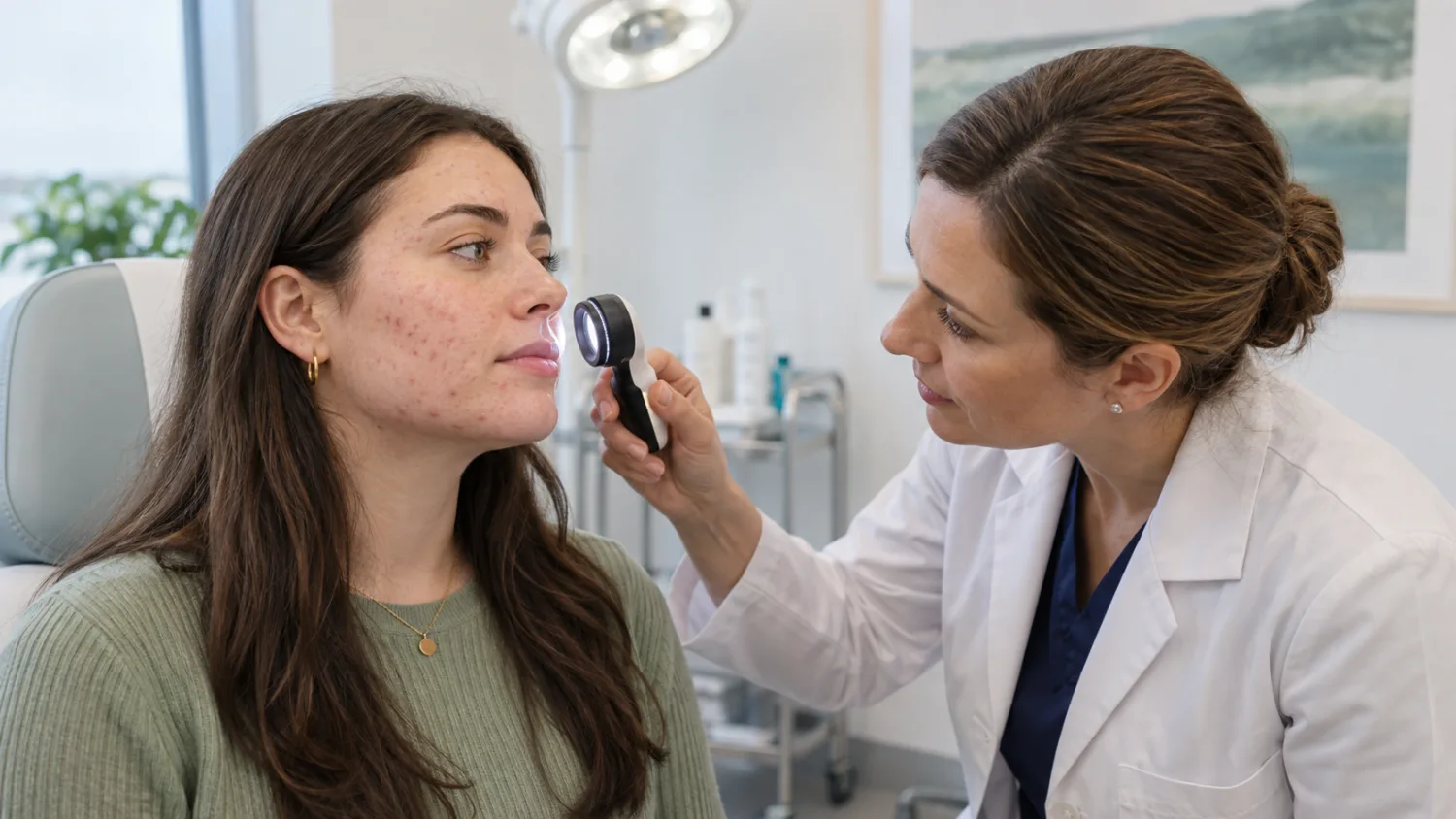
The NHS advises patients considering cosmetic surgery abroad to carefully research the qualifications of the surgeon and the standards of the clinic before travelling.
Ensuring that a surgeon is properly trained and experienced in breast augmentation is one of the most important steps in reducing risk.
If you are researching clinics overseas, read how to check if an overseas clinic is legitimate. It is also worth understanding the risks and benefits of treatment abroad.
Is breast augmentation abroad safe?
Breast augmentation abroad can be safe when performed by a qualified surgeon in a properly equipped facility with good aftercare. Many patients have positive experiences.
However, the risks are higher when patients choose based on price alone, travel too soon after surgery, cannot verify the surgeon, or do not have a clear plan for complications and follow-up.
Safety depends less on the country alone and more on the provider, procedure, patient health, hospital standards, aftercare and recovery planning.
How to check a breast augmentation clinic abroad
Before paying a deposit, make sure you can verify the clinic, surgeon and hospital arrangements.
Ask:
- Who will perform the surgery?
- What are the surgeon’s qualifications?
- Is the surgeon registered with the relevant medical regulator in that country?
- How many breast augmentation procedures do they perform each year?
- Where will the operation take place?
- Is the facility a hospital or clinic?
- What emergency support is available?
- Who provides anaesthesia?
- What implant brands are used?
- Are the implants approved for use in that country?
- What aftercare is included?
- What happens if complications occur after returning to the UK?
- Can records and discharge notes be provided in English?
A reputable provider should answer clearly and in writing. Be cautious if a clinic is vague about surgeon credentials, avoids questions, pressures you to book quickly or focuses mainly on discounts.
Warning signs to watch for
Be cautious if:
- the clinic guarantees perfect results
- the price seems unusually low
- you are pressured to pay quickly
- you cannot speak to the surgeon before travelling
- the clinic cannot explain implant options clearly
- aftercare is vague
- refund terms are unclear
- medical records will not be provided in English
Choosing a clinic based only on the lowest advertised price may increase the risk of complications, poor communication or unsatisfactory results.
Recovery after breast augmentation abroad
Recovery is one of the most important and often underestimated parts of cosmetic surgery abroad.
After breast augmentation, patients usually experience swelling, soreness, bruising and limited upper-body movement for several days. Most surgeons recommend avoiding strenuous activity, heavy lifting and intense exercise for several weeks.
When surgery takes place abroad, patients must also consider travel timing. Flying too soon after surgery can increase the risk of complications such as blood clots, swelling or bleeding.
Many surgeons advise remaining near the clinic for around seven to ten days before travelling home. This allows the surgical team to monitor early healing and address immediate concerns.
Questions to ask about recovery
Before travelling, ask your surgeon:
- How long should I stay abroad after surgery?
- When is it safe to fly?
- What symptoms should I watch for?
- What activities should I avoid?
- When can I shower?
- When can I drive?
- When can I return to work?
- When can I exercise?
- Who should I contact if I develop pain, redness, fever or swelling?
Can you recover alone?
It is usually safer to have someone with you, especially during the first few days after surgery. You may need help with luggage, dressing, medication, meals, transport and basic daily tasks.
Travelling alone can also make it harder to respond quickly if symptoms such as fever, worsening pain, increasing swelling or wound problems develop.
The importance of aftercare
One of the key differences between surgery at home and surgery abroad is follow-up care.
In the UK, patients may attend several post-operative appointments with their surgeon to monitor healing and ensure implants are settling correctly.
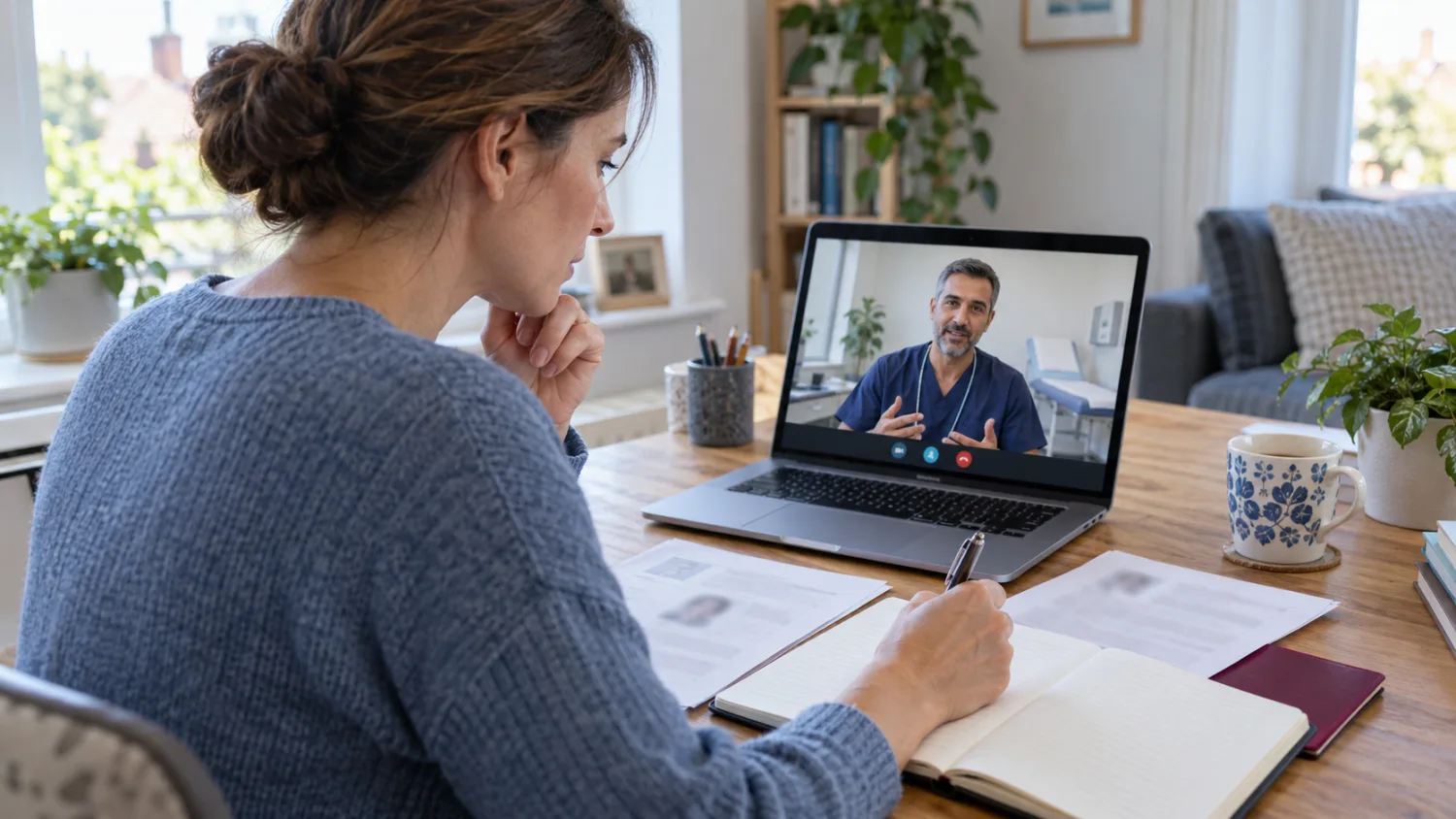
When surgery is performed abroad, follow-up visits may require returning to the clinic or arranging consultations remotely. Some clinics provide online follow-up consultations, while others recommend visiting a local healthcare professional for certain checks.
Before choosing a clinic abroad, ask clear questions about how aftercare will be handled.
Aftercare questions to ask
- How many follow-up appointments are included?
- Can follow-up be done remotely?
- Will I need to return abroad for checks?
- Who removes dressings or checks wounds?
- What happens if I develop an infection in the UK?
- What happens if I am unhappy with the result?
- What is the policy for revision surgery?
- Will I receive implant details and operation records?
Good aftercare should be planned before surgery, not arranged in a panic afterwards.
Cosmetic surgery abroad in context
The growth of cosmetic surgery abroad reflects wider changes in how people approach healthcare decisions. Patients today often research options internationally and compare providers in different countries before making choices.
Our broader guide to treatment abroad for UK patients explains the practical issues in more detail.
If you are specifically considering cosmetic procedures overseas, read thinking about cosmetic surgery abroad: a UK patient’s guide.
FAQ: breast augmentation abroad
How much does breast augmentation cost abroad?
Some overseas clinics advertise breast augmentation from around £3,000 to £4,000, while UK private prices commonly range from about £5,500 to £8,000. The final cost depends on surgeon, clinic, implants, anaesthesia, aftercare, travel and accommodation.
Is breast augmentation abroad cheaper than in the UK?
Often, yes. However, the full comparison should include flights, hotel stay, companion costs, time off work, insurance, aftercare and possible revision treatment.
Is breast augmentation abroad safe?
It can be safe if the surgeon is qualified, the clinic is properly equipped, implants are appropriate, and aftercare is clear. It becomes riskier when decisions are based mainly on price or rushed booking.
How long should I stay abroad after breast augmentation?
Many surgeons advise staying near the clinic for around seven to ten days, but this varies. Follow the advice of the surgeon who performs the procedure.
When can I fly after breast augmentation?
This depends on your operation, recovery and surgeon’s advice. Flying too soon may increase risks such as swelling, bleeding or blood clots, so get written guidance before booking return flights.
What are the main risks of breast augmentation?
Risks include infection, bleeding, scarring, implant displacement, capsular contracture, rupture, changes in sensation, asymmetry, dissatisfaction with results, anaesthetic risks and need for further surgery.
What should I check before choosing a clinic abroad?
Check the surgeon’s qualifications, clinic registration, hospital facilities, anaesthesia arrangements, implant brands, complication policy, aftercare plan, reviews and whether records are provided in English.
Will the NHS fix complications from breast surgery abroad?
The NHS will provide urgent care when needed, but routine revision surgery or cosmetic correction after private surgery abroad may not be straightforward. Clarify aftercare and complication cover before travelling.
Do I need insurance for breast augmentation abroad?
Standard travel insurance often excludes planned cosmetic surgery. Specialist medical travel insurance or complication cover may be needed, and exclusions should be checked carefully.
What if I am unhappy with the result?
Ask the clinic before surgery about revision policies, costs, timescales and whether you would need to travel back. Get this in writing before paying a deposit.
Can I recover alone after breast augmentation abroad?
It is usually safer to have someone with you, especially in the first few days. You may need help with travel, luggage, dressing, medication and daily tasks.
Should I choose the cheapest clinic?
No. Price matters, but surgeon experience, safety standards, implant quality, aftercare and communication are more important than the lowest advertised cost.
Final takeaway
Breast augmentation abroad can offer access to experienced surgeons and potentially lower costs for UK patients. When carefully planned and performed in reputable clinics, many patients have positive experiences.
However, cosmetic surgery is still surgery. It carries risks, requires recovery time and needs proper aftercare.
Before making any decision, check the surgeon, clinic, implant choice, total cost, insurance, recovery plan and follow-up arrangements. Taking time to ask the right questions can help make the experience safer, more transparent and more satisfying.