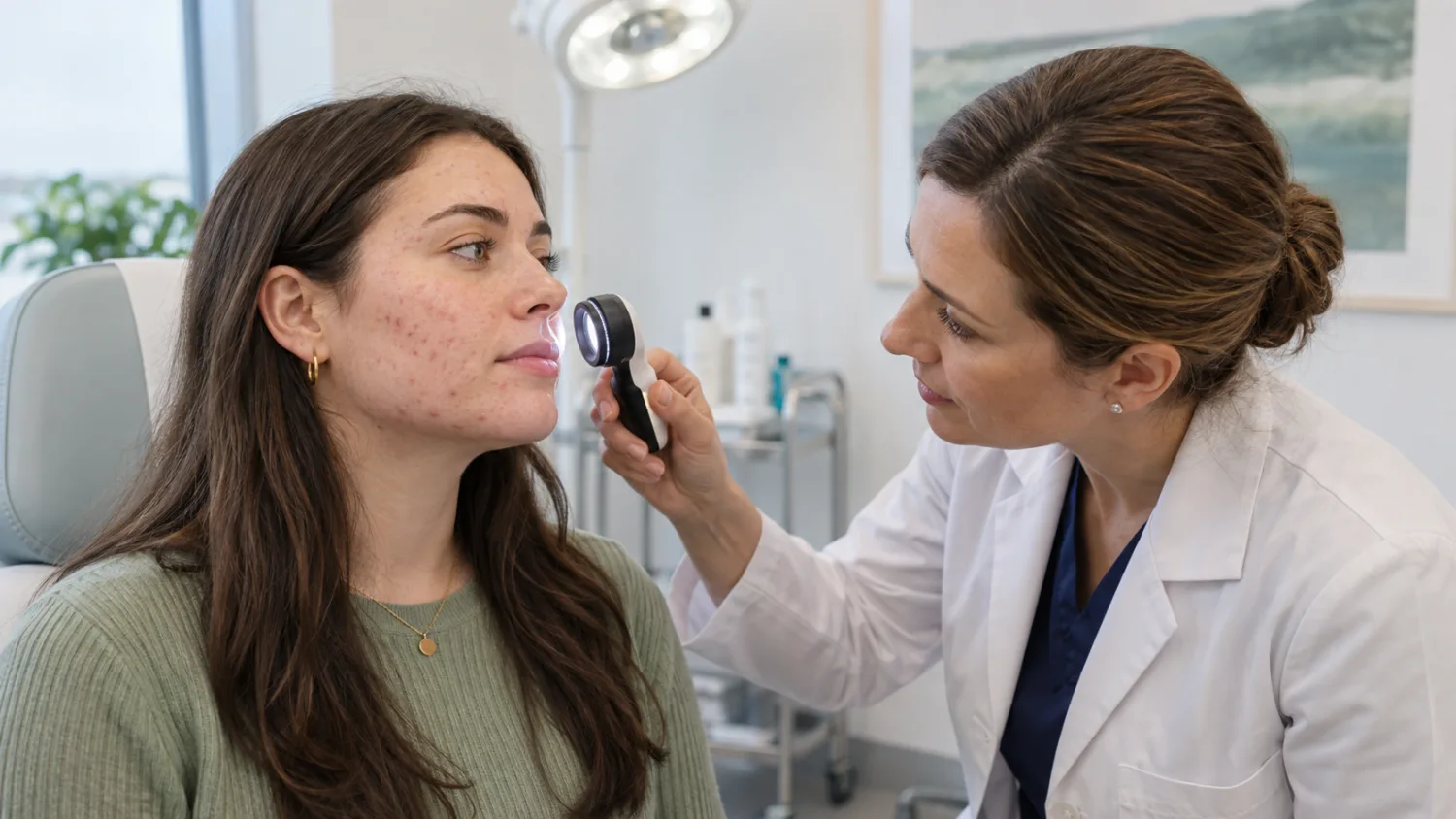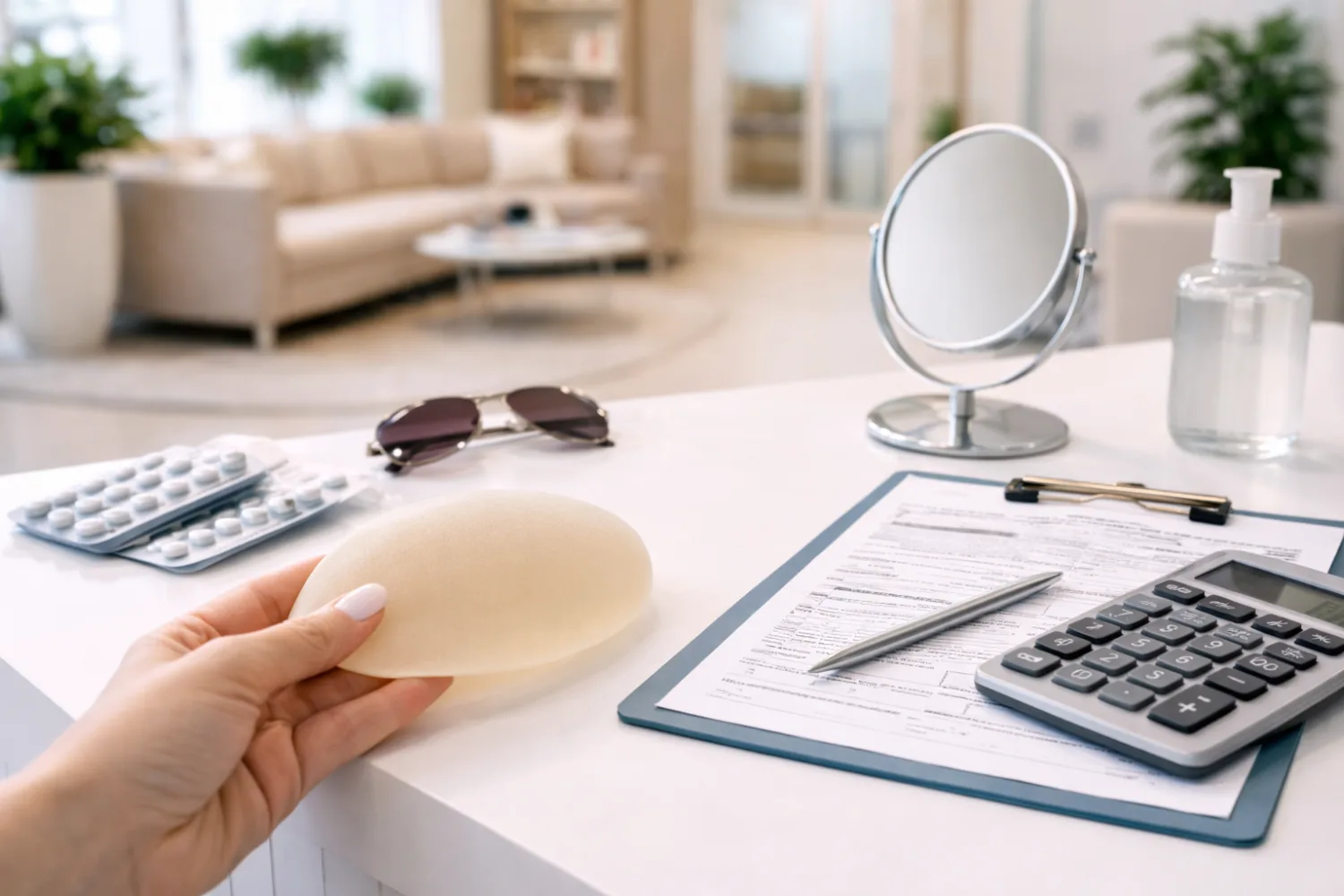
Cosmetic surgery abroad has become increasingly common for UK residents. Procedures such as rhinoplasty, breast augmentation, liposuction, tummy tucks and eyelid surgery are now frequently advertised by clinics across Europe and beyond.
Lower prices, shorter waiting times and easier international travel have made overseas cosmetic surgery more accessible than ever.
However, cosmetic surgery is still major medical treatment. Whether it is performed in the UK or overseas, it carries risks and requires careful planning.
This guide explains why people consider cosmetic surgery abroad, what the real benefits and risks are, and how UK patients can approach the decision safely and responsibly.
Why UK patients consider cosmetic surgery abroad
Several factors influence the decision to travel for cosmetic procedures. Cost is often the most obvious, but it is rarely the only factor.
Cost differences
Cosmetic procedures in the UK can be expensive, particularly when performed in private hospitals and when consultations, anaesthesia, hospital fees and follow-up appointments are included.
For example:
- A rhinoplasty in the UK may cost around £6,000 to £8,000 or more.
- In some European clinics, a similar procedure may cost around £3,500 to £4,500, depending on the clinic, surgeon and package.
Breast augmentation is another common example. In the UK, private breast augmentation commonly costs several thousand pounds more than some overseas packages.
In some cases, patients may save 40–70% compared with UK private treatment, depending on the procedure and clinic. However, the final cost must include travel, accommodation, insurance, aftercare, time off work and possible return visits.
You can explore this in more detail in private healthcare UK vs treatment abroad cost comparison and paying for surgery abroad.
Faster access to procedures
Cosmetic surgery is rarely available through the NHS unless there is a clear medical need. Most people therefore rely on private clinics.
While private UK clinics may still involve waiting lists for consultations and surgery dates, some overseas clinics can arrange consultations and procedures within weeks.
Specialist cosmetic surgery clinics
Certain international clinics focus heavily on cosmetic surgery and perform a high number of specific procedures. High surgical volumes can sometimes lead to specialised experience and refined pathways.
However, a clinic advertising large numbers is not enough on its own. Patients still need to verify the surgeon’s qualifications, the clinic’s standards, complication policies and aftercare arrangements.
Travel accessibility and privacy
Short flights from the UK make many European clinics relatively easy to reach. A typical journey to countries such as Poland, Lithuania, Turkey or other European destinations may take only a few hours.
For some patients, travelling abroad also offers a degree of privacy when undergoing cosmetic procedures.
Common cosmetic procedures abroad
UK patients often travel abroad for procedures such as:
- breast augmentation
- breast lift or reduction
- rhinoplasty
- liposuction
- tummy tuck, also called abdominoplasty
- eyelid surgery, also called blepharoplasty
- facelift or neck lift
- body contouring after weight loss
- hair transplant procedures
Prices vary significantly depending on the country, clinic, surgeon, anaesthetic, hospital standards and complexity of the procedure.
Be cautious with very low headline prices. They may not include consultations, blood tests, garments, medication, hotel stay, revision policies or post-operative follow-up.
For a procedure-specific guide, see breast augmentation abroad: costs, safety and recovery.
A realistic cost example
Consider a hypothetical patient in their late 30s who is considering rhinoplasty.
Option 1: UK private clinic
- private consultation and assessment
- surgery in a private hospital
- follow-up appointments in the UK
- estimated total cost: £7,000 to £9,000
Option 2: European clinic
- consultation and surgery package
- hospital stay and recovery accommodation
- some post-operative checks included
- estimated package cost: £3,500 to £4,500
Even after flights and accommodation, the total cost may still be lower. However, cost should never be the only factor in the decision.
The safest comparison is not “UK price vs overseas price”. It is “UK total cost and aftercare vs overseas total cost, safety checks, recovery plan and aftercare”.
Understanding the risks
Cosmetic surgery abroad can produce excellent results when performed by qualified surgeons in properly equipped facilities. But there are risks.
The NHS emphasises that no surgery is risk-free, whether it takes place in the UK or overseas. The NHS also provides specific advice on cosmetic surgery abroad.
Possible complications include:
- infection
- poor wound healing
- bleeding
- blood clots
- anaesthesia complications
- visible or problematic scarring
- asymmetry
- unsatisfactory cosmetic results
- need for revision surgery
- delayed recovery
In some cases, patients returning to the UK may require treatment through the NHS if complications arise. However, routine cosmetic revision or follow-up after private surgery abroad may not be straightforward.
More safety considerations are explained in is treatment abroad safe?
Cosmetic surgery is not a holiday
Many advertisements portray cosmetic surgery abroad as a combination of treatment and vacation. This idea can be misleading.
Surgery should not be treated as part of a holiday. Recovery requires rest, careful monitoring and following medical instructions.
Combining surgery with tourism can increase health risks and delay recovery. After surgery, you may not be able to sunbathe, swim, drink alcohol, walk long distances, carry luggage or take part in tourist activities.
It is better to think of the trip as medical travel with recovery time, not a holiday with surgery added on.
How to choose a cosmetic surgery clinic abroad
Research is one of the most important parts of planning cosmetic surgery abroad. A trustworthy clinic should answer detailed questions clearly and in writing.
Important questions to ask before choosing a clinic
Ask:
- Is the surgeon properly qualified and licensed?
- Is the clinic accredited or inspected by a recognised regulator?
- What experience does the surgeon have with this specific procedure?
- How many of these procedures does the surgeon perform each year?
- Where will the operation take place?
- Who provides the anaesthetic?
- What emergency facilities are available?
- What are the known risks for my specific case?
- What are the clinic’s complication rates?
- What aftercare will be provided?
- What happens if I am unhappy with the result?
- What happens if I have a complication after returning to the UK?
- Will I receive medical records in English?
Our guide explains this process in detail: how to check if an overseas clinic is legitimate.
Warning signs when researching clinics abroad
Be cautious if a clinic:
- offers heavy discounts for immediate payment
- guarantees perfect results
- does not let you speak to the surgeon before travelling
- cannot explain who performs the anaesthetic
- does not provide written terms and aftercare details
- uses unclear before-and-after photos
- does not explain risks clearly
- asks for large payments without proper documentation
- cannot provide clinic registration details
- dismisses concerns about flying home after surgery
A good clinic should be willing to slow the process down, answer questions and explain when surgery is not suitable.
Recovery and aftercare
Aftercare is one of the most overlooked aspects of cosmetic surgery abroad. A lower surgery price can quickly become poor value if follow-up is unclear or complications are difficult to manage.
What aftercare may involve
Many procedures require:
- follow-up appointments
- wound checks
- removal of sutures
- monitoring for complications
- advice on pain, swelling and bruising
- support with dressings or garments
- clear guidance on when to fly home
If you travel abroad, these appointments may require returning to the clinic or arranging care locally. Follow-up visits may also involve additional flights, accommodation costs and time off work.
Before booking, ask whether aftercare is included, whether remote follow-up is available, and what would happen if you needed to be seen in person again.
Planning your recovery
A responsible clinic should advise patients to remain abroad for a suitable recovery period before flying home. The correct timing depends on the procedure, your health, the operation, anaesthetic and early recovery.
Typical recovery planning may include:
- several days abroad for smaller procedures
- around 10–14 days for some breast surgery
- longer for complex body contouring procedures
- extra time if drains, wound checks or early complications are expected
Flying too soon after surgery can increase the risk of complications such as blood clots, swelling, bleeding or delayed wound healing.
Before travelling, ask:
- How long should I stay near the clinic?
- When is it safe to fly home?
- Can I travel alone?
- Who will help me with luggage and daily tasks?
- What symptoms should trigger urgent review?
- Who do I contact after returning to the UK?
Insurance, finance and refund protection
Standard travel insurance usually does not cover planned cosmetic surgery abroad. Patients may need specialist medical travel insurance or complication cover.
Before paying, check:
- whether planned cosmetic surgery is covered
- whether complications are covered
- whether emergency hospital care abroad is covered
- whether changed flights or extended accommodation are covered
- what exclusions apply
- whether refund terms are written clearly
Also consider how you pay. Credit card payments may offer extra protection in some situations, while bank transfers may offer less protection.
For more detail, see paying for surgery abroad: insurance, finance and refund protection.
When cosmetic surgery abroad may make sense
For some patients, travelling abroad may be a reasonable option when the decision is carefully planned, the clinic is properly checked and the patient understands the full treatment journey.
When it may be considered
Cosmetic surgery abroad may be considered when:
- the clinic and surgeon have been carefully researched
- the procedure is elective and planned in advance
- the patient is medically fit to travel
- the clinic provides clear written information
- adequate recovery time abroad is arranged
- clear aftercare plans are in place
- the full cost is understood
- insurance and complication planning have been considered
- the decision is not being rushed by price pressure or sales tactics
Many UK patients who choose this route report positive experiences when proper planning and research are involved.
When it may not be the best choice
Cosmetic surgery abroad may not be appropriate when:
- follow-up care is likely to be extensive
- the patient has complex medical conditions
- recovery support at home is limited
- travel shortly after surgery could pose risks
- the clinic cannot provide clear aftercare arrangements
- the surgeon’s credentials cannot be verified
- the procedure is high risk or combined with multiple other procedures
- the patient feels pressured to book quickly
- the decision is mainly based on the cheapest price
In these situations, local treatment may provide better continuity of care.
Cosmetic surgery abroad in the wider context
The rise in overseas cosmetic procedures is part of a broader trend in medical travel.
Factors such as cost differences, NHS waiting times for some treatments, private healthcare pricing and global access to healthcare information have all contributed to this shift.
To understand this wider trend, see why more UK patients are choosing healthcare abroad, NHS waiting times and when treatment abroad may be considered and the ultimate guide to treatment abroad for UK patients.
FAQ: cosmetic surgery abroad for UK patients
Is cosmetic surgery abroad safe?
It can be safe when performed by a qualified surgeon in a properly equipped clinic with clear aftercare. Risks increase when patients choose mainly on price, travel too soon, or cannot verify the surgeon or clinic.
Why is cosmetic surgery cheaper abroad?
Lower staffing, facility, insurance and operating costs in some countries can reduce prices. However, travel, accommodation, insurance, aftercare and possible revision surgery must be included in the full cost.
What are the most common cosmetic procedures abroad?
Common procedures include breast augmentation, rhinoplasty, liposuction, tummy tuck, breast lift, breast reduction, eyelid surgery and body contouring.
Will the NHS fix complications from cosmetic surgery abroad?
The NHS provides urgent care when needed, but routine cosmetic revision or planned follow-up after private surgery abroad may not be straightforward. Plan aftercare before travelling.
How long should I stay abroad after cosmetic surgery?
It depends on the procedure and your recovery. Some procedures may need around a week, while breast surgery or body contouring may need longer. Follow the surgeon’s written advice.
Can I fly home straight after cosmetic surgery?
Flying too soon can increase risks such as blood clots, swelling and wound problems. Ask your surgeon when it is safe to fly before booking return travel.
Do I need special insurance?
Usually yes. Standard travel insurance often excludes planned cosmetic surgery. Specialist medical travel insurance or complication cover may be needed.
How do I check if a cosmetic surgery clinic abroad is legitimate?
Verify the surgeon’s registration, clinic accreditation, hospital facilities, anaesthesia arrangements, aftercare policy, complication plan and whether records can be provided in English.
Should I travel alone for cosmetic surgery?
It is usually safer to have someone with you, especially after procedures that limit movement or require help with luggage, medication, dressings and daily tasks.
What questions should I ask before paying a deposit?
Ask who performs the surgery, what is included, what happens if complications occur, what aftercare is provided, what refund terms apply, and whether all details are confirmed in writing.
Is cosmetic surgery abroad a holiday?
No. Surgery requires rest, wound care and monitoring. Treat the trip as medical travel, not a holiday.
When should I avoid cosmetic surgery abroad?
It may be unsuitable if you have complex medical needs, need extensive follow-up, cannot arrange recovery support, cannot verify the clinic, or feel pressured into a quick decision.
Final takeaway
Cosmetic surgery abroad can offer access to skilled surgeons and potentially lower costs, but it should always be approached with careful planning and realistic expectations.
The most important steps are thorough research, verifying surgeon credentials, understanding risks, planning recovery, arranging aftercare and avoiding decisions based purely on price.
Cosmetic surgery is a major medical procedure. The best outcomes usually come from patients who take time to make informed decisions and are willing to walk away from clinics that cannot answer important questions clearly.