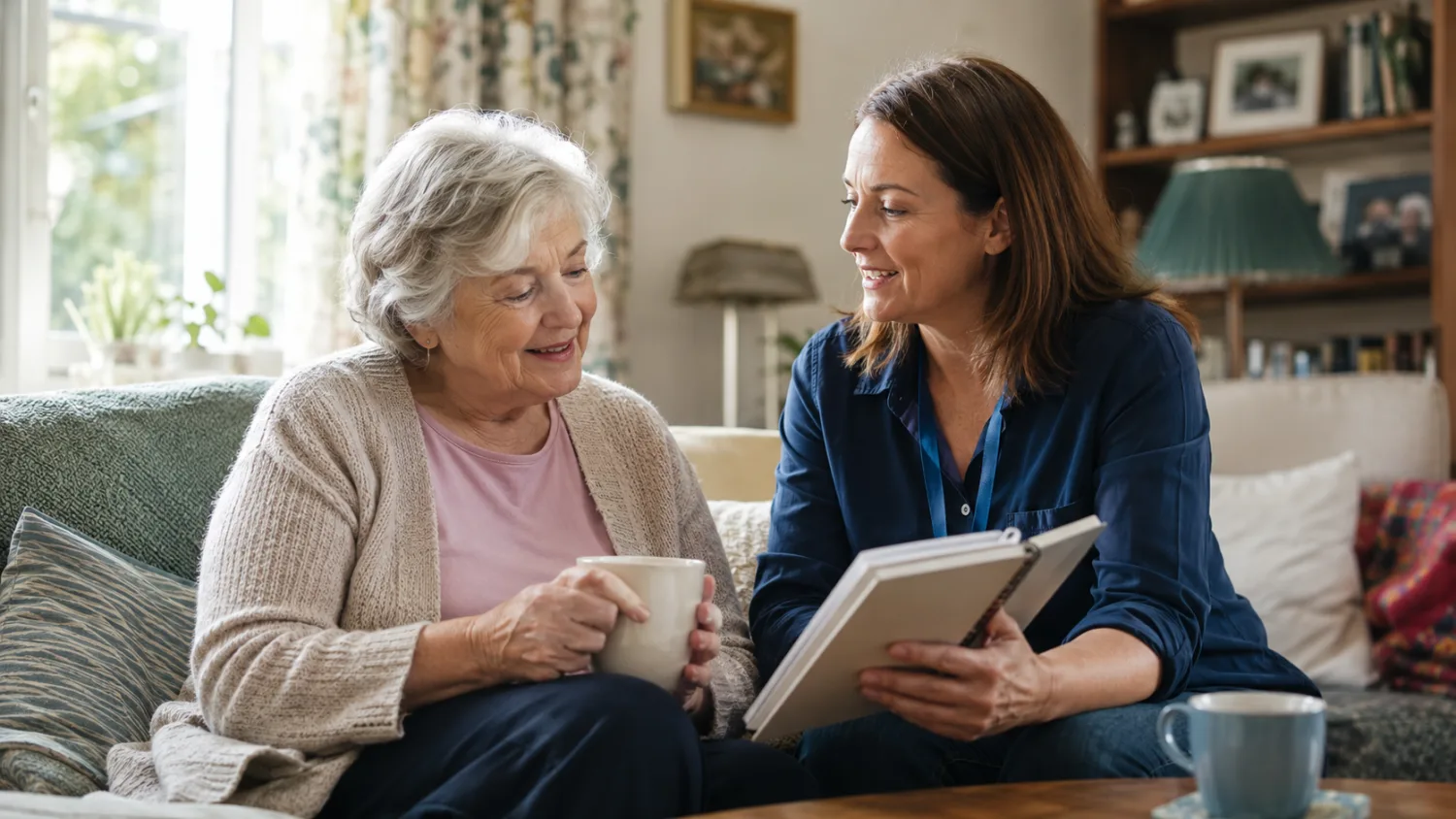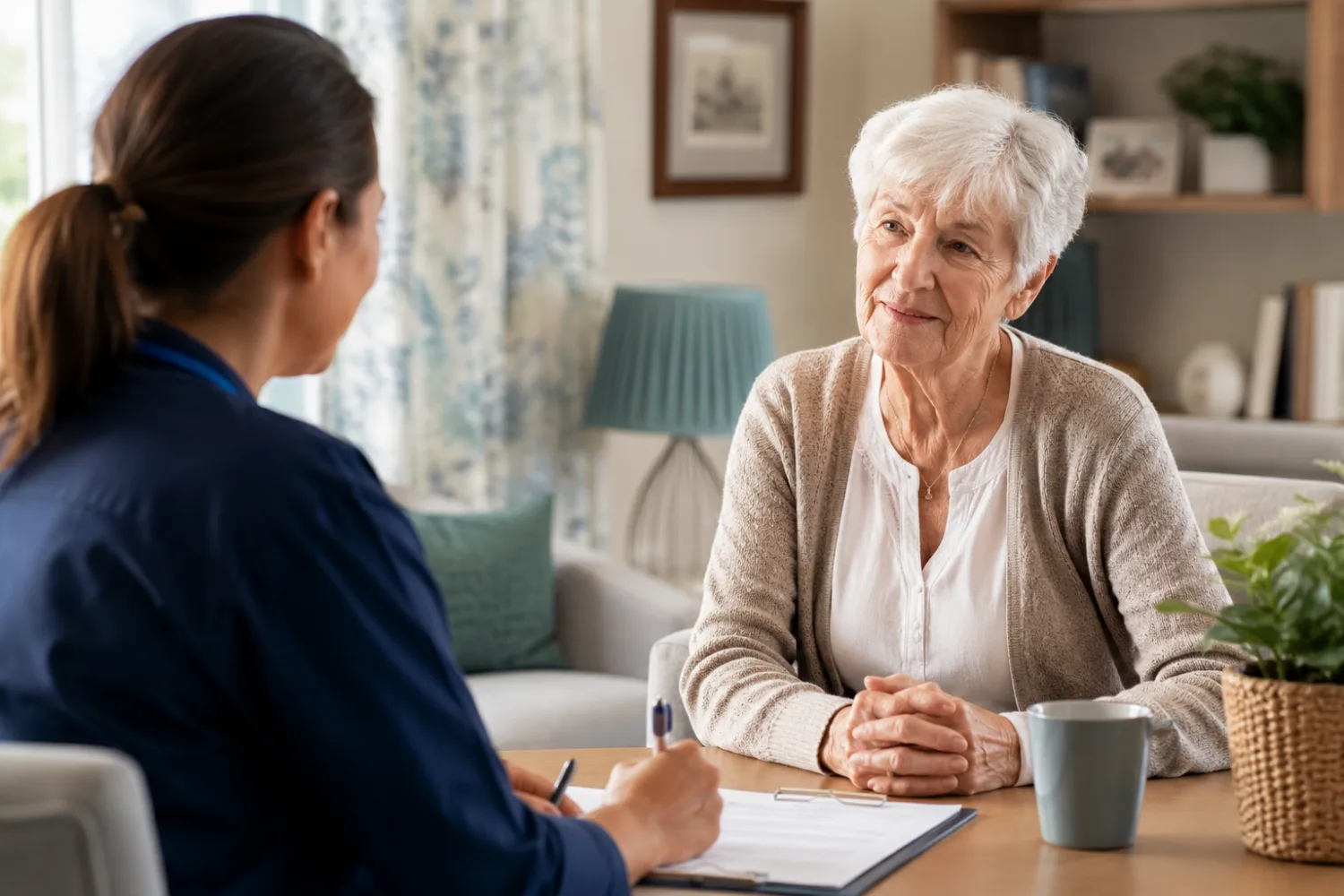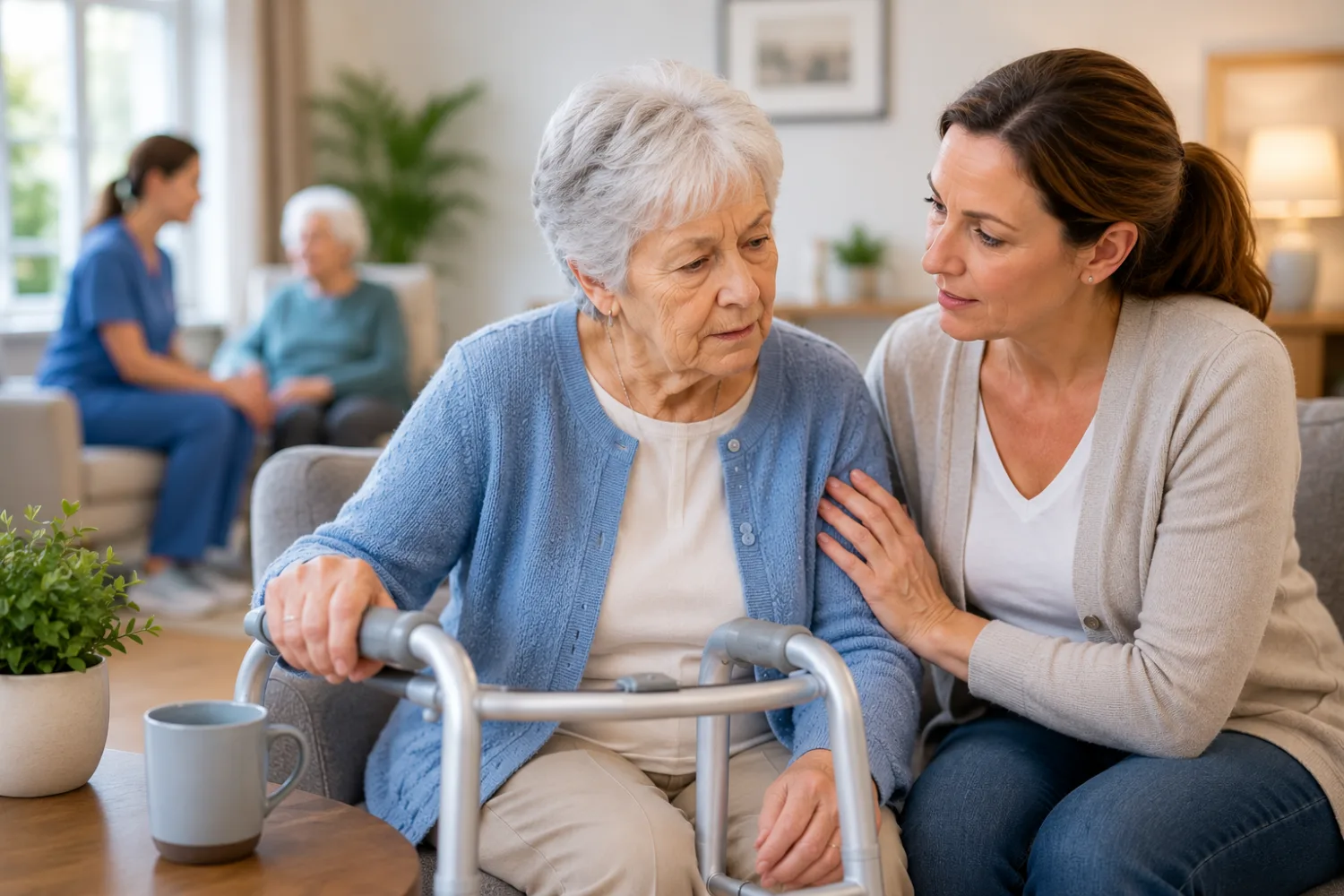
A fall in a care home can be frightening for everyone involved. Families may worry that their parent or relative was not watched closely enough, that staff were too slow to respond, or that the fall could have been prevented. Care homes may explain that falls are common in older people and cannot always be avoided. Both things can be true: falls are common, but good care homes should still assess risk, reduce avoidable hazards, respond properly after a fall and learn from what happened.
Falls in care homes should never be brushed off as “just one of those things”. A single fall may be unavoidable. Repeated falls, poor records, delayed medical attention, unclear explanations or no updated prevention plan should raise questions.
This guide explains what families should ask after a care home fall, what good falls prevention looks like, when a fall may become a safeguarding concern, what records to request, and how to decide whether a care home is managing falls safely.
If you are worried about wider safety, read our guide to safeguarding adults in care homes. You may also find our guides to care home red flags, what a good care home looks like and care home visit questions useful.
Are falls in care homes always preventable?
No. Not every fall can be prevented. Many care home residents are frail, have dementia, take several medicines, need walking aids, have poor balance, live with Parkinson’s or stroke effects, or need help getting to the toilet. Some residents also have the mental capacity to make choices that carry risk, such as walking independently when staff would prefer them to wait.
However, “not all falls are preventable” is not the same as “nothing could be done”. A good care home should identify risks, reduce avoidable hazards, review medication, provide the right equipment, support safe mobility, respond quickly after falls and learn from patterns.
NICE says a person’s fall risk depends on individual risk factors such as increasing age, certain medicines, low blood pressure and cataracts, and that some risk factors can be modified through interventions such as exercise, medication review or cataract surgery. NICE guidance on falls assessment and prevention explains this approach.
Why care home residents fall
Falls are usually caused by several factors together, not one simple cause.
Common reasons include:
- muscle weakness;
- poor balance;
- frailty;
- poor eyesight;
- dizziness or low blood pressure;
- dehydration;
- infection or delirium;
- medication side effects;
- sedatives or sleeping tablets;
- Parkinson’s disease;
- stroke-related weakness;
- dementia or poor safety awareness;
- rushing to the toilet;
- poor footwear;
- unsafe walking aids;
- clutter or trip hazards;
- wet floors;
- poor lighting;
- inadequate supervision;
- call bells not within reach;
- staff not following the care plan.
The NHS says falls are more likely in older people and those with mobility problems, and that making changes to prevent falls can help avoid injuries and preserve confidence and independence. NHS falls guidance gives general advice on falls and prevention.
The first question: what exactly happened?
After a fall, families should ask for a clear explanation. “Mum had a fall” is not enough.
Ask:
- Where did the fall happen?
- What time did it happen?
- Was anyone present?
- Was the resident walking, transferring, reaching, toileting or getting out of bed?
- Was the call bell within reach?
- Was the resident using their walking aid?
- Was the floor wet or cluttered?
- Were they wearing suitable footwear?
- Was the room well lit?
- Had they recently taken medication?
- Were they unwell, confused or dizzy?
- How long were they on the floor?
- Who found them?
- What action was taken immediately?
If staff cannot explain basic facts, ask whether an incident form was completed and whether the manager has reviewed it.
What should staff do immediately after a fall?
After a fall, staff should not simply lift the person up and carry on. They should check for injury, pain, confusion and signs that urgent medical help is needed.
Families should ask:
- Was the resident assessed before being moved?
- Were they checked for pain, head injury, hip pain or limb injury?
- Were observations taken?
- Was 999, NHS 111, the GP or a nurse contacted?
- Was the family informed promptly?
- Was the fall recorded?
- Was the falls risk assessment updated?
- Was the care plan changed?
The NHS advises calling 999 after a fall if the person may have injured their head, back, neck or hip, or cannot get up. If someone has fallen but it is not a 999 emergency, NHS 111 can advise. NHS advice on what to do after a fall explains when to seek help.
When should medical help be sought after a care home fall?
Care homes should have clear procedures for when to call emergency services, NHS 111, the GP or a nurse.
Urgent medical help may be needed if the resident:
- hit their head;
- lost consciousness;
- has new confusion or drowsiness;
- has hip, back, neck or head pain;
- cannot get up;
- cannot bear weight;
- has a suspected fracture;
- has severe bleeding;
- is on blood thinners;
- has vomiting after a head injury;
- has new weakness, speech problems or facial droop;
- has chest pain or breathlessness;
- has repeated falls in a short period.
If you believe the fall was not assessed properly, ask the manager to explain the decision-making and seek medical advice if you remain worried.
Ask whether a falls risk assessment was already in place
Every resident at risk of falls should have a falls risk assessment and care plan. This should not be a tick-box exercise. It should identify specific risks and actions for that person.
Ask:
- Was a falls risk assessment completed on admission?
- When was it last reviewed?
- What risks were identified?
- What actions were in place before the fall?
- Were staff following the plan?
- Was the fall predictable based on known risks?
- Has the assessment now been updated?
NICE’s 2025 guideline covers assessing and preventing falls in people aged 65 and over and people aged 50 to 64 with risk factors, including people in residential care settings. NICE NG249 is the current national guideline for falls assessment and prevention.
What should a falls care plan include?
A good falls care plan should be practical and individual. It should not simply say “resident at risk of falls”.
It should include:
- mobility level;
- walking aid required;
- transfer support needed;
- whether one or two carers are needed;
- toileting plan;
- night-time needs;
- footwear guidance;
- vision or hearing needs;
- medication risks;
- dizziness or low blood pressure risks;
- dementia or confusion risks;
- environmental hazards;
- use of sensor mats or alarms where appropriate;
- when to call family or medical help;
- what staff should do after a fall.
If the plan is vague, ask for it to be reviewed with the nurse, manager, GP, physiotherapist or occupational therapist where appropriate.
Ask what changed after the fall
One of the most important questions is: what has changed because of this fall?
If nothing has changed, ask why.
Possible changes may include:
- updated falls risk assessment;
- updated care plan;
- GP review;
- medication review;
- physiotherapy referral;
- occupational therapy referral;
- new walking aid assessment;
- footwear review;
- eyesight or hearing review;
- toileting plan;
- more frequent checks;
- moving furniture or reducing clutter;
- better lighting;
- sensor mat or alarm review;
- staff reminders or training;
- night-time care changes;
- discussion with family.
A fall should trigger learning. It should not disappear into a file.
Repeated falls: what families should ask
Repeated falls need a deeper review. If your relative has fallen several times, ask for a meeting with the manager and relevant staff.
Ask:
- How many falls have happened in the last month, three months and year?
- Are falls happening at similar times?
- Are they happening in the same place?
- Are they linked to toileting?
- Are they linked to medication times?
- Are they linked to staff handover or busy periods?
- Are they happening at night?
- Has the GP reviewed them?
- Has medication been reviewed?
- Has physiotherapy been involved?
- Has occupational therapy been involved?
- Does the resident need more supervision?
- Is the care home still able to meet their needs?
Care home falls guidance used by local NHS systems commonly recommends that new falls or near misses should lead to review and update of the falls risk assessment, including new risks, actions and learning. Families should expect this kind of review after repeated falls.
Falls and medication: what to ask
Medication can increase falls risk. Some medicines can cause dizziness, drowsiness, low blood pressure, confusion or slower reactions. The risk may be higher if someone takes several medicines.
Ask:
- Has medication been reviewed since the fall?
- Is the resident taking sleeping tablets, sedatives or strong painkillers?
- Are any medicines causing dizziness or low blood pressure?
- Are medicines being given at the correct time?
- Has the pharmacist reviewed the medication?
- Has the GP reviewed fall-risk medicines?
- Is the resident on blood thinners, and was this considered after the fall?
The world falls prevention guidelines strongly recommend assessing fall history and fall risk before prescribing medicines that can increase falls risk. Medication review is an important part of falls prevention, especially in frail older adults. World guidelines for falls prevention and management for older adults discuss this risk.
Falls and blood pressure
Some residents fall because their blood pressure drops when they stand. This can cause dizziness, faintness, weakness or blackouts. It may happen after meals, after medication, when dehydrated, or when getting out of bed.
Ask:
- Has postural blood pressure been checked?
- Does the resident feel dizzy when standing?
- Do falls happen after getting out of bed or standing from a chair?
- Are they drinking enough?
- Could medication be contributing?
- Do staff allow enough time for standing slowly?
If dizziness is a pattern, ask for GP or nursing review.
Falls and toileting
Many falls happen when residents try to get to the toilet. This is especially common at night or when someone feels embarrassed to ask for help.
Ask:
- Was the fall linked to toileting?
- Does the resident need a toileting plan?
- Are staff offering regular toilet visits?
- Is the call bell within reach?
- Is the route to the toilet clear?
- Is a commode needed?
- Is lighting adequate at night?
- Are continence products suitable?
- Are staff responding quickly enough?
If a resident repeatedly falls while trying to toilet, simply telling them to “press the bell” may not be enough, especially if they have dementia, urgency or poor mobility.
Falls and dementia
Dementia can increase falls risk because the person may forget to use a frame, misjudge distance, wander, be restless, become anxious, not understand instructions, or be unable to remember that they need help.
Ask:
- Does dementia affect the resident’s safety awareness?
- Do they remember to use their walking aid?
- Do they get up without calling for help?
- Are they restless or wandering?
- Are falls linked to agitation or confusion?
- Is the environment dementia-friendly?
- Are staff using reassurance rather than repeated instructions?
- Does the care plan reflect memory and judgement issues?
If dementia symptoms are central to the falls risk, the home should have a dementia-informed plan, not only a mobility plan. Read our guide to dementia care homes in the UK for more on specialist dementia support.
Falls and Parkinson’s, stroke or neurological conditions
Neurological conditions can create specific falls risks. Parkinson’s may cause freezing, shuffling, stiffness, postural instability and medication “off” periods. Stroke may cause weakness, neglect, poor balance or reduced awareness of one side. Other neurological conditions may affect coordination, sensation or judgement.
Ask:
- Does the care plan reflect the neurological condition?
- Are falls linked to Parkinson’s medication wearing off?
- Are staff trained in freezing episodes?
- Has physiotherapy reviewed mobility?
- Has occupational therapy reviewed transfers and equipment?
- Is the affected side supported after stroke?
- Do staff understand visual neglect or poor awareness?
For related support, read our guides to Parkinson’s care homes and stroke care homes and rehabilitation support.
Falls at night
Night-time falls can be especially serious because residents may be sleepy, disoriented, in a hurry to reach the toilet or slower to be found.
Ask:
- What time did the fall happen?
- How many staff were on duty?
- Was the resident trying to toilet?
- Was the room well lit?
- Was the call bell within reach?
- Were sensor mats or checks in place?
- How long was the resident on the floor?
- Is a night-time toileting plan needed?
- Does the resident need more supervision at night?
If falls happen repeatedly at night, ask whether the care home has enough staffing and the right plan to meet the resident’s needs.
Falls from bed, chairs or wheelchairs
Falls do not only happen while walking. Residents may fall from bed, chairs, wheelchairs, commodes or hoists.
Ask:
- Was the resident transferring?
- Was the bed or chair at the right height?
- Was a suitable chair being used?
- Were brakes applied on the wheelchair?
- Was the resident sliding from the chair?
- Were staff following moving and handling guidance?
- Was equipment used correctly?
- Was the resident left in an unsafe position?
CQC has published learning from safety incidents involving falls from improper use of equipment, highlighting that unsafe equipment use can breach safe care and treatment requirements. CQC learning from safety incidents: falls from improper use of equipment gives an example of why equipment practice matters.
Falls from windows or unsafe environments
Falls from windows, stairs, balconies or unsafe areas are rare but can be serious or fatal. They should always be treated as major safety concerns.
Ask:
- Was the area properly risk assessed?
- Were windows restricted where needed?
- Was the resident known to be at risk of climbing, confusion or exit-seeking?
- Were environmental checks completed?
- Were other residents also at risk?
- Was CQC or safeguarding notified?
CQC says falls from windows often result in serious or fatal injuries but are avoidable, and care providers should learn from safety incidents to prevent recurrence. CQC learning from falls from windows explains this risk.
Ask about staffing and supervision
Care homes cannot prevent every fall by watching every resident every second. But staffing and supervision still matter.
Ask:
- How many staff were on duty when the fall happened?
- Was this a busy time, such as morning care or mealtime?
- Was the resident supposed to be checked regularly?
- Were checks completed?
- Did the resident need one-to-one supervision?Falls in care homes explained, including what families should ask after a fall, prevention plans, medical checks, safeguarding concerns and warning signs.
- Were staff aware of the resident’s risk?
- Was agency staff involved?
- Had staff read the care plan?
If the home says the resident needs more supervision than it can provide, ask for an urgent care review.
Ask about equipment
Equipment can reduce risk, but only if it is suitable, maintained and used correctly.
Ask:
- Is the walking aid correct?
- Has it been checked by a physiotherapist?
- Is the chair suitable?
- Is the bed height safe?
- Is a pressure cushion affecting transfers?
- Are brakes used correctly?
- Are sensor mats or falls alarms appropriate?
- Is a commode needed?
- Is a hoist or stand aid needed?
- Are staff trained to use the equipment?
Equipment should not be used as a substitute for proper care planning. It should support the resident’s safety, dignity and independence.
Are sensor mats and falls alarms the answer?
Sensor mats, chair alarms and motion sensors can help in some situations, but they are not a complete solution. They alert staff after movement has started. They do not physically stop a fall.
Ask:
- Is a sensor mat appropriate for this resident?
- Could it increase anxiety or restrict movement?
- How quickly can staff respond?
- Is it checked and working?
- Is it part of a wider plan?
- Has consent or best interests been considered where needed?
Technology can support care, but it cannot replace enough staff, good assessment and safe routines.
Ask whether physiotherapy or occupational therapy should be involved
Physiotherapists can help with strength, balance, walking aids and mobility plans. Occupational therapists can help with transfers, seating, room layout, equipment and daily routines.
Ask:
- Has physiotherapy reviewed the resident?
- Has occupational therapy reviewed the environment and transfers?
- Are exercises recommended?
- Are staff supporting exercises or walking practice?
- Has equipment been reviewed?
- Does the resident need a different chair, bed or walking aid?
- Has the care home followed therapy advice?
NICE recommends tailored advice and interventions to reduce falls risk, including ways to stay active and reduce modifiable risk factors. Therapy input can be an important part of this.
Ask whether the resident’s confidence has changed
Falls can cause injury, but they can also damage confidence. Some residents become afraid to walk, refuse activities, stay in their room or stop trying to move. This can lead to weakness, isolation and more falls.
Ask:
- Is the resident now afraid of walking?
- Has their mobility reduced since the fall?
- Are staff encouraging safe movement?
- Are they being overprotected and left sitting too long?
- Has mood changed?
- Is physiotherapy or reassurance needed?
- Are activities being adapted?
Falls prevention should not mean preventing all movement. It should support safe movement wherever possible.
Falls and safeguarding: when should families worry?
A fall is not automatically a safeguarding issue. Older people can fall even with good care. However, falls may become a safeguarding concern if there is abuse, neglect, unsafe systems or repeated failure to reduce risk.
Safeguarding may be relevant if:
- the fall was caused by rough handling or unsafe moving;
- staff failed to follow the care plan;
- the resident was left in an unsafe situation;
- medical help was delayed or not sought;
- the fall was not recorded;
- family were not informed about a serious fall;
- injuries are unexplained;
- there are repeated falls with no review;
- staff give inconsistent explanations;
- other residents are also at risk;
- unsafe equipment was used;
- staffing levels were clearly inadequate;
- the care home ignores concerns.
The CQC local authority safeguarding framework says Section 42 safeguarding enquiries should be carried out sensitively and without delay, keeping the wishes and best interests of the person at the centre. CQC safeguarding framework explains this duty. Read our guide to safeguarding adults in care homes if you are worried about neglect or unsafe care.
Who should be told after a fall?
After a fall, the care home should follow its policy and the resident’s care plan. Depending on severity, the following may need to be informed:
- family or next of kin;
- GP;
- NHS 111 or emergency services;
- district nurse;
- care home manager;
- local authority if the resident is funded or there are safeguarding concerns;
- CQC if it is a notifiable incident;
- social worker;
- physiotherapist or occupational therapist;
- pharmacist for medication review.
Ask the care home what its policy says and whether the incident met any notification threshold.
What records can families ask about?
Families may not always have automatic access to all records, especially if the resident has capacity and does not consent. But you can ask the care home to explain what has been recorded and what action has been taken.
Useful records may include:
- incident report;
- body map if there were injuries;
- falls risk assessment;
- care plan before the fall;
- updated care plan after the fall;
- daily notes;
- night checks;
- medication records;
- moving and handling plan;
- GP or nurse notes;
- hospital discharge notes if relevant;
- family communication record.
If the resident lacks capacity and you are attorney or representative, explain your role and ask how information can be shared appropriately.
What if the care home’s explanation does not make sense?
If explanations are inconsistent, vague or do not match the injury, keep a record and escalate calmly.
Steps may include:
- ask for a meeting with the manager;
- ask to see the updated falls plan;
- ask whether staff statements were taken;
- ask whether safeguarding has been considered;
- ask whether CQC notification was required;
- ask the GP or nurse to review injuries;
- contact the local authority safeguarding team if worried;
- inform CQC if the concern suggests unsafe care.
You do not need to prove neglect yourself before raising a safeguarding concern. If you have reasonable concerns, report them.
What if the resident keeps trying to walk alone?
This is common, especially where the resident has dementia, urgency, anxiety or a strong desire for independence. Staff cannot simply tie someone down or remove all freedom. Care must balance safety, dignity, rights and independence.
Ask:
- Does the resident understand the risk?
- Has mental capacity been assessed for mobility decisions?
- What does the resident want?
- Can safer walking be supported?
- Can staff offer regular walks?
- Can the environment be made safer?
- Is the walking aid suitable?
- Are restrictions being considered, and are they lawful?
The aim should be safer movement, not unnecessary restriction.
What if the care home says “we cannot stop them falling”?
This may be partly true, but it is not a complete answer. Ask what they can do.
You might say:
“I understand not every fall can be prevented, but I would like to know what risks have been identified, what has changed since the fall, and how the home is reducing avoidable risk.”
Then ask for:
- updated falls assessment;
- updated care plan;
- medication review;
- toileting plan;
- therapy input;
- environmental review;
- staffing and supervision review;
- family meeting.
What if the care home wants to use bed rails?
Bed rails can reduce some risks but create others. They can cause entrapment, climbing injuries or distress if used inappropriately. They should not be used automatically.
Ask:
- Why are bed rails being considered?
- Has a bed rail risk assessment been completed?
- Could rails increase the risk of climbing or injury?
- Has consent or best interests been considered?
- Are there safer alternatives?
- How will rails be reviewed?
Any restrictive measure should be proportionate, properly assessed and reviewed.
What if the care home uses a falls mat or sensor mat?
Falls mats and sensor mats may help reduce injury or alert staff, but they are not suitable for every resident.
Ask:
- What is the purpose of the mat?
- Could it become a trip hazard?
- How quickly do staff respond?
- Is the alarm working?
- Does the resident understand it?
- Has consent or best interests been considered?
- Is it being used instead of adequate care?
Technology should support a wider plan, not replace staff judgement.
Questions to ask at a falls review meeting
If falls continue, ask for a falls review meeting. Bring a list of questions.
- How many falls have happened and when?
- What patterns have been identified?
- What are the main risk factors?
- Has medication been reviewed?
- Has postural blood pressure been checked?
- Is the resident in pain?
- Is infection, delirium or dehydration possible?
- Is the walking aid correct?
- Is the room layout safe?
- Is toileting support adequate?
- Is night staffing adequate?
- Has physiotherapy or occupational therapy been involved?
- What changes are being made now?
- Who is responsible for each action?
- When will the plan be reviewed?
Questions to ask before choosing a care home if falls are a risk
If your relative already has falls risk, ask potential care homes about prevention before admission.
- How do you assess falls risk on admission?
- How quickly is the care plan completed?
- How do you manage residents who try to walk independently?
- Do you involve physiotherapists?
- Do you involve occupational therapists?
- How do you manage night-time falls risk?
- How do you review medication after falls?
- How are families informed after a fall?
- What happens after repeated falls?
- How do you balance safety with independence?
- What equipment do you use and how is it assessed?
A good home should have practical answers, not just reassurance.
Red flags after a care home fall
Be cautious if:
- the home cannot explain what happened;
- family were not told promptly;
- the resident was moved despite possible injury;
- medical help was delayed;
- the fall was not recorded;
- the risk assessment was not updated;
- the care plan did not change;
- staff blame the resident without reviewing care;
- there are repeated falls with no learning;
- injuries are inconsistent with the explanation;
- staff become defensive or hostile;
- the resident appears frightened;
- other residents also seem unsafe;
- equipment was used incorrectly;
- you are discouraged from asking questions.
If several red flags are present, consider raising a formal complaint, contacting the local authority safeguarding team, and informing CQC in England.
Signs the care home is managing falls well
Positive signs include:
- falls risk assessment completed and reviewed;
- clear care plan with specific actions;
- family informed promptly;
- injuries assessed appropriately;
- medical help sought when needed;
- medication reviewed after falls;
- toileting and night-time needs considered;
- physiotherapy or occupational therapy involved where needed;
- environment reviewed;
- staff understand the resident’s risks;
- falls data reviewed for patterns;
- resident’s independence and confidence supported;
- learning is recorded and shared.
Checklist: what families should ask after a fall
- What exactly happened?
- Where and when did it happen?
- Was anyone present?
- How long was the resident on the floor?
- Were they checked before being moved?
- Were injuries, pain and head injury considered?
- Was medical advice sought?
- When were family informed?
- Was an incident form completed?
- Was the falls risk assessment updated?
- Was the care plan changed?
- Has medication been reviewed?
- Has toileting support been reviewed?
- Has night-time risk been reviewed?
- Is therapy input needed?
- Could safeguarding be relevant?
Final thoughts
Falls in care homes are common, but they should never be treated casually. A good care home accepts that some falls may happen, but still works hard to understand risk, prevent avoidable harm, respond properly and learn from each incident.
Families should ask clear questions after every fall: what happened, what injuries were checked, whether medical help was needed, whether the risk assessment changed, and what will be done differently now. Repeated falls need a proper review, not vague reassurance.
If the explanation does not make sense, if medical help was delayed, if falls keep happening without action, or if you suspect neglect, raise the concern. Start with the manager if safe, but contact the local authority safeguarding team or CQC where appropriate. If there is immediate danger, call 999.
The aim is not to blame staff for every fall. The aim is to make sure your relative is safe, respected, properly assessed and supported to move with as much confidence and independence as possible.
For related guidance, read our articles on safeguarding adults in care homes, care home red flags, what a good care home looks like and care homes for people with challenging behaviour.
Frequently asked questions
Are falls in care homes always preventable?
No. Not every fall can be prevented, especially when residents are frail, mobile, confused or living with complex health needs. However, care homes should assess risk, reduce avoidable hazards, respond properly and learn from falls.
What should a care home do after a resident falls?
Staff should assess the resident before moving them, check for injury, seek medical help if needed, record the incident, inform family where appropriate, update the falls risk assessment and review the care plan.
When should a care home call 999 after a fall?
999 may be needed if the resident has serious pain, head injury, suspected fracture, loss of consciousness, new confusion, cannot get up, cannot bear weight, has severe bleeding, or has stroke, chest pain or breathing symptoms.
Should family be told about every fall?
Families should ask the care home what its policy and the resident’s care plan say. Serious falls, injuries, hospital transfers, repeated falls or changes in risk should be communicated promptly.
What records should exist after a fall?
There should usually be an incident report, care notes, injury record or body map if relevant, updated falls risk assessment, updated care plan and records of any medical advice or family communication.
What if my parent keeps falling in a care home?
Ask for a falls review meeting. Discuss patterns, medication, toileting, night-time risks, dizziness, infection, mobility, equipment, staffing, physiotherapy, occupational therapy and whether the home can still meet needs.
Can repeated falls be neglect?
Repeated falls are not automatically neglect, but they may become a safeguarding concern if the home fails to assess risk, follow care plans, seek medical help, update prevention measures or learn from incidents.
Should medication be reviewed after a fall?
Yes, especially if the resident takes sedatives, sleeping tablets, blood pressure medicines, strong painkillers or several medicines. Medication can contribute to dizziness, drowsiness, confusion and falls.
Can dementia increase falls risk?
Yes. Dementia can affect memory, judgement, walking aid use, awareness of hazards, toileting decisions and night-time safety. Falls plans should reflect dementia-related risks.
Can sensor mats prevent falls?
Sensor mats may alert staff when someone moves, but they do not physically prevent falls. They should be part of a wider care plan and staff must be able to respond quickly.
Are bed rails a good idea after falls?
Not always. Bed rails can help some people but may increase risk for others, especially if they try to climb over them. They should only be used after proper risk assessment, consent or best interests consideration.
What if the care home blames my parent for falling?
Residents may take risks, but the home should still review what happened and how risk can be reduced. Blaming the resident without assessment or action is not good practice.
Can I report a care home fall to safeguarding?
Yes, if you believe abuse, neglect, unsafe care, delayed medical help, poor records or repeated failures may be involved. Contact the local authority adult safeguarding team. If there is immediate danger, call 999.
Should CQC be told about falls?
CQC in England can be informed if the fall suggests unsafe care, poor systems, neglect or wider service problems. The care home may also have a duty to notify CQC of certain serious incidents.
What should I ask before choosing a care home for someone at risk of falls?
Ask how falls risk is assessed, how falls are reviewed, whether therapy is involved, how night-time risk is managed, how families are informed, and how the home balances safety with independence.