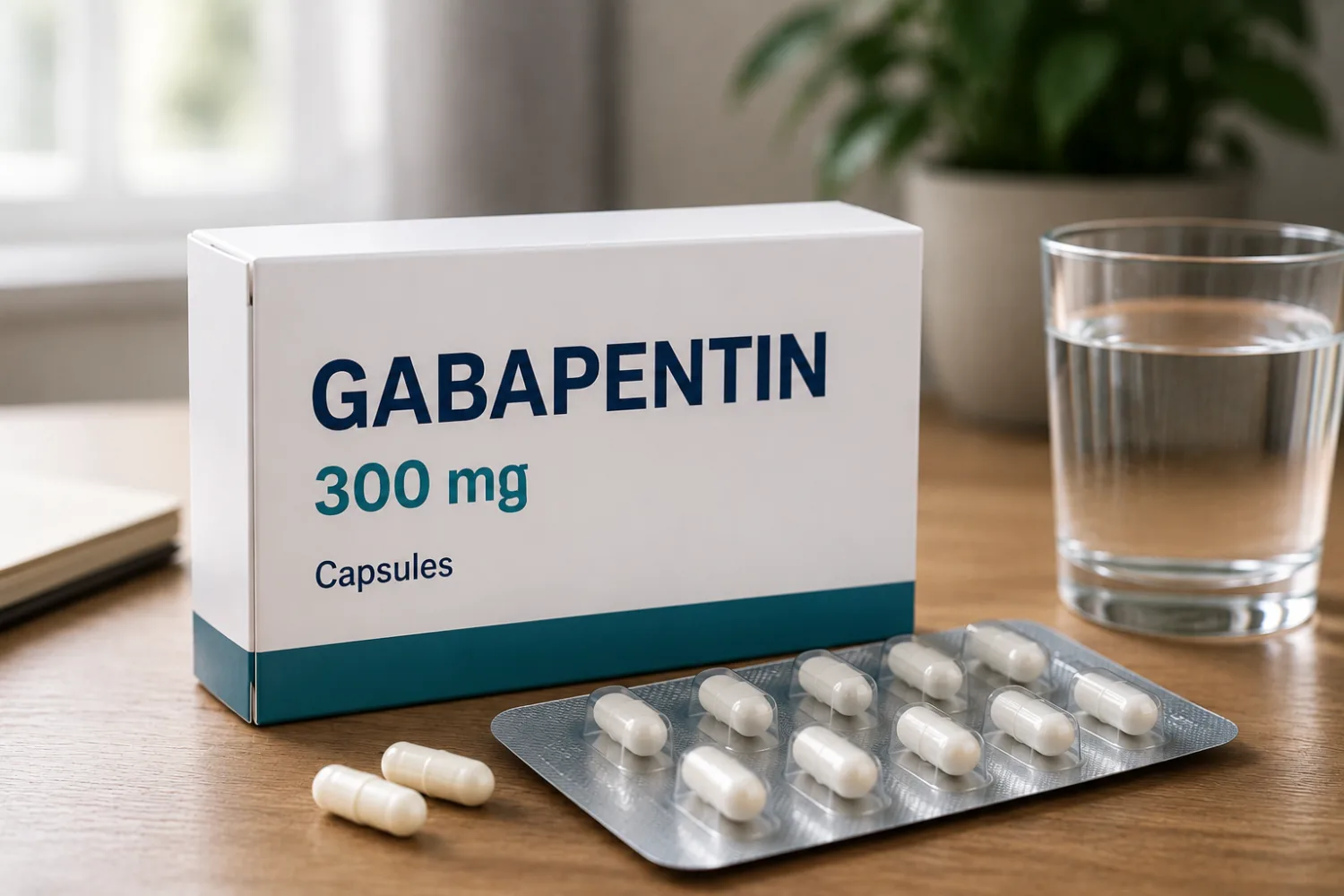
Gabapentin is a prescription medicine used to treat epilepsy and certain types of nerve pain. It was originally developed as an anti-seizure medicine, but it is now also widely prescribed when damaged or irritated nerves cause burning, shooting, electric-shock, tingling or hypersensitive pain.
Gabapentin is not a conventional painkiller. It does not work like paracetamol or ibuprofen, and taking one capsule during a painful flare is unlikely to produce immediate relief. The dose is usually built up gradually, and the NHS advises that it can take at least a few weeks before the full benefit becomes clear.
The most noticeable early effects are often sleepiness, dizziness and tiredness. These may improve as the body adjusts, but they can affect driving, work and balance, particularly when treatment first begins or the dose is increased.
Gabapentin also deserves more caution than its reputation as a routine “nerve tablet” sometimes suggests. It is a controlled drug in the UK because dependence, misuse and withdrawal can occur. It can also contribute to dangerous breathing suppression, particularly when combined with opioids, alcohol or other sedating medicines.
Call 999 if someone taking gabapentin is extremely difficult to wake, has very slow or shallow breathing, has blue or grey lips, collapses, develops a severe allergic reaction, or has a seizure lasting 5 minutes or longer.
Seek urgent medical help for severe confusion, extreme drowsiness, new suicidal thoughts, a rapidly spreading blistering rash, severe facial or throat swelling, or significant breathing difficulty.
Do not stop gabapentin suddenly after regular use, particularly if you take it for epilepsy. The dose usually needs to be reduced gradually to reduce withdrawal symptoms and, in epilepsy, the risk of seizures.
What is gabapentin and what is it used for?
Gabapentin is an anticonvulsant medicine, sometimes described as a gabapentinoid.
It is mainly prescribed in the UK for:
- epilepsy;
- peripheral neuropathic pain.
Neuropathic pain means pain caused by disease or damage affecting the nervous system rather than ordinary injury to muscles, joints or other tissues.
It may feel like:
- burning;
- shooting;
- stabbing;
- electric shocks;
- pins and needles;
- tingling;
- pain from very light touch;
- pain occurring alongside numbness.
NICE includes gabapentin as one of the initial medicine options for neuropathic pain, alongside amitriptyline, duloxetine and pregabalin, except in trigeminal neuralgia. ([nice.org.uk](https://www.nice.org.uk/guidance/cg173/chapter/Recommendations))
Gabapentin for nerve pain
Conditions that may produce neuropathic pain include:
- painful diabetic neuropathy;
- nerve pain after shingles;
- nerve injury;
- pain after some operations;
- certain spinal or neurological conditions;
- selected other nerve-pain syndromes.
Gabapentin reduces abnormal signalling within the nervous system. It does not repair the damaged nerve itself.
Gabapentin for epilepsy
Gabapentin can be used to treat certain partial or focal seizures.
In epilepsy, suddenly stopping treatment can increase seizure risk. Changes should therefore be made with the epilepsy or prescribing team.
Is gabapentin a normal painkiller?
No.
It generally does not work well for ordinary pain caused by:
- a muscle strain;
- a simple headache;
- a sprained ankle;
- toothache;
- routine inflammatory pain.
Its role is mainly in pain where nerve dysfunction is believed to be an important part of the problem.
Is gabapentin useful for sciatica?
Gabapentin is sometimes associated with treatment of nerve-related back pain, but current NICE guidance for low-back pain and sciatica does not recommend gabapentinoids routinely for sciatica because evidence has not shown sufficient overall benefit and there is potential for harm.
A diagnosis such as “nerve pain” therefore does not automatically mean gabapentin is appropriate.
How long does gabapentin take to work?
Gabapentin is not usually judged after one or two doses.
The NHS states that it takes at least a few weeks to work. The dose is often increased gradually during this period so the body has time to adapt and the prescriber can balance benefit against side effects. ([nhs.uk](https://www.nhs.uk/medicines/gabapentin/about-gabapentin/))
The first few days
The earliest noticeable effects are often side effects rather than pain relief.
You may notice:
- sleepiness;
- dizziness;
- feeling slowed down;
- tiredness;
- blurred vision;
- unsteadiness;
- difficulty concentrating.
These effects are one reason the dose is commonly increased step by step.
The first couple of weeks
Some people begin to notice that:
- burning pain is less intense;
- electric-shock sensations occur less often;
- night-time pain interferes less with sleep;
- touch becomes less painful;
- pain flares become easier to tolerate.
For others, improvement develops more slowly.
How do you know whether it is working?
Complete pain relief is not always realistic.
A useful response may mean:
- pain intensity falls;
- sleep improves;
- walking or activity becomes easier;
- fewer pain attacks occur;
- less additional pain medicine is needed;
- daily functioning improves.
NICE recommends reviewing not only pain scores but also sleep, daily activities, psychological wellbeing, side effects and whether treatment is still needed. ([nice.org.uk](https://www.nice.org.uk/guidance/cg173/chapter/Recommendations))
What if nothing improves?
If there is no meaningful benefit after an adequate trial at an appropriate dose, the medicine should be reviewed rather than continued automatically.
Possible next steps include:
- checking whether the diagnosis really represents neuropathic pain;
- reviewing the dose;
- trying another recommended medicine;
- adding non-drug pain management;
- referring to a pain or neurological service.
Do not stop suddenly because it appears ineffective.
What should you expect when starting gabapentin?
Gabapentin treatment commonly begins at a relatively low dose and is increased gradually.
This is called titration.
Why is the dose increased gradually?
The main reason is tolerability.
If a full dose were introduced immediately, side effects such as dizziness and sedation could be much more difficult to manage.
Gradual titration allows the clinician to find a dose where:
- there is useful symptom improvement;
- side effects remain acceptable;
- kidney function and other risk factors have been considered.
How often is gabapentin taken?
The NHS says gabapentin is usually taken three times a day, although individual schedules vary.
It can be taken with or without food. ([nhs.uk](https://www.nhs.uk/medicines/gabapentin/about-gabapentin/))
Try to space doses reasonably evenly according to your prescription.
Why does the dose vary so much?
The appropriate dose depends on:
- the condition being treated;
- age;
- kidney function;
- how much benefit occurs;
- how strongly side effects are felt;
- other sedating medicines.
Someone with reduced kidney function may need substantially lower or less frequent dosing because gabapentin is cleared mainly through the kidneys.
Should you feel sedated for the medicine to work?
No.
Sedation is a side effect, not proof that gabapentin is treating nerve pain.
If you are heavily sedated but the pain is unchanged, that is not necessarily a successful treatment outcome.
Does gabapentin help sleep?
Sleep may improve when nerve pain becomes better controlled, and the medicine itself can cause sleepiness.
Gabapentin should not generally be viewed as an ordinary sleeping tablet. Daytime sedation can become a problem even when night-time sleep improves.
Common side effects of gabapentin
Many people tolerate gabapentin reasonably well. The most characteristic adverse effects involve alertness, balance and coordination.
Sleepiness
Feeling sleepy or tired is common, particularly:
- when treatment begins;
- after a dose increase;
- when combined with other sedating medicines;
- after drinking alcohol.
The NHS says these effects are often mild and may settle by themselves. ([nhs.uk](https://www.nhs.uk/medicines/gabapentin/side-effects-of-gabapentin/))
Do not drive or use machinery when drowsy.
Dizziness
Dizziness can increase the risk of falls.
Helpful measures include:
- standing up slowly;
- using handrails;
- being particularly cautious at night;
- avoiding alcohol while learning how the medicine affects you.
Older adults may be more vulnerable to falls and confusion.
Unsteadiness and coordination problems
Gabapentin can cause ataxia, meaning movement becomes less coordinated.
You may feel:
- wobbly while walking;
- less precise with hand movements;
- as though your balance is slightly delayed.
Persistent or severe unsteadiness should prompt a medication review.
Blurred or double vision
Vision may temporarily become blurred or doubled.
Do not drive while vision is affected.
Sudden loss of vision, severe eye pain or new neurological symptoms should not simply be attributed to gabapentin.
Memory and concentration
Some people report:
- brain fog;
- slower thinking;
- difficulty concentrating;
- forgetfulness.
These symptoms can also result from chronic pain, poor sleep or other medicines, so the full medication picture matters.
Swelling of the legs
Peripheral oedema can cause swollen ankles or lower legs.
Seek medical advice if swelling is substantial, worsening or associated with breathlessness.
Sudden swelling affecting only one leg, particularly with redness and pain, requires assessment for conditions such as deep vein thrombosis rather than being assumed to be a medicine side effect.
Weight gain
Some people gain weight during longer-term treatment.
This may reflect:
- increased appetite;
- fluid retention;
- reduced activity because of sedation;
- other health changes.
Significant or rapid weight increase should be discussed with the prescriber.
Dry mouth
Regular water and sugar-free gum may help.
Persistent dry mouth increases dental risk, so maintaining fluoride toothpaste and routine dental care is important.
Nausea and digestive symptoms
Possible effects include:
- nausea;
- vomiting;
- diarrhoea;
- constipation.
Persistent vomiting or diarrhoea may lead to dehydration and requires advice.
Mood changes
Anti-seizure medicines can occasionally be associated with mood or behavioural changes.
Report:
- new depression;
- severe irritability;
- unusual aggression;
- suicidal thoughts;
- major changes in behaviour.
Gabapentin, dependence and addiction
Gabapentin is a Class C controlled drug and Schedule 3 medicine in the UK. This classification reflects recognised risks of misuse, dependence and diversion. ([nice.org.uk](https://www.nice.org.uk/guidance/CG173/chapter/additional-information))
This does not mean everyone who takes gabapentin becomes addicted.
It does mean the risks should be discussed openly rather than presenting the medicine as completely dependence-free.
Physical dependence
Physical dependence means the nervous system adapts to regular exposure.
If treatment is then stopped or reduced too quickly, withdrawal symptoms can develop.
Dependence can occur even when the medicine has been taken exactly as prescribed.
Addiction
Addiction involves behavioural features such as:
- strong craving;
- loss of control over use;
- taking more than prescribed;
- continuing despite harm;
- seeking additional supplies;
- using the medicine for intoxication rather than its intended medical purpose.
The NHS acknowledges that some people can become addicted to gabapentin. ([nhs.uk](https://www.nhs.uk/medicines/gabapentin/side-effects-of-gabapentin/))
Who is at greater risk?
Risk may be higher in people with:
- a history of prescription-drug dependence;
- opioid dependence;
- other substance-use disorders;
- use of several sedating medicines;
- escalating doses without medical advice.
However, dependence can occur without any previous addiction history.
Warning signs worth discussing
Speak to the prescriber if you notice:
- taking more than prescribed;
- running out early;
- strong anxiety about not having the medicine;
- using it primarily to feel relaxed or intoxicated;
- repeated unsuccessful attempts to reduce it;
- combining it with opioids, alcohol or sedatives to intensify its effect.
The purpose of discussing these signs is safer treatment, not punishment.
Gabapentin withdrawal and how to stop safely
Current UK product information specifically warns that withdrawal symptoms can occur after both short-term and long-term use.
They can appear soon after the dose is reduced or stopped, often within approximately 48 hours. ([medicines.org.uk](https://www.medicines.org.uk/emc/product/101986/smpc))
What does gabapentin withdrawal feel like?
Reported symptoms include:
- anxiety;
- insomnia;
- nausea;
- pain;
- sweating;
- tremor;
- headache;
- dizziness;
- low mood;
- feeling generally unwell.
People taking gabapentin for epilepsy may also face increased seizure risk if treatment is stopped abruptly.
How should gabapentin be stopped?
UK prescribing information recommends reducing gabapentin gradually rather than stopping abruptly, generally over a minimum of one week, with longer tapers often required depending on dose, duration and withdrawal symptoms. ([medicines.org.uk](https://www.medicines.org.uk/emc/product/101986/smpc))
The taper may need to be slower when:
- the medicine has been used for a long time;
- the daily dose is high;
- previous reductions caused withdrawal;
- there is significant anxiety about stopping;
- epilepsy is being treated.
Why one-week tapers are not always enough
A minimum recommendation is not a target every patient must meet.
Someone who has taken gabapentin for years may need much smaller reductions spread over a longer period.
NICE advises tailoring withdrawal according to dosage and discontinuation symptoms rather than forcing everyone through the same schedule. ([nice.org.uk](https://www.nice.org.uk/guidance/cg173/chapter/Recommendations))
Withdrawal or the original pain returning?
The distinction can be difficult.
Withdrawal becomes more likely when several new symptoms appear soon after a dose reduction, especially symptoms that were not part of the original condition.
Return of neuropathic pain may be more localised and resemble the symptoms that led to treatment originally.
Discuss the pattern with the prescriber rather than immediately increasing or abandoning treatment yourself.
Never stop suddenly because you feel better
Feeling better may mean the medicine is working.
The correct next step is to discuss whether treatment is still needed and, if appropriate, plan a controlled reduction.
Gabapentin, opioids, alcohol and breathing problems
Gabapentin suppresses activity within the central nervous system. This becomes especially important when other medicines do the same thing.
The MHRA has warned that gabapentin can rarely cause severe respiratory depression, even without opioids. Risk is greater in older adults, people with respiratory or neurological disease, reduced kidney function and those taking other central nervous system depressants. ([gov.uk](https://www.gov.uk/drug-safety-update/gabapentin-neurontin-risk-of-severe-respiratory-depression))
Gabapentin and opioids
Combining gabapentin with opioid medicines can increase:
- sedation;
- drowsiness;
- confusion;
- breathing suppression;
- overdose risk.
Examples of opioids include:
- morphine;
- oxycodone;
- codeine;
- dihydrocodeine;
- tramadol;
- fentanyl;
- buprenorphine;
- methadone.
Some combinations are prescribed deliberately, particularly in complex pain care, but they require careful dosing and monitoring.
Signs of dangerous breathing suppression
Call 999 if someone:
- is extremely difficult to wake;
- has very slow breathing;
- takes shallow or irregular breaths;
- has long pauses between breaths;
- develops blue or grey lips;
- collapses;
- does not respond normally.
Alcohol
Alcohol can increase drowsiness, dizziness and poor coordination.
It is safest to avoid or significantly limit alcohol, particularly:
- when starting treatment;
- after dose increases;
- when also taking opioids or sleeping tablets;
- when gabapentin already causes significant sedation.
Sleeping tablets and benzodiazepines
Medicines such as diazepam, lorazepam, zopiclone and other sedatives may increase central nervous system depression when combined with gabapentin.
Tell every prescriber and pharmacist which sedating medicines you take.
Sedating antihistamines
Some allergy and sleep products contain antihistamines that cause drowsiness.
Combining them with gabapentin can increase sedation and falls risk.
Other important interactions and safety considerations
Antacids
Antacids containing aluminium or magnesium can reduce gabapentin absorption.
UK prescribing information generally advises allowing a gap between gabapentin and these antacids. Ask a pharmacist about the specific product you use.
Kidney disease
Gabapentin is largely removed from the body through the kidneys.
Reduced kidney function can allow the medicine to accumulate and increase:
- sleepiness;
- confusion;
- unsteadiness;
- breathing-related risk.
Dose adjustment is often necessary.
Driving
Do not drive if gabapentin makes you:
- sleepy;
- dizzy;
- unable to concentrate;
- unsteady;
- visually impaired.
Controlled-drug status does not automatically mean you are prohibited from driving when the medicine is legitimately prescribed. The key requirement is that you must be safe to drive and follow the medical-drug driving rules.
Suicidal thoughts
Antiepileptic medicines have been associated with a small increased risk of suicidal thoughts or behaviour.
Seek prompt help for:
- new thoughts of self-harm;
- suicidal planning;
- unusual aggression;
- major mood deterioration.
Severe allergic and skin reactions
Urgent assessment is required for:
- facial or throat swelling;
- breathing difficulty;
- a widespread rash;
- blistering or peeling skin;
- mouth or eye sores;
- rash with fever or significant illness.
Pancreatitis
Acute pancreatitis has been reported rarely during gabapentin treatment.
Seek urgent assessment for severe persistent upper abdominal pain, particularly if it travels through to the back and is associated with vomiting.
Pregnancy, breastfeeding and special situations
Pregnancy
The NHS says gabapentin is not generally recommended during pregnancy because there is not enough information to confirm safety, although available evidence has not shown a clear major harm signal. Treatment may still be appropriate when its benefits outweigh the possible risks. ([nhs.uk](https://www.nhs.uk/medicines/gabapentin/pregnancy-breastfeeding-and-fertility-while-taking-gabapentin/))
Do not stop gabapentin suddenly after finding out you are pregnant, particularly if it is controlling epilepsy.
Speak to the doctor urgently so treatment can be reviewed.
Folic acid
The NHS advises people taking gabapentin who are planning pregnancy or become pregnant to take 5 mg folic acid daily, prescribed by a doctor or midwife. ([nhs.uk](https://www.nhs.uk/medicines/gabapentin/pregnancy-breastfeeding-and-fertility-while-taking-gabapentin/))
Breastfeeding
Gabapentin passes into breast milk in small amounts.
Current NHS guidance says it can be used while breastfeeding a healthy baby after discussion with a healthcare professional, with monitoring for:
- unusual sleepiness;
- feeding problems;
- poor weight gain;
- irritability;
- vomiting, diarrhoea or constipation.
NHS Specialist Pharmacy Service currently considers gabapentin the preferred gabapentinoid during breastfeeding when clinically appropriate. ([sps.nhs.uk](https://www.sps.nhs.uk/articles/using-gabapentin-or-pregabalin-during-breastfeeding/))
Older adults
Older people may be particularly sensitive to:
- confusion;
- sleepiness;
- falls;
- breathing suppression;
- medicine accumulation if kidney function is reduced.
Starting doses and increases may therefore need to be more cautious.
Children
Gabapentin is used for selected epilepsy indications in children.
Paediatric dosing depends on age and weight and should be directed by the specialist team.
How gabapentin compares with other nerve-pain medicines
NICE recommends several possible first options for neuropathic pain rather than treating gabapentin as the automatic choice. ([nice.org.uk](https://www.nice.org.uk/guidance/cg173/chapter/Recommendations))
Gabapentin vs pregabalin
Both are gabapentinoids and have similar effects on nervous-system signalling.
Both can cause:
- dizziness;
- sleepiness;
- weight gain;
- leg swelling;
- dependence;
- withdrawal symptoms.
Pregabalin is absorbed in a more predictable way and is often taken fewer times per day, but it is not necessarily more effective for every patient.
Both are controlled drugs.
Gabapentin vs amitriptyline
Amitriptyline is an antidepressant that is frequently used at lower doses for nerve pain.
It may cause:
- dry mouth;
- constipation;
- sedation;
- blurred vision;
- difficulty urinating.
Which medicine is more appropriate depends on sleep, age, heart health, other medicines and side-effect priorities.
Gabapentin vs duloxetine
Duloxetine is an SNRI antidepressant also used for selected neuropathic pain.
It may be particularly relevant when nerve pain occurs alongside depression or anxiety, but it has a different side-effect profile, including nausea, sweating, sexual effects and withdrawal.
Gabapentin vs ordinary painkillers
Paracetamol and anti-inflammatory medicines act through different mechanisms and are generally more useful for ordinary musculoskeletal or inflammatory pain.
A person may need different strategies when neuropathic and musculoskeletal pain exist together.
Does gabapentin work for everyone?
No.
Neuropathic pain is difficult to treat, and individual response varies significantly.
If gabapentin does not provide worthwhile improvement, trying another recommended approach is reasonable rather than escalating indefinitely while tolerating side effects.
Frequently asked questions about gabapentin
What is gabapentin used for?
It is used mainly for epilepsy and certain types of neuropathic, or nerve, pain.
Is gabapentin a painkiller?
It is a nerve-pain medicine rather than a conventional painkiller such as paracetamol or ibuprofen.
How long does gabapentin take to work?
The NHS says it usually takes at least a few weeks. The dose is often increased gradually during this period.
Does gabapentin work immediately?
Usually not for nerve pain. Sleepiness can appear before pain relief.
Why do I feel dizzy after starting gabapentin?
Dizziness is a common nervous-system side effect, particularly early in treatment or after dose increases.
Does dizziness go away?
It often becomes milder as the body adjusts. Persistent or severe dizziness should be reviewed.
Why am I so tired?
Gabapentin can be sedating. Other medicines, alcohol and poor sleep can increase this effect.
Can gabapentin make you feel drunk?
Some people describe unsteadiness, slowed thinking or poor coordination. Significant impairment means the dose and other sedating substances should be reviewed.
Can gabapentin cause brain fog?
Yes. Some people experience difficulty concentrating, slower thinking or memory problems.
Can gabapentin cause weight gain?
It can. Increased appetite, fluid retention and reduced activity may all contribute.
Can it cause swollen ankles?
Yes. Peripheral oedema is a recognised side effect.
Can gabapentin cause depression?
Mood changes can occur. New depression, suicidal thoughts or major behavioural changes need medical attention.
Can gabapentin cause anxiety?
It is not one of the most typical treatment side effects, but anxiety can occur, particularly during withdrawal or dose changes.
Is gabapentin addictive?
It can cause dependence and, in some people, addiction. This is one reason it is a controlled drug in the UK.
Is gabapentin a controlled drug?
Yes. Gabapentin has been a Class C controlled substance and Schedule 3 medicine in the UK since 2019.
Can you become dependent even if you take it correctly?
Yes. Physical dependence can occur during prescribed use and does not necessarily mean addiction.
What happens if you stop suddenly?
Withdrawal can include anxiety, insomnia, sweating, nausea, pain, headache, tremor and dizziness. Sudden stopping can also increase seizure risk in people treated for epilepsy.
How long does withdrawal take?
It varies considerably according to dose, duration and individual sensitivity. Some people require a much slower taper than others.
Can gabapentin be taken with opioids?
Sometimes under medical supervision, but the combination increases sedation and respiratory-depression risk.
Can gabapentin be taken with codeine?
The combination may increase drowsiness and breathing suppression. Use it only as directed and seek help for excessive sedation or shallow breathing.
Can gabapentin be taken with tramadol?
It may be prescribed in selected circumstances, but sedation and respiratory risks increase. Tramadol also has additional interaction risks with antidepressants.
Can I drink alcohol?
Alcohol can increase dizziness, sedation and poor coordination. It is safest to avoid it while establishing how gabapentin affects you.
Can I drive?
Do not drive if you feel sleepy, dizzy, visually impaired or unsteady.
Can I take paracetamol with gabapentin?
Paracetamol can generally be used alongside gabapentin for many people, provided it is otherwise safe for you and the correct dose is followed.
Can I take ibuprofen?
There is no major direct interaction for most people, but ibuprofen has its own kidney, stomach and cardiovascular risks. Ask a pharmacist if you have other medical conditions or medicines.
Can gabapentin help anxiety?
Gabapentin is not routinely licensed as a standard treatment for anxiety in the UK. Other evidence-based treatments are usually considered first.
Does gabapentin help sleep?
It may improve sleep when pain is reduced and can itself cause drowsiness, but it is not normally prescribed simply as a conventional sleeping tablet.
Can gabapentin treat restless legs syndrome?
Gabapentinoid medicines are sometimes used by specialists for restless legs syndrome, particularly when symptoms are painful or severe. See our guide to restless legs syndrome causes and treatment.
Can gabapentin cause restless legs?
It is more commonly used to reduce related symptoms than to cause them. New unexplained restlessness should still be reviewed because other medicines or conditions may be responsible.
Is gabapentin the same as pregabalin?
No, but they belong to the same medicine family and have overlapping uses and side effects.
Is gabapentin an opioid?
No. It is a gabapentinoid anticonvulsant. However, combining it with opioids can increase overdose and breathing risks.
Is gabapentin an antidepressant?
No. Some antidepressants are also used for nerve pain, but gabapentin belongs to a different medicine class.
Can gabapentin be taken with antidepressants?
It sometimes can, but the combination may increase sedation depending on the antidepressant.
For example, fluoxetine has a very different side-effect profile but still needs to be considered alongside the full medication list.
What should I do if I miss a dose?
Follow the instructions provided with your prescription. In general, do not double the next dose to compensate for one you missed.
Can gabapentin be taken in pregnancy?
It is not generally recommended routinely because safety information is limited, but it may be used when the benefits outweigh the risks. Do not stop epilepsy treatment suddenly.
Can I breastfeed while taking gabapentin?
Current NHS advice says this may be possible for a healthy baby with appropriate monitoring and professional advice.
When should I contact my doctor?
Arrange a review if side effects remain troublesome, the medicine is not improving symptoms, you are taking more than prescribed, dependence concerns develop, or you want to reduce or stop treatment.
When is gabapentin an emergency?
Call 999 for severe breathing suppression, blue or grey lips, collapse, inability to wake, a severe allergic reaction, or a prolonged seizure.