Snoring is common. For some people, it is little more than an occasional nuisance. For others, it becomes a nightly problem that affects relationships, sleep quality and confidence.
And for a smaller but important group, loud snoring is not just snoring at all. It is a warning sign of obstructive sleep apnoea, a condition in which breathing repeatedly stops or becomes severely reduced during sleep.
This is where the subject becomes more serious. Sleep apnoea can leave people exhausted even after what looked like a full night in bed. It can affect work, driving, concentration, blood pressure, mood and long-term health.
The problem is that many people do not realise they have it. Often it is a partner who notices the pauses in breathing first.
This guide explains the difference between ordinary snoring and sleep apnoea, what symptoms matter, what causes these problems, how diagnosis works in the UK, what treatments are available, what to avoid, and when it is time to see a GP, sleep clinic or ENT specialist.
If you are exploring ENT and breathing problems more broadly, you may also want to read our Sinusitis guide, our Chronic sinusitis guide, and our wider ENT resources.
What snoring and sleep apnoea are
Snoring and sleep apnoea are linked, but they are not the same thing. Many people snore without having dangerous breathing pauses, while others have snoring that is part of a more serious sleep-breathing problem.
What is snoring?
Snoring happens when the airflow through your mouth and nose becomes partly blocked during sleep, causing the soft tissues in the throat to vibrate.
That vibration creates the sound. Sometimes it is mild and occasional. Sometimes it is loud enough to be heard in another room.
NHS says snoring can be linked to narrowed airways in the nose or throat, alcohol, smoking, sleeping on your back and being overweight.
Not everyone who snores has sleep apnoea. But persistent loud snoring, especially when combined with choking, gasping or daytime sleepiness, deserves a closer look.
What is obstructive sleep apnoea?
Obstructive sleep apnoea, often shortened to OSA or OSAHS, happens when the airway repeatedly narrows or closes during sleep.
Breathing may stop completely for short periods or become very shallow. The brain then briefly rouses the body enough to reopen the airway.
This can happen many times an hour, often without the person fully realising it.
The result is poor-quality, fragmented sleep. A person may spend enough hours in bed but still wake feeling unrefreshed, foggy and tired.
What snoring and sleep apnoea feel like in real life
The real-life signs are often more revealing than medical definitions.
Loud snoring with breathing pauses
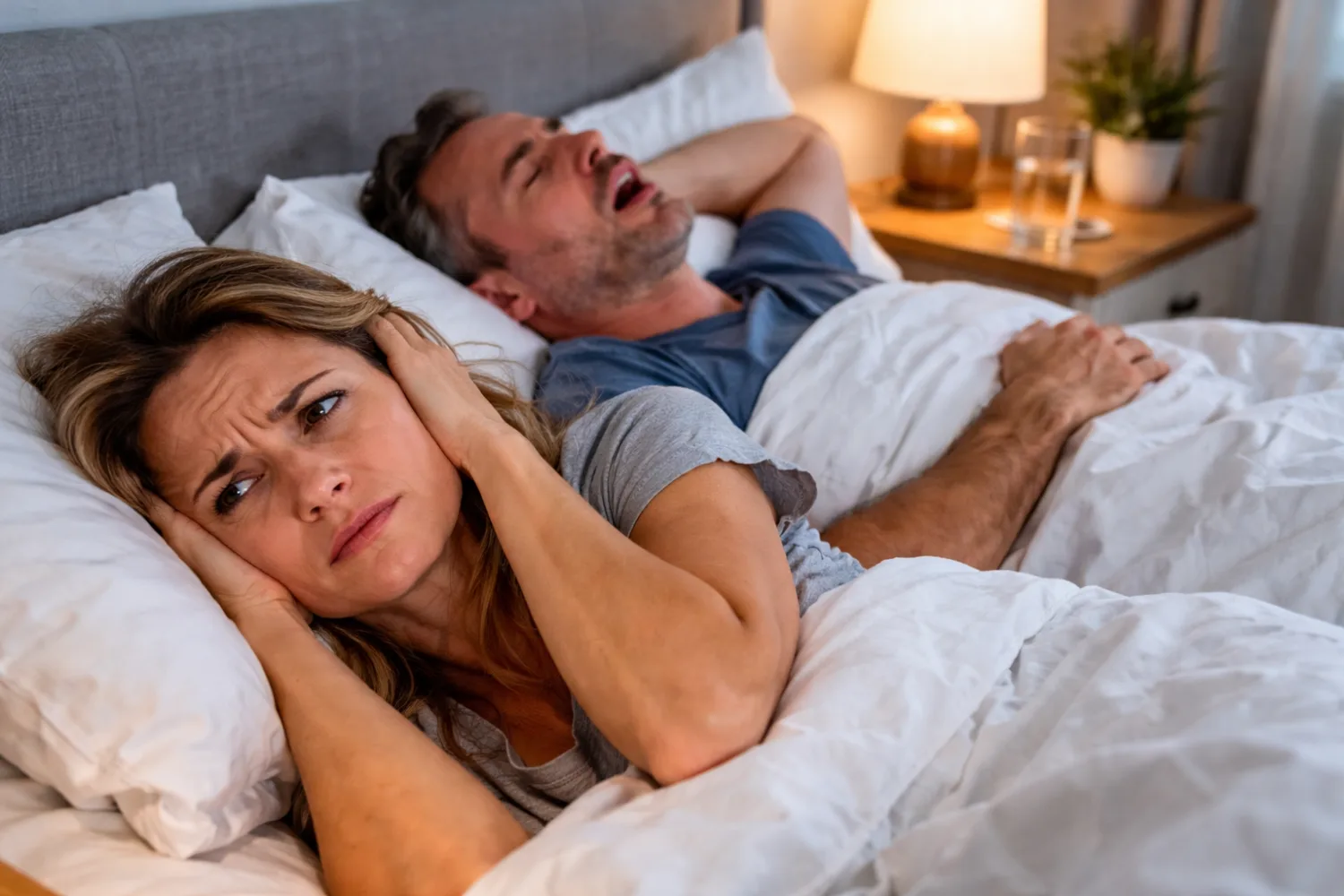
Someone snores heavily every night and their partner notices repeated pauses, followed by a gasp or snort.
They themselves say they “sleep right through”, but they wake unrefreshed and struggle in meetings. That is a classic sleep apnoea pattern.
Exhaustion despite a full night in bed
A person says they fall asleep on the sofa every evening, wake with headaches and cannot remember the last time they felt properly rested.
They assume it is stress or age, but poor sleep quality may be the real issue.
Occasional snoring after alcohol or congestion
Someone only snores when they have a cold, after alcohol, or when lying flat on their back.
That may be simple positional or congestion-related snoring rather than sleep apnoea.
A partner notices something worrying
A partner says, “I lie there waiting for him to breathe again.”
That kind of story is one of the most important clues and should not be dismissed as ordinary snoring.
Common symptoms of sleep apnoea
NHS says the main night-time symptoms are breathing stopping and starting, gasping, choking or snorting noises, waking up a lot and loud snoring.
Daytime symptoms can include excessive tiredness, difficulty concentrating, mood changes and waking with a headache.
Common symptoms include:
- loud habitual snoring
- breathing pauses noticed by a partner
- gasping, choking or snorting during sleep
- waking often through the night
- waking unrefreshed
- morning headaches
- daytime sleepiness
- poor concentration or memory
- irritability or low mood
- dry mouth on waking
Some people with sleep apnoea do not think they are sleepy. Instead they describe themselves as tired, foggy, unmotivated or “never properly awake”.
Why sleep apnoea matters
Sleep apnoea is not just about noisy sleep. It can affect safety and health.
The repeated breathing interruptions reduce sleep quality and can leave people dangerously sleepy, including at the wheel.
The Sleep Apnoea Trust notes that excessive daytime sleepiness is a major risk, particularly for people who drive or operate machinery.
NICE’s guideline exists because OSAHS is a significant health condition that needs proper recognition and management, not something to dismiss as simple snoring.
Driving and sleep apnoea
This is one of the most important practical issues.
If sleep apnoea is making you dangerously sleepy, driving becomes a safety issue, not just a personal inconvenience.
NHS trust guidance notes that people diagnosed with obstructive sleep apnoea should inform the DVLA.
If you are excessively sleepy at the wheel, do not ignore it. Seek medical advice promptly.
What causes snoring and sleep apnoea?
The basic problem is a narrowed or collapsible airway during sleep. But several factors can make that more likely.
Common contributing factors include:
- excess weight
- alcohol
- smoking
- sleeping on your back
- nasal blockage
- enlarged tissues in the throat
- jaw shape
- natural airway anatomy
NHS and NHS sleep/ENT services also note the importance of nasal congestion, rhinitis and related upper-airway problems.
In practice, many people have more than one factor at once. Someone may have a naturally narrow airway, gain weight, develop chronic nasal blockage, and then start snoring much more heavily than before.
Who is more likely to have sleep apnoea?
Sleep apnoea is more likely if you:
- snore loudly most nights
- are overweight
- have a large neck circumference
- drink alcohol in the evening
- smoke
- have chronic nasal obstruction
- sleep on your back a lot
- have a partner who notices breathing pauses
But it is important not to oversimplify. Thin people can have sleep apnoea too, especially if airway anatomy plays a role.
Simple snoring vs sleep apnoea
This is the question most people really want answered.
Simple snoring is noisy breathing during sleep without repeated oxygen drops and major sleep disruption.
Sleep apnoea involves repeated airway blockage and disrupted sleep, often with gasping, pauses in breathing and daytime impairment.
A useful rule of thumb is this: if the issue is mainly noise, it may be simple snoring. If the issue includes breathing pauses, choking, extreme tiredness or morning headaches, sleep apnoea becomes much more likely.
When to suspect that snoring is more serious
Snoring deserves medical review if it is persistent and paired with any of the following:
- observed pauses in breathing
- gasping or choking in sleep
- excessive daytime sleepiness
- waking unrefreshed despite enough time in bed
- morning headaches
- concentration problems
- falling asleep in passive situations such as watching TV
That is especially important if you drive. Sleep apnoea can increase accident risk, and the consequences of ignoring severe daytime sleepiness can be serious.
How sleep apnoea is diagnosed in the UK
Diagnosis usually starts with the story.
A GP or specialist will ask about snoring, witnessed pauses, choking, tiredness, morning headaches, weight, blood pressure, sleep habits and whether symptoms are affecting driving or daily functioning.
NICE recommends assessment using symptoms and validated questionnaires, then sleep studies for people with suspected OSAHS.
The Sleep Apnoea Trust also highlights tools such as the Epworth Sleepiness Scale to help identify problematic daytime sleepiness.
The main test is usually a sleep study. This may be a home sleep study in many cases, or a more involved test depending on the situation.
NHS services note that a sleep study is what confirms the diagnosis.
What happens in a sleep study?
The exact set-up varies, but sleep studies typically monitor breathing, oxygen levels, pulse and airflow overnight.
Some are done at home with portable equipment. The aim is to see how often breathing is interrupted and how much it affects oxygen and sleep quality.
For many people, the diagnosis is actually a relief. It explains years of poor sleep, fatigue and tension at home caused by severe snoring.
Treatments that actually help
Treatment depends on whether the problem is simple snoring or true sleep apnoea, and on how severe the condition is.
Lifestyle changes
For both snoring and milder sleep apnoea, some measures can help a lot.
NHS and NHS services commonly advise weight loss when appropriate, reducing alcohol, stopping smoking, and addressing nasal congestion.
These measures may sound basic, but they can have a real effect. In some people, especially where weight or alcohol are major drivers, they make a substantial difference.
Positional therapy
Some people snore or have worse sleep apnoea mainly when lying on their back.
In these cases, side-sleeping strategies or positional devices may help. NHS specialist clinics include positional devices among treatment options for selected people.
Treating nasal blockage
If the nose is chronically blocked, addressing rhinitis, allergy or structural nasal problems may improve snoring or make other treatments easier to tolerate.
This is one reason ENT may become involved in some cases.
Mandibular advancement devices
These mouth devices move the lower jaw forward during sleep to help keep the airway open.
They are used in some cases of snoring and milder or selected sleep apnoea. NHS specialist clinics list mandibular advancement devices as one treatment option.
CPAP
CPAP, or continuous positive airway pressure, is the main treatment for many people with moderate or severe obstructive sleep apnoea.
It works by delivering gently pressurised air through a mask to keep the airway open during sleep. NHS specialist clinics and patient groups describe CPAP as the most effective treatment for OSA.
CPAP can feel daunting at first, but many people find that once they adapt to it, the difference in energy and alertness is dramatic.
NICE also recommends follow-up after starting CPAP, including an initial review within 1 month and then further follow-up according to the person’s needs.
Surgery
Surgery is not the first-line answer for most snoring and sleep apnoea cases.
The Sleep Apnoea Trust says surgery is generally considered only for selected people with severe OSA who cannot tolerate CPAP or mandibular devices, and that routine snoring surgery is not usually available on the NHS.
That does not mean ENT has no role. ENT can be very relevant where the nose or throat anatomy is contributing, or when there is a specific structural problem that can be treated.
What usually does not help enough
Many people spend a long time trying quick fixes before getting properly assessed.
Things to be cautious about include:
- miracle anti-snoring gadgets
- supplements with exaggerated claims
- assuming nasal strips rule out sleep apnoea
- relying on coffee to push through dangerous daytime sleepiness
- ignoring breathing pauses because the person seems to sleep through them
Nasal strips may help some people with simple nasal snoring, but they do not rule out a more important underlying issue.
NHS notes that nasal dilators or strips may help when the nose is narrow or blocked.
What to avoid
With snoring and sleep apnoea, a few habits commonly make things worse.
- drinking alcohol late in the evening
- smoking
- sedative use unless medically necessary and reviewed
- ignoring major daytime sleepiness
- continuing to drive if you are struggling to stay alert
- assuming snoring is harmless when a partner reports choking or breathing pauses
NHS services and patient resources consistently emphasise reducing alcohol, stopping smoking and avoiding sedatives where possible as part of management.
When to see a GP, sleep clinic or ENT specialist
You should speak to a GP if you snore loudly most nights and especially if you have daytime tiredness, morning headaches, poor concentration or someone has noticed pauses in your breathing.
NHS says you should see a GP if you have sleep apnoea symptoms, especially if they affect your daily life.
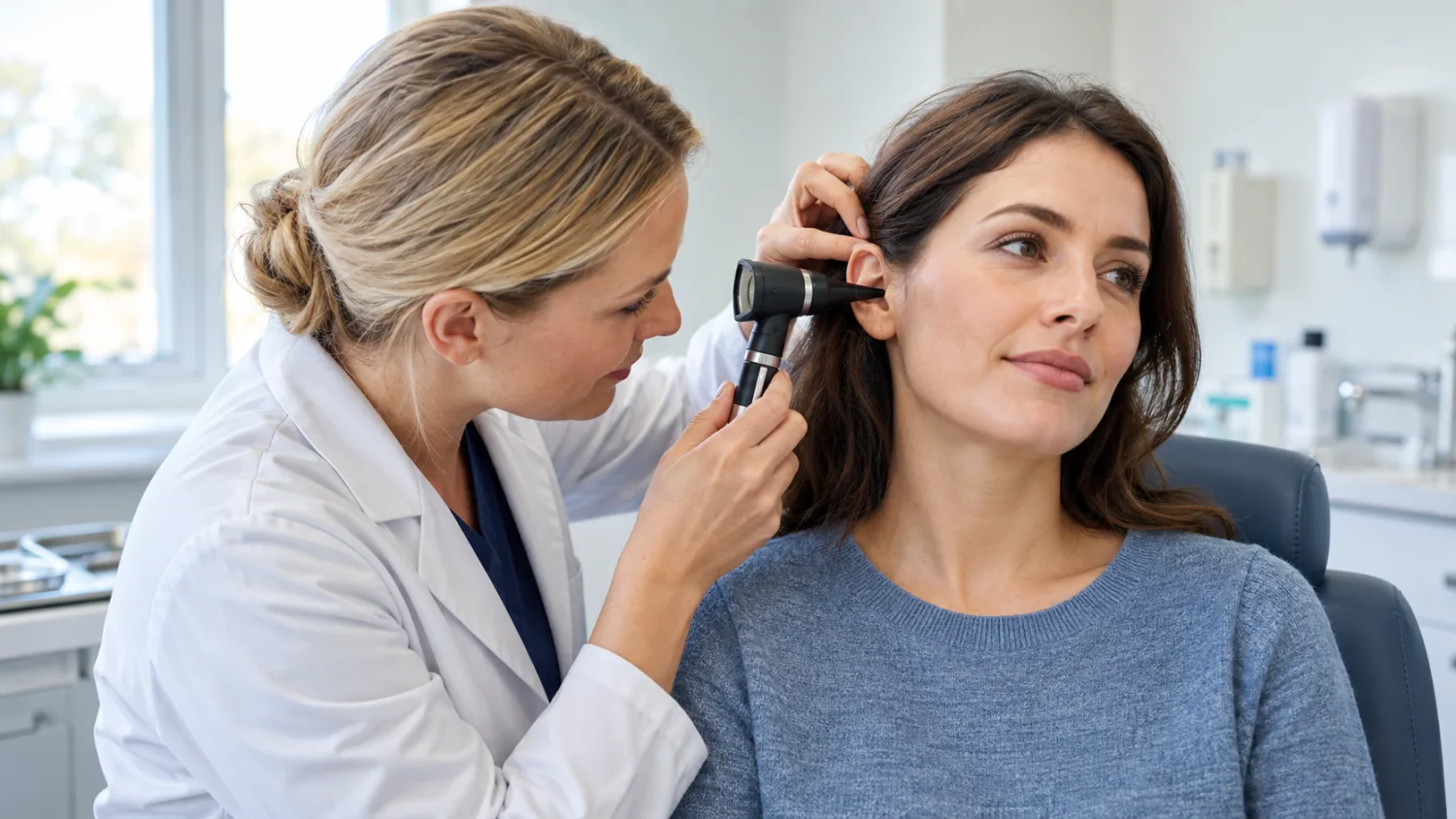
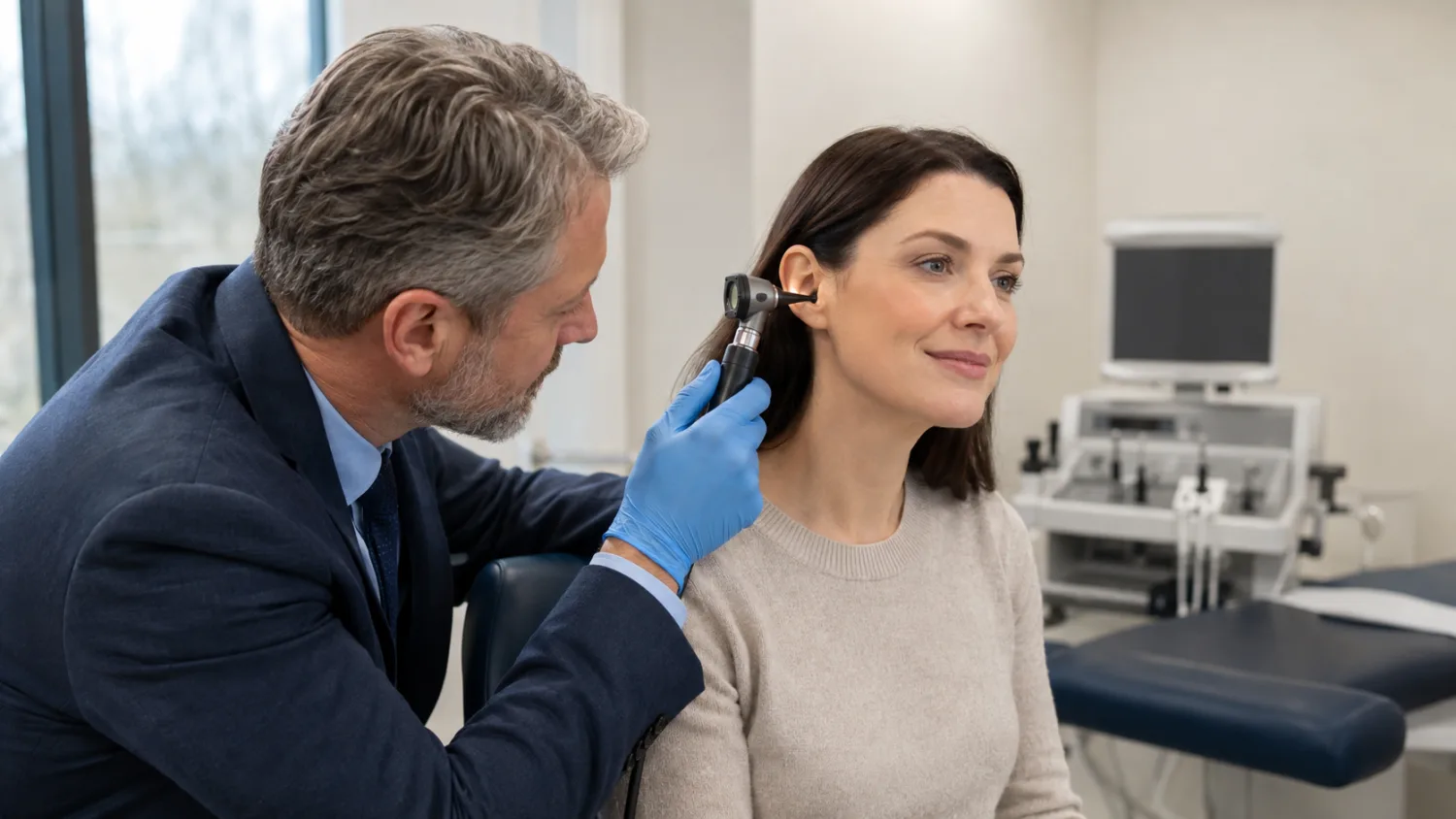
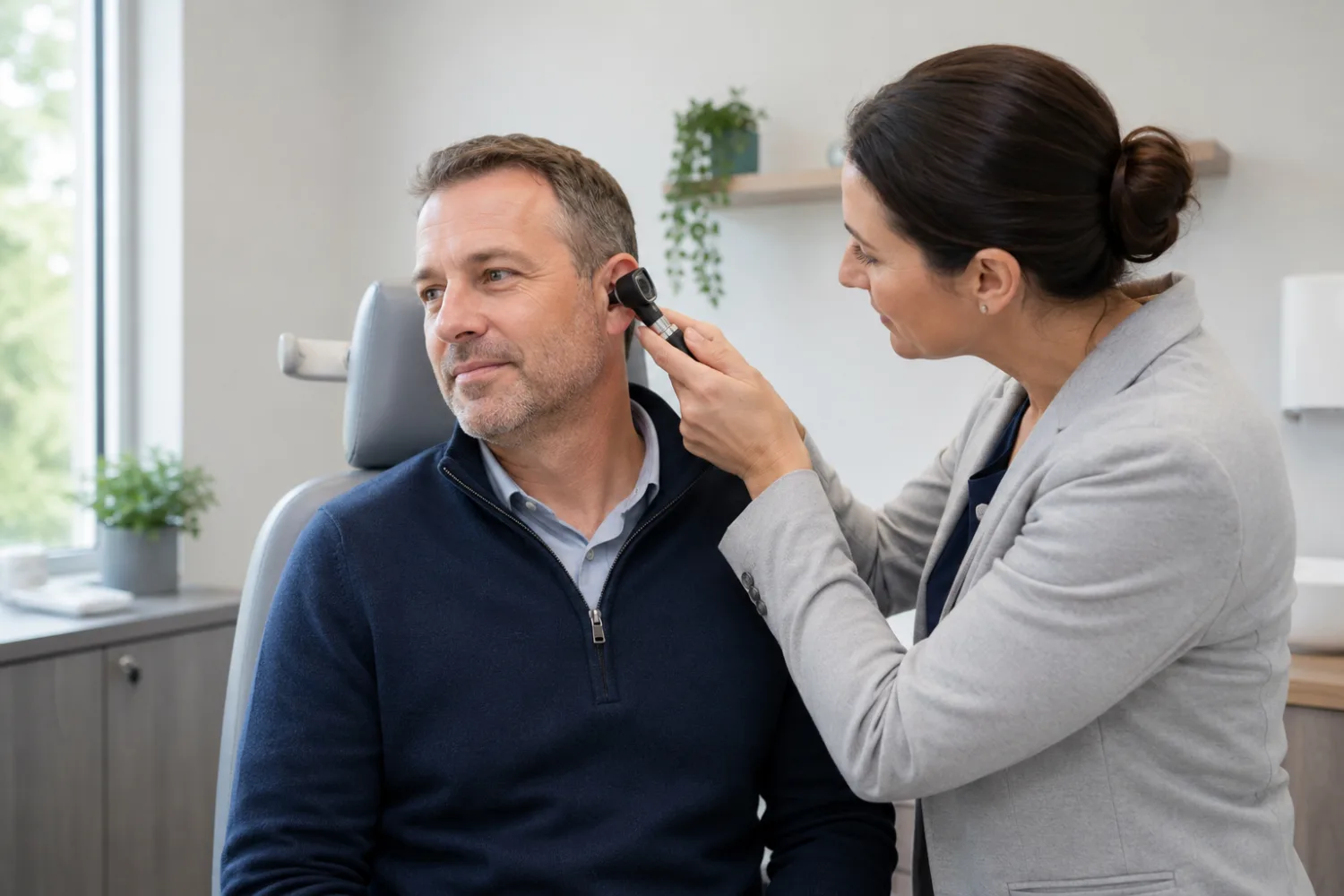
A GP can start the assessment, consider other causes of tiredness, and refer you for a sleep study or specialist review where appropriate.
When might ENT be involved?
ENT can be helpful if your snoring or sleep-disordered breathing seems linked to a specific problem in the nose or throat, such as chronic nasal blockage, enlarged tissues or structural issues.
Some NHS ENT departments specifically manage snoring and sleep-disordered breathing where the upper airway anatomy is part of the problem.
But not everyone with sleep apnoea needs ENT. Many people are managed mainly through sleep or respiratory services.
FAQ: snoring and sleep apnoea
Is snoring always a sign of sleep apnoea?
No. Many people snore without having sleep apnoea. The more worrying signs are breathing pauses, choking, and excessive daytime sleepiness.
Can you have sleep apnoea without knowing it?
Yes. Many people are first alerted by a partner or family member rather than by their own symptoms.
Is CPAP only for severe cases?
CPAP is most strongly associated with moderate to severe OSA, but the exact decision depends on the pattern of symptoms and test results. NHS specialist services describe it as first-line for moderate or severe sleep apnoea.
Can losing weight really help?
Yes. For some people it makes a major difference, although it is not the whole answer for everyone.
Can nasal congestion make snoring worse?
Yes. A blocked nose can make airflow more turbulent and may worsen both snoring and tolerance of treatments such as CPAP.
Is surgery the best treatment?
Usually not. For many people, CPAP or other non-surgical measures are more effective and more evidence-based.
Can sleep apnoea affect blood pressure?
Yes. Sleep apnoea can be linked with high blood pressure and wider cardiovascular risk, especially when untreated.
Should I drive if I am very sleepy during the day?
No. If you are struggling to stay awake while driving, stop driving and seek medical advice promptly. Sleepiness at the wheel is a safety issue.
Trusted UK resources
For more information, you can read the NHS page on sleep apnoea, the NHS page on snoring, and the Sleep Apnoea Trust’s patient information on sleep apnoea symptoms and support.
Final takeaway
Snoring can be a nuisance, but it can also be a warning. The key question is not just how loud it is, but what else is happening alongside it.
If there are breathing pauses, choking, major daytime tiredness or concentration problems, this is no longer just about noise. It is about sleep quality, health and safety.
The encouraging part is that sleep apnoea is treatable. For some people, lifestyle changes and better nasal breathing are enough. For others, devices such as CPAP are genuinely life-changing.
The important thing is not to ignore the signs and assume it is normal to feel exhausted all the time.
If snoring is affecting your sleep, your partner’s sleep or your daytime life, get it assessed properly.