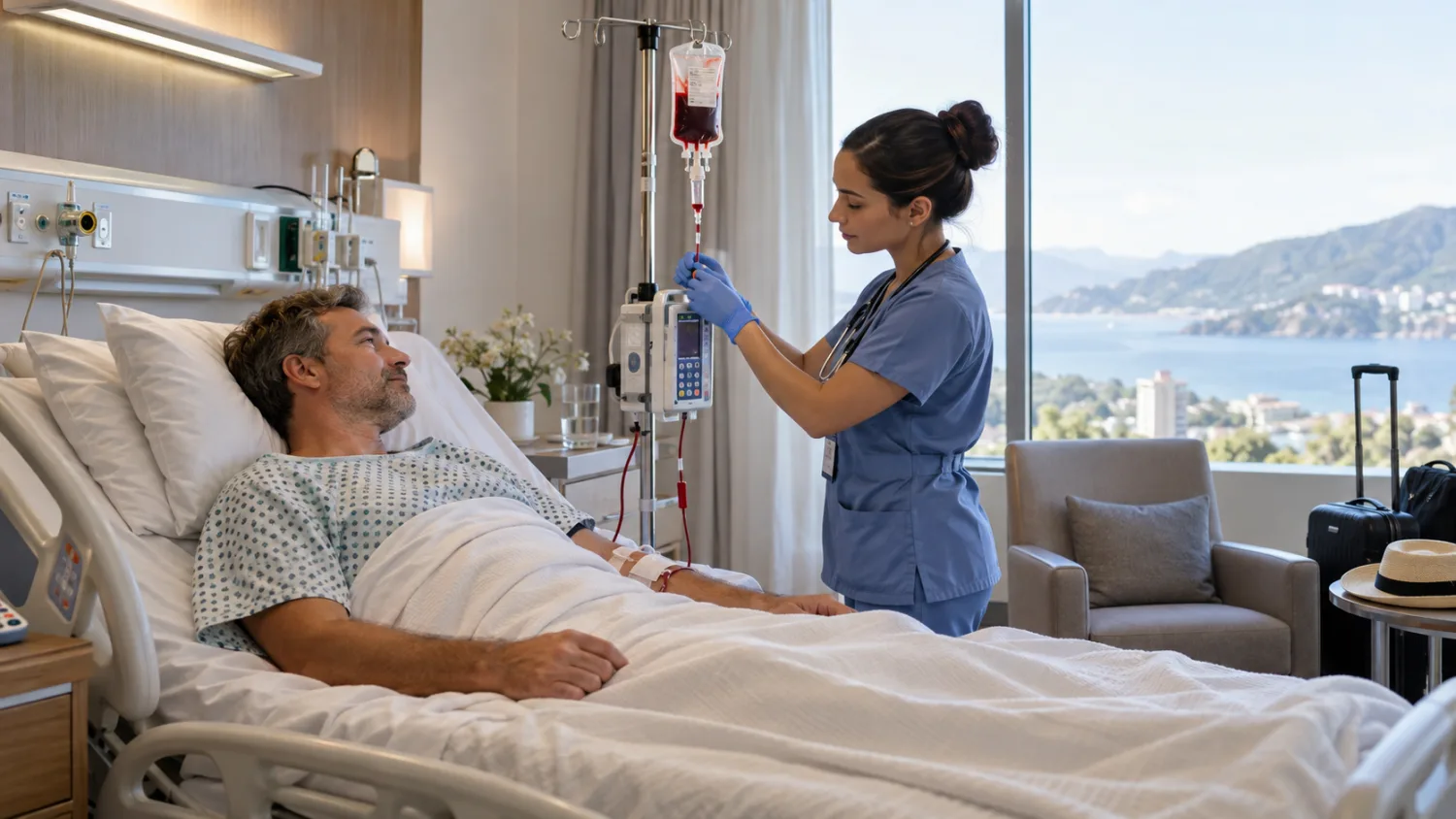
Travelling abroad for medical, dental or surgical treatment can feel like a practical solution when UK waiting times are long, private treatment is expensive, or a specialist clinic overseas appears to offer faster access. For some people, treatment abroad is carefully planned, well supported and successful. For others, the decision is rushed, the aftercare is unclear, or the real cost becomes much higher than expected.
This guide is designed for UK patients who are seriously considering treatment abroad and want to make a safe, informed decision. It is not just a packing list. It takes you through the whole journey: deciding whether treatment abroad is appropriate, checking the clinic, understanding the quote, preparing before travel, protecting yourself while overseas and planning what happens when you return home.
If you are still at the early research stage, you may also find it helpful to read our ultimate guide to treatment abroad for UK patients and our guide on whether treatment abroad is safe.
Start with the right question: should you travel for treatment at all?
The first question is not “Which country is cheapest?” or “Which clinic has the best reviews?” The first question is whether travelling abroad is a sensible option for your particular condition, treatment, medical history and recovery needs.
Some treatments are relatively straightforward to plan around travel. Others carry a much higher risk if something goes wrong, if follow-up is needed, or if you need urgent help after returning to the UK. A dental check-up, diagnostic scan or minor planned procedure is very different from major cosmetic surgery, bariatric surgery, joint replacement, fertility treatment, cancer treatment or experimental regenerative medicine.
Before you make any booking, ask yourself:
- Is this treatment medically necessary, cosmetic, elective or experimental?
- Do I fully understand the risks and alternatives?
- Would I be fit enough to travel before and after the procedure?
- What would happen if I had a complication abroad?
- Who would look after me when I return to the UK?
- Can I afford the total cost, including delays, extra nights, extra treatment or revision work?
If you are considering overseas care because of NHS waiting times, it is worth understanding your UK options first. Depending on your situation, there may be alternatives such as asking about waiting list options, using the NHS e-Referral Service, considering private care in the UK, or seeking a second opinion. Our guide to NHS waiting times and when treatment abroad may be considered explains this in more detail.
You should also be clear about whether you are arranging private treatment yourself or trying to access planned state-funded treatment abroad. The NHS has information about going abroad for medical treatment, and the S2 funding route may apply only in specific circumstances and usually requires approval before you travel.
Get a UK medical opinion before you commit
One of the safest steps you can take is to speak to an appropriate UK healthcare professional before booking treatment abroad. This could be your GP, dentist, consultant, specialist nurse, physiotherapist, pharmacist or another clinician depending on the treatment.
This is not about asking a UK doctor to “approve” a clinic overseas. They may not be able to do that. It is about checking whether the treatment makes sense for you, whether there are safer alternatives, and whether there are personal risk factors you may not have considered.
For example, if you are planning surgery, a clinician may help you think about blood clot risk, anaesthetic risk, diabetes control, blood pressure, medication interactions, smoking, weight, previous operations and whether you are likely to need follow-up. If you are considering dental implants abroad, a dentist may help you understand bone grafting, gum disease, bite problems, staged treatment and whether the proposed plan seems rushed. If you are considering stem cell, exosome or regenerative treatments, a specialist opinion may help you separate approved uses from private clinic claims. We cover this issue further in our article on regenerative medicine abroad, risks and stem cell tourism.
Before your appointment, gather the clinic’s proposed treatment plan, any scans or photographs, the names of the treating clinicians, the planned anaesthetic, estimated recovery time and any medication you will be given. The more specific the information, the more useful the UK opinion is likely to be.
Do not rely only on a sales consultation with a patient coordinator. Coordinators can be helpful for logistics, but they are not a substitute for a proper clinical assessment by the person responsible for your care.
Check the clinic, clinician and hospital properly
A professional-looking website is not proof that a clinic is safe. A large social media following is not proof of good outcomes. Before booking, you need to verify who will treat you, where the treatment will happen, what standards apply and what evidence the clinic can provide.
Start with the basics. Ask for the full name of the doctor, dentist, surgeon or clinician who will perform the treatment. Ask for their registration number, qualifications, specialist training and experience with the exact procedure you are considering. If a clinic refuses to name the clinician before you pay a deposit, that is a serious warning sign.
You should also ask which hospital or facility will be used. Some procedures are done in fully equipped hospitals; others may be done in smaller private clinics. For anything involving general anaesthetic, sedation, implants, major surgery, overnight stays or significant complication risk, the facility matters as much as the individual clinician.
Check whether the clinic is licensed or regulated in the country where it operates. Regulation varies between countries, so there may not be a direct equivalent of UK systems. However, a reputable clinic should still be able to explain who regulates it, what inspections it has had, what professional bodies its clinicians belong to and how complaints are handled.
For comparison, UK patients can check UK doctors on the General Medical Council register and UK dental professionals on the General Dental Council register. Overseas regulators will be different, but the principle is the same: you should be able to verify that the person treating you is appropriately registered and allowed to practise.
Look carefully at reviews, but do not treat them as enough on their own. Reviews may reflect customer service, price and hotel experience more than clinical quality. Be cautious with clinics that mainly promote dramatic before-and-after photos, influencer discounts, limited-time deals or “package” transformations without giving detailed medical information.
For a deeper due diligence process, read our guide on how to check if an overseas clinic is legitimate.
Understand the full cost, not just the advertised price
The advertised price is rarely the full financial risk. A clinic may quote a package price that includes the procedure, hotel and transfers, but excludes tests, medication, compression garments, extra scans, extra hospital nights, revision surgery, complication treatment or follow-up after you return home.
Ask for a written quote before paying anything. It should clearly show what is included, what is excluded, what could cost extra and what happens if the surgeon changes the treatment plan after seeing you in person.
Important cost questions include:
- Does the price include the initial consultation, tests and scans?
- Does it include anaesthesia and hospital fees?
- Does it include medication, dressings, garments or dental temporary work?
- Does it include follow-up appointments before you fly home?
- What happens if I need to stay longer?
- What happens if I develop an infection, bleeding, wound problem or other complication?
- Is revision treatment included, discounted or charged separately?
- What refund rules apply if I am medically unsuitable when I arrive?
Be especially careful with “all-inclusive” treatment packages. They can be convenient, but they can also hide important details. A cheap package is not cheap if you need private emergency care, a longer hotel stay, new flights, unpaid time off work or corrective treatment in the UK.
It is sensible to compare the overseas quote with private treatment in the UK, not only the NHS. Our article on private healthcare in the UK vs treatment abroad explains how the numbers can change once travel, aftercare and risk are included.
Sort out insurance, finance and refund protection before paying a deposit
Insurance is one of the most misunderstood parts of treatment abroad. Standard travel insurance often does not cover planned medical treatment overseas. It may cover unexpected illness or accidents while travelling, but not complications from a procedure you deliberately travelled to have.
Before you book, speak to insurers directly and be clear that you are travelling for planned treatment. Ask whether the policy covers complications from that treatment, extra accommodation, changed flights, medical evacuation, hospital admission, missed connections and a companion staying longer with you. Get the answer in writing if possible.
The UK government advises travellers to buy appropriate travel insurance before international travel and to make sure it covers existing physical or mental health conditions, including conditions currently under investigation. You can read the official guidance on foreign travel insurance.
A UK GHIC or EHIC may help with medically necessary state healthcare in some countries, but it is not a substitute for travel insurance and it does not make private planned treatment free. The NHS explains more about the UK Global Health Insurance Card.
If you are using finance, credit cards or staged payments, read the terms carefully. Consider what protection you have if the clinic cancels, the surgeon changes, you are told you are unsuitable, the treatment is not completed, or you need follow-up work. Keep copies of invoices, contracts, payment receipts and messages.
For more detail, see our guide to paying for surgery abroad, insurance, finance and refund protection.
Ask detailed questions about the treatment plan
A good clinic should welcome detailed questions. If you feel pressured, rushed or made to feel difficult for asking, treat that as useful information. Medical care should not feel like a flash sale.
Ask what exactly is being recommended and why. Ask what alternatives exist. Ask what happens if the clinician decides you are not suitable after examining you in person. Ask whether the same person who consults with you will perform the procedure. Ask who will be present in theatre or the treatment room. Ask what type of anaesthetic or sedation will be used and who is responsible for it.
You should also ask about risks in plain language. Every real treatment has risks. A clinic that says there are “no risks” is not being honest. Depending on the procedure, risks may include infection, bleeding, blood clots, nerve injury, implant failure, scarring, poor cosmetic result, allergic reaction, anaesthetic complications, chronic pain, relapse, revision surgery or disappointment with the outcome.
For surgery, ask how long you need to stay in the country after the procedure. This matters. Flying too soon after some operations may increase risk, and leaving before early complications appear can leave you without the team that performed the procedure.
For dental treatment, ask whether the work is being rushed into one trip. Some implant and restorative dental plans need healing time between stages. A quick result may be attractive, but it is not always the safest or most durable option.
For cosmetic surgery, ask about realistic results, scarring, revision rates and what happens if you are unhappy. Our guide to cosmetic surgery abroad for UK patients covers these issues in more depth.
Prepare your medical records, medicines and travel documents
Good preparation can reduce risk and make it easier to get help if something goes wrong. Do not travel with only a confirmation email and passport. Travel with a clear medical folder, either printed, digital or both.
Your medical information should include:
- A list of your current diagnoses and previous operations.
- A list of regular medicines, including dose and timing.
- Allergies and previous reactions to medicines or anaesthetics.
- Recent blood test results, scans, X-rays or letters if relevant.
- Your GP details and emergency contact details.
- Your travel insurance documents and policy emergency number.
- The clinic’s address, surgeon name and emergency contact number.
Keep medicines in original packaging where possible, and check rules for taking prescription medication into the destination country. Some medicines that are routine in the UK may be restricted elsewhere. If you take controlled drugs, strong painkillers, injectable medicines, hormone treatments or medical devices, check official travel advice and ask your prescriber what documentation you need.
It is also worth preparing a simple one-page medical summary. In an emergency, a short, clear summary is more useful than a folder full of documents nobody has time to read.
Before travel, check passport validity, visa rules, local entry requirements and health advice for the destination. The Foreign, Commonwealth & Development Office travel advice pages are a good starting point for UK travellers.
Plan your recovery before you travel, not after surgery
Recovery is often the weak point in treatment abroad. The procedure may be quick, but healing is not. You need to plan where you will recover, who will help you, how you will manage pain, what you will do if symptoms change and how long you realistically need before flying home.
If you are travelling alone, be especially cautious. After surgery, sedation or major dental work, you may be tired, sore, anxious, dizzy or unable to manage luggage, medication and transport safely. For many procedures, having a trusted adult with you is not a luxury; it is a safety measure.
Ask the clinic what support is available after discharge. Will you have a 24-hour emergency number? Can you return to the clinic urgently? Will a nurse check wounds? Who removes stitches or drains? What symptoms should trigger urgent review? What happens at weekends?
Your hotel or accommodation also matters. A cheap room far from the clinic may be unsuitable if you are in pain, need help, cannot climb stairs or need to attend follow-up visits. Check lift access, distance from the clinic, transport options, food availability and whether your companion can stay comfortably.
Think about your return home too. Will someone collect you from the airport? Can you avoid carrying bags? Do you need time off work? Do you need childcare? Will you need a private nurse, dentist, GP, physiotherapist or wound care appointment?
If you are having orthopaedic surgery, plan rehabilitation before you travel. A knee, hip or shoulder operation is not finished when the wound is closed. Physiotherapy, mobility support and follow-up imaging may matter as much as the operation itself.
Know the red flags before you pay
Some red flags are obvious. Others are subtle. The safest time to notice them is before you pay a deposit or book flights.
Be cautious if a clinic:
- Pressures you to book quickly with a limited-time discount.
- Will not name the clinician responsible for your treatment.
- Cannot explain the clinician’s qualifications or registration.
- Offers a treatment plan based only on photos or messages.
- Promises perfect results or says there are no risks.
- Discourages you from getting a UK medical opinion.
- Cannot provide a written quote and complication policy.
- Has unclear aftercare arrangements.
- Uses mostly influencer posts, dramatic images or testimonials instead of clinical information.
- Combines multiple major procedures into one short trip without a convincing medical reason.
Also be cautious if the clinic’s communication changes once you have paid. Slow replies, vague answers, changing surgeon names, new fees and unclear instructions are all reasons to pause.
It is better to lose a small deposit than to go ahead with treatment you no longer trust. If something feels wrong, slow down. A reputable provider will not punish you for wanting clarity.
During your trip: protect yourself and do not ignore warning signs
Once you arrive, do not let travel fatigue, excitement or pressure override your judgement. You should still have a proper in-person consultation before treatment. This is the time to confirm the plan, ask final questions and make sure nothing important has changed.
Before signing consent forms, check that you understand them. Consent should not be a rushed formality moments before the procedure. You should know what is being done, who is doing it, what the risks are, what alternatives exist and what happens if the plan changes.
After the procedure, follow the clinic’s instructions carefully. Take medication as directed. Avoid alcohol if advised. Do not swim, fly, exercise, smoke or restart blood-thinning medication unless you have been told it is safe. Keep follow-up appointments even if you feel well.
Know the warning signs that need urgent medical advice. These vary by treatment, but may include:
- Chest pain, shortness of breath or coughing blood.
- Severe calf pain or sudden leg swelling.
- Heavy bleeding or rapidly increasing swelling.
- Fever, chills or feeling seriously unwell.
- Worsening redness, heat, pus or bad smell from a wound.
- Severe abdominal pain after bariatric or abdominal surgery.
- Confusion, fainting or severe dizziness.
- Sudden vision changes, weakness, numbness or severe headache.
Do not wait until your flight if you are worried. Contact the clinic, your insurer’s emergency line or local emergency services. If there is a language barrier, ask for written instructions, translation support or help from your hotel or companion.
Before you return to the UK, collect the right documents
Many patients come home with very little documentation. This can cause problems if they need follow-up, emergency care, revision treatment or help from a UK clinician. Before leaving the clinic, ask for copies of everything relevant.
You should ideally bring back:
- A discharge summary in English, if available.
- The diagnosis and procedure name.
- The name of the surgeon, dentist or clinician.
- Details of anaesthetic or sedation used.
- Medication given and medication to continue.
- Implant details, batch numbers or device information where relevant.
- Scan images, X-rays, blood results or pathology results.
- Wound care instructions and follow-up plan.
- Emergency contact details for the clinic.
- Receipts, invoices and signed consent forms.
This is especially important for dental implants, breast implants, joint implants, bariatric surgery, fertility treatment and any procedure involving devices, grafts, injected substances or long-term monitoring.
If the clinic cannot provide clear records, that is concerning. Good medical care includes good documentation.
When you are back in the UK: aftercare, complications and follow-up
Returning home does not mean the treatment journey is finished. In some ways, this is when the planning becomes most important.
If you were advised to have follow-up with a UK clinician, arrange it early. Do not assume a UK private clinic, dentist or surgeon will automatically take over care from an overseas provider. Some may be willing to help with wound checks, scans, blood tests, physiotherapy or general advice, but they may not take responsibility for another clinician’s procedure without full records.
If you have worrying symptoms, seek medical help. In an emergency, call 999 or go to A&E. For non-emergency concerns, you may contact NHS 111, your GP, a private GP, your dentist, your insurer or a relevant specialist. Be honest that you had treatment abroad and provide your records.
The NHS may treat urgent and serious complications, but that does not mean it provides routine private aftercare, cosmetic revision or completion of private treatment started abroad. This is why planning aftercare before you travel is so important.
For dental treatment, remember that UK dentists may not be able or willing to repair complex overseas work without assessing it fully. For cosmetic surgery, UK surgeons may recommend waiting before revision unless there is an urgent medical issue. For bariatric surgery, long-term nutritional monitoring can be essential. For orthopaedic surgery, rehabilitation may continue for months.
Keep monitoring your recovery. Take photos of wounds if advised. Attend follow-up appointments. Complete physiotherapy. Do not ignore persistent pain, fever, swelling, dental mobility, wound discharge, vomiting, dizziness, chest symptoms or sudden changes in your health.
A practical treatment abroad checklist
Use this checklist as a final review before you commit. It is not a guarantee of safety, but it can help you slow down and spot gaps.
Before choosing a clinic
- I understand why I want treatment abroad and what alternatives exist in the UK.
- I have researched the treatment, risks, recovery and likely outcomes.
- I have considered getting a UK medical, dental or specialist opinion.
- I have checked whether the treatment is approved, experimental or mainly cosmetic.
Before paying a deposit
- I know the full name and role of the clinician treating me.
- I have checked the clinician’s qualifications and registration where possible.
- I know where the procedure will take place.
- I have a written treatment plan.
- I have a written quote showing what is included and excluded.
- I understand the refund, cancellation and complication policy.
- I have not been pressured into booking quickly.
Before travelling
- I have appropriate travel and medical insurance, or I understand what is not covered.
- I have checked passport, visa, medication and destination rules.
- I have prepared medical records and a medication list.
- I have emergency contact numbers for the clinic and insurer.
- I have arranged suitable accommodation and support.
- I know how long I should stay before flying home.
Before treatment
- I have had an in-person consultation.
- I understand the consent form.
- I know who is performing the treatment.
- I know what anaesthetic or sedation will be used.
- I know what symptoms should trigger urgent help.
Before returning to the UK
- I have a discharge summary and treatment records.
- I have details of implants, devices or materials used.
- I have medication instructions.
- I have a follow-up plan.
- I know who to contact if I deteriorate after returning home.
FAQ: treatment abroad checklist for UK patients
Is treatment abroad safe for UK patients?
Treatment abroad can be safe when it is properly researched, clinically appropriate and supported by good aftercare. However, risks increase when patients choose mainly on price, book quickly, combine major procedures with short travel, or return home before early complications can be detected. Safety depends on the treatment, clinician, facility, regulation, your health and the follow-up plan.
Should I tell my GP I am having treatment abroad?
In most cases, yes. Your GP may not be able to recommend or approve an overseas clinic, but they can help you think about your medical history, medication, existing conditions and whether you need tests or specialist advice before travelling. You should also tell UK clinicians afterwards if you need help, because it may affect diagnosis and treatment.
Will normal travel insurance cover surgery abroad?
Often, no. Many standard travel insurance policies exclude planned medical treatment abroad and complications arising from it. You may need specialist medical travel insurance. Always tell the insurer exactly why you are travelling and get written confirmation of what is and is not covered.
Can I use a GHIC or EHIC for treatment abroad?
A GHIC or EHIC may help with medically necessary state healthcare in some countries, but it is not designed to cover private planned treatment abroad. It is not a replacement for travel insurance and it does not usually cover private clinic costs, repatriation, hotel extensions or planned private procedures.
What documents should I bring back after treatment abroad?
Bring back a discharge summary, procedure details, clinician name, medication list, test results, scan images, implant or device details, invoices, consent forms and aftercare instructions. These records can be very important if you need follow-up or emergency care in the UK.
What if I have complications after returning to the UK?
If symptoms are urgent or severe, call 999 or go to A&E. For less urgent problems, contact NHS 111, your GP, a private GP, dentist or relevant specialist. Tell them exactly what treatment you had and where. The NHS may treat urgent complications, but routine private aftercare, cosmetic revision or completion of overseas private treatment may not be included.
How long should I stay abroad after surgery?
It depends on the procedure, anaesthetic, your health and the risk of complications. Some minor treatments may need only a short stay, while major surgery may require longer monitoring before flying. Ask the treating clinician for written fit-to-fly advice and check your insurance position if your return is delayed.
Is it safe to travel alone for treatment abroad?
It can be risky, especially for surgery, sedation, major dental work or any treatment with a meaningful recovery period. A companion can help with transport, medication, communication, luggage, emotional support and spotting problems. Some clinics may require an adult to accompany you after sedation or surgery.
How do I know if an overseas clinic is legitimate?
Ask for the clinician’s full name, registration details, qualifications, facility licence, written treatment plan, complication policy and aftercare arrangements. Check independent reviews, but do not rely only on social media. Be cautious if the clinic avoids clinical questions, pressures you to pay quickly or refuses to name the person treating you.
What is the biggest mistake UK patients make when booking treatment abroad?
The biggest mistake is treating the decision like a simple price comparison. The real decision is about clinical suitability, safety, regulation, aftercare, insurance, recovery time and what happens if something goes wrong. A lower headline price can become expensive if complications, revision treatment or extended travel are needed.