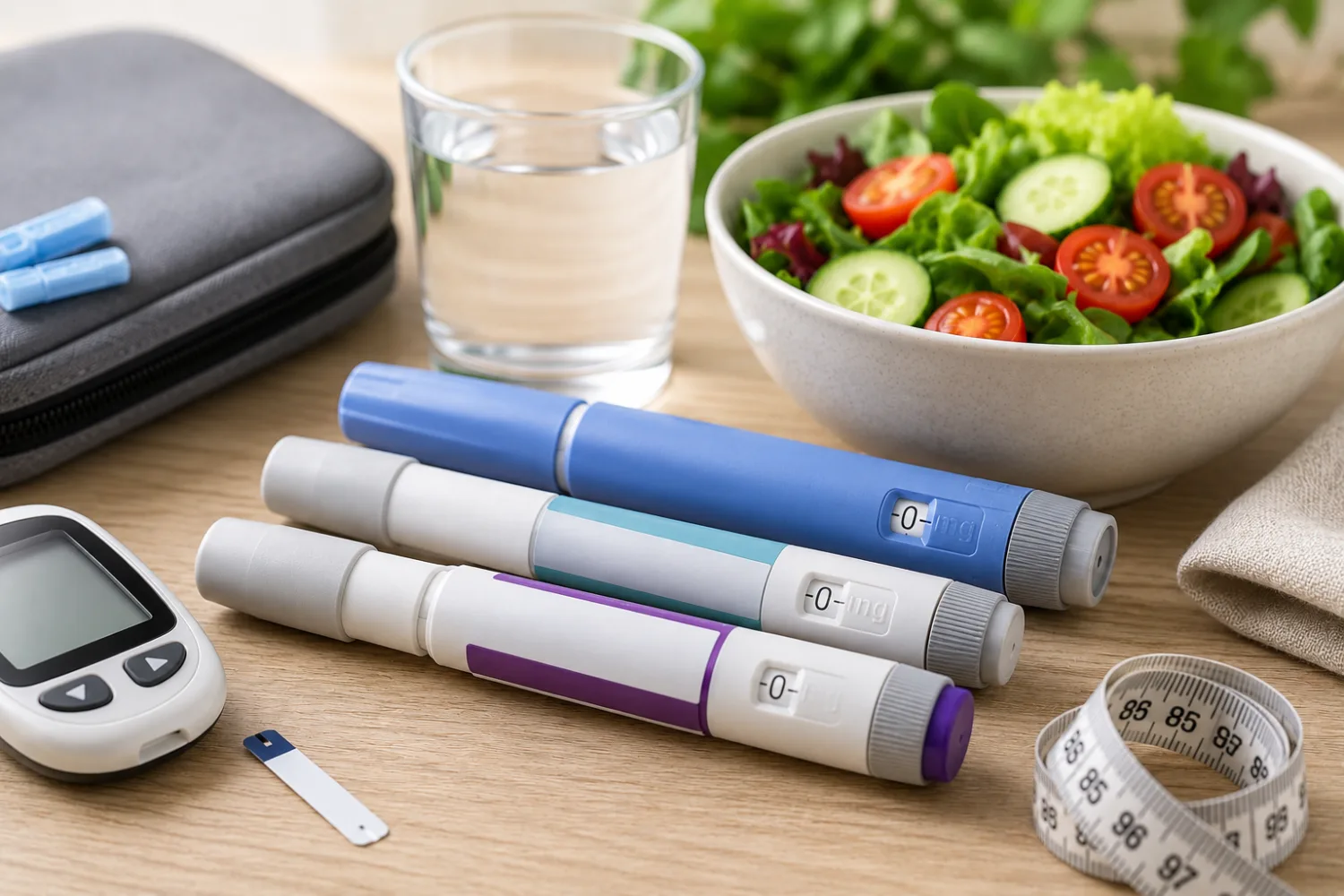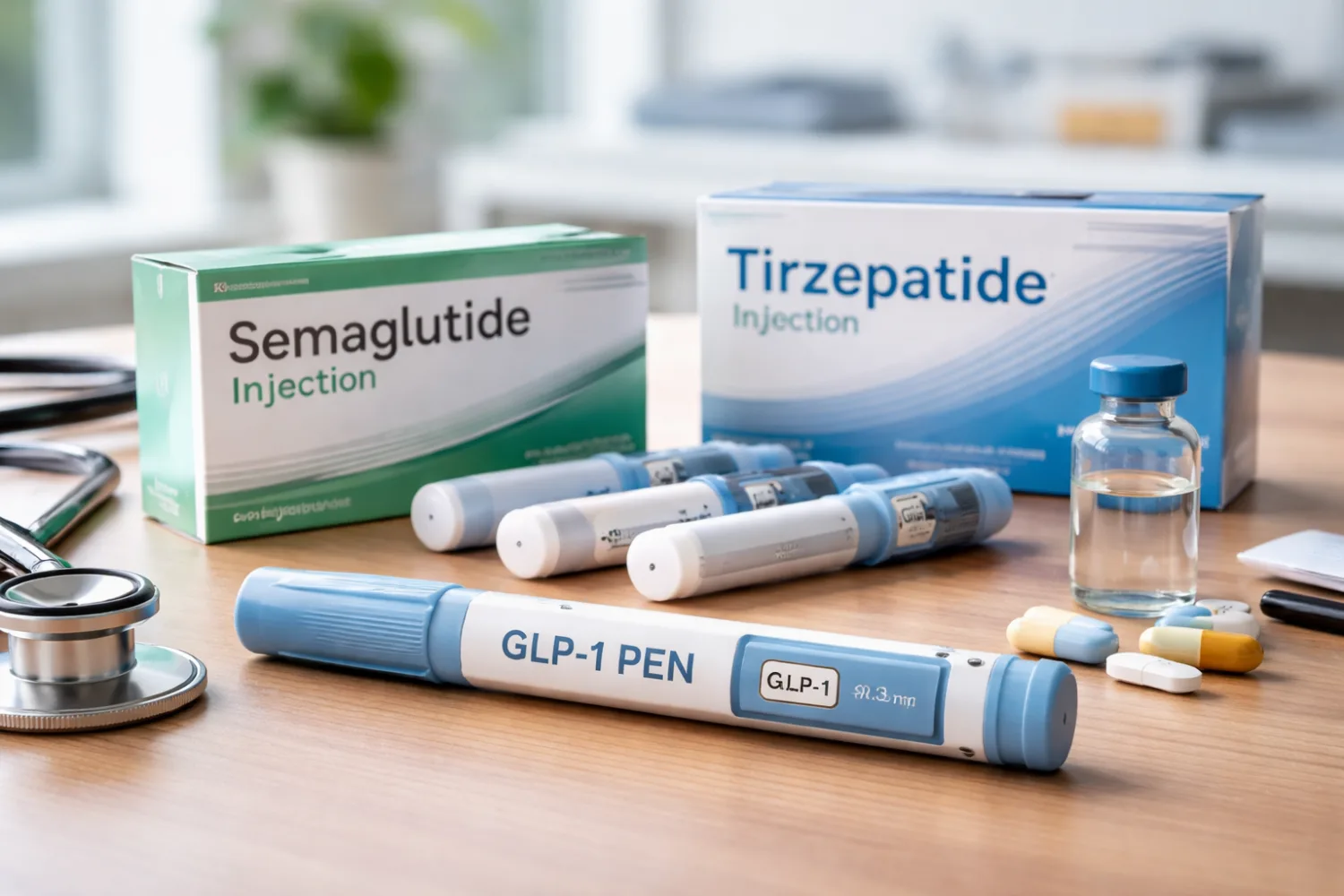
GLP-1 has moved at remarkable speed from diabetes clinics into dinner-table conversation, social media debate and celebrity gossip. In Britain, it is now discussed as everything from a breakthrough medicine to a cultural obsession. The truth sits somewhere in between. GLP-1 medicines are neither a miracle nor a scam. They are serious prescription drugs, with real benefits, real limits and real risks — and they make most sense when they are treated as medicine, not mythology.
To start with the basic point: GLP-1 is not the name of one single drug. It stands for glucagon-like peptide-1, a hormone involved in appetite and blood sugar regulation. The medicines people loosely call “GLP-1 drugs” are usually GLP-1 receptor agonists — drugs that mimic that hormone. The UK medicines regulator explains that these drugs help people feel fuller by mimicking a natural hormone released after eating. Some newer medicines, such as tirzepatide, also act on a second hormone pathway involved in appetite and blood sugar control. MHRA guidance summarises that clearly here.
So what exactly are these drugs?
In practical terms, GLP-1 medicines are prescribed mainly for two things: type 2 diabetes and weight management. In the UK, that includes medicines such as semaglutide and liraglutide, while tirzepatide is a related medicine that acts on both GIP and GLP-1 receptors. That distinction matters, because public conversation often lumps everything together under the phrase “Ozempic-style drugs”, even though the brands, licences and NHS access rules are not the same.
That is especially important for British readers, because the brand name that dominates headlines is not always the one licensed for the reason people assume. The MHRA has specifically warned that Ozempic is authorised in the UK for type 2 diabetes, not for weight loss. For weight management, the better-known UK brands are Wegovy for semaglutide, Saxenda for liraglutide and Mounjaro for tirzepatide, depending on the patient’s circumstances and what a clinician believes is appropriate.
Mechanistically, the appeal is obvious. These medicines can reduce appetite, slow stomach emptying and improve blood sugar control. In people with type 2 diabetes, they can help the body release insulin more appropriately when blood glucose rises. In people living with obesity, they can make a reduced-calorie diet more physically bearable by taking the edge off constant hunger. That is one reason they have changed the tone of obesity treatment: for many patients, willpower was never the whole story.
Where do GLP-1 medicines genuinely help?
The clearest evidence is in type 2 diabetes. NICE’s current guideline on type 2 diabetes says GLP-1 receptor agonists are recommended not only for their glucose-lowering effect but also, in some settings, for cardiovascular and renal benefits. NICE’s updated diabetes guidance is here. In other words, these are not vanity prescriptions that accidentally help blood sugar; they are established metabolic medicines with an increasingly important place in diabetes care.
They also help in weight management, but here the UK system is more restrictive than the public conversation often suggests. On the NHS, access is based on eligibility criteria rather than consumer demand. NICE recommends semaglutide for managing overweight and obesity in adults with a high body mass index and, in practice, alongside specialist weight-management support. The semaglutide guidance is here. Tirzepatide has also been recommended by NICE for obesity, alongside a reduced-calorie diet and increased physical activity, for adults with a BMI of at least 35 and at least one weight-related comorbidity, with phased NHS rollout in England. The tirzepatide recommendation is here, and NHS England explains the current access arrangements here.
There is also growing recognition that these medicines may help beyond weight and glucose alone. NICE has now backed semaglutide for certain adults with established cardiovascular disease and overweight or obesity, reflecting evidence that the drug may reduce future serious cardiovascular events in some patients. NICE’s announcement on that recommendation is here. That matters because it shifts the discussion away from appearance and towards risk reduction: for some patients, this is about preventing the next heart attack, not fitting into a smaller jacket.
Who should use GLP-1 drugs?
The honest answer is: the people a clinician thinks they are appropriate for, not the people most influenced by online hype. In the UK, that generally means adults with type 2 diabetes who meet prescribing criteria, or adults living with obesity or overweight plus weight-related illness who meet NICE and NHS thresholds. These medicines are meant to sit inside clinical care, not outside it.
That distinction is worth dwelling on, because one of the oddities of the GLP-1 boom is that public demand has outpaced public understanding. Many people now talk about these drugs as though they are a general-purpose shortcut for anyone unhappy with their body. That is not how UK regulators frame them, and it is not how NHS guidance frames them either. The MHRA says these medicines should be used for their licensed medical purposes and not simply for cosmetic weight loss. Its patient guidance is explicit on that point.
For readers in England, another point matters: NHS availability is not the same as private availability. A medicine may be licensed in the UK, discussed endlessly online and even available privately, while still being tightly restricted on the NHS. Semaglutide for obesity has been largely tied to specialist services. Tirzepatide is being phased in according to clinical need. So when someone says, “It’s available in the UK now,” that does not necessarily mean it is easily available to them through their GP next week.
Do these drugs really work?
Yes — but that needs translating into ordinary language. They do not “melt fat”, and they do not abolish the need for diet, activity and follow-up. What they do is make biological resistance to weight loss less punishing for some people. NICE’s review of semaglutide found that people lost more weight with semaglutide plus supervised support than with support alone, and more than with liraglutide. That summary is in the guidance itself. NICE’s tirzepatide appraisal says trial evidence suggests tirzepatide plus diet and exercise support is more effective than diet and exercise support alone, and indirect comparisons suggest it may be more effective than semaglutide in that setting. That assessment is here.
That is the good news. The less glamorous truth is that effectiveness in real life depends on staying on treatment when appropriate, tolerating side effects, making lifestyle changes and having proper review. NICE recommends considering stopping semaglutide for obesity if less than 5% of initial body weight has been lost after six months. For tirzepatide, NICE says it may be stopped if less than 5% of starting weight has been lost after six months on the highest tolerable dose. Semaglutide stopping guidance and tirzepatide public guidance both make that clear. In other words, the NHS does not treat these as magical injections that work for everyone. They are reviewed like any other treatment, and they can be stopped if they are not delivering enough benefit.
There is another uncomfortable truth, too: for many people, success while taking the medicine does not guarantee success after stopping it. NICE has acknowledged uncertainty around weight regain after semaglutide is withdrawn, and it has also published advice stressing the need for support once treatment ends. The semaglutide committee discussion and NICE’s later statement on post-treatment support point in the same direction: this is best understood as long-term chronic disease management, not a quick cosmetic reset.
Who should not use them?
This is where editorial excitement has often done patients a disservice. The most obvious group who should not use GLP-1 medicines are people who are pregnant, trying to conceive soon, or breastfeeding. The MHRA says GLP-1 medicines should not be taken during pregnancy or just before trying to get pregnant, because there is not enough safety data; it also says they should not be used while breastfeeding. The current MHRA advice is here.
That same guidance contains a detail that deserves much more public attention: if someone is using tirzepatide and also relying on the oral contraceptive pill, additional contraception is advised for four weeks after starting treatment and for four weeks after any dose increase, because absorption of oral contraception may be affected. Again, the MHRA spells this out here. That is not an obscure footnote; it is exactly the sort of practical safety issue that gets lost when the drugs are discussed mainly as a trend.
These drugs are also not suitable for people using them casually, experimentally or from dubious sources. The MHRA has repeatedly warned about falsified or unapproved products and has urged patients to obtain them only through legitimate prescribing and dispensing channels. Its warning on fake weight-loss pens is here. If a medicine affects appetite, digestion and blood sugar, it is not something to buy as though it were skincare.
There are also patients who may need extra caution, extra review or a different drug altogether because of side effects, interactions or underlying illness. The MHRA has strengthened warnings on acute pancreatitis, and patients are advised to seek urgent medical help for severe stomach pain that radiates to the back and does not go away. The patient safety advice is here. NICE also advises prescribers to review contraindications and precautions in the product information before starting treatment. Its prescribing guide for tirzepatide says exactly that.
The side effects question
One reason these drugs can be effective is also the reason they can be difficult to live with: they act on the gut. The common side effects are gastrointestinal — nausea, vomiting, diarrhoea, constipation, abdominal pain and indigestion. For some patients those symptoms settle; for others they are the reason treatment is paused or stopped. The MHRA says GLP-1 medicines are generally safe and effective when used within their licensed indications, but it also stresses that, like all medicines, they carry risks. That reminder is here.
Semaglutide has also been the subject of a more recent MHRA update about a very rare eye condition, non-arteritic anterior ischaemic optic neuropathy, or NAION. Patients taking semaglutide are advised to seek urgent help if they notice sudden vision loss or a rapid deterioration in eyesight. The MHRA update is here. This does not mean the drug is broadly unsafe; it means the medicine has to be prescribed with the seriousness any powerful medicine deserves.
Why the cultural argument around GLP-1 often misses the point
Much of the public conversation asks the wrong question. The question is not whether people “deserve” help losing weight, nor whether taking medication is somehow less virtuous than white-knuckling hunger unaided. The better question is whether the drug meaningfully improves health for the right patient, and whether the benefits outweigh the downsides. That is how NICE and the MHRA think about it. It is also how good clinicians think about it.
For some people, GLP-1 treatment can be transformative: better glycaemic control, lower cardiovascular risk, substantial weight loss, reduced joint pain, improved sleep apnoea symptoms and a greater sense of control over eating. For others, the benefits are modest, the nausea is miserable or the medicine simply is not appropriate. Both things can be true at once. The mistake is turning a clinical decision into a moral referendum.
The bottom line
GLP-1 drugs are real medicines for real disease. In the UK they are regulated, licensed and recommended for specific purposes — chiefly type 2 diabetes, obesity in selected patients, and in some circumstances cardiovascular risk reduction. They do help many people. They are not suitable for everyone. They should not be used in pregnancy or breastfeeding, and they should not be bought from unsafe sources or used for casual aesthetic reasons. Most of all, they work best when they are part of proper medical care, not a consumer craze.
If there is one useful way to think about GLP-1, it is this: not as a miracle injection, and not as a moral failure in a pen, but as a serious tool. For the right patient, it can be an important one. For the wrong patient, it can be a costly distraction or a genuine risk. The hard part is not deciding whether the internet is excited about it. The hard part is deciding, with a clinician and with the evidence in front of you, whether it is actually right for you.
Frequently asked questions about GLP-1 drugs
What does GLP-1 actually stand for?
GLP-1 stands for glucagon-like peptide-1. It is a natural hormone released after eating, and it helps regulate appetite, digestion and blood sugar. The medicines commonly referred to as “GLP-1 drugs” mimic this hormone, helping people feel fuller and, in many cases, improving glucose control as well.
Are GLP-1 drugs the same as Ozempic?
No. Ozempic is one brand of semaglutide, but it is not a catch-all term for every GLP-1 medicine. In the UK, Ozempic is licensed for type 2 diabetes rather than weight loss. Wegovy is the semaglutide brand licensed for weight management, while Mounjaro is tirzepatide, a related medicine that acts on both GIP and GLP-1 pathways.
Do GLP-1 injections really help with weight loss?
They can, and for many patients they do. But they are not magic. In UK guidance, semaglutide and tirzepatide are recommended alongside a reduced-calorie diet and increased physical activity, not instead of them. Clinical evidence reviewed by NICE shows that these medicines can lead to meaningful weight loss in eligible adults, although not everybody responds equally well and treatment may be stopped if progress is too limited.
Do you have to stay on GLP-1 drugs forever?
Not necessarily, but this is one of the biggest unanswered practical questions for many patients. Weight regain after stopping treatment is a real concern, and NICE has acknowledged the need for support when treatment ends. In other words, these medicines can work while someone is taking them, but they are not always a permanent “fix” once they are stopped.
Who can get GLP-1 drugs on the NHS in the UK?
NHS access is more limited than the headlines often suggest. Eligibility depends on the condition being treated, the specific medicine, body mass index, related health conditions and local NHS pathways. For obesity treatment, NHS England says weight management injections are available only for certain patients who meet NICE criteria, and access may be staged or provided through specialist or supported services rather than as a routine prescription for everyone who asks.
Can I get GLP-1 drugs privately in the UK?
Some GLP-1 medicines are available through private prescribing, but that does not mean they are appropriate for everyone. UK regulators have warned against buying falsified or unsafe products online, and against using these drugs purely for cosmetic weight loss when they are not medically indicated. A private prescription is still a prescription medicine decision, not a lifestyle purchase.
What are the most common side effects?
The common side effects are usually gastrointestinal. That means nausea, vomiting, diarrhoea, constipation, abdominal discomfort and indigestion are the problems most often talked about. For some people these symptoms settle over time; for others they are significant enough to make treatment difficult.
Are GLP-1 drugs safe?
They are considered safe and effective when prescribed appropriately for their licensed uses, but they are not risk-free. The MHRA has reminded prescribers and patients about known side effects, misuse risks and the importance of seeking urgent medical advice in some situations, including symptoms that could suggest pancreatitis. As with any powerful prescription medicine, “safe” depends on the right patient, the right indication and the right clinical oversight.
Who should not use GLP-1 medicines?
They are not suitable for everyone. In UK safety guidance, these medicines should not be used during pregnancy, while breastfeeding, or simply for aesthetic weight loss in people who are not overweight or living with obesity. Patients should also be cautious about drug interactions and individual risk factors, which is why a proper medical review matters before starting treatment.
Do GLP-1 drugs affect the contraceptive pill?
Potentially, yes. The MHRA has said that tirzepatide may reduce the effectiveness of the oral contraceptive pill because it can affect absorption. People taking tirzepatide who rely on oral contraception are advised to use additional contraception for four weeks after starting the medicine and for four weeks after each dose increase.
Are GLP-1 drugs only for people with diabetes?
No. Some are used for type 2 diabetes, some for weight management, and some now also have a role in reducing cardiovascular risk in certain groups. But each drug has its own licence and its own NHS access rules, which is why it is misleading to treat them all as interchangeable.
What is the main thing people get wrong about GLP-1?
Probably this: they are often discussed as though they are either a miracle shortcut or a dangerous fad. In reality, they are neither. They are legitimate medicines that can offer real benefit to the right patients, but they still need proper prescribing, proper follow-up and realistic expectations.