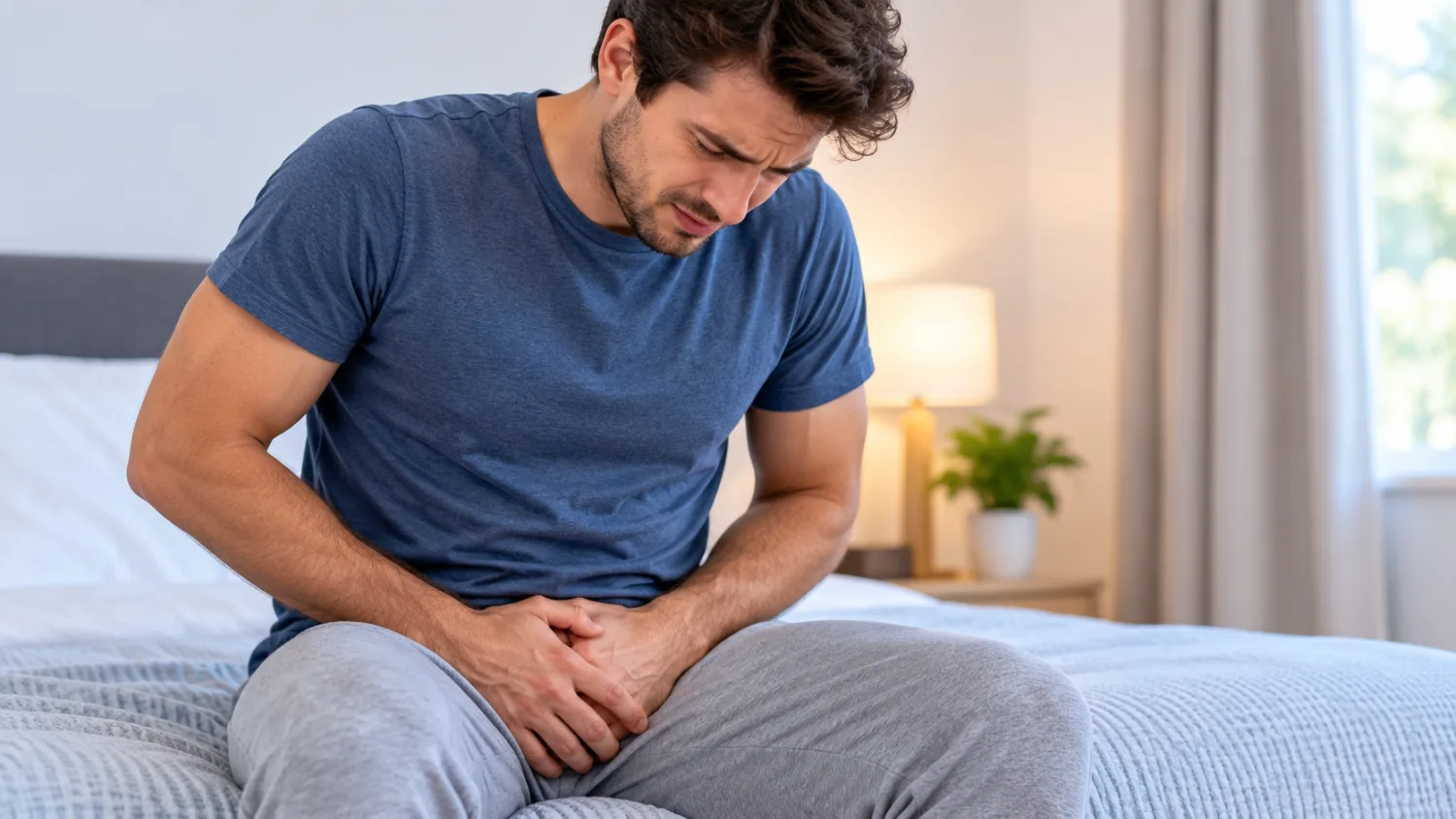
Lower energy, reduced muscle strength, weight gain, poorer sleep and changes in sexual function can all become more noticeable with age. They are sometimes blamed on “low testosterone”, but these symptoms can also result from stress, depression, sleep apnoea, medication, obesity, diabetes, thyroid disease or simply a less active lifestyle.
Testosterone levels do gradually decline as men get older, but there is no sudden male equivalent of the menopause. A genuine testosterone deficiency—also called male hypogonadism—is a specific medical condition diagnosed from compatible symptoms plus consistently low testosterone on properly timed blood tests.
One low reading is not enough. Testosterone varies through the day and can fall temporarily after poor sleep, eating, illness or severe physical stress. UK specialist guidance recommends morning testing, ideally while fasting and when otherwise well, followed by a repeat measurement if the result is low or borderline.
This guide provides general information and cannot diagnose testosterone deficiency. Do not start testosterone bought online or from a gym source without appropriate medical assessment, particularly if you want to preserve fertility.
Does testosterone normally fall with age?
Yes. Testosterone production tends to decrease gradually from approximately the age of 30 to 40. The NHS describes the average decline as around 1% a year, although individual changes vary considerably.
This is very different from the relatively rapid hormonal transition experienced during female menopause. The expression “male menopause” or “andropause” can therefore be misleading.
Many older men retain testosterone levels within their laboratory’s reference range and do not develop symptoms of hormone deficiency. Others may have levels that are lower than when they were younger without having clinical hypogonadism.
Age also brings changes that can resemble low testosterone:
- less physical activity and gradual loss of muscle;
- increased abdominal fat;
- lighter or more interrupted sleep;
- slower recovery after exercise;
- work, financial or relationship stress;
- long-term health conditions;
- medication side effects;
- changes in relationships and sexual opportunity.
Ageing alone should not be treated as a disease. Equally, significant symptoms should not be dismissed simply because someone is getting older.
The NHS guide to the so-called male menopause explains why lifestyle, psychological and medical causes should be considered alongside hormones.
Which symptoms are more suggestive of low testosterone?
No symptom proves that testosterone is low. Sexual and reproductive changes are generally more suggestive than tiredness or weight gain alone.
Possible symptoms and signs include:
- persistent reduction in sexual desire;
- fewer spontaneous or morning erections;
- erectile dysfunction;
- reduced beard or body-hair growth;
- loss of muscle mass or physical strength;
- increased body fat;
- breast enlargement or tenderness;
- smaller or softer testicles;
- reduced sperm production and fertility problems;
- hot flushes or sweats when deficiency is severe;
- low bone density or fractures;
- low mood, reduced motivation or irritability;
- poor concentration;
- persistent tiredness.
The combination matters. A sustained loss of libido, disappearance of morning erections and erectile difficulties together provides more reason to test than tiredness by itself.
Low testosterone can also be present without obvious sexual symptoms, particularly when it develops gradually. Examination findings, fertility problems, unexpectedly low bone density or a history of testicular or pituitary disease may prompt investigation.
Our broader guide to testosterone deficiency in men explains its causes and treatment in more detail.
Which changes are more likely to have another explanation?
Tiredness, weight gain, poor concentration and reduced exercise performance are extremely common. They occur in many men whose testosterone is normal.
| Change or symptom | Possible explanations besides low testosterone |
|---|---|
| Persistent tiredness | Poor sleep, sleep apnoea, anaemia, thyroid disease, diabetes, depression, medication or chronic illness |
| Weight gain | Reduced activity, higher energy intake, poor sleep, alcohol, medication or metabolic disease |
| Loss of strength | Ageing, inactivity, inadequate protein, illness, nerve or muscle conditions |
| Low libido | Stress, relationship difficulties, depression, medication, pain, poor sleep or another hormonal problem |
| Erectile dysfunction | Vascular disease, diabetes, smoking, anxiety, medication, nerve problems or prostate treatment |
| Poor concentration | Sleep deprivation, anxiety, depression, alcohol, medication or life stress |
| Low mood | Depression, bereavement, isolation, relationship or financial problems, chronic illness |
These alternatives do not mean that symptoms are imaginary. They mean that testosterone is only one part of the investigation.
For example, erectile dysfunction can be an early sign of blood-vessel disease. Simply prescribing testosterone without assessing blood pressure, diabetes, cholesterol and smoking could miss the more important cause.
See our guides to erectile dysfunction and its causes and persistent tiredness.
What causes genuine testosterone deficiency?
Testosterone production is controlled by a pathway connecting the brain, pituitary gland and testes. A problem at different points in this pathway can produce hypogonadism.
Primary hypogonadism
Primary hypogonadism occurs when the testes cannot produce enough testosterone despite receiving appropriate signals from the pituitary gland.
Possible causes include:
- Klinefelter syndrome and other genetic conditions;
- undescended testes;
- testicular injury or torsion;
- infection affecting the testes;
- chemotherapy or radiotherapy;
- surgical removal of both testes;
- some autoimmune conditions.
Blood tests typically show low testosterone with raised luteinising hormone, or LH, and sometimes raised follicle-stimulating hormone, or FSH.
Secondary hypogonadism
Secondary hypogonadism occurs when the hypothalamus or pituitary gland does not send adequate hormonal signals to the testes.
Possible causes include:
- pituitary tumours or other pituitary disease;
- high prolactin;
- severe obesity;
- type 2 diabetes and metabolic illness;
- significant chronic disease;
- undernutrition or rapid weight loss;
- opioid painkillers;
- long-term or high-dose corticosteroids;
- previous anabolic steroid or testosterone use;
- some genetic conditions.
LH and FSH can be low or inappropriately normal despite low testosterone.
Functional suppression
Sometimes the hormone pathway is structurally intact but suppressed by obesity, acute illness, poor metabolic health, excessive exercise, insufficient energy intake or medication.
Addressing the underlying cause may improve testosterone without lifelong replacement treatment. This is one reason the cause should be investigated before testosterone is started.
How do you tell low testosterone from normal ageing?
The difference cannot be established from age, appearance or an online symptom questionnaire. It requires a clinical history and correctly performed laboratory testing.
| More consistent with ordinary ageing or another cause | Raises greater suspicion of testosterone deficiency |
|---|---|
| Gradual change without clear sexual symptoms | Persistent loss of sexual desire and spontaneous erections |
| Energy varies with sleep, stress or workload | Symptoms persist despite addressing obvious lifestyle factors |
| Strength decline follows reduced activity | Unexplained muscle loss or reduced body-hair growth |
| Erections remain normal but opportunity or interest has changed | New erectile dysfunction alongside reduced libido |
| One low afternoon or illness-related result | Low results on two properly timed morning tests |
| Testosterone is consistently above the diagnostic action range | Compatible symptoms with confirmed biochemical deficiency |
Neither column is absolute. A man can have low testosterone and sleep apnoea, depression or diabetes at the same time. Treating only the hormone result may leave the other causes unresolved.
A useful assessment therefore asks two separate questions:
- Are the symptoms compatible with testosterone deficiency?
- Is testosterone consistently low when measured under appropriate conditions?
A diagnosis generally requires the answer to both questions to be yes.
How should testosterone be tested?
Total testosterone is the usual first test. Timing and circumstances are important because the concentration changes from one day to another.
UK guidance recommends that the sample should generally be:
- taken in the morning, normally before 11am;
- taken while fasting where practical;
- performed after a reasonably normal night’s sleep;
- taken when you are not acutely unwell;
- repeated on another morning if low or borderline.
An afternoon measurement can be lower than a morning result. Eating beforehand, restricted sleep and acute illness can also temporarily suppress testosterone.
Night-shift workers require individual assessment because testosterone rhythm follows sleep patterns rather than simply the time shown on the clock. Specialist advice may be useful when standard morning testing does not reflect the person’s waking schedule.
A finger-prick home test can provide a preliminary result, but a low or unexpected result should be confirmed using an appropriate venous sample and interpreted by a clinician. Collection quality, timing and the test method can all affect the answer.
Our guide to testosterone blood-test results explains total testosterone, SHBG and calculated free testosterone in detail.
What testosterone level is considered low?
There is no single UK laboratory reference range that applies to every test method. Always read the range and units supplied by the laboratory.
A joint position statement from the Society for Endocrinology and the Association for Laboratory Medicine provides useful clinical action levels:
| Morning total testosterone | General interpretation |
|---|---|
| Below 8 nmol/L on two occasions | Hypogonadism is likely when compatible symptoms are present; investigate the cause |
| 8–12 nmol/L | Borderline range requiring clinical correlation and often SHBG/free-testosterone assessment |
| Above 12 nmol/L | Usually not consistent with hypogonadism; investigate other explanations for symptoms |
These are action thresholds, not a diagnosis in isolation. Two men with the same total testosterone can have different amounts available to tissues because of differences in sex hormone-binding globulin, or SHBG.
Obesity and insulin resistance can lower SHBG, making total testosterone appear low even when calculated free testosterone is adequate. Ageing, liver disease, thyroid conditions and some medicines can raise SHBG, potentially producing the opposite problem.
When total testosterone is borderline or SHBG is likely to be abnormal, a clinician may calculate free testosterone using total testosterone, SHBG and sometimes albumin.
The Society for Endocrinology statement emphasises that a single low or badly timed result should not be used to diagnose hypogonadism.
Which other tests may be needed?
Once low testosterone has been confirmed, the next step is to determine why it is low and whether treatment would be safe.
Tests may include:
- LH and FSH, to distinguish testicular from pituitary or hypothalamic causes;
- SHBG, particularly when total testosterone is borderline;
- prolactin, when secondary hypogonadism or pituitary disease is possible;
- thyroid tests, when symptoms could indicate thyroid disease;
- full blood count, including baseline haemoglobin and haematocrit;
- HbA1c or glucose, to check for diabetes;
- liver and kidney tests where clinically appropriate;
- ferritin or iron studies in selected cases;
- PSA before treatment in appropriate age and risk groups.
A pituitary MRI may be required when testosterone is severely low with low or inappropriately normal gonadotrophins, prolactin is substantially raised or symptoms suggest a pituitary mass.
Possible warning symptoms include new severe headaches, loss of peripheral vision or other visual changes. These require prompt medical assessment rather than a commercial TRT subscription.
If fertility is a concern, semen analysis and reproductive hormone assessment may be required. See our guide to male hormone blood tests.
Could lifestyle or another condition be lowering testosterone?
Low testosterone is sometimes a consequence as well as a possible contributor to poor health. Obesity, metabolic disease and disrupted sleep can suppress the hormone pathway.
Obesity and metabolic health
Higher levels of body fat are associated with lower SHBG and lower total testosterone. Significant obesity can also suppress free testosterone.
Weight loss can improve testosterone in some men, particularly when the low level is functional rather than caused by permanent testicular or pituitary damage.
This does not mean that every symptom is caused by weight or that weight loss always corrects hypogonadism. A clinician should assess the complete picture.
Sleep and sleep apnoea
Restricted or fragmented sleep can reduce testosterone and independently cause tiredness, poor concentration, low mood and reduced sexual interest.
Obstructive sleep apnoea can cause loud snoring, pauses in breathing, morning headaches and severe daytime sleepiness. It is associated with obesity and cardiovascular risk and may be mistaken for a hormone problem.
Our guide to snoring and sleep apnoea explains when testing is needed.
Medication and substance use
Opioids, corticosteroids and some other medicines can affect sex hormones or sexual function. Antidepressants may reduce libido or delay orgasm even when testosterone is normal.
Anabolic steroids and non-prescribed testosterone suppress the brain’s signalling to the testes. Testosterone can remain low after they are stopped, and sperm production may take time to recover.
Heavy alcohol use can affect testosterone, erections, sleep, mood and liver function. A medication and substance review is therefore an important part of the assessment.
Depression, anxiety and stress
Low mood can reduce energy, motivation, concentration and sexual interest. Relationship stress can also affect libido and erections.
These symptoms deserve proper support regardless of the testosterone result. Do not assume that a normal hormone level means there is nothing wrong, or that testosterone will resolve depression.
See our guide to depression symptoms and treatment in the UK.
When is testosterone replacement considered?
Testosterone replacement therapy, or TRT, may be considered when a man has persistent compatible symptoms and repeatedly confirmed biochemical deficiency after the cause has been assessed.
It is not licensed simply to reverse normal ageing, increase gym performance or create testosterone levels above the normal physiological range.
Treatment may be provided as:
- a gel applied to the skin each day;
- shorter-acting injections;
- long-acting injections at wider intervals;
- less commonly, another formulation recommended by a specialist.
Potential benefits in appropriately diagnosed men may include improved sexual desire, erections, energy, body composition, muscle strength, bone health and mood. The effect varies, and not every symptom necessarily improves.
A treatment trial should have clear goals. If testosterone reaches an appropriate level but symptoms remain unchanged, the diagnosis and value of continuing treatment should be reconsidered.
Why TRT is not a simple anti-ageing treatment
Testosterone treatment requires ongoing monitoring. Possible adverse effects include:
- increased red-blood-cell concentration or haematocrit;
- acne or oily skin;
- breast tenderness;
- fluid retention;
- worsening of some urinary symptoms;
- transfer of testosterone gel to a partner or child through skin contact;
- suppression of testicular function and sperm production;
- uncertainty about long-term risks in some patient groups.
Monitoring can include symptoms, testosterone concentration, full blood count, blood pressure, PSA and prostate assessment where appropriate.
TRT may be unsuitable or require specialist caution in men with prostate or breast cancer, a high haematocrit, untreated severe sleep apnoea, severe urinary symptoms, uncontrolled heart failure or certain recent cardiovascular events.
Individual cardiovascular and prostate risks should be discussed with a qualified prescriber rather than inferred from marketing claims that TRT is either universally dangerous or universally protective.
How does testosterone treatment affect fertility?
External testosterone suppresses LH and FSH, the signals that stimulate the testes to produce testosterone and sperm. As a result, TRT can substantially reduce sperm production and may cause temporary infertility.
The testes can also become smaller during treatment. Recovery after stopping is variable and may take months; it is not guaranteed to be immediate or complete.
If you want children now or in the future, tell the clinician before beginning treatment. A fertility or endocrinology specialist may consider different ways to manage confirmed hypogonadism while trying to preserve sperm production.
Do not start private TRT and assume that sperm can simply be restored later. Baseline fertility assessment or sperm storage may sometimes be worth discussing.
Our guide to male infertility and low sperm count explains semen testing and treatment pathways.
When should you see a GP?
Arrange an appointment if symptoms persist or affect your wellbeing, relationships or sexual function. Useful reasons to seek assessment include:
- a sustained loss of sexual desire;
- fewer morning or spontaneous erections;
- new erectile dysfunction;
- unexplained muscle loss;
- breast enlargement or reduced body-hair growth;
- fertility problems;
- a history of testicular injury, surgery, chemotherapy or pituitary disease;
- symptoms alongside obesity or type 2 diabetes;
- a low result from a private or home test.
Seek prompt medical advice for a new testicular lump, swelling or persistent testicular pain. A testicular examination and ultrasound may be required.
New severe headaches with visual changes require urgent assessment because they can indicate a neurological or pituitary problem.
If low mood includes thoughts of self-harm or suicide, seek urgent mental health help rather than waiting for hormone-test results.
Bring details of medication, supplements, anabolic steroid use and the time and circumstances of any previous blood tests. Accurate information helps prevent unnecessary repeat testing or an incorrect diagnosis.
Frequently asked questions
Is low testosterone a normal part of ageing?
Testosterone usually declines gradually with age, but clinical hypogonadism is not an inevitable or normal consequence of getting older. It requires compatible symptoms and consistently low blood-test results.
What are the strongest signs of low testosterone?
Persistent loss of sexual desire, fewer spontaneous or morning erections and erectile dysfunction are more suggestive than tiredness or weight gain alone. No symptom can confirm the diagnosis without testing.
Can you tell testosterone is low by looking at someone?
No. Body shape, beard growth, muscle size and confidence do not reliably reveal a person’s testosterone level.
What time should testosterone be tested?
For most men, testing should be performed in the morning before 11am, ideally while fasting, after reasonable sleep and when not acutely ill.
Why does the test need to be repeated?
Testosterone varies throughout the day and from one day to another. Sleep loss, eating and illness can produce a temporarily low result, so confirmation on another morning helps avoid misdiagnosis.
Is 10 nmol/L testosterone low?
It falls within a commonly recognised borderline range of 8 to 12 nmol/L. Interpretation depends on symptoms, repeat testing, SHBG, calculated free testosterone and the laboratory method.
Can testosterone be low even if it is within the laboratory range?
Reference ranges and test methods vary. A borderline total result may need SHBG and calculated free-testosterone assessment, particularly when symptoms are convincing.
Can testosterone appear low when it is actually normal?
Yes. Afternoon sampling, eating, poor sleep, acute illness, obesity-related low SHBG and laboratory variation can all produce a misleading result.
Can losing weight raise testosterone?
Weight loss can improve testosterone in some men with obesity-related functional suppression. It will not correct every cause, particularly permanent testicular or pituitary disease.
Can sleep apnoea cause low testosterone symptoms?
Yes. Sleep apnoea can cause severe tiredness, poor concentration, reduced libido and metabolic problems. Disrupted sleep may also lower testosterone.
Does low testosterone always cause erectile dysfunction?
No. Erections depend on blood vessels, nerves, psychological factors and hormones. Many men with erectile dysfunction have normal testosterone, and many with low testosterone can still achieve erections.
Does TRT make you younger?
No. TRT replaces a confirmed hormone deficiency; it does not stop biological ageing. It should not be prescribed solely as an anti-ageing or performance-enhancing treatment.
Will TRT restore fertility?
No. External testosterone commonly reduces sperm production and can cause infertility. Men who want children need specialist advice before starting treatment.
Can I buy testosterone safely online?
Testosterone is a prescription medicine. Treatment should follow proper clinical assessment, repeated blood testing, investigation of the cause and ongoing safety monitoring.
Should every older man have a testosterone test?
Routine screening without symptoms is not generally recommended. Testing is more useful when symptoms or clinical circumstances suggest a genuine deficiency.