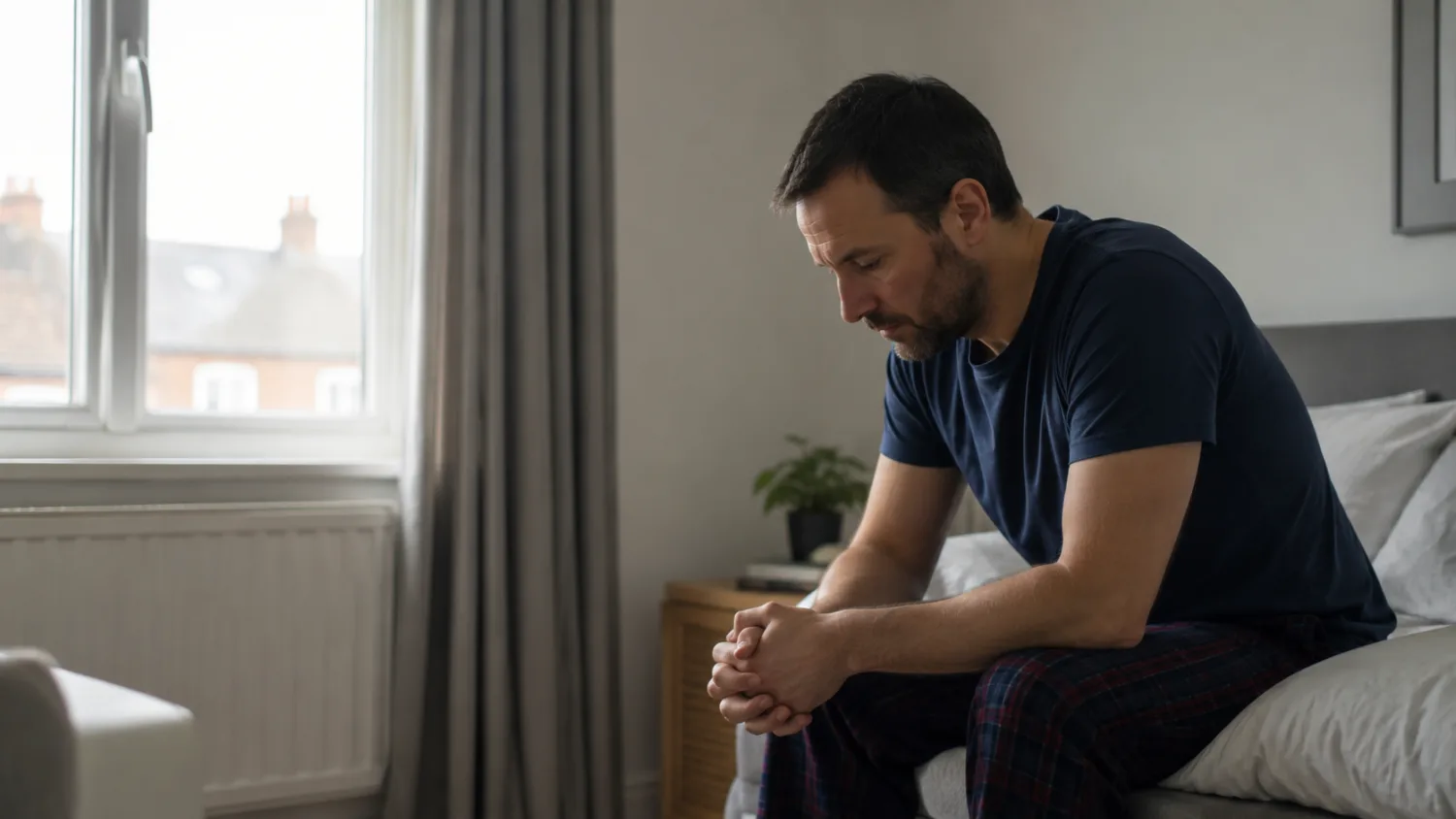
Depression is more than feeling sad for a few days. It can affect how you think, feel, sleep, eat, work, make decisions, relate to other people and see the future. Some people cry often. Others feel numb. Some continue working and caring for others while feeling empty inside. Some become irritable, withdrawn, exhausted or unable to enjoy things that used to matter.
Depression can be mild, moderate or severe. It can happen once, come and go, or become long-lasting. It may appear after a stressful life event, illness, bereavement, relationship breakdown, pregnancy, work pressure or trauma. It can also appear when life looks “fine” from the outside.
This guide explains the signs and symptoms of depression, possible causes, when to seek urgent help, how depression is treated in the UK, and how NHS, private therapy and psychiatric support may fit together.
If you feel at immediate risk of harming yourself, call 999 or go to A&E. If you need urgent mental health help but it is not immediately life-threatening, call NHS 111 and choose the mental health option where available. If you need someone to talk to, Samaritans can be called free on 116 123.
What is depression?
Depression is a mental health condition that causes persistent low mood, loss of interest, reduced pleasure, low energy and changes in thinking, behaviour and physical wellbeing. It can affect daily life for weeks, months or longer.
The NHS explains that symptoms of depression can be complex and vary widely. People may feel sad, hopeless and lose interest in things they used to enjoy, with symptoms lasting weeks or months and interfering with work, social life or family life. NHS depression symptoms guidance gives more detail.
Depression is not a character flaw, weakness or lack of gratitude. It is a real health condition, and treatment can help.
Common signs and symptoms of depression
Depression can look different from person to person. Some people mainly notice emotional symptoms. Others first notice sleep problems, fatigue, appetite changes, poor concentration or physical aches.
Emotional symptoms
- persistent sadness or low mood;
- feeling empty, numb or emotionally flat;
- loss of interest in things you used to enjoy;
- feeling hopeless about the future;
- feeling tearful or close to tears;
- feeling guilty, worthless or like a burden;
- irritability, anger or frustration;
- feeling overwhelmed by ordinary tasks;
- loss of confidence or self-esteem;
- feeling detached from other people.
Thinking symptoms
- difficulty concentrating;
- slower thinking;
- indecisiveness;
- negative thoughts about yourself;
- believing things will never improve;
- replaying mistakes or regrets;
- thinking others would be better off without you;
- thoughts of self-harm or suicide.
Physical symptoms
- low energy or fatigue;
- sleeping too much or struggling to sleep;
- waking early and being unable to return to sleep;
- changes in appetite;
- weight loss or weight gain;
- slowed movement or speech;
- restlessness or agitation;
- headaches, aches or digestive symptoms;
- reduced sex drive;
- feeling physically heavy or drained.
Behavioural symptoms
- withdrawing from friends or family;
- avoiding messages, calls or social plans;
- struggling to keep up with work, study or housework;
- neglecting personal care;
- staying in bed or spending long periods inactive;
- using alcohol, drugs, food, shopping or scrolling to cope;
- stopping hobbies or exercise;
- becoming more irritable with loved ones;
- appearing “fine” to others while struggling privately.
Depression is not always obvious
Many people imagine depression as someone crying all day or unable to get out of bed. That can happen, but depression is often less visible.
Some people with depression still go to work, look after children, answer emails and appear organised. They may seem high-functioning but feel exhausted, empty or hopeless inside. Others become irritable rather than tearful. Some feel numb rather than sad. Some sleep excessively; others barely sleep. Some eat more; others lose appetite.
This is why depression should be judged by the pattern and impact of symptoms, not by whether someone “looks depressed”.
Depression, sadness and grief: what is the difference?
Sadness is a normal emotion. Grief is a natural response to loss. Depression is a condition where low mood, loss of interest and other symptoms persist and begin to interfere with life.
Grief can involve intense sadness, longing, poor sleep, appetite changes and waves of emotion. It can also coexist with depression. You may need extra support if grief feels unbearable, you feel persistently hopeless, you cannot function for a long period, you feel detached from life, or you have thoughts of self-harm.
There is no simple timeline for grief. But if symptoms feel stuck, worsening or dangerous, it is worth speaking to a GP or mental health professional.
Depression and anxiety often happen together
Depression and anxiety commonly overlap. Anxiety can drain energy and confidence until depression develops. Depression can make ordinary decisions feel threatening and overwhelming. Some people have constant worry, panic attacks, poor sleep, low mood and hopelessness at the same time.
If you have panic attacks or intense anxiety alongside low mood, read our guides to anxiety disorder symptoms, causes and treatment options and panic attack symptoms and what to do.
Types of depression
Depression is not one single experience. Clinicians may use different terms depending on symptoms, severity, timing and context.
Mild depression
Mild depression may involve low mood, reduced interest, tiredness and negative thoughts, while you are still able to manage many daily tasks. It can still be distressing and worth treating early.
Moderate depression
Moderate depression usually has a stronger impact on work, relationships, sleep, motivation and daily functioning. You may find it hard to keep going, even if you still appear to be coping.
Severe depression
Severe depression can make daily life feel impossible. It may involve intense hopelessness, inability to function, significant sleep or appetite changes, agitation, slowed movement, self-neglect, suicidal thoughts or psychotic symptoms. Severe depression needs prompt professional help.
Recurrent depression
Some people have repeated episodes of depression. Treatment may focus not only on recovery from the current episode, but also on relapse prevention.
Persistent depressive disorder
Some people experience long-term depressive symptoms that may be less intense than severe depression but continue for years. This can affect identity, confidence, relationships and quality of life.
Postnatal depression
Postnatal depression can happen after having a baby. It can affect mothers and, less commonly, fathers or partners. Symptoms may include low mood, anxiety, guilt, poor bonding, exhaustion, intrusive thoughts, irritability and feeling unable to cope. Urgent help is needed if there are thoughts of harming yourself or the baby, severe confusion, paranoia, hallucinations or extreme mood changes.
Depression with psychotic symptoms
In severe cases, depression may include psychotic symptoms, such as hearing voices, having fixed false beliefs, severe guilt, paranoia or believing you deserve punishment. This requires urgent medical assessment.
Bipolar depression
Depression can also occur as part of bipolar disorder. This matters because treatment may differ. If you have episodes of unusually elevated mood, reduced need for sleep, risky behaviour, racing thoughts or feeling unusually energised, tell your GP or mental health professional before starting antidepressants.
What causes depression?
Depression usually develops from a combination of factors. There may not be one clear cause.
Life stress and major events
Depression may follow bereavement, relationship breakdown, job loss, financial pressure, bullying, discrimination, caring responsibilities, family conflict, exams, retirement, moving home, illness or trauma.
Long-term stress
Ongoing stress can gradually wear people down. Workplace pressure, caring for someone, loneliness, debt, chronic pain, poor housing, family stress or repeated setbacks can contribute to depression.
Genetics and family history
Depression can run in families. This may reflect inherited vulnerability, shared life experiences, learned coping styles or a combination.
Physical health conditions
Depression is more common in people with long-term physical illness, chronic pain, heart disease, diabetes, cancer, neurological conditions, hormonal problems and sleep disorders. Physical symptoms and mental health can influence each other.
If tiredness, weight change, sleep problems or low mood are new, a GP may consider physical checks such as blood tests. You may find our guides to fatigue and why you may feel tired, thyroid blood test results and B12 and folate blood test results useful.
Hormonal changes
Depression can be linked with pregnancy, the postnatal period, PMS or PMDD, perimenopause, menopause and thyroid disease. If mood changes follow a clear hormonal pattern, tell your GP.
You may also find our guides to menopause symptoms and treatment and premenstrual syndrome helpful.
Alcohol and drugs
Alcohol and drug use can worsen depression, even if they feel like temporary relief. Heavy drinking can affect sleep, mood, motivation and anxiety. Some drugs can trigger low mood, paranoia, panic or withdrawal symptoms.
Medication side effects
Some prescribed medicines may affect mood in some people. Do not stop medication without advice, but speak to a GP, pharmacist or prescriber if mood changed after starting or changing a medicine.
Trauma and childhood experiences
Abuse, neglect, bullying, loss, family instability, high criticism, emotional invalidation or trauma can increase vulnerability to depression later in life.
When depression is urgent
Depression can become dangerous when someone feels unable to stay safe, has thoughts of suicide, starts planning self-harm, stops eating or drinking, becomes severely withdrawn, experiences psychosis, or behaves in ways that suggest immediate risk.
Get urgent help if you:
- feel at risk of harming yourself;
- have made a plan to end your life;
- have taken an overdose or harmed yourself;
- feel unable to keep yourself safe;
- hear voices telling you to harm yourself or others;
- feel severely confused, paranoid or out of touch with reality;
- have not eaten or drunk enough because of depression;
- are caring for a child or vulnerable person and feel unable to cope safely.
The NHS advises that if you need help for a mental health crisis or emergency, you should get immediate expert advice and assessment. NHS urgent mental health help explains available options.
If you are having suicidal thoughts, the NHS says it is important to tell someone and that help is available right now. NHS help for suicidal thoughts gives practical support options.
How depression is diagnosed
Depression is usually diagnosed through a conversation with a GP or mental health professional. They may ask about mood, interest, sleep, appetite, energy, concentration, guilt, hopelessness, self-harm thoughts, physical symptoms, alcohol or drug use, medication, life events and how symptoms affect daily life.
They may use a questionnaire to understand severity, but diagnosis is not based only on a score. A GP may also consider physical causes or contributors, such as thyroid disease, anaemia, vitamin deficiencies, chronic illness, pain, menopause, medication side effects or sleep problems.
It can be helpful to write down symptoms before the appointment, especially if concentration and memory are poor.
Treatment for depression in the UK
Treatment depends on severity, risk, previous episodes, physical health, personal preference and whether other conditions are present. The NHS explains that treatment for depression usually involves a combination of self-help, talking therapies and medicines, with the recommended treatment based on the type of depression. NHS depression treatment guidance gives more detail.
NICE guidance covers identifying, treating and managing depression in adults, including first episodes, further-line treatments, relapse prevention, chronic depression and depression with other complexities. NICE depression in adults guidance is the key UK clinical guideline.
Self-help and lifestyle support
Self-help is not a replacement for professional care when depression is moderate, severe or risky. But small, realistic changes can support recovery.
Keep routines small and achievable
Depression makes ordinary tasks feel harder. Instead of trying to fix everything, focus on small anchors: getting up, washing, eating, opening curtains, taking medication if prescribed, or stepping outside briefly.
Stay connected where possible
Depression often says “withdraw”. A short message to a trusted person, sitting with someone without talking much, or accepting practical help can reduce isolation.
Move gently
Exercise can help mood, but depression may make exercise feel impossible. Start very small: a few minutes outside, gentle stretching, walking to the end of the street, or doing one household task.
Reduce alcohol
Alcohol can worsen low mood and sleep. If you are drinking to cope, tell your GP. Stopping suddenly can be dangerous if you drink heavily, so seek advice if needed.
Limit all-or-nothing goals
Depression often makes people think in extremes: “If I cannot do everything, there is no point.” Recovery usually happens through small, repeated steps rather than dramatic changes.
Talking therapies for depression
Talking therapy is a main treatment for many people with depression. Different therapy types may be used depending on symptoms and preferences.
CBT
Cognitive behavioural therapy, or CBT, helps people notice links between thoughts, feelings and behaviours. It may focus on negative thinking patterns, avoidance, loss of routine, low activity, self-criticism and problem-solving.
Counselling
Counselling can provide a safe space to talk through emotions, stress, grief, relationships, identity, work pressure or life changes. It may be helpful when depression is linked to difficult events or emotional strain.
Psychotherapy
Psychotherapy may be useful when depression is long-standing, recurrent or linked to deeper patterns, trauma, relationships, self-worth or early experiences.
Interpersonal therapy
Interpersonal therapy focuses on relationships, role transitions, grief and interpersonal difficulties that may contribute to depression.
Behavioural activation
Behavioural activation helps people gradually reintroduce meaningful, necessary or enjoyable activities. It is not about “just being positive”; it recognises that action can sometimes come before motivation returns.
If you are considering private therapy, see our guide to how much private therapy costs in the UK.
NHS Talking Therapies for depression
In England, adults can often self-refer to NHS Talking Therapies for anxiety and depression. These services provide treatment for common mental health problems, including depression, panic disorder, social anxiety, PTSD, OCD and other anxiety-related conditions. NHS England’s Talking Therapies page explains the service.
You can also use the NHS service finder for NHS Talking Therapies for anxiety and depression.
For more support routes, read our guides to how to access mental health services in the UK, self-referring to mental health services and NHS, private and charity mental health support options.
Medication for depression
Medication can help some people with depression, especially when symptoms are moderate to severe, long-lasting, recurrent, or not improving with self-help and therapy alone. Antidepressants are usually discussed with a GP or psychiatrist.
SSRIs
Selective serotonin reuptake inhibitors, often called SSRIs, are commonly used antidepressants. Examples include sertraline, fluoxetine, citalopram and escitalopram. They usually take several weeks to work.
Side effects may include nausea, headaches, sleep changes, increased anxiety early on, digestive symptoms, sexual side effects or emotional blunting. If you feel worse, agitated, suicidal or unsafe after starting medication, seek medical advice urgently.
For more detail, see our guide to sertraline and what to expect in the first weeks.
SNRIs and other antidepressants
Other antidepressants may be considered depending on symptoms, side effects, previous response and physical health. These include medicines such as venlafaxine, duloxetine, mirtazapine or others. The right medicine depends on the individual.
How long do antidepressants take to work?
Many antidepressants take several weeks to show benefit. Some side effects may appear earlier than improvement. This can be frustrating, so follow-up with your prescriber is important.
Stopping antidepressants
Do not stop antidepressants suddenly without medical advice. Stopping abruptly can cause withdrawal symptoms or relapse. If you want to stop or change medication, speak to your GP or psychiatrist about a gradual plan.
When to consider a psychiatrist
Many people with depression are supported by a GP, NHS Talking Therapies, private therapy or a combination. A psychiatrist may be helpful when depression is severe, complex, risky, recurrent, not improving, or linked to diagnostic uncertainty or medication issues.
Consider psychiatric review if:
- depression is severe or disabling;
- you have suicidal thoughts or significant risk;
- you have psychotic symptoms;
- bipolar disorder may be possible;
- several treatments have not helped;
- medication side effects are difficult;
- you need a second opinion;
- depression is linked with ADHD, autism, trauma, eating disorder symptoms or substance use;
- your GP recommends specialist assessment.
If you are considering private psychiatric care, see our guide to how much a private psychiatrist costs in the UK.
Private treatment for depression
Private treatment may include therapy, psychology, psychiatry, medication review, online therapy or a private mental health clinic assessment. People may choose private care because they want faster access, more choice, a specific therapist, evening appointments, longer sessions, a second opinion or support while waiting for NHS care.
Before booking privately, check the clinician’s qualifications, registration, experience with depression, fees, cancellation policy, follow-up arrangements and crisis guidance.
Helpful related guides include private mental health care in the UK, how to choose a mental health clinic and psychiatrist vs psychologist vs therapist.
Depression in men
Men may not always describe feeling sad. Depression in men may appear as irritability, anger, withdrawal, overworking, risk-taking, drinking more, using drugs, losing interest in sex, sleep problems or physical complaints.
Some men delay seeking help because they feel they should cope alone. But depression is treatable, and early support can prevent symptoms worsening.
Depression in older adults
Depression in older adults can be missed because symptoms may be blamed on ageing, illness or loneliness. Older adults may report fatigue, poor sleep, appetite change, memory concerns, pain, irritability or loss of interest rather than sadness.
Depression can also overlap with dementia or mild cognitive impairment. If mood and memory have changed, a GP assessment is important. You may find our guide to dementia vs depression vs mild cognitive impairment useful.
Depression in teenagers and young adults
Depression in teenagers may show as irritability, withdrawal, school refusal, poor concentration, sleep changes, self-harm, loss of interest, anger, tearfulness, risk-taking or changes in eating.
If a young person is self-harming, talking about suicide, not eating, unable to function or behaving in a way that suggests serious risk, seek urgent help. Parents and carers can contact a GP, NHS 111, school safeguarding staff, CAMHS routes where available, or emergency services depending on urgency.
How to support someone with depression
You cannot fix someone’s depression by saying the perfect thing. But support matters.
You can help by:
- listening without rushing to solutions;
- taking suicidal thoughts seriously;
- encouraging professional help;
- offering practical support, such as food, lifts or appointments;
- checking in regularly;
- avoiding comments such as “snap out of it” or “others have it worse”;
- helping them make a GP appointment if they agree;
- staying calm if they talk about difficult feelings;
- calling emergency help if they are at immediate risk.
If you are supporting someone with depression, look after yourself too. Supporting someone in distress can be emotionally draining.
What not to say to someone with depression
Try to avoid:
- “Just think positive.”
- “You have nothing to be depressed about.”
- “Other people have it worse.”
- “You just need to exercise.”
- “You are being selfish.”
- “You do not look depressed.”
- “Snap out of it.”
Better alternatives include: “I am glad you told me,” “I am here with you,” “You do not have to handle this alone,” and “Can I help you contact your GP or a support service?”
Can depression be cured?
Many people recover from depression. Others learn to manage it well and reduce the risk of relapse. Recovery can involve therapy, medication, lifestyle changes, social support, treatment for physical health problems, improved sleep, reduced alcohol, workplace changes or ongoing relapse prevention.
Some people improve quickly. Others need several attempts at treatment before finding what works. Needing more support does not mean failure.
If depression returns, seek help early. Relapse is common, but it can be treated.
Final thoughts
Depression can make life feel heavy, hopeless and difficult to face. It can change how you see yourself and the future. But depression is treatable, and support is available in the UK through GPs, NHS Talking Therapies, crisis services, charities, private therapy and specialist psychiatric care.
The most important step is not to minimise symptoms until they become a crisis. If low mood, loss of interest, exhaustion, sleep changes, guilt, hopelessness or thoughts of self-harm are affecting your life, speak to someone. That might be your GP, NHS Talking Therapies, a trusted person, a therapist or an urgent support service.
You do not have to wait until things are unbearable to ask for help. Depression is a health condition, and getting support is a sign of taking it seriously.
Frequently asked questions
What are the main symptoms of depression?
Main symptoms can include persistent low mood, loss of interest, tiredness, poor sleep or sleeping too much, appetite changes, poor concentration, guilt, hopelessness, low self-esteem, withdrawal and thoughts of self-harm or suicide.
How long do symptoms need to last to be depression?
Depression symptoms usually persist for weeks or months and interfere with daily life. If low mood or loss of interest lasts more than a couple of weeks, or symptoms are severe, it is worth seeking help.
Can depression cause physical symptoms?
Yes. Depression can cause fatigue, sleep changes, appetite changes, aches, headaches, digestive symptoms, reduced sex drive, restlessness or feeling physically slowed down.
Can anxiety and depression happen together?
Yes. Anxiety and depression commonly overlap. Some people experience worry, panic attacks, poor sleep and low mood at the same time.
What is the best treatment for depression?
The best treatment depends on severity and individual needs. Options include self-help, talking therapies, CBT, counselling, antidepressants, GP support, NHS Talking Therapies, private therapy and psychiatric review for more complex cases.
Can I self-refer for depression treatment on the NHS?
In England, adults can often self-refer to NHS Talking Therapies for anxiety and depression. You can also speak to your GP, especially if symptoms are severe, complex or linked to risk.
When should I see a GP about depression?
See a GP if low mood, loss of interest, sleep problems, fatigue, hopelessness or other symptoms persist, affect daily life, or are linked to physical symptoms, medication, alcohol, self-harm or suicidal thoughts.
When is depression an emergency?
Depression is urgent if you feel at risk of harming yourself, have a suicide plan, have taken an overdose, feel unable to stay safe, have psychotic symptoms, or are severely unable to care for yourself. Call 999, go to A&E or contact urgent NHS support.
Can antidepressants help depression?
Antidepressants can help some people, especially with moderate to severe or long-lasting depression. They usually take several weeks to work and should be discussed with a GP or psychiatrist.
Can therapy help depression?
Yes. Therapy can help people understand and change patterns that keep depression going, process difficult experiences, rebuild activity, manage negative thoughts and improve coping. CBT, counselling, psychotherapy and other approaches may help.
Is private treatment worth considering for depression?
Private treatment may be worth considering if you want faster access, more choice, longer-term therapy, specialist support or a second opinion. It should not replace urgent NHS care if you are unsafe.
What should I do if someone I know is depressed?
Listen, take them seriously, encourage professional help, offer practical support and check in regularly. If they may harm themselves or cannot stay safe, seek urgent help immediately.