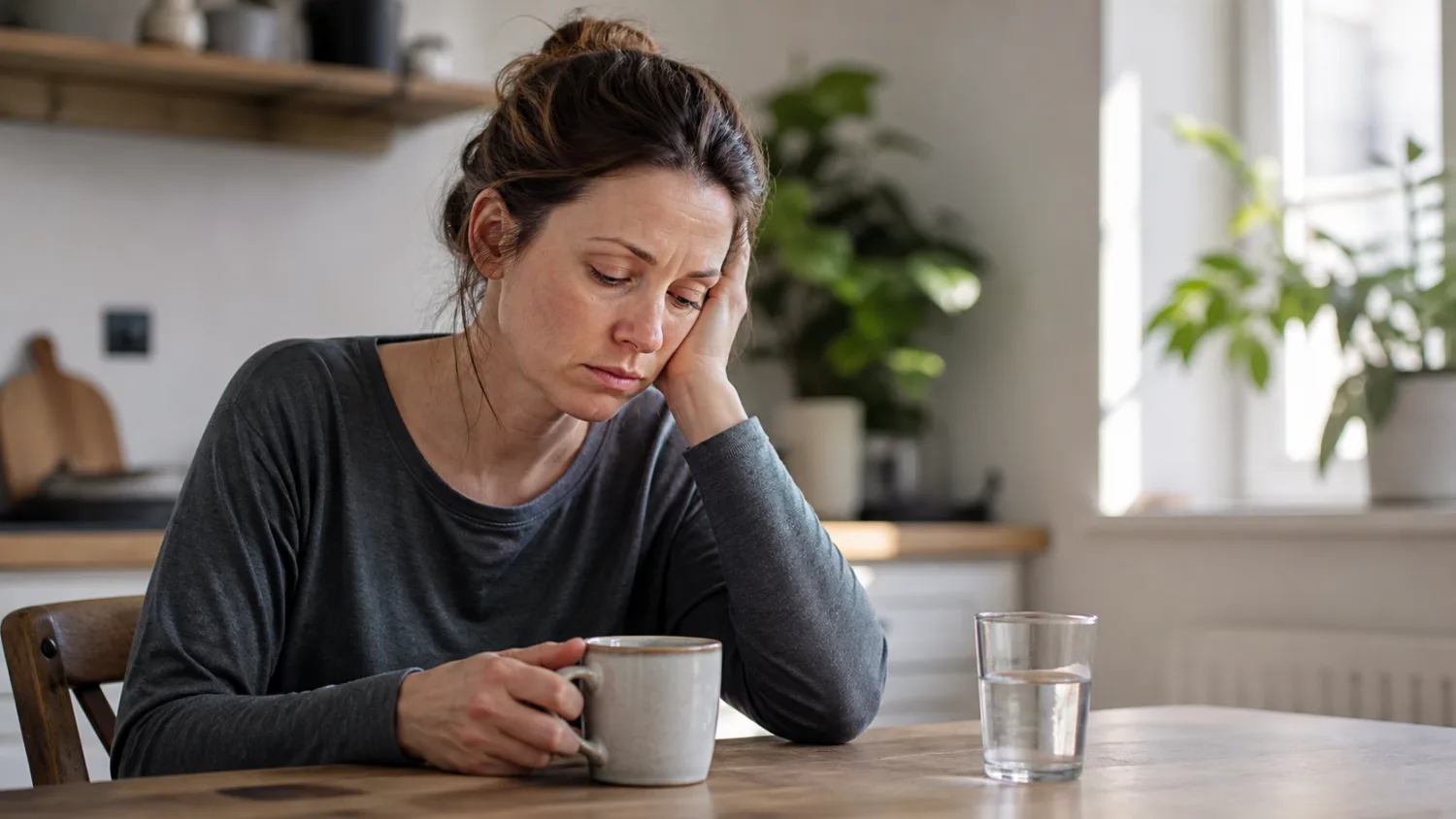
Everyone feels tired sometimes. A late night, a stressful week, a busy family routine, shift work, poor sleep or a recent illness can all leave you feeling drained. Usually, tiredness improves with rest, routine and time.
But fatigue is different from ordinary tiredness. It can feel heavier, more persistent and harder to shake off. You may wake up tired, struggle to concentrate, feel weak or foggy, or find that everyday tasks take more effort than usual.
If you often find yourself asking, “Why am I always tired?”, there may be a simple explanation — but it can also be a sign that your body or mind needs attention. This guide explains common causes of fatigue, what you can try yourself, which blood tests may help, and when to speak to a GP.
Important: Seek urgent medical help if tiredness comes with chest pain, severe breathlessness, fainting, confusion, sudden weakness, black stools, heavy bleeding, or symptoms of a stroke. If you are worried and unsure what to do, use NHS 111 or contact your GP.
What is fatigue?
Fatigue is a persistent lack of energy that does not always improve after sleep or rest. It can affect your body, your concentration, your mood and your motivation. Some people describe it as feeling “wiped out”, “heavy”, “foggy”, “run down” or “like my batteries never recharge”.
Fatigue is not a diagnosis by itself. It is a symptom. That means the aim is to look for what may be causing it — whether that is lifestyle, sleep, stress, mental health, a recent infection, medication, a hormone problem, low iron, vitamin deficiency or another medical condition.
The NHS notes that many cases of tiredness are linked to stress, poor sleep, poor diet and other lifestyle factors, but overwhelming fatigue that is not relieved by rest can sometimes be linked to an underlying medical condition. You can read the NHS guide to self-help tips to fight tiredness.
Common reasons you may feel tired all the time
There is rarely one single reason for fatigue. Often, several small factors add up. You might be sleeping less than you realise, feeling stressed, recovering from a virus, skipping meals, drinking more caffeine than usual, or dealing with a health condition in the background.
Common causes include:
- not getting enough sleep
- poor sleep quality, even if you spend enough time in bed
- stress, anxiety or low mood
- burnout or emotional overload
- not eating enough, irregular meals or a poor-quality diet
- dehydration
- too much alcohol
- lack of physical activity
- overtraining or not recovering after exercise
- recent infection, such as flu, COVID or another virus
- heavy periods or low iron
- thyroid problems
- vitamin D, B12 or folate deficiency
- diabetes or blood sugar problems
- sleep apnoea
- side effects from medicines
- long-term pain or inflammatory conditions
Some of these causes are easy to improve. Others need testing or treatment. The important thing is not to dismiss persistent fatigue as laziness or “just getting older”. If tiredness is ongoing, unexplained or affecting daily life, it is reasonable to ask for help.
Poor sleep and broken sleep
Sleep is the first place many people look — and for good reason. You can be in bed for eight hours and still not get good-quality sleep. Noise, stress, alcohol, pain, reflux, menopause symptoms, caring responsibilities, shift work, screen use and irregular routines can all disturb sleep.
Some people do not realise how often they wake during the night. Others fall asleep easily but wake too early. Some wake feeling unrefreshed, with a dry mouth, morning headache or daytime sleepiness. That pattern can point towards snoring or sleep apnoea, especially if a partner notices pauses in breathing, choking or gasping during sleep.
If snoring, poor sleep and daytime tiredness are a pattern, our guide to snoring and sleep apnoea may be useful.
Simple sleep habits can help. Try to keep a regular wake-up time, get morning daylight, avoid large meals and caffeine close to bedtime, reduce alcohol, keep the bedroom cool and dark, and avoid phones or screens in the hour before sleep. NHS advice on tiredness and fatigue also highlights avoiding caffeine, alcohol, smoking, heavy meals and screens close to bedtime.
Stress, anxiety and low mood
Fatigue is not always physical. Stress can be exhausting, especially when it lasts for weeks or months. Your body may stay in “alert mode”, your sleep may suffer, and your mind may feel busy even when you are resting.
Anxiety can cause tiredness through poor sleep, muscle tension, overthinking, panic symptoms and constant worry. Depression can also cause profound fatigue, low motivation, changes in appetite, poor concentration and loss of interest in things you usually enjoy.
This does not mean fatigue is “all in your head”. Mental health symptoms are real and can affect the body strongly. It is also common for physical health problems and mental health difficulties to overlap, so both deserve attention.
If stress, anxiety or low mood are part of the picture, you may find our guides to mental health support options in the UK, how to access mental health services and online therapy and counselling helpful.
Low iron, anaemia and heavy periods
Low iron is a common reason for tiredness, especially in people who have heavy periods, are pregnant or recently gave birth, follow a restricted diet, have bowel symptoms, or have had blood loss. Iron is needed to make haemoglobin, which helps carry oxygen around the body. When iron or haemoglobin is low, you may feel tired, weak, dizzy, breathless on exertion or unusually cold.
Some people have low iron stores before they become fully anaemic. A blood test may include a full blood count and ferritin, which reflects iron stores. Your GP can advise what is appropriate based on symptoms and medical history.
If heavy bleeding may be contributing, our guide to heavy periods explains common causes and when to get checked. You may also find iron, ferritin and anaemia blood test results explained and full blood count results explained useful.
Thyroid problems
An underactive thyroid can make you feel tired, sluggish, cold, low in mood or constipated. It can also be linked with weight gain, dry skin, hair thinning, heavy periods and a slower heart rate. Symptoms can develop gradually, so people may not notice them at first.
A thyroid blood test usually checks thyroid-stimulating hormone, often called TSH, and sometimes free T4. If you have ongoing fatigue with weight changes, feeling cold, constipation, hair changes or menstrual changes, it is worth asking whether thyroid testing is appropriate.
For more background, read thyroid blood test results explained and could a thyroid problem be affecting your weight?
Vitamin D, B12 and other deficiencies
Low vitamin D is common in the UK, especially in autumn and winter, in people who spend little time outdoors, cover most of their skin, have darker skin, or have diets low in vitamin D. Low vitamin D may contribute to tiredness, muscle aches and low mood in some people.
Vitamin B12 and folate deficiencies can also cause tiredness, weakness, mouth ulcers, pins and needles, memory problems or changes in mood. People who follow vegan or very restricted diets, have digestive conditions, take certain medicines, or have absorption problems may be at higher risk.
Blood tests can help identify these issues. Our guide to vitamin D blood test results explains what a low result may mean, while how to understand blood test results gives a broader overview.
Diabetes and blood sugar problems
Fatigue can be linked with blood sugar problems. High blood sugar may cause tiredness, thirst, peeing more often, blurred vision, recurrent infections or unexplained weight loss. Low blood sugar can cause shakiness, sweating, hunger, weakness and confusion, especially in people taking diabetes medicines.
If you are very thirsty, peeing more often than usual, losing weight without trying, or getting repeated infections, speak to a healthcare professional. A blood test such as HbA1c can help check average blood sugar levels over the previous few months.
For more detail, see HbA1c and blood sugar results explained.
Dehydration and not eating regularly
Not drinking enough can make tiredness worse. Dehydration can cause headache, dizziness, dry mouth, dark urine, poor concentration and weakness. This is more likely during hot weather, after exercise, after alcohol, or during diarrhoea and vomiting.
If your tiredness comes with dark urine, dizziness or feeling lightheaded when standing, hydration may be part of the problem. Our guide to dehydration symptoms in adults and children explains what to look for and when to seek help.
Irregular eating can also affect energy. Skipping meals, under-eating, dieting heavily or relying on sugary snacks can lead to energy dips. Try regular balanced meals with protein, fibre-rich carbohydrates, healthy fats and plenty of fluids.
Alcohol, caffeine and energy crashes
Alcohol can make you sleepy at first but often worsens sleep quality. It can also increase dehydration and leave you feeling tired the next day. Regular drinking may contribute to low mood, poor sleep, digestive symptoms and reduced energy.
Caffeine can help short-term alertness, but too much can backfire. Drinking coffee, tea, cola or energy drinks late in the day may make it harder to sleep. Some people also experience a cycle of caffeine highs and crashes, especially when they are already sleep-deprived.
If fatigue is a problem, try reducing caffeine after lunchtime and watch whether sleep quality improves. Avoid replacing meals with caffeine or energy drinks, as this may worsen tiredness over time.
Fatigue after infection
It is common to feel tired after a viral illness. Flu, COVID, glandular fever and other infections can leave people feeling washed out for days or weeks. During recovery, pushing too hard too soon can sometimes set you back.
Gentle pacing can help. This means balancing activity with rest, building up slowly, and avoiding a sudden return to full exercise or long working days if your body is not ready. NHS fatigue management resources often advise starting with rest, nourishment and gentle activity, then gradually increasing what you do as your energy improves.
If fatigue persists after an infection, is severe, or comes with symptoms such as breathlessness, chest pain, palpitations, fever, weight loss or swollen glands, speak to a GP.
Medication side effects
Some medicines can cause tiredness or make fatigue worse. Examples may include certain antihistamines, antidepressants, pain medicines, blood pressure tablets, sleeping tablets, some epilepsy medicines and other treatments.
Do not stop prescribed medicine suddenly without medical advice. If you think a medicine is making you tired, speak to a pharmacist or GP. They can check whether timing, dose, interactions or alternatives should be considered.
A pharmacist can also advise on common over-the-counter medicines that may cause drowsiness. Our guide to when to see a pharmacist instead of a GP explains when pharmacy advice may be a good first step.
Fatigue and weight changes
Fatigue can be connected with weight changes in both directions. Weight gain can be linked with poor sleep, sleep apnoea, low mood, reduced activity, thyroid problems, menopause, PCOS or medication. Unexplained weight loss alongside fatigue can be a red flag and should be checked.
If tiredness is happening alongside difficulty losing weight, our articles on why am I not losing weight?, how weight loss really works and losing weight: causes of weight gain and when to get help may be relevant.
If you are losing weight without trying, feel persistently exhausted, have night sweats, appetite loss, blood in your stool, ongoing pain, a new lump, or symptoms that do not make sense for you, book a GP appointment.
Fatigue in women
Fatigue is common in women and can have many causes. Heavy periods, pregnancy, postnatal recovery, perimenopause, menopause, endometriosis, fibroids, PCOS, iron deficiency and caring responsibilities can all contribute.
Menopause can affect sleep through hot flushes, night sweats, mood changes, joint aches and changes in energy. Heavy periods may lead to low iron. PCOS can be linked with insulin resistance and weight changes. Endometriosis and fibroids can cause pain, heavy bleeding and fatigue.
Useful related guides include:
- Menopause symptoms, HRT and treatment
- Menopause and weight gain
- PCOS symptoms, diagnosis and treatment
- Endometriosis symptoms, diagnosis and treatment
- Fibroids, heavy bleeding and treatment
Fatigue in men
Men can also experience fatigue for many reasons, including poor sleep, stress, depression, alcohol, sleep apnoea, low iron, thyroid problems, diabetes, cardiovascular risk, long-term pain or low testosterone.
Low testosterone can cause symptoms such as low energy, reduced sex drive, low mood, reduced muscle strength and erectile difficulties, although these symptoms can also have other causes. If fatigue is affecting daily life, it is worth discussing symptoms properly rather than assuming it is just age or work stress.
You may find men’s health symptoms and common conditions and testosterone deficiency in men helpful.
Could fatigue be serious?
Most fatigue is not caused by a dangerous condition. But fatigue should be taken seriously when it is new, unexplained, worsening or associated with other concerning symptoms.
Book a GP appointment if fatigue lasts several weeks, affects work or daily life, does not improve with rest, or keeps coming back without a clear reason. You should also seek advice sooner if you have other symptoms such as breathlessness, palpitations, dizziness, heavy periods, bowel changes, fever, swollen glands, night sweats, unexplained weight loss, persistent pain, or blood in your stool or urine.
NICE guidance on suspected cancer is designed to help clinicians decide when symptoms need urgent investigation or referral. Fatigue on its own is common and usually has non-cancer causes, but fatigue with other red flag symptoms should not be ignored. You can read the NICE overview on suspected cancer recognition and referral.
When to seek urgent help
Get urgent medical help now if tiredness is sudden, severe or comes with symptoms that may suggest an emergency.
Call 999 or go to A&E if fatigue comes with:
- chest pain, pressure or tightness
- severe breathlessness
- fainting or collapse
- confusion or severe drowsiness
- symptoms of a stroke, such as face drooping, arm weakness or speech problems
- blue lips or severe difficulty breathing
- black, tarry stools or heavy bleeding
- a severe allergic reaction
If you are not sure whether symptoms are urgent, use NHS 111 online if you are in England, or call 111.
What tests might a GP arrange?
If fatigue is persistent or unexplained, a GP may ask about sleep, mood, stress, diet, alcohol, medicines, periods, weight changes, infections, pain, bowel symptoms and family history. They may examine you and arrange blood or urine tests.
Common tests may include:
- full blood count, to check for anaemia, infection clues and other blood changes
- ferritin or iron studies, to check iron stores
- thyroid function tests
- liver and kidney function tests
- HbA1c or glucose testing for diabetes risk
- vitamin D, B12 or folate where appropriate
- inflammation markers in some cases
- urine testing if symptoms suggest infection, kidney issues or diabetes
For help understanding common tests, see:
- How to understand medical test results
- How to understand blood test results
- Full blood count results explained
- Liver function test results explained
- Kidney blood test results explained
- Urine test results explained
What you can try before or while waiting for an appointment
If you are not severely unwell, it can help to track your fatigue for one or two weeks. This gives you and your GP a clearer picture.
Make a note of:
- how many hours you sleep
- whether you wake refreshed
- caffeine and alcohol intake
- mealtimes and hydration
- stress levels and mood
- exercise and activity
- periods or bleeding patterns
- new medicines or supplements
- other symptoms, such as weight change, pain, fever or breathlessness
Small changes may help if lifestyle is part of the cause. Try regular meals, gentle daily movement, daylight exposure, a consistent sleep routine, limiting alcohol, reducing late caffeine, drinking enough fluids and taking short breaks before you are completely exhausted.
If you have been unwell or feel burnt out, do not try to “push through” severe fatigue. A paced approach is often better: do a little, rest, and build up gradually.
When to book a GP appointment
Book a GP appointment if:
- fatigue has lasted several weeks
- you wake up tired most days
- you are struggling with work, study, parenting or everyday tasks
- you feel breathless, dizzy or weak
- you have heavy periods or symptoms of low iron
- you have weight loss or weight gain without a clear reason
- you have low mood, anxiety or loss of interest in life
- you have night sweats, fever or swollen glands
- you have bowel changes, blood in stool or persistent pain
- you are worried something is not right
If you are unsure how to arrange care, our guide to how to get a GP appointment quickly in the UK may help.
Final thoughts
Feeling tired all the time is common, but it is not something you have to simply put up with. Fatigue can come from sleep problems, stress, diet, dehydration, low iron, thyroid issues, vitamin deficiencies, diabetes, medication side effects, mental health difficulties or recovery after illness.
Start by looking at sleep, routine, hydration, meals, stress and alcohol. But if fatigue is persistent, unexplained, worsening or affecting your life, speak to a GP. A few simple checks can often identify treatable causes.
For official advice, see the NHS pages on tiredness and fatigue and self-help tips to fight tiredness.
This article is for general information only and should not replace medical advice. If you are worried about your symptoms or someone else’s, contact NHS 111, your GP, or call 999 in an emergency.
Frequently asked questions
Why am I tired even after a full night’s sleep?
Feeling tired after enough sleep can happen if your sleep quality is poor. Common reasons include stress, alcohol, caffeine late in the day, pain, reflux, snoring or sleep apnoea. It can also be linked to low iron, thyroid problems, vitamin deficiencies, diabetes, low mood or medication side effects. If you regularly wake up unrefreshed, or fatigue is affecting daily life, speak to a GP.
When should I worry about constant tiredness?
Book a GP appointment if tiredness lasts for several weeks, keeps returning, is getting worse, or stops you from doing normal activities. Seek advice sooner if fatigue comes with unexplained weight loss, night sweats, fever, breathlessness, dizziness, heavy periods, blood in your stool or urine, swollen glands, chest pain, or a new lump.
What blood tests can check for tiredness?
A GP may suggest blood tests depending on your symptoms. Common checks include a full blood count, iron and ferritin, thyroid function, kidney and liver function, HbA1c or blood sugar, vitamin D, vitamin B12 and folate. Not everyone needs every test, so your GP will usually decide based on your history, examination and symptoms.
Can low vitamin D make you tired?
Low vitamin D may contribute to tiredness, low mood, muscle aches or general weakness in some people. It is more common in the UK during autumn and winter, and in people who spend little time outdoors or have darker skin. A blood test can check your level if deficiency is suspected.
Can stress cause extreme tiredness?
Yes. Long-term stress can affect sleep, appetite, mood, concentration and energy levels. It can leave you feeling physically and mentally drained, even if you are not doing much physical activity. If stress, anxiety or low mood are ongoing, it is worth seeking support rather than trying to push through it alone.
Can dehydration cause fatigue?
Yes. Even mild dehydration can make you feel tired, weak, headachey, dizzy or less able to concentrate. Dark yellow urine, dry mouth and peeing less often than usual are common clues. Drinking regularly may help, but seek medical advice if symptoms are severe, persistent, or linked with vomiting, diarrhoea, heat illness or confusion.
Is it normal to feel tired all the time as you get older?
Energy levels can change with age, but constant tiredness should not be dismissed as normal ageing. Poor sleep, medicines, long-term conditions, low iron, thyroid problems, vitamin deficiencies, pain, low mood and reduced activity can all contribute. If fatigue is new, persistent or affecting your quality of life, ask a GP for advice.
What can I do today to feel less tired?
Start with the basics: drink enough fluids, eat regular meals, get outside for daylight if possible, take a short gentle walk, reduce late caffeine, avoid alcohol close to bedtime, and aim for a consistent sleep routine. If you are recovering from illness or feel burnt out, pace your activity rather than pushing through severe tiredness.