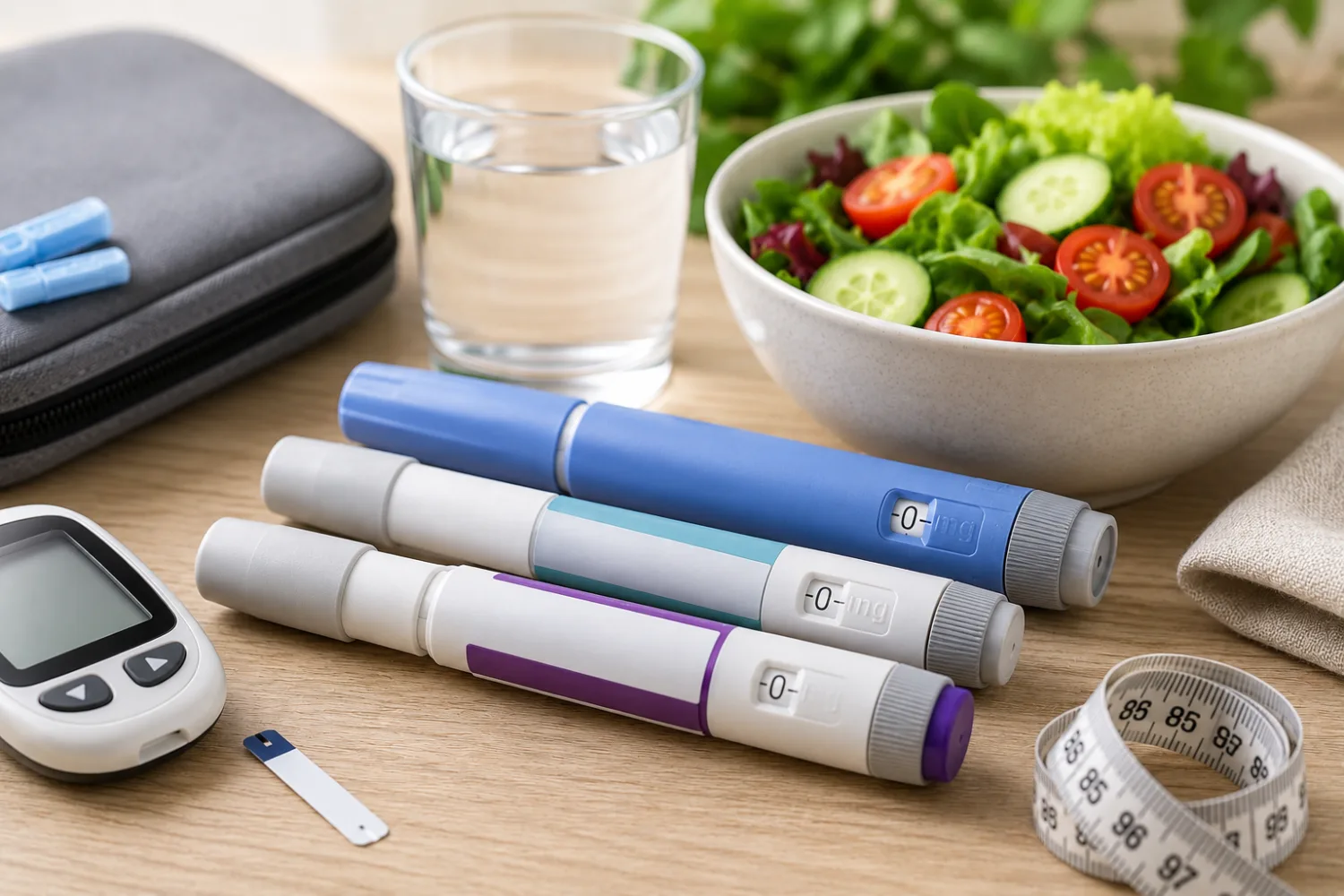
Weight loss is one of the most searched health topics in the UK, and one of the most misunderstood. On one side, there is the internet promising quick fixes, “fat-burning” hacks and dramatic before-and-after results. On the other, there is the very real experience many people have had of trying hard, losing a few pounds, putting them back on, and feeling as if they have somehow failed.
Most people do not need another lecture about eating less and moving more. They already know that. What they usually need is a clearer explanation of why weight changes happen, why losing weight can feel so difficult, what genuinely works in real life, and when it makes sense to get proper medical help.
That is what this guide is for.
This article is written for UK patients and families. It covers the common causes of weight gain, how healthy weight loss really works, what support is available through the NHS and privately, where weight loss injections fit in, and the signs that it may be time to speak to a pharmacist, GP or specialist service.
It is also worth saying something upfront: body weight is not a measure of character. People gain weight for all sorts of reasons, including stress, shift work, menopause, low mood, pain, poor sleep, medication, hormonal conditions and a food environment that makes overeating easy. The NHS describes obesity as a complex issue rather than a simple lack of willpower, and current NICE guidance takes the same view.
Why weight loss feels simple in theory but hard in real life
In principle, weight loss happens when your body uses more energy than it takes in over time. That part is true. But real life is rarely that neat.
Take two common examples.
Rachel, 46, works full-time, is going through perimenopause, sleeps badly and often feels exhausted by late afternoon. She does not think she eats that much, but she grazes in the evening, drinks wine a few nights a week and has become less active because her knees hurt. She is not “doing nothing”; her life has simply shifted in a way that makes weight gain easier and weight loss harder.
Imran, 34, used to play football twice a week. Then he changed to a desk-based job, started commuting longer hours and began ordering takeaway more often because he got home late. Over a few years, he gained weight gradually. There was no dramatic turning point. Just hundreds of small changes that added up.
That is how it happens for many people. Not overnight. Not because they suddenly stopped caring. Usually because work, money, family life, health, hormones, age and routine changed.
If you feel stuck, it helps to stop asking, “Why don’t I have more discipline?” and start asking, “What has changed in my life, body or routine that makes this harder than it used to be?”
What counts as overweight or obesity?
Doctors often use BMI as a starting point, although it is not perfect. BMI does not tell the whole story, especially for very muscular people, some ethnic groups, or anyone whose health risk is more tied to where body fat is stored than to body weight alone. Waist size and waist-to-height ratio can matter too, particularly when someone carries more fat around the tummy.
If you want a practical starting point, the NHS has a BMI calculator for adults and a waist-to-height ratio tool. These are not a diagnosis, but they can help you understand whether your weight may be increasing your risk of conditions such as type 2 diabetes, high blood pressure, sleep apnoea, joint problems and cardiovascular disease.
If you already have related issues such as high blood pressure, high cholesterol or snoring and sleep apnoea, weight management may become part of a bigger health picture rather than a cosmetic goal.
Common reasons people gain weight
The NHS lists a number of common contributors to obesity and excess weight, including large portion sizes, highly processed food, sugary drinks, alcohol, low activity levels, comfort eating and wider social factors that make healthier choices harder. Genetics can matter too. So can medication and medical conditions.
Some of the most common real-world reasons include:
Eating patterns that do not look extreme, but add up. Many people are not bingeing every day. They are simply eating a little more than they realise, often through snacks, large portions, calorific drinks, restaurant food or “healthy” foods that are still energy dense.
Stress and emotional eating. Some people lose their appetite when stressed. Others seek comfort, reward or relief in food. That is not unusual, and it is one reason weight loss can become tied up with mood and mental health.
Poor sleep. Tired people often crave quick energy, move less and struggle with appetite regulation. Shift workers know this feeling well.
Reduced movement without noticing. You do not need to become completely sedentary to gain weight. A change from walking to driving, standing to sitting, or sport to no sport can be enough over time.
Hormonal or medical issues. An underactive thyroid can contribute to weight changes. So can conditions like PCOS. Menopause is another common turning point, which is one reason our guide to menopause symptoms, HRT and treatment resonates with so many readers.
Medicines. Some antidepressants, steroids, antipsychotics, diabetes medicines and other prescriptions can affect appetite, fluid balance or metabolism.
Pain or limited mobility. If you are living with knee pain, back pain or arthritis, the advice to “just exercise more” can feel unrealistic. Weight management in those situations usually has to start with what is physically manageable.
When weight gain may point to an underlying health issue
Weight gain is often caused by lifestyle and environmental factors, but not always. It is sensible to speak to a GP if weight gain feels sudden, unexplained or out of proportion to your habits, especially if you also have other symptoms.
For example:
- feeling unusually tired, cold or constipated could suggest a thyroid problem
- irregular periods, acne and excess hair growth may point towards PCOS
- loud snoring, choking at night and daytime sleepiness may suggest sleep apnoea
- low mood, binge eating, anxiety or trauma may be affecting eating patterns
- rapid swelling or fluid retention may need proper medical assessment rather than a diet plan
One of the biggest mistakes people make is assuming every weight problem is just a motivation problem. Sometimes the better question is not “Which diet should I try?” but “Is there something else going on here?”
How healthy weight loss actually works
There is no perfect diet for everyone. But there are principles that work for most people, most of the time.
The first is that weight loss usually needs a sustainable calorie deficit. Not starvation. Not punishment. Just a pattern of eating and activity that your body can live with for months, not days.
The second is that consistency matters more than intensity. The all-or-nothing approach is one of the biggest reasons people get stuck. A brutal two-week health kick is less useful than a realistic routine you can still follow on a busy Wednesday in November.
The third is that food quality still matters. Calories matter for weight loss, but satiety matters for staying on track. Many people do better when meals contain enough protein, fibre and volume to keep them fuller for longer. A lunch of chicken, lentils, salad and yoghurt will usually hold someone better than a pastry and a coffee, even if both fit into a calorie target.
The fourth is that movement helps, even when it is not dramatic. Walking more, using the stairs, swimming, cycling, home workouts, resistance training, gardening or simply breaking up long periods of sitting can all play a part. The NHS generally advises adults to aim for regular physical activity, but the best exercise plan is the one you can actually keep doing.
And the fifth is that your environment matters. If every evening ends with you exhausted on the sofa, surrounded by easy snacks, no amount of motivational quotes will solve that by itself. Some of the most effective changes are practical ones: planning simple meals, keeping tempting foods less visible, walking after dinner, limiting takeaway nights, sleeping earlier, or choosing a breakfast that stops a 10:30am crash.
What realistic progress looks like
People often abandon good plans because they expect dramatic results too quickly. But healthy weight loss is usually slower and less linear than social media suggests.
You may lose a little, stall, lose again, then have a difficult week and go backwards slightly. That is normal. Water retention, hormones, constipation, eating out, sleep, alcohol and the timing of your weigh-in can all affect the number on the scales.
It often helps to look for progress in more than one place:
- clothes fitting differently
- less breathlessness on stairs
- better blood pressure or blood sugar results
- snoring improving
- less joint pain
- feeling more in control around food
Those are not consolation prizes. They are real health wins.
The diets and approaches people ask about most
Most successful plans are less about a branded method and more about whether they help you eat less without feeling constantly miserable.
Mediterranean-style eating works well for many people because it is balanced, flexible and realistic: vegetables, fruit, beans, whole grains, olive oil, fish, yoghurt, lean protein and less ultra-processed food.
Higher-protein approaches can help with fullness and are especially useful when someone is trying to lose weight without feeling hungry all the time.
Calorie counting works for some people because it creates awareness. Others find it tiring or triggering.
Low-carb diets can help some people reduce calorie intake naturally, but they are not magic and are not necessary for everyone.
Intermittent fasting suits some lifestyles and is hated by others. It is simply another way of reducing intake; it is not automatically better than other methods.
Usually the best plan is the one that fits your life, your appetite, your budget and your health. There is no prize for choosing the hardest method.
When lifestyle advice is not enough
This is an important point, because many people still feel ashamed of needing more than diet and exercise advice.
For some patients, lifestyle changes are enough. For others, they are necessary but not sufficient. That is especially true when someone is living with obesity, significant health risks, longstanding weight struggles, strong appetite drive, binge eating, severe mobility limitations or conditions such as type 2 diabetes.
That is where structured support, medicines or bariatric surgery may come into the picture. These are not “easy ways out”. They are treatment options, and for the right person they can be appropriate and evidence-based.
Can you get help through the NHS?
Yes, although what is available can vary depending on where you live and your individual health situation.
The NHS advises people living with overweight or obesity to speak to a GP about losing weight safely and about whether referral to a weight management service is appropriate. In England, there is also an NHS Digital Weight Management Programme for some adults with obesity and conditions such as diabetes or high blood pressure.
For many people, the NHS pathway starts with primary care: a conversation with a GP, nurse or sometimes a pharmacist. That might lead to lifestyle support, blood tests, review of medication, discussion of related conditions, or referral into a local service.
Some people also end up discussing weight as part of broader risk reduction, particularly if they have issues such as cardiovascular risk, prediabetes, joint problems or sleep apnoea.
If you feel nervous about raising weight at a GP appointment, it can help to be direct and practical. You do not need a speech. You can simply say:
“I’ve been struggling with my weight for a while now. I’d like some help, and I’m worried it’s affecting my health. Can we talk about what support is available?”
That is enough.
Weight loss medicines: where do they fit?
This is the area many readers are most curious about, and also the area most clouded by hype.
Weight management medicines are not for everyone. They are not a replacement for lifestyle change, and they are not something to buy casually from an unreliable website. But for some people, they can make a meaningful difference.
Current NICE guidance on overweight and obesity management includes the role of weight-management medicines and surgery for some patients. In plain English, medicines may be considered when weight is causing significant health risk and lifestyle measures alone have not been enough.
The best-known medicines at the moment are the newer appetite-regulating injections, including GLP-1 based treatments. These work partly by helping people feel fuller, reducing appetite and slowing stomach emptying. That is one reason they can be genuinely helpful for people who feel they are fighting hunger all the time.
But they are not miracle drugs. They can have side effects, they require monitoring, and they still work best alongside long-term habit change. They also raise important questions about who should prescribe them, what checks are needed beforehand, and what happens when someone stops taking them.
We’ll cover that subject in more detail in dedicated articles, including your upcoming piece on GLP-1 medicines, but the key message here is simple: these treatments are real medicine, not wellness products.
Private weight loss treatment in the UK
Private treatment has become much more visible, especially around weight loss injections. Some people turn to private services because they do not meet local NHS criteria, cannot access support quickly, or want more tailored follow-up.
Private care can include:
- dietitian-led programmes
- GP-led or specialist clinic assessment
- behavioural and psychological support
- prescribing of weight management medicines
- bariatric surgery assessment
Private care can be useful, but it should still be safe. A good service should ask about your medical history, current medicines, previous weight-loss attempts, eating patterns, alcohol intake, mental health, pregnancy plans where relevant, and whether there may be an underlying cause for weight gain. It should also explain risks clearly rather than simply selling a result.
Be cautious if a provider seems willing to prescribe powerful treatment with almost no proper assessment.
What about weight loss surgery?
Bariatric surgery is not the first step for most people, but for some it can be the most effective treatment. It is usually considered when someone is living with severe obesity or obesity with serious related health conditions, and when other approaches have not achieved enough improvement.
Weight loss surgery is not cosmetic surgery. It is major treatment with real benefits, real risks and real long-term commitments. Patients usually need careful assessment, nutrition advice, and follow-up afterwards. But for the right person, it can improve quality of life and reduce the risk of future illness.
If you are exploring that path, it deserves proper specialist discussion rather than internet myths.
Why some people lose weight and then regain it
This is one of the most painful parts of the whole subject, because regain often feels like proof that nothing works. In reality, it is incredibly common.
When you lose weight, your body does not always celebrate with you. Appetite can rise, fullness signals may change, routine can slip, and old habits can reappear under stress. The problem is not usually that someone has forgotten what healthy eating looks like. The problem is that maintaining change can be harder than starting it.
That is why the end goal should never be “go on a diet”. It should be “build a way of eating and living that still works when life becomes messy again.”
In practice, that often means:
- keeping meals fairly regular
- prioritising protein and fibre
- not letting weekends undo weekdays
- spotting emotional eating earlier
- weighing or measuring progress occasionally rather than avoiding it altogether
- having a plan for holidays, stress and setbacks instead of treating them as failure
What does a sensible first step look like?
If you are feeling overwhelmed, the answer is usually not a complete life overhaul by Monday morning.
A sensible first step might be one of these:
- switching breakfast to something more filling
- walking for 20 minutes most days
- cutting back on liquid calories or weekend alcohol
- having one takeaway instead of three
- booking a GP appointment to talk about whether there is an underlying issue
- checking your blood pressure, blood sugar risk or sleep symptoms
- asking for dietitian support rather than trying another extreme diet alone
It sounds modest. That is the point. Small changes are not glamorous, but they are often the changes that survive.
When to speak to a pharmacist, GP or specialist
It is worth getting professional advice if:
- your weight is affecting your day-to-day life or confidence
- you have obesity or carry a lot of weight around your waist
- you have high blood pressure, cholesterol problems, prediabetes, diabetes or sleep apnoea
- you snore heavily or stop breathing in sleep
- you have symptoms suggesting a thyroid problem or another hormonal issue
- you think your medication may be contributing
- you are considering weight loss injections or surgery
- you struggle with binge eating, emotional eating or low mood
- you have tried repeatedly to lose weight without lasting success
A pharmacist may be able to advise on some over-the-counter options, medication side effects and when to escalate further. A GP can look at the bigger picture, check for related conditions and discuss referrals or treatment options.
A final word: this is about health, not punishment
The weight-loss industry often speaks to people as if they are a problem to be fixed. Healthcare should do better than that.
If you are struggling with your weight, you do not need shame. You need clear information, realistic support and a plan that matches your life. For some people, that will mean better food habits and more movement. For others, it will mean investigating an underlying condition, getting help with emotional eating, using medication appropriately, or being referred for specialist care.
There is no single “right” route. But there is a better route than confusion, guilt and random advice from the internet.
Start with honesty. Start with the health issues that matter most to you. Start with the change you could still keep doing next month.
And if you need help, ask for it.
Further reading
If you want to explore related topics, these guides may help:
- PCOS: Symptoms, Diagnosis and Treatment in the UK
- Menopause: Symptoms, HRT and Treatment in the UK
- High Blood Pressure: Symptoms, Causes and Treatment
- High Cholesterol: Causes, Treatment and How to Lower It
- Snoring and Sleep Apnoea: The Complete UK Guide
- Knee Pain: Causes, Diagnosis and Treatment in the UK
For official information, see the NHS obesity treatment guidance, the NICE overweight and obesity management guideline, and the NHS Digital Weight Management Programme.