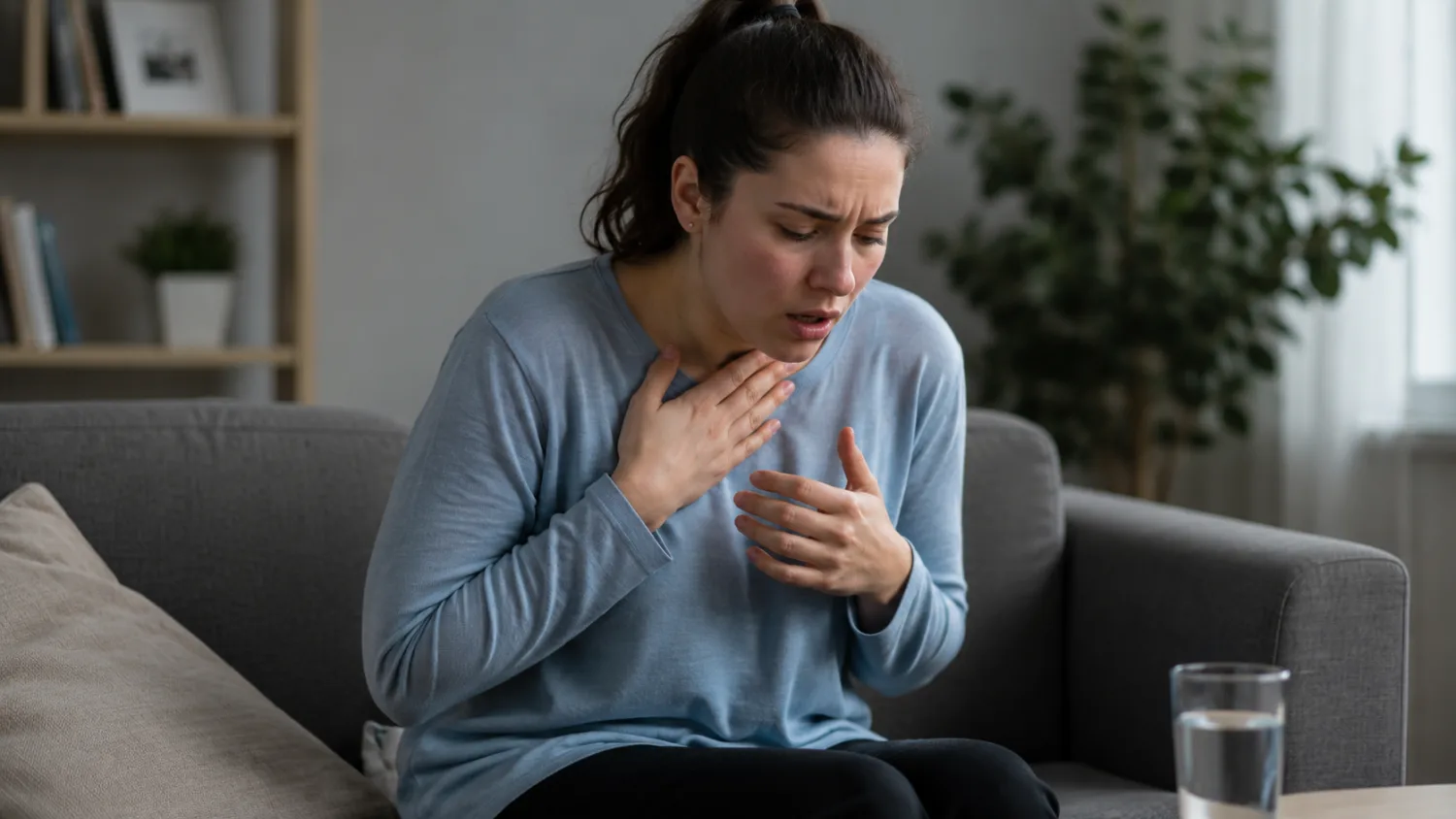
A panic attack can feel terrifying. It can come on suddenly, build quickly and make you feel as if something serious is happening to your body. Many people describe a racing heart, chest tightness, breathlessness, dizziness, shaking, sweating, nausea, tingling, a sense of unreality, or a fear that they are going to die, faint, lose control or go mad.
Although panic attacks are not usually dangerous in themselves, the symptoms can feel very similar to some medical emergencies. This is why it is important to understand what panic attacks can feel like, what to do during one, when to seek urgent help, and when symptoms might be caused by something other than anxiety.
This guide explains panic attack symptoms, why they happen, practical steps to take during an attack, what to do afterwards, treatment options in the UK, and the red flags that mean you should get medical help rather than assuming it is “just panic”.
If you have sudden chest pain that does not go away, severe shortness of breath, fainting, one-sided weakness, confusion, signs of stroke, or you feel in immediate danger, call 999. Panic can cause intense physical symptoms, but new, severe or unusual symptoms should be checked urgently.
What is a panic attack?
A panic attack is a sudden episode of intense fear, anxiety or physical alarm. It can happen in response to a trigger, such as a crowded place, health worry, public speaking, travel or conflict. It can also seem to happen “out of nowhere”, even when you are resting or doing something ordinary.
During a panic attack, the body’s threat system becomes highly activated. Adrenaline rises, breathing changes, muscles tense, the heart beats faster and the body prepares for danger. This is sometimes called the fight-or-flight response.
The problem is that during a panic attack, this alarm system can switch on when there is no immediate physical danger. The symptoms are real, but they are caused by the body’s stress response rather than by the feared catastrophe in many cases.
NHS information explains that panic disorder involves regular panic attacks, often with sudden feelings of anxiety, fear or panic. The NHS also advises that during a panic attack it can help to stay where you are if possible, breathe slowly and deeply, remind yourself that the attack will pass, and remember that it is not life-threatening. NHS panic disorder guidance gives more detail.
What does a panic attack feel like?
Panic attacks can feel different from person to person. Some people mainly feel physical symptoms. Others mainly feel fear, unreality or a sense of losing control. Many have both.
Common panic attack symptoms include:
- a racing, pounding or irregular-feeling heartbeat;
- chest tightness, pressure or discomfort;
- shortness of breath or feeling unable to get enough air;
- fast or shallow breathing;
- sweating;
- shaking or trembling;
- dizziness, light-headedness or feeling faint;
- nausea, stomach churning or diarrhoea;
- hot flushes or chills;
- tingling, numbness or pins and needles;
- dry mouth;
- tight throat or choking sensation;
- muscle tension;
- feeling detached from yourself or your surroundings;
- fear of dying, fainting, losing control or going mad.
A panic attack often reaches its peak within minutes, although the after-effects can last longer. After a panic attack, many people feel drained, shaky, embarrassed, tearful, confused or frightened that it will happen again.
Is a panic attack dangerous?
A panic attack itself is not usually dangerous. It cannot directly kill you, and the intense fear usually passes. But that does not mean every episode of chest pain, breathlessness, dizziness or collapse should be dismissed as panic.
The safest approach is balanced: panic attacks are common and treatable, but symptoms that are new, severe, different from usual, or associated with medical red flags should be checked.
This is especially important if you have risk factors such as heart disease, high blood pressure, diabetes, pregnancy, recent surgery, blood clots, asthma, severe allergy, neurological symptoms, or if the symptoms are happening for the first time.
When it might be something else
Panic attacks can mimic several physical health problems. Sometimes anxiety is the main cause. Sometimes anxiety is a reaction to a physical symptom. Sometimes both are happening together.
Heart attack or serious chest pain
Panic attacks can cause chest tightness, fast heartbeat and sweating. But heart problems can also cause fear, sweating, breathlessness and a sense of panic.
Call 999 if you have sudden chest pain or discomfort that does not go away, pain that feels like squeezing or pressure, pain spreading to the arm, jaw, neck, back or stomach, chest pain with sweating, sickness, light-headedness or breathlessness, or symptoms that feel like a heart attack. NHS chest pain guidance is clear that these symptoms need emergency help. NHS chest pain advice explains when to call 999.
You may also find our guide to chest pain and when to worry helpful.
Breathing problems or asthma
Panic can make breathing feel tight, fast or shallow. But severe asthma, chest infection, blood clots, allergic reactions and other breathing problems can also cause breathlessness.
Call 999 if breathlessness is severe, sudden, worsening, associated with chest pain, blue lips, confusion, collapse, noisy breathing, swelling of the lips or tongue, or if you cannot speak in full sentences.
For more on urgent breathing symptoms, see our guide to shortness of breath and when to call 999.
Heart rhythm problems
Panic can cause palpitations, but heart rhythm problems can also feel like fluttering, racing, thudding or skipped beats. If palpitations are new, prolonged, associated with fainting, chest pain, breathlessness, or happen with known heart disease, seek medical advice.
Read more in our guide to heart palpitations and when to see a doctor.
Low blood sugar
Low blood sugar can cause sweating, shaking, anxiety, hunger, confusion, weakness and a racing heart. This is especially relevant for people with diabetes or people taking glucose-lowering medication. If low blood sugar is possible, follow your diabetes care plan or seek urgent advice.
Thyroid problems
An overactive thyroid can cause anxiety-like symptoms, including palpitations, sweating, weight loss, tremor, heat intolerance and restlessness. If anxiety symptoms appear with unexplained weight change, persistent palpitations or heat sensitivity, a GP may consider blood tests.
You may find our guide to thyroid blood test results useful.
Fainting, blackouts or seizures
Many people fear fainting during panic. Panic can cause dizziness and light-headedness, especially with fast breathing. But actual fainting, blackouts, seizure-like episodes, confusion afterwards, injury during collapse, or repeated unexplained episodes should be medically assessed.
See our guide to fainting and blackouts for more information.
Stroke or neurological symptoms
Panic can cause tingling, numbness and dizziness. But one-sided weakness, facial drooping, speech difficulty, sudden confusion, sudden severe headache, vision loss or loss of coordination may suggest something more serious. Call 999 if stroke symptoms are possible.
For more information, see our guide to stroke symptoms and TIA.
What to do during a panic attack
When a panic attack starts, the natural instinct is often to fight it, escape, check symptoms, search online, call for reassurance or tell yourself something terrible is happening. These reactions are understandable, but they can sometimes keep the panic cycle going.
The goal during a panic attack is not to make every symptom disappear instantly. The goal is to reduce the fear response, slow the spiral, and remind your body that the alarm can pass.
1. Remind yourself what is happening
Try saying, silently or out loud:
- “This feels frightening, but it may be panic.”
- “Panic attacks usually peak and pass.”
- “My body is having an alarm response.”
- “I do not need to solve every thought right now.”
This is not about pretending the symptoms are pleasant. It is about changing the meaning of the symptoms from “I am in danger” to “my body is panicking”.
2. Stay where you are if it is safe
If possible, stay where you are until the panic starts to settle. Leaving immediately can teach the brain that escape was necessary, which may make future panic more likely in similar situations.
There are exceptions. If you are driving, pull over safely. If you are in genuine danger, move to safety. If symptoms could be a medical emergency, seek help.
3. Slow your breathing
Panic often makes breathing fast and shallow. This can worsen dizziness, tingling, chest tightness and feelings of unreality.
Try breathing gently and slowly. You do not need a perfect technique. You might breathe in through your nose for a few seconds, pause briefly, and breathe out slowly. Keep the breath comfortable rather than forcing deep breaths.
NHS inform also advises focusing on breathing slowly during panic and using grounding by noticing what is around you. NHS inform panic and anxiety advice includes practical suggestions.
4. Ground yourself in the room
Grounding can help when panic makes you feel unreal, detached or overwhelmed. Try naming:
- 5 things you can see;
- 4 things you can feel;
- 3 things you can hear;
- 2 things you can smell;
- 1 thing you can taste.
You can also press your feet into the floor, hold a cool glass of water, describe objects in the room, or count backwards slowly.
5. Let the symptoms rise and fall
This is difficult, but important. Panic often gets stronger when you scan your body and fight every sensation. Try to observe the symptoms as waves: uncomfortable, intense, but temporary.
You might say: “There is the racing heart. There is the dizziness. There is the fear thought. I can let this pass without chasing every symptom.”
6. Avoid checking and symptom searching
Searching symptoms online during a panic attack often makes panic worse. Reassurance may help for a few minutes, but the anxiety can return with a new “what if?” question.
If you have already been medically assessed and know these episodes are panic, try delaying checking. Tell yourself you can review it later when calm.
7. Use your plan if you have one
If you have a therapy plan, crisis plan or coping card, use it. Panic makes it hard to think clearly, so written reminders can help.
What to do after a panic attack
After a panic attack, it is common to feel exhausted. You may want to avoid the place where it happened, cancel plans, check your body repeatedly or seek reassurance. Try to respond kindly but carefully.
Afterwards, it may help to:
- drink water;
- eat something if you have not eaten;
- rest if you feel drained;
- avoid alcohol or stimulants;
- write down what happened and what helped;
- notice any trigger without blaming yourself;
- return to ordinary activity gradually if safe;
- avoid making major decisions while still shaken;
- speak to a GP or therapist if attacks are repeated.
Try not to punish yourself for having a panic attack. Panic is not a personal failure. It is a treatable anxiety response.
Why panic attacks happen
Panic attacks happen when the brain and body interpret something as threatening. Sometimes the trigger is obvious. Sometimes it is not.
Common triggers include:
- stress or burnout;
- lack of sleep;
- caffeine or energy drinks;
- alcohol or hangovers;
- recreational drugs;
- health worries;
- crowded places;
- public transport;
- conflict or emotional stress;
- trauma reminders;
- hormonal changes;
- physical illness;
- previous panic attacks and fear of another one.
Once someone has had a frightening panic attack, they may start fearing the next one. This can create a cycle: fear of panic leads to body scanning, body scanning notices normal sensations, sensations trigger fear, fear increases symptoms, and the symptoms become another panic attack.
This is why treatment often focuses not only on calming down, but on changing the panic cycle itself.
Panic attack vs anxiety attack: is there a difference?
People often use the terms “panic attack” and “anxiety attack” interchangeably. Clinically, panic attack usually means a sudden surge of intense fear or discomfort with strong physical symptoms. Anxiety may build more gradually and last longer.
For example, someone may feel anxious all day about a meeting. A panic attack may be a sudden peak where their heart races, breathing changes, they feel dizzy and fear they might collapse.
The exact label is less important than what is happening, how often it occurs, whether it is affecting life, and whether medical symptoms need checking.
Panic disorder: when panic attacks become a pattern
Having one panic attack does not necessarily mean you have panic disorder. Panic disorder is more likely when panic attacks happen repeatedly and you start worrying about having more attacks or changing your behaviour to avoid them.
Signs of panic disorder may include:
- repeated unexpected panic attacks;
- ongoing fear of another panic attack;
- avoiding places where panic happened before;
- avoiding exercise, caffeine, sex or activity because body sensations feel frightening;
- needing a “safe person” to go places;
- checking your pulse or breathing often;
- avoiding travel, shops, queues, meetings or public places.
Panic disorder can be very limiting, but it is treatable. NICE guidance for adults with moderate to severe panic disorder recommends CBT, and may also consider antidepressant medication when the disorder is long-standing or psychological intervention has not helped or has been declined. NICE guidance on panic disorder explains treatment recommendations in more detail.
Treatment for panic attacks
Treatment depends on how often panic attacks happen, how severe they are, whether there are medical concerns, and whether panic is part of a wider anxiety disorder, depression, trauma or another condition.
CBT for panic
Cognitive behavioural therapy, or CBT, is one of the main treatments for panic disorder. It helps people understand the panic cycle, reduce fear of bodily sensations, change catastrophic interpretations and gradually face avoided situations.
CBT for panic may involve:
- learning how panic works;
- identifying feared thoughts, such as “I will die” or “I will faint”;
- testing predictions safely;
- reducing avoidance and reassurance seeking;
- gradually facing feared situations;
- learning how to respond differently to body sensations.
This should be done carefully and at a suitable pace, especially if you have medical conditions or trauma history.
Medication
Medication may help some people with panic disorder, especially when panic is frequent, severe or linked with anxiety or depression. SSRIs, such as sertraline, fluoxetine, citalopram or escitalopram, may be considered by a GP or psychiatrist. These medicines can take several weeks to work and may cause side effects early on.
You may find our guide to sertraline and what to expect in the first weeks useful if this medication has been discussed with your prescriber.
Some medicines are not suitable for long-term panic treatment. Benzodiazepines, such as diazepam, may sometimes be used short term in specific circumstances, but they can cause dependence and are not usually a long-term solution.
Self-help and lifestyle changes
Self-help can support recovery, especially when used consistently.
- Reduce caffeine and energy drinks if they trigger symptoms.
- Limit alcohol, especially if anxiety is worse the next day.
- Improve sleep routines where possible.
- Keep eating regularly, especially if shakiness is a trigger.
- Practise slow breathing when calm, not only during panic.
- Reduce symptom searching and repeated reassurance.
- Gradually return to avoided places with support if needed.
- Write down what helps during attacks.
NHS help for panic attacks
If panic attacks are affecting your life, you can speak to a GP. A GP can check whether symptoms may have a physical cause, discuss treatment options, prescribe medication if appropriate, and refer or signpost to mental health services.
In England, adults can often self-refer to NHS Talking Therapies for anxiety and depression. Services vary by area, but they may offer CBT or related support for panic and anxiety.
For wider access routes, see our guide to how to access mental health services in the UK and whether you can self-refer to mental health services.
Private treatment for panic attacks
Private therapy may be helpful if you want faster access, more choice, evening appointments, online therapy, specialist CBT, trauma-focused therapy or a particular clinician. Before booking, check the therapist’s qualifications, experience with panic disorder, fees, cancellation policy and what happens if symptoms worsen.
If panic attacks are severe, linked to medication questions, or part of a complex mental health picture, a psychiatrist may be helpful. A psychiatrist can assess diagnosis, physical and mental health overlap, medication options and risk.
For related guidance, read our articles on anxiety disorder symptoms, causes and treatment options, psychiatrist vs psychologist vs therapist, private therapy costs in the UK and private psychiatrist costs in the UK.
When to seek urgent mental health help
Seek urgent mental health help if panic attacks happen alongside thoughts of self-harm, suicidal thoughts, feeling unable to stay safe, severe agitation, confusion, paranoia, hallucinations, severe depression, or feeling that you may harm yourself or someone else.
NHS advice says that if you need help for a mental health crisis or emergency, you should get immediate expert advice and assessment. In England, NHS 111 provides access to urgent mental health support through the mental health option where available. NHS urgent mental health help explains available routes.
If you need someone to talk to, Samaritans can be called free on 116 123. Mind also lists crisis options, including Samaritans and Shout text support. Mind’s crisis help guide gives more information.
How to help someone having a panic attack
If someone near you is having a panic attack, stay calm. Do not mock them, rush them or repeatedly tell them to “calm down”. Panic already feels out of control.
You can help by:
- speaking in a calm, steady voice;
- reminding them that the feeling will pass;
- encouraging slow, gentle breathing;
- helping them sit somewhere safe if needed;
- asking what usually helps them;
- reducing noise, crowding or pressure if possible;
- staying with them if they want you to;
- seeking medical help if symptoms suggest something else.
If the person has chest pain, severe breathlessness, collapse, confusion, stroke symptoms, severe allergic symptoms or you are unsure whether it is panic, call 999.
Can panic attacks be prevented?
Not every panic attack can be prevented, but treatment can reduce how often they happen, how intense they feel and how much they control your life.
Prevention often involves:
- understanding panic symptoms;
- reducing fear of bodily sensations;
- treating underlying anxiety;
- gradually reducing avoidance;
- getting enough sleep;
- reducing caffeine, alcohol or drug triggers;
- learning breathing and grounding skills;
- using CBT or therapy to break the panic cycle;
- considering medication where appropriate.
Recovery does not always mean never feeling panic again. It often means panic no longer feels mysterious, dangerous or life-controlling.
Final thoughts
Panic attacks can feel overwhelming, but they are common and treatable. The symptoms are real, and the fear can be intense, but a panic attack usually passes. Learning what is happening in the body, how to respond during an attack, and when to seek help can make panic feel less frightening over time.
At the same time, it is important not to dismiss every physical symptom as anxiety. Chest pain, severe breathlessness, fainting, stroke-like symptoms, new neurological symptoms or symptoms that feel different from your usual panic should be checked urgently.
If panic attacks are happening repeatedly or affecting your life, speak to a GP, consider NHS Talking Therapies, or seek support from a qualified therapist or mental health professional. Panic attacks are not a weakness, and you do not have to manage them alone.
Frequently asked questions
What are the symptoms of a panic attack?
Symptoms can include a racing heart, chest tightness, shortness of breath, sweating, shaking, dizziness, nausea, tingling, dry mouth, hot flushes, chills, feeling unreal, fear of dying, fear of fainting or fear of losing control.
How long does a panic attack last?
A panic attack often peaks within minutes, although the exact length varies. Some people feel better within 10 to 20 minutes, while others feel shaken or exhausted for much longer afterwards.
Can a panic attack feel like a heart attack?
Yes, panic attacks can cause chest tightness, palpitations, sweating and breathlessness. But heart attacks can also cause panic-like symptoms. If chest pain is sudden, severe, spreading, associated with breathlessness, sweating, sickness or light-headedness, call 999.
What should I do during a panic attack?
If it is safe, stay where you are, breathe slowly, remind yourself that the attack will pass, focus on your surroundings, reduce symptom checking and avoid searching online. Seek medical help if symptoms are new, severe or concerning.
Can panic attacks make you faint?
Panic can make you feel faint or dizzy, especially if breathing changes. Actual fainting is less typical and should be medically assessed, especially if it is repeated, unexplained or associated with chest pain, palpitations or injury.
Can panic attacks cause tingling or numbness?
Yes, panic and fast breathing can cause tingling, numbness or pins and needles, often around the hands, feet or mouth. However, one-sided weakness, facial drooping or speech problems may suggest a stroke and need emergency help.
What causes panic attacks?
Panic attacks can be triggered by stress, lack of sleep, caffeine, alcohol, health worries, crowded places, trauma reminders, physical illness, hormones or fear of having another panic attack. Sometimes they seem to happen without an obvious trigger.
What is panic disorder?
Panic disorder involves repeated panic attacks and ongoing fear of having more attacks. It may lead to avoidance of places, activities or sensations associated with panic.
Can CBT help panic attacks?
Yes. CBT is one of the main treatments for panic disorder. It can help you understand the panic cycle, reduce fear of body sensations, change catastrophic thoughts and gradually face avoided situations.
Can medication help panic attacks?
Medication may help some people, especially if panic attacks are frequent, severe or linked with anxiety or depression. SSRIs are commonly used. Medication should be discussed with a GP or psychiatrist.
When should I see a GP about panic attacks?
See a GP if panic attacks are repeated, affecting your life, causing avoidance, associated with worrying physical symptoms, or if you are not sure whether symptoms are panic. A GP can check physical causes and discuss treatment options.
When should I call 999 instead of treating it as panic?
Call 999 for chest pain that does not go away, pain spreading to the arm, jaw, neck, back or stomach, severe breathlessness, fainting, stroke symptoms, confusion, severe allergic symptoms, collapse, or if you feel in immediate danger.