A stroke is a medical emergency. A transient ischaemic attack, or TIA, is also a medical emergency, even if the symptoms last only a few minutes and then seem to disappear.
That is the point many people get wrong. They assume that if the weakness, speech problem or visual disturbance gets better quickly, the danger has passed. In reality, a TIA can be a warning sign that a full stroke may follow.
This guide explains how to recognise stroke symptoms, how TIA differs from stroke, what to do immediately, what happens in hospital, how stroke is treated and how future strokes may be prevented.
The most important message is simple: if you think someone may be having a stroke or TIA, call 999 straight away. Do not wait to see if the symptoms pass.
What a stroke and TIA are
A stroke happens when part of the brain is damaged because its blood supply is interrupted. This can happen in two main ways.
- Ischaemic stroke happens when a blood clot blocks blood flow to part of the brain.
- Haemorrhagic stroke happens when a blood vessel in or around the brain bleeds.
Both are serious. Both need urgent medical assessment. Both can affect movement, speech, swallowing, vision, memory and independence.
What is a TIA?
TIA stands for transient ischaemic attack. It is sometimes called a mini-stroke, but that phrase can be misleading because it sounds minor or optional.
It is better to think of it as a stroke warning.
A TIA causes stroke-like symptoms because the blood supply to part of the brain is disrupted temporarily. The symptoms then resolve, often within minutes, sometimes within a short number of hours.
Even when the symptoms go away, the event still matters. A person who has had a TIA needs urgent assessment because the risk of a full stroke may be highest in the period soon afterwards.
You can read more patient guidance from the Stroke Association and the NHS TIA information page.
Stroke vs TIA: what is the difference?
The symptoms can look very similar at the start. The main difference is what happens next.
In a TIA, symptoms resolve because the blood supply interruption is temporary. In a stroke, the blood supply problem causes lasting brain injury.
But from the point of view of a family member or bystander, you should not try to decide which it is at home. Treat both as emergencies.
The FAST signs of stroke and TIA
The best-known way to recognise the most common signs is FAST.
- F – Face: has the face dropped on one side? Can the person smile properly?
- A – Arms: can they raise both arms and keep them there, or is one arm weak or drifting down?
- S – Speech: is their speech slurred, confused or missing?
- T – Time: time to call 999 immediately.
FAST is widely used in UK guidance because it helps people spot the most common and important stroke symptoms quickly.
If any FAST sign is present, call 999. Do not wait to see whether it improves.
Other stroke or TIA symptoms people should not ignore
Not every stroke looks identical. Some symptoms fall outside the classic FAST pattern, and that is one reason strokes can sometimes be missed or dismissed.
Other possible symptoms include:
- sudden numbness or weakness, especially on one side of the body
- sudden difficulty understanding speech
- sudden loss of vision or blurred vision in one or both eyes
- sudden severe dizziness, balance problems or unexplained falls
- sudden severe headache, especially if unusual for that person
- sudden confusion
- difficulty swallowing
The key theme is sudden neurological change.
If symptoms come on abruptly and look like possible stroke or TIA, act urgently.
What stroke and TIA can look like in real life
“Her speech came back, so we thought it was fine”
Margaret suddenly struggles to get her words out during breakfast. Her daughter notices her mouth looks slightly uneven. Ten minutes later, Margaret seems almost back to normal.
What people often think: it passed, so it cannot have been serious.
Why that is dangerous: this could be a TIA, which still needs emergency assessment.
“He was dropping things with one hand”
James is 58 and suddenly cannot grip his mug properly. His right arm feels weak and clumsy, and his speech sounds odd for a few minutes.
What matters: sudden one-sided weakness plus speech change is classic stroke or TIA territory until proven otherwise.
“She thought it was just vertigo”
Amira develops sudden severe dizziness, imbalance and blurred vision. She assumes it is an inner-ear problem.
The problem: some strokes, especially those affecting the back part of the brain, do not always present with the most obvious FAST pattern.
What to do immediately
Call 999.
Do not drive yourself to hospital if an ambulance is needed. Do not wait to see if it improves. Do not let the person “sleep it off”. Do not assume it is only stress, migraine or tiredness without medical assessment.
Urgent action matters because some stroke treatments are time-sensitive, and early assessment after suspected TIA can help prevent a larger stroke.
When to call 999
Call 999 immediately if you notice:
- facial droop
- arm weakness
- speech difficulty
- sudden one-sided numbness or weakness
- sudden visual loss or major speech confusion
- sudden severe imbalance or collapse with neurological symptoms
This applies even if the symptoms seem to improve before the ambulance arrives.
What to avoid after suspected TIA or stroke symptoms
- Do not wait for symptoms to happen again.
- Do not assume a brief episode is harmless.
- Do not let normal speech or movement afterwards reassure you too much.
- Do not drive yourself if an ambulance is needed.
- Do not rely on internet diagnosis.
- Do not ignore palpitations or irregular heartbeat if they may be part of the cause.
What causes stroke and TIA?
Stroke is not one single disease with one single cause. Different strokes happen for different reasons.
Common causes and risk factors include:
- high blood pressure
- atrial fibrillation and other heart rhythm problems
- atherosclerosis, where arteries narrow because of fatty plaque build-up
- high cholesterol
- smoking
- type 2 diabetes
- previous stroke or TIA
- older age
- family history and some inherited conditions
- heavy alcohol intake in some people
High blood pressure is one of the most important preventable stroke risk factors. If this is relevant to you, see our guide to high blood pressure.
For the wider prevention picture, see our complete guide to cardiovascular risk and our guide on how to reduce your risk of heart attack and stroke.
Who is most at risk?
Stroke can happen at different ages, but risk rises with age and with the accumulation of other risk factors.
People at higher risk often include those with:
- high blood pressure
- atrial fibrillation
- smoking history
- high cholesterol
- type 2 diabetes
- previous TIA or stroke
- carotid artery disease
- known cardiovascular disease
That does not mean younger adults are immune. They are not.
How stroke and TIA are diagnosed
When someone arrives with suspected stroke, the medical team needs to work quickly. They will usually assess when symptoms started, what symptoms occurred, what has changed, and whether the picture suggests stroke, TIA, or another condition that can mimic them.
Investigations may include:
- a neurological examination
- blood tests
- blood glucose testing
- brain imaging such as CT or MRI
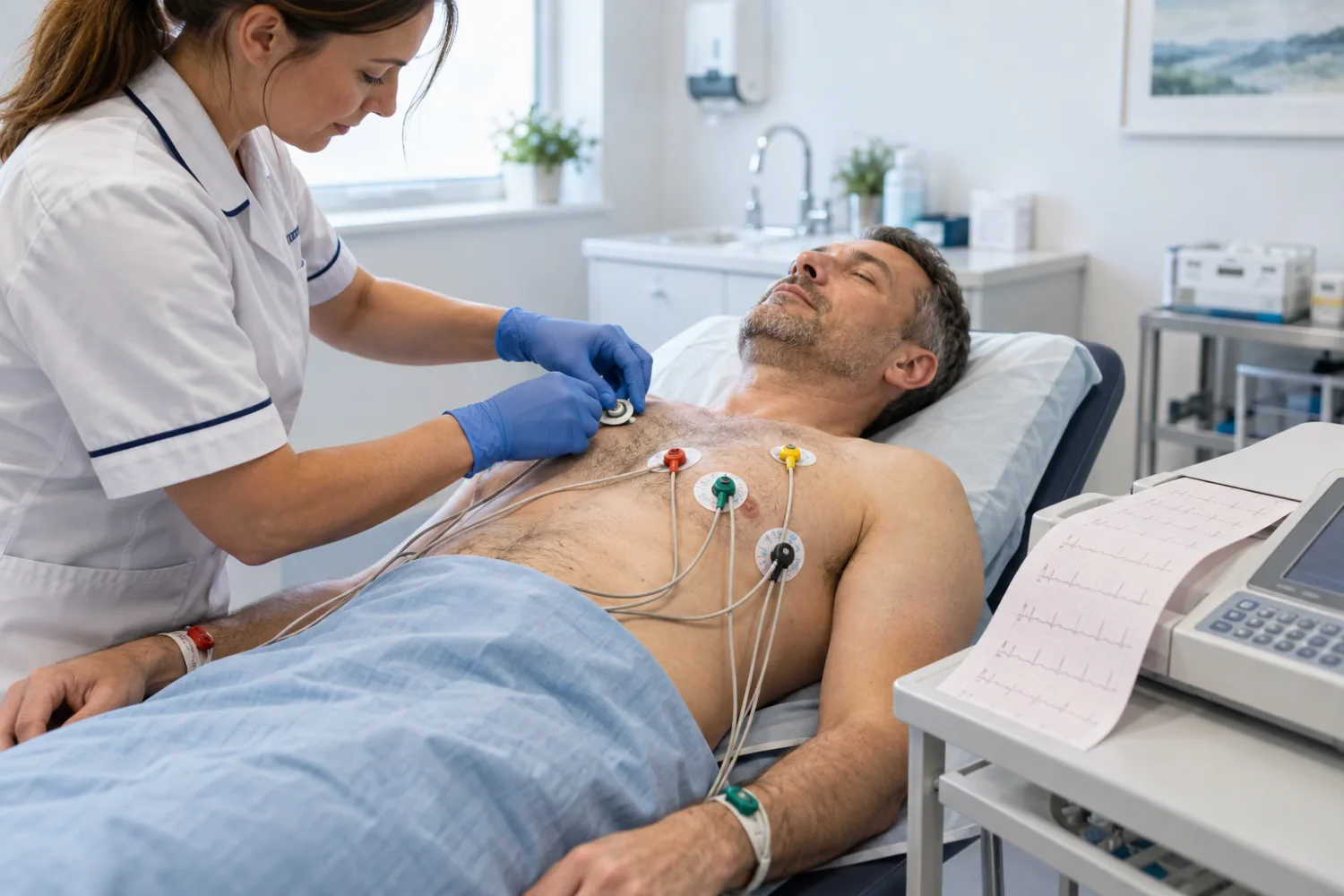
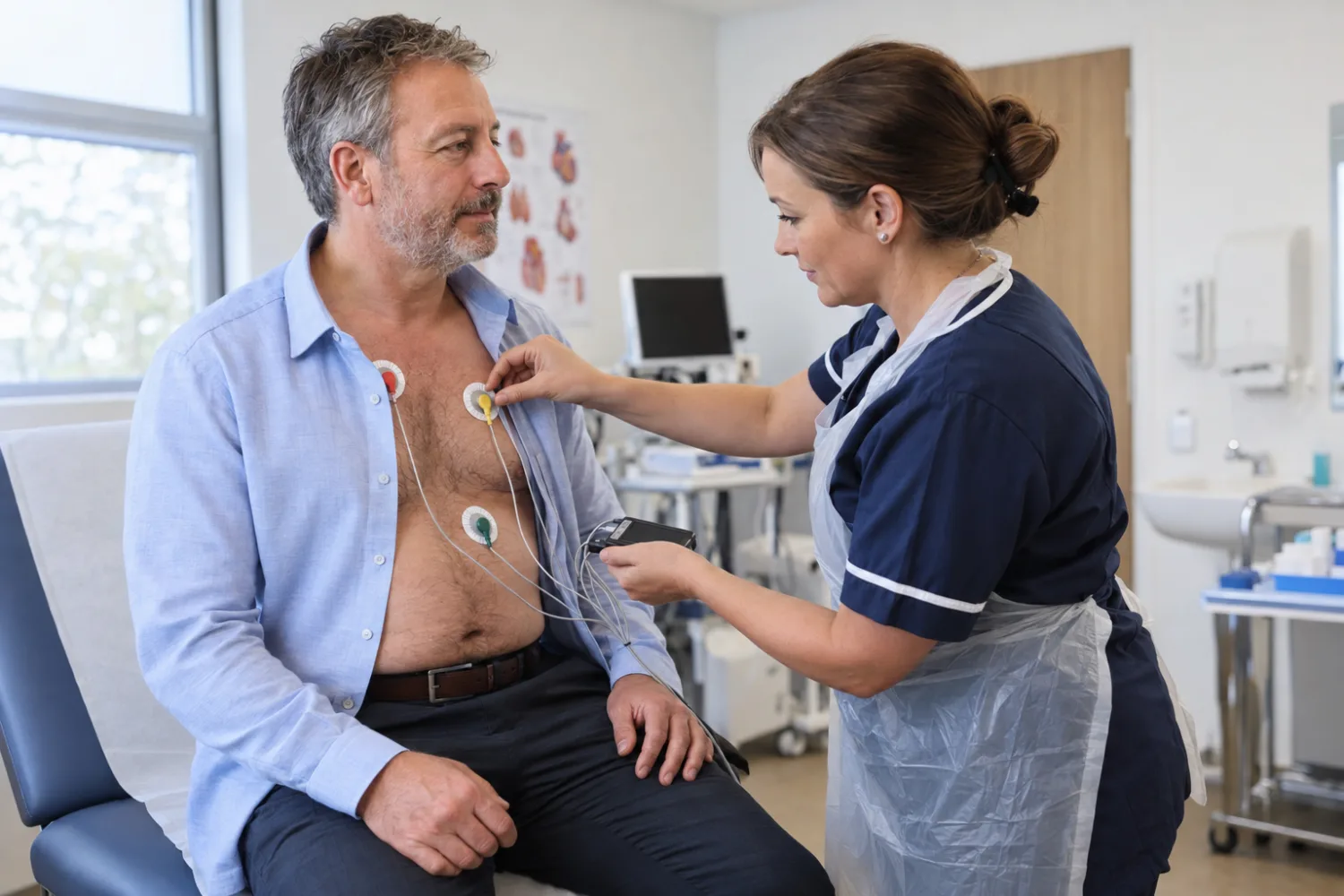
- ECG to look for atrial fibrillation or other rhythm issues
- blood pressure measurement
- sometimes carotid imaging or heart tests, depending on the situation
NICE guidance covers the acute diagnosis and management of stroke and TIA in adults over 16 in the early period after symptoms begin. See the NICE stroke and TIA guideline.
How TIA is assessed
If symptoms have resolved by the time the person is seen, assessment still matters just as much.
The doctor will want a clear description of exactly what happened, how long it lasted, what body parts were affected, whether speech or vision changed, and what medical risk factors are present.
TIA can sometimes be confused with migraine aura, seizures, fainting, low blood sugar or other neurological problems. That is one reason detailed assessment is needed rather than self-diagnosis.
Stroke treatment and why speed matters
The right treatment depends on the type of stroke.
For some ischaemic strokes, clot-busting treatment or other urgent specialist procedures may be possible, but timing is critical. This is one reason ambulance assessment and rapid hospital transfer matter so much.
Haemorrhagic stroke is managed differently, and the team needs imaging to tell the difference.
This is why no one should take aspirin or other medication at home on their own initiative for suspected stroke unless specifically advised by a clinician who knows the situation. A bleed and a clot are treated differently.
What happens after a TIA?
After a TIA, the focus is not only on confirming what happened. It is also on preventing the next event.
That may involve:
- starting antiplatelet treatment or another medicine if appropriate
- checking for atrial fibrillation and deciding whether anticoagulation is needed
- controlling blood pressure
- addressing cholesterol
- reviewing diabetes
- help with smoking cessation
- lifestyle changes around diet, exercise, weight and alcohol
The NHS explains that many people who have had a TIA will need long-term treatment to reduce the chance of stroke or another TIA.
How stroke is prevented
Stroke prevention is usually not about one dramatic intervention. It is about dealing properly with the factors that drive risk.
The most important preventive steps often include:
- treating high blood pressure properly
- stopping smoking
- controlling diabetes
- improving cholesterol where needed
- managing atrial fibrillation appropriately
- being more physically active
- maintaining a healthier weight
- reducing excess alcohol
- taking prescribed medication consistently
The Stroke Association and the NHS both emphasise rapid recognition and urgent action when symptoms occur.
Why prevention is personal
The right prevention plan depends on the cause of the stroke or TIA and the person’s wider risk factors.
For example, someone whose TIA is linked with atrial fibrillation may need a different treatment plan from someone whose main risk factor is high blood pressure, smoking or narrowed neck arteries.
This is why follow-up after a TIA or stroke matters. It is not only about recovery. It is about reducing the chance of another event.
FAQ: stroke symptoms and TIA
Can a TIA last just a few minutes?
Yes. Symptoms may be brief, but that does not make the event unimportant. A TIA can be a warning sign of a future stroke and needs urgent assessment.
If the symptoms have gone, do I still need help?
Yes. A TIA is still an emergency because it may be a warning sign of a more serious stroke. Do not wait for symptoms to return.
Can stroke symptoms come and go?
They can in TIA, but fluctuating or improving symptoms still need urgent assessment. From home, you should not try to decide whether it is a stroke or TIA.
Is sudden dizziness always a stroke?
No, but sometimes stroke can present with severe dizziness or imbalance, especially when the back part of the brain is involved. Sudden dizziness with neurological symptoms should be treated seriously.
Do women get different stroke symptoms?
Stroke symptoms can vary from person to person, but the main thing is not to dismiss sudden neurological symptoms in anyone.
Should I give aspirin if I think someone is having a stroke?
Do not give aspirin or other medication unless a clinician advises it. Some strokes are caused by bleeding, and treatment depends on urgent medical assessment and brain imaging.
What is the FAST test?
FAST stands for Face, Arms, Speech and Time. It helps identify common stroke signs: facial droop, arm weakness and speech difficulty. If any are present, it is time to call 999.
Can stroke be prevented?
Many strokes can be prevented by treating high blood pressure, managing atrial fibrillation, improving cholesterol, stopping smoking, controlling diabetes, reducing excess alcohol and taking prescribed medicines consistently.
Final takeaway
Stroke and TIA should both be treated as medical emergencies.
FAST remains the most important public warning tool, but not every stroke fits neatly into that pattern, so sudden neurological symptoms more broadly should also be taken seriously.
A TIA is not something to “keep an eye on”. It may be the first warning of a full stroke. The right response is urgent medical assessment, followed by proper investigation and prevention.
If you remember only one thing from this guide, let it be this: sudden stroke-like symptoms mean call 999 straight away.