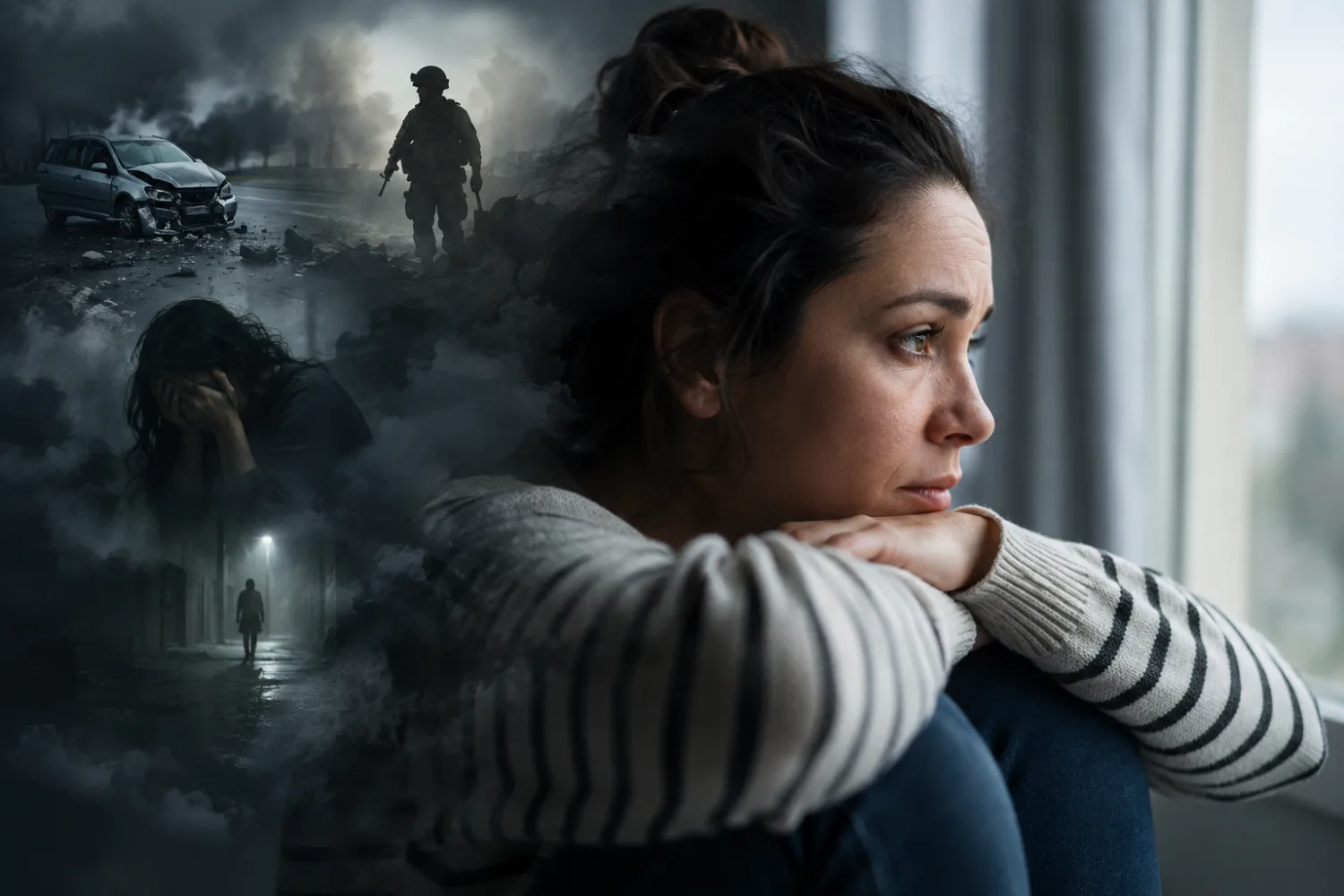
Anxiety is a normal human response to pressure, uncertainty or danger. It can help you prepare for an exam, avoid risk, speak up when something matters, or respond quickly in a stressful situation. But anxiety becomes a problem when it is frequent, intense, difficult to control, out of proportion to the situation, or starts to affect everyday life.
Anxiety disorder is not simply “worrying too much”. It can affect the body, thoughts, emotions, sleep, work, relationships, appetite, confidence and decision-making. Some people feel constantly on edge. Some have panic attacks. Some avoid places, people or situations. Others appear calm on the outside but feel exhausted inside from constant overthinking, checking, planning or fear.
This guide explains what anxiety disorder can feel like, common symptoms, possible causes, when to seek help, treatment options in the UK, and how NHS, private therapy and psychiatry may fit together.
If you or someone else is in immediate danger, call 999 or go to A&E. If you need urgent mental health help but it is not immediately life-threatening, you can call NHS 111 and choose the mental health option where available. You can also read NHS advice on where to get urgent help for mental health.
What is anxiety disorder?
An anxiety disorder is a mental health condition where anxiety is persistent, excessive, difficult to control, or causes significant distress and impairment. It can affect how you think, feel and behave. It can also cause very real physical symptoms, such as a racing heart, sweating, shaking, nausea, chest tightness, dizziness or breathlessness.
There are different types of anxiety disorder. These include generalised anxiety disorder, panic disorder, social anxiety disorder, health anxiety, phobias, separation anxiety, agoraphobia and anxiety linked to trauma, OCD or other mental health conditions.
Some people have one clear type of anxiety. Others have a mixture. For example, someone may have generalised anxiety and panic attacks, or social anxiety and depression, or anxiety linked to ADHD, autism, menopause, chronic illness, trauma or stress at work.
Anxiety disorders are common and treatable. Treatment may include self-help, psychological therapy, medication, lifestyle changes, support from your GP, NHS Talking Therapies, private therapy or specialist psychiatric care depending on severity and need.
Normal anxiety vs anxiety disorder
Everyone feels anxious sometimes. It is normal to feel nervous before a job interview, medical test, driving exam, presentation, difficult conversation or major life change. Anxiety becomes more concerning when it starts to take over daily life.
It may be an anxiety disorder if:
- the anxiety is present most days;
- worry feels hard to control;
- you avoid normal situations because of fear;
- physical anxiety symptoms feel frightening or frequent;
- panic attacks happen repeatedly;
- you need constant reassurance;
- you struggle to sleep because of worry;
- you feel restless, tense or on edge much of the time;
- anxiety affects work, study, relationships or parenting;
- you use alcohol, drugs, food, checking, avoidance or overworking to cope;
- you feel unable to relax even when nothing obvious is wrong.
The issue is not whether the worry is “real”. Many anxious thoughts are about real possibilities: illness, money, family, work, safety, mistakes or the future. The problem is when the anxiety response becomes constant, overwhelming or unhelpful.
Common symptoms of anxiety disorder
Anxiety can show up in many ways. Some symptoms are emotional. Some are physical. Some affect behaviour. Some affect thinking.
Emotional symptoms
- feeling nervous, tense or on edge;
- feeling unable to relax;
- a sense of dread or impending danger;
- irritability or feeling easily overwhelmed;
- feeling emotionally exhausted;
- feeling detached, unreal or disconnected;
- fear of losing control;
- fear that something bad is about to happen.
Physical symptoms
- racing heart or palpitations;
- chest tightness or chest pain;
- shortness of breath;
- sweating or hot flushes;
- shaking or trembling;
- dizziness or light-headedness;
- nausea or stomach upset;
- diarrhoea or needing the toilet urgently;
- muscle tension, jaw clenching or headaches;
- tingling, numbness or pins and needles;
- dry mouth;
- fatigue;
- sleep problems.
These symptoms can be frightening, especially if they appear suddenly. It is common for people with anxiety to worry that physical symptoms mean something serious is happening. However, you should not assume symptoms are anxiety if they are new, severe, unusual or concerning.
If you have chest pain, severe shortness of breath, fainting, one-sided weakness, confusion, blue lips, severe allergic symptoms, or symptoms that feel like a medical emergency, seek urgent medical help. You may also find our guides to chest pain and when to worry, heart palpitations, shortness of breath and dizziness helpful.
Thinking symptoms
- constant “what if?” thoughts;
- catastrophising or imagining the worst outcome;
- difficulty concentrating;
- racing thoughts;
- overthinking conversations or decisions;
- needing certainty before acting;
- replaying mistakes;
- difficulty switching off;
- checking symptoms, messages, locks, plans or details repeatedly;
- fear that worry itself will make something happen.
Behavioural symptoms
- avoiding places, people or situations;
- leaving situations early;
- seeking reassurance repeatedly;
- checking health symptoms online;
- procrastinating because decisions feel risky;
- over-preparing or over-controlling;
- working excessively to avoid mistakes;
- using alcohol, food, drugs or scrolling to numb anxiety;
- withdrawing from social contact;
- becoming dependent on a partner, parent or friend for reassurance.
Types of anxiety disorder
Different anxiety disorders can overlap, but it helps to understand the main patterns.
Generalised anxiety disorder
Generalised anxiety disorder, often called GAD, involves persistent and excessive worry about many areas of life. This might include health, money, family, work, mistakes, safety, the future or ordinary daily responsibilities.
People with GAD often describe feeling tense, restless, tired, irritable and unable to switch off. They may know that the worry is excessive, but still feel unable to stop it.
Panic disorder
Panic disorder involves repeated panic attacks and ongoing fear of having more attacks. A panic attack is a sudden wave of intense fear or physical symptoms that can feel overwhelming. Symptoms may include a racing heart, chest tightness, breathlessness, dizziness, shaking, sweating, nausea, tingling and fear of dying or losing control.
Panic attacks can be very frightening, but they are not the same as a heart attack. However, new or severe physical symptoms should be medically assessed, especially chest pain or severe breathlessness.
Social anxiety disorder
Social anxiety is more than shyness. It involves intense fear of being judged, embarrassed, criticised, rejected or watched by others. It may affect conversations, meetings, eating in public, speaking on the phone, dating, presentations, social events or work situations.
People with social anxiety may avoid situations, over-prepare what to say, replay conversations afterwards, or feel physically anxious around other people.
Health anxiety
Health anxiety involves persistent worry about illness or bodily symptoms. People may repeatedly check their body, search symptoms online, seek reassurance, avoid medical information, or feel temporarily reassured after tests before worry returns.
Health anxiety can be especially difficult because anxiety itself can cause physical symptoms, which then become another source of worry.
Phobias
A phobia is an intense fear of a specific object, animal, place or situation. Common examples include flying, needles, blood, vomiting, heights, enclosed spaces, driving, dentists or certain animals.
Phobias can lead to avoidance, which may make the fear stronger over time.
Agoraphobia
Agoraphobia is often misunderstood as simply fear of open spaces. It usually involves fear of being in situations where escape may feel difficult or help may not be available if panic or distress occurs. This can include public transport, shops, crowds, queues, bridges, open spaces, cinemas or being far from home.
Anxiety linked to trauma, OCD or other conditions
Anxiety can also be part of other mental health conditions. PTSD may involve anxiety linked to trauma reminders. OCD may involve anxiety linked to intrusive thoughts and compulsions. Depression can include anxious distress. ADHD and autism can both overlap with anxiety. Physical illness, chronic pain, sleep problems and hormonal changes can also contribute.
What causes anxiety disorder?
Anxiety disorder usually does not have one single cause. It often develops from a combination of biology, life experiences, stress, thinking patterns, physical health and environment.
Genetics and temperament
Some people are naturally more sensitive to threat, uncertainty or emotional stress. Anxiety can run in families, although this may reflect both genetic and environmental factors.
Stress and life events
Anxiety may develop or worsen after major stress, such as bereavement, relationship breakdown, job loss, financial pressure, bullying, caring responsibilities, illness, exams, moving home, pregnancy, childbirth, menopause or workplace burnout.
Trauma
Trauma can make the nervous system more alert to danger. This may lead to hypervigilance, panic, avoidance, nightmares, intrusive memories, emotional numbness or difficulty trusting others.
Childhood experiences
Growing up with criticism, instability, high pressure, neglect, abuse, illness, bullying, unpredictable parenting or family stress can increase vulnerability to anxiety later in life.
Physical health
Some physical conditions can mimic or worsen anxiety symptoms. These can include thyroid problems, heart rhythm issues, asthma, anaemia, menopause, low blood sugar, chronic pain, sleep apnoea, medication side effects, caffeine sensitivity and substance use.
If anxiety symptoms are new, severe, unusual or associated with physical symptoms, it is sensible to speak to a GP. Blood tests, an ECG or other checks may sometimes be needed. You may also find our guides to fatigue, thyroid blood test results and understanding blood test results useful.
Alcohol, caffeine and drugs
Caffeine, alcohol, cannabis, stimulants and some recreational drugs can worsen anxiety. Alcohol may feel calming at first, but it can increase anxiety later, especially the next day. Some prescribed medicines can also affect anxiety, so ask a pharmacist, GP or prescriber if symptoms changed after starting medication.
Avoidance and reassurance cycles
Anxiety often continues because of coping strategies that help briefly but keep the fear alive. Avoiding a situation can reduce anxiety in the short term, but the brain never learns that the situation can be managed. Reassurance may calm fear briefly, but the need for reassurance can grow. Therapy often helps people understand and gently change these cycles.
When should you get help for anxiety?
You do not need to wait until anxiety is severe before asking for help. Early support can prevent anxiety from becoming more entrenched.
Consider getting help if:
- anxiety affects your work, study or relationships;
- you avoid normal activities because of fear;
- you have repeated panic attacks;
- worry feels uncontrollable;
- you struggle to sleep because of anxiety;
- you rely on alcohol, drugs or compulsive checking to cope;
- you feel low, hopeless or exhausted alongside anxiety;
- you have physical symptoms that worry you;
- self-help has not been enough;
- you are having thoughts of self-harm or suicide.
If you have thoughts of harming yourself, feel unable to stay safe, or are worried you may act on suicidal thoughts, seek urgent help. Call 999, go to A&E, call NHS 111, contact your local crisis team if you have one, or call Samaritans on 116 123.
How anxiety disorder is diagnosed
Anxiety disorder is usually diagnosed through a clinical conversation rather than a single test. A GP, mental health professional, psychologist or psychiatrist may ask about symptoms, how long they have been present, what triggers them, how they affect life, physical health, medication, alcohol or drug use, and risk.
A GP may also consider whether symptoms could be linked to physical causes, such as thyroid problems, anaemia, heart rhythm changes, menopause, medication side effects or sleep problems.
Questionnaires may be used to measure anxiety severity, but they are not a substitute for clinical judgement. The goal is not only to name the condition, but to understand what is happening and what treatment is most likely to help.
Treatment options for anxiety disorder
Anxiety disorder is treatable. The best treatment depends on the type of anxiety, severity, risk, personal preference, previous treatment, physical health and whether other conditions are present.
Treatment may include self-help, lifestyle changes, talking therapy, medication, NHS Talking Therapies, private therapy, psychiatric review or a combination.
Self-help and lifestyle changes
Self-help is not a cure-all, but it can make anxiety more manageable and support therapy or medication.
Understand the anxiety cycle
Anxiety often grows when the brain learns to treat certain thoughts, feelings or situations as dangerous. Avoidance and reassurance can reduce anxiety briefly but make it stronger long term. Learning this pattern can make symptoms feel less mysterious and more manageable.
Reduce caffeine and stimulants
Caffeine can increase palpitations, shakiness, sweating and restlessness. If you have anxiety or panic attacks, consider reducing coffee, energy drinks, strong tea and some pre-workout supplements.
Improve sleep routines
Poor sleep can make anxiety worse, and anxiety can make sleep worse. A consistent wake time, reduced late caffeine, less alcohol, a wind-down routine and limiting late-night symptom searching can help.
Move your body
Regular movement can reduce stress and tension. This does not need to mean intense exercise. Walking, stretching, swimming, cycling, yoga or gentle activity can all help some people.
Practise slow breathing
Slow breathing can help reduce the physical intensity of anxiety. It does not remove the problem, but it can help you ride out panic or tension. Many people find it useful to practise when calm, not only during panic.
Limit reassurance and checking
If you repeatedly check symptoms, messages, locks, work, health information or reassurance from others, try noticing the pattern. Reducing checking is difficult, but it is often an important part of recovery.
Stay connected
Anxiety can push people into isolation. Supportive contact with trusted people can make a difference, even if you do not feel ready to explain everything.
Talking therapy for anxiety
Talking therapy is one of the main treatments for anxiety disorders. The right therapy depends on the type of anxiety and your needs.
CBT for anxiety
Cognitive behavioural therapy, or CBT, is commonly used for anxiety. It helps people understand the links between thoughts, feelings, physical sensations and behaviours. CBT often includes practical exercises, gradual exposure to feared situations, reducing avoidance, challenging unhelpful thinking patterns and learning new coping strategies.
NICE guidance for generalised anxiety disorder and panic disorder recommends evidence-based psychological interventions such as CBT, and NHS Talking Therapies services in England provide NICE-recommended psychological therapies for anxiety and depression.
Exposure therapy
Exposure therapy is often used for phobias, panic, OCD-related fears and social anxiety. It involves gradually and safely facing feared situations, sensations or thoughts so that the brain learns they can be tolerated.
Exposure should be planned and paced carefully. It is not about forcing someone into overwhelming situations without support.
Counselling and psychotherapy
Counselling or psychotherapy may help when anxiety is linked to stress, relationships, grief, low self-esteem, trauma, family patterns, identity, work pressure or long-term emotional difficulties.
Some people prefer structured CBT. Others benefit from longer-term therapy that explores deeper patterns. The right choice depends on the person, not just the diagnosis.
EMDR for trauma-related anxiety
If anxiety is linked to trauma, EMDR or trauma-focused therapy may be considered. A trauma-trained therapist should assess suitability, safety and stability before starting trauma processing.
If you are choosing a therapist or clinic, see our guides to how to choose a mental health clinic in the UK, psychiatrist vs psychologist vs therapist and how much private therapy costs in the UK.
NHS treatment for anxiety in the UK
In England, adults can often self-refer to NHS Talking Therapies for anxiety and depression. You do not always need a GP referral. These services may offer guided self-help, CBT, online therapy, group work or other evidence-based support depending on local availability and clinical need.
A GP can also help if anxiety is severe, long-lasting, linked to physical symptoms, associated with depression, or if medication may be needed. Your GP may check physical health, discuss self-help, prescribe medication where appropriate, refer to local mental health services, or advise urgent support if there is risk.
For more detail, read our guides to how to access mental health services in the UK and whether you can self-refer to mental health services.
Medication for anxiety
Medication can help some people with anxiety disorder, especially when symptoms are moderate to severe, long-lasting, or not improving with self-help and therapy alone. Medication is usually discussed with a GP or psychiatrist.
SSRIs
Selective serotonin reuptake inhibitors, known as SSRIs, are commonly used for anxiety and depression. Examples include sertraline, fluoxetine, citalopram and escitalopram. They do not work instantly and may take several weeks to build up an effect.
Some people feel worse before they feel better, especially in the first couple of weeks. Side effects may include nausea, sleep changes, headaches, increased anxiety, sexual side effects or stomach upset. Always discuss side effects with your prescriber, especially if mood worsens or you feel unsafe.
You may find our guide to sertraline and what to expect in the first weeks useful.
SNRIs and other antidepressants
Some people are offered other antidepressants, such as venlafaxine or duloxetine, depending on symptoms, previous treatment, side effects and other health factors. These should be discussed carefully with a prescriber.
Beta blockers
Beta blockers, such as propranolol, may sometimes be used for physical symptoms of anxiety, such as trembling or a racing heart, especially in performance-related situations. They do not treat the underlying worry pattern and are not suitable for everyone, especially people with certain asthma, heart or blood pressure conditions.
Benzodiazepines
Benzodiazepines, such as diazepam, may occasionally be used short term in specific situations, but they can cause dependence and are generally not a long-term solution for anxiety.
Medication and therapy together
Medication and therapy can work together. Medication may reduce symptom intensity enough for therapy to feel possible. Therapy may help change the patterns that keep anxiety going. Some people use medication temporarily. Others need longer-term treatment. Some prefer therapy without medication.
Do not stop anxiety medication suddenly without medical advice. Stopping abruptly can cause withdrawal symptoms or relapse.
When to consider a private psychiatrist for anxiety
Many people with anxiety do not need a psychiatrist. A GP, NHS Talking Therapies service or therapist may be enough. However, a psychiatrist may be helpful if anxiety is severe, complex, not improving, linked to medication questions, or part of a broader diagnostic picture.
You might consider psychiatric review if:
- anxiety is severe and disabling;
- panic attacks are frequent and treatment has not helped;
- you have tried medication but side effects or poor response are a problem;
- there may be bipolar disorder, ADHD, autism, OCD, PTSD or another condition involved;
- anxiety is linked to suicidal thoughts or significant risk;
- you need a second opinion about diagnosis or medication;
- your GP recommends specialist input.
If you are thinking about private psychiatric care, see our guide to how much a private psychiatrist costs in the UK.
Private therapy for anxiety
Private therapy may be considered if you want faster access, more choice, a specific therapy type, evening appointments, longer-term work, or a particular therapist. It can be helpful if NHS waits are long or if you want support while waiting for NHS care.
Before booking, check the therapist’s qualifications, professional registration, experience with anxiety, fees, cancellation policy, crisis plan and whether they can liaise with your GP if needed.
Private therapy is not emergency care. If you feel unsafe or may harm yourself, use urgent NHS or emergency services.
Anxiety and depression often overlap
Anxiety and depression frequently occur together. Constant worry can lead to exhaustion, hopelessness and low mood. Depression can make ordinary decisions feel frightening and overwhelming. Sleep problems, low energy, poor concentration and irritability can appear in both.
If you feel persistently low, lose interest in things, feel worthless, struggle to function, or have thoughts that life is not worth living, tell a GP or mental health professional. Treatment may need to address both anxiety and depression.
Anxiety in children and teenagers
Children and teenagers can also experience anxiety disorders. They may not always describe it as anxiety. Instead, they may complain of stomach aches, headaches, nausea, sleep problems, school refusal, clinginess, irritability, meltdowns, avoidance, perfectionism or panic symptoms.
Common triggers include school pressure, bullying, exams, friendship problems, family stress, illness, bereavement, social media, neurodiversity, trauma or transitions.
If anxiety is affecting school attendance, eating, sleep, friendships, behaviour or safety, speak to a GP, school pastoral team, school nurse or child mental health service. If a young person is at risk of serious harm, seek urgent help.
Anxiety and work
Anxiety can affect work in subtle ways. Some people avoid meetings, over-check emails, struggle to make decisions, work excessive hours, fear making mistakes, or feel physically sick before work. Others perform well but feel constantly tense and exhausted.
If anxiety is work-related, consider speaking to your manager, HR, occupational health or an employee assistance programme if available. Reasonable adjustments may help in some situations. Therapy can also help with boundaries, perfectionism, confidence, avoidance and stress patterns.
What helps during an anxiety spike?
When anxiety rises sharply, the goal is not to argue with every thought. It is often more helpful to reduce the intensity and avoid feeding the cycle.
During an anxiety spike, you can try:
- slowing your breathing;
- placing both feet on the floor and naming what you can see, hear and feel;
- reminding yourself that anxiety symptoms can feel intense but often pass;
- stepping away from symptom searching or reassurance checking;
- doing a small grounding task, such as washing your hands, making tea or walking outside;
- contacting someone supportive if you feel alone;
- using your therapy plan if you have one.
If symptoms feel medically dangerous, new or different, seek medical advice. If you feel at risk of harming yourself, seek urgent help.
What not to do when anxiety is high
Some responses make anxiety worse over time, even if they help briefly.
- Do not repeatedly search symptoms online for reassurance.
- Do not rely on alcohol or drugs to calm anxiety.
- Do not avoid every feared situation unless advised for safety.
- Do not stop prescribed medication suddenly.
- Do not keep anxiety secret if you are struggling to function.
- Do not dismiss severe physical symptoms as anxiety without checking when appropriate.
- Do not wait until crisis point before asking for help.
Can anxiety disorder be cured?
Many people recover from anxiety disorder or learn to manage it so well that it no longer controls their life. Recovery does not always mean never feeling anxious again. It often means understanding anxiety, reducing avoidance, managing physical symptoms, changing unhelpful patterns, improving confidence and responding differently when anxiety appears.
Some people improve with self-help and short-term therapy. Others need longer-term therapy, medication, lifestyle changes or support for related conditions. Relapses can happen, especially during stress, but relapse does not mean failure. It may simply mean you need to return to strategies that helped before or seek extra support.
Final thoughts
Anxiety disorder can be exhausting, frightening and isolating, but it is also treatable. The symptoms can feel physical, emotional and mental all at once. They can make ordinary life feel unsafe, even when others do not see what is happening inside.
The first step is to take anxiety seriously without assuming the worst. Speak to a GP if symptoms are affecting life, are new or severe, or may be linked to physical health. Consider NHS Talking Therapies if you are in England and symptoms fit anxiety or depression. Private therapy or psychiatry may be useful if you need faster access, specialist support, medication review or a second opinion.
Anxiety is not a weakness. It is a treatable condition that many people learn to understand, manage and recover from with the right support.
Frequently asked questions
What are the main symptoms of anxiety disorder?
Main symptoms can include excessive worry, feeling tense or on edge, panic attacks, racing thoughts, poor sleep, irritability, avoidance, palpitations, sweating, shaking, nausea, dizziness, breathlessness and difficulty concentrating.
How do I know if my anxiety is a disorder?
Anxiety may be a disorder if it is frequent, intense, hard to control, out of proportion to the situation, or affects daily life, work, study, relationships or sleep.
Can anxiety cause physical symptoms?
Yes. Anxiety can cause real physical symptoms, including palpitations, chest tightness, sweating, trembling, nausea, diarrhoea, dizziness, tingling, headaches and muscle tension. New, severe or unusual physical symptoms should still be medically assessed.
What causes anxiety disorder?
Anxiety disorder can be caused by a mixture of genetics, temperament, stress, trauma, childhood experiences, physical health, medication, caffeine, alcohol, substance use and learned patterns such as avoidance or reassurance seeking.
What is the best treatment for anxiety?
The best treatment depends on the type and severity of anxiety. CBT and other talking therapies are commonly used. Medication such as SSRIs may help some people. Self-help, lifestyle changes, GP support, NHS Talking Therapies, private therapy or psychiatric review may all have a role.
Can I self-refer for anxiety treatment on the NHS?
In England, adults can often self-refer to NHS Talking Therapies for anxiety and depression without seeing a GP first. Availability and eligibility may vary by area.
When should I see a GP about anxiety?
See a GP if anxiety affects daily life, causes distress, includes physical symptoms, is not improving, is linked to low mood, or if you are considering medication. Seek urgent help if you feel unsafe or may harm yourself.
Can anxiety be treated without medication?
Yes. Many people improve with therapy, CBT, self-help, lifestyle changes and support. Medication can be helpful for some people, especially if symptoms are moderate to severe or long-lasting, but it is not the only option.
What medication is used for anxiety?
SSRIs such as sertraline, fluoxetine, citalopram or escitalopram are commonly used. Other medications may be considered depending on symptoms and history. Medication should be discussed with a GP or psychiatrist.
Is anxiety the same as panic attacks?
No. Anxiety can be ongoing worry, tension or fear. A panic attack is a sudden intense surge of fear and physical symptoms. Some people with anxiety have panic attacks, but not everyone does.
Can private therapy help anxiety?
Yes, private therapy can help anxiety if the therapist is suitably qualified and experienced. CBT, counselling, psychotherapy, EMDR and other approaches may be useful depending on the type of anxiety.
When should I see a psychiatrist for anxiety?
A psychiatrist may be useful if anxiety is severe, complex, not improving, linked to medication issues, associated with another condition, or if you need a specialist diagnosis or second opinion.