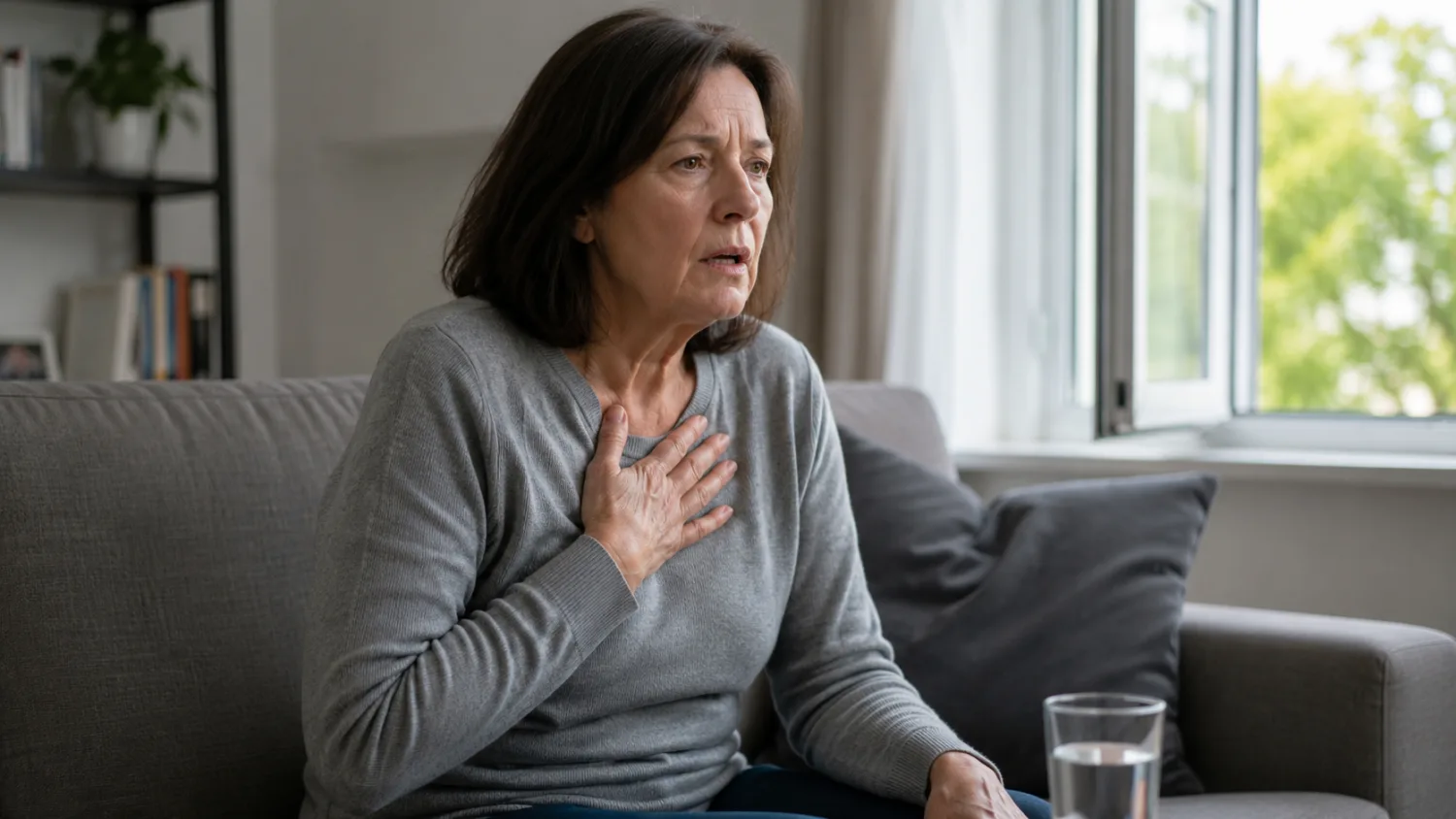
Shortness of breath can be frightening. It may feel like you cannot get enough air, cannot take a deep breath, are breathing faster than usual, or become unusually breathless doing normal activities. Some people describe it as tightness, air hunger, chest heaviness, wheezing, or feeling unable to speak in full sentences.
Everyone gets out of breath after heavy exercise, rushing upstairs or carrying something heavy. But breathlessness that is new, sudden, severe, worsening, happening at rest, or linked with chest pain, blue lips, confusion or fainting can be a medical emergency.
This guide explains common causes of shortness of breath in adults, what symptoms to watch for, when to contact a GP or NHS 111, and when to call 999.
Call 999 now if you have severe difficulty breathing, are gasping or choking, cannot get words out, have chest tightness or heaviness, pain spreading to your arm, back, neck or jaw, blue/grey/pale lips or skin, sudden confusion, collapse, or you feel seriously unwell.
What does shortness of breath mean?
Shortness of breath means breathing feels harder than normal. The medical word is dyspnoea. It can come on suddenly over minutes or hours, or develop gradually over weeks, months or years.
It can happen because of a problem with the lungs, heart, blood, circulation, muscles, nervous system, weight, fitness, anxiety, infection or a combination of factors. Sometimes breathlessness is temporary and linked with a clear trigger, such as a chest infection. In other cases, it is a sign of an underlying condition that needs investigation.
NHS guidance explains that shortness of breath can have many causes and that sudden or severe breathlessness needs urgent attention. You can read official NHS advice on shortness of breath.
When shortness of breath is normal
It is normal to breathe faster or feel out of breath during physical effort. For example, you may feel breathless after running, climbing several flights of stairs, exercising, carrying heavy bags, or walking quickly uphill.
This type of breathlessness usually:
- has an obvious trigger
- improves quickly with rest
- does not come with chest pain, fainting or blue lips
- does not feel dramatically worse than expected
- does not keep happening at rest
However, if you are becoming breathless doing activities that used to be easy, or your exercise tolerance has noticeably changed, it is worth getting checked.
When to call 999 for shortness of breath
Call 999 or go to A&E immediately if shortness of breath is severe, sudden, or comes with emergency warning signs.
Call 999 if you or someone else has:
- severe difficulty breathing
- gasping, choking or struggling to speak
- breathlessness at rest that is not settling
- chest tightness, heaviness, pressure or squeezing
- pain spreading to the arm, back, neck, jaw or shoulder
- blue, grey, pale or blotchy lips, skin or tongue
- sudden confusion
- collapse or fainting
- severe wheezing or an asthma attack not improving with usual treatment
- swelling of the lips, tongue, throat or face
- coughing up a lot of blood
- severe breathlessness after injury
- signs of stroke, such as face drooping, arm weakness or speech problems
On brown or black skin, blue or grey colour changes may be easier to see on the lips, tongue, gums, inside the eyelids, palms or soles.
Shortness of breath with chest pain
Shortness of breath with chest pain can be serious. It may be caused by a heart attack, angina, blood clot in the lung, pneumonia, collapsed lung, severe asthma, panic attack or other conditions.
Call 999 if chest pain feels tight, heavy, squeezing or crushing, or if it spreads to the arm, back, neck or jaw. Also call 999 if chest pain comes with sweating, nausea, vomiting, fainting, severe breathlessness, or a feeling of impending doom.
For more detail, see our guide to Chest Pain: When to Worry.
Shortness of breath with palpitations
Palpitations are feelings of a racing, fluttering, pounding or irregular heartbeat. They can happen with anxiety, caffeine, dehydration, fever, thyroid problems, anaemia, heart rhythm problems and other causes.
Shortness of breath with palpitations should be taken seriously if it is new, severe, prolonged, or comes with chest pain, fainting, dizziness or a known heart condition.
Seek urgent advice if you feel suddenly more breathless than usual and your heart feels like it is racing, skipping beats or beating irregularly. Call 999 if you have severe breathlessness, chest pain, collapse or severe weakness.
Related guides include Heart Palpitations: Causes and When to See a Doctor, ECG Results Explained and Atrial Fibrillation and Stroke Risk.
Common causes of shortness of breath
Shortness of breath has many possible causes. Some are temporary and improve quickly. Others need medical assessment and treatment.
Common causes include:
- viral infections, including colds, flu or COVID-like illness
- chest infections or pneumonia
- asthma
- COPD or other long-term lung conditions
- hay fever or allergy-related wheeze
- anxiety or panic attacks
- anaemia or low iron
- heart rhythm problems
- heart failure
- blood clot in the lung
- being very unfit or deconditioned
- obesity
- pregnancy
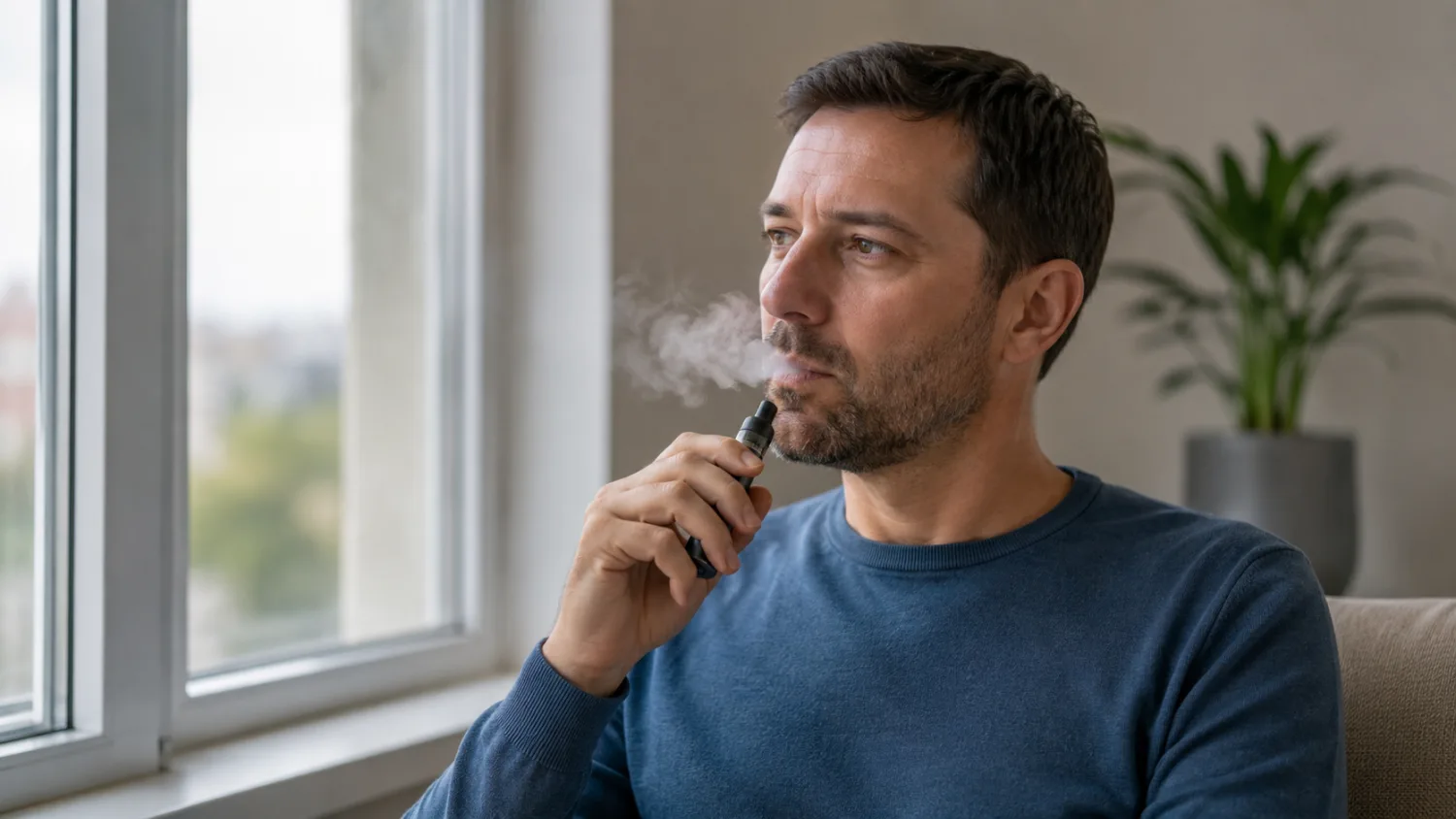
- smoking or vaping-related irritation
- acid reflux, which can trigger cough or throat irritation
- heat illness or dehydration
NHS England’s adult breathlessness pathway notes that chronic persistent breathlessness is often multi-factorial, meaning there may be more than one reason rather than a single diagnosis.
Sudden shortness of breath
Sudden breathlessness should be taken more seriously than mild breathlessness that develops slowly and has an obvious explanation. Sudden unexpected breathlessness may be caused by asthma, an allergic reaction, heart problems, a blood clot, pneumonia, panic attack, choking, a collapsed lung or another urgent condition.
Call 999 if sudden breathlessness is severe, happens at rest, or comes with chest pain, blue lips, confusion, fainting, severe wheezing, coughing blood, or swelling of the lips, face or throat.
Use NHS 111 if breathlessness is new or concerning but not immediately life-threatening and you are unsure what to do. You can use NHS 111 online in England or call 111.
Breathlessness that develops gradually
Gradual breathlessness can be easier to ignore because people often adapt their activities without realising. You may walk more slowly, avoid stairs, stop exercising, or sit down more often.
Gradual breathlessness may be linked with:
- asthma or COPD
- smoking-related lung disease
- heart failure
- anaemia
- being less active or deconditioned
- weight gain
- long COVID or post-viral symptoms
- thyroid problems
- lung scarring or other long-term lung conditions
See a GP if your breathlessness is getting worse, limiting normal activity, happening with swollen ankles, worse when lying flat, or linked with a cough lasting 3 weeks or more.
Shortness of breath with cough or fever
Breathlessness with cough, fever, chills, chest discomfort, fatigue or coughing up phlegm may suggest a chest infection, flu, COVID, pneumonia or another respiratory illness.
Get medical advice if you have:
- shortness of breath that is new or worsening
- fever that is high, persistent or worsening
- chest pain when breathing or coughing
- coughing up blood
- confusion or severe drowsiness
- blue, grey or pale lips or skin
- a long-term lung condition
- a weakened immune system
- symptoms that are getting worse rather than better
Read more in Cough in Adults: Causes, Red Flags and When to See a GP and Fever in Adults: What Temperature Means and When to Worry.
Asthma and wheezing
Asthma can cause shortness of breath, wheezing, chest tightness and coughing. Symptoms may be triggered by viral infections, exercise, cold air, pollen, dust, pets, smoke, pollution or stress.
An asthma attack can become serious quickly. If you have asthma, follow your personal asthma action plan if you have one.
Call 999 if:
- your reliever inhaler is not helping
- you are too breathless to speak, eat or drink normally
- your breathing is getting worse
- you are exhausted from breathing
- your lips or skin look blue, grey or very pale
- you feel faint, confused or drowsy
If wheezing is a common symptom for you but you do not have a diagnosis, arrange a GP appointment. You may need breathing tests such as spirometry. See Spirometry Results Explained for more detail.
COPD and long-term lung conditions
COPD, bronchiectasis, pulmonary fibrosis and other lung conditions can cause ongoing breathlessness. Symptoms may worsen during infections, cold weather, pollution or flare-ups.
Seek medical advice if your usual breathlessness becomes worse, you need your reliever medication more often, your phlegm changes colour or amount, you have fever, chest pain, confusion, blue lips, or you cannot manage normal activities.
People with long-term lung conditions should follow their care plan and seek help early when symptoms change.
Heart-related shortness of breath
Heart conditions can cause breathlessness because the heart is not pumping blood as effectively as it should, or because the rhythm is abnormal. Breathlessness may happen during activity, at rest, when lying flat, or at night.
Heart-related warning signs include:
- breathlessness with chest tightness or heaviness
- breathlessness that is worse when lying down
- waking at night gasping for air
- swollen ankles or legs
- rapid weight gain from fluid
- palpitations or irregular heartbeat
- dizziness or fainting
- unusual fatigue
Call 999 for severe breathlessness with chest pain, collapse, blue lips, severe weakness or symptoms of a heart attack. Contact a GP or NHS 111 if breathlessness is new, worsening, or linked with swollen ankles or difficulty lying flat.
Related guides include High Blood Pressure: Symptoms, Causes and Treatment, Cardiovascular Risk and Swollen Legs and Ankles.
Blood clot in the lung: pulmonary embolism
A pulmonary embolism is a blood clot in the lung. It can be life-threatening and needs urgent medical attention.
Possible warning signs include:
- sudden shortness of breath
- sharp chest pain, often worse when breathing in
- coughing up blood
- fast heartbeat
- fainting or feeling faint
- pain, swelling or tenderness in one calf or thigh
- breathlessness after surgery, long travel or a period of immobility
Call 999 if you have sudden breathlessness with chest pain, coughing blood, fainting, or symptoms that suggest a blood clot.
Anxiety and panic attacks
Anxiety and panic attacks can cause intense breathlessness, chest tightness, tingling, trembling, sweating, dizziness, nausea and a racing heartbeat. It can feel very similar to a physical emergency, especially the first time it happens.
Panic-related breathlessness often peaks within minutes and may happen with a feeling of fear or doom. However, do not assume breathlessness is anxiety if it is new, severe, or different from previous panic attacks.
Seek urgent help if you have chest pain, fainting, blue lips, severe breathlessness, a known heart or lung condition, or symptoms that do not settle.
If anxiety is a recurring issue, see Mental Health Support Options in the UK and How to Access Mental Health Services in the UK.
Anaemia and low iron
Anaemia means the blood cannot carry oxygen as effectively as usual. It can cause breathlessness, fatigue, dizziness, palpitations, headaches, pale skin, chest discomfort or reduced exercise tolerance.
Low iron is a common cause of anaemia, especially in people with heavy periods, digestive blood loss, low dietary iron or certain medical conditions.
Breathlessness from anaemia usually develops gradually, but it can still be significant. Speak to a GP if you are breathless with fatigue, dizziness, palpitations, heavy periods, blood in stool, black stools, unexplained weight loss or persistent tiredness.
Related guides include Full Blood Count Results Explained, Iron, Ferritin and Anaemia Blood Test Results Explained and Fatigue: Why Am I Always Tired?.
Allergic reactions and anaphylaxis
An allergic reaction can cause hives, itching, swelling, wheezing or breathlessness. A severe allergic reaction, called anaphylaxis, can be life-threatening.
Call 999 if breathlessness comes with:
- swelling of the lips, tongue, throat or face
- wheezing or noisy breathing
- difficulty swallowing
- throat tightness
- hives or widespread rash
- dizziness or collapse
- confusion
If the person has an adrenaline auto-injector, help them use it as instructed while waiting for emergency help.
You may also find Rash in Adults: Common Causes and When to Seek Urgent Help and Insect Bites and Stings useful.
Shortness of breath in hot weather
Hot weather can make breathlessness worse, especially for people with heart or lung conditions. Heat can also contribute to dehydration, dizziness, exhaustion and faster breathing.
If you feel breathless in hot weather, move somewhere cooler, rest, sip fluids if safe, and loosen tight clothing. Seek urgent help if breathlessness is severe, you are confused, fainting, very hot, not sweating despite heat, or not improving after cooling measures.
Read Heat Exhaustion and Heatstroke and Dehydration Symptoms in Adults and Children.
Shortness of breath when lying down
Breathlessness that is worse when lying flat can be linked with heart failure, fluid overload, obesity, reflux, anxiety, asthma or sleep-related breathing problems. Waking at night gasping for air is particularly important to get checked.
See a GP if you need extra pillows to breathe comfortably, wake up breathless, have swollen ankles, or your breathlessness is getting worse.
If snoring, pauses in breathing or daytime sleepiness are also present, see Snoring and Sleep Apnoea: The Complete UK Guide.
Shortness of breath with swollen ankles
Breathlessness with swollen ankles or legs can be a sign of fluid retention. This may happen with heart failure, kidney problems, liver problems, some medicines, venous circulation problems or other conditions.
Seek medical advice if breathlessness and swelling are new, worsening, or linked with chest pain, reduced urination, rapid weight gain, dizziness, or difficulty lying flat.
Read more in Swollen Legs and Ankles: Veins, Heart, Kidneys, Medicines or Something Else? and Kidney Blood Test Results Explained.
What can you do if you feel mildly breathless?
If breathlessness is mild, expected, and not linked with emergency symptoms, you can stop, rest and monitor how you feel. Do not push through unexplained breathlessness.
Helpful steps may include:
- sit upright
- loosen tight clothing
- try to slow your breathing
- rest your arms on a table or your knees
- use your prescribed inhaler if you have one
- move away from smoke, pollen, fumes or heat if they are triggers
- sip water if you are thirsty and can swallow safely
- seek advice if symptoms do not settle
If you have a known lung or heart condition, follow your care plan. If your symptoms are different from usual or your usual medicines are not helping, seek medical advice.
Breathing techniques that may help mild breathlessness
For mild breathlessness without emergency symptoms, some people find breathing techniques helpful. These are not a replacement for urgent care when symptoms are severe.
One common technique is pursed-lip breathing:
- breathe in gently through your nose
- purse your lips as if blowing out a candle
- breathe out slowly and steadily
- repeat until breathing feels more controlled
Another helpful position is sitting upright with your feet on the floor, leaning slightly forward and resting your elbows on your knees or a table. This can help the breathing muscles work more efficiently.
If breathlessness is new, worsening or unexplained, arrange medical assessment even if breathing techniques help temporarily.
When to contact a GP or NHS 111
Contact a GP, out-of-hours service or NHS 111 if:
- shortness of breath is new and unexplained
- you are getting breathless doing normal activities
- breathlessness is gradually getting worse
- you are breathless when lying down
- you wake up breathless at night
- you have swollen ankles or legs
- you have a cough lasting 3 weeks or more
- you have wheezing that keeps returning
- you have fever, chest discomfort or coughing up phlegm
- you feel dizzy, weak or unusually tired
- you have palpitations with breathlessness
- you have a long-term lung, heart or kidney condition
- you are pregnant and breathless in a way that concerns you
- you are unsure what to do
Use NHS 111 online in England if you need urgent advice but it is not a 999 emergency.
If you need help arranging care, see How to Get a GP Appointment Quickly in the UK.
What tests might a GP arrange?
The tests depend on your symptoms, medical history and examination. A GP may check your oxygen levels, pulse, blood pressure, temperature, chest sounds and legs for swelling.
Possible tests include:
- pulse oximetry to check oxygen levels
- peak flow or spirometry
- ECG to check heart rhythm
- blood tests, such as full blood count, iron, thyroid, kidney and inflammation markers
- chest X-ray
- urine test
- referral for heart or lung tests if needed
Related guides include How to Understand Medical Test Results, How to Understand Blood Test Results, ECG Results Explained and Spirometry Results Explained.
How to describe breathlessness clearly
If you speak to a clinician, try to describe the breathlessness as clearly as possible. This can help them decide how urgent it is and what tests may be needed.
Useful details include:
- when it started
- whether it came on suddenly or gradually
- whether it happens at rest, during activity or when lying down
- whether you can speak full sentences
- whether you have chest pain, cough, fever or wheezing
- whether you have palpitations, dizziness or fainting
- whether your ankles or legs are swollen
- whether you have coughed up blood
- whether you recently travelled, had surgery or were immobile
- whether you smoke or vape
- whether you have asthma, COPD, heart disease, anaemia or anxiety
- whether any inhaler or medicine has helped
Frequently asked questions about shortness of breath
When should I call 999 for shortness of breath?
Call 999 if breathlessness is severe, sudden, happening at rest, or you are gasping, choking or unable to speak normally. Also call 999 if it comes with chest tightness, pain spreading to the arm, back, neck or jaw, blue or grey lips, confusion, collapse, severe wheezing, swelling of the throat or face, or coughing up blood.
Can anxiety cause shortness of breath?
Yes. Anxiety and panic attacks can cause breathlessness, chest tightness, palpitations, tingling, dizziness and sweating. However, do not assume breathlessness is anxiety if it is new, severe, different from usual, or linked with chest pain, fainting, blue lips or a known heart or lung condition.
Can acid reflux cause shortness of breath?
Acid reflux can irritate the throat and airways and may trigger cough, throat clearing, chest discomfort or a sensation of breathing difficulty in some people. However, true breathlessness should not be blamed on reflux without considering heart, lung and other causes. See a GP if it is persistent or worsening.
Why am I short of breath when walking upstairs?
Breathlessness on stairs can happen because of low fitness, weight gain, asthma, anaemia, lung disease, heart problems or anxiety. If this is new, worsening or much worse than expected, arrange a GP appointment.
What does shortness of breath from heart problems feel like?
Heart-related breathlessness may happen with activity, when lying flat, or at night. It may come with chest tightness, palpitations, swollen ankles, fatigue, dizziness or rapid weight gain from fluid. Call 999 if breathlessness comes with severe chest pain, collapse or heart attack symptoms.
Can low iron cause shortness of breath?
Yes. Low iron and anaemia can reduce the blood’s ability to carry oxygen, causing breathlessness, fatigue, dizziness, palpitations and headaches. A GP may arrange a full blood count and iron tests if anaemia is suspected.
Can shortness of breath be caused by dehydration?
Dehydration can make you feel weak, dizzy, faint, hot, thirsty and generally unwell. It can also worsen palpitations or breathlessness in some people, especially during fever, vomiting, diarrhoea or heat. Severe breathlessness still needs urgent assessment.
Should I use an inhaler if I am short of breath?
If you have been prescribed an inhaler for asthma or another lung condition, use it according to your care plan. If it is not helping, symptoms are worsening, or you are too breathless to speak, call 999. Do not use someone else’s inhaler unless emergency services advise it.
Is shortness of breath after COVID normal?
Some people have ongoing breathlessness after COVID or another viral infection. However, breathlessness that is severe, worsening, linked with chest pain, fainting, coughing blood, or low oxygen levels needs urgent medical advice. Persistent breathlessness should be assessed by a GP.
Can being unfit cause shortness of breath?
Yes, low fitness or deconditioning can make activity feel harder. But new or worsening breathlessness should not automatically be dismissed as being unfit, especially if it is limiting normal activities or linked with other symptoms.
Final thoughts
Shortness of breath can have many causes, from viral infections, asthma and anxiety to heart problems, anaemia, blood clots and serious lung conditions. The most important question is whether it is sudden, severe, worsening, happening at rest, or linked with emergency warning signs.
Call 999 if you are struggling to breathe, cannot speak normally, have chest heaviness, blue or grey lips, sudden confusion, collapse, severe wheezing, throat swelling or coughing blood. Contact a GP or NHS 111 if breathlessness is new, persistent, worsening, affecting normal activities, worse when lying down, or linked with swollen ankles, fever, cough or palpitations.
For official guidance, see the NHS page on shortness of breath, NHS advice on when to call 999, and NHS 111 online for urgent symptom advice.
This article is for general information only and should not replace medical advice. If you are worried about your symptoms or someone else’s, contact NHS 111, your GP, or call 999 in an emergency.