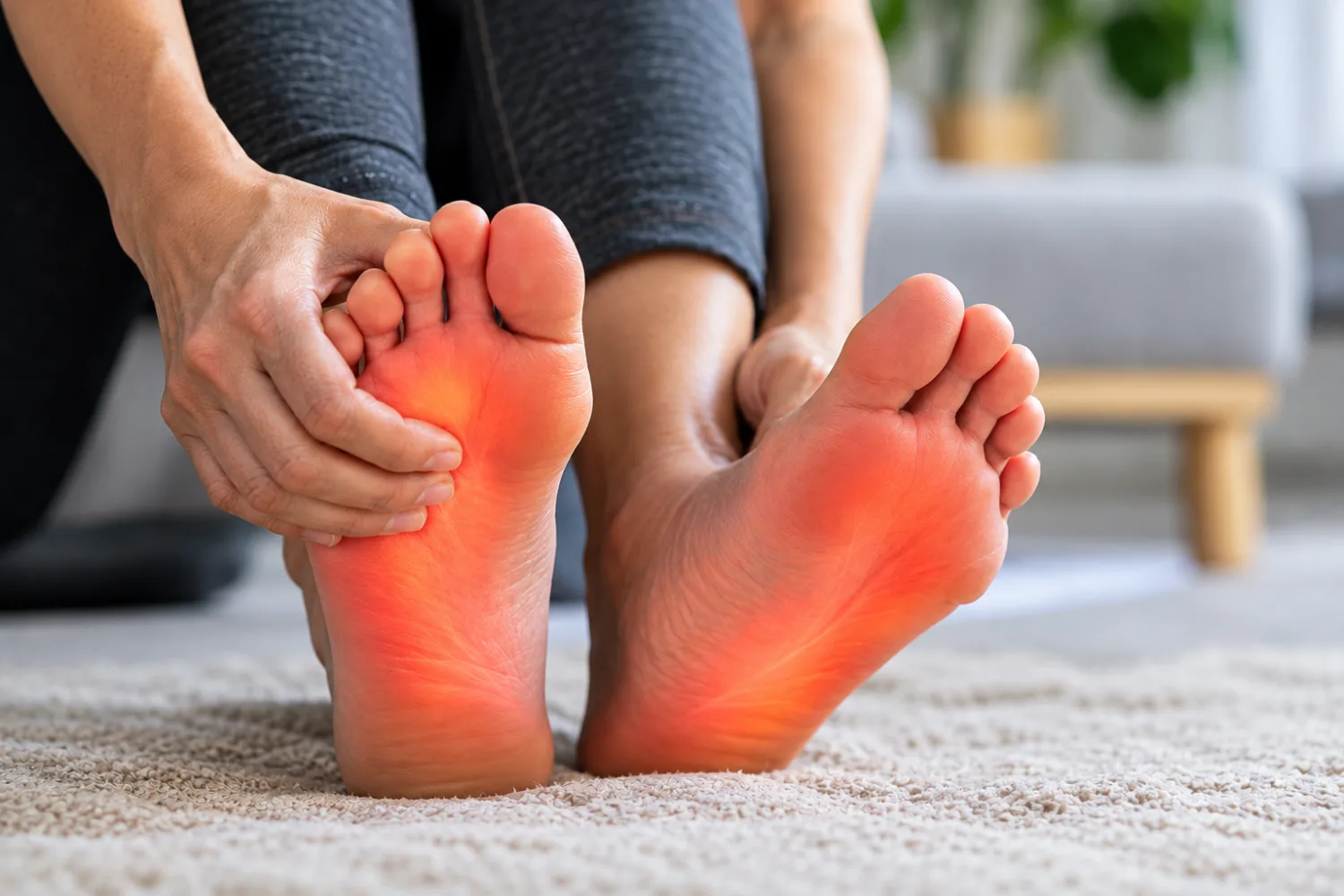
Swollen legs and ankles are common, especially after a long day on your feet, hot weather, travel, pregnancy or sitting still for too long. Sometimes the swelling is mild, temporary and settles with movement, rest and elevating the legs.
But leg and ankle swelling can also be a clue that something else is going on. It may be related to veins, lymph drainage, medicines, injury, infection, heart failure, kidney disease, liver disease, blood clots, hormones or reduced mobility. The important question is not just “are my ankles swollen?” but how the swelling started, whether it affects one leg or both, and what other symptoms are present.
This guide explains the common causes of swollen legs, ankles and feet, how to tell when it might be veins, heart, kidneys, medicines or something else, what red flags to watch for, and when to seek urgent medical help.
Important: this article is for general information only and should not replace medical advice. If swelling is sudden, painful, one-sided, associated with chest pain or breathlessness, or you feel very unwell, seek urgent help.
What is oedema?
Swelling caused by fluid build-up is called oedema. It happens when fluid collects in the tissues under the skin. In the legs, this is often most noticeable around the ankles, feet and lower legs because gravity encourages fluid to settle there.
Oedema can be soft and leave a dent when pressed, known as pitting oedema. Or it can feel firmer and less easy to indent, which may happen with some forms of lymphoedema or long-standing swelling. The skin may look stretched, shiny, tight, dry, discoloured or fragile. Shoes, socks or rings around the ankles may feel tighter than usual.
The NHS notes that swelling in the ankles, feet or legs often goes away on its own, but medical advice is needed if it does not improve, you do not know what is causing it, or there are other symptoms. You can read the official NHS overview here: NHS guidance on oedema.
When swollen legs or ankles may be urgent
Some leg swelling needs urgent assessment because it can be linked with a blood clot, serious infection, heart failure, kidney problems or another acute illness.
Call 999 or go to A&E now if leg swelling comes with:
- chest pain, chest tightness or pain spreading to the arm, back, neck or jaw
- new or severe shortness of breath
- breathlessness when lying flat or waking at night gasping for air
- coughing up blood
- fainting, collapse or severe dizziness
- one swollen, painful calf with sudden breathlessness or chest pain
- confusion, blue lips or severe weakness
These symptoms may suggest a serious heart or lung problem, including a pulmonary embolism, which is when a blood clot travels to the lungs. Mayo Clinic also highlights chest pain, difficulty breathing, shortness of breath when active or lying flat, fainting or dizziness, and coughing blood as emergency warning signs when leg swelling is present. Mayo Clinic: when leg swelling needs urgent help.
You should also seek same-day medical advice if one leg becomes suddenly swollen, red, hot, painful or tender, especially in the calf, or if you have a fever, rapidly spreading redness or feel very unwell.
One leg swollen or both legs swollen: why this matters
One of the most useful clues is whether the swelling affects one leg or both legs.
One-sided swelling is more likely to be caused by a local problem in that leg, such as an injury, infection, a blood clot, varicose veins, lymphoedema, a Baker’s cyst, or a problem with veins or lymph drainage on that side.
Both-sided swelling is more likely to be related to a whole-body issue, such as fluid retention from heart failure, kidney disease, liver disease, medicines, pregnancy, hormonal changes, being less mobile, obesity, long periods of sitting or standing, or chronic venous insufficiency affecting both legs.
That said, there are exceptions. A whole-body condition may look worse in one leg if that leg already has vein damage, previous injury or lymph drainage problems. A local problem may also become bilateral over time. The pattern gives clues, but it does not make the diagnosis on its own.
Common causes of swollen legs and ankles
1. Standing or sitting for a long time
One of the simplest causes of ankle swelling is gravity. When you stand or sit for long periods, fluid can collect in the lower legs and ankles. This may happen after a long shift, a day of travel, sitting at a desk, a long car journey, a flight, or reduced movement after illness.
This swelling is usually mild, affects both ankles, improves overnight, and is not associated with severe pain, redness, breathlessness or feeling unwell. Moving the ankles, walking regularly and elevating the legs can help.
However, swelling after travel should not automatically be dismissed, especially if one calf becomes painful, red, hot or much more swollen than the other. Long periods of immobility can increase the risk of deep vein thrombosis in some people.
2. Heat-related swelling
Hot weather can make the blood vessels widen and can increase swelling around the feet and ankles. This is often worse at the end of the day and may affect both legs. People who are older, pregnant, overweight, less mobile or taking certain medicines may notice it more.
If swelling happens during hot weather, also watch for signs of dehydration or heat illness, such as dizziness, headache, thirst, dark urine, weakness, cramps, nausea or confusion. Our guides to dehydration symptoms and heat exhaustion and heatstroke explain when heat-related symptoms need urgent help.
3. Varicose veins and venous insufficiency
Veins carry blood from the legs back to the heart. They contain one-way valves that help stop blood flowing backwards. If these valves weaken, blood can pool in the legs, causing pressure, aching, heaviness, visible varicose veins and swelling around the ankles.
This is called chronic venous insufficiency. It often gets worse during the day and improves when the legs are elevated. People may notice aching, throbbing, itching, brownish skin changes around the ankles, eczema-like patches, or skin that becomes fragile over time.
Venous swelling can be more than cosmetic. Long-standing venous disease can increase the risk of skin damage and leg ulcers. If you have persistent swelling, skin discolouration, itching, wounds or varicose veins with symptoms, it is worth asking a GP, nurse or vascular specialist for assessment.
4. Deep vein thrombosis
A deep vein thrombosis, or DVT, is a blood clot in a deep vein, usually in the leg. It can cause swelling, pain, tenderness, warmth, redness or a heavy aching feeling, often in one calf or thigh. Sometimes symptoms are subtle. Sometimes there may be no obvious trigger.
DVT matters because part of the clot can break off and travel to the lungs, causing a pulmonary embolism. This can be life-threatening.
Risk factors include recent surgery, hospital admission, pregnancy, the weeks after giving birth, some hormonal treatments, cancer, previous clots, long-distance travel, immobility, smoking, obesity, older age and some clotting disorders.
Seek urgent medical advice if one leg becomes swollen and painful, especially if it is red, warm or tender. Call 999 if this is associated with chest pain, breathlessness, coughing blood, fainting or collapse.
5. Heart failure
Heart failure does not mean the heart has stopped. It means the heart is not pumping as effectively as the body needs. This can cause fluid to build up, including in the ankles, feet, legs, abdomen or lungs.
Swelling from heart failure often affects both legs. It may be associated with breathlessness, reduced exercise tolerance, fatigue, waking at night short of breath, needing extra pillows to sleep, a persistent cough, rapid weight gain from fluid, or palpitations.
The British Heart Foundation explains that swollen legs, ankles and feet can be linked with circulation problems and may also reflect problems with the kidneys or liver; swelling with breathlessness or chest pain can be more urgent. British Heart Foundation: swollen ankles and feet.
If swelling is linked with breathlessness, chest pain, fainting or being unable to lie flat comfortably, seek urgent medical help. Related AllHealth guides include high blood pressure, heart palpitations, ECG results explained and cardiovascular risk.
6. Kidney disease
The kidneys help regulate salt, water and waste products in the body. If kidney function is reduced, the body may retain fluid, leading to swelling in the legs, ankles, feet, hands or around the eyes. Kidney-related swelling may come with changes in urination, frothy urine, blood in the urine, tiredness, high blood pressure, nausea or itching, although early kidney disease may cause few symptoms.
Swelling alone does not mean you have kidney disease. But persistent swelling, especially with high blood pressure, diabetes, abnormal urine tests or abnormal blood tests, should be checked.
Useful related guides include kidney blood test results explained, urine test results explained, HbA1c and blood sugar results and home blood pressure monitoring.
7. Liver disease
The liver makes proteins that help keep fluid inside the bloodstream. Advanced liver disease can lower these proteins and increase pressure in the blood vessels around the liver, leading to swelling in the legs and fluid build-up in the abdomen, known as ascites.
Possible associated symptoms include yellowing of the skin or eyes, easy bruising, itching, fatigue, dark urine, pale stools, abdominal swelling, loss of appetite or confusion. Liver disease can be related to alcohol, viral hepatitis, fatty liver disease, autoimmune conditions, medicines or other causes.
If you have leg swelling with jaundice, abdominal swelling, confusion, vomiting blood or black stools, seek urgent medical advice. For background, see our guide to liver function test results explained.
8. Medicines
Medicines are a common and sometimes overlooked cause of swollen ankles. Swelling may begin after starting a new medicine, increasing the dose, or combining medicines that affect fluid balance or blood vessel tone.
Medicines that can contribute to ankle swelling include some blood pressure tablets, especially calcium channel blockers such as amlodipine, some anti-inflammatory painkillers, steroids, hormones, some diabetes medicines, some antidepressants, gabapentin or pregabalin, and some medicines used in cancer treatment.
Do not stop prescribed medication suddenly without medical advice. If swelling began after a medication change, speak to a pharmacist, GP or prescriber. Often there are options, such as dose adjustment, switching medicines or checking for another cause.
9. Pregnancy
Mild swelling in the feet and ankles is common during pregnancy, especially later on, because the body holds more fluid and the growing womb can slow blood return from the legs. It is often worse at the end of the day or in hot weather.
However, sudden or severe swelling in pregnancy can be more concerning, especially if it affects the face or hands or comes with headache, visual symptoms, upper abdominal pain, vomiting, high blood pressure or feeling very unwell. These can be warning signs of pre-eclampsia.
Pregnancy also increases the risk of blood clots. One swollen painful calf, chest pain or breathlessness should be assessed urgently.
10. Injury, sprain or fracture
Swelling in one ankle, foot or leg may follow an injury such as a sprain, strain, fracture, tendon injury or soft-tissue trauma. There may be pain, bruising, reduced movement or difficulty putting weight on the foot.
Seek medical advice if you cannot walk, the pain is severe, there is deformity, numbness, a wound, worsening swelling, or symptoms do not improve as expected.
11. Infection and cellulitis
Cellulitis is a bacterial infection of the deeper layers of the skin. It can cause redness, warmth, swelling, pain, tenderness, fever, chills or feeling generally unwell. It often affects one leg and may spread quickly.
Cellulitis is more likely if there is a break in the skin, athlete’s foot, eczema, a leg ulcer, lymphoedema, diabetes, reduced immunity or poor circulation.
Red, hot, painful swelling that is spreading or associated with fever should be assessed promptly because antibiotics may be needed.
12. Lymphoedema
Lymphoedema is swelling caused by a problem with lymph drainage. The lymph system helps remove excess fluid from tissues. If it is damaged, blocked or underdeveloped, fluid can build up, often in an arm or leg.
Lymphoedema may develop after cancer surgery, radiotherapy, infection, injury, obesity or venous disease, or it may occur without an obvious cause. The swelling may feel heavy, tight or uncomfortable. Over time the skin may thicken, become firmer or be more prone to infection.
The NHS advises seeing a GP if you have typical symptoms of lymphoedema, such as swelling in the arms or legs, because referral to a specialist lymphoedema service may be needed. NHS lymphoedema guidance.
13. Obesity and reduced mobility
Carrying excess weight can increase pressure in the veins and lymph system, making leg swelling more likely. Reduced mobility can also contribute because calf muscle movement helps pump blood and fluid back towards the heart.
This can create a cycle: swelling makes movement harder, less movement worsens swelling, and the skin becomes more vulnerable. Gentle regular movement, calf exercises, weight management, skin care and appropriate compression may help, but persistent swelling should still be assessed for underlying causes.
14. Thyroid disease
Thyroid problems can sometimes contribute to swelling. Underactive thyroid may cause puffiness, weight gain, fatigue, dry skin, constipation, low mood, feeling cold and muscle aches. The swelling may not always behave like ordinary fluid swelling and may be associated with other thyroid symptoms.
If thyroid disease is suspected, blood tests can help. See our guides to thyroid blood test results and levothyroxine explained.
What does pitting oedema mean?
Pitting oedema means that if you press a swollen area with a finger for several seconds, it leaves a dent that slowly fills back in. This often suggests fluid accumulation in the tissues. It can occur with venous insufficiency, heart failure, kidney disease, liver disease, medicines, pregnancy and immobility.
Non-pitting swelling can occur with lymphoedema, long-standing oedema, thyroid-related swelling and some inflammatory or fatty tissue conditions. However, the distinction is not perfect. A clinician will look at the full picture, including skin changes, pain, distribution, medical history and other symptoms.
Swelling with skin changes
The skin over swollen legs can give important clues. Brown staining around the ankles, dry itchy skin, varicose veins and ankle eczema can point towards venous disease. Red, hot, tender skin may suggest cellulitis or inflammation. Thickened, tight or hardened skin may occur with long-standing lymphoedema or chronic oedema.
Any open sore, weeping skin, ulcer, blistering, spreading redness or rapidly worsening swelling should be assessed. Swollen skin is more fragile and more likely to break down, especially if circulation is poor or there is diabetes.
What tests might be needed?
Tests depend on the pattern of swelling and associated symptoms. A clinician may ask about when the swelling started, whether it affects one leg or both, medicines, travel, surgery, pregnancy, previous blood clots, heart symptoms, kidney problems, liver disease, varicose veins, infections, injuries and changes in weight or urination.
They may check:
- blood pressure, pulse and oxygen levels
- heart and lung examination
- leg measurements and whether swelling is pitting or non-pitting
- skin colour, temperature, tenderness, wounds and varicose veins
- foot pulses and circulation
- urine for protein or blood
- blood tests for kidney, liver, thyroid, inflammation, blood count or heart strain
- ECG if heart rhythm or heart disease is suspected
- ultrasound scan of the leg veins if DVT or venous disease is suspected
A medical review may also include checking whether medicines are contributing. Our guides to full blood count results, kidney blood tests, liver function tests, thyroid blood tests and ECG results may help you understand common investigations.
What can help swollen ankles at home?
If swelling is mild, affects both ankles, has an obvious trigger such as heat or standing, and there are no red flags, simple measures may help.
- raise your legs when resting, ideally so the ankles are above the level of the heart if comfortable
- move regularly and avoid sitting or standing still for long periods
- do ankle circles, calf raises and gentle walking to activate the calf muscles
- drink enough fluid, especially in hot weather
- avoid very salty meals if you are prone to fluid retention
- wear comfortable shoes and avoid tight socks that dig into the skin
- look after the skin with moisturiser if it is dry or tight
- review recent medicine changes with a pharmacist or GP
Compression socks or stockings can help some types of swelling, especially venous disease, but they are not suitable for everyone. They should be used cautiously or only with professional advice if you have peripheral arterial disease, diabetes with circulation problems, severe heart failure, severe pain, numbness, infected skin, ulcers or uncertain diagnosis.
NHS services often recommend ankle movement and regular walking for chronic leg swelling because the calf muscle pump helps move fluid. A Dorset County Hospital patient leaflet, for example, describes moving the ankles and walking little and often as useful self-care for chronic oedema. Dorset County Hospital: chronic leg oedema advice.
What not to do
Do not ignore sudden one-sided swelling, especially if the calf is painful, red, hot or tender. Do not massage a painful swollen calf if a blood clot is possible. Do not start strong compression without advice if you have poor circulation, severe pain, numbness, diabetes-related foot problems or uncertain cause of swelling.
Do not stop prescribed medicines suddenly without speaking to a clinician. If a medicine may be causing swelling, the safest approach is to ask for a review.
How treatment depends on the cause
Treatment for swollen legs is not one-size-fits-all. It depends on what is causing the swelling.
Venous insufficiency may be managed with movement, elevation, compression, skin care and sometimes vascular treatments. DVT needs urgent assessment and usually blood-thinning treatment. Heart failure may need medicines to remove excess fluid and improve heart function. Kidney or liver disease needs targeted investigation and treatment. Cellulitis usually needs antibiotics. Lymphoedema may need specialist compression, skin care, exercise and lymph drainage support. Medicine-related swelling may improve after changing the medicine under supervision.
This is why persistent swelling should not simply be treated with water tablets or compression without understanding the cause.
When to see a GP
Arrange a GP appointment if:
- swelling does not improve after a few days
- you do not know what is causing it
- swelling keeps coming back
- one leg is more swollen than the other
- the swelling is affecting walking, shoes or daily life
- there are skin changes, itching, wounds, weeping or discolouration
- you have diabetes, kidney disease, heart disease, liver disease or circulation problems
- swelling began after starting or changing a medicine
- you are pregnant and swelling is sudden, severe or associated with headache or visual symptoms
Seek urgent same-day advice if swelling is painful, red, hot, sudden, one-sided, associated with fever, or linked with shortness of breath, chest pain, fainting or coughing blood.
The bottom line
Swollen legs and ankles can happen for simple reasons such as heat, standing, sitting, travel or pregnancy. But they can also be a sign of vein disease, DVT, heart failure, kidney disease, liver disease, infection, lymphoedema or medicine side effects.
The most important clues are whether swelling affects one leg or both, whether it appeared suddenly or gradually, whether it is painful, whether the skin is red or hot, and whether there are symptoms such as breathlessness, chest pain, fever, reduced urination, jaundice or severe fatigue.
If the swelling is mild and clearly linked to standing or heat, self-care may be enough. If it is sudden, persistent, unexplained, one-sided, painful or associated with other symptoms, seek medical advice.
FAQ: swollen legs, ankles and feet
Why are my ankles swollen?
Common causes include standing or sitting for a long time, hot weather, pregnancy, varicose veins, medicines, injury, infection, heart failure, kidney disease, liver disease, lymphoedema and reduced mobility. The cause depends on the pattern and associated symptoms.
Is swelling in both ankles serious?
Not always. Both-sided ankle swelling can happen after standing, sitting, heat or travel. However, persistent or unexplained swelling in both legs can also be linked with heart, kidney, liver, thyroid, medicine-related or vein problems and should be checked if it does not settle.
Is one swollen leg more worrying than both legs?
One-sided swelling can be more concerning because it may suggest a local problem such as DVT, infection, injury, lymphoedema or vein disease. Sudden one-sided swelling, especially with calf pain, warmth, redness or tenderness, needs urgent medical advice.
When should I worry about swollen legs?
Seek urgent help if swelling comes with chest pain, breathlessness, coughing blood, fainting, severe dizziness, fever, confusion or a painful red swollen calf. You should also seek advice if swelling is sudden, persistent, unexplained, worsening or associated with skin changes.
Can heart problems cause swollen ankles?
Yes. Heart failure can cause fluid build-up in the ankles, legs, abdomen or lungs. Warning signs include breathlessness, fatigue, reduced exercise tolerance, needing extra pillows at night, waking up breathless, rapid weight gain or palpitations.
Can kidney problems cause swollen legs?
Yes. Kidney disease can cause fluid retention, sometimes with swelling in the legs, ankles, feet, hands or around the eyes. It may also be associated with high blood pressure, frothy urine, blood in the urine, tiredness or abnormal blood and urine tests.
Can medicines cause swollen ankles?
Yes. Some medicines can cause ankle swelling, including certain blood pressure tablets, anti-inflammatory painkillers, steroids, hormones, some diabetes medicines, gabapentin, pregabalin and some antidepressants. Ask a pharmacist or GP if swelling started after a medication change.
Does high blood pressure cause swollen ankles?
High blood pressure itself does not usually cause swollen ankles directly, but it can be linked with heart and kidney problems that cause swelling. Some medicines used to treat high blood pressure can also cause ankle swelling.
Can dehydration cause swollen ankles?
Dehydration more commonly causes thirst, dizziness, dark urine and headache. However, heat, salt intake, immobility and fluid balance changes can all interact. Swelling in hot weather may occur alongside dehydration symptoms, especially in older adults or people taking certain medicines.
Should I use compression socks for swollen ankles?
Compression socks can help some types of leg swelling, especially venous problems, but they are not suitable for everyone. Get advice first if you have diabetes, poor circulation, severe pain, numbness, ulcers, infection, severe heart failure or an uncertain diagnosis.
Can varicose veins cause ankle swelling?
Yes. Varicose veins and venous insufficiency can cause aching, heaviness, ankle swelling, itching, skin discolouration and sometimes leg ulcers. Symptoms are often worse after standing and better with leg elevation.
What does pitting oedema mean?
Pitting oedema means a dent remains briefly after pressing the swollen area. It suggests fluid in the tissues and can occur with venous disease, heart failure, kidney disease, liver disease, medicines, pregnancy and immobility.
Why are my feet swollen after a flight?
Sitting still for a long time can allow fluid to collect in the feet and ankles. Mild both-sided swelling after travel often settles with walking and elevation. One-sided painful calf swelling after travel should be assessed urgently because of the risk of DVT.
Can liver disease cause swollen legs?
Yes. Advanced liver disease can cause fluid retention in the legs and abdomen. Other warning signs may include jaundice, easy bruising, itching, dark urine, pale stools, abdominal swelling, confusion or vomiting blood.
What tests are done for swollen legs?
Tests depend on the suspected cause. They may include blood pressure, pulse, urine test, kidney blood tests, liver blood tests, thyroid tests, full blood count, ECG, leg vein ultrasound or heart investigations.