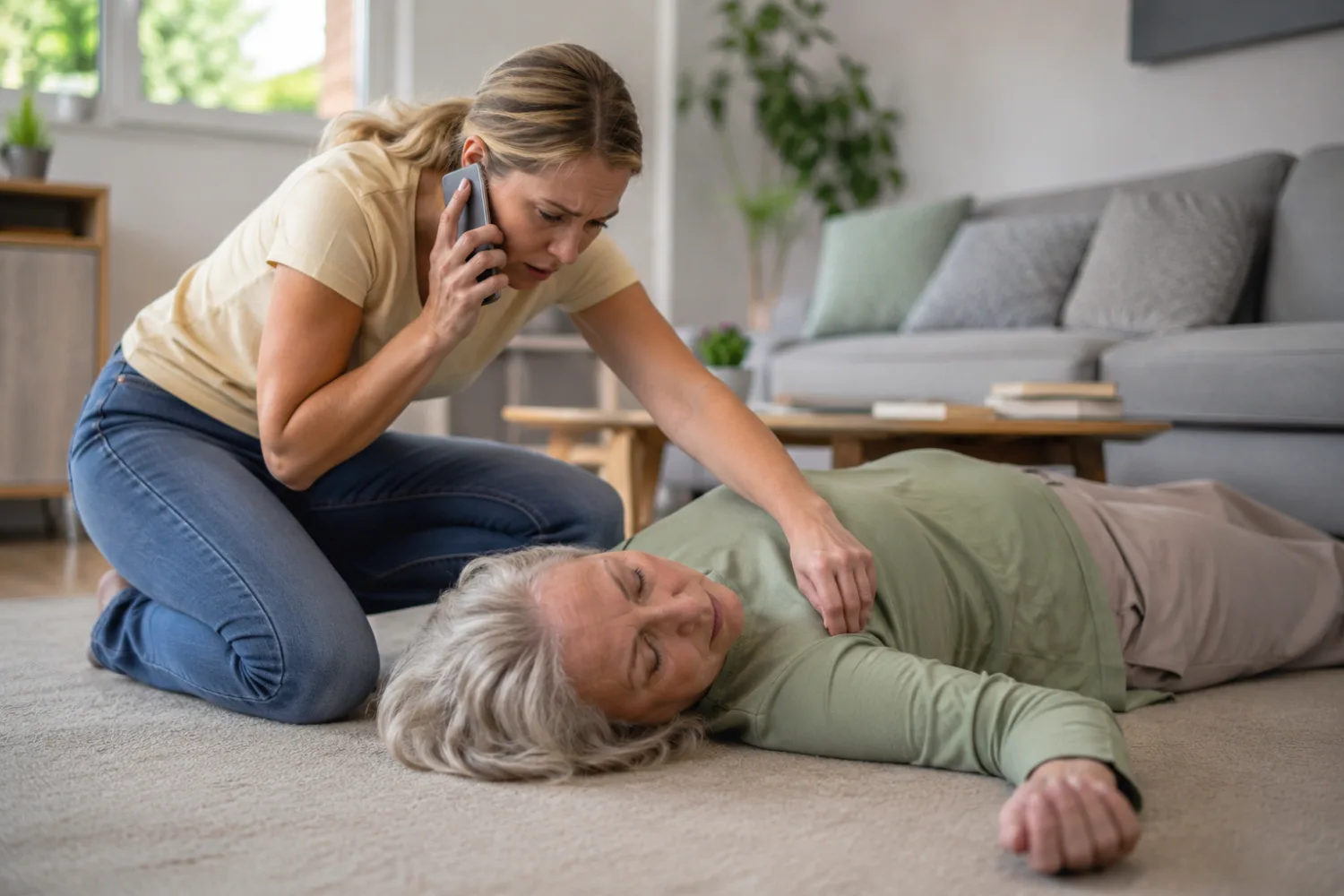
Fainting and blackouts can be frightening, whether they happen to you or someone nearby. One moment a person feels dizzy, hot, sick or “not right”; the next, they may collapse, lose awareness, or find themselves on the floor with people asking if they are okay.
Many faints are caused by a temporary drop in blood flow to the brain. This can happen with simple triggers such as standing for too long, dehydration, heat, pain, fear, seeing blood, getting up too quickly, or not eating. These episodes are often called vasovagal syncope or reflex fainting.
But not every blackout is a simple faint. Loss of consciousness can also be caused by heart rhythm problems, low blood pressure, seizures, low blood sugar, dehydration, bleeding, stroke-like conditions, medicines, alcohol, drug use, head injury or serious infection. The most important clues are what happened before the blackout, how quickly the person recovered, whether there were warning symptoms, and whether there are red flags such as chest pain, palpitations, breathlessness, injury, seizure-like movements or neurological symptoms.
This guide explains common causes of fainting and blackouts, how doctors assess them, what tests may be needed, when to call 999, and when to see a GP or specialist.
Important: this article is for general information only and should not replace medical advice. If someone is unconscious, not breathing normally, has chest pain, severe breathlessness, stroke symptoms, a seizure, or does not recover quickly, call 999.
Fainting, blackout, collapse or seizure: what do these words mean?
People use different words for similar events: fainting, passing out, blacking out, collapsing, losing consciousness, having a funny turn, or having a seizure. Medically, these words can mean different things.
Fainting, also called syncope, is a temporary loss of consciousness caused by reduced blood flow to the brain. It usually comes on quickly, the person goes limp or collapses, and recovery is usually fairly rapid once they are lying flat.
Blackout is a broader word. It simply means a temporary loss of awareness or consciousness. It may be due to fainting, but it can also be due to a seizure, heart rhythm problem, head injury, alcohol, drugs, low blood sugar or other causes.
Transient loss of consciousness, often shortened to TLoC, is the term used in NICE guidance for a blackout with complete recovery. NICE has dedicated guidance for assessing blackouts in people over 16 because the causes range from harmless to serious. You can read the professional guidance here: NICE: transient loss of consciousness in over 16s.
Seizure means abnormal electrical activity in the brain. Some seizures cause shaking or jerking, but not all do. Some faints can also cause brief jerking movements, which is why the history of the event matters.
When to call 999 after fainting or a blackout
Some faints settle quickly and do not need emergency care. But certain symptoms should be treated as urgent because they may suggest a heart problem, seizure, stroke, serious injury, breathing problem, severe infection or another emergency.
Call 999 now if someone faints or blacks out and:
- is not breathing normally
- cannot be woken within about 1 minute
- has not fully recovered or has ongoing confusion
- has difficulty speaking, facial drooping, weakness, numbness or trouble moving
- has chest pain, chest tightness or severe breathlessness
- has a pounding, fluttering or irregular heartbeat
- has seriously injured themselves, especially with a head injury
- is shaking or jerking because of a seizure or fit
- fainted during exercise
- fainted while lying down
- is pregnant and has collapsed, severe pain, bleeding or feels very unwell
- has blue lips, severe weakness, clammy skin or signs of shock
The NHS specifically advises calling 999 if someone faints and is not breathing, cannot be woken within 1 minute, has not fully recovered, has speech or movement difficulty, has chest pain or palpitations, has seriously hurt themselves, is shaking or jerking, fainted while exercising, or fainted while lying down. See the official NHS fainting guidance.
If you are unsure whether symptoms are serious, NHS 111 can help you decide what to do. But if someone is unconscious, not breathing normally, has chest pain, severe breathlessness or stroke symptoms, call 999 immediately.
What to do if someone faints
If someone faints, the first priority is safety. Help them lie flat if possible. If they have already fallen, do not move them unnecessarily if there may be a serious injury, especially a neck, back or head injury.
If they are breathing normally and there is no major injury, loosen tight clothing around the neck, keep them lying down, and raise their legs if safe. Do not crowd them. Make sure they have fresh air. Do not give food or drink until they are fully awake and able to swallow safely.
If they do not wake quickly, are not breathing normally, have chest pain, have seizure-like movements, have stroke symptoms, or are injured, call 999.
After they recover, encourage them to sit up slowly. Many people faint again if they stand too soon. They should not drive immediately after a blackout, and they may need medical advice depending on the circumstances.
What does a simple faint usually feel like?
A simple faint often has warning signs. These may include:
- feeling light-headed or dizzy
- feeling hot, sweaty or clammy
- nausea
- blurred vision or tunnel vision
- ringing in the ears
- paleness
- yawning
- feeling weak or “washed out”
- needing to sit or lie down
In a typical vasovagal faint, the person often feels symptoms building, collapses or slumps, loses consciousness briefly, and then recovers once lying flat. They may feel tired, shaky or embarrassed afterwards, but they usually return to normal fairly quickly.
Simple faints are more likely in hot environments, crowded rooms, after standing still, during dehydration, after pain, fear, needles, seeing blood, emotional shock, alcohol, illness or missed meals.
Warning signs that a blackout may not be a simple faint
A blackout is more concerning if it happens suddenly without warning, during exercise, while lying down, while driving, or with chest pain, palpitations or breathlessness. It is also more concerning if recovery is slow, there is injury, there are neurological symptoms, or there is a known heart condition.
Red flags include:
- blackout during exertion or exercise
- blackout while lying flat
- palpitations immediately before the blackout
- chest pain or breathlessness
- family history of sudden unexplained death at a young age
- known heart disease or abnormal ECG
- blackout with severe headache or stroke-like symptoms
- prolonged confusion afterwards
- repeated unexplained blackouts
- significant injury
These features do not always mean something dangerous is present, but they do mean the person needs medical assessment.
Common causes of fainting and blackouts
1. Vasovagal syncope
Vasovagal syncope is the classic “simple faint”. It happens when the nervous system briefly overreacts to a trigger, causing the heart rate and blood pressure to drop. Blood flow to the brain falls temporarily, and the person faints.
Common triggers include:
- standing still for a long time
- hot, crowded rooms
- dehydration
- pain
- fear, shock or emotional distress
- seeing blood or having a blood test
- medical procedures or needles
- alcohol
- not eating enough
Vasovagal faints are often preceded by warning symptoms such as sweating, nausea, warmth, dizziness and vision changes. Lying down quickly can sometimes prevent the faint.
2. Postural hypotension
Postural hypotension, also called orthostatic hypotension, means blood pressure drops when you stand up. This can cause dizziness, light-headedness, blurred vision, weakness, confusion or fainting.
The NHS lists low blood pressure symptoms such as light-headedness, dizziness, feeling sick, blurred vision, weakness, confusion and fainting. It also notes that symptoms when standing or suddenly changing position may suggest postural hypotension. See NHS low blood pressure guidance.
Postural hypotension can be linked to dehydration, ageing, prolonged bed rest, pregnancy, diabetes, Parkinson’s disease, heart problems, alcohol or medicines such as blood pressure tablets, diuretics, antidepressants and medicines for prostate symptoms.
3. Dehydration, heat and missed meals
Dehydration and heat can reduce circulating fluid and make fainting more likely. This is common during hot weather, exercise, fever, vomiting, diarrhoea, alcohol use or long periods without enough fluids.
Missed meals or low blood sugar can also contribute, especially if combined with heat, stress, alcohol or exertion. Symptoms may include shakiness, sweating, hunger, weakness, dizziness, headache and feeling faint.
Related AllHealth guides include dehydration symptoms in adults and children, heat exhaustion and heatstroke, and dizziness: common causes, vertigo, low blood pressure and when to worry.
4. Heart rhythm problems
Heart rhythm problems, also called arrhythmias, can cause blackouts if the heart beats too fast, too slowly or irregularly and does not pump enough blood to the brain. These blackouts can happen with little warning.
Symptoms may include palpitations, dizziness, chest discomfort, breathlessness, fainting or near-fainting. The British Heart Foundation lists palpitations, dizziness, feeling as if you may faint or black out, breathlessness, chest discomfort and tiredness among possible arrhythmia symptoms. See the British Heart Foundation guide to arrhythmias.
The NHS advises urgent help for palpitations with chest pain, shortness of breath, dizziness, light-headedness, fainting or feeling like you might faint. See NHS arrhythmia guidance.
Useful AllHealth articles include heart palpitations: causes and when to see a doctor, ECG results explained, and atrial fibrillation and stroke risk.
5. Structural heart problems
Some blackouts are caused by structural heart conditions, such as problems with heart valves, thickened heart muscle, previous heart attack damage, heart failure or inherited heart conditions. These are more concerning when fainting happens during exertion, with chest pain, with breathlessness, or in someone with known heart disease.
Fainting during exercise should always be taken seriously. It is one of the situations where urgent medical assessment is needed.
6. Seizures
A seizure can cause loss of consciousness, collapse, stiffening, shaking, jerking, tongue biting, loss of bladder control, unusual movements, staring, confusion or sleepiness afterwards. But seizures vary, and not every seizure looks dramatic.
Faints can also cause brief jerking movements because the brain is temporarily short of blood flow. This can make the distinction difficult. Clues that point more towards seizure include prolonged confusion afterwards, repeated rhythmic jerking, tongue biting at the side of the tongue, blue colour, no clear fainting trigger, or a known history of epilepsy.
Call 999 if someone has a seizure and it is their first known seizure, lasts more than 5 minutes, repeats without recovery, happens in water, happens during pregnancy, causes injury, or the person is not recovering normally.
7. Low blood sugar
Low blood sugar, or hypoglycaemia, can cause sweating, shaking, hunger, anxiety, dizziness, confusion, weakness, blurred vision, behaviour change, collapse or seizure. It is most common in people with diabetes who use insulin or certain diabetes medicines, but low sugar symptoms can also occur with prolonged fasting, alcohol or intense exercise.
If someone with diabetes becomes confused, drowsy, collapses or has a seizure, urgent help may be needed. If they are awake and able to swallow safely, they may need fast-acting sugar according to their diabetes plan. Do not put food or drink into the mouth of someone who is unconscious.
For background, see HbA1c and blood sugar results explained.
8. Anaemia and blood loss
Anaemia can make people feel faint, weak, breathless, dizzy or unusually tired because the blood is less able to carry oxygen. Blood loss can also cause fainting, especially if sudden or heavy.
Possible causes include heavy periods, gastrointestinal bleeding, pregnancy, low iron, B12 or folate deficiency, chronic kidney disease or long-term inflammatory conditions. Black stools, vomiting blood, heavy bleeding, severe abdominal pain or collapse need urgent assessment.
Related guides include full blood count results, iron, ferritin and anaemia blood tests, and B12 and folate blood test results.
9. Medicines
Medicines are a common cause of dizziness, fainting and falls, especially in older adults or people taking several medicines. Fainting may happen after starting a new medicine, increasing a dose, combining medicines, drinking alcohol with medication, or becoming dehydrated while taking certain tablets.
Medicines that can contribute include blood pressure tablets, diuretics, prostate medicines, nitrates, antidepressants, antipsychotics, sleeping tablets, strong painkillers, some heart rhythm medicines and medicines that lower blood sugar.
Do not stop prescribed medicines suddenly without medical advice. If blackouts started after a medication change, ask a pharmacist, GP or prescriber for a medication review.
10. Alcohol and drugs
Alcohol can contribute to blackouts in several ways. It can lower blood pressure, cause dehydration, affect balance, interact with medicines, trigger abnormal heart rhythms, and cause memory blackouts even without complete loss of consciousness.
Recreational drugs can also cause fainting, seizures, heart rhythm problems, overheating, low blood pressure, panic, collapse or dangerous behaviour. If someone has collapsed after alcohol or drug use and cannot be woken, is not breathing normally, has a seizure, chest pain, severe agitation or confusion, call 999.
11. Stroke, TIA and neurological causes
Stroke usually causes sudden neurological symptoms such as facial drooping, arm weakness, speech difficulty, vision loss, severe dizziness, coordination problems or confusion. Complete loss of consciousness is less common in ordinary stroke, but it can occur in severe strokes, bleeding in the brain or other neurological emergencies.
If a blackout is followed by weakness, numbness, speech problems, visual loss, facial droop, confusion or severe headache, call 999. You may also find AllHealth’s guide to stroke symptoms and TIA useful.
12. Panic attacks and hyperventilation
Panic attacks can make people feel faint, dizzy, unreal, shaky, breathless, hot, cold, numb around the mouth or hands, and convinced something terrible is happening. Hyperventilation can reduce carbon dioxide levels and cause light-headedness or tingling.
People often feel as if they will faint during panic, but full fainting is less common. However, panic should not be assumed if symptoms are new, severe, occur with chest pain, palpitations, exertion, neurological symptoms or actual collapse.
13. Situational syncope
Some people faint in specific situations that affect blood pressure and heart rate. Examples include coughing, swallowing, urinating, opening the bowels, laughing, severe pain or straining. This is called situational syncope.
Fainting during or after urination is more common at night or after alcohol and may affect older men. It should still be discussed with a clinician, especially if recurrent or associated with injury, chest symptoms or palpitations.
14. Head injury
A blackout may cause a head injury, and a head injury may cause a blackout. Either way, head injury after loss of consciousness needs careful assessment.
Seek urgent help after a head injury if there is loss of consciousness, repeated vomiting, worsening headache, confusion, drowsiness, seizure, weakness, fluid or blood from the ear or nose, blood thinners, significant fall, or symptoms that worsen.
Fainting in older adults
Fainting in older adults deserves particular caution because the risk of injury is higher and there may be several contributing factors at once. These may include postural hypotension, dehydration, heart rhythm problems, aortic valve disease, diabetes, Parkinson’s disease, infection, anaemia, medication side effects or falls without clear memory of what happened.
Older adults may not always remember warning symptoms. A “fall” may actually have been a blackout. Recurrent falls, unexplained injuries or episodes of confusion should be discussed with a GP.
Fainting in children and teenagers
Simple faints are common in teenagers, especially with standing still, heat, dehydration, fear, pain, needles or not eating. Warning symptoms such as feeling hot, pale, sick, dizzy or having vision changes often occur first.
However, children and teenagers should be assessed urgently if fainting happens during exercise, while lying down, with chest pain or palpitations, with a family history of sudden unexplained death, with seizure-like activity, after a head injury, or if recovery is not quick and complete.
Fainting during pregnancy
Pregnancy can make fainting more likely because blood vessels relax, blood pressure may fall, and the body’s circulation changes. Heat, dehydration, low blood sugar and standing for long periods can all contribute.
However, fainting during pregnancy should not be ignored. Seek urgent advice if fainting is associated with abdominal pain, bleeding, severe headache, visual symptoms, chest pain, breathlessness, palpitations, one-sided leg swelling, reduced fetal movements later in pregnancy, or feeling very unwell.
What questions will a clinician ask?
The story of the blackout is often the most important test. If someone witnessed the event, their description can be extremely helpful.
A clinician may ask:
- What were you doing before it happened?
- Were you standing, sitting, lying down or exercising?
- Did you have warning symptoms?
- Did you have chest pain, palpitations or breathlessness?
- How long were you unconscious?
- Did you go pale, blue, sweaty or clammy?
- Were there jerking movements or stiffening?
- Was there tongue biting or loss of bladder control?
- How quickly did you recover?
- Were you confused afterwards?
- Did you injure yourself?
- Has it happened before?
- Do you have heart disease, diabetes, epilepsy or neurological conditions?
- What medicines, alcohol or drugs were involved?
- Is there a family history of sudden death, inherited heart disease or epilepsy?
If you witnessed the event, write down what you saw as soon as possible. Details fade quickly, and they may help the doctor decide whether this was fainting, seizure, heart rhythm disturbance or something else.
What tests might be needed after fainting or a blackout?
Tests depend on the story, age, risk factors, examination and whether red flags are present. Not everyone needs extensive testing after a typical simple faint, but some people need urgent assessment.
Blood pressure and pulse
Blood pressure may be checked lying and standing to look for postural hypotension. Pulse rate and rhythm can suggest dehydration, infection, arrhythmia or other causes.
ECG
An ECG records the electrical activity of the heart. It can identify some rhythm problems, conduction problems, previous heart damage or signs that further heart assessment is needed.
NICE guidance on transient loss of consciousness includes careful assessment and appropriate referral for suspected cardiac causes. See NICE TLoC guidance. For a patient-friendly explanation, see AllHealth’s guide to ECG results explained.
Blood tests
Blood tests may check anaemia, infection, kidney function, electrolytes, blood sugar, thyroid function, inflammation or other causes depending on symptoms.
Related articles: full blood count, kidney blood tests, thyroid blood tests and how to understand blood test results.
Heart rhythm monitoring
If a rhythm problem is suspected but the ECG is normal, longer monitoring may be needed. This might involve a Holter monitor for 24 to 48 hours, a patch monitor for longer, an event recorder, or an implantable loop recorder in selected cases.
This is especially useful when episodes are intermittent and not captured during a standard ECG.
Echocardiogram
An echocardiogram is an ultrasound scan of the heart. It may be used if a structural heart problem, heart valve disease or heart failure is suspected.
Tilt table test
A tilt table test may be used in selected people with recurrent unexplained faints, especially when reflex syncope or postural blood pressure problems are suspected. The test monitors blood pressure and heart rate while the person is tilted upright under supervision.
Neurology tests
If seizure is suspected, referral to neurology may be needed. Tests may include an EEG, brain imaging or specialist assessment, depending on the history.
Driving after fainting or blackouts
Driving after a blackout can be dangerous. The rules depend on the cause, whether it was a single typical faint, whether it happened while driving, whether there is a risk of recurrence, and whether a heart or neurological cause is suspected.
Do not drive immediately after an unexplained blackout. Ask a GP or specialist about DVLA rules and whether you need to stop driving or inform the DVLA. This is especially important for recurrent blackouts, unexplained episodes, suspected seizure, heart rhythm problems or blackouts without warning.
How to reduce the risk of simple faints
If you have been assessed and told your episodes are simple faints or vasovagal syncope, the following may help reduce recurrence:
- drink enough fluid, especially in hot weather
- avoid standing still for long periods
- move your legs and calf muscles when standing
- sit or lie down as soon as warning symptoms start
- avoid overheating
- eat regular meals
- limit alcohol if it triggers episodes
- stand up slowly from lying or sitting
- review medicines with a clinician if symptoms began after a change
- learn physical counter-pressure manoeuvres if advised, such as leg crossing and muscle tensing
If you feel a faint coming on, do not try to push through it. Sit or lie down immediately. It is better to lie on the floor than to fall onto it.
When to see a GP
Arrange a GP appointment if:
- you fainted for the first time and are not sure why
- you have repeated faints or blackouts
- you feel dizzy or faint when standing
- you have palpitations, chest discomfort or breathlessness
- you injured yourself during a faint
- you are taking medicines that may affect blood pressure or heart rhythm
- you have diabetes, heart disease, kidney disease or neurological conditions
- you are pregnant
- you are older or have had unexplained falls
- you are worried about driving or work safety
Ask for urgent same-day advice if the blackout was unexplained, happened during exercise, happened while lying down, occurred with palpitations, chest pain or breathlessness, or if you have a known heart condition.
The bottom line
Fainting is often caused by a temporary drop in blood pressure and may be triggered by heat, dehydration, standing still, pain, fear, needles or getting up too quickly. Many simple faints are not dangerous in themselves, although injuries can happen.
But blackouts can also be caused by heart rhythm problems, seizures, low blood sugar, blood loss, medicines, alcohol, neurological problems or serious illness. Red flags include fainting during exercise, while lying down, without warning, with chest pain, palpitations, breathlessness, stroke symptoms, prolonged confusion, seizure-like activity or serious injury.
If someone does not wake quickly, is not breathing normally, has chest pain, severe breathlessness, stroke symptoms, seizure activity or has seriously injured themselves, call 999. If blackouts are recurrent, unexplained or worrying, arrange medical assessment rather than ignoring them.
FAQ: fainting, blackouts and when to call 999
What is the difference between fainting and a blackout?
Fainting usually means a temporary loss of consciousness caused by reduced blood flow to the brain. Blackout is a broader term and can include fainting, seizures, heart rhythm problems, alcohol-related memory loss, head injury or other causes.
What is the most common cause of fainting?
One of the most common causes is vasovagal syncope, where blood pressure and heart rate drop temporarily after a trigger such as heat, standing still, pain, fear, dehydration or seeing blood.
When should I call 999 after someone faints?
Call 999 if the person is not breathing normally, cannot be woken within about 1 minute, has not fully recovered, has chest pain, palpitations, breathlessness, stroke symptoms, seizure-like movements, serious injury, or fainted during exercise or while lying down.
Is fainting during exercise dangerous?
It can be. Fainting during exercise is a red flag because it may suggest a heart rhythm or structural heart problem. It needs urgent medical assessment.
Is fainting while lying down serious?
Fainting while lying down is less typical for a simple vasovagal faint and can be more concerning for a heart rhythm problem or seizure. It should be assessed urgently.
Can anxiety cause fainting?
Anxiety and panic can make people feel faint, dizzy or unreal, especially if they hyperventilate. Some people can faint with fear, pain or emotional shock. However, actual blackouts should not automatically be blamed on anxiety without considering other causes.
Can low blood pressure cause blackouts?
Yes. Low blood pressure can cause dizziness, blurred vision, weakness, confusion and fainting. Symptoms that happen when standing up may suggest postural hypotension.
Can heart problems cause fainting?
Yes. Heart rhythm problems, valve disease, heart failure and inherited heart conditions can cause fainting or blackouts. Warning signs include palpitations, chest pain, breathlessness, fainting during exertion or fainting without warning.
Can dehydration cause fainting?
Yes. Dehydration reduces circulating fluid and can lower blood pressure, making fainting more likely, especially in hot weather, after vomiting or diarrhoea, after exercise or after alcohol.
How can I tell if it was a seizure or a faint?
It is not always easy. Faints can cause brief jerking movements, while seizures can cause collapse, stiffening, rhythmic jerking, tongue biting, loss of bladder control and prolonged confusion. A witness description is very helpful. Medical assessment may be needed.
Should I see a doctor after fainting?
You should seek medical advice if it was your first faint, the cause is unclear, it keeps happening, you were injured, you have heart symptoms, you fainted during exercise or while lying down, or you have medical conditions such as heart disease, diabetes or pregnancy.
What tests are done after blackouts?
Tests may include lying and standing blood pressure, pulse check, ECG, blood tests, blood sugar, heart rhythm monitoring, echocardiogram, tilt table test or neurology assessment, depending on the history and red flags.
Can medicines cause fainting?
Yes. Blood pressure medicines, diuretics, prostate medicines, antidepressants, sleeping tablets, strong painkillers, heart medicines and diabetes medicines can contribute to dizziness or fainting, especially after dose changes or dehydration.
Can you faint from pain?
Yes. Pain can trigger vasovagal syncope in some people. Warning symptoms may include nausea, sweating, warmth, dizziness and vision changes before fainting.
Can fainting be prevented?
Some simple faints can be reduced by staying hydrated, avoiding overheating, eating regularly, standing up slowly, moving the legs when standing, and lying down as soon as warning symptoms start. Recurrent or unexplained faints need medical assessment.
Can I drive after fainting?
Do not drive immediately after an unexplained blackout. Driving rules depend on the cause and risk of recurrence. Ask a GP or specialist about DVLA guidance, especially if episodes are recurrent, unexplained, without warning, or may be due to seizure or heart rhythm problems.
Why do I feel faint when I stand up?
This may be postural hypotension, where blood pressure drops when standing. It can be linked to dehydration, medicines, ageing, pregnancy, diabetes, nervous system conditions or heart problems.
What should I do if I feel a faint coming on?
Sit or lie down immediately, ideally with your legs raised if safe. Loosen tight clothing, keep cool and avoid standing up too quickly afterwards. If symptoms include chest pain, palpitations, breathlessness or neurological symptoms, seek urgent help.
Are blackouts always serious?
No. Many are simple faints. But because blackouts can also be caused by heart rhythm problems, seizures or other serious conditions, recurrent, unexplained or red-flag blackouts should be assessed.
What information should I tell the doctor?
Explain what you were doing before the blackout, warning symptoms, how long you were unconscious, how quickly you recovered, whether there were jerking movements, chest symptoms, injuries, medicines, alcohol, and whether anyone witnessed the event.