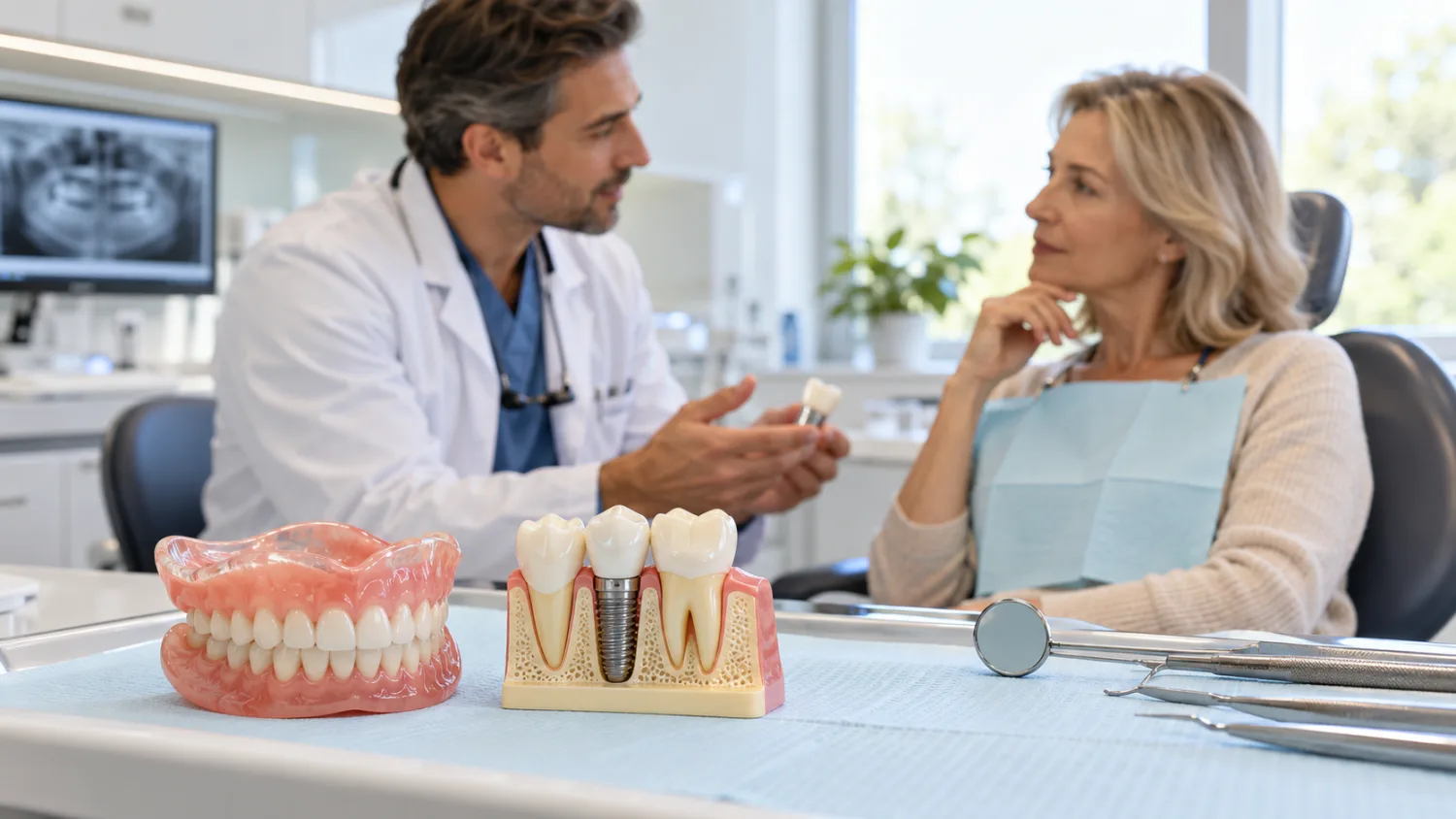
Toothache can be dull, sharp, throbbing, constant or only noticeable when you bite, drink something cold or eat something sweet. Sometimes it is a minor irritation caused by sensitivity. Other times, it is a warning sign that a tooth, gum or nerve needs treatment. The difficult part is that tooth pain does not always tell you clearly how serious the problem is. A tooth can ache mildly even when decay has reached deep inside it, while a cracked tooth can cause sudden, intense pain that comes and goes.
This guide explains the most common causes of toothache, what you can do for short-term relief, what not to do, when to book a dentist, and when tooth pain becomes urgent. It is written for people in the UK, where access to NHS dentistry can vary, and where many people are unsure whether to call a dentist, NHS 111, a GP, a pharmacy or go to A&E.
If you are trying to find dental care, you can search for local services using our dentist directory or our dentists near me page. If you are comparing NHS and private options more generally, you may also find our guide to NHS vs private healthcare in the UK helpful.
What toothache really means
Toothache is not a diagnosis. It is a symptom. It means that something in or around the tooth is irritated, inflamed, infected, exposed, cracked or under pressure. The source may be the tooth itself, the gum around it, the jaw, the sinus above the upper teeth, or occasionally another condition that feels like tooth pain.
A useful way to think about toothache is to ask: what triggers it, how long does it last, and is anything else happening? Pain that lasts only a few seconds after cold drinks may be sensitivity. Pain that lingers after hot or cold food may suggest deeper nerve irritation. Pain when biting may point to a crack, filling problem, abscess or inflammation around the root. Swelling, fever, pus, a bad taste, or difficulty opening the mouth can suggest infection and should be taken seriously.
The most important message is this: painkillers may reduce toothache, but they do not fix the cause. If decay, infection, a cracked tooth or gum disease is behind the pain, the problem usually needs dental assessment and treatment.
Common causes of toothache
There are many possible reasons for dental pain. Some are common and relatively simple to treat. Others can worsen quickly if ignored.
Tooth decay and cavities
Tooth decay is one of the most common causes of toothache. It happens when bacteria in plaque produce acids that damage the tooth surface. In the early stages, decay may cause no pain at all. As it progresses, it can create a cavity and expose deeper layers of the tooth, causing sensitivity or pain.
Typical signs include pain when eating sweet foods, sensitivity to hot or cold drinks, visible holes or dark marks, food getting trapped in one tooth, bad breath, or a rough edge you can feel with your tongue. According to the NHS guide to tooth decay, treatment depends on how severe the decay is. Early decay may be treated with fluoride, while a cavity may need a filling. If decay reaches the pulp, root canal treatment or extraction may be needed.
Dental abscess
A dental abscess is a collection of pus caused by a bacterial infection. It can develop at the root of a tooth or in the gum. Abscess pain is often severe, throbbing and difficult to ignore, but this is not always the case. Sometimes pain improves if the abscess drains, even though the infection is still present.
Possible symptoms include a swollen gum or face, intense throbbing pain, tenderness when biting, a bad taste in the mouth, fever, feeling generally unwell, swollen glands, or difficulty opening the mouth. A dental abscess needs dental treatment. Antibiotics alone are not usually enough because the source of infection often needs to be drained or treated. The NHS has a useful overview of dental abscess symptoms and treatment.
Cracked, chipped or broken tooth
A cracked tooth can be surprisingly hard to spot. You may not see a crack in the mirror, but you may feel a sharp pain when biting or when releasing your bite. Pain may come and go depending on how the crack moves under pressure.
Cracks can happen after an injury, from biting something hard, from grinding your teeth, or around a large old filling. A small chip may only need smoothing or bonding, but a deeper crack may need a crown, root canal treatment or extraction. Because cracks can worsen, it is best to see a dentist rather than waiting for the tooth to “settle”.
Lost filling, broken filling or loose crown
If a filling falls out or a crown becomes loose, the exposed tooth underneath may become sensitive or painful. Food can pack into the gap, and the tooth may feel sharp, rough or weak. A lost filling is not always an emergency, but it should be checked promptly because the tooth is more vulnerable to decay and fracture.
Gum disease
Gum problems can feel like toothache, especially when the gum is inflamed around one tooth. Early gum disease may cause bleeding when brushing, redness, tenderness and bad breath. More advanced gum disease can lead to gum recession, loose teeth, deep pockets around teeth and pain when chewing.
Gum disease is often slower and less dramatic than an abscess, but it matters. Untreated gum disease can damage the structures that support teeth. If you often notice bleeding gums, bad breath or teeth feeling loose, do not assume it is simply brushing too hard. Book a dental check.
Wisdom tooth pain
Wisdom teeth often cause pain when they partly emerge through the gum or do not have enough space. Food and bacteria can collect around a partially erupted wisdom tooth, causing inflammation or infection. This is sometimes called pericoronitis.
Wisdom tooth pain may affect the back of the mouth, jaw, ear or throat. You may notice swelling, a bad taste, difficulty opening your mouth, or pain when swallowing. Mild irritation can sometimes improve with careful cleaning and salt-water rinses, but worsening pain, swelling or fever needs dental advice.
Tooth sensitivity
Sensitive teeth can cause sharp, brief pain when you eat or drink something cold, hot, sweet or acidic. Sensitivity can happen when enamel wears down or gums recede, exposing the dentine underneath. It can also follow whitening, brushing too hard, acid erosion, grinding, gum disease or decay.
Short-lived sensitivity is often less urgent than constant toothache, but it should not be ignored if it is new, one-sided, worsening, or linked to a particular tooth. A dentist can check whether sensitivity is due to enamel wear, gum recession, a cavity, a crack or another cause.
Teeth grinding and jaw tension
Grinding or clenching your teeth, especially at night, can cause aching teeth, jaw pain, headaches, worn enamel, cracked teeth and tenderness when chewing. People often do not realise they grind until a dentist notices wear patterns, or a partner hears grinding at night.
Stress, poor sleep, certain medications, alcohol and caffeine may contribute in some people. Treatment depends on the cause, but may include a custom mouthguard, repair of damaged teeth, stress management, sleep advice or treatment for jaw joint problems.
Sinus pain that feels like toothache
Upper back teeth sit close to the maxillary sinuses. When the sinuses are inflamed, pressure can sometimes feel like toothache. Sinus-related tooth pain is often felt in several upper teeth rather than one specific tooth. It may come with a blocked nose, facial pressure, recent cold, post-nasal drip or pain that worsens when bending forward.
Even so, do not assume upper tooth pain is “just sinus”. Dental infection can also cause pain in the same area. If pain is severe, one-sided, associated with swelling, or does not improve, it is sensible to arrange dental assessment.
Pain after dental treatment
Some discomfort after a filling, extraction, crown, root canal treatment or deep cleaning can be normal. Teeth and gums may be sensitive for a few days, and extraction sites can ache as they heal. However, pain that is getting worse rather than better, severe pain after extraction, swelling, pus, fever, a bad taste, or pain that stops you sleeping should be checked.
What different types of toothache can suggest
The pattern of pain can give clues, although only a dentist can diagnose the cause properly.
| Type of pain | Possible causes | What to do |
|---|---|---|
| Sharp pain with cold drinks that quickly goes away | Sensitivity, gum recession, enamel wear, early decay | Book a routine dental check if new, persistent or affecting one tooth |
| Pain that lingers after hot or cold food | Deeper decay, nerve inflammation, cracked tooth | Arrange a dental appointment soon |
| Throbbing pain, worse at night | Abscess, nerve infection, advanced decay | Seek urgent dental advice |
| Pain when biting or releasing your bite | Cracked tooth, high filling, abscess, inflamed ligament | Book a dental assessment; avoid chewing on that side |
| Pain with facial swelling or fever | Dental abscess or spreading infection | Get urgent help from a dentist or NHS 111 |
| Aching jaw and multiple sore teeth | Grinding, clenching, jaw joint problems | Book a dentist appointment, especially if recurring |
What you can do for toothache relief at home
Home care can help you cope while waiting for a dental appointment, but it is not a substitute for treatment. The aim is to reduce pain, avoid making the tooth worse, and watch for signs that you need urgent help.
Use pain relief safely
Over-the-counter painkillers such as paracetamol or ibuprofen may help toothache for some people. Always follow the instructions on the packet and avoid taking more than the recommended dose. Ibuprofen is not suitable for everyone, including some people with stomach ulcers, kidney disease, certain heart conditions, those taking some blood-thinning medicines, or some people who are pregnant. If you are unsure, ask a pharmacist.
Do not place aspirin directly on the gum or tooth. This can burn the soft tissues and will not treat the dental problem.
Rinse gently with warm salt water
A warm salt-water rinse may help soothe irritated gums and clear food debris. Mix half a teaspoon of salt in a mug of warm water, rinse gently, and spit it out. Do not use very hot water, and do not swallow salty water. This can be useful for gum irritation, wisdom tooth discomfort or after food becomes trapped, but it will not cure an abscess or repair decay.
Keep the area clean
It is tempting to avoid brushing near a painful tooth, but plaque and trapped food can make gum inflammation worse. Brush gently with fluoride toothpaste and clean between teeth if you can do so without causing significant pain. If food is stuck between teeth, careful flossing or interdental brushes may help. Do not poke the gum with sharp objects.
Avoid triggers
Until you are seen, avoid chewing on the painful side. Very hot, cold, sweet or acidic foods may trigger pain. Hard foods such as nuts, crusty bread, boiled sweets or ice can worsen cracks or broken teeth. If the tooth feels unstable, stick to softer foods and arrange dental care.
Use a cold compress for swelling
If your face or jaw is swollen, a cold compress on the outside of the cheek may reduce discomfort. Wrap ice or a cold pack in a cloth and use it for short periods. Do not apply heat to facial swelling, as heat may worsen inflammation in some infections.
Try sensitive toothpaste if the pain is mild and trigger-based
If your pain is brief and mainly triggered by cold drinks, a toothpaste designed for sensitive teeth may help over time. It usually needs consistent use rather than one application. However, if sensitivity is only in one tooth, is worsening, or is accompanied by visible damage, book a dental check.
What not to do when you have toothache
Toothache can make people desperate, especially if they cannot get an appointment quickly. But some “home remedies” can cause harm or delay proper care.
- Do not put aspirin on your gum. It can cause a chemical burn.
- Do not take leftover antibiotics. They may be the wrong type, the wrong dose, unnecessary, or may partly mask symptoms while the source remains.
- Do not try to drain an abscess yourself. This can spread infection or damage tissue.
- Do not pull your own tooth. This can cause severe bleeding, infection, broken roots and long-term damage.
- Do not ignore swelling. Dental infections can spread and occasionally become serious.
- Do not rely on painkillers for days or weeks. If pain keeps returning, the cause needs to be found.
When should you see a dentist for toothache?
As a general rule, you should see a dentist if toothache lasts more than one or two days, keeps coming back, is getting worse, affects eating or sleeping, or is linked to swelling, fever, a broken tooth, a lost filling, bleeding gums or pain when biting.
You should arrange a dental appointment soon if:
- the pain is in one specific tooth;
- you have sensitivity that is new or worsening;
- you have a visible hole, crack, chip or dark mark;
- a filling, crown or bridge has come loose;
- you have bleeding, swollen or receding gums;
- you have pain around a wisdom tooth;
- you have bad breath or a bad taste that does not improve;
- the tooth hurts when you bite;
- you have dental pain after an injury.
If you do not currently have a dentist, you can search our UK dentist listings. You can also use the NHS page on how to find an NHS dentist.
When toothache is urgent
Some dental problems need urgent assessment, especially when infection may be spreading or when there has been trauma. In England, the NHS advises calling your dentist if you need urgent dental treatment. If you do not have a dentist, cannot contact one, or need help out of hours, NHS 111 online can help with dental problems and may direct you to urgent dental care where available.
Seek urgent dental help if you have:
- severe toothache that is not controlled with usual pain relief;
- swelling in the gum, jaw, cheek, face or neck;
- a dental abscess or pus around a tooth;
- fever or feeling very unwell with dental pain;
- difficulty opening your mouth;
- pain or swelling around a wisdom tooth that is worsening;
- a broken tooth causing severe pain;
- bleeding after dental treatment that will not stop;
- a knocked-out adult tooth.
The NHS explains that if an adult tooth has been knocked out, emergency dental care should be offered as quickly as possible. You can read more in the NHS guide to finding an emergency or urgent NHS dentist appointment.
When to go to A&E or call 999
Most toothache should be dealt with by a dentist or urgent dental service, not A&E. However, dental infections can sometimes spread and become dangerous. You should seek emergency medical help if there are signs that your airway, swallowing or general health may be at risk.
Go to A&E or call 999 if you have dental pain or swelling with:
- difficulty breathing;
- difficulty swallowing saliva;
- swelling spreading to the neck, eye or floor of the mouth;
- confusion, extreme drowsiness or signs of sepsis;
- severe facial injury;
- uncontrolled bleeding.
These symptoms are not common, but they are serious. Do not wait for a routine dental appointment if breathing, swallowing or rapidly spreading swelling is involved.
What a dentist may do for toothache
Many people delay dental care because they fear the treatment. In reality, the appointment is often less frightening than the days of pain beforehand. The dentist’s first job is to find the cause. They may ask about your symptoms, examine the tooth and gum, tap or test the tooth, check your bite, and take an X-ray if needed.
Treatment depends on the cause.
Fluoride treatment or prevention advice
If decay is very early, a dentist may recommend fluoride varnish, prescription fluoride toothpaste, improved cleaning, diet changes and monitoring. Early enamel changes may sometimes be stabilised before a cavity develops.
Filling
If there is a cavity, the decayed part of the tooth may be removed and restored with a filling. This is one of the most common treatments for toothache caused by decay.
Crown or onlay
If a tooth is weakened, cracked or heavily filled, a larger restoration such as a crown or onlay may be recommended to protect it. This is more common when the tooth does not have enough strong structure left for a simple filling.
Root canal treatment
If infection or inflammation has reached the pulp inside the tooth, root canal treatment may be needed to remove infected tissue and seal the tooth. Many people fear root canal treatment, but it is designed to save a tooth that might otherwise need extraction.
Drainage of an abscess
If there is an abscess, the dentist may need to drain the infection and treat the source. This may involve root canal treatment, extraction, or treatment of the gum depending on where the abscess has formed.
Extraction
If a tooth is too damaged to restore, removal may be recommended. This is usually considered when other options are not suitable, or when keeping the tooth would leave ongoing infection or pain.
Gum treatment
If gum disease is causing pain, treatment may include cleaning below the gumline, advice on brushing and interdental cleaning, treatment planning for periodontitis, and review appointments. Gum problems often need ongoing maintenance rather than a one-off fix.
Can a GP treat toothache?
In most cases, a GP is not the right professional for toothache. GPs do not usually have the equipment, X-rays or dental training needed to diagnose and treat tooth decay, abscesses, cracked teeth or gum disease. They also cannot provide fillings, root canal treatment, dental drainage or extractions.
A pharmacist can advise on safe pain relief and medicines, especially if you are not sure whether ibuprofen or another medicine is suitable for you. But again, a pharmacy cannot treat the underlying dental cause.
For dental pain, the best route is usually your dentist. If you cannot access one and the problem is urgent, use NHS 111 online or call 111. Our guide on when to see a pharmacist instead of a GP may also help you understand where pharmacy advice fits in, although dental problems usually need dental care.
Toothache in children
Children may not always describe toothache clearly. They may say their mouth hurts, refuse food, chew on one side, wake at night, become irritable, develop bad breath, or complain when eating cold or sweet foods. Tooth decay in children can progress quickly, and baby teeth still matter. They help children eat, speak and hold space for adult teeth.
Book a dentist appointment if your child has tooth pain, visible decay, swelling, a broken tooth, bleeding gums, or pain that affects eating or sleeping. If there is facial swelling, fever, difficulty swallowing or your child seems very unwell, seek urgent advice.
Good prevention matters. Children should brush twice a day with fluoride toothpaste, and the amount of toothpaste should be appropriate for their age. Sugary snacks and drinks are a major driver of decay, especially when consumed frequently between meals or before bed.
Toothache during pregnancy
Pregnancy can make gums more prone to bleeding and inflammation. Some people also experience sickness or reflux, which can expose teeth to stomach acid and increase sensitivity or erosion. Dental care is important during pregnancy, and you should not ignore toothache because of concerns about treatment.
Tell the dentist you are pregnant. They can advise on safe treatment options and pain relief. In the UK, NHS dental care is free during pregnancy and for 12 months after your baby is born if you have a valid maternity exemption certificate.
Why toothache can come and go
One of the most misleading things about toothache is that it can improve temporarily. This does not always mean the problem has healed. A tooth with nerve inflammation may hurt badly and then settle. An abscess may become less painful if pressure drains through the gum. A cracked tooth may only hurt when you bite in a certain way.
If toothache keeps returning, there is usually a reason. Waiting until the pain is unbearable often means treatment becomes more complex. A small filling may become a root canal. A restorable tooth may become an extraction. A local infection may become facial swelling. Early dental care is usually simpler, cheaper and less stressful.
How to prevent toothache
Not every toothache can be prevented. Accidents happen, fillings wear out, teeth crack, and wisdom teeth can cause problems even in people with good oral hygiene. But many common causes of toothache are linked to decay and gum disease, and prevention makes a real difference.
Brush twice a day with fluoride toothpaste
Brush last thing at night and one other time each day. Spit out after brushing rather than rinsing with lots of water, so fluoride stays on the teeth for longer.
Clean between your teeth
A toothbrush does not fully clean between teeth. Floss or interdental brushes can reduce plaque and food trapping between teeth, where decay and gum inflammation often start.
Reduce how often you have sugar
Frequency matters. Sipping sugary drinks or snacking on sweets throughout the day gives mouth bacteria repeated chances to produce acid. Keeping sugary foods and drinks to mealtimes, and choosing water between meals, can reduce risk.
Do not ignore bleeding gums
Bleeding gums are common, but they are not something to dismiss. They often mean gum inflammation. Better cleaning may help, but persistent bleeding should be checked by a dentist or hygienist.
Wear a mouthguard for contact sports
Sports injuries can chip, loosen or knock out teeth. A properly fitted mouthguard offers better protection than no guard, especially for contact sports.
Ask about grinding if you wake with jaw pain
If you often wake with jaw ache, headaches or sore teeth, ask your dentist about signs of grinding or clenching. A custom night guard may help protect teeth from wear and cracks.
Have dental check-ups based on your risk
Not everyone needs the same check-up interval. NICE guidance on dental recall intervals supports a personalised approach based on oral health risk. Some people need more frequent review; others with stable oral health may be advised to attend less often. Your dentist should recommend an interval based on your teeth, gums, medical history and risk factors.
NHS or private dentist for toothache?
If you already have an NHS dentist, contact them first. They may offer advice, an urgent slot or direct you to the correct service. If you do not have an NHS dentist, finding one can be difficult in some areas. NHS 111 may help with urgent dental problems, especially out of hours, but urgent availability varies by location.
Some people choose private dental care when they cannot access NHS appointments quickly, want more appointment flexibility, or need treatment options not routinely available on the NHS. Before booking privately, ask about consultation fees, X-ray costs, likely treatment costs, whether emergency treatment is temporary or definitive, and whether follow-up is included.
You can search for local dentists using dentists near me, browse dentist listings, or explore top-rated dentist pages where available.
Frequently asked questions about toothache
Will toothache go away on its own?
Sometimes mild irritation or sensitivity settles, especially if it was caused by a temporary trigger. But toothache caused by decay, infection, a crack, gum disease or an abscess usually needs dental treatment. If pain lasts more than a day or two, keeps coming back, or is getting worse, book a dentist appointment.
How do I know if my toothache is serious?
Toothache is more concerning if it is severe, throbbing, wakes you at night, affects eating, is linked to swelling, fever, pus, a bad taste, difficulty opening your mouth, pain when biting, or a broken tooth. Facial swelling, difficulty swallowing or breathing, or feeling very unwell needs urgent help.
Can antibiotics cure toothache?
Antibiotics do not repair decay, remove a cracked tooth, replace a filling, clean out an infected root canal or drain an abscess properly. They may be used in some dental infections, especially if infection is spreading or there are general symptoms, but dental treatment is often still needed. Do not take leftover antibiotics or someone else’s antibiotics.
What is the best painkiller for toothache?
There is no single best option for everyone. Paracetamol or ibuprofen may help some people, but suitability depends on your age, medical history, pregnancy status and other medicines. Follow the packet instructions and ask a pharmacist if you are unsure. Painkillers are temporary relief, not treatment.
Why is toothache worse at night?
Toothache can feel worse at night because there are fewer distractions, lying down may increase pressure in the head and face, and inflamed dental nerves can become more noticeable. Night-time throbbing pain can be a sign of deeper nerve inflammation or infection, so arrange dental advice.
Can toothache cause ear pain?
Yes. Dental pain can be referred to the ear, jaw, temple or throat, especially from back teeth, wisdom teeth or jaw joint problems. Ear pain can also have non-dental causes, so the pattern of symptoms matters. If you have tooth pain and ear pain together, a dental check is often sensible.
What should I do if my face is swollen from toothache?
Facial swelling with toothache may mean infection. Contact a dentist urgently. If you cannot access a dentist, use NHS 111. If swelling is spreading, you have difficulty swallowing or breathing, or you feel very unwell, seek emergency medical help.
Should I use clove oil for toothache?
Some people use clove oil for temporary numbing, but it can irritate or burn the gums if used incorrectly and it does not treat the cause. It is safer to focus on appropriate pain relief, gentle cleaning, avoiding triggers, and arranging dental care.
Can stress cause toothache?
Stress can contribute indirectly by increasing jaw clenching or teeth grinding, which may cause tooth, jaw or facial pain. However, do not assume toothache is stress-related until dental causes such as decay, cracks and gum disease have been considered.
The bottom line
Toothache is common, but it should not be ignored. A short burst of sensitivity may settle, but persistent, recurring or worsening tooth pain usually means something needs attention. The sooner the cause is found, the more likely treatment will be simple.
Use pain relief safely, keep the area clean, avoid chewing on the painful side, and arrange a dental appointment. Seek urgent help if you have severe pain, swelling, fever, pus, difficulty opening your mouth, a knocked-out adult tooth, or signs that infection is spreading. For urgent dental problems when you cannot access a dentist, NHS 111 online can help direct you to the right care.
To find local dental services, start with our UK dentists directory or search dentists near me.
This article is for general information only and is not a substitute for professional dental or medical advice. If you are worried about tooth pain, swelling, infection or injury, contact a dentist, NHS 111 or emergency services as appropriate.