Cataracts are one of the leading causes of reduced vision in the UK, particularly among older adults. The condition usually develops slowly and painlessly, but its effect on daily life can become significant, affecting reading, driving, mobility, independence and confidence.
The reassuring news is that cataracts are common and highly treatable. Modern cataract surgery is safe, effective and widely available through both the NHS and private healthcare providers. For most people, treatment restores clearer vision and improves quality of life.
This guide explains cataracts, early symptoms, diagnosis, treatment options, NHS and private surgery routes, recovery and when to seek urgent help.
What cataracts are
Inside each eye is a clear structure called the lens. Its job is to focus incoming light onto the retina at the back of the eye, helping the brain form sharp images.
A cataract develops when this lens becomes cloudy. Instead of light passing through clearly, it becomes scattered. This can make vision blurred, dim or misty.
Many people describe cataract vision as looking through:
- misted glass
- frosted plastic
- a dirty window
- fog or haze
Cataracts usually develop gradually over years. They often affect both eyes, although one eye may be worse than the other. Progression varies from person to person.
The NHS has an overview of cataracts, including symptoms and treatment.
Who is most at risk?
Age is the strongest risk factor. Cataracts become increasingly common from later life onwards, and many people develop some degree of lens clouding if they live long enough.
However, cataracts are not only caused by ageing. Other risk factors include:
- diabetes
- smoking
- long-term exposure to ultraviolet light
- long-term steroid medication, especially oral steroids
- previous eye injury
- previous eye surgery
- family history of cataracts
- some inflammatory eye conditions
- heavy alcohol use
Most age-related cataracts cannot be prevented completely, but not smoking, protecting eyes from UV light and managing diabetes may help reduce risk or slow progression.
Common cataract symptoms
In the early stages, cataract symptoms may be subtle. Some people think they simply need new glasses or that their vision is changing with age.
Common symptoms include:
- blurred or cloudy vision
- difficulty reading small print
- trouble recognising faces at a distance
- glare from sunlight, headlights or indoor lights
- halos around lights
- difficulty driving at night
- colours appearing faded, dull or yellowed
- needing brighter light for reading
- frequent changes in glasses prescription
- double vision in one eye in some cases
Cataracts do not usually cause pain, redness or sudden vision loss. If these symptoms appear, it may be something else and should be assessed urgently.
How cataracts affect daily life
Cataracts can affect far more than eyesight on an eye chart. They can make ordinary daily tasks harder and increase safety risks.
People may struggle with:
- reading books, labels or medication instructions
- driving, especially at night
- seeing steps, kerbs or uneven ground
- cooking safely
- watching television
- recognising faces
- using a phone or computer
- moving around confidently outdoors
For older adults, reduced vision can increase the risk of falls and loss of independence. This is one reason cataracts should not be ignored once they begin affecting daily life.
When to seek urgent advice
Cataracts usually develop gradually and do not cause pain. Sudden or painful symptoms are not typical and should be assessed urgently.
Seek urgent eye care, NHS 111, A&E or emergency help depending on severity if you have:
- sudden vision loss
- new severe eye pain
- marked eye redness after surgery
- flashes of light
- a sudden increase in floaters
- a dark curtain or shadow across vision
- significant worsening after surgery
- injury to the eye
These symptoms may indicate other serious eye conditions, such as retinal detachment or infection, and should not be treated as ordinary cataract symptoms.
Diagnosis and when treatment is needed
Cataracts are often detected during a routine eye test at an optician. Many people do not realise they have cataracts until an optometrist examines the lens.
How cataracts are diagnosed in the UK
An eye test may include:
- checking visual clarity
- testing glasses prescription
- examining the front and back of the eye
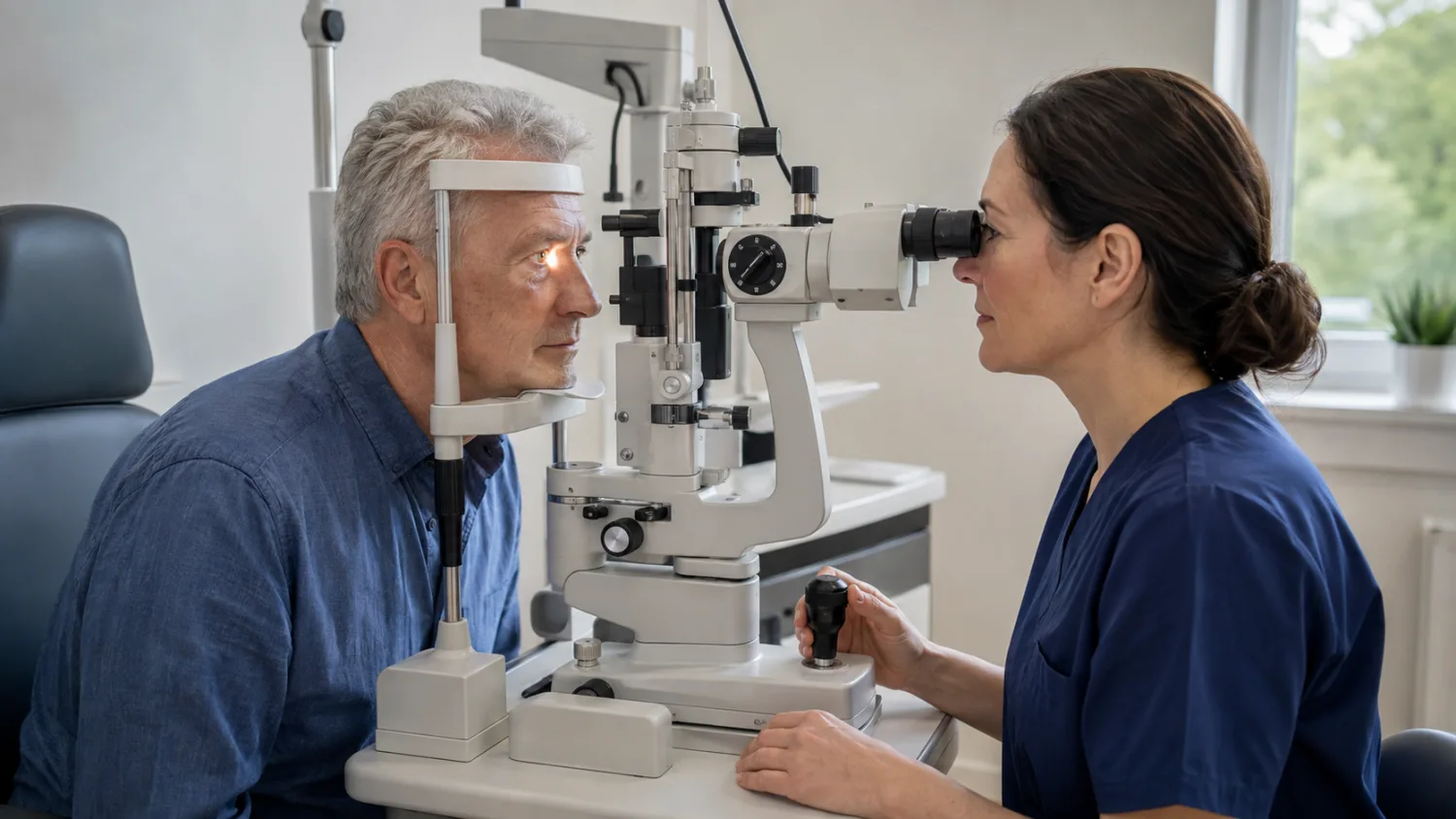
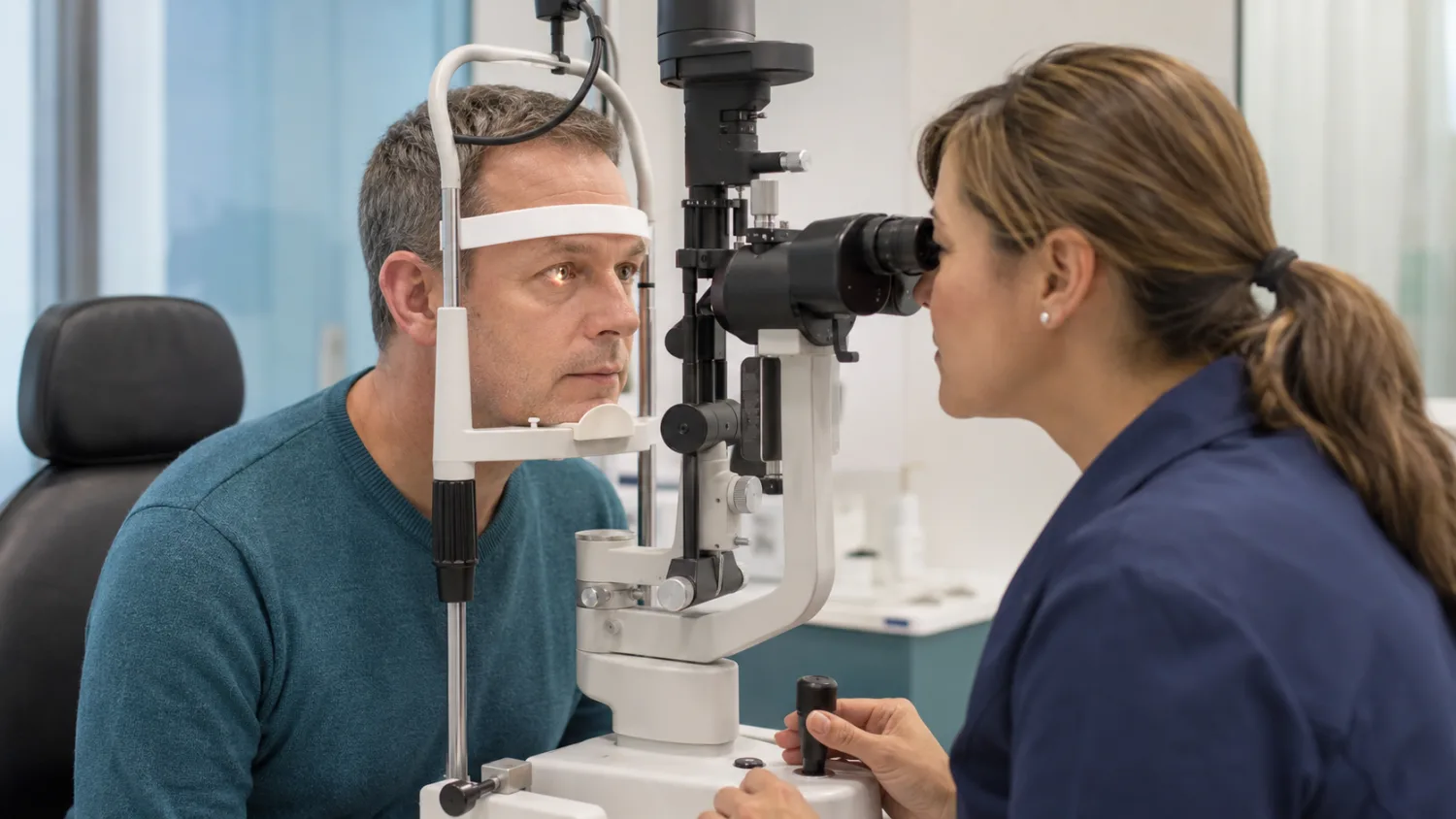
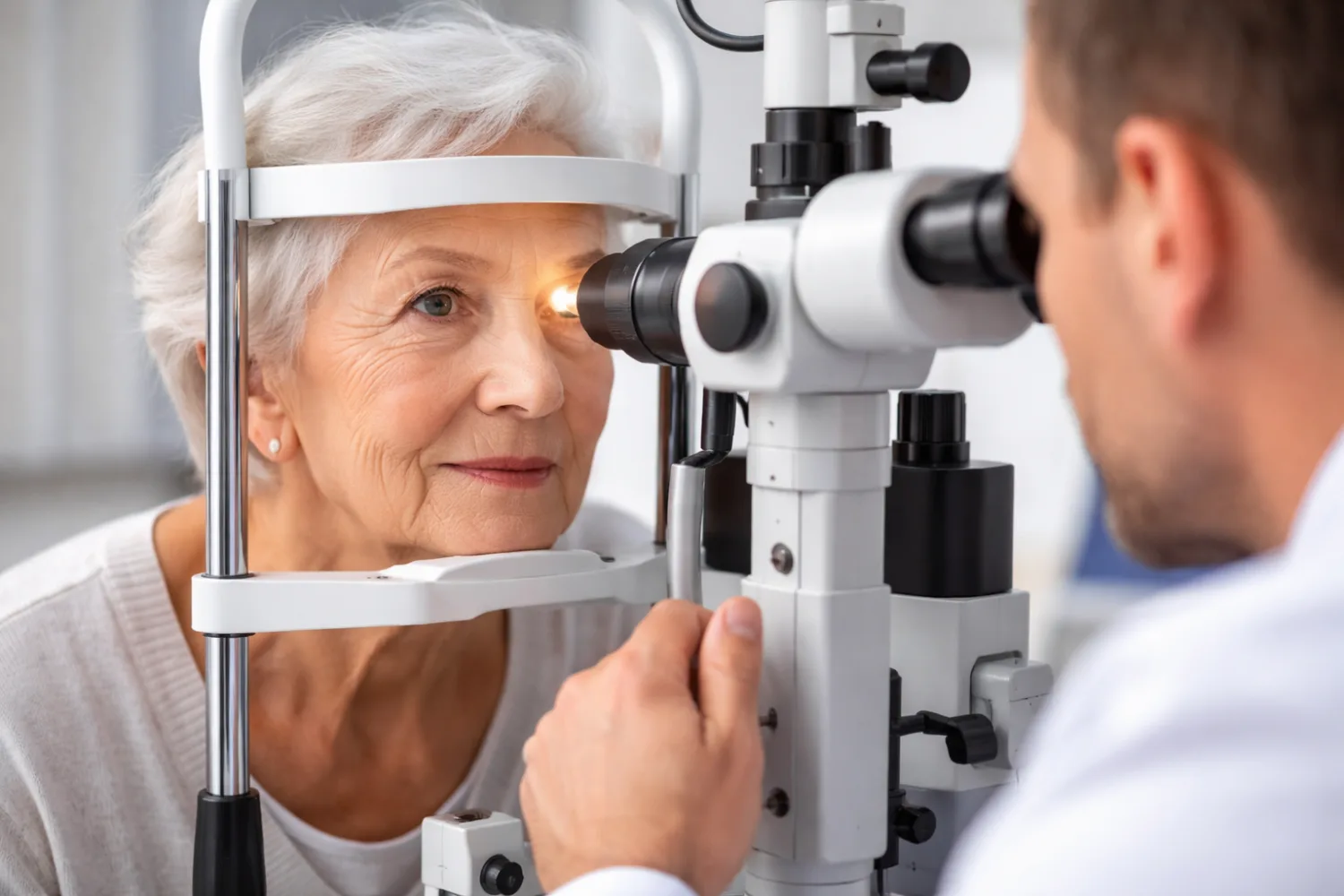
- looking at the lens with a slit lamp microscope
- using dilating drops to examine the eye more fully where needed
If a cataract is suspected and symptoms are affecting daily life, the optometrist may refer you to a hospital eye clinic or ophthalmologist. In mild cases, monitoring and updated glasses may be enough for a while.
Regular eye tests are important, especially for older adults, because gradual vision changes can be hard to notice day to day.
When does a cataract need treatment?
Cataracts do not always need immediate treatment. In early stages, simple changes may help, such as stronger lighting, updated glasses, anti-glare lenses or magnifying tools.
Surgery is usually considered when cataracts begin to interfere with daily life. This threshold is personal. Someone who drives regularly, reads a lot or relies heavily on detailed vision may seek treatment earlier than someone with less visually demanding routines.
Reasons to consider surgery include:
- difficulty reading even with glasses
- problems driving, especially at night
- glare affecting daily activities
- reduced confidence walking outdoors
- difficulty recognising faces
- falls risk due to poor vision
- vision no longer meeting driving standards
- reduced independence or quality of life
Cataracts do not improve on their own. Once the lens becomes cloudy, the only treatment that restores clarity is surgery to replace the lens.
Living well while waiting for treatment
Many people live with cataracts for months or years before surgery becomes necessary. Practical adjustments can help maintain independence while waiting.
Helpful steps include:
- improving lighting at home
- using brighter task lights for reading or cooking
- wearing anti-glare sunglasses outdoors
- keeping glasses prescriptions up to date
- using magnifiers or large-print materials
- increasing text size on phones and computers
- reducing trip hazards at home
- avoiding night driving if glare is a problem
For older adults, poor vision can increase falls risk. Family support, home adjustments or occupational therapy advice may help maintain safety.
Cataract surgery in the UK
Cataract surgery is one of the most commonly performed operations in the UK and worldwide. It is usually a day procedure, meaning you go home the same day.
The operation involves removing the cloudy natural lens and replacing it with a clear artificial lens called an intraocular lens, or IOL. This artificial lens is designed to stay in the eye permanently.
Most cataract operations are performed under local anaesthetic, often using numbing eye drops. You remain awake, but the eye is numbed so the procedure should not be painful. Some pressure or movement sensations may be felt.
A small incision is made at the edge of the cornea. The cloudy lens is broken up and removed, usually using ultrasound energy. The artificial lens is then inserted through the same small opening. Stitches are often not needed.
The procedure itself often takes around 20 to 45 minutes, although you will be at the clinic or hospital longer for preparation and recovery.
The Royal College of Ophthalmologists provides professional information about eye care and surgery on its website.
NHS cataract treatment
Cataract surgery is available on the NHS when vision loss meets clinical criteria and affects daily functioning. Access and waiting times vary by area.
The NHS pathway usually involves:
- eye test with an optometrist
- referral to a hospital eye clinic or cataract service
- assessment by an eye specialist
- discussion of risks, benefits and lens choice
- waiting list for surgery
- operation as a day case
- follow-up and recovery advice
Standard NHS cataract surgery usually uses a monofocal lens. This provides clear vision at one main distance, commonly distance vision. Glasses are often still needed for reading or close work.
If you are waiting for hospital treatment, see NHS waiting times and treatment options. For wider referral context, see how hospital referrals work in the UK.
Private cataract surgery
Private cataract surgery may offer faster access, more appointment flexibility and a wider choice of lens options.
People may choose private cataract surgery because they want:
- shorter waiting times
- choice of consultant surgeon
- more convenient appointment dates
- treatment at a chosen clinic or hospital
- discussion of premium lens options
- more flexibility around both eyes being treated
Private clinics may offer lenses designed to reduce dependence on glasses, such as toric lenses for astigmatism or multifocal and extended-depth-of-focus lenses. These are not suitable for everyone and can have trade-offs, such as glare or halos.
Private cataract surgery is usually priced per eye. Costs vary depending on the clinic, surgeon, lens type, tests and aftercare package.
For general comparison, read NHS vs private healthcare in the UK. If you are arranging private care, our guide to private GP services may also help with understanding private pathways and costs.
Artificial lens options
The artificial lens used in cataract surgery affects how you see afterwards. Your surgeon or optometrist will discuss what is suitable for your eyes and lifestyle.
Monofocal lenses
Monofocal lenses focus at one main distance. They are the standard option for many NHS procedures. Most people still need glasses for reading or close work.
Toric lenses
Toric lenses can help correct astigmatism. They may reduce dependence on glasses for distance vision in suitable patients.
Multifocal lenses
Multifocal lenses aim to improve vision at more than one distance, such as distance and near. They may reduce the need for glasses but can increase glare or halos for some people.
Extended-depth-of-focus lenses
These lenses aim to provide a broader range of focus, often improving intermediate vision. They may suit some active people but still have limitations.
Premium lenses are not automatically better for everyone. Eye health, lifestyle, night driving, glare sensitivity and expectations all matter.
Recovery, risks and long-term outlook
Cataract surgery has an excellent safety record and a high success rate, but no operation is risk-free. Understanding recovery and warning signs can help you feel more prepared.
Recovery after cataract surgery
Recovery is usually straightforward. Many people notice clearer vision within a few days, although vision may fluctuate while the eye heals.
During recovery, you may be advised to:
- use prescribed eye drops exactly as instructed
- avoid rubbing the eye
- avoid swimming for a short period
- avoid heavy lifting or strenuous exercise temporarily
- wear an eye shield at night if advised
- keep follow-up appointments
- avoid dusty or dirty environments early on
Light reading, watching television and gentle daily activities can often resume quickly. Driving should only restart once your vision meets legal standards and your clinician says it is safe.
Risks and safety considerations
Possible risks include:
- infection inside the eye
- inflammation
- raised eye pressure
- swelling of the retina
- bleeding
- retinal detachment
- lens position problems
- ongoing glare or halos
- needing further treatment
Serious complications are uncommon, but they need urgent assessment. After surgery, you will usually be given antibiotic and anti-inflammatory drops and clear instructions on what warning signs to watch for.
Long-term outlook
Long-term outcomes after cataract surgery are usually excellent. The artificial lens does not develop another cataract.
However, some people develop clouding of the capsule behind the lens months or years later. This is sometimes called posterior capsule opacification. It can make vision cloudy again, but it is not the cataract returning. It is usually treated with a quick laser procedure.
Most people still need glasses for some tasks after surgery, especially reading, depending on the lens used and the eye’s focusing needs.
FAQ: cataracts and cataract surgery in the UK
What are the first signs of cataracts?
Early signs include blurred or cloudy vision, glare from lights, difficulty seeing at night, faded colours, needing brighter light to read and frequent changes in glasses prescription.
Do cataracts cause pain?
No, cataracts usually develop painlessly. Eye pain, redness or sudden vision loss is not typical and should be assessed urgently.
Can glasses fix cataracts?
Glasses may help in early cataracts, but they cannot remove the clouding. Once cataracts significantly affect vision, surgery is the only treatment that restores clarity.
When should cataracts be removed?
Surgery is usually considered when cataracts interfere with daily life, such as reading, driving, walking safely, recognising faces or meeting driving vision standards.
Is cataract surgery available on the NHS?
Yes, cataract surgery is available on the NHS when clinical criteria are met and vision problems affect daily functioning. Waiting times vary by area.
How long does cataract surgery take?
The operation often takes around 20 to 45 minutes, although you will spend longer at the clinic or hospital for preparation and recovery.
Are you awake during cataract surgery?
Usually yes. Most cataract surgery is performed under local anaesthetic using numbing drops. You should not feel pain, although you may notice pressure, lights or movement.
How long is recovery after cataract surgery?
Many people notice improvement within a few days, but full healing can take several weeks. You will need to use eye drops and follow aftercare instructions.
Can cataracts come back after surgery?
The cataract itself cannot come back because the cloudy lens is removed. Some people develop clouding of the lens capsule later, which can usually be treated with a quick laser procedure.
Will I still need glasses after cataract surgery?
Many people still need glasses for reading or some tasks, especially with standard monofocal lenses. Premium lenses may reduce dependence on glasses but are not suitable for everyone.
Is private cataract surgery worth it?
Private surgery may be worth considering if waiting times are long, you want more choice over surgeon or dates, or you are interested in lens options not usually available on the NHS. Cost and suitability should be discussed carefully.
What symptoms after cataract surgery are worrying?
Severe pain, sudden vision loss, increasing redness, flashes, new floaters or a dark shadow across vision should be treated as urgent and assessed immediately.
Final takeaway
Cataracts are common, especially with age, but they do not have to lead to long-term visual disability. Modern cataract surgery is widely available in the UK and usually gives excellent results.
If you notice gradual vision changes, glare, cloudy vision or difficulty with reading or driving, arrange an eye test. Early assessment can confirm whether cataracts are the cause and help you plan treatment at the right time.
Clear vision plays an important role in independence, safety and quality of life. Understanding cataracts and the treatment options available can make the journey far less daunting.