Private ear-wax removal in the UK commonly costs about £50 to £80 for an appointment covering one or both ears. Lower-cost pharmacy or high-street services may charge approximately £35 to £60, while specialist audiology and ENT clinics can charge £70 to £150 or more.
Microsuction and electronic ear irrigation are the two main professional methods. Many providers charge the same appointment fee regardless of the technique used, although microsuction is more widely advertised by private clinics.
| Ear-wax service | Typical private cost |
|---|---|
| Microsuction for one ear | £40–£70 |
| Microsuction for both ears | £50–£90 |
| Electronic ear irrigation | £40–£80 |
| Combined microsuction and manual removal | £55–£100 |
| Home visit | £80–£150+ |
| ENT-led ear-wax removal | £150–£350+, including consultation |
| Appointment when no wax is found | £0–£40 |
| Ear drops or olive-oil spray | Approximately £3–£10 |
Prices depend on location, provider, appointment length and whether the fee covers one ear, both ears or a repeat visit. Ask what happens if no wax is present or the blockage cannot be removed at the first appointment.
Do not assume that every sensation of blockage is caused by wax. Infection, Eustachian tube dysfunction, a perforated eardrum and sudden inner-ear hearing loss can produce similar symptoms and require different care.
How much does microsuction cost in the UK?
Private microsuction typically costs around £50 to £80 for one or both ears. Some providers use a single appointment fee, while others charge separately for each ear.
Current published high-street prices illustrate the range:
- Specsavers advertises ear-wax removal by microsuction for £55 for one or both ears, with a reduced assessment charge if no wax is found;
- Boots Hearingcare advertises a £60 microsuction service including an ear-health check;
- Bupa advertises ear-wax removal for both ears at £60 at participating centres;
- independent clinics commonly charge approximately £50 to £90;
- London specialist clinics may charge £75 to £120 or more.
Prices and local availability can change, so confirm the amount directly before booking. A service offered inside a pharmacy or optician may be operated by a separate audiology company rather than the store itself.
The quoted price may include:
- questions about symptoms and medical history;
- inspection of both ear canals;
- microsuction of one or both ears;
- manual removal with a small instrument where appropriate;
- basic aftercare advice;
- a brief hearing check at some providers.
It may not include a diagnostic hearing test, treatment for infection, a prescription, an ENT consultation or a second appointment if the wax is too hard to remove.
How much does ear irrigation cost?
Private electronic ear irrigation commonly costs around £40 to £80. Some pharmacy and nurse-led clinics offer it as part of a general ear-wax appointment and choose the removal method after examining the ear.
Irrigation can appear cheaper than microsuction, but price should not be the only consideration. The method must be suitable for the condition of the ear canal and eardrum.
Electronic irrigation is different from traditional manual ear syringing. Modern irrigation equipment delivers a controlled flow of water, whereas old-fashioned metal or plastic syringes can generate less predictable pressure. When people say they want their ears “syringed,” many current services actually use electronic irrigation.
Ask the provider:
- whether it uses controlled electronic irrigation;
- whether the practitioner examines the eardrum first;
- whether pre-treatment with drops is required;
- what alternatives are available if irrigation is unsuitable;
- whether both ears are included in the fee.
What is the difference between microsuction and irrigation?
Both methods remove wax, but they work differently.
| Feature | Microsuction | Electronic irrigation |
|---|---|---|
| How it works | A narrow suction tube removes wax while the practitioner views the ear canal | A controlled stream of warm water flushes wax from the ear canal |
| Uses water | No | Yes |
| View during removal | The practitioner usually works under magnification | The ear is inspected before and after irrigation |
| Wax softening | Often helpful and required by some clinics | Usually important before treatment |
| Noise | Can sound loud inside the ear | Water movement can also sound loud |
| Typical private price | £50–£90 | £40–£80 |
| May suit | Many patients, including some for whom water exposure is unsuitable | Patients with softened wax and no relevant contraindications |
Microsuction is often promoted as the preferred or safest method, but it is not completely risk-free and is not automatically the best choice for everyone. Irrigation can also be effective when performed by a trained practitioner after appropriate assessment.
A clinician may combine techniques. For example, they might use microsuction for loose wax and a small instrument for material attached to the canal wall.
What happens during microsuction?
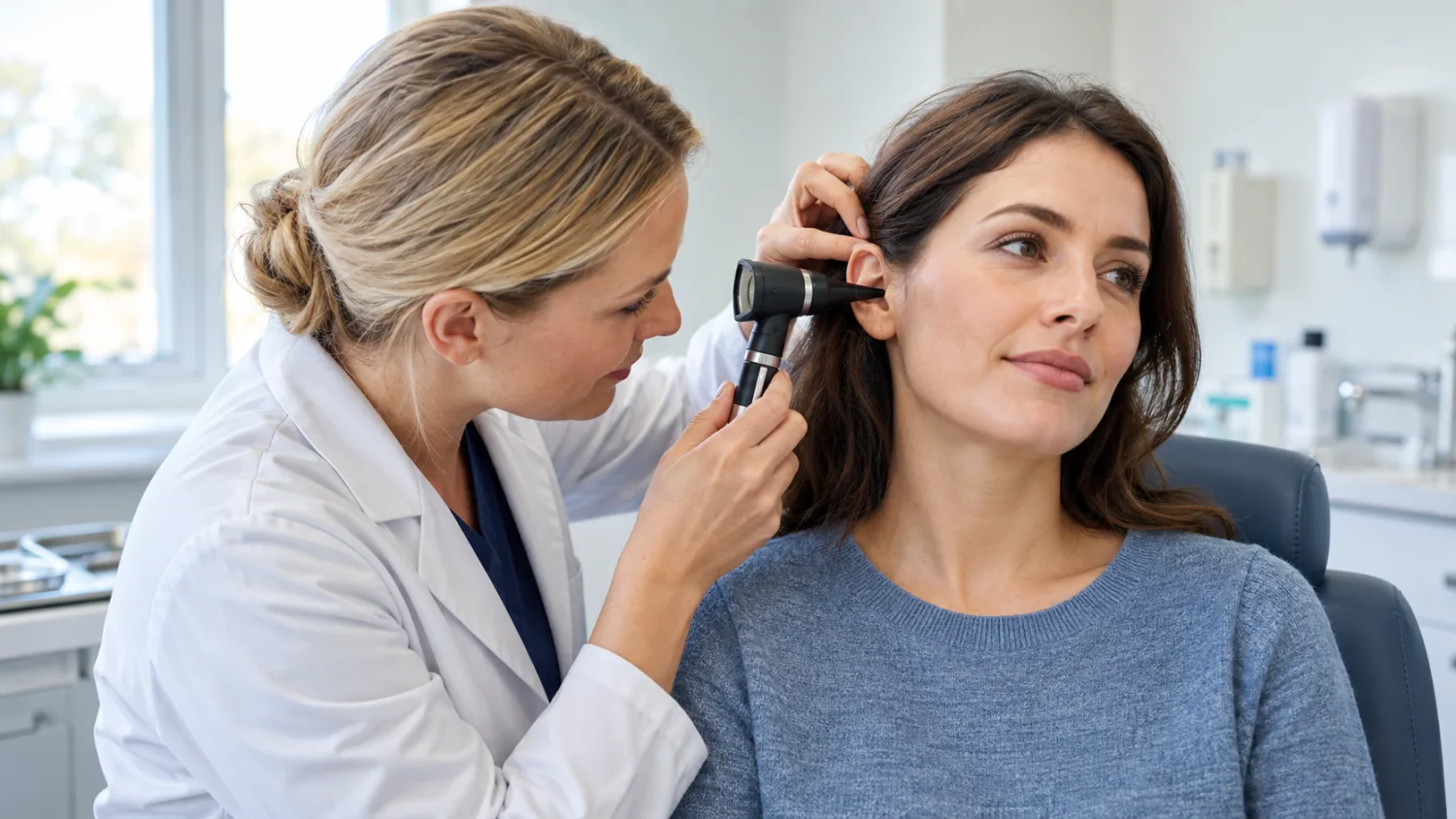
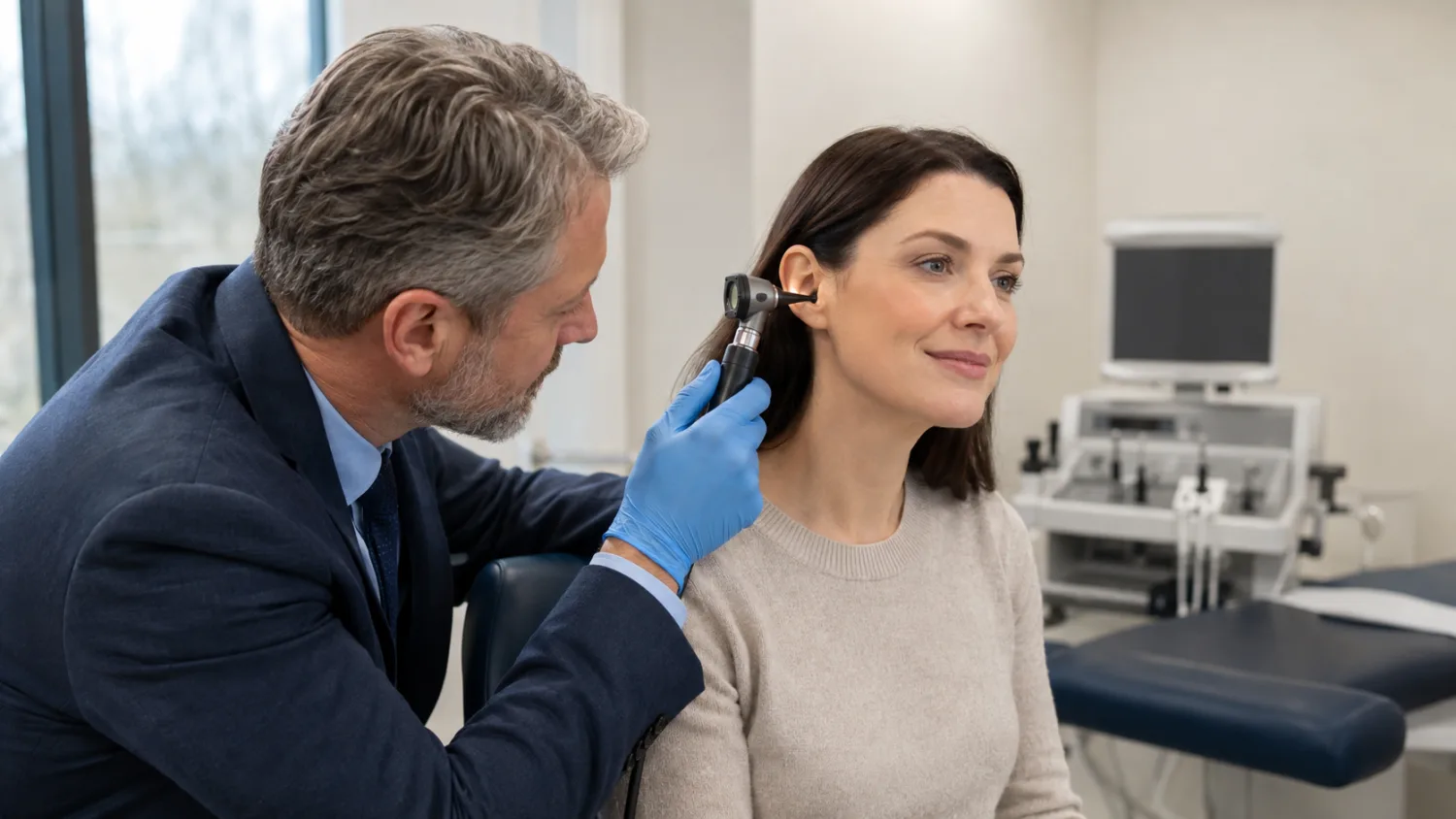
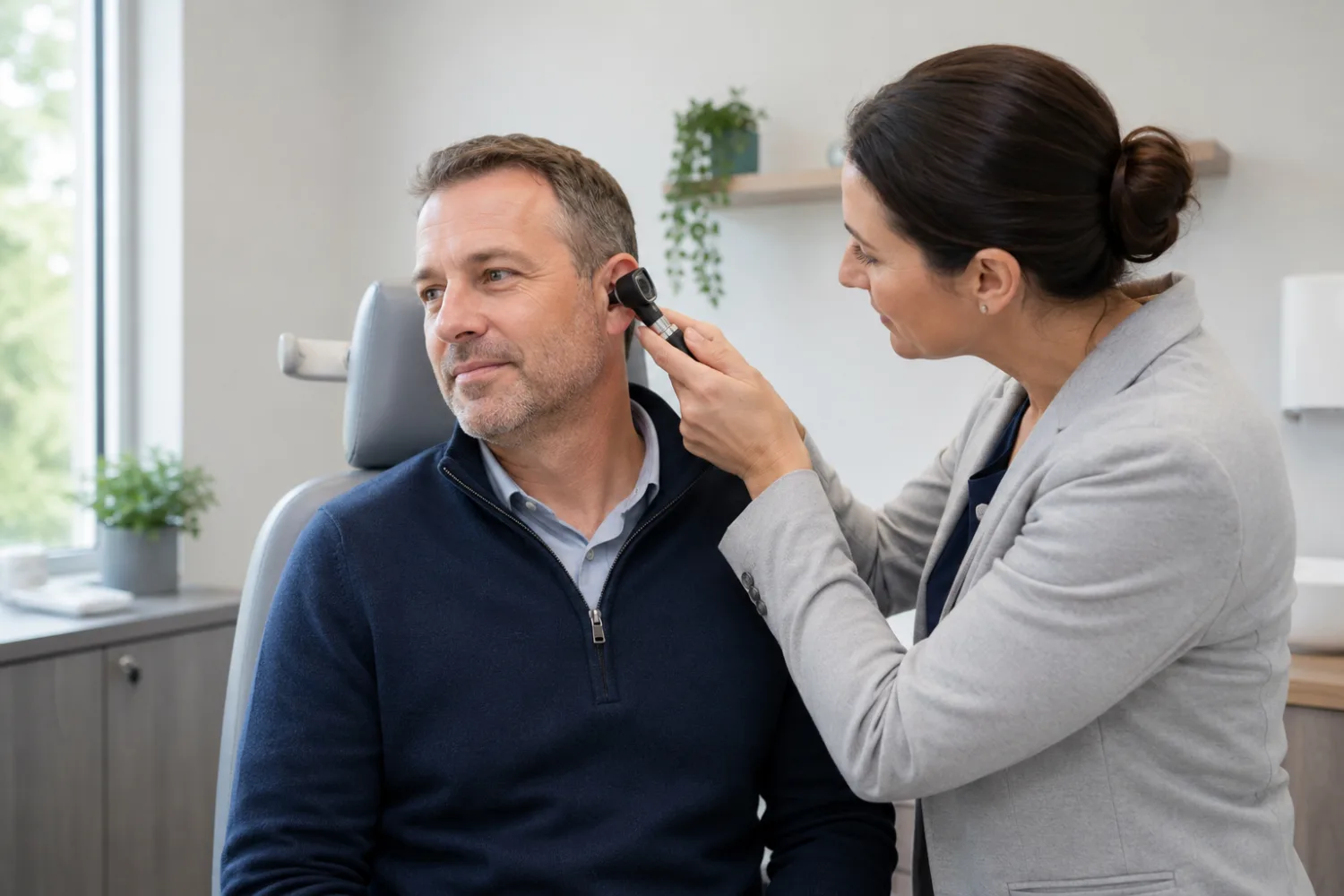
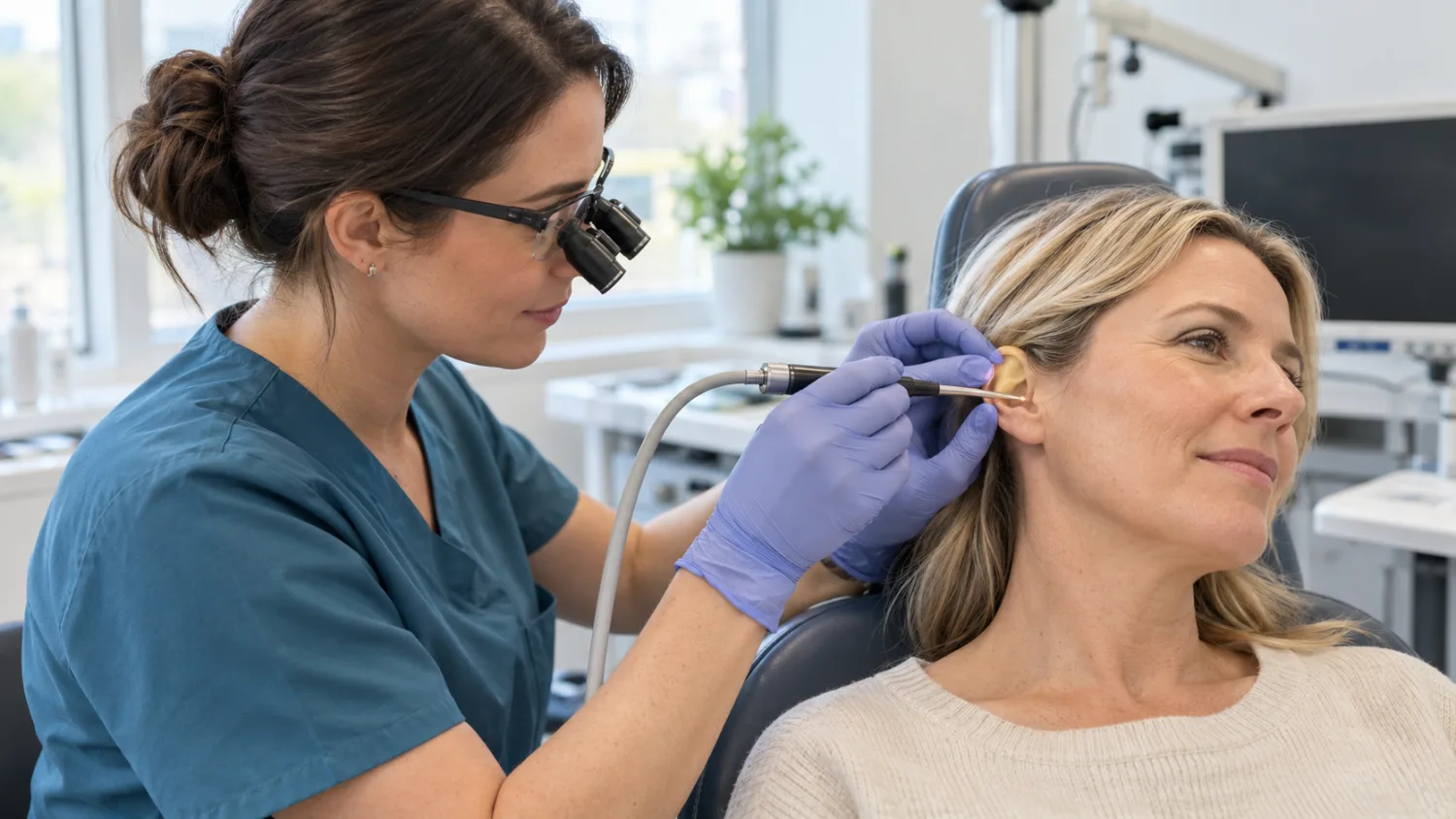
The practitioner examines the ear using an otoscope, microscope or magnifying equipment. A narrow suction tube is then placed into the ear canal without touching the eardrum. Wax is removed while the practitioner watches its position.
You may hear suction, squeaking or crackling noises. The appointment commonly lasts 15 to 30 minutes, although the removal itself may take only a few minutes.
Tell the practitioner immediately if you experience pain, severe dizziness or distress. You should remain still while equipment is inside the ear canal.
What happens during irrigation?
Wax-softening drops are normally used beforehand. During the procedure, a controlled device directs warm water into the ear canal. The water and wax drain into a container held beneath the ear.
The water should be close to body temperature because water that is too hot or cold can stimulate the balance system and cause dizziness or nausea.
The clinician should stop if the procedure becomes painful or produces significant vertigo. The ear is examined again afterwards to check whether the wax has cleared and whether the canal or eardrum looks abnormal.
Which method might be more suitable?
The decision should be based on your medical history, symptoms, the consistency and location of the wax, the condition of the canal and whether the eardrum can be seen.
Microsuction may be considered when:
- water should be avoided in the ear;
- the wax can be clearly seen and accessed;
- previous irrigation has been unsuccessful;
- you use hearing aids or ear moulds;
- the clinician needs precise visual control;
- there is a history requiring a cautious, dry technique.
Irrigation may be considered when:
- the wax has been adequately softened;
- the eardrum appears intact;
- there is no relevant history of ear surgery or perforation;
- the canal is suitable for water irrigation;
- the patient has previously tolerated the procedure.
Irrigation may be unsuitable when there is a current or previous perforated eardrum, grommet, certain types of ear surgery, active infection or another reason water should not enter the middle ear. Providers may also apply additional precautions for people with diabetes, reduced immunity, severe eczema or previous radiotherapy around the ear.
Microsuction may need particular caution if the wax is very hard, the canal is inflamed, you cannot remain still, loud noise aggravates severe tinnitus or you take medicines that increase bleeding risk. These factors do not always prevent treatment, but they should be discussed beforehand.
Do you need to use ear drops before the appointment?
Many clinics ask patients to soften the wax for several days before removal. This can make treatment quicker and reduce the need to pull firmly on hard wax.
The provider may recommend:
- medical-grade olive-oil drops or spray;
- sodium bicarbonate drops;
- another pharmacy ear-wax softener.
Follow the provider’s instructions rather than using several products together. Some people are asked to use drops for three to five days, while others may need a different approach.
Do not put drops into the ear without professional advice if you know or suspect that you have a perforated eardrum, grommet, recent ear surgery, discharge or infection.
If the clinic requires pre-treatment and the wax remains too hard, it may charge for the appointment and ask you to return. Find out whether that repeat visit is included.
What extra charges should you ask about?
A low headline price may not represent the final amount. Before booking, ask for a written explanation of what is included.
Possible additional costs include:
- a separate charge for the second ear;
- an assessment fee when no wax is found;
- a repeat appointment for stubborn wax;
- wax-softening drops;
- a hearing test;
- tympanometry or another middle-ear test;
- treatment for an ear-canal infection;
- a GP or ENT consultation;
- a home-visit supplement;
- out-of-hours or same-day booking fees.
Some providers include free review within a specified period if removal cannot be completed. Others charge the full fee again, particularly if the recommended drops were not used.
What if the clinician finds no wax?
Policies vary considerably. Some services do not charge if no wax is present, while others apply an examination fee of approximately £20 to £40.
For example, Specsavers states that an assessment charge applies if no wax is found, while Bupa currently advertises no charge where there is no wax. Confirm the local policy when booking because terms may change.
An examination still uses clinical time and may identify another possible cause. However, a wax-removal practitioner may not be able to diagnose every ear condition, so you could still need a GP, audiologist or ENT appointment.
Can you get ear-wax removal on the NHS?
Ear-wax removal may be available through the NHS, but access varies by area. Not every GP surgery provides it. Depending on local arrangements, you may be treated by a practice nurse, community audiology service, pharmacy, ear-care clinic or hospital department.
The NHS lists electronic irrigation, microsuction and manual removal as possible treatments but notes that some patients may need to pay privately when their GP surgery does not offer the service.
Ask your GP practice:
- whether it provides ear-wax removal;
- whether there is a local NHS community ear-care pathway;
- whether referral criteria apply;
- how long you should try wax-softening treatment first;
- where to go if you use hearing aids or have previous ear surgery.
NHS care is more likely to involve assessment or referral when symptoms are medically concerning, wax prevents an essential examination or hearing loss creates a significant clinical problem. Local eligibility and waiting times differ.
Where can you have private ear wax removed?
Private services are available from:
- audiology and hearing-aid clinics;
- participating opticians;
- pharmacies;
- private GP clinics;
- independent ear-care nurses;
- ENT clinics;
- mobile providers offering home visits.
Check who will carry out the procedure, their training and what clinical support is available if the ear appears abnormal.
A provider should take a relevant medical history, examine the ear, explain the chosen technique, obtain consent and advise you when treatment should be stopped or referred.
An ENT consultant is not usually required for straightforward wax. Specialist assessment may be appropriate when there is previous ear surgery, a suspected perforation, recurrent discharge, severe pain, an unusual object, persistent symptoms after wax removal or another complex condition.
Our guide to private ENT consultant costs in the UK explains consultation, hearing-test and procedure fees.
What are the possible risks?
No method of ear-wax removal is completely free from risk. Most professional procedures are uncomplicated, but possible effects include:
- temporary discomfort;
- irritation or grazing of the ear canal;
- minor bleeding;
- dizziness or nausea;
- temporary worsening of tinnitus;
- infection of the ear canal;
- incomplete wax removal;
- temporary changes in hearing;
- rare injury to the eardrum.
Microsuction can be noisy because the suction tip is close to the eardrum. The clinician should avoid prolonged suction in one location and should stop if you develop significant discomfort.
Irrigation can cause infection, canal injury, vertigo or eardrum damage. The risk may be higher when it is used despite a contraindication or performed with unsuitable equipment.
Seek medical advice if you develop increasing pain, discharge, bleeding, fever, persistent dizziness or worse hearing after removal.
Can you remove ear wax yourself?
Wax normally moves out of the ear naturally, and mild build-up may respond to pharmacy drops. Ask a pharmacist which product is suitable and read the instructions carefully.
Do not insert cotton buds, hairpins, keys, pens, ear picks or camera-equipped tools into the canal. These can push wax deeper, injure the skin or perforate the eardrum.
Ear candles do not remove wax safely and can cause burns, blockage from candle material or eardrum injury.
Home irrigation kits may not be appropriate if you have:
- a known or possible eardrum perforation;
- grommets;
- previous ear surgery;
- ear pain or discharge;
- a current infection;
- only one hearing ear;
- significant dizziness;
- uncertainty about the cause of your symptoms.
Professional examination is especially useful when you have never previously been told that wax is the cause of the blockage.
When might the problem not be ear wax?
Wax can cause reduced hearing, fullness, itching, tinnitus and sometimes discomfort. However, similar symptoms can result from:
- Eustachian tube dysfunction;
- an outer- or middle-ear infection;
- fluid behind the eardrum;
- a perforated eardrum;
- pressure changes after flying or diving;
- foreign material in the ear;
- skin conditions affecting the canal;
- sudden sensorineural hearing loss;
- other inner-ear or neurological problems.
If the ears feel blocked after a cold or flight but no wax is present, pressure behind the eardrum may be responsible. Our guide to Eustachian tube dysfunction explains the typical symptoms and treatments.
For a wider comparison, see blocked ears: wax, pressure and other causes.
When is hearing loss urgent?
Seek urgent medical assessment if hearing suddenly drops in one or both ears, particularly over hours or a few days. Do not delay because you assume it is wax.
You should also seek prompt help for:
- hearing loss with facial weakness;
- severe dizziness or difficulty walking;
- significant ear pain or swelling;
- blood, pus or clear fluid from the ear;
- a head injury followed by hearing symptoms;
- a foreign object or battery in the ear;
- persistent one-sided symptoms;
- pulsing tinnitus that follows the heartbeat.
Read our guides to hearing loss and tinnitus for more detail about warning signs and assessment.
Frequently asked questions
Is microsuction more expensive than irrigation?
Sometimes, but the difference is often small. Microsuction generally costs £50 to £90, while irrigation commonly costs £40 to £80. Many providers charge one ear-care appointment fee and choose the technique after examination.
Is microsuction better than irrigation?
Neither method is best for every patient. Microsuction avoids water and allows removal under direct vision. Irrigation can work well when wax is softened and there are no contraindications. The practitioner should recommend the safest suitable method for your ears.
Does the price usually cover both ears?
Many national providers charge one price for one or both ears, but independent clinics may charge more for two ears. Confirm this before booking.
Does microsuction hurt?
It is usually well tolerated, although it can feel uncomfortable if wax is hard or attached to sensitive skin. The suction noise can sound loud. Tell the practitioner if you experience pain or dizziness.
How long does ear-wax removal take?
Appointments commonly last 20 to 30 minutes. Straightforward removal may take only a few minutes, while hard or deeply impacted wax can require longer or a second visit.
Can wax be removed without using drops first?
Sometimes. Soft or loose wax may be removed immediately, particularly with microsuction. However, pre-treatment can make hard wax safer and easier to remove, and some clinics require it.
Will my hearing return immediately?
If wax was the only cause, hearing may improve as soon as the blockage is removed. Persistent hearing difficulty needs further assessment and possibly a formal hearing test.
Can hearing-aid users have microsuction?
Yes, and hearing-aid users commonly experience wax build-up. Remove the aids as directed and check whether filters, domes or moulds need cleaning after treatment. Our guide to private hearing-aid costs and services explains testing, devices and aftercare.
Can children have private microsuction?
Some providers treat children, but minimum ages vary. Younger children may need a specialist clinic because they must remain still and the cause of symptoms should be assessed carefully. Children’s appointments may also cost more.
How often should ear wax be removed?
Wax should not be removed routinely when it causes no symptoms and does not obstruct necessary examination or treatment. People with recurrent blockage, narrow canals or hearing aids may need occasional review, but there is no universal schedule.
Can private health insurance pay for wax removal?
Routine ear-wax removal is frequently excluded from private medical insurance. An ENT consultation may be covered when medically necessary, subject to your policy, excess and pre-authorisation. Ask the insurer before booking.
What should I ask when comparing providers?
Ask who performs the treatment, which methods are available, whether both ears are included, what happens if no wax is found, whether repeat treatment is free and how the provider handles an abnormal examination or possible complication.