A private ENT consultant in the UK commonly charges £180 to £300 for an initial appointment. A follow-up consultation generally costs £110 to £220.
The consultation may not include tests or procedures performed during the same visit. A hearing test might add £60 to £180, microsuction approximately £60 to £150, and a flexible nasal or throat endoscopy around £100 to £250. Some hospitals also charge a separate equipment or facility fee.
A straightforward pathway involving consultation, one test and follow-up may therefore cost approximately £350 to £750. If you need scans, biopsy or surgery, the total can rise from several thousand pounds to £10,000 or more.
Published fees vary by consultant, hospital and region. Central London and complex subspecialist care are generally more expensive, while some regional centres offer fixed-price packages.
Do not wait for a routine private appointment if you have difficulty breathing, severe throat swelling, uncontrolled bleeding, sudden hearing loss, facial weakness or another rapidly worsening symptom. These may need urgent NHS assessment.
This guide provides general UK price ranges. Always ask the provider for a written, itemised quotation before tests or treatment.
How much does a private ENT consultation cost?
Typical self-pay prices are:
| Private ENT service | Typical UK price |
|---|---|
| Initial ENT consultation | £180–£300 |
| Central London or complex specialist consultation | £300–£450+ |
| Follow-up consultation | £110–£220 |
| Video consultation | £150–£300 |
| Microsuction or aural care | £60–£150 |
| Nasal or throat endoscopy | £100–£250 |
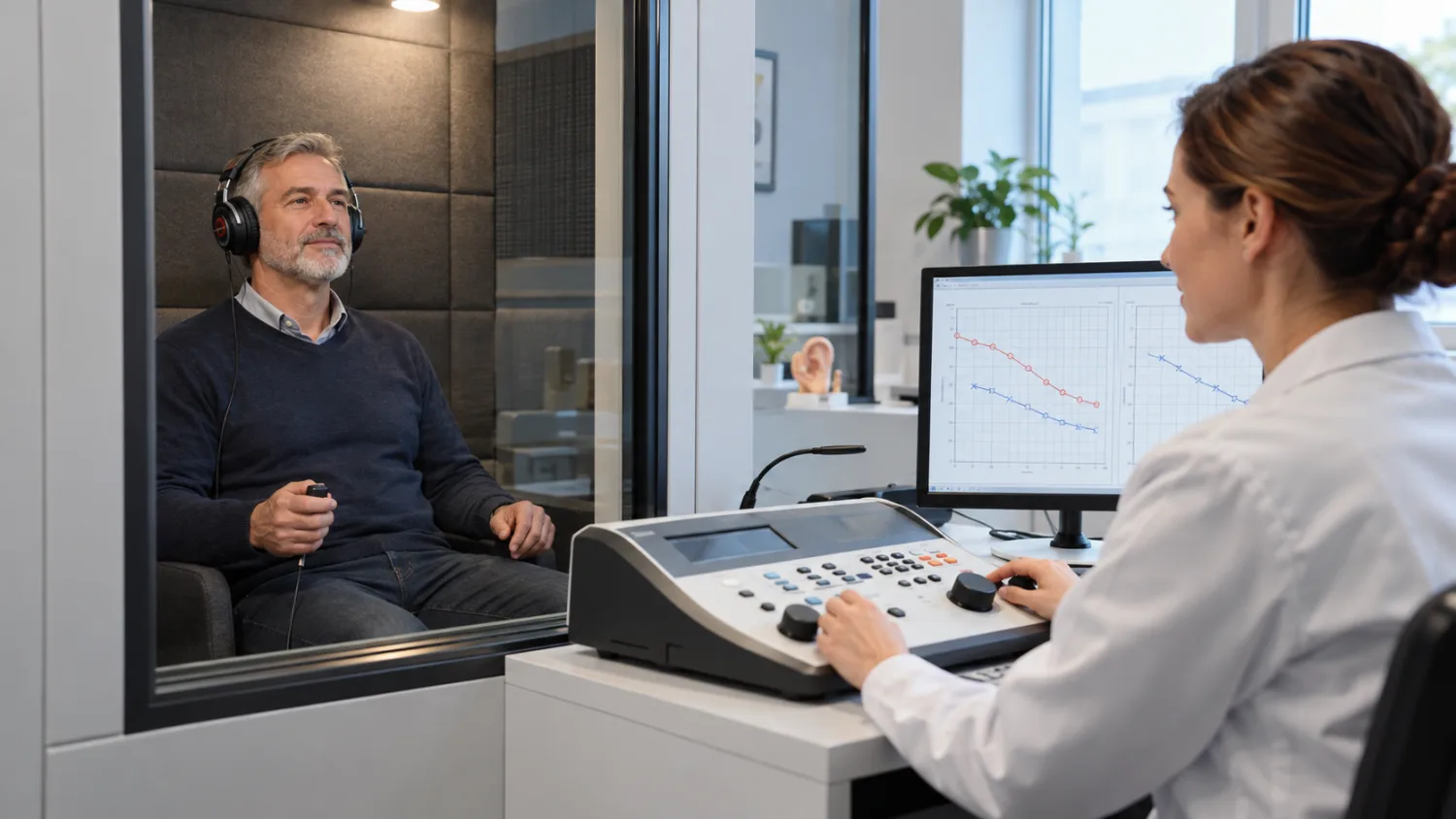
| Basic hearing test | £60–£180 |
| Consultation, one test and follow-up | Approximately £350–£750 |
These are planning ranges rather than fixed national prices. Published consultant profiles on the Private Healthcare Information Network show first ENT appointments from below £200 to £300 or more, with follow-ups commonly between £110 and £200.
The same consultant may charge different fees at different hospitals. Hospital equipment charges can also vary even when the consultant’s professional fee stays the same.
Ask whether the quoted price covers:
- the consultant’s time;
- examination of both ears, nose and throat where relevant;
- a clinical letter;
- an equipment or hospital fee;
- microsuction;
- a flexible camera examination;
- audiology or balance testing;
- a private prescription;
- a follow-up discussion.
What might the complete ENT pathway cost?
The likely total depends on the symptom being investigated and whether diagnosis is possible during the first appointment.
| Example pathway | Possible total cost |
|---|---|
| Consultation only | £180–£300 |
| Consultation with microsuction | £240–£450 |
| Consultation, hearing test and follow-up | £350–£700 |
| Consultation, nasal endoscopy and follow-up | £390–£750 |
| Consultation, hearing and balance tests, MRI and review | £1,000–£2,200+ |
| Consultation, nasal endoscopy, CT sinuses and review | £900–£1,700+ |
| Consultation, neck ultrasound, biopsy and follow-up | £900–£2,500+ |
| Assessment followed by ENT surgery | Approximately £3,000–£10,000+ |
For example, a £250 consultation, £150 nasendoscopy and £160 follow-up would produce a total of £560 before any scan or treatment.
If a hospital charges its own £100 equipment fee in addition to the consultant’s procedure charge, the same pathway could cost £660.
Request an estimate that separates:
- consultant fees;
- hospital or clinic charges;
- test and equipment fees;
- radiology and pathology charges;
- prescriptions;
- follow-up appointments.
What happens during an ENT consultation?
ENT stands for ear, nose and throat. The medical specialty is formally known as otorhinolaryngology or otolaryngology. UK ENT consultants are usually trained surgeons, although much of their work involves diagnosis and non-surgical treatment.
The consultant will ask about your symptoms, how long they have been present and what makes them better or worse.
Depending on the problem, they may ask about:
- hearing loss, pressure or ear discharge;
- tinnitus;
- dizziness, vertigo or imbalance;
- ear infections or previous ear operations;
- nasal blockage, discharge or bleeding;
- facial pain, smell loss or sinus symptoms;
- snoring and possible sleep apnoea;
- persistent sore throat or tonsillitis;
- hoarseness or voice change;
- difficulty or pain when swallowing;
- neck lumps or salivary-gland swelling;
- smoking and alcohol history;
- allergies, medicines and previous treatment.
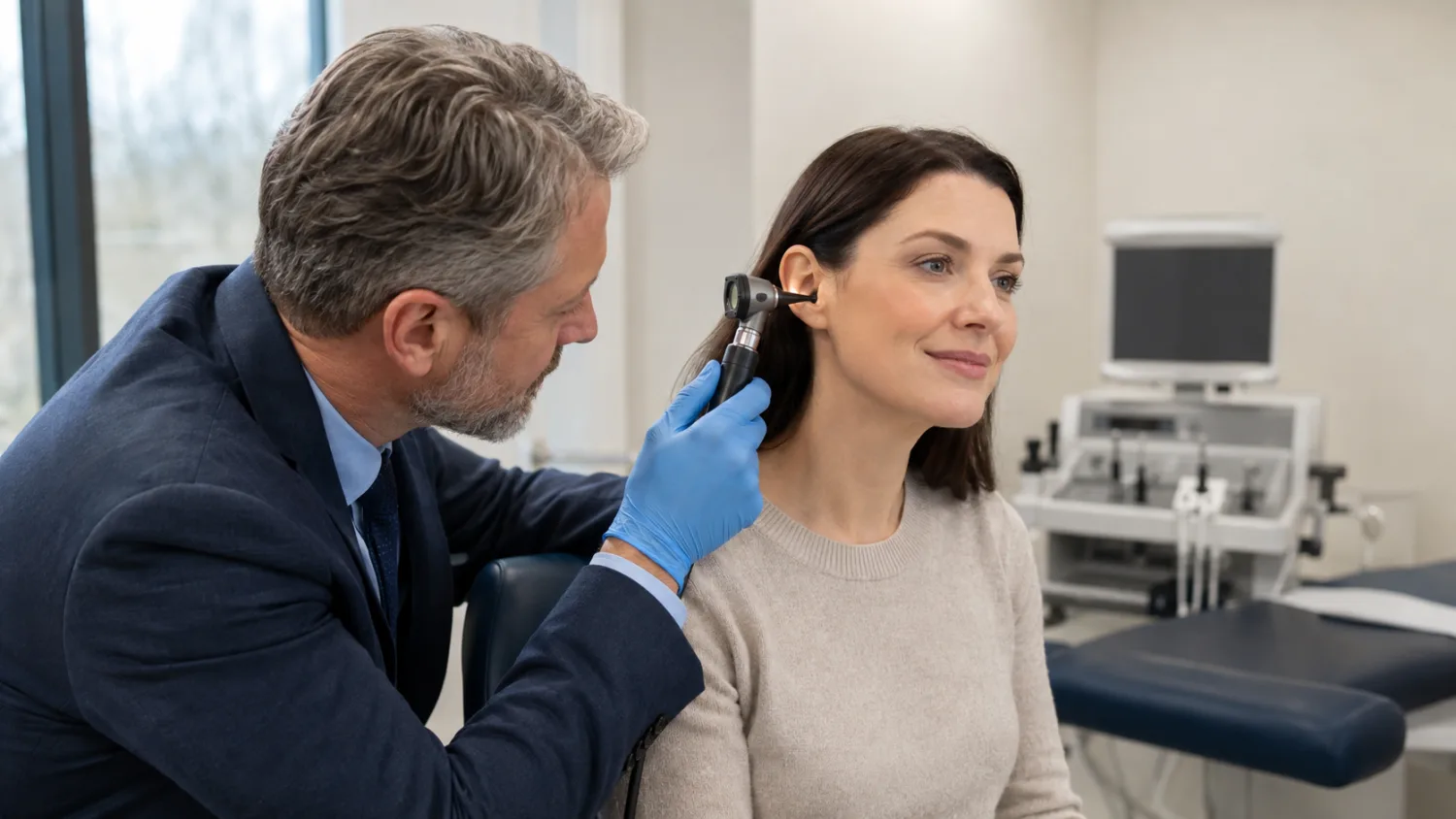
The examination may involve looking into the ears with an otoscope or microscope, examining the nose and mouth, feeling the neck and assessing the cranial nerves.
A clinician may also recommend a camera examination, hearing test, swab, blood test, scan or biopsy. Ask before any additional procedure whether it carries a separate charge.
Can ENT be assessed by video?
A video consultation can be useful for discussing symptoms, reviewing existing results or obtaining an initial opinion. However, a camera cannot adequately examine the ear canal, eardrum, nasal cavity or voice box.
You may still need an in-person appointment and therefore pay another fee. Before booking online, ask whether the price will be deducted from a subsequent physical consultation.
How much do ear and hearing tests cost?
An ear problem may require a combination of examination, wax removal, hearing assessment and pressure testing.
| Private ear or hearing service | Possible cost |
|---|---|
| Microsuction ear-wax removal | £60–£150 |
| Pure-tone audiogram | £60–£150 |
| Audiogram with tympanometry | £100–£200 |
| Speech audiometry | May add £50–£150 |
| Paediatric hearing assessment | £100–£300+ |
| Specialist tinnitus assessment | £150–£350+ |
| Balance or vestibular testing | £250–£700+ |
What does an audiogram show?
Pure-tone audiometry measures the quietest sounds you can hear at different pitches. The result can help distinguish conductive hearing loss, which involves sound transmission through the outer or middle ear, from sensorineural loss involving the inner ear or hearing nerve.
Tympanometry assesses how the eardrum and middle ear respond to changes in air pressure. It may help identify fluid, pressure problems or eardrum abnormalities.
Our complete guide to hearing loss explains common test patterns and treatment options.
Is microsuction included in the consultation?
Sometimes. Some ENT clinics include ear cleaning when it is needed for examination, while others charge a consultant procedure fee and a separate hospital equipment fee.
Microsuction can remove wax, debris or discharge under direct vision. It should not be treated as an automatic solution for every blocked ear because pressure, infection, Eustachian-tube problems and sudden inner-ear hearing loss can cause similar symptoms.
See our guide to blocked ears, wax and pressure.
How much does nasal or throat endoscopy cost?
A flexible nasendoscopy or nasolaryngoscopy commonly adds approximately £100 to £250 to the consultation. In some clinics it is included, while other providers separately bill the consultant procedure and hospital equipment charges.
A thin flexible camera is passed through a nostril to examine structures that cannot be seen through the mouth alone. Depending on the reason for the test, it may show:
- the nasal passages;
- nasal polyps;
- the back of the nose;
- the throat and tongue base;
- the voice box and vocal cords;
- some causes of swallowing or voice symptoms.
The examination normally takes only a few minutes. A local anaesthetic or decongestant spray may be used, although not everyone needs one.
Nasendoscopy is not the same as sinus surgery or a gastrointestinal endoscopy. It is usually performed while you are awake during an outpatient visit.
Ask whether the quoted fee includes:
- the disposable scope sheath or equipment fee;
- local anaesthetic spray;
- recording or still images;
- a written report;
- biopsy, if one is later required.
How much do scans and biopsies cost?
ENT symptoms sometimes require imaging because many parts of the sinuses, inner ear, salivary glands and deep neck cannot be fully assessed through an ordinary examination.
| Private ENT investigation | Possible UK cost |
|---|---|
| Ultrasound of neck or salivary gland | £250–£500 |
| CT sinuses | £400–£800+ |
| CT neck | £500–£1,000+ |
| MRI inner ear, head or neck | £500–£1,200+ |
| Fine-needle aspiration | £350–£900+ |
| Ultrasound-guided core biopsy | £700–£1,500+ |
| Pathology or histology | £150–£600+ |
A CT scan is often used to evaluate the bony anatomy and drainage pathways of the sinuses. MRI may be selected for the inner ear, hearing nerves, soft tissue or particular head-and-neck concerns.
One test is not automatically better than the other. CT involves ionising radiation, while MRI takes longer and is not suitable for every implant or device. See our guide to the differences between CT and MRI.
Why might a neck lump need a biopsy?
A neck lump can arise from a lymph node, thyroid, salivary gland, cyst, infection or another structure. Ultrasound may show where it begins, while needle sampling provides cells or tissue for laboratory assessment.
Confirm whether the quotation includes:
- the radiologist or clinician performing the biopsy;
- ultrasound guidance;
- local anaesthetic;
- pathology charges;
- special staining or molecular tests;
- a follow-up consultation to discuss the result.
A biopsy recommendation does not mean cancer has already been diagnosed. It is a method of obtaining the information needed to distinguish between possible causes.
How much do common private ENT procedures cost?
Minor outpatient treatment may cost a few hundred pounds. Operations involving general anaesthesia and hospital facilities cost several thousand.
| Private ENT procedure | Possible UK cost |
|---|---|
| Nasal cautery for nosebleeds | £250–£700 |
| Minor lesion or ear-lump removal | £800–£2,000+ |
| Adult grommet insertion | £1,800–£3,500+ |
| Tonsillectomy | £2,800–£4,500+ |
| Septoplasty | £3,000–£5,500+ |
| Turbinate reduction | £2,500–£4,500+ |
| Functional endoscopic sinus surgery | £3,500–£7,000+ |
| Septorhinoplasty | £4,000–£8,000+ |
| Eardrum repair or myringoplasty | £3,500–£6,500+ |
| Mastoid surgery | £5,000–£9,000+ |
| Thyroid or parathyroid surgery | £6,000–£12,000+ |
Published UK fixed prices demonstrate the variation. Some providers quote approximately £3,000 for tonsillectomy, around £3,250 for septoplasty and approximately £4,200 for sinus surgery. Other hospitals and complex cases cost more.
What should a surgical quotation include?
Before paying a deposit, establish whether the price covers:
- the surgeon;
- the anaesthetist;
- hospital and operating-theatre charges;
- pre-operative assessment;
- blood tests and imaging;
- implants, devices or specialist equipment;
- pathology;
- medication and dressings;
- an overnight stay if needed;
- routine follow-up;
- treatment of an immediate complication;
- cancellation or postponement terms.
A surgeon’s quoted fee may represent only one part of the total. Ask the hospital for a fixed-price package where possible.
If surgery is partly cosmetic, such as rhinoplasty performed alongside treatment of a deviated septum, the functional and cosmetic components may be priced separately. Private medical insurance normally excludes purely cosmetic treatment.
Does private ENT include hearing aids?
No. The cost of assessing hearing and the cost of supplying hearing aids are usually separate.
After an audiogram, you may be referred to an audiologist or hearing-aid dispenser. Private hearing aids range from several hundred pounds to several thousand pounds per pair, depending on technology, service and warranty.
Before buying, ask whether the price includes:
- hearing assessment;
- ear impressions or moulds;
- fitting and verification;
- follow-up adjustments;
- batteries or charging equipment;
- repairs and servicing;
- loss or damage cover;
- the trial and return period.
If hearing loss appeared suddenly, obtaining an urgent medical assessment is more important than arranging a routine hearing-aid appointment.
Our guide to private hearing-aid costs in the UK explains device types, fitting packages and ongoing expenses.
Can you see an ENT consultant through the NHS?
Yes. NHS ENT assessment and medically necessary tests and treatment are available without a direct charge to the patient.
The usual route is through a GP, audiology service, emergency department or another clinician. Depending on the symptoms, the GP may first arrange treatment, hearing testing, blood tests, imaging or an urgent referral.
Some conditions can initially be managed outside ENT. For example:
- a community service may provide microsuction;
- an audiologist may assess gradual hearing loss;
- a pharmacist or GP may help with a straightforward infection;
- a sleep service may investigate suspected sleep apnoea;
- a speech and language therapist may be involved in voice or swallowing care.
Referral urgency depends on clinical risk. Sudden hearing loss, breathing difficulty, a persistent unexplained neck lump or certain voice and swallowing symptoms should not be treated as an ordinary routine appointment.
See our guide to how UK hospital referrals work.
Do you need a GP referral for private ENT?
Many self-paying patients can book directly with a private ENT consultant. However, a referral may still be helpful because it includes previous treatment, medical history and examination findings.
A referral is more likely to be required when:
- you are using private medical insurance;
- the hospital has a referral policy;
- specialist imaging is required;
- you need an invasive procedure;
- the consultant needs previous records before accepting the case.
Take copies of relevant audiograms, scan reports, prescriptions, discharge summaries and previous operation details. This may prevent unnecessary repetition.
Does private medical insurance cover ENT?
Private medical insurance may cover ENT consultation, diagnostic tests and treatment for a new eligible condition. Coverage depends on the policy.
Common restrictions include:
- pre-existing symptoms or conditions;
- outpatient financial limits;
- approved consultant and hospital networks;
- requirements for GP referral;
- prior authorisation for tests and procedures;
- excesses and co-payments;
- limits on chronic-condition management;
- exclusion of cosmetic treatment;
- hearing-aid exclusions.
Do not assume that an authorisation code for the appointment covers a hearing test, nasendoscopy, microsuction, scan or biopsy. Each may have its own procedure code and hospital charge.
Before attending, ask your insurer:
- Is this consultant recognised and fee-assured?
- Is the chosen hospital in my network?
- How much outpatient cover remains?
- Is nasendoscopy covered?
- Are audiology and equipment fees covered?
- Do scans or biopsies need separate authorisation?
- What excess or shortfall will I pay?
- Is the follow-up covered?
A new policy will not normally cover an ear, nose or throat problem that was already present. Read our guides to pre-existing conditions and private health-insurance excesses.
When do ENT symptoms require urgent help?
Price comparison is appropriate only for stable, non-emergency symptoms.
Call 999 for:
- severe difficulty breathing;
- rapidly increasing throat, tongue or neck swelling;
- inability to swallow saliva with breathing difficulty;
- heavy bleeding that will not stop;
- a severe allergic reaction;
- collapse or reduced consciousness;
- facial drooping, arm weakness or speech difficulty.
Seek urgent same-day medical advice for:
- sudden hearing loss in one or both ears;
- rapidly worsening hearing over days;
- hearing loss with facial weakness;
- a severe ear infection with swelling behind the ear;
- persistent or recurrent heavy nosebleeds;
- severe throat pain with difficulty swallowing fluids;
- a suspected object lodged in the airway, nose or ear;
- severe dizziness with neurological symptoms;
- breathing that is noisier or more difficult than usual.
Sudden sensorineural hearing loss can be mistaken for earwax or pressure. It is time-sensitive and should not be delayed while waiting for a routine wax-removal appointment.
Contact NHS 111 when you need urgent direction and the appropriate local service is unclear.
Which persistent symptoms should be checked?
Arrange a GP assessment for symptoms that do not settle, particularly:
- an unexplained neck lump;
- persistent hoarseness or voice change;
- pain or difficulty swallowing;
- one-sided throat pain or earache without an ear cause;
- unexplained weight loss;
- persistent one-sided nasal blockage or bloody discharge;
- hearing loss affecting one side more than the other;
- a mouth ulcer or lesion lasting more than three weeks.
These symptoms often have non-cancerous causes, but they may need examination through an urgent pathway. The NHS lists persistent hoarseness, neck lumps and swallowing difficulty among possible head-and-neck cancer symptoms.
How do you choose a private ENT consultant?
ENT is a broad specialty. Selecting a consultant with experience in the relevant area may be more useful than choosing solely by price or proximity.
Subspecialties include:
- ear disease and surgery, or otology;
- hearing implants and skull-base surgery;
- nose and sinus disease, or rhinology;
- voice and swallowing disorders, or laryngology;
- head-and-neck lumps and cancer;
- thyroid and parathyroid surgery;
- sleep-disordered breathing;
- paediatric ENT;
- facial plastic and reconstructive surgery.
Check that the doctor is registered with the General Medical Council and appears on the specialist register in otolaryngology.
Useful questions include:
- Does the consultant regularly assess my type of symptom?
- Is an in-person appointment needed?
- What is included in the consultation?
- Could nasendoscopy or microsuction be performed?
- What would those procedures cost?
- Are hospital equipment charges separate?
- Will I need audiology before or after the appointment?
- How will results be communicated?
- Will a paid follow-up be required?
- Who provides urgent help after a procedure?
If surgery is recommended, ask how often the consultant performs it, what alternatives exist and how complications and aftercare are handled.
Frequently asked questions
How much is a private ENT consultation in the UK?
An initial appointment commonly costs £180 to £300. Central London or highly specialised consultations may cost £300 to £450 or more.
How much is an ENT follow-up?
A private follow-up generally costs £110 to £220. Ask whether a results discussion is already included in the original test or procedure fee.
Is a hearing test included in an ENT consultation?
Usually not. An audiogram and related tests are commonly performed by an audiologist and billed separately, although some clinics offer combined packages.
Is nasendoscopy included in the consultation price?
It depends on the clinic. Some include it, while others charge a consultant procedure fee and a separate hospital equipment fee.
How much is private ear-wax removal?
Microsuction commonly costs £60 to £150. An ENT consultation may cost extra if symptoms require medical diagnosis rather than routine wax removal.
Can an ENT consultant remove wax at the first appointment?
Often, if wax prevents examination and the equipment is available. Confirm the fee before the procedure begins.
Can I see an ENT consultant without a GP referral?
Many self-paying patients can book directly. Insurers frequently require a GP referral and prior authorisation.
Can an online ENT consultation diagnose an ear problem?
It may provide initial advice, but an ordinary video call cannot properly examine the ear canal or eardrum. An in-person appointment may still be needed.
How much is a private CT scan of the sinuses?
A private sinus CT commonly costs around £400 to £800, although contrast, reporting and specialist review may increase the total.
How much does private tonsil removal cost?
A private tonsillectomy commonly costs approximately £2,800 to £4,500. Confirm whether the consultation, anaesthetist, hospital stay and follow-up are included.
How much does private septoplasty cost?
Septoplasty commonly costs around £3,000 to £5,500. Combined functional and cosmetic nasal surgery may cost considerably more.
Does insurance cover hearing aids?
Most private medical insurance does not routinely cover hearing aids, although diagnostic ENT and audiology assessments may be eligible. Check the individual policy.
Can I use private test results in the NHS?
NHS clinicians can consider private reports, but they decide whether further NHS investigation or treatment is appropriate. Take complete reports and original scan or hearing-test data where possible.
How quickly can you see a private ENT consultant?
Appointments may be available within days or a few weeks, depending on location and subspecialty. Sudden hearing loss, breathing difficulty and other urgent symptoms should not wait for a routine appointment.
Is private ENT worth the cost?
It may be valuable for faster access, a particular subspecialist or continuity with one consultant. Before booking, establish the complete likely cost of examinations, tests and follow-up rather than comparing consultation fees alone.