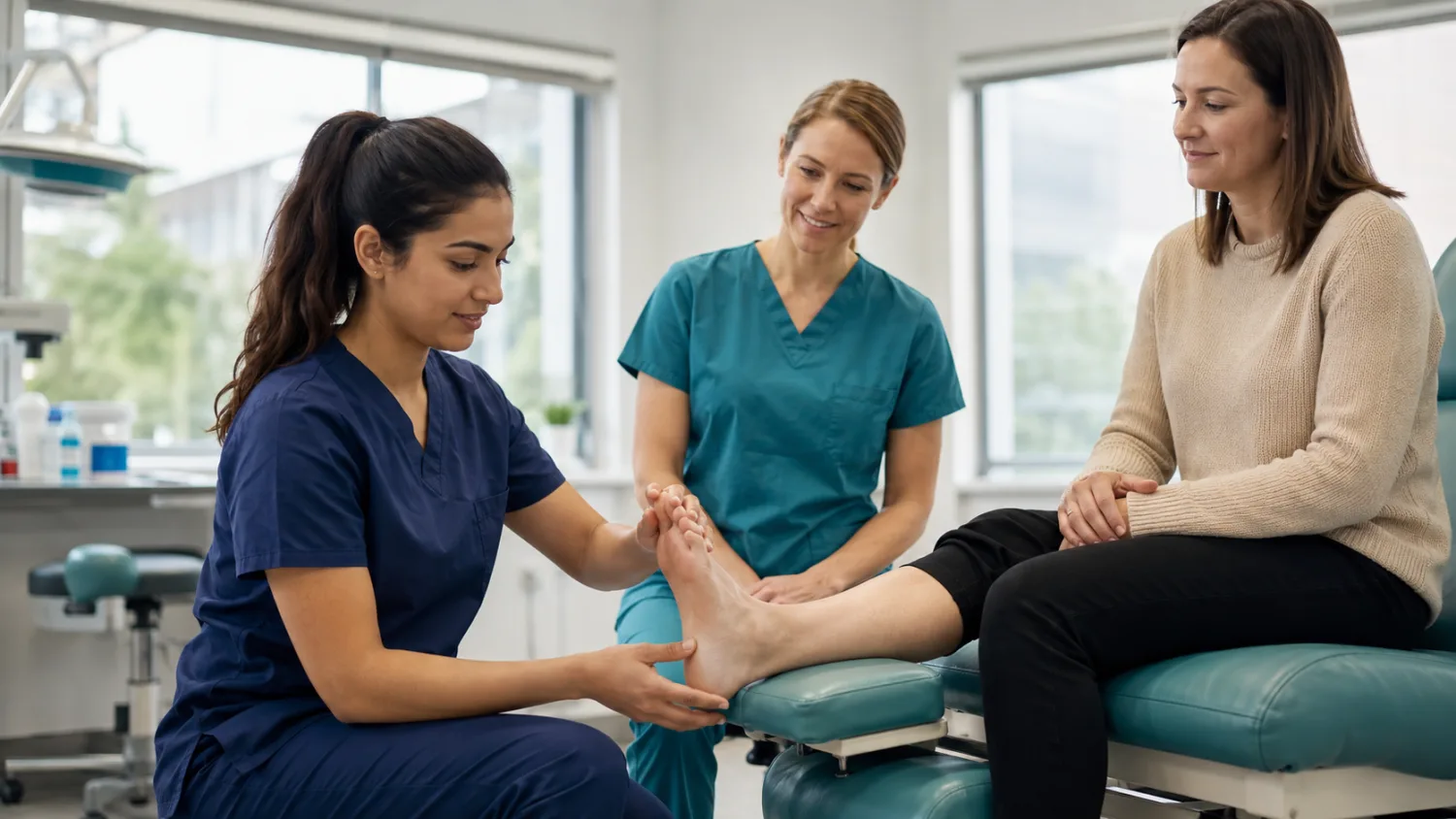
The UK healthcare system employs far more people than doctors and nurses. Behind every hospital, GP practice, community service, mental health team, pharmacy and care home is a large workforce keeping the system running.
Many of these roles do not require a university degree. For school leavers, career changers, parents returning to work, people leaving retail or hospitality, and those who prefer practical training over academic study, healthcare offers several accessible entry points.
This guide explains the main healthcare jobs in the UK that do not require a degree, what they involve day to day, what training may be needed, how pay and progression work, and where these roles can lead.
Why healthcare needs non-degree professionals
The NHS and UK social care system depend on thousands of people in support, care, admin, technical and coordination roles. Doctors, nurses and allied health professionals are essential, but they cannot do everything alone.
Healthcare also involves:
- personal care and dignity
- ward support
- mental health and wellbeing support
- safeguarding and supervision
- communication and reassurance
- routine checks and monitoring
- appointments, referrals and waiting list coordination
- pharmacy support
- diagnostics support
- cleaning, catering and infection control
- transport and patient movement
These roles are crucial in hospitals, GP practices, mental health services, community care, home care, care homes and private healthcare settings.
They also offer routes into longer-term careers. Someone may start as a healthcare assistant, care worker, receptionist or support worker, then progress into nursing, pharmacy, management, therapy support, social care leadership or specialist clinical support.
Who these roles can suit
Non-degree healthcare roles may suit people who value:
- meaningful work
- job stability
- practical training
- teamwork
- patient or client interaction
- routine and structure
- communication and reassurance
- dignity and compassion
- flexible hours or shift work
- a route into longer-term healthcare careers
They may especially suit school leavers, career changers, people leaving retail or hospitality, parents returning to work, people who prefer practical learning, and those who want healthcare experience before committing to a degree.
Patient-facing care roles
Patient-facing care roles are often the most obvious entry point into healthcare. These jobs usually involve direct support with daily care, communication, mobility, safety and emotional reassurance.
Healthcare assistant
Healthcare assistants, often called HCAs, support nurses and clinical teams in hospitals, GP surgeries, community services, mental health units and care settings.
Day-to-day duties may include:
- helping patients wash, dress and eat
- supporting mobility and safe movement
- making beds and preparing clinical areas
- checking observations such as temperature, pulse or blood pressure where trained
- supporting toileting and continence care
- reassuring patients and families
- reporting changes to nurses or supervisors
- helping with basic clinical tasks under supervision
You do not usually need a degree. Some employers ask for GCSEs, care experience or a Level 2 or Level 3 health and social care qualification, but many provide training on the job.
HCAs often start around Band 2 or Band 3 in the NHS. With experience and further training, some progress into nursing associate roles, assistant practitioner roles or registered nursing. For a longer-term route, see how to become a nurse in the UK.
Home care worker or care assistant
Home care workers support older adults, disabled adults and people with long-term conditions in their own homes. This is also called domiciliary care.
The role may include:
- washing, dressing and personal care
- meal preparation
- medication prompts
- mobility support
- companionship
- shopping and practical help
- support after hospital discharge
- reporting concerns to supervisors or family, where appropriate
No degree is required. Employers usually provide induction, moving and handling training, safeguarding, medication awareness and shadow shifts. Level 2 or Level 3 health and social care qualifications can help with progression.
Demand for home care is high because the UK population is ageing and more people want to remain at home for as long as possible. To understand the sector, see what home care is and how it works.
If you are considering this career directly, read how to become a care worker in the UK.
Care home assistant
Care home assistants support residents in residential care homes, nursing homes and specialist dementia care homes.
The work may include:
- personal care
- mealtime support
- mobility help
- activities and social engagement
- dementia support
- continence care
- end-of-life comfort care
- communication with families and senior staff
Care home work can suit people who prefer a team-based setting rather than travelling between clients. It can also provide experience for later roles in nursing, occupational therapy support, activities coordination or care management.
To understand the setting better, see our guide to care homes in the UK. If dementia care interests you, read dementia care homes in the UK.
Social care support worker
The social care sector employs a huge workforce outside hospitals. Roles usually do not require a degree and can suit people who want meaningful work focused on dignity, independence and daily wellbeing.
Social care support workers may work in:
- supported living
- learning disability services
- autism support
- dementia care
- home care
- care homes
- day services
- respite services
The work may involve personal care, communication support, activities, medication prompts, safeguarding, community access, emotional support and family communication.
To understand how the system is funded, read how social care funding works in the UK.
Mental health and support worker roles
Mental health and support worker roles can be a strong route into healthcare for people who are patient, calm, emotionally aware and good at communication. These jobs do not usually require a psychology degree, although relevant experience and training can help.
Mental health support worker
Mental health support workers help people manage day-to-day life, emotional distress, routines, appointments, medication prompts and community activities.
They may work in:
- supported living
- community mental health services
- inpatient mental health units
- crisis houses
- rehabilitation services
- charities and voluntary organisations
- learning disability services
The role can involve listening, de-escalation, structured activities, emotional regulation support, safeguarding, practical help and advocacy.
This can be a strong starting point for people interested in psychology, counselling, mental health nursing, occupational therapy or social care. It does not usually require a degree, although employers may value experience, communication skills and relevant training.
If you want to understand mental health services more broadly, read how to access mental health services in the UK. If you are interested in counselling as a service user or possible career direction, see online therapy and counselling in the UK.
Peer support and community support roles
Some mental health, addiction, homelessness, learning disability and community services employ peer support workers or community support workers. These roles may value lived experience, communication skills and the ability to build trust.
The work can include practical support, signposting, encouragement, group activities, recovery planning, crisis prevention and helping people stay connected to services.
These roles can be meaningful, but they also need good boundaries, supervision and safeguarding awareness. They may lead into more specialist mental health, social care or voluntary sector careers.
Technical and clinical support roles
Some non-degree healthcare jobs are more technical. They may involve medicines, dental treatment, diagnostic tests, ambulance services or clinical equipment. These roles can suit people who enjoy practical detail, procedure, accuracy and patient contact.
Pharmacy assistant or trainee pharmacy technician
Community pharmacies and hospital pharmacies need support staff to help with medicines, stock, customer service and safe dispensing processes.
Pharmacy assistants may:
- serve patients and customers
- manage stock
- label and prepare medicines under supervision
- process prescriptions
- support over-the-counter advice
- handle deliveries and queries
- maintain records and safety procedures
Pharmacy technician roles require structured training and registration, but not necessarily a university degree. This route can suit people moving from retail, customer service or admin into healthcare.
Pharmacy is expanding into services such as vaccinations, contraception support, blood pressure checks, travel health and minor illness advice, so trained pharmacy support staff are increasingly important.
Dental nurse
Dental nurses support dentists, hygienists and therapists during dental treatment. You do not need a university degree, and apprenticeship routes are available.
Dental nurses may:
- prepare the surgery
- assist during procedures
- support infection control
- reassure patients
- manage instruments and materials
- take notes during treatment
- support X-rays where trained
- help with appointments and records
Dental nursing can be a good option for people who want a clinical environment, regular patient contact and a clear training route without going to university.
For context on dental settings, see what makes a good dental practice and how to choose a dentist in the UK.
Ambulance support roles
Emergency care is not only paramedics. Ambulance services also employ people in support roles that do not usually require a degree to start.
Roles may include:
- ambulance care assistant
- patient transport service driver
- emergency care assistant
- call handler
- control room support roles
These roles may involve transporting patients, helping people move safely, supporting ambulance clinicians, handling calls, recording information or assisting with non-emergency journeys.
Some people later progress into emergency medical technician or paramedic routes, although paramedic registration now normally involves degree-level study or an approved apprenticeship route.
Clinical support worker in diagnostics
Diagnostics departments such as radiology, endoscopy, cardiology and respiratory physiology often use clinical support workers or imaging assistants.
The work may include:
- preparing rooms
- welcoming and reassuring patients
- helping patients change or position safely
- cleaning and preparing equipment
- supporting imaging or test workflows
- checking basic information
- assisting registered professionals
These roles can lead into assistant practitioner routes, healthcare science support, radiography assistant roles or further study. They are a good option for people interested in technical healthcare but not ready for a degree.
If diagnostics interest you, our guides to ultrasound vs CT vs MRI, what an MRI scan shows and what a CT scan shows explain the patient side of these services.
Admin, coordination and estates roles
Healthcare also needs people who keep services organised, safe and running day to day. These roles may not always involve hands-on care, but they are still essential to patient experience and safety.
NHS administrator, receptionist or care coordinator
Non-clinical staff are essential to the NHS. Administrative, reception and coordination teams help services run safely and efficiently.
Roles may involve:
- booking appointments
- managing referrals
- updating patient records
- answering patient queries
- typing letters
- coordinating clinics
- supporting waiting lists
- arranging imaging or tests
- helping with discharge planning
These roles often start around NHS Bands 2–4 and can progress into team leader, pathway coordinator, service manager or project roles.
Understanding referrals and waiting lists is especially useful in these jobs. Our guide to how hospital referrals work in the UK explains the basics.
Ward catering, domestic and infection control support
Hospitals and care settings rely on clean, safe and well-run environments. Domestic, catering, laundry, portering and infection control support teams are essential to patient safety.
These roles may involve:
- cleaning clinical areas
- supporting infection prevention
- serving meals and drinks
- moving equipment
- preparing rooms
- handling laundry or supplies
- supporting ward routines
These jobs rarely require formal academic qualifications and can lead into supervisory roles, facilities management, healthcare support work or NHS apprenticeships.
During the pandemic, the public became more aware of how vital these roles are. Clean environments, safe food and reliable logistics are not “background” work; they are part of safe care.
Training, apprenticeships and progression
One of the best things about non-degree healthcare roles is that they do not have to trap you at entry level. Many have structured progression routes.
Examples include:
- healthcare assistant to nursing associate or registered nurse
- care worker to senior carer, team leader or care coordinator
- support worker to mental health nurse or occupational therapy assistant
- dental nurse apprenticeship to qualified dental nurse
- pharmacy assistant to pharmacy technician
- ambulance support role to emergency medical technician or paramedic route
- admin assistant to pathway coordinator or service manager
- diagnostics support worker to assistant practitioner
The NHS uses Agenda for Change pay bands for many roles. To understand how bands, overtime, unsocial hours and London weighting work, see NHS pay bands explained.
External career resources include Health Careers NHS and NHS Employers apprenticeships.
Do you need qualifications to start?
Not always. Some employers ask for GCSEs, previous care experience or a Level 2 or Level 3 qualification, but many entry-level roles train people on the job.
What employers often look for is reliability, communication, compassion, confidentiality, teamwork and willingness to learn. Experience in retail, hospitality, childcare, volunteering or caring for a family member can be relevant.
Apprenticeships and work-based training
Apprenticeships can be a practical route for people who want to earn while training. They exist across healthcare support, social care, pharmacy, dental nursing, administration, leadership, ambulance services and some routes into registered professions.
This can be especially useful for people who want progression but do not want to leave work for full-time university study straight away.
Pay, job security and what to check before applying
Pay varies widely depending on whether the role is in the NHS, social care, private healthcare, local authority services or charities.
NHS pay and bands
In the NHS, many entry and support roles sit within Agenda for Change Bands 2–4, with progression possible through experience, training and promotion. Unsocial hours, overtime, bank shifts and London weighting can affect actual earnings.
The advantage of NHS roles is that pay, pension, annual leave and progression routes are usually more structured than in many private or social care roles.
Social care and private sector pay
In social care, pay is more variable. Some providers pay close to minimum wage, while others offer enhanced rates for nights, weekends, senior roles or specialist care. Demand is high, but pay and conditions should be checked carefully before accepting a role.
Private healthcare, dental practices, pharmacies and charities all have their own pay structures. Some may offer good training and flexibility, while others may vary significantly by employer.
What to check before accepting a job
When comparing jobs, look at more than hourly rate. Check:
- paid training
- travel time and mileage
- pension
- holiday pay
- sick pay
- shift patterns
- weekend expectations
- career progression
- supervision and support
How to choose the right non-degree healthcare role
Start by thinking about the environment you prefer. The right role depends on whether you want hands-on care, technical work, admin, community support, mental health work or a route into future clinical training.
If you like hospital environments
Consider healthcare assistant, ward clerk, domestic, catering, porter or clinical support roles. These jobs suit people who like structured teams, busy settings and direct contact with patients or ward routines.
If you prefer community or home-based work
Consider home care worker, community support worker, social care support worker or patient transport roles. These may suit people who like independence, travel between settings and building longer-term relationships with clients.
If you are interested in mental health
Consider mental health support worker, healthcare assistant in a mental health setting, crisis house worker or peer support role. These jobs require patience, emotional awareness, boundaries and communication skills.
If you like technical or practical detail
Consider diagnostics support, pharmacy assistant, dental nurse, ambulance support or clinical support worker roles. These can suit people who enjoy procedure, accuracy and hands-on work.
If you prefer office and coordination work
Consider receptionist, administrator, care coordinator or pathway coordinator roles. These jobs suit people who are organised, calm under pressure and comfortable using systems, phones and patient records.
It can also help to search job adverts and note which words appear repeatedly: safeguarding, moving and handling, medication, patient records, communication, confidentiality, infection control and teamwork. These are core themes across many healthcare jobs.
FAQ: healthcare jobs without a degree
Can I work in healthcare without a degree?
Yes. Many healthcare and social care roles do not require a degree, including healthcare assistant, care assistant, support worker, dental nurse, pharmacy assistant, receptionist, administrator, patient transport and domestic roles.
What is the easiest healthcare job to get into?
Entry-level care assistant, healthcare assistant, support worker, receptionist, domestic and catering roles are often among the most accessible. Requirements vary by employer and location.
Can I become a nurse without going to university full time?
Potentially, yes. Nursing degree apprenticeships and progression routes from healthcare assistant or nursing associate roles may allow you to train while working, although registered nursing still requires approved degree-level training.
Do healthcare assistants need qualifications?
Not always. Some employers train on the job, while others prefer GCSEs, care experience, the Care Certificate or Level 2/3 health and social care qualifications.
Can social care work lead to NHS jobs?
Yes. Experience in care homes, home care or supported living can help when applying for NHS healthcare assistant, mental health support, community care or apprenticeship roles.
Are non-degree healthcare jobs well paid?
Pay varies. NHS roles usually have structured bands, while social care and private sector pay can vary widely. Some roles offer enhanced pay for nights, weekends, overtime or senior responsibilities.
Which healthcare jobs have the best progression?
Healthcare assistant, pharmacy assistant, dental nurse, support worker, admin/pathway roles and clinical support roles can all lead to progression if you complete training and gain experience.
Can I work in mental health without a psychology degree?
Yes. Mental health support worker, healthcare assistant in mental health, peer support worker and crisis support roles may not require a psychology degree, although experience and training are important.
Are apprenticeships available in healthcare?
Yes. Apprenticeships exist in nursing, healthcare support, pharmacy, dental nursing, business administration, leadership, ambulance services, social care and allied health support roles.
Do I need experience to start in healthcare?
Not always. Many entry-level roles value reliability, communication, compassion and willingness to learn. Volunteering, caring responsibilities, customer service or retail experience can also be relevant.
What should I check before accepting a care job?
Check pay, training, travel time, mileage, rotas, weekend requirements, supervision, safeguarding support, contract type and whether there is a clear route to progress.
Can healthcare jobs without a degree become long-term careers?
Yes. Many people start in support roles and later move into senior care, coordination, management, nursing, pharmacy technician roles, dental nursing, diagnostics support or apprenticeships.
Final takeaway
The idea that healthcare is only for people with degrees is outdated. Hospitals, GP practices, pharmacies, mental health services, community teams, care homes and home care providers all rely on people who start without university qualifications.
The best route depends on the environment you want: hospital, community, mental health, social care, pharmacy, dentistry, diagnostics or admin. Choose a role that fits your strengths, check the training and progression options, and treat entry-level healthcare work as a starting point rather than a dead end.