If you have decided you want a baby, it is completely normal to want pregnancy to happen as quickly as possible.
Unfortunately, there is no trick that guarantees conception in the first month. Even when both partners are healthy and sex is timed well, pregnancy is still a matter of probability rather than certainty.
The reassuring part is that most couples do conceive naturally. The NHS says that more than 8 in 10 couples where the woman is under 40 will conceive within a year if they have regular unprotected sex every two to three days.
There are also several things you can do to make sure you are giving yourselves the best realistic chance each cycle.
The biggest ones are surprisingly simple: have sex regularly, make sure intercourse covers the fertile window, take folic acid before pregnancy, stop smoking, avoid alcohol when trying to conceive, maintain a healthy weight where possible and seek help at the right time if pregnancy is not happening.
This guide explains what actually helps, how ovulation timing works, which fertility tests may be useful and which popular “get pregnant fast” tricks are mostly myths.
How Quickly Can You Realistically Get Pregnant?
Pregnancy can happen during the first cycle of trying, but taking several months is also completely normal.
The NHS reports that more than 80% of couples in which the woman is under 40 conceive naturally within 12 months when they have regular sex without contraception.
That means not becoming pregnant after one, two or even several cycles does not automatically mean there is a fertility problem.
Age makes an important difference, however. Female fertility gradually declines with age and the decline becomes more significant from the mid-30s onwards.
NICE's updated 2026 fertility guidance recommends specialist referral after one year of unsuccessful trying for most people, but recommends referral from presentation when the person trying to become pregnant is aged 36 or over, or when either partner already has a known or suspected fertility problem.
You can read the current guidance at NICE: Fertility problems — assessment and treatment.
Have Sex Every Two to Three Days
If you want the simplest evidence-based advice, this is probably it.
The NHS recommends having sex every two to three days without contraception while trying for a baby.
This works because sperm can survive inside the female reproductive tract for several days. You do not need to identify the exact hour that ovulation happens if intercourse is already occurring regularly.
For many couples, this approach is less stressful than turning sex into a tightly scheduled fertility project.
Having sex every day is not necessary for most couples. Equally, saving sperm for a week because you think it will improve fertility is generally not helpful.
Regular intercourse means viable sperm are likely to be present when ovulation occurs.
When Is the Best Time to Have Sex to Get Pregnant?
Pregnancy is only possible during a relatively short fertile window around ovulation.
Ovulation is when an ovary releases an egg. The egg itself remains available for fertilisation for a relatively short time, but sperm can survive for several days.
This means the best chance of conception comes from having sex before ovulation as well as around the day ovulation occurs.
For someone with a regular menstrual cycle, ovulation commonly happens approximately 12 to 16 days before the next period begins, according to NHS guidance.
This is an important distinction. Ovulation does not always happen on “day 14”.
A person with a 35-day cycle may ovulate considerably later than someone with a 25-day cycle.
If your periods are regular, having sex every two to three days throughout the cycle usually covers this window automatically.
Can You Track Ovulation More Precisely?
You can, although precise tracking is not essential for everyone.
Some couples prefer knowing when the fertile window is approaching, particularly if work, travel or other circumstances make frequent intercourse difficult.
Ovulation predictor kits
Urine ovulation tests look for the rise in luteinising hormone, or LH, that normally occurs shortly before ovulation.
A positive result can therefore suggest that ovulation is approaching.
These tests can be useful, but they are not perfect. Some conditions, including PCOS, can make LH testing more difficult to interpret.
Cervical mucus
Vaginal discharge naturally changes during the menstrual cycle.
Around the fertile window, cervical mucus often becomes clearer, wetter and more slippery. Some people describe it as resembling raw egg white.
This change helps sperm travel through the cervix.
Cycle-tracking apps
Apps can estimate ovulation from previous cycle dates, but they cannot know exactly when an ovary releases an egg.
The estimate may be reasonably useful when cycles are very regular, but it becomes less reliable when periods vary from month to month.
Apps are therefore best treated as estimates rather than fertility tests.
Basal body temperature
Body temperature rises slightly after ovulation because progesterone increases.
Tracking this can help confirm that ovulation probably occurred, but it is less useful for predicting the fertile window because the temperature rise usually happens after ovulation.
Take Folic Acid Before You Get Pregnant
Folic acid does not make conception happen faster, but it is one of the most important things to start before pregnancy.
The NHS recommends taking 400 micrograms of folic acid every day from when you start trying for a baby — ideally around three months beforehand — until the end of the first 12 weeks of pregnancy.
Folic acid reduces the risk of neural tube defects such as spina bifida.
Some people need a higher 5mg prescription dose because of particular medical conditions, medicines or pregnancy history. This should be discussed with a GP rather than self-prescribed.
The NHS also recommends vitamin D during pregnancy and advises adults to consider a daily 10 microgram vitamin D supplement during autumn and winter, with some people advised to take it throughout the year.
You can read the current recommendations at NHS: Vitamins and supplements in pregnancy.
Does Diet Affect How Quickly You Get Pregnant?
There is no single fertility food that makes pregnancy happen.
You do not need pineapple cores, expensive fertility powders or a complicated “implantation diet”.
A healthy, varied diet is more useful.
That means eating plenty of vegetables and fruit, wholegrain or higher-fibre carbohydrates, appropriate sources of protein and healthy fats while avoiding a pattern dominated by highly processed foods.
Weight can also affect fertility.
Being significantly underweight can interfere with ovulation. Being overweight or obese can also reduce fertility in some people and is associated with greater pregnancy risks.
However, this does not mean everyone needs to reach a supposedly “perfect” weight before trying.
If weight is likely to be affecting ovulation or pregnancy health, even modest sustainable changes may be more useful than crash dieting.
Rapid restrictive dieting while trying to conceive is generally not a good strategy.
Smoking, Alcohol and Caffeine When Trying for a Baby
Some of the most effective changes involve removing things that can reduce fertility or increase pregnancy risk.
Smoking
Smoking can reduce fertility in both partners and can damage sperm quality.
Stopping smoking before trying to conceive is therefore worthwhile for both people.
Alcohol
The NHS advises women who are pregnant or trying to become pregnant not to drink alcohol.
This avoids alcohol exposure during the early stages of pregnancy before someone may realise they have conceived.
Heavy alcohol consumption can also adversely affect male fertility and sperm quality.
Caffeine
You do not normally need to stop caffeine completely while trying to conceive.
Once pregnant, UK guidance recommends limiting caffeine intake to no more than 200mg per day.
If you currently consume very large quantities of coffee, energy drinks or other caffeinated products, reducing gradually before pregnancy can make that adjustment easier.
Male Fertility Matters Too
Trying to conceive is often treated as though fertility is mainly the woman's responsibility.
It is not.
Fertility problems can involve either partner, and male factors are an important part of infertility assessment.
Sperm quality can be affected by smoking, excessive alcohol, some drugs and medicines, obesity, certain illnesses and problems involving the testicles.
If conception is not happening, semen analysis is usually one of the most useful early investigations.
It assesses factors such as sperm concentration, movement and shape.
The NHS notes that an abnormal semen result is usually repeated because sperm production naturally varies and a single test does not always represent someone's usual fertility.
You can read more in our guide to male infertility and low sperm count. This is one of several fertility-related topics already covered across our women's and men's health resources.
What About Lubricants, Sex Positions and Lying Down Afterwards?
There are many fertility myths surrounding intercourse.
You do not need a particular sexual position to become pregnant.
You also do not need to lie with your legs in the air afterwards.
Sperm begin moving into the cervix quickly, and some fluid leaking from the vagina afterwards is completely normal.
Lubricant deserves slightly more attention.
Some conventional lubricants can reduce sperm movement in laboratory conditions. Couples who rely heavily on lubricant may prefer a product specifically marketed as sperm-friendly or fertility-friendly.
That does not mean ordinary lubricant causes infertility, but avoiding products known to interfere substantially with sperm motility is reasonable when trying to conceive.
When Irregular Periods May Make Pregnancy Harder
If your periods are irregular or absent, simply counting cycle days becomes much less useful.
Irregular periods can mean ovulation is occurring unpredictably or, in some cases, not occurring regularly at all.
One common cause is polycystic ovary syndrome, or PCOS.
Other possible causes include thyroid problems, significant changes in body weight, intense exercise, raised prolactin and perimenopause.
If periods are very irregular and you want to become pregnant, you do not necessarily need to spend a year trying before asking for help.
A GP may arrange blood tests or other investigations to find out whether you are ovulating and whether another hormonal problem needs attention.
Our guides to PCOS, blood tests for irregular periods and fertility blood tests explain these investigations in more detail. These fertility and hormone resources are part of the site's existing women's-health and test-results content.
Endometriosis and Other Conditions That Can Affect Conception
Some people already have a reason to suspect fertility may be more difficult.
Endometriosis can affect fertility, particularly when it involves the ovaries or fallopian tubes.
Previous pelvic inflammatory disease or chlamydia can damage the fallopian tubes.
Previous pelvic surgery, certain cancer treatments and some genetic or hormonal conditions may also affect fertility.
If you already know about one of these factors, it is worth speaking to a GP earlier rather than assuming you must try for exactly 12 months first.
NICE specifically recommends earlier specialist referral when either partner has a known or suspected clinical cause of infertility.
See our guide to endometriosis symptoms, diagnosis and treatment if endometriosis may be relevant. The site's sitemap also includes dedicated PCOS and endometriosis resources alongside its broader women's-health material.
Do You Need Fertility Tests Before You Start Trying?
Most healthy couples do not need a large fertility panel before trying naturally.
There is no blood test that can tell you with certainty whether you will become pregnant next month.
Tests such as AMH are particularly easy to misunderstand.
AMH can provide information about ovarian reserve and is useful in fertility treatment planning, particularly when predicting response to ovarian stimulation.
It is not a simple “fertility score”, and a reassuring AMH level does not guarantee natural conception.
Likewise, a lower result does not mean pregnancy is impossible.
If fertility investigation is genuinely needed, doctors usually consider both partners and may use a combination of:
- menstrual and ovulation history;
- hormone blood tests where appropriate;
- semen analysis;
- ultrasound;
- tests of the fallopian tubes where indicated.
Our fertility blood-test guide explains AMH, FSH, LH, progesterone and other hormone tests in more detail.
When Should You Ask for Fertility Help?
If you are under 36, have regular periods and neither partner has a known fertility problem, it is generally reasonable to try naturally for up to one year before seeking fertility assessment.
The NHS advises seeing a GP if pregnancy has not occurred after a year of regular unprotected sex.
Do not necessarily wait that long if:
- the person trying to become pregnant is aged 36 or over;
- periods are very irregular or absent;
- you have known or suspected endometriosis;
- you have PCOS with infrequent ovulation;
- either partner has previously had cancer treatment;
- there is known low sperm count or another testicular problem;
- there is a history of pelvic inflammatory disease or another reason to suspect blocked fallopian tubes;
- there is another known medical reason fertility may be reduced.
NICE updated its fertility guidance in 2026 and recommends specialist referral at presentation for people aged 36 or over who are trying to become pregnant, as well as when either partner has a known or suspected fertility factor.
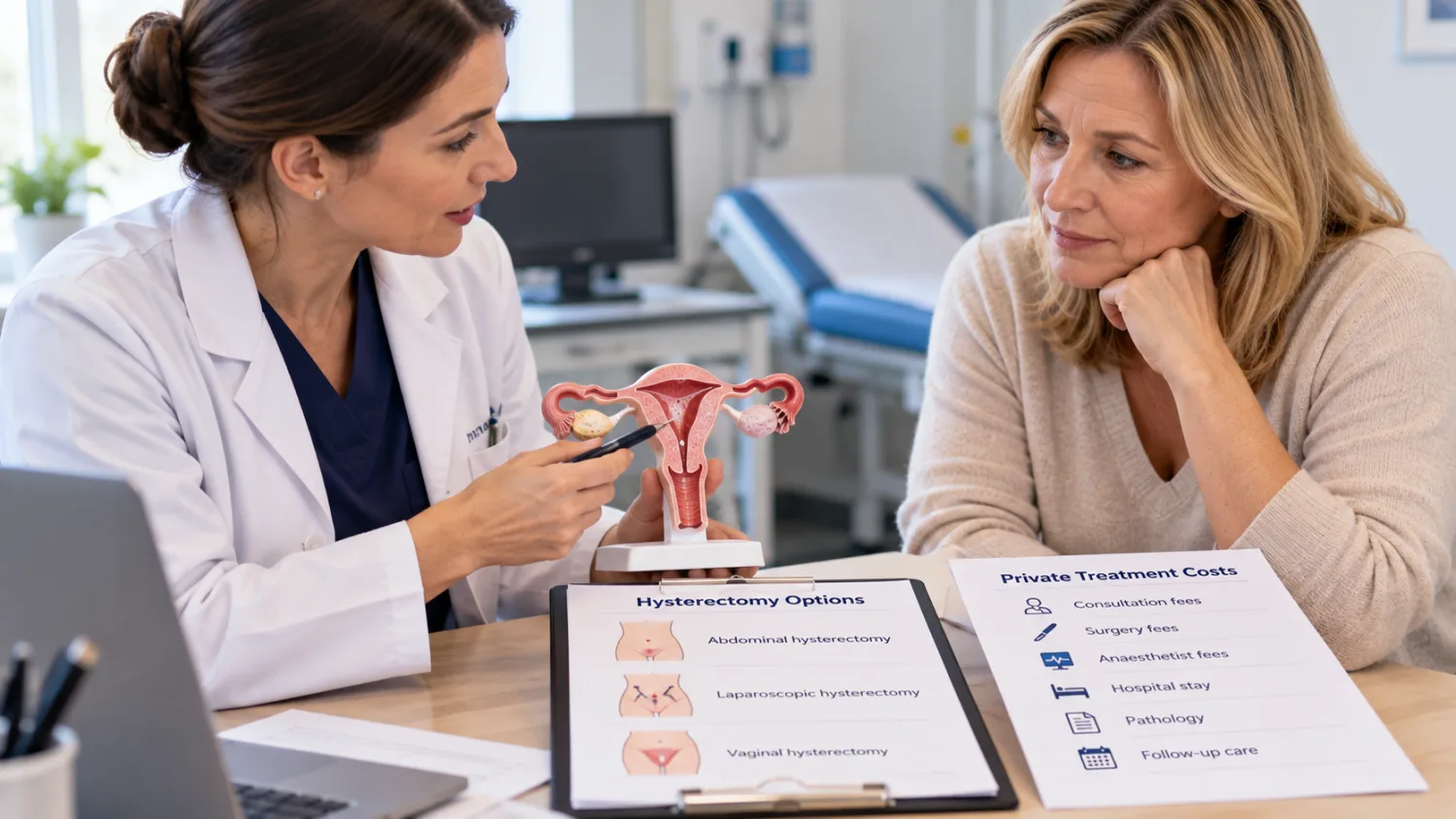
If fertility treatment eventually becomes necessary, our guide to IVF and fertility treatment costs in the UK explains NHS and private treatment costs. The resource is also included in the site's current fertility content.
What Actually Gives You the Best Chance of Getting Pregnant Quickly?
For most couples, there is no need to turn conception into a complicated medical project from day one.
The most useful approach is usually to have sex every two to three days, including through the likely fertile part of the cycle.
Start folic acid before pregnancy. Avoid smoking and alcohol. Eat normally and aim for a healthy, sustainable lifestyle rather than trying fertility detoxes or extreme diets.
If periods are regular and there are no known fertility concerns, give yourselves some time.
If cycles are very irregular, age is becoming an important factor or there is an existing condition that may affect fertility, seek advice earlier.
Perhaps most importantly, remember that not becoming pregnant in the first few cycles does not mean you have done anything wrong.
Human reproduction is simply not 100% efficient, even when timing and health are good.
Frequently Asked Questions
What is the fastest way to get pregnant?
There is no guaranteed way to become pregnant immediately. Having regular unprotected sex every two to three days, including around ovulation, gives sperm a good chance of being present during the fertile window.
What days are best for getting pregnant?
The most fertile days are the days before ovulation and around ovulation itself. With regular cycles, ovulation often occurs around 12 to 16 days before the next period begins.
Do I need to have sex every day?
No. NHS guidance recommends sex every two to three days while trying to conceive. Daily sex is fine if you prefer it, but it is not normally necessary.
How long should I lie down after sex?
You do not need to. Sperm begin travelling through the cervix quickly, and fluid leaking out afterwards is normal.
Which sex position is best for pregnancy?
There is no good evidence that a particular sexual position significantly increases the chance of conception.
Can I get pregnant outside my fertile window?
Pregnancy occurs when sperm fertilises an egg around ovulation. Because sperm can survive for several days, sex a few days before ovulation can still lead to pregnancy.
Do ovulation tests help you get pregnant faster?
They can help identify the approach of ovulation and may be useful when intercourse cannot happen regularly. They are not essential if you are already having sex every two to three days.
Should I take folic acid before trying?
Yes. The NHS recommends 400 micrograms of folic acid every day from when you start trying for a baby, ideally around three months before pregnancy, until 12 weeks pregnant.
Can losing weight improve fertility?
If excess weight is interfering with ovulation or contributing to other fertility problems, gradual weight loss may improve fertility. Being significantly underweight can also interfere with ovulation.
Does caffeine stop you getting pregnant?
Moderate caffeine intake is not generally considered a major cause of infertility. During pregnancy, UK guidance recommends keeping caffeine below 200mg per day.
Does stress stop you getting pregnant?
Ordinary everyday stress does not make pregnancy impossible. Severe or prolonged stress can affect libido and sometimes menstrual patterns, but telling people simply to “relax and it will happen” is neither accurate nor helpful.
How do I know if I am ovulating?
Regular menstrual cycles make regular ovulation more likely. Cervical mucus changes and LH ovulation tests can provide additional clues. If periods are absent or very irregular, speak to a GP.
How long should we try before seeing a GP?
For most people under 36 without known fertility problems, seek advice after a year of regular unprotected sex. Speak to a GP sooner if you are aged 36 or over or either partner has a known or suspected fertility problem.
Should both partners be tested?
Yes, when fertility investigation is needed. Fertility problems can involve either or both partners, and semen analysis is an important part of assessment.
Does AMH tell me how fertile I am?
No. AMH provides information about ovarian reserve and can help with fertility-treatment planning, but it cannot reliably predict whether an individual will conceive naturally in a particular month.