Snoring is often treated as a joke until it stops feeling funny.
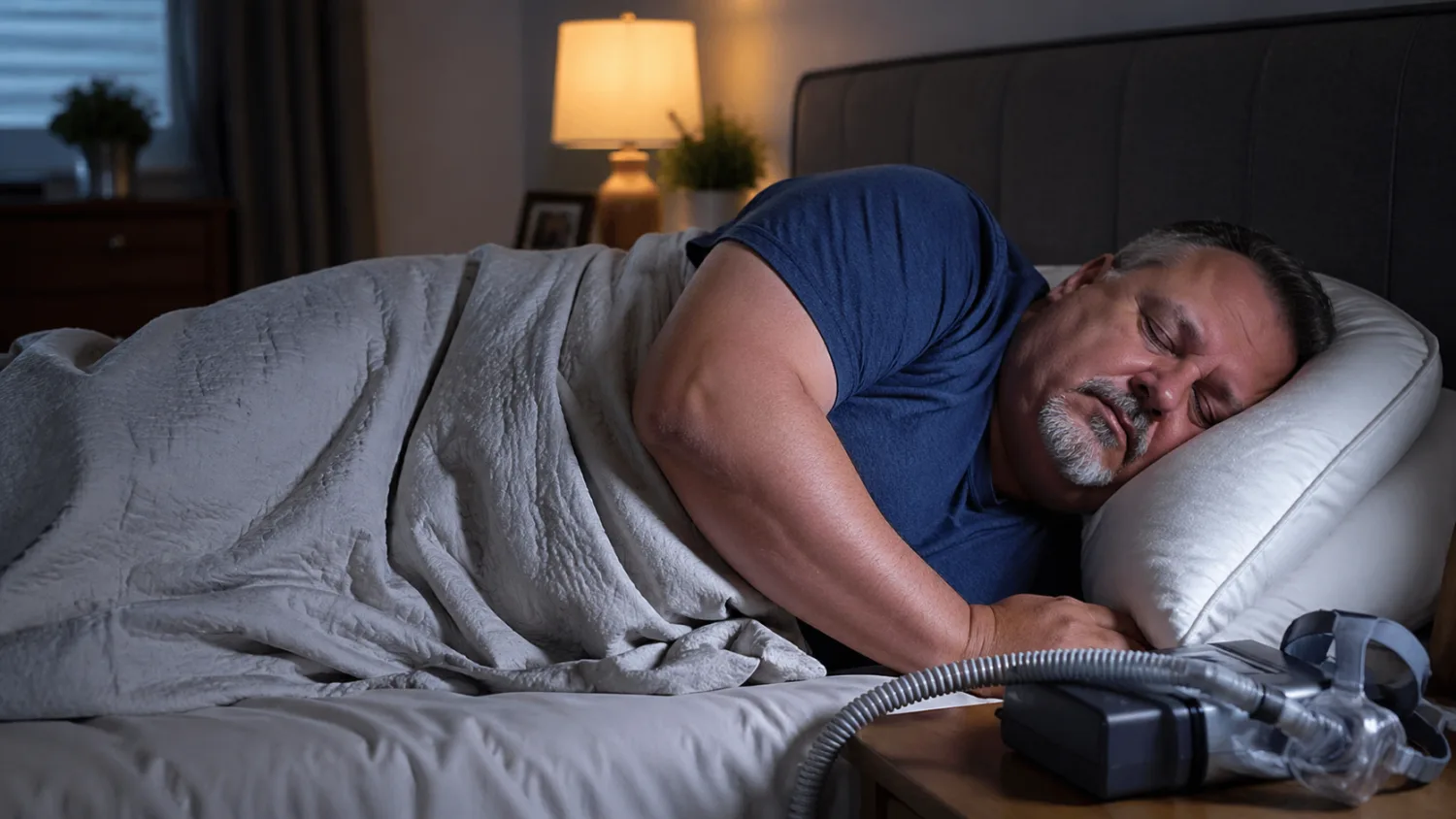
At first, it may just be something your partner complains about. Then someone notices that you seem to stop breathing in your sleep. Or you start waking unrefreshed, feeling foggy, irritable and tired even after what should have been a full night in bed. Sometimes the first clue is not the snoring itself, but the way daytime sleepiness begins to affect driving, work, concentration and mood. The NHS explains that sleep apnoea can cause breathing to stop and start while you sleep, and that common symptoms include loud snoring, pauses in breathing and excessive daytime sleepiness.
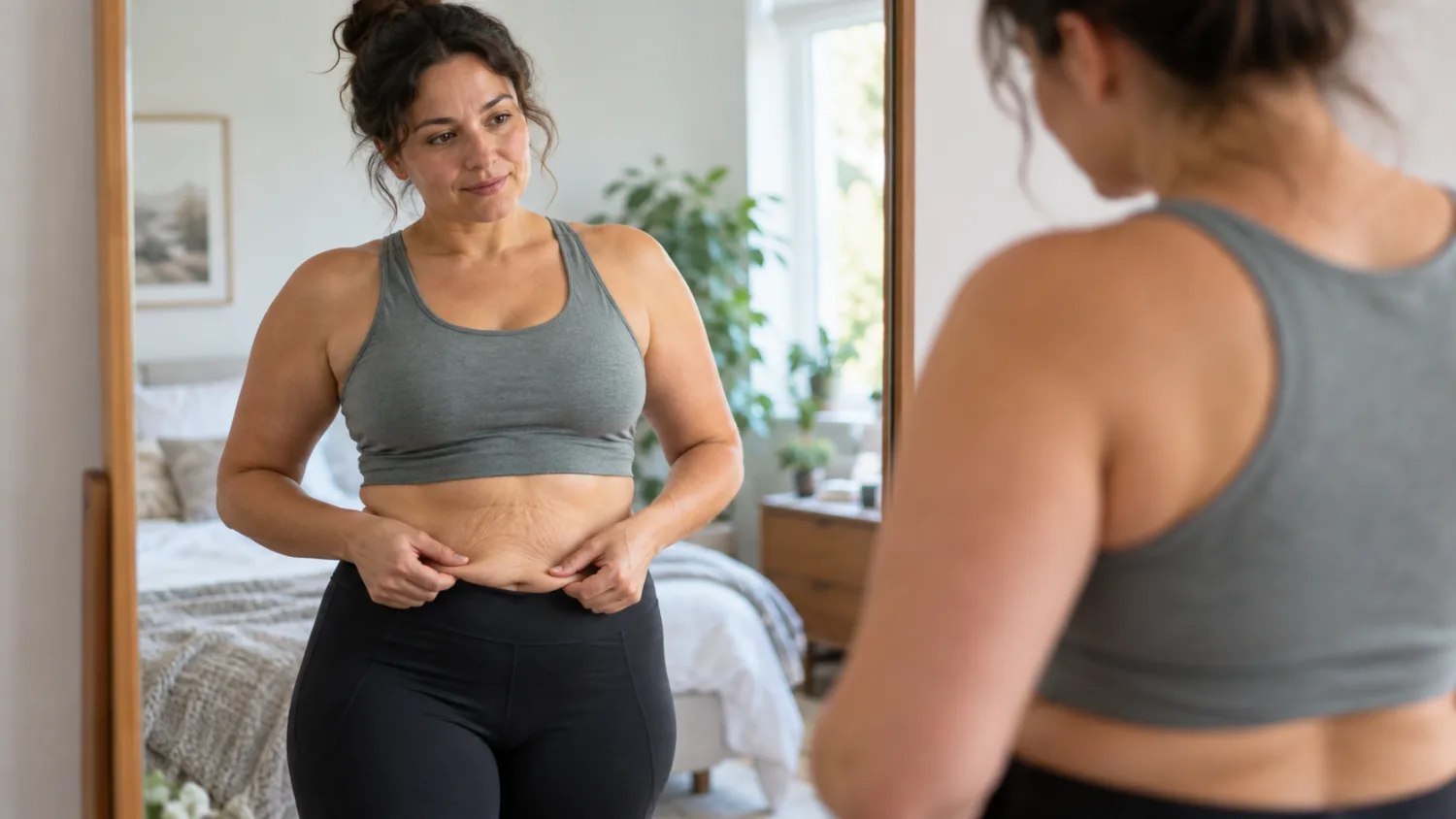
Weight often sits right in the middle of this story. Being overweight increases the risk of snoring and obstructive sleep apnoea, especially when extra tissue narrows the airway around the neck and throat. But the relationship also runs the other way. Poor sleep and untreated sleep apnoea can leave people exhausted, less active, hungrier and more likely to gain weight over time. NICE’s guideline on obstructive sleep apnoea/hypopnoea syndrome and obesity hypoventilation syndrome treats weight, sleep and airway problems as closely linked clinical issues rather than separate ones.
This guide explains how sleep, snoring, sleep apnoea and weight are connected, what symptoms matter, when it may be more than “just snoring”, what usually helps, and when it is worth getting checked.
If you want the wider weight-management context too, it may help to read Losing Weight: Causes of Weight Gain, Treatments and When to Get Help, Why Am I Not Losing Weight? and How to Keep Weight Off After Losing It.
What is the difference between snoring and sleep apnoea?
Snoring happens when structures in the mouth, nose or throat vibrate as air passes through while you sleep. The NHS snoring page says you are more likely to snore if you are overweight, smoke, drink too much alcohol or sleep on your back. Sometimes, though, snoring is a sign of something more serious.
Obstructive sleep apnoea is when the airway repeatedly narrows or closes during sleep, causing pauses in breathing. The NHS says these repeated interruptions can wake the brain just enough to restart breathing, even if you do not fully realise it is happening. That is why people with sleep apnoea can spend many hours in bed and still feel exhausted the next day.
So the simplest way to think about it is this: snoring is noisy breathing in sleep; sleep apnoea is repeated airway blockage that disrupts breathing and sleep quality.
Why does weight matter so much?
Because weight can affect the size and stability of the airway.
When people carry more weight, especially around the neck and upper body, the throat is more likely to narrow during sleep. NHS advice on sleep apnoea specifically recommends trying to lose weight if you are overweight, and NICE says lifestyle advice for people with OSAHS should include support on losing weight, stopping smoking, reducing alcohol and improving sleep hygiene.
Some NHS sleep services put it even more directly. A recent Royal Devon patient leaflet says that while not everyone with OSA is overweight, up to 90% of adults with OSA are overweight. That does not mean every person who snores has a weight problem, or that every overweight person will get sleep apnoea. But it does explain why weight is such a central part of the conversation.
Can poor sleep make weight gain worse?
Yes, and this is where the cycle becomes frustrating.
People with untreated sleep apnoea are often extremely tired during the day. That tiredness makes activity harder, decision-making worse and appetite regulation less reliable. A Royal Papworth leaflet on obstructive sleep apnoea and weight loss notes that untreated OSA can increase the likelihood of becoming more obese because excessive daytime sleepiness can lead to a more sedentary lifestyle. A research summary on the HRA site makes a similar point, noting that people with OSA may be less active and therefore at greater risk for weight gain.
That is why people sometimes feel trapped. Weight may worsen sleep apnoea, but sleep apnoea can also make weight harder to manage. Once that cycle starts, “just lose some weight” can sound much simpler than it actually feels in real life.
What symptoms suggest it may be sleep apnoea rather than simple snoring?
Snoring on its own is common. But some symptoms should make you think beyond ordinary snoring.
- very loud snoring
- someone noticing pauses in your breathing
- gasping, choking or snorting in sleep
- waking with a dry mouth or headache
- daytime sleepiness or falling asleep easily
- poor concentration, brain fog or irritability
- waking unrefreshed even after a long night
The NHS lists these kinds of symptoms as common features of sleep apnoea, and says you should see a GP if snoring is combined with breathing pauses, choking noises, restless sleep or excessive daytime sleepiness.
Why does sleep apnoea matter beyond feeling tired?
Because it affects more than sleep quality.
Repeated drops in oxygen and fragmented sleep can affect blood pressure, concentration, mood and cardiovascular risk. While patients often first seek help because of tiredness or snoring, clinicians take OSA seriously because it can sit alongside other important problems like obesity, high blood pressure and diabetes. NICE’s guideline on OSAHS and obesity hypoventilation syndrome exists precisely because these are not trivial sleep complaints.
There is also the practical issue of safety. If someone is becoming sleepy while driving, sitting at work or struggling to stay awake during the day, that can affect daily life in serious ways.
What is obesity hypoventilation syndrome?
This is a related condition that gets discussed less often than sleep apnoea, but it matters.
NICE’s guideline covers not only obstructive sleep apnoea/hypopnoea syndrome but also obesity hypoventilation syndrome (OHS). OHS is a condition in which obesity affects breathing enough that carbon dioxide levels stay too high, especially during sleep. NICE treats it as a distinct clinical problem that needs recognition and management, and, like OSAHS, recommends lifestyle advice including weight loss, smoking cessation, alcohol reduction and sleep hygiene support.
The practical takeaway is that severe obesity can affect breathing in sleep in more than one way, which is one reason persistent symptoms should not be brushed off.
Does losing weight really help?
Often, yes.
The NHS advises people with sleep apnoea to try to lose weight if they are overweight, and multiple NHS sleep services say weight loss can improve symptoms and, in some cases, resolve OSA if enough weight is lost. Oxford University Hospitals’ 2026 sleep-service FAQ says that if being overweight is the dominant cause of someone’s sleep apnoea, weight loss can mean the sleep apnoea is cured and CPAP can sometimes be stopped.
Royal Papworth and other NHS patient leaflets make similar points: weight loss can improve daytime sleepiness, reduce snoring and lower wider health risks like high blood pressure and diabetes.
That said, weight loss is not always simple or quick, especially if untreated sleep apnoea is already leaving you exhausted. That is why many people need both: proper sleep-apnoea treatment now, and support with weight over time.
What else helps besides weight loss?
There are several practical things that can help, especially in milder cases or alongside formal treatment.
The NHS says it can help to:
- lose weight if you are overweight
- exercise regularly
- have good sleep habits
- sleep on your side
- avoid smoking and too much alcohol
NICE similarly recommends discussing lifestyle changes with all people with OSAHS, including weight loss, stopping smoking, reducing alcohol intake and improving sleep hygiene. Local NHS referral guidance also often mentions reviewing sedative medication and treating nasal blockage where relevant.
These things are worth doing, but they are not always enough on their own when OSA is moderate or severe.
What is CPAP, and is it forever?
CPAP stands for continuous positive airway pressure. It is one of the main treatments for obstructive sleep apnoea. The machine gently blows air through a mask to stop the airway collapsing during sleep. CPAP does not cure sleep apnoea directly; it controls it while you use it.
Oxford University Hospitals’ FAQ explains this clearly: if nothing changes, stopping CPAP usually means the sleep apnoea returns. But if excess weight was the main cause and enough weight is lost, CPAP may not always be needed forever.
That is an important point for people who are worried that treatment means permanent dependence on a machine. Sometimes CPAP is long term. Sometimes it becomes less necessary if the underlying drivers change.
When should you see a GP?
It is worth speaking to a GP if you snore heavily and also feel unusually sleepy in the daytime, wake up choking, or if someone has noticed pauses in your breathing. The NHS specifically advises seeing a GP if snoring is combined with breathing pauses, gasping or excessive daytime tiredness.
You should also raise it if your weight is increasing and sleep quality is getting worse, especially if you already have related health issues like high blood pressure, diabetes risk or morning headaches.
If your symptoms are affecting driving or safety, do not downplay that. Excessive sleepiness is one of the strongest reasons to take this seriously quickly.
What happens after that?
Your GP may ask about symptoms, daytime sleepiness, weight, alcohol, smoking and other relevant factors. Depending on the situation, you may be referred for sleep assessment. NICE’s guideline covers investigation and management pathways for OSAHS and related conditions in people over 16, including when to investigate and how to manage based on symptoms and severity.
That might involve a home sleep study or specialist sleep service rather than a dramatic hospital admission. In other words, getting checked is usually more straightforward than many people fear.
What should you say at the appointment?
You do not need a perfect script. A simple version is enough:
“I snore heavily, I feel tired in the daytime, and I’m worried it might be sleep apnoea. My weight has also been part of the problem.”
If someone has heard you stop breathing, say that clearly. That detail matters.
Where weight fits into the bigger picture
For many people, sleep problems do not sit alone. They are part of a wider health picture that may also include obesity, high blood pressure, low energy, emotional eating or hormonal issues.
If that sounds familiar, you may also want to read Emotional Eating, Stress and Weight Gain, Menopause and Weight Gain, PCOS and Weight Gain or Could a Thyroid Problem Be Affecting Your Weight?. Sometimes “tired and gaining weight” is not one single problem. It is several overlapping ones.
The bottom line
Snoring is common, but it is not always harmless. When loud snoring comes with pauses in breathing, choking noises, unrefreshing sleep and daytime sleepiness, obstructive sleep apnoea becomes a real possibility. The NHS and NICE are both clear that weight is one of the major factors involved, and that losing weight, improving sleep habits and getting proper assessment can all help.
The encouraging part is that this is a problem you can do something about. Treatment can improve sleep and daytime functioning, and weight loss can improve or sometimes even resolve the condition when excess weight is a major driver.
If your snoring has started to sound less like a joke and more like a warning sign, it is worth asking about it.