Smartwatches and health rings have moved far beyond step counting. Many now track heart rate, sleep, blood oxygen, temperature trends and recovery. Some can record a single-lead ECG, alert users to possible irregular heart rhythms, or flag signs of breathing disturbance during sleep.
That can be genuinely useful. A wearable may help someone notice a pattern, record symptoms when they happen, or bring clearer information to a GP, cardiologist or sleep clinic appointment. For people with palpitations, suspected atrial fibrillation, poor sleep, unexplained fatigue or a family history of heart problems, the right device can provide helpful context.
But it is important to keep expectations realistic. A smartwatch is not a doctor, a hospital ECG, a blood pressure clinic, a sleep study or a diagnostic test on its own. Wearables can miss problems, produce false alarms, and create anxiety if the data is misunderstood. They should support medical care, not replace it.
This guide explains what health-monitoring watches can and cannot do, which features matter most, and how some of the better-known UK options compare.
Quick answer: The most useful health smartwatch features are usually ECG recording, irregular rhythm alerts, heart rate trends, sleep tracking, blood oxygen monitoring and, in some devices, sleep apnoea notifications or blood pressure features. These tools can be helpful, but abnormal readings should be discussed with a healthcare professional rather than self-diagnosed.
What makes a health wearable different from a fitness tracker?
A basic fitness tracker usually measures steps, activity, calories and heart rate. A more advanced health wearable may include sensors and software designed to monitor specific health signals, such as heart rhythm, blood oxygen, breathing patterns during sleep, temperature changes or blood pressure trends.
The difference is not just the number of sensors. The key questions are:
- Has the feature been clinically validated?
- Is it approved or cleared for use in the UK or relevant market?
- Does it produce information a clinician can use?
- Does it clearly explain its limitations?
- Can you export or share readings with a GP or specialist?
For example, a watch that can record an ECG is different from a watch that simply shows your pulse. A pulse reading can tell you how fast your heart is beating. An ECG gives more information about the heart’s electrical rhythm, although smartwatch ECGs are usually single-lead and much more limited than a 12-lead ECG used in medical settings.
If you are trying to understand medical heart tests, you may find our guides to ECG results explained, atrial fibrillation and stroke risk and heart palpitations useful.
Important: wearables are screening and tracking tools, not final diagnoses
This point matters. A wearable can suggest that something may need attention, but it cannot confirm every diagnosis. It can also be wrong.
A smartwatch may:
- alert you to a possible irregular rhythm
- record an ECG during symptoms
- show high or low heart rate trends
- show disturbed sleep patterns
- suggest possible breathing disturbance during sleep
- show changes in resting heart rate, temperature or recovery
But it cannot:
- rule out all heart rhythm problems
- replace a 12-lead ECG
- diagnose a heart attack
- replace blood pressure checks with a validated cuff unless specifically designed and calibrated for that purpose
- replace a sleep study for suspected sleep apnoea
- diagnose diabetes or replace glucose monitoring
- interpret symptoms in the wider medical context
If a device flags atrial fibrillation, repeated low oxygen readings, possible sleep apnoea, very high heart rate, fainting, chest pain or worrying symptoms, the next step is medical advice. Do not change medicines, start aspirin, stop treatment or self-diagnose based only on a watch notification.
What health features are actually worth paying attention to?
Some smartwatch features are more useful than others. The most clinically relevant features are usually those that produce a clear, shareable measurement and have a defined purpose.
ECG recording
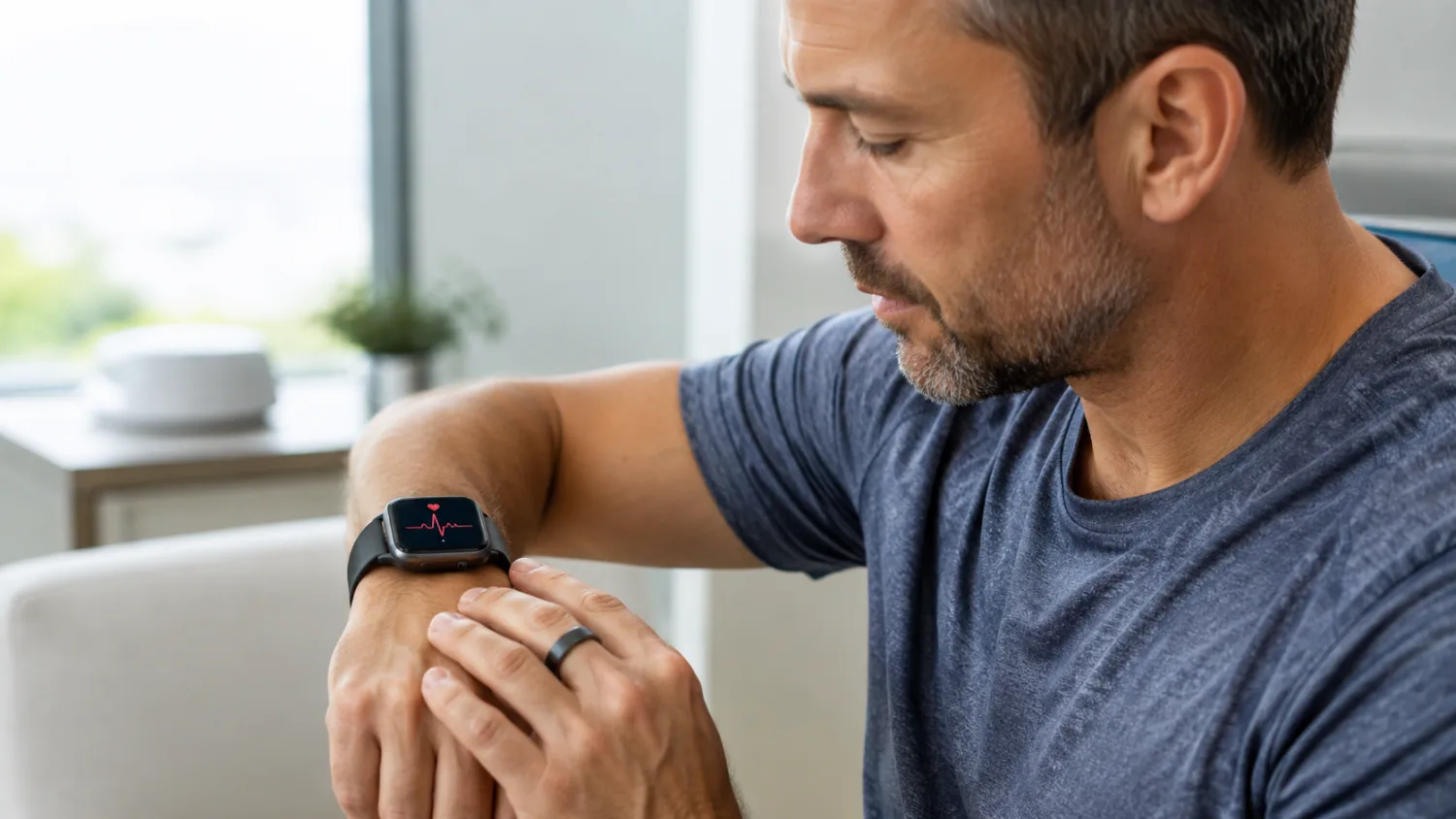
An ECG-capable smartwatch can record a short single-lead ECG from your wrist and finger contact. This may help capture rhythm during palpitations or when an irregular rhythm alert appears.
It is most useful when you can export a PDF or share the result with a clinician. However, a normal smartwatch ECG does not rule out all heart problems, and a single-lead ECG cannot show everything a hospital ECG can.
Irregular rhythm or AFib notifications
Some devices monitor pulse patterns in the background and may notify you if they detect signs consistent with atrial fibrillation. This can be useful because AFib can come and go and may not happen during a GP appointment.
However, these alerts are not perfect. They can miss episodes or flag irregularity that turns out not to be AFib. Any alert should be followed up appropriately.
Heart rate trends
Resting heart rate, exercise heart rate and unusually high or low heart rate notifications can provide useful context. A rising resting heart rate may happen with illness, stress, poor sleep, dehydration, alcohol, overtraining or some medical conditions.
It is the pattern that matters, not one isolated number.
Blood oxygen monitoring
Blood oxygen, often shown as SpO2, can be useful in some contexts, especially during sleep or respiratory illness. But smartwatch oxygen readings are less reliable than clinical pulse oximeters and can be affected by movement, skin contact, temperature and device fit.
Repeated low readings, especially with breathlessness, chest pain, blue lips, confusion or severe illness, should be treated seriously.
Sleep tracking
Wearables can estimate sleep duration, sleep timing, wake periods and sometimes sleep stages. They can help spot patterns, such as short sleep, irregular routine or poor recovery.
But sleep staging from consumer wearables is an estimate. It should not be treated as a formal sleep study. If you snore heavily, wake choking, feel very sleepy in the day or have possible sleep apnoea, read our guide to snoring and sleep apnoea.
Blood pressure features
Some watches offer blood pressure monitoring, but these features often require calibration with a traditional blood pressure cuff and may only be available with certain phones or apps. They should not replace proper home blood pressure monitoring unless your clinician agrees the setup is suitable.
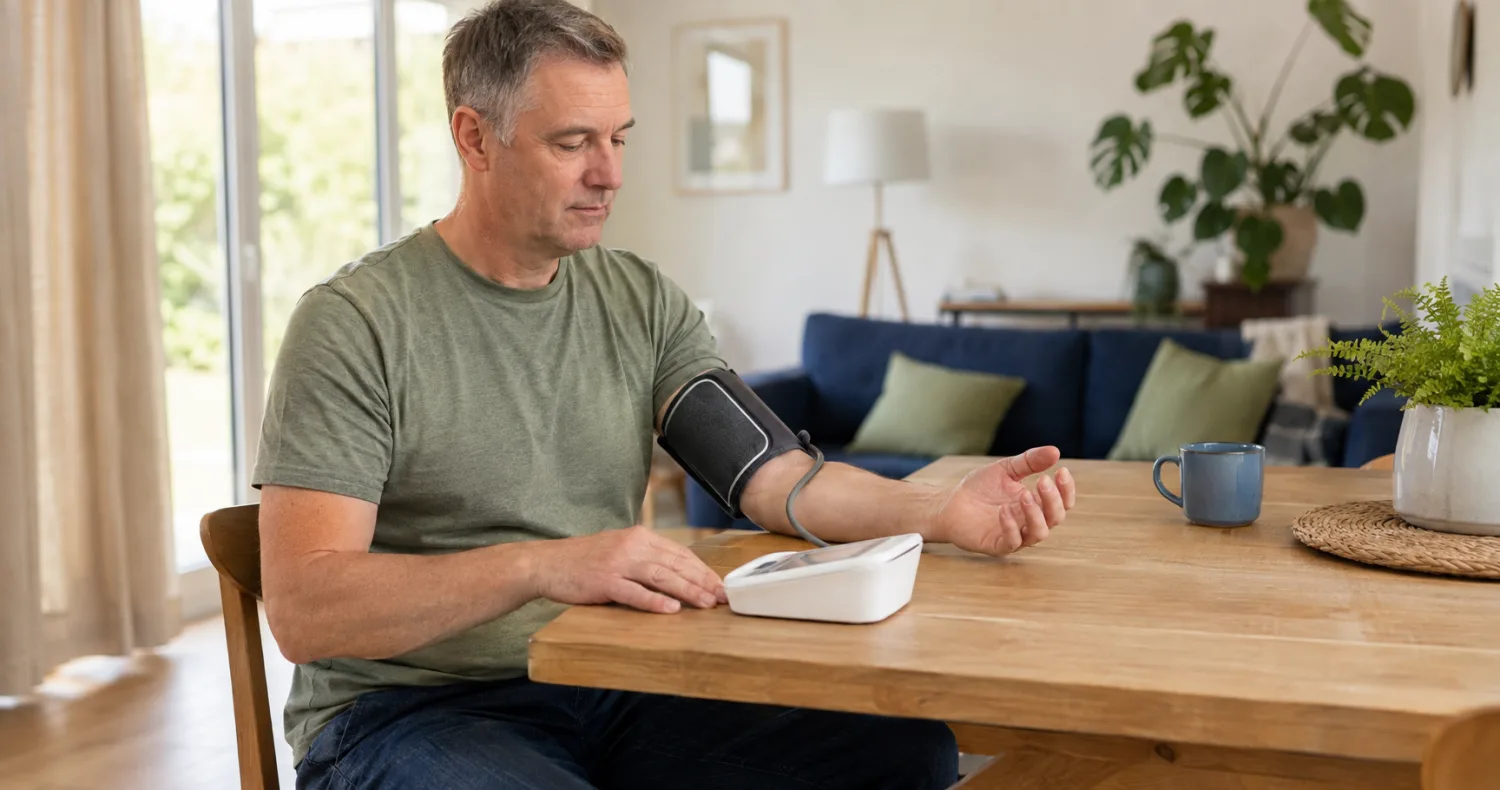
If blood pressure is your main concern, a validated upper-arm cuff is usually the more appropriate starting point. See our guide to home blood pressure monitoring.
Health-monitoring devices worth knowing about in the UK
The devices below are not the only options, and features change quickly. Prices, availability and regulatory status may change over time, so always check the manufacturer’s current UK information before buying.
This is not a replacement for medical advice. It is a practical overview of devices that are commonly discussed for health monitoring.
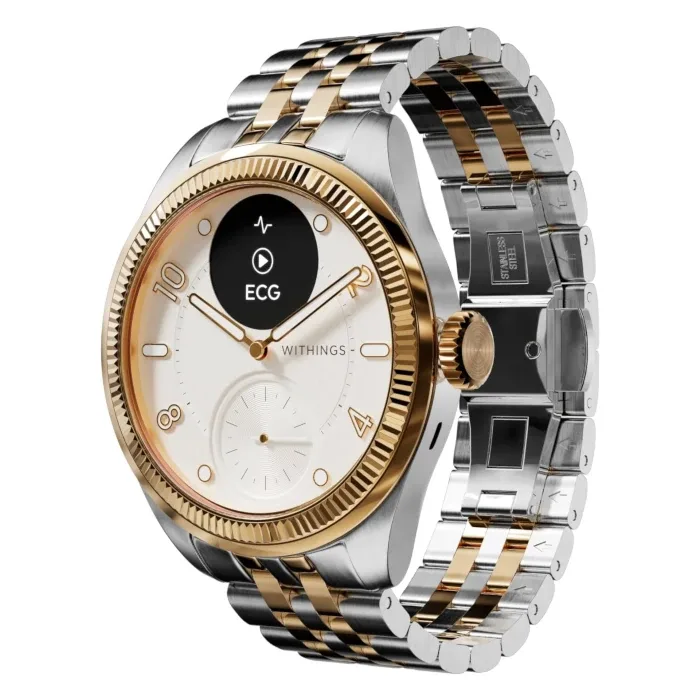
Withings ScanWatch Nova: a traditional-looking watch with strong heart-health features
Withings ScanWatch Nova
Best suited to: People who want ECG and irregular rhythm monitoring in a watch that looks more like a traditional analogue watch than a tech device.
Key features: ECG recording, signs of atrial fibrillation detection, blood oxygen measurement, sleep tracking, breathing disturbance tracking, temperature variation and long battery life.
The Withings ScanWatch range is popular with people who want health monitoring without a large touchscreen. It has a hybrid design, with analogue hands and a smaller digital display. That makes it less distracting than many full smartwatches.
Its strongest appeal is heart rhythm monitoring. The watch can record a single-lead ECG and may detect signs of atrial fibrillation. ECG reports can be shared through the Withings app, which may be useful when discussing palpitations or irregular rhythm alerts with a clinician.
It also tracks sleep and breathing disturbances, although this should not be confused with a full diagnostic sleep study. If sleep apnoea is suspected, formal assessment may still be needed.
Possible downsides: It is less of a full smartwatch than Apple or Samsung devices. If you want apps, calls, messages and a large screen, it may feel limited. The price is also premium.
Practical verdict: A strong option for someone who cares more about discreet health monitoring, battery life and heart rhythm tracking than smartwatch apps.
Apple Watch: the strongest all-round option for iPhone users
Apple Watch
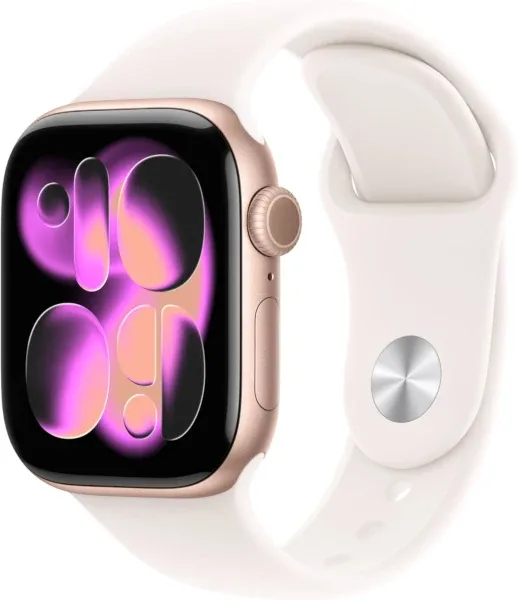
Best suited to: iPhone users who want a broad mix of health tracking, ECG, irregular rhythm alerts, sleep features, fall/crash detection and everyday smartwatch functions.
Key features: ECG app, irregular rhythm notifications, heart rate alerts, sleep tracking, temperature sensing on supported models, blood oxygen on some models and sleep apnoea notifications on supported watches in eligible regions.
The Apple Watch is one of the most developed health wearables because it combines medical-style features with a mature app ecosystem. For many people, its biggest advantage is convenience: ECG, heart rate, activity, sleep, medication reminders, fall detection and emergency features all sit inside the same Apple Health environment.
For people who already use an iPhone, Apple Watch data is easy to view and export. ECG PDFs and health trends may be useful during GP or cardiology discussions, especially if symptoms are intermittent.
Sleep apnoea notifications are available on supported Apple Watch models and can look for breathing disturbances during sleep. This can be useful as a prompt to seek assessment, but it is not the same as a formal sleep study.
Possible downsides: Battery life is shorter than many competitors, which can make overnight sleep tracking less convenient. It also only works properly for iPhone users.
Practical verdict: The best all-round choice for many iPhone users, especially if they want both health tracking and full smartwatch features.
Samsung Galaxy Watch: a strong Android option, especially for Samsung phone users
Samsung Galaxy Watch
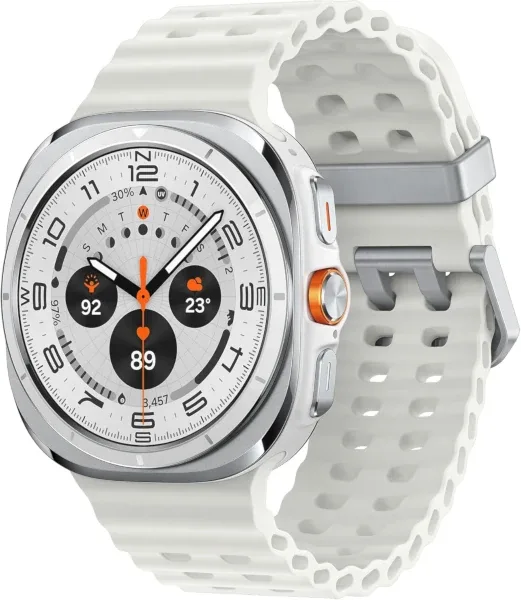
Best suited to: Android users, especially Samsung Galaxy phone users, who want ECG, heart rhythm features, sleep tracking and blood pressure-related tools where available.
Key features: ECG, irregular heart rhythm notifications on supported models, sleep tracking, sleep apnoea features in supported regions, body composition estimates and blood pressure monitoring with calibration in certain setups.
Samsung’s Galaxy Watch range is one of the closest Android equivalents to Apple Watch. It offers a wide set of health and fitness features, including ECG and heart rhythm tools through the Samsung Health Monitor app.
One important point is compatibility. Some Samsung health features may require a Samsung Galaxy phone or the Samsung Health Monitor app. Blood pressure features may also require calibration with a traditional cuff and regular recalibration. This means the practical experience can vary depending on your phone, country and device model.
For people already using Samsung phones, the Galaxy Watch can be a useful health and lifestyle device. It may be particularly appealing if you want smartwatch features as well as health monitoring.
Possible downsides: Some features are limited by region, phone compatibility or app requirements. Blood pressure readings should not replace proper clinical or home cuff monitoring without medical advice.
Practical verdict: A strong option for Android users, especially those already in the Samsung ecosystem.
Oura Ring: best for sleep, recovery and low-profile tracking
Oura Ring
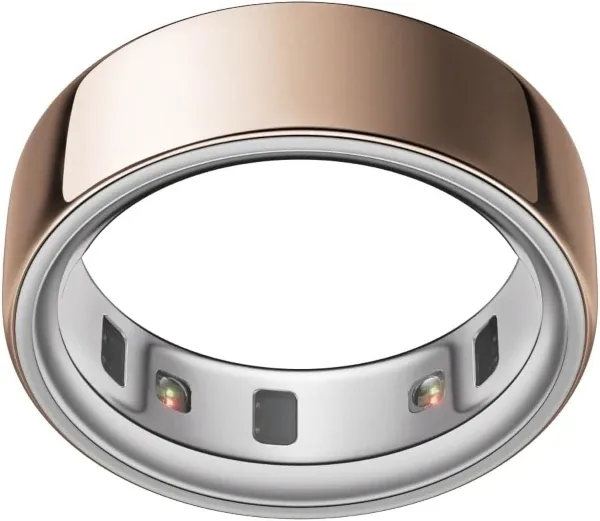
Best suited to: People who want sleep, recovery, temperature and wellbeing trends without wearing a smartwatch.
Key features: Sleep tracking, resting heart rate, heart rate variability, temperature trends, blood oxygen sensing, activity tracking, stress and recovery insights.
The Oura Ring takes a different approach. It has no screen and is worn as a ring. This makes it more discreet than a watch and easier to wear overnight for many people.
Its main strength is sleep and recovery tracking. Because it is worn on the finger, it can collect useful overnight heart rate, temperature and oxygen-related data. Many users value the readiness and recovery scores because they show patterns over time.
However, Oura is not primarily a cardiac diagnostic device. It does not replace an ECG watch if your main concern is palpitations or possible atrial fibrillation.
Possible downsides: Some advanced insights may require a subscription. It has no screen, no ECG and fewer immediate alert-style features than a smartwatch.
Practical verdict: A good option for sleep and recovery tracking, particularly for people who dislike wearing watches at night.
How to choose the right device
The best device depends on what you are trying to monitor. Do not start with the most expensive device. Start with the health question.
If you are worried about palpitations or AFib
Look for a device with ECG recording and irregular rhythm notifications. Apple Watch, Samsung Galaxy Watch and Withings ScanWatch are the main consumer options people consider for this purpose.
If you already have diagnosed AFib, heart disease, fainting, chest pain or concerning symptoms, speak to your GP or cardiology team before relying on a wearable.
If you want better sleep tracking
Oura Ring, Apple Watch and Samsung Galaxy Watch can all provide useful sleep data. Oura is often preferred by people who want low-profile overnight tracking. Apple and Samsung may be better if you want smartwatch features too.
If you suspect sleep apnoea, look for snoring, choking episodes, morning headaches, high blood pressure, daytime sleepiness and witnessed pauses in breathing. A wearable may prompt you to seek help, but diagnosis usually needs proper assessment.
If blood pressure is your main concern
A validated upper-arm blood pressure monitor is usually more appropriate than a smartwatch. Some watches offer blood pressure features, but these may need calibration and may not be suitable for diagnosis or medication decisions.
See high blood pressure symptoms, causes and treatment and home blood pressure monitoring.
If you want a discreet device
Withings ScanWatch and Oura Ring are less visibly “techy” than Apple Watch or Samsung Galaxy Watch. They may suit people who want health tracking without notifications, apps or a large screen.
If you want the best smartwatch experience
Apple Watch is usually the best choice for iPhone users. Samsung Galaxy Watch is usually the better fit for Samsung and Android users. These devices are better for apps, notifications, calls and everyday smartwatch features.
What to ask before buying a health smartwatch
Before buying, ask:
- What health question am I trying to answer?
- Do I need ECG, sleep tracking, blood pressure features or just general activity data?
- Will it work with my phone?
- Are the health features available in the UK?
- Can I export data to share with a clinician?
- Does it need a subscription?
- How often does it need charging?
- Will I actually wear it overnight?
- Could the data make me anxious?
- Would a simpler medical device, such as a blood pressure cuff, be more useful?
When should smartwatch readings prompt medical advice?
Contact your GP, NHS 111 or an appropriate healthcare professional if you have:
- a new irregular rhythm notification
- repeated possible AFib alerts
- palpitations with dizziness, chest pain or breathlessness
- fainting or blackouts
- repeated unusually low oxygen readings with symptoms
- possible sleep apnoea alerts with daytime sleepiness or loud snoring
- very high or very low heart rate readings that are repeated or associated with symptoms
- blood pressure readings that are repeatedly high when checked with a proper cuff
Call 999 if you have chest pain, severe breathlessness, stroke symptoms, collapse, severe weakness, blue lips, confusion or symptoms that feel like an emergency.
Affiliate and advertising disclosure
If this article includes product links, All Health and Care may earn a commission from qualifying purchases. This should not change the price you pay. Product recommendations should remain editorial and based on usefulness, suitability and safety considerations rather than commission alone.
Prices, availability and features can change. Always check the manufacturer’s current UK information before buying.
Final thoughts
Health-monitoring smartwatches and rings can be useful, especially for tracking patterns over time. ECG recording, irregular rhythm alerts, sleep tracking, blood oxygen trends and recovery data can help people have more informed conversations with healthcare professionals.
But the safest way to use these devices is to treat them as supportive tools. They can provide clues, not final answers. A watch alert should not cause panic, but it should not be ignored either. The right response is usually to save the reading, note your symptoms, and speak to a healthcare professional if the result is repeated, concerning or linked with symptoms.
For heart rhythm symptoms, read heart palpitations, ECG results explained and atrial fibrillation and stroke risk. For sleep concerns, read snoring and sleep apnoea. For blood pressure, read home blood pressure monitoring.
This article is for general information only and should not replace medical advice. Wearable health data should be discussed with a qualified healthcare professional if it is abnormal, repeated or linked with symptoms.
Frequently asked questions
Can a smartwatch diagnose atrial fibrillation?
A smartwatch may detect signs suggestive of atrial fibrillation and may record a single-lead ECG. However, a clinician should confirm the diagnosis and decide what treatment or follow-up is needed.
Is a smartwatch ECG the same as a hospital ECG?
No. Most smartwatch ECGs are single-lead ECGs. A hospital ECG is usually a 12-lead test and gives much more information. A smartwatch ECG can still be useful if it captures symptoms or irregular rhythm episodes.
Can a smartwatch detect a heart attack?
No. A smartwatch should not be used to rule in or rule out a heart attack. Chest pain, severe breathlessness, sweating, collapse or pain spreading to the arm, jaw, back or neck needs urgent medical help.
Are sleep apnoea alerts reliable?
Sleep apnoea alerts can be useful prompts, but they are not the same as a diagnostic sleep study. If you snore heavily, wake choking, feel very sleepy during the day or have repeated alerts, speak to a GP.
Can a smartwatch replace a blood pressure monitor?
Usually no. A validated upper-arm blood pressure cuff is still the standard choice for home blood pressure monitoring. Some watches offer blood pressure features, but they may need calibration and may not be suitable for medical decisions.
Which is better: Apple Watch or Samsung Galaxy Watch?
For most people, this depends on your phone. Apple Watch is usually best for iPhone users. Samsung Galaxy Watch is usually better for Samsung or Android users. Health feature availability can depend on model, region and app compatibility.
Is the Oura Ring better than a smartwatch?
It depends on what you want. Oura Ring is strong for sleep, recovery and discreet tracking. A smartwatch is usually better for ECG, alerts, apps, notifications and active health features.
Can wearable oxygen readings be wrong?
Yes. Readings can be affected by movement, fit, cold hands, skin contact and device limitations. Repeated low readings with symptoms should be checked medically.
Can a wearable help my GP?
It can. ECG PDFs, heart rate trends, symptom timing and sleep data may help discussions. However, GPs may still need formal tests such as ECG, blood tests, blood pressure readings, Holter monitoring or sleep studies.
Should I buy a health watch if I have anxiety about my health?
Be cautious. Some people find health data reassuring, while others become more anxious and check readings repeatedly. If health anxiety is a concern, discuss this with a healthcare professional before buying a device that gives frequent alerts.