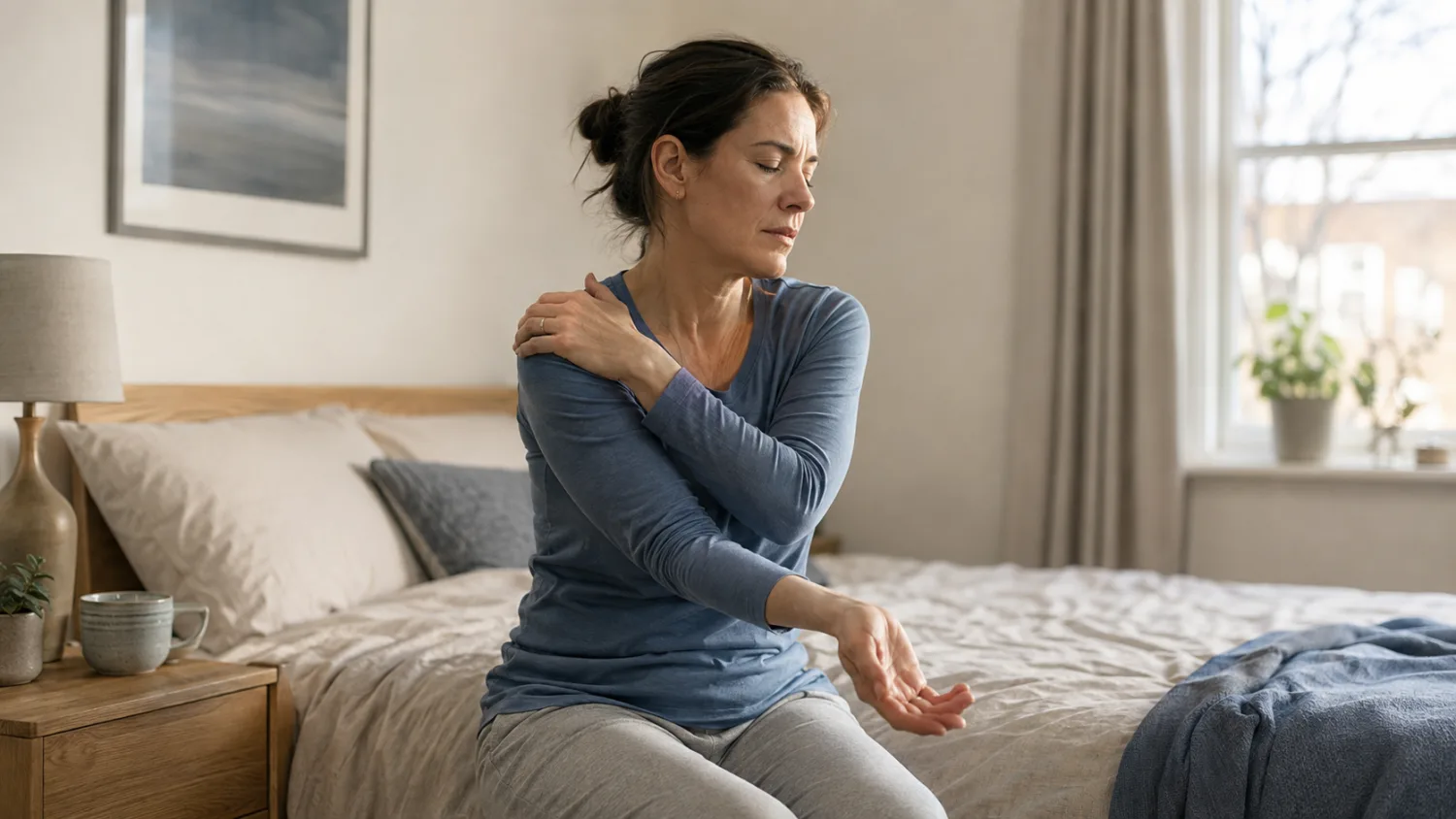
Osteoporosis is a condition in which bones lose strength and become more likely to break. It is often described as a “silent disease” because the weakening itself does not usually cause pain. Many people feel entirely well until they fracture a wrist, hip, spine or another bone after a relatively minor fall or movement.
That can make an osteoporosis diagnosis feel unsettling. Someone may be told that their bones are fragile even though they remain active, independent and free from symptoms. It is important to remember that osteoporosis does not mean a fracture is inevitable. It means the risk is higher—and there is a great deal that can be done to reduce it.
Treatment is not limited to calcium tablets. Depending on your age, previous fractures, bone-density results and wider health, care may include prescription medicine, vitamin D, exercise, support to prevent falls, changes to medicines that weaken bone and treatment of an underlying condition.
Bone strength also cannot be understood from one number alone. Doctors increasingly look at the whole picture: whether you have already broken a bone, how likely you are to fall, whether you take steroid tablets, your family history, body weight, smoking and alcohol, and the result of tools such as FRAX alongside a DEXA scan.
Seek urgent medical help after a fall if you cannot stand or put weight on a leg, your hip or groin is severely painful, a limb looks deformed, you have hit your head while taking blood-thinning medicine, or you develop weakness, numbness or loss of bladder or bowel control.
Arrange prompt medical assessment for sudden severe back pain, especially after a minor movement, cough or fall; unexplained loss of height; a newly stooped posture; or persistent pain after a seemingly small injury. A spinal fracture is not always caused by a dramatic accident.
Do not stop osteoporosis medicine without advice. This is particularly important with denosumab injections, because delaying or stopping treatment without a planned alternative can lead to rapid bone loss and an increased risk of spinal fractures.
What osteoporosis actually means
Bone may look solid and permanent, but it is living tissue. Throughout life, old bone is removed and replaced with new bone through a continuous process called remodelling.
During childhood and early adulthood, the body generally builds bone faster than it loses it. Bone mass reaches its peak in early adult life. Later, bone loss gradually begins to outpace bone formation.
Osteoporosis develops when this loss becomes significant enough that the internal structure of bone becomes thinner, weaker and more fragile. The outer shell may become less robust, while the delicate supporting network inside the bone becomes more widely spaced.
This makes bones less able to absorb the force of an ordinary fall or movement.
Osteoporosis is not the same as osteoarthritis
The names sound similar, but the conditions are different.
Osteoporosis affects the strength and structure of bones. It raises the risk of fractures.
Osteoarthritis affects joints, where cartilage and surrounding tissues change over time. It commonly causes pain, stiffness and reduced movement.
A person can have both conditions, but osteoporosis does not usually cause aching joints by itself. Our guide to osteoarthritis and rheumatoid arthritis explains the distinction in more detail.
What is a fragility fracture?
A fragility fracture is a broken bone resulting from a level of force that would not normally be expected to fracture healthy bone.
The classic example is a fracture after falling from standing height or lower. However, spinal fractures can occur after bending, lifting, coughing or without any clearly remembered incident.
Common fragility fractures involve the:
- wrist;
- hip;
- spine;
- upper arm;
- pelvis.
A first fragility fracture is an important warning sign. It suggests that the risk of another fracture may be higher, particularly during the next few years.
Does osteoporosis always get worse?
Not necessarily.
Bone density may remain relatively stable, improve with treatment or decline more slowly after risk factors are addressed. The aim is not always to return a scan result to a “normal” category. Preventing fractures is the outcome that matters most.
Why osteoporosis often has no symptoms
Osteoporosis does not usually hurt while bone is gradually becoming less dense. There are no nerve endings inside the microscopic spaces of bone sending a warning that the structure is weakening.
This is why someone can have significant osteoporosis without feeling unwell.
Pain usually begins only when osteoporosis contributes to a fracture or when several spinal fractures change posture and place additional strain on muscles, joints and ligaments.
A broken wrist may be the first sign
A wrist fracture after putting out a hand during a simple fall is often treated as an isolated accident. In an older adult, however, it may also be the first visible clue that bone strength needs assessing.
It is worth asking whether fracture-risk assessment is appropriate rather than assuming that the bone broke only because the landing was awkward.
Spinal fractures can be missed
Vertebral fractures affect the bones that form the spine. Unlike a broken arm or hip, they do not always produce dramatic symptoms.
Some cause sudden, localised back pain. Others cause only:
- a gradual loss of height;
- a more rounded upper back;
- persistent aching;
- difficulty standing upright for long periods;
- a feeling that the ribs and pelvis are closer together;
- clothes fitting differently.
A person may assume these changes are simply part of ageing.
Why height loss matters
A small reduction in height over many years may reflect normal changes in discs and posture. More substantial or relatively rapid height loss can indicate one or more compressed vertebrae.
Mention it to a GP if you:
- have lost several centimetres of height;
- notice a new stoop;
- develop persistent or sudden back pain;
- find that your lower ribs feel closer to your hips.
Can osteoporosis cause general bone pain?
Uncomplicated osteoporosis does not usually cause widespread pain.
Generalised aching may instead relate to arthritis, vitamin D deficiency, muscle problems, fibromyalgia, medicine side effects or another condition.
Someone with diagnosed osteoporosis can still have pain from an undetected spinal fracture, so new or localised pain should not be dismissed automatically.
Who is more likely to develop osteoporosis?
Age is one of the strongest influences on fracture risk, but osteoporosis is not simply an unavoidable consequence of getting older.
Risk develops through a combination of bone density, falls, health conditions, medicines, hormones and lifestyle.
Menopause and falling oestrogen
Oestrogen helps protect bone. During and after menopause, lower oestrogen levels accelerate bone loss, particularly during the first years after periods stop.
This is one reason osteoporosis is more common in women after menopause.
People who experience menopause unusually early have a longer period of reduced oestrogen exposure. This includes natural early menopause, premature ovarian insufficiency and menopause caused by surgery or cancer treatment.
Our guides to perimenopause and menopause symptoms and HRT explain these transitions in greater detail.
Osteoporosis in men
Osteoporosis is sometimes wrongly treated as a women’s condition. Men also lose bone with age and can experience serious hip and spinal fractures.
Risk may rise with:
- older age;
- low testosterone;
- long-term steroid medicine;
- smoking;
- heavy alcohol use;
- low body weight;
- prostate-cancer treatments that reduce testosterone;
- long-term liver, kidney or digestive disease.
Osteoporosis in a man, particularly at a younger age, may prompt investigation for an underlying cause.
Previous fractures
A previous fragility fracture is one of the most important predictors of another fracture.
Risk is especially high after a recent hip or spinal fracture. Treatment may therefore be recommended urgently without waiting for every possible test to be completed.
Family history
Risk is higher when a parent has had a hip fracture, although genetics influence bone strength in many more complex ways.
A family history does not mean that osteoporosis is inevitable. Exercise, smoking, alcohol, nutrition, medicines and fall prevention remain important.
Low body weight
People with a low body mass index may have:
- less mechanical loading through the skeleton;
- lower muscle mass;
- lower hormone levels;
- less nutritional reserve after illness;
- less cushioning during a fall.
Unintentional weight loss is particularly relevant and should be investigated rather than addressed only with supplements.
Long-term steroid tablets
Glucocorticoids such as prednisolone can reduce bone formation, increase bone breakdown and affect calcium handling.
Risk depends on the dose, duration and the person’s existing fracture risk. Bone loss can begin relatively quickly after regular systemic steroid treatment starts.
Anyone expected to take steroid tablets for several months should have fracture risk considered early rather than waiting until treatment ends.
Inhaled steroids used for asthma or COPD generally expose the body to much less steroid than regular tablets, although high doses and repeated courses of oral steroids can still be relevant.
Health conditions associated with bone loss
Osteoporosis can be secondary to another condition. Examples include:
- coeliac disease and other causes of poor nutrient absorption;
- inflammatory bowel disease;
- rheumatoid arthritis;
- overactive thyroid or excessive thyroid replacement;
- overactive parathyroid glands;
- chronic liver or kidney disease;
- type 1 diabetes;
- some blood and bone-marrow disorders;
- eating disorders;
- conditions that reduce mobility.
A person may have no obvious digestive symptoms and still have coeliac disease, so the underlying assessment is tailored to the history rather than based on one standard panel.
Medicines other than steroids
Several treatments can affect bone directly or indirectly, including some:
- breast-cancer and prostate-cancer hormone treatments;
- anti-epileptic medicines;
- aromatase inhibitors;
- proton-pump inhibitors when used long term in certain circumstances;
- medicines that increase falls through dizziness or sedation.
Do not stop a prescribed medicine because it appears on a risk list. The correct approach is to review whether it remains necessary and whether bone protection is needed.
Smoking and alcohol
Smoking is associated with lower bone strength and a greater fracture risk. It can also delay fracture healing.
Regular heavy alcohol use can weaken bone, reduce nutrition and make falls more likely. UK advice is not to drink more than 14 units a week on a regular basis and to spread intake rather than save it for one or two heavy sessions.
How osteoporosis and fracture risk are assessed
There is no single universal screening programme in which every adult receives a bone scan at a certain age.
Instead, clinicians assess people who have risk factors, a fragility fracture, suspicious height loss or another reason to believe fracture risk may be increased.
Fracture-risk calculators
Tools such as FRAX estimate the chance of a hip fracture and a major osteoporotic fracture over the following 10 years.
FRAX can incorporate factors such as:
- age and sex;
- weight and height;
- previous fracture;
- parental hip fracture;
- smoking;
- regular steroid treatment;
- rheumatoid arthritis;
- alcohol intake;
- selected secondary causes of osteoporosis;
- femoral-neck bone density when available.
The result is not a prediction that a particular person will or will not fracture. It is a way of placing risk into context and guiding whether a scan or treatment is appropriate.
Why age matters
The same DEXA result can mean something different at 55 and 85.
An older person may have a high short-term fracture risk because falls are more likely and bones are less able to tolerate impact. A younger person with low bone density may have a lower immediate risk but more years ahead in which bone health needs protecting.
Bone-density scans
A DEXA scan uses a very low dose of X-rays to measure bone mineral density, usually at the hip and lower spine.
The scan is painless, does not involve entering a tunnel and commonly takes around 10 to 20 minutes.
Our detailed guide to DEXA scans and bone-density results explains the procedure and scores.
What does a T-score mean?
A T-score compares your bone density with the average peak bone density of a healthy young adult.
In postmenopausal women and men aged 50 or over, results are commonly described as:
- normal: a T-score of −1.0 or above;
- osteopenia: between −1.0 and −2.5;
- osteoporosis: −2.5 or below.
These categories are useful, but they should not be treated as a complete diagnosis in isolation.
A person with osteopenia may still have a high fracture risk because of age, falls or previous fractures. Someone with a low T-score may never fracture.
What is a Z-score?
A Z-score compares bone density with what is expected for someone of a similar age and sex.
It is particularly relevant in younger adults, premenopausal women and children, where a T-score classification may not be the most appropriate way to interpret bone density.
Can osteoporosis be diagnosed without a DEXA scan?
Yes, in some circumstances.
A low-trauma hip or spinal fracture may be enough to establish that fracture risk is high and treatment is needed, even if a scan is delayed, impractical or unlikely to change management.
Looking for spinal fractures
If height loss, back pain or posture changes suggest vertebral fractures, assessment may include:
- a lateral spine X-ray;
- vertebral fracture assessment performed with some DEXA machines;
- CT or MRI when another diagnosis or recent injury is suspected.
Blood tests
Blood tests do not diagnose osteoporosis directly, but they can look for factors affecting bone.
Depending on the situation, tests may include:
- calcium, phosphate and alkaline phosphatase;
- vitamin D;
- kidney and liver function;
- thyroid function;
- full blood count;
- coeliac screening;
- parathyroid hormone;
- testosterone in selected men;
- other tests guided by symptoms.
Our guides to calcium and bone-profile results and vitamin D blood-test results explain what these tests can—and cannot—show.
Osteoporosis medicines: what treatment is trying to achieve
The purpose of osteoporosis medicine is to reduce the chance of a future fracture.
A rising DEXA score can be encouraging, but it is not the only sign that treatment is working. Some medicines reduce fracture risk even when changes on the scan appear modest.
The choice depends on fracture risk, age, kidney function, digestive health, previous treatment, ability to follow dosing instructions and personal preference.
Bisphosphonates
Bisphosphonates slow the cells that break down bone.
Common options include:
- alendronic acid, usually taken weekly;
- risedronate, often taken weekly;
- ibandronate, available in selected oral or intravenous regimens;
- zoledronic acid, given by intravenous infusion, commonly once a year.
Oral bisphosphonates need careful administration because very little medicine is absorbed and the tablets can irritate the oesophagus.
Instructions commonly include taking the tablet:
- first thing in the morning;
- with a full glass of plain water;
- before food, drinks or other medicines;
- while remaining upright for at least 30 minutes.
Follow the instructions for your specific product rather than relying on a general rule.
What if tablets upset the stomach?
Indigestion, reflux or swallowing difficulties can make an oral bisphosphonate unsuitable.
Possible alternatives include an intravenous bisphosphonate, denosumab or another medicine selected according to fracture risk and health.
Do not keep taking a tablet that causes significant swallowing pain or new chest discomfort without seeking advice.
Zoledronic acid
Zoledronic acid is administered through a vein, usually in a hospital or infusion clinic.
Some people develop flu-like symptoms, fever, muscle aches or headache after the first infusion. These commonly settle within a few days and may be less pronounced after later doses.
Kidney function, calcium and vitamin D status are normally checked beforehand.
Denosumab
Denosumab is an injection given every six months. It reduces the formation and activity of cells that break down bone.
It can be effective for people at increased fracture risk, including some who cannot use bisphosphonates.
The injection must remain on schedule. Unlike bisphosphonates, its effect wears off relatively quickly after treatment is delayed or stopped. A planned follow-on treatment is therefore essential.
Anabolic bone treatments
Most osteoporosis medicines mainly slow bone breakdown. Anabolic medicines stimulate new bone formation.
Options used for people at very high fracture risk include:
- teriparatide;
- abaloparatide;
- romosozumab.
These treatments are usually prescribed through specialist services and are given for a limited course. An antiresorptive medicine is normally needed afterwards to preserve the gains in bone strength.
Romosozumab
Romosozumab both increases bone formation and reduces bone breakdown. It may be considered for certain postmenopausal women at very high fracture risk.
It is not suitable for everyone, particularly when cardiovascular risk or a previous heart attack or stroke makes the balance unfavourable.
Raloxifene
Raloxifene acts like oestrogen in certain tissues and can reduce vertebral fracture risk in selected postmenopausal women.
It does not provide the same protection against hip fractures as some other treatments and can increase the risk of blood clots.
Hormone replacement therapy
HRT reduces bone loss and fracture risk while it is being used.
It may be a particularly reasonable first-line option for younger postmenopausal women—often those aged 60 or under—who have troublesome menopause symptoms, increased fracture risk and a low baseline risk of breast cancer and blood clots.
HRT decisions should still consider the complete balance of symptom relief, contraception needs, cardiovascular risk and cancer history.
Calcium and vitamin D are not complete treatment by themselves
Calcium and vitamin D are essential building blocks, but supplements alone do not provide enough fracture protection for someone whose overall risk justifies osteoporosis medicine.
They are used to correct inadequate intake or deficiency and to support the safe and effective use of prescription treatment.
How long is treatment continued?
There is no single duration for every medicine.
Oral bisphosphonates are often planned for at least five years before fracture risk is reassessed. Some people continue longer, while others may have a carefully monitored break.
Intravenous bisphosphonates have different review intervals.
Denosumab should not be treated as a medicine that can simply be paused for a “drug holiday”.
Side effects, dental treatment and medicine reviews
It is understandable to feel nervous after reading a long patient leaflet. Osteoporosis medicines can cause rare serious side effects, but the risks need to be compared with the very real consequences of hip and spinal fractures.
For someone at high fracture risk, the likelihood of preventing a serious fracture is usually much greater than the likelihood of a rare complication.
Osteonecrosis of the jaw
Medication-related osteonecrosis of the jaw is a rare condition in which an area of jawbone heals poorly.
The risk with standard osteoporosis doses of bisphosphonates or denosumab is very low. It is higher with the much larger or more frequent doses sometimes used in cancer treatment.
Risk may increase with:
- poor dental health;
- gum disease;
- tooth extraction;
- smoking;
- diabetes;
- cancer treatment;
- longer exposure to certain medicines.
Good oral hygiene and routine dental care are sensible. Tell your dentist which osteoporosis medicine you use.
Do teeth need to be checked before treatment?
Urgent fracture prevention should not automatically be delayed for months while every minor dental issue is addressed.
However, if you have severe dental infection, loose teeth or already know that an extraction is needed, discuss timing with the prescriber and dentist.
Routine check-ups, fillings, hygienist treatment and many other dental procedures can usually continue.
Atypical thigh-bone fractures
Long-term use of potent antiresorptive medicines is associated with a very rare type of fracture in the shaft of the femur.
It may be preceded by persistent pain in the:
- thigh;
- groin;
- hip.
Report new unexplained pain in these areas, particularly after several years of treatment. Imaging may be needed before a complete fracture occurs.
Why treatment reviews matter
A review should consider more than whether you have remembered every dose.
It may include:
- new fractures or falls;
- height change and back pain;
- side effects;
- kidney function;
- calcium and vitamin D;
- whether the medicine is being absorbed or administered correctly;
- whether the treatment course should continue or change.
Repeat DEXA scans
Bone density changes slowly, so repeating DEXA too soon may show little more than ordinary measurement variation.
The timing depends on the medicine, baseline risk and whether the result would change management. Some people are rescanned after several years, while others are monitored mainly through clinical review.
What is a drug holiday?
A bisphosphonate drug holiday is a planned period without treatment after a sufficient course in someone whose fracture risk has become lower.
It is not suitable for everyone.
People at high risk—such as those with recent fractures, older age, ongoing steroid use or very low bone density—may need continued or alternative treatment.
A drug holiday applies to selected bisphosphonate regimens, not automatically to denosumab or every other osteoporosis medicine.
Calcium, vitamin D and eating for stronger bones
Bone health does not require a perfect diet or an expensive supplement routine. A varied diet containing enough calcium, protein and other nutrients is more useful than focusing on one “superfood”.
How much calcium do adults need?
UK guidance generally recommends at least 700 mg of calcium a day for adults.
Many people can obtain this from food.
Useful sources include:
- milk, yoghurt and cheese;
- calcium-fortified plant drinks;
- tofu made with calcium;
- sardines or pilchards with edible bones;
- some green vegetables;
- fortified cereals and bread;
- sesame products and selected nuts.
Plant drinks vary greatly, so check whether calcium has been added and shake the carton because fortification can settle.
Is more calcium always better?
No.
Once intake is adequate, taking large additional doses does not keep making bones stronger. Excessive supplements can cause constipation and may contribute to kidney stones or other problems in susceptible people.
A food-first approach is generally preferred. Supplements are useful when diet is insufficient or a clinician has recommended them alongside treatment.
Vitamin D
Vitamin D helps the body absorb calcium and supports muscle function.
In the UK, sunlight is the main natural source during spring and summer. Food sources include oily fish, egg yolks and fortified products, but it can be difficult to obtain enough from food alone.
UK public-health advice generally recommends considering a daily 10 microgram vitamin D supplement during autumn and winter. Some people are advised to take it throughout the year because their skin makes less vitamin D or they have limited sun exposure.
Who may need year-round vitamin D?
This may include people who:
- rarely go outdoors;
- live in a care home or remain indoors;
- cover most of their skin outdoors;
- have dark skin;
- have a condition affecting absorption;
- have confirmed deficiency;
- take certain osteoporosis medicines and have inadequate intake.
Protein matters too
Protein supports the muscles needed for balance, mobility and recovery after a fracture.
Older adults sometimes eat less protein because appetite has fallen, cooking has become difficult or dental problems limit food choices.
Practical sources include:
- eggs;
- fish and meat;
- milk and yoghurt;
- beans, lentils and chickpeas;
- tofu and other soya foods;
- nuts and nut butters.
Can collagen supplements rebuild bone?
There is not enough evidence to treat collagen powders as an alternative to established osteoporosis treatment.
They may contribute some protein, but they do not replace adequate nutrition, exercise or medicines shown to reduce fractures.
What about magnesium and vitamin K?
Magnesium, vitamin K and other nutrients contribute to normal bone biology, but most people can obtain them from a varied diet.
Routine high-dose supplements are not proven substitutes for osteoporosis medicine and may interact with other treatments.
People taking warfarin should not make major changes to vitamin K intake or start supplements without professional advice.
Exercise, falls and living confidently with osteoporosis
An osteoporosis diagnosis can make people afraid to move. That fear is understandable, particularly after a painful fracture, but excessive caution can create a new problem.
When activity falls, muscles weaken, balance deteriorates and future falls become more likely.
The goal is not to avoid movement. It is to move in a way that is safe, progressive and appropriate to your fracture history.
The most useful kinds of exercise
A rounded bone-health programme usually includes:
Weight-bearing or impact activity, where the skeleton supports body weight. Depending on fitness and fracture risk, this might include walking, stair climbing, dancing, jogging or small controlled jumps.
Resistance exercise, where muscles work against weights, resistance bands, machines or body weight. Stronger muscles place healthy loading through bone and make everyday tasks easier.
Balance and coordination exercise, which helps reduce falls. Tai chi, controlled heel-to-toe walking and supervised balance drills may be useful.
Back-strengthening and posture work, which can improve spinal support and confidence in movement.
Walking is valuable, but may not be enough on its own
Walking supports cardiovascular health, mobility and balance. It provides some weight-bearing stimulus, particularly for people who were previously inactive.
However, bones adapt to the level of force placed upon them. Adding progressive resistance training and suitable impact exercise can provide a stronger bone-building signal than gentle walking alone.
Exercise after a spinal fracture
Movement can remain safe and beneficial, but it may need adaptation.
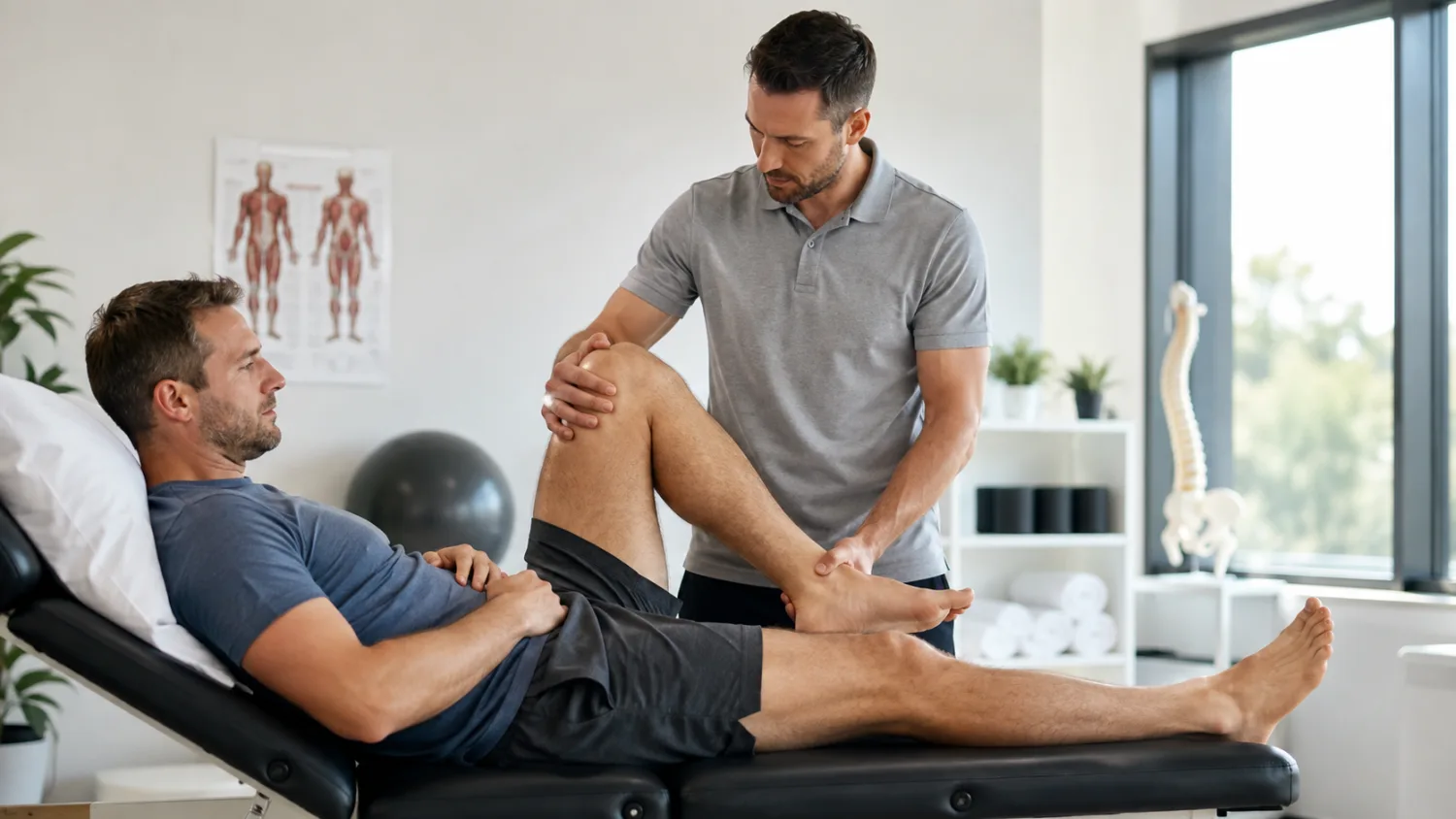
A physiotherapist can help with:
- getting in and out of bed;
- lifting and carrying;
- posture;
- back-strengthening;
- pain management;
- gradual return to activity.
Repeated or heavily loaded forward bending and twisting may be unsuitable for someone with vertebral fractures. This does not mean the spine must be kept rigid or that every forward movement is dangerous.
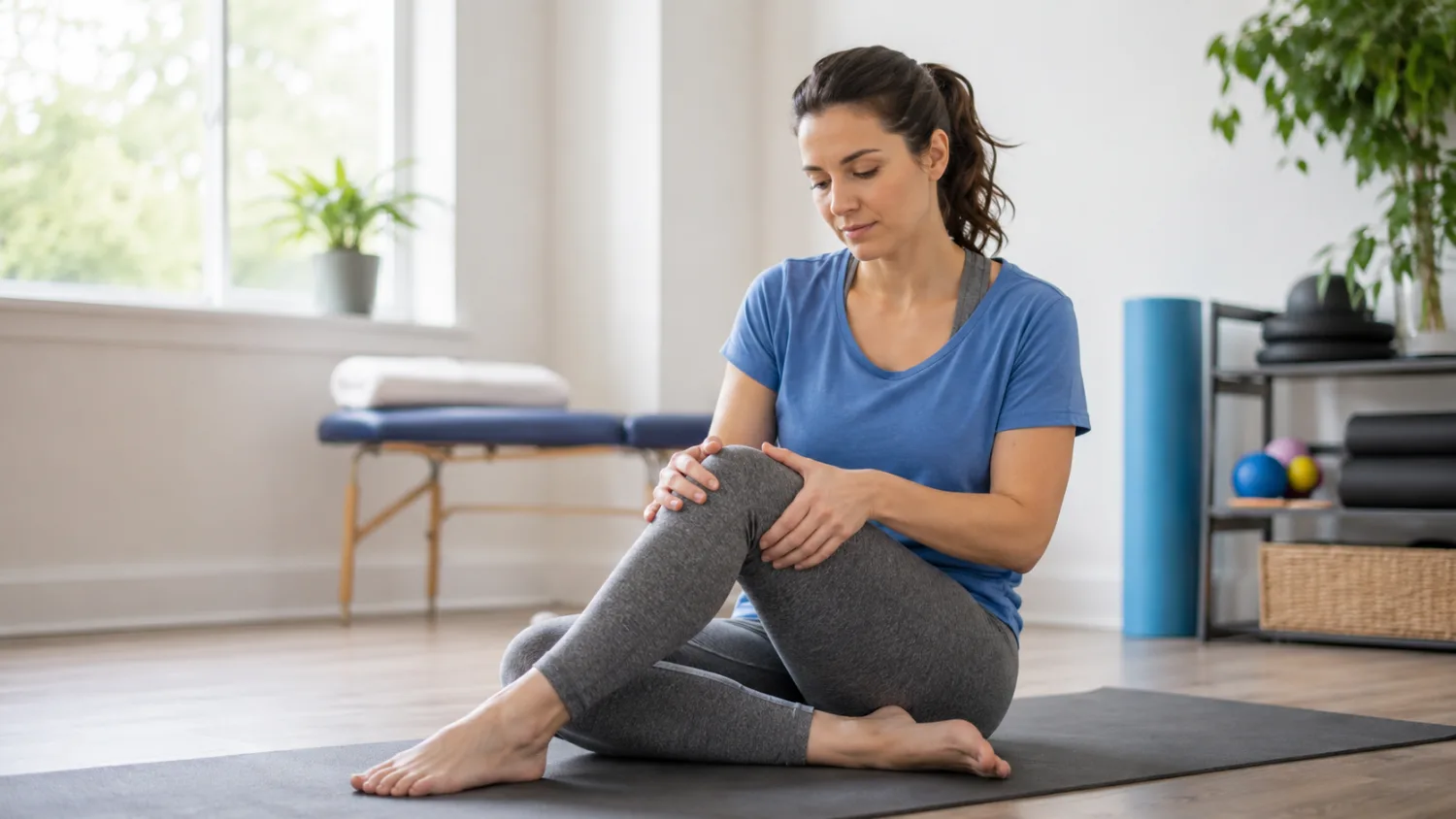
Yoga and Pilates
Both can improve strength, balance and body awareness.
Someone with spinal osteoporosis or previous vertebral fractures may need to modify:
- deep forward folds;
- forceful twisting;
- loaded spinal flexion;
- movements that round the upper back under pressure.
An instructor should know about the diagnosis and, ideally, understand osteoporosis adaptations.
Preventing falls at home
Falls are not always caused by carelessness. They can result from poor vision, blood-pressure drops, muscle weakness, unsafe footwear, sedating medicines and hazards in the home.
Helpful changes may include:
- removing loose rugs and trailing cables;
- improving lighting, especially near stairs;
- installing rails where needed;
- wearing secure, well-fitting shoes;
- keeping frequently used items within easy reach;
- reviewing glasses and hearing;
- checking medicines that cause dizziness;
- using a suitable walking aid rather than avoiding one.
For families supporting an older relative, our article on falls and fall prevention in care homes also covers useful questions about risk assessment and supervision.
Fear of falling
After a fall, someone may stop going outside, avoid stairs or reduce activity to a minimum. This can feel safer in the short term but often leads to further weakness and isolation.
A falls service, physiotherapist or occupational therapist can help rebuild confidence through practical changes rather than simply advising someone to “be more careful”.
Living after a fracture
Recovery is not only about the bone joining together.
A hip, wrist or spinal fracture can affect:
- sleep;
- confidence;
- ability to wash and dress;
- work and caring responsibilities;
- mood;
- independence.
Rehabilitation, adequate pain relief, good nutrition and a clear fracture-prevention plan all matter.
When should you ask for a bone-health assessment?
Osteoporosis is often found through a chain of events: a fracture leads to a scan, or a medicine review reveals a risk that has never been discussed.
You do not need to wait for a hip fracture before asking whether your bones should be assessed.
Speak to a GP if you have:
- broken a bone after a minor fall;
- lost noticeable height;
- developed a newly rounded upper back;
- unexplained sudden or persistent back pain;
- used regular steroid tablets;
- experienced menopause before age 45;
- a parent who fractured a hip;
- very low body weight or an eating disorder history;
- a health condition or cancer treatment that affects bone;
- repeated falls.
Fracture liaison services
Many hospitals have a fracture liaison service designed to identify people with fragility fractures and reduce the risk of another.
The service may arrange:
- fracture-risk assessment;
- DEXA scanning;
- blood tests;
- osteoporosis treatment;
- falls assessment;
- follow-up and medicine review.
Coverage varies, so ask the fracture clinic or GP what follow-up is available if nobody has discussed bone health after your fracture.
What to take to an appointment
It can help to bring:
- a list of previous fractures and how they happened;
- your current medicines;
- details of steroid courses;
- family history of hip fractures;
- information about menopause or hormone treatment;
- your approximate height when younger and now;
- any previous DEXA report.
Questions worth asking
Useful questions include:
- What is my estimated fracture risk?
- Do I need a DEXA scan?
- Could an underlying condition be affecting my bones?
- Would medicine meaningfully reduce my risk?
- What are the benefits and risks of the options?
- How long is treatment likely to continue?
- What should happen if a dose is delayed?
- When will my treatment be reviewed?
Do not be reassured by age alone
A younger adult with a fragility fracture, prolonged absence of periods, steroid exposure or a condition affecting absorption may need assessment even though routine age-related osteoporosis seems unlikely.
Likewise, very old age should not be used as a reason to assume treatment cannot help. Fracture prevention may be particularly important when maintaining mobility and independence is a priority.
Frequently asked questions about osteoporosis
What is osteoporosis?
Osteoporosis is a condition in which bones become less strong and more likely to fracture.
What are the first signs of osteoporosis?
There may be no early signs. A fragility fracture, loss of height, sudden back pain or a more stooped posture may be the first clue.
Does osteoporosis cause pain?
Osteoporosis itself is usually painless. Fractures, particularly in the spine, can cause acute or long-term pain.
Can you feel your bones getting weaker?
No. Bone loss usually occurs without a sensation that can be felt.
What bones are most likely to break?
Fragility fractures commonly affect the wrist, hip, spine, upper arm and pelvis.
What is a compression fracture?
It is a fracture in which a spinal vertebra partially collapses or becomes compressed.
Can a spinal fracture happen without a fall?
Yes. Fragile vertebrae may fracture after bending, lifting, coughing or without a clearly remembered event.
Is osteoporosis a normal part of ageing?
Some bone loss occurs with age, but osteoporosis and fragility fractures are not inevitable.
Is osteoporosis the same as osteoarthritis?
No. Osteoporosis affects bone strength, while osteoarthritis primarily affects joints.
Is osteopenia the same as osteoporosis?
No. Osteopenia describes bone density below the young-adult average but not within the osteoporosis T-score range.
Can osteopenia still cause fractures?
Yes. Fracture risk depends on age, falls, previous fractures and other factors as well as bone density.
Can osteoporosis be reversed?
Bone density can improve with some treatments, but the main aim is to strengthen bone and prevent fractures rather than promise a complete cure.
Can osteoporosis be cured?
It is generally managed as a long-term condition. Treatment can substantially reduce fracture risk.
Who should have a DEXA scan?
A scan may be recommended after fracture-risk assessment, a fragility fracture, long-term steroid treatment or another significant risk factor.
Does everyone over 65 need a DEXA scan?
There is no universal UK programme scanning every person at one fixed age. Assessment is based on risk.
What does a DEXA scan measure?
It measures bone mineral density, usually at the hip and lower spine.
Is a DEXA scan painful?
No. It is a brief, non-invasive test.
Does a DEXA scan involve much radiation?
No. The radiation dose is very low.
What is a T-score?
It compares your bone density with the average peak bone density of a healthy young adult.
What T-score means osteoporosis?
In postmenopausal women and men aged 50 or over, a T-score of −2.5 or lower is commonly classified as osteoporosis.
What is a Z-score?
It compares bone density with what is expected for someone of a similar age and sex.
What is FRAX?
FRAX estimates the 10-year probability of hip fracture and major osteoporotic fracture using clinical risk factors, with or without bone density.
Can blood tests diagnose osteoporosis?
No. Blood tests help identify vitamin D deficiency and secondary causes but do not measure bone density.
Can low calcium in the blood cause osteoporosis?
Blood calcium is tightly controlled and may remain normal even when bone health is poor. A normal result does not rule out osteoporosis.
Does vitamin D deficiency cause osteoporosis?
Severe or prolonged deficiency can impair bone mineralisation and contribute to weakness and falls. It may coexist with osteoporosis.
How much calcium do adults need?
UK guidance generally recommends at least 700 mg each day, preferably from food where possible.
Should everyone with osteoporosis take calcium tablets?
No. Supplements are mainly needed when dietary intake is inadequate or a clinician specifically recommends them.
Can too much calcium be harmful?
Yes. Excessive supplementation may cause constipation, kidney stones or other problems.
Should I take vitamin D?
Many UK adults are advised to consider 10 micrograms daily during autumn and winter. Some people need year-round supplementation or a prescribed treatment dose.
Does milk prevent osteoporosis?
Milk can provide calcium and protein, but no single food prevents osteoporosis. The overall diet and wider risk factors matter.
Can vegans get enough calcium?
Yes, through fortified plant drinks, calcium-set tofu, selected vegetables, pulses and other fortified foods. Labels need checking.
Does coffee weaken bones?
Moderate coffee intake is unlikely to be a major problem when calcium intake is adequate. Very high caffeine intake may be more relevant in someone with poor nutrition.
Does fizzy drink cause osteoporosis?
Ordinary carbonated water does not weaken bones. Problems arise more from drinks displacing nutritious foods or contributing to an unbalanced diet.
Does alcohol affect bones?
Regular heavy alcohol intake can weaken bone and increase falls.
Does smoking cause osteoporosis?
Smoking is associated with lower bone density, higher fracture risk and slower healing.
What exercise is best?
A combination of weight-bearing impact exercise, progressive resistance training and balance work is generally most useful.
Is walking enough?
Walking is beneficial, but resistance and suitable impact exercise can provide additional bone-strengthening stimulus.
Can I lift weights with osteoporosis?
Yes, and resistance training is often encouraged. Technique and progression may need supervision, particularly after spinal fractures.
Can I run?
Some people can continue running safely. Suitability depends on fracture history, bone density, balance, pain and overall fitness.
Can I do yoga?
Yes, but deep loaded forward bends and forceful twists may need modification after vertebral fractures or with significant spinal osteoporosis.
Should I avoid bending over?
No. Everyday movement remains necessary. The concern is repeated or heavily loaded spinal flexion in people at high vertebral-fracture risk, not every ordinary bend.
What medicine is usually used first?
An oral bisphosphonate such as alendronic acid or risedronate is commonly offered first, but the choice depends on individual suitability.
How does alendronic acid work?
It slows the cells that break down bone, helping maintain or improve bone strength.
Why must alendronic acid be taken upright?
Remaining upright and using sufficient water reduces the risk of the tablet irritating the oesophagus.
What if I forget my weekly tablet?
Follow the leaflet or pharmacist’s instructions for your specific medicine. Do not take two weekly doses together unless explicitly advised.
What is zoledronic acid?
It is a bisphosphonate given through a vein, commonly once a year.
What is denosumab?
It is an injection given every six months that reduces bone breakdown.
Can denosumab be stopped suddenly?
No. It should not be delayed or stopped without a plan for another treatment because rapid bone loss and spinal fractures can follow.
What is teriparatide?
It is an anabolic medicine that stimulates new bone formation and is used for selected people at very high fracture risk.
What is romosozumab?
It is a specialist medicine that increases bone formation and reduces breakdown during a limited treatment course.
Can HRT treat osteoporosis?
HRT reduces bone loss and fracture risk while used and may suit some younger postmenopausal women after individual risk assessment.
Do osteoporosis medicines cause jaw problems?
Osteonecrosis of the jaw is a recognised but very rare complication at standard osteoporosis doses.
Can I have dental treatment while taking osteoporosis medicine?
Usually yes. Tell the dentist which medicine you take and discuss extractions or major oral surgery with the dental and prescribing teams.
Should I stop medicine before a tooth extraction?
Do not stop independently. A temporary interruption may offer little benefit for some medicines and can increase fracture risk, especially with denosumab.
What is an atypical femur fracture?
It is a rare fracture in the shaft of the thigh bone associated with long-term suppression of bone breakdown. Persistent thigh or groin pain needs assessment.
How long will I take osteoporosis medicine?
The duration depends on the medicine and your ongoing fracture risk. Treatment should be reviewed rather than stopped automatically.
What is a bisphosphonate drug holiday?
It is a planned treatment break for selected lower-risk patients after an adequate bisphosphonate course.
Will I need another DEXA scan?
Possibly. The timing depends on your treatment and whether the result would change management.
Can osteoporosis affect men?
Yes. Men can develop osteoporosis and experience hip, wrist and spinal fractures.
Can younger people develop osteoporosis?
Yes, particularly with steroid treatment, hormone deficiency, eating disorders, malabsorption, chronic illness or genetic conditions.
Can pregnancy cause osteoporosis?
Pregnancy- and lactation-associated osteoporosis is rare but can cause spinal or hip fractures around late pregnancy or after birth.
Can osteoporosis cause tooth loss?
Osteoporosis does not directly cause every dental problem, although reduced bone density may be associated with changes in jawbone and tooth support.
Can osteoporosis cause a curved spine?
Multiple vertebral fractures can produce height loss and increased forward curvature of the upper back.
Can a fracture heal normally with osteoporosis?
Yes. Many fractures heal, although age, smoking, nutrition, blood supply and fracture type affect recovery.
Can I live a normal life with osteoporosis?
Yes. Many people remain active and independent. Treatment, exercise and falls prevention can substantially reduce risk.
When should I seek urgent help?
Seek urgent help after a fall if you cannot bear weight, have severe hip or groin pain, a limb is deformed, or you develop neurological symptoms. Sudden severe back pain may also need prompt assessment for a spinal fracture.