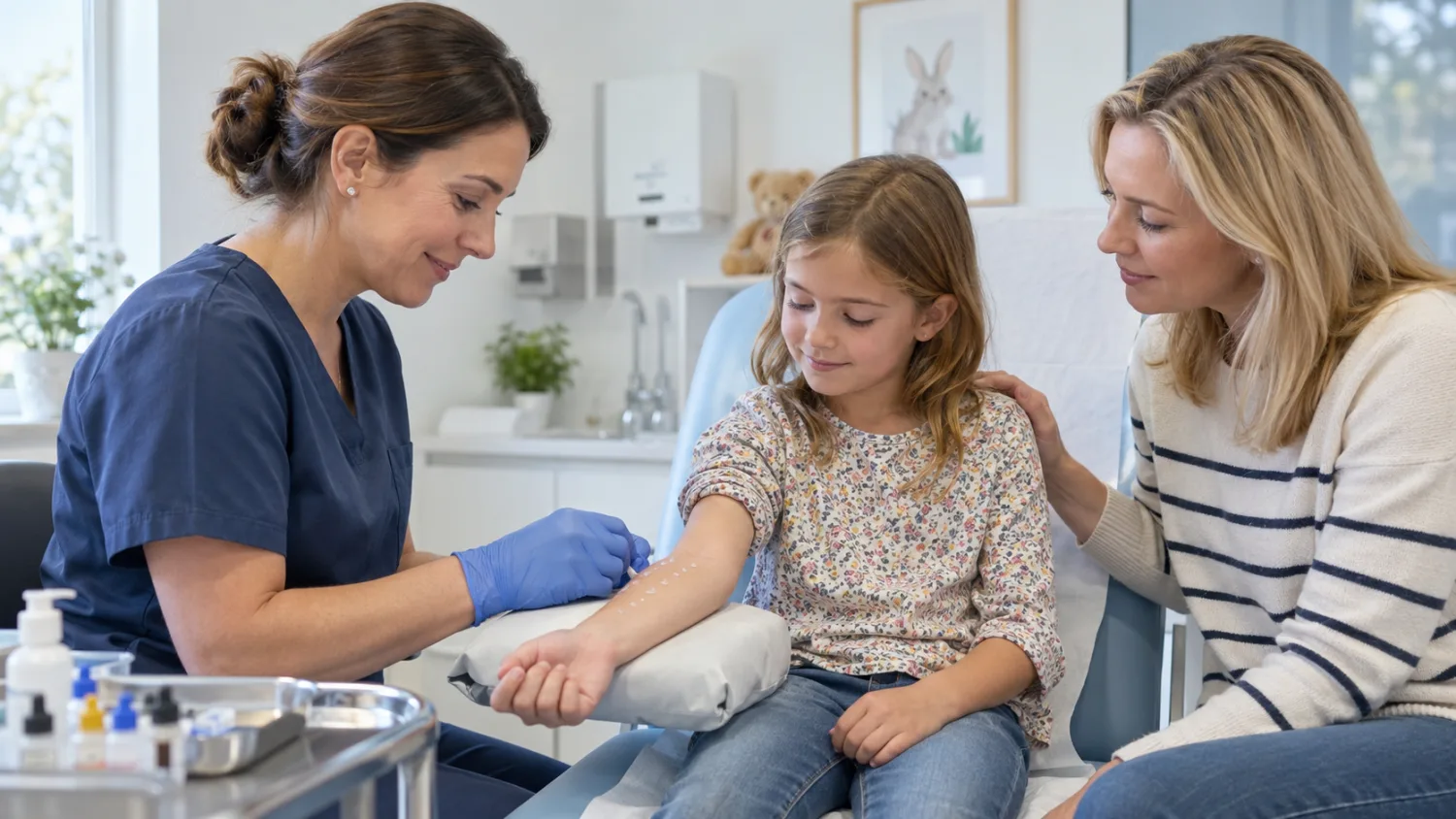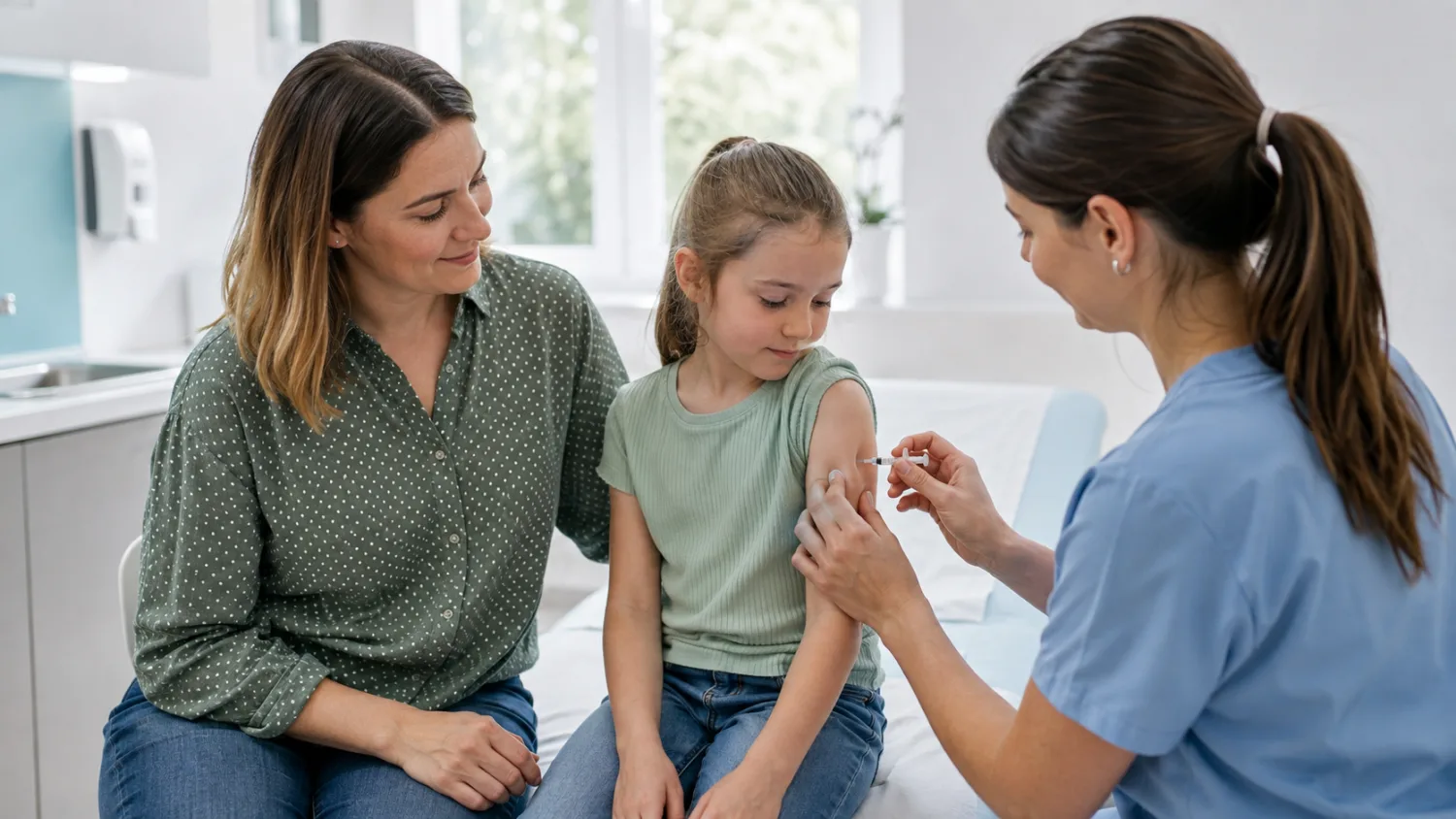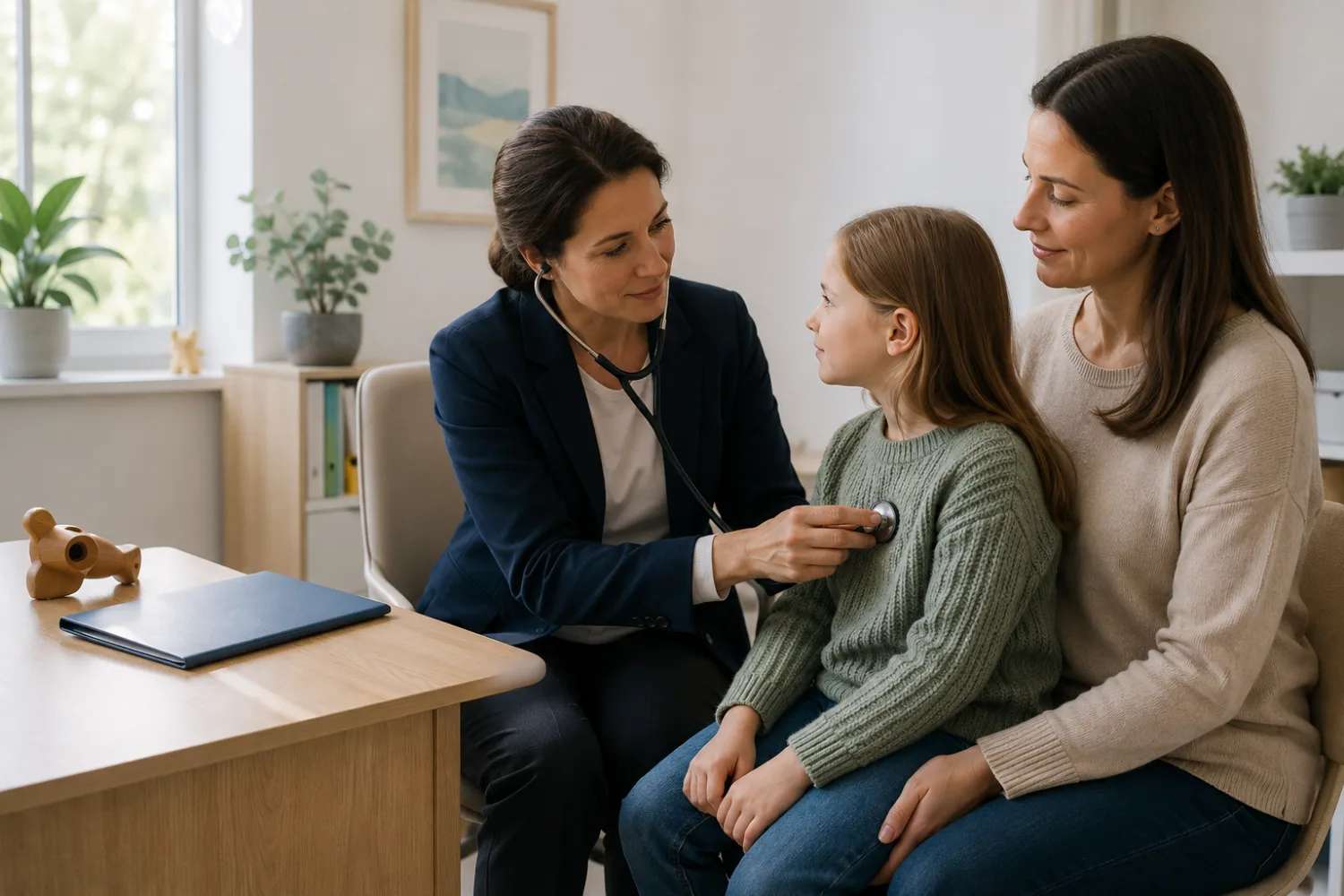
Booking a private paediatrician can give parents faster access to a doctor who specialises in children’s health. It may be helpful when a child has persistent symptoms, several problems that need to be considered together, or a condition that has not improved with initial treatment.
The advertised consultation price is only part of the possible cost. Blood tests, scans, prescriptions, hospital charges, medical reports and follow-up appointments may all be billed separately. A straightforward consultation might cost a few hundred pounds, while a more involved investigation can bring the total to £500, £1,000 or considerably more.
Prices vary between doctors, hospitals and regions. London and major private hospitals tend to be more expensive, while independent clinics elsewhere may charge less. Always request a written estimate based on your child’s likely needs before agreeing to tests or treatment.
This guide provides general information about private paediatric costs in the UK. It is not a substitute for medical advice, and the figures are broad self-pay estimates rather than fixed prices.
How much does a private paediatrician cost in the UK?
A first consultation with a private paediatrician commonly costs approximately £200 to £350. Appointments in central London, longer consultations and highly specialised reviews may cost £350 to £500 or more.
A routine follow-up appointment is usually shorter and may cost around £120 to £250. Video appointments sometimes cost less, although some providers charge the same fee whether the consultation takes place online or in person.
Representative self-pay costs may look like this:
| Private paediatric service | Typical UK price range |
|---|---|
| Initial general paediatric consultation | £200–£350 |
| Longer or highly specialised consultation | £300–£500+ |
| Follow-up consultation | £120–£250 |
| Video consultation | £120–£250 |
| Routine blood tests | Approximately £50–£300+ |
| Ultrasound scan | Approximately £200–£500 |
| X-ray | Approximately £100–£300 |
| MRI scan | Approximately £400–£1,000+ |
| Private prescription | Prescription fee plus the cost of medicine |
| Detailed report or letter | From around £50 to several hundred pounds |
These figures should be treated as planning ranges. For example, one UK private paediatric practice currently lists an initial fee of £210 to £250 and a £120 follow-up, while another lists £300 for a 45-minute first consultation and £250 for a follow-up. A longer private child-health appointment elsewhere may cost £320 or more.
The type of doctor also matters. A general paediatrician can assess a wide range of childhood symptoms, while a paediatric neurologist, gastroenterologist, cardiologist, allergist or developmental paediatrician may charge more for a longer or more specialised review.
What is included in the initial consultation fee?
A first appointment usually includes a detailed medical history, discussion of the current concern and an examination of the child. The paediatrician may review growth, development, previous illnesses, medication and relevant family history.
The doctor should then explain the likely diagnosis or possible causes, whether any tests are needed and what should happen next. A brief letter to the child’s GP is often included, but this should not be assumed. Some doctors charge separately for lengthy reports, forms or letters addressed to schools, insurers and other organisations.
The initial fee generally covers the paediatrician’s time rather than every service delivered in the clinic. It may not include:
- blood, urine or allergy tests;
- X-rays, ultrasound, MRI or other imaging;
- medicines dispensed by a pharmacy;
- fees charged by another specialist;
- hospital or clinic facility charges;
- a detailed report or second-opinion document;
- a follow-up appointment to review progress.
Ask how long the appointment lasts. A low fee for a short consultation may not offer better value than a slightly more expensive 45-minute appointment, particularly when the problem is complex.
If your child mainly needs a same-day assessment for a relatively simple illness, a private GP with experience in children’s health may sometimes be sufficient and less expensive. Our guide to private GP services and costs in the UK explains how those appointments usually work.
How much do private paediatric tests cost?
Test costs vary too widely for a single reliable price. A basic urine test may be inexpensive, while a large group of blood tests, genetic investigation or scan performed under sedation can cost considerably more than the consultation itself.
Routine blood testing may start at approximately £50 to £100, but a broader panel can cost £150 to £300 or more. The total may include individual laboratory charges, a blood-taking fee and sometimes an administration or results fee.
Taking blood from a young child requires appropriate skill and facilities. Some independent clinics cannot collect paediatric samples on site and may refer the family to a private hospital. Ask where the blood will be taken, who will perform the procedure and whether the quoted price includes every collection and laboratory charge.
Allergy testing can range from relatively focused blood or skin-prick testing to a much broader specialist investigation. A large commercial allergy panel is not automatically more useful than tests selected after a careful clinical history. Results can be difficult to interpret and may show sensitisation without proving that a substance causes symptoms.
Our guides to allergy blood test results and understanding blood test results explain why laboratory numbers should always be considered in clinical context.
Before paying for an investigation, ask what question the test is intended to answer and whether its result is likely to change treatment. If the paediatrician recommends several tests, request an itemised estimate rather than approving an open-ended package.
How much do scans and other investigations cost?
Imaging is normally charged separately by the hospital or diagnostic provider. Approximate self-pay prices may start at £100 to £300 for an X-ray, £200 to £500 for an ultrasound and £400 to £1,000 or more for an MRI scan.
The part of the body being scanned, the number of areas, use of contrast and the provider all affect the price. A radiologist’s report may be included, but in some arrangements professional and hospital fees are billed separately.
Paediatric imaging can also involve considerations that do not arise in routine adult scanning. A young child may struggle to remain still during MRI, and sedation or a general anaesthetic may occasionally be considered. This requires additional staff, monitoring and facilities and can increase the total cost substantially.
Other investigations may include ECGs, echocardiograms, breathing tests, sleep studies, endoscopy or specialist developmental assessments. These do not have one standard price. Hospital-based investigations can generate separate bills from the consultant, hospital, anaesthetist and laboratory.
Ask whether the proposed test is being performed at the same clinic or by another organisation. The paediatrician may not control the other provider’s prices, even if the test was arranged during the consultation.
How much are follow-up appointments?
A private paediatric follow-up commonly costs between £120 and £250. It may be used to review results, assess response to treatment, adjust medication or decide whether another specialist is needed.
Some results can be communicated by a short telephone call, secure message or letter without a formal appointment. Other results require a proper consultation because their significance depends on symptoms, examination findings and the child’s progress.
Ask the clinic’s policy before tests are arranged. Useful questions include:
- Will normal and abnormal results both be communicated?
- Is a brief results message included in the original fee?
- Will a paid follow-up be required to receive an explanation?
- Who will contact us if a result needs urgent attention?
- Will the results be sent to our child’s NHS GP?
A cheaper initial appointment may become more expensive if every result or short query requires another full consultation. Conversely, a higher initial fee may include routine result communication and brief follow-up advice.
Lengthy email correspondence may also be chargeable. Some doctors respond to short questions without an additional fee but charge for detailed clinical advice, new concerns or formal written opinions.
Are prescriptions and medicines included?
A paediatrician may issue a private prescription when medication is appropriate. The act of writing it may be included in the consultation, charged separately or subject to an administration fee for repeat prescriptions.
The medicine itself is not normally included. A pharmacy will charge the private retail price, which can differ between pharmacies and may be higher than the standard NHS prescription charge. NHS prescriptions for children are generally free, but a private prescription does not become an NHS prescription simply because the patient is under 16.
A private paediatrician may write to the child’s NHS GP and ask the GP to prescribe or continue a medicine. However, the GP remains responsible for deciding whether it is clinically appropriate and whether they are willing to take over prescribing. This is particularly important for specialist, unlicensed or closely monitored medicines.
Some treatments require repeat blood tests, blood pressure checks, growth monitoring or specialist reviews. Parents should ask about the ongoing cost rather than focusing only on the first prescription.
If a medicine is likely to be needed for months or years, clarify who will monitor it, who will issue repeat prescriptions and what happens if the NHS GP does not accept prescribing responsibility.
Do you need a GP referral to see a private paediatrician?
Many private paediatricians accept direct bookings from parents, so a GP referral is not always compulsory for self-paying families. However, a referral can still be valuable.
The GP can provide a medical summary, previous test results, growth information and details of treatment already tried. This may prevent unnecessary duplication and help the paediatrician understand the wider history.
A referral may be required by a private health insurer even when the clinic itself would accept a direct booking. Some insurers also require pre-authorisation and restrict which doctors or hospitals can be used.
Certain specialist services prefer or require a professional referral because the symptoms need to be triaged. A general paediatrician may also decide that the child needs a different specialist, such as a paediatric neurologist, gastroenterologist, cardiologist or dermatologist.
Parents are entitled to ask for an NHS specialist referral, although the GP will decide whether it is clinically necessary. The NHS provides more information about referrals for specialist care. Our guide to how hospital referrals work in the UK also explains the usual route from primary to specialist care.
Will private health insurance cover a paediatrician?
Private medical insurance may cover eligible paediatric consultations, tests and treatment, but the rules vary by policy. Cover normally depends on the condition, date symptoms began, referral route and insurer’s approved-provider network.
Routine development checks, vaccinations and preventative care are often excluded. Long-term conditions, learning differences and developmental assessments may also be restricted or excluded, particularly if symptoms were present before the policy started.
Do not book on the assumption that a membership number guarantees payment. Contact the insurer first and ask for authorisation. Confirm:
- whether the paediatrician is recognised by the insurer;
- whether a GP referral is required;
- which tests have been authorised;
- whether an excess or co-payment applies;
- whether outpatient benefit limits could be exceeded;
- whether hospital and consultant fees are both covered.
Even with authorisation, parents may be responsible for an excess, excluded service or fee above the insurer’s recognised rate. The clinic may ask you to settle these costs directly.
Our guides to what private health insurance covers and making a private health insurance claim explain the process in greater detail.
When is a private paediatrician useful?
A private paediatric consultation may be useful when a child has ongoing or recurring symptoms that need a broader specialist review. Common reasons include persistent abdominal pain, poor weight gain, recurrent headaches, prolonged cough, repeated infections, feeding difficulties or concerns about growth.
It can also provide a second opinion when the diagnosis or treatment plan is uncertain. Parents may value having more time to discuss the history and understand which symptoms matter.
A paediatrician is not necessarily the best first private professional for every concern. A musculoskeletal problem may need a paediatric orthopaedic specialist, while a skin condition may be better assessed by a dermatologist who treats children. Speech, hearing, mental health and developmental concerns can involve several different professionals.
Developmental and neurodevelopmental assessments are particularly important to distinguish from a routine paediatric consultation. An autism or ADHD assessment may involve interviews, questionnaires, school information and input from more than one professional. It can cost much more than a single general paediatric appointment.
For a detailed example, see our guide to private autism assessment costs in the UK. Ask whether a general consultation is likely to answer the question or merely lead to a separate paid assessment.
How to choose a private paediatrician or clinic
Begin with the doctor’s professional registration and experience. You can check a doctor’s registration, licence and specialist register entry using the General Medical Council’s medical register.
A consultant paediatrician will usually have completed specialist training in child health. For a particular problem, look for relevant expertise rather than choosing solely on availability or a prestigious address.
In England, many independent healthcare services are regulated by the Care Quality Commission. You can use the CQC service search to check registration and published inspection information. Scotland, Wales and Northern Ireland have their own healthcare regulators.
Ask how the clinic communicates with the child’s NHS GP. Private treatment works more safely when relevant diagnoses, results and prescriptions are shared—with appropriate consent—rather than kept in a separate system.
A good paediatric service should also be designed around children. Staff should be comfortable examining different age groups, explain procedures in an age-appropriate way and respect the young person’s views as well as the parent’s consent and concerns.
Be wary of clinics that recommend broad test packages before taking a proper history, guarantee a diagnosis in one appointment or pressure families into paying immediately for a large programme.
How to avoid unexpected private paediatric bills
Ask for the consultation fee and cancellation policy before booking. Then establish what the fee includes and what can be charged separately.
If tests are recommended, request an itemised quotation. It should identify the laboratory or hospital charge, blood-taking fee, scan fee and any cost for interpreting or discussing the results.
For a more complex case, ask the clinic to explain the likely care pathway. One initial appointment may be followed by tests, another consultation and referral to a subspecialist. Understanding this early makes the total cost easier to plan.
A sensible written estimate might include:
- the initial consultation;
- likely tests and imaging;
- hospital or facility charges;
- the first follow-up appointment;
- prescription and medicine costs;
- fees for reports, forms or school letters.
You do not have to agree to every non-urgent test immediately. Ask what the test is looking for, whether there is a less expensive appropriate alternative and whether it could be arranged through the NHS.
However, an NHS GP is not obliged to order an investigation solely because a private doctor has suggested it. The GP must make their own clinical decision and work within local NHS pathways.
When private paediatrics is not the right service
A scheduled private consultation is not a substitute for urgent or emergency care. If a child is seriously unwell, do not wait for a private appointment because it seems more convenient or has already been paid for.
Call 999 or attend an emergency department if a child has life-threatening symptoms. Urgent warning signs can include severe breathing difficulty, blue or grey skin or lips, a seizure that does not stop, severe drowsiness or difficulty waking, or a rash that does not fade under pressure alongside significant illness.
For urgent concerns that are not immediately life-threatening, contact the child’s GP, an urgent treatment service or NHS 111. The NHS advises families to seek further help if a child’s condition worsens while they are waiting for an appointment.
Our guides to fever in children, vomiting and diarrhoea in children and common childhood rashes explain some of the signs that require prompt assessment.
Frequently asked questions
What is the average cost of a private paediatrician?
A general first consultation commonly costs around £200 to £350. London appointments, longer reviews and specialist consultations may cost £350 to £500 or more. Tests and treatment are normally additional.
How much is a private paediatric follow-up?
A follow-up appointment typically costs approximately £120 to £250. The price depends on the doctor, appointment length, location and whether it takes place in person or remotely.
Are blood tests included in the consultation fee?
Usually not. Laboratory tests and the collection of a paediatric blood sample are commonly charged separately. Ask whether result communication is included or requires a paid follow-up.
Can I book a paediatrician without seeing a GP?
Many private paediatricians accept direct self-pay bookings. However, a referral can provide useful medical information and may be required by an insurer or specialist clinic.
Can a private paediatrician refer my child back to the NHS?
The paediatrician can write to the child’s NHS GP or recommend an NHS referral. This does not automatically place the child on an NHS waiting list; the NHS clinician and relevant service must review the request through the appropriate pathway.
Will the NHS carry out tests recommended privately?
Possibly, but it is not guaranteed. An NHS clinician must decide that the test is clinically appropriate and available through the local pathway. Families should not begin private care assuming all later costs can be transferred to the NHS.
Does private health insurance cover children’s consultations?
It may cover eligible new medical conditions, subject to the policy’s exclusions, excess and authorisation rules. Routine care, vaccinations, pre-existing conditions and some developmental assessments may not be covered.
Is a video appointment suitable for a child?
It can be useful for discussion, reviewing progress or looking at certain visible symptoms. It is less suitable when the child needs a physical examination, measurements, urgent assessment or hands-on testing. The clinic should advise whether remote care is appropriate.
Are private prescriptions free for children?
No. NHS prescriptions for children are generally free, but a pharmacy can charge for medicines supplied against a private prescription. There may also be a fee for issuing or repeating the prescription.
Is private paediatric care better than NHS care?
Private care may provide a faster appointment, a longer consultation or access to a particular doctor. It is not inherently better in every case and does not replace NHS emergency, hospital or long-term services. The best route depends on the child’s needs, urgency and the type of specialist care required.